
CDC Classifies Hantavirus Outbreak As ‘Level 3’ Emergency Response: What Does This Mean For Pets?

A rare and unsettling hantavirus outbreak linked to the cruise ship MV Hondius has triggered global concern after multiple deaths and confirmed infections across several countries. In response, the U.S. Centers for Disease Control and Prevention activated a “Level 3” emergency response — the agency’s lowest emergency activation level, but still a serious sign that health officials are closely monitoring the situation and coordinating international containment efforts.
The outbreak has raised an urgent question among pet owners: could household animals like dogs, cats, hamsters, or other pets become infected or spread the disease? While hantavirus primarily spreads through infected rodents and remains relatively rare in humans, the recent cluster of cases has renewed fears about how closely animals and humans interact in homes, farms, cabins, and even cruise environments. Understanding what the CDC’s “Level 3” response actually means — and what pet owners should realistically worry about — is now more important than ever.
What Is Happening In The Current Hantavirus Outbreak?
The current international outbreak has been linked to the expedition cruise ship MV Hondius, where several passengers reportedly developed severe respiratory illness after portions of the voyage near Argentina. Health authorities later confirmed that some of the infections involved the Andes strain of hantavirus, a rare variant capable of limited human-to-human transmission. At least three deaths have been reported, while several confirmed and suspected cases continue to be monitored across multiple countries.
The CDC responded by activating its Emergency Operations Center under a “Level 3” classification. Despite the alarming headlines, Level 3 is not the agency’s highest emergency tier. Instead, it signals increased surveillance, coordination, expert deployment, and preparedness measures. Officials continue to emphasize that the overall public risk remains low, though contact tracing and quarantines are being aggressively pursued because the Andes strain behaves differently from most hantaviruses.
What Exactly Is Hantavirus?
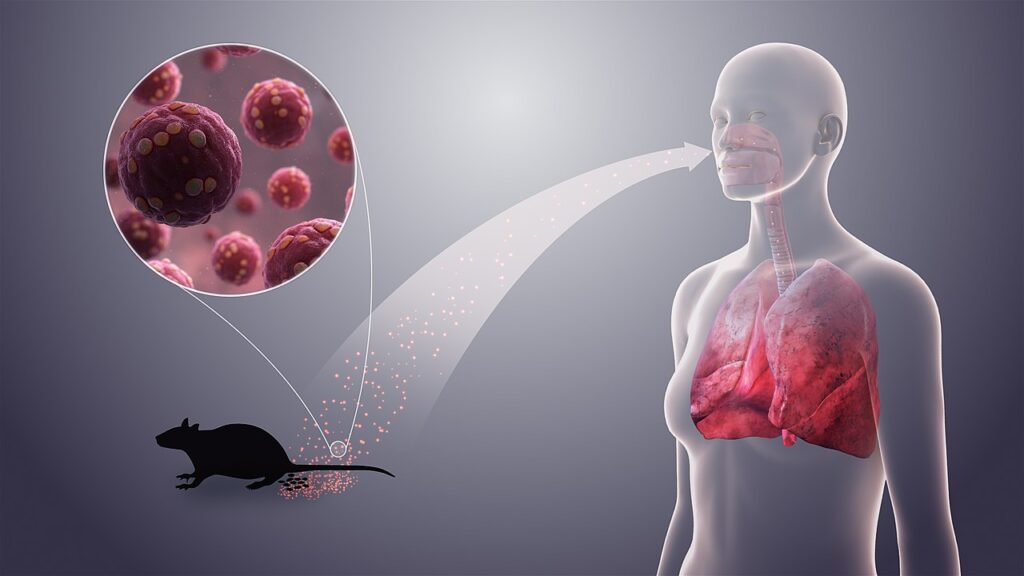
Hantavirus is a family of viruses usually carried by rodents such as deer mice, cotton rats, and certain wild rodents. Humans typically become infected after inhaling tiny airborne particles contaminated with rodent urine, saliva, or droppings. In North America, hantavirus infections can lead to a severe condition known as Hantavirus Pulmonary Syndrome (HPS), which attacks the lungs and can become life-threatening very quickly.
Symptoms often begin like the flu — fever, muscle aches, fatigue, headaches, and nausea — before rapidly progressing into coughing and breathing difficulty. Because the disease can worsen suddenly, early diagnosis is critical. Health agencies also stress that hantavirus is not easily spread like influenza or COVID-19. Most strains do not spread between people at all, making the Andes strain involved in this outbreak especially unusual and closely watched by epidemiologists worldwide.
Can Dogs And Cats Get Hantavirus?

Current evidence suggests that dogs and cats are not considered major carriers or spreaders of hantavirus to humans. Dogs may occasionally come into contact with infected rodents outdoors, but there is very little evidence that dogs themselves develop serious illness or efficiently transmit the virus to people. Veterinary sources indicate that canine infections appear extremely uncommon and poorly documented compared to infections in rodents and humans.
Cats occupy a more complicated position because they actively hunt rodents. However, experts generally believe cats may actually help reduce hantavirus risk around homes by lowering rodent populations. There is currently no strong evidence showing household cats spread hantavirus directly to humans under normal circumstances. Still, veterinarians caution owners against allowing pets to bring wild rodents into the house, especially in areas where hantavirus activity has been reported. Rodent exposure remains the central concern — not the pets themselves.
Are Small Pets Like Hamsters Or Pet Rats A Concern?
This is where concern becomes more nuanced. Domesticated pet rodents such as hamsters, mice, gerbils, or rats are biologically closer to the natural carriers of hantavirus. Although commercial breeding systems and pet stores often operate under health monitoring programs, experts still advise caution with any rodent species because hantaviruses naturally circulate among rodents worldwide.
That does not mean pet hamsters are suddenly dangerous household threats. In fact, infections linked to pet rodents remain rare compared to exposure from wild rodents in sheds, barns, cabins, campsites, or poorly ventilated storage spaces. However, pet owners should avoid mixing domestic rodents with wild mice or rats, maintain clean cages, wear gloves during deep cleaning, and wash hands thoroughly after handling bedding or droppings. Preventing contamination from wild rodents remains the real line of defense.
Why Health Officials Are Taking The Cruise Ship Outbreak Seriously
One major reason the outbreak drew international attention is because cruise ships create tightly packed environments where illnesses can become difficult to monitor. While hantavirus is not traditionally associated with cruise outbreaks, investigators believe some passengers may have been exposed before boarding or during excursions in Argentina. The Andes strain’s rare ability to spread between humans also added another layer of concern.
Authorities are now coordinating monitoring programs across numerous countries, including quarantines and extended observation periods for potentially exposed travelers. Several passengers are reportedly being transported under controlled conditions, while public health agencies continue tracing contacts. Despite dramatic media coverage, experts repeatedly stress that this does not resemble the early stages of another COVID-style pandemic. Transmission remains relatively limited, and health agencies believe the broader public threat is still low.
Could Pets Become Indirectly Involved In Transmission?

The bigger risk involving pets is indirect exposure rather than direct infection. Dogs and cats can unknowingly bring infected rodents close to humans, especially in rural areas. A cat dropping a mouse in the living room or a dog disturbing rodent nests in barns, garages, cabins, or campsites could potentially increase exposure to contaminated particles. That is why experts focus heavily on rodent control rather than isolating pets themselves.
Environmental contamination also matters. Sweeping or vacuuming rodent droppings can aerosolize viral particles, increasing inhalation risk. Health departments recommend ventilating enclosed spaces before cleaning and using disinfectants instead of dry sweeping. Pet food stored in garages or outdoor sheds can attract rodents as well, creating hidden hotspots around homes. In many cases, prevention revolves less around fear of pets and more around keeping rodents away from pet environments altogether.
How Pet Owners Can Protect Their Homes And Animals
The most effective prevention strategy is aggressive rodent control combined with good hygiene practices. Homeowners should seal gaps in walls, remove accessible food sources, secure garbage bins, and avoid leaving pet food outdoors overnight. Areas like attics, garages, sheds, barns, and crawl spaces should be inspected regularly for signs of rodent activity. If droppings are found, they should be disinfected carefully instead of swept or vacuumed dry.
Pet owners should also supervise outdoor pets in areas known for heavy rodent populations. Cats that frequently hunt rodents and dogs that explore barns or forested spaces may unknowingly increase household exposure. Veterinarians generally advise routine hygiene rather than panic: wash hands after handling pets, clean cages properly, and discourage contact between pets and wild rodents. For households with pet hamsters, mice, or rats, sourcing animals from reputable breeders and maintaining clean enclosures remain sensible precautions.
Conclusion
The recent hantavirus outbreak has understandably sparked anxiety because it combines several frightening elements: international travel, cruise ship exposure, deaths, quarantines, and the rare Andes strain capable of limited person-to-person transmission. But the situation also highlights an important reality — headlines can sound more catastrophic than the actual public risk. The CDC’s “Level 3” response does not mean society is facing another global shutdown scenario. It means health authorities are mobilizing resources early to contain and understand a rare outbreak before it spreads further.
For pet owners, the evidence so far is actually somewhat reassuring. Dogs and cats are not believed to be major hantavirus spreaders, and ordinary interaction with household pets is not considered a primary threat. The true danger remains exposure to infected rodents and contaminated environments. In many ways, this outbreak serves as a reminder of how deeply human health, wildlife, travel, and home environments are connected. Panic is unnecessary — but awareness, cleanliness, and sensible prevention absolutely are not.