
Can Dogs Get Hantavirus?
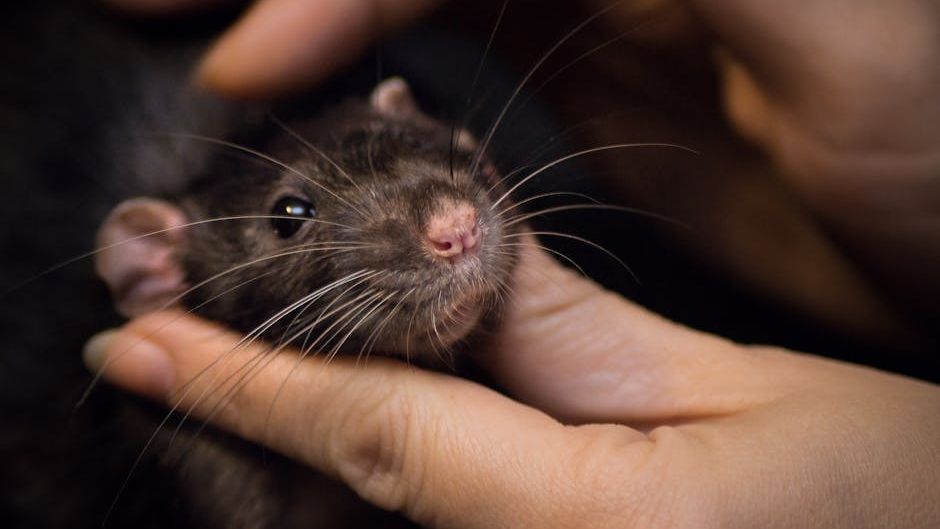
Your dog just chased a mouse across the yard, nosed around an old woodpile, or maybe dragged a dead rodent right onto your porch. Your stomach dropped. You’ve heard the word “hantavirus” before, and it doesn’t come attached to good feelings. Naturally, the first thing a dog owner wonders is whether their pup is now in danger – or worse, whether the whole household is.
It’s a fair question, and the answer is more nuanced than a simple yes or no. There’s some genuinely reassuring science here, but there are also real risks that are worth understanding properly before you exhale fully.
#1: What Exactly Is

Hantaviruses are a family of viruses capable of causing serious illness and death. They cause diseases like hantavirus pulmonary syndrome (HPS) and hemorrhagic fever with renal syndrome (HFRS), and they are spread mainly by rodents. This isn’t a new threat – it’s been circulating in wild rodent populations for a very long time, quietly, largely out of sight.
The deer mouse is the most common carrier of hantavirus in North America and Central America, and most infections in the United States occur in states west of the Mississippi River. Other carriers include the rice rat and cotton rat in the Southeast and the white-footed mouse in the Northeast. The virus doesn’t discriminate much by geography, though certain regions carry significantly higher risk than others.
When hantaviruses reach the lungs, they invade tiny blood vessels called capillaries, eventually causing them to leak, and the lungs fill with fluid, resulting in severe dysfunction of the lungs and heart. That is what makes this virus genuinely frightening – its ability to escalate quickly once it takes hold.
#2: Can Dogs Actually Get Infected With
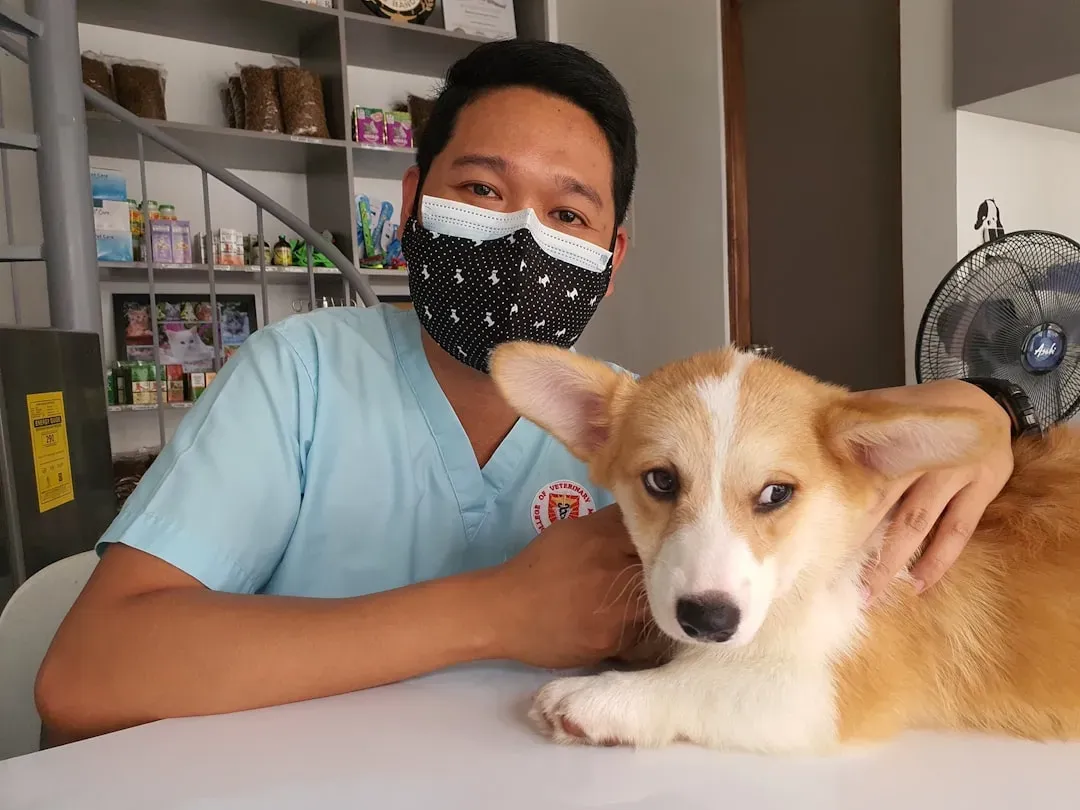
Dogs and cats are not known to become infected with hantavirus in the United States. That’s the official position from the Centers for Disease Control and Prevention, and it’s one of the more relieving facts you’ll find on this topic. Your dog is not built to host this particular virus in the way that a deer mouse is.
Dogs do not get infected and show no symptoms even after direct contact with infected rodents. Veterinary researchers and the CDC both confirm that dogs are not natural hosts for any of the hantavirus strains circulating in the United States. Even dogs that regularly hunt mice, dig up rodent nests, or live in barn environments with heavy rodent activity do not develop hantavirus disease.
There is some evidence that domestic animals including dogs and cats may become infected with hantaviruses, but they do not experience clinical illness and cannot transmit the virus to humans. So while there’s a small biological footnote to explore, the practical takeaway for most dog owners is clear: your dog is not going to get sick from hantavirus.
#3: The Indirect Risk – What Your Dog Might Bring Home
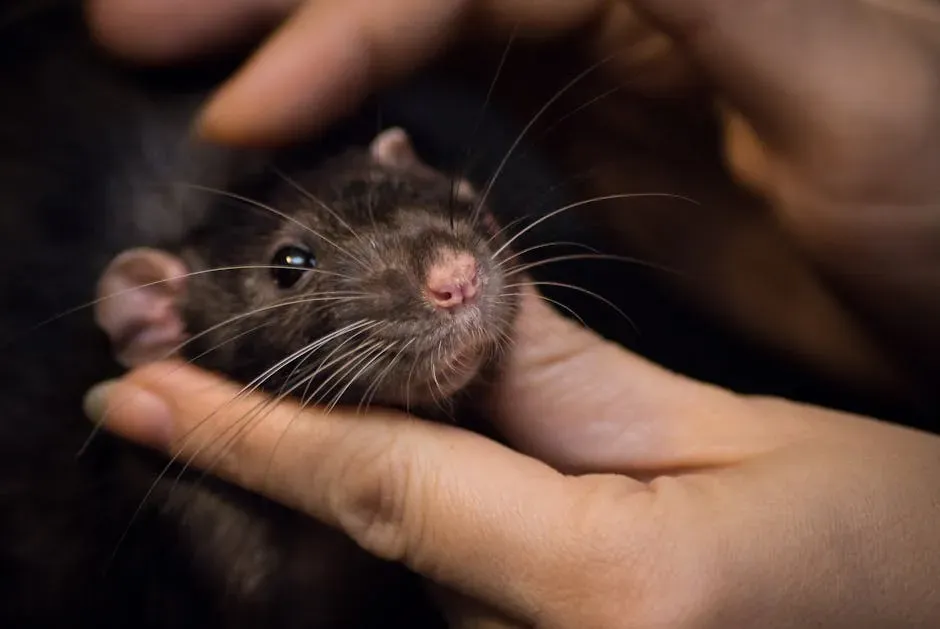
Pets may bring infected rodents to people or into homes. This is where the conversation shifts. Your dog itself isn’t the threat, but what it carries on its coat, paws, or in its mouth after a rodent encounter very well could be.
A dog that catches mice, digs through rodent nests, or roams areas with rodent activity can track contaminated material – droppings, urine, or fur – into your home on their paws and coat. That material is what puts people at risk, not the dog itself. It’s a subtle but critically important distinction that many pet owners miss entirely.
It is possible for cats or dogs to increase the risk of transmission to humans by bringing rodents into closer proximity of their owners. If your outdoor pet is prone to killing mice or rats, make sure you always handle the remains with great care, because even sweeping up rodent debris can cause the virus to be inhaled through air particles. Gloves and a mask aren’t overkill in those situations – they’re genuinely sensible precautions.
#4: How Serious Is Hantavirus for Humans?

HPS is fatal in nearly 4 in 10 people who are infected. That statistic is hard to sit with. Hantavirus is rare in terms of raw case numbers, but it commands real respect because of what it does once it takes hold in a human body.
Symptoms begin one to eight weeks after inhaling the virus, and illness typically starts with three to five days of fever, sore muscles, headaches, and fatigue. Nausea, vomiting, and diarrhea may also be present. Four to ten days later, the late symptoms of HPS appear, and as the disease gets worse, it causes coughing, shortness of breath, and difficulty breathing.
Between 1993 and 2022, the CDC recorded 864 confirmed cases across the entire United States – an average of roughly 29 per year over that period. The Four Corners region of New Mexico, Colorado, Arizona, and Utah accounts for a disproportionate share of cases, and New Mexico has had the most total cases since national tracking began. Rare, yes – but never something to dismiss lightly.
#5: Other Rodent-Borne Diseases Your Dog Can Actually Get

Dogs can be susceptible to various diseases carried by rodents, such as leptospirosis and salmonella, and keeping your dog vaccinated and regularly checked by a vet can help prevent these diseases. Hantavirus may not be a direct threat to your dog, but the rodents it chases certainly are carrying other dangers worth taking seriously.
Even if the risk of hantavirus is small, there are other rodent-transmitted diseases to be aware of, from tapeworm to Rat-Bite Fever and leptospirosis. Leptospirosis in particular can be severe in dogs, causing kidney and liver damage, and it’s one reason vets often recommend the lepto vaccine for dogs with outdoor exposure.
The broader point is this: a dog that frequently encounters wild rodents is living closer to disease risk than one that doesn’t, even if hantavirus specifically isn’t the threat. Routine vet care and vaccinations aren’t just checkboxes – they’re genuine protection against a real range of rodent-associated infections.
#6: How to Protect Your Dog – and Yourself – From Hantavirus Risks

Rodent infestation in and around the home remains the primary risk for hantavirus exposure. So the single most effective thing you can do for your entire household – dogs included – is to make your home as rodent-resistant as possible. This matters especially if you live in a rural or semi-rural area.
Seal up cracks and gaps in buildings that are larger than one quarter inch, including window and door sills, under sinks around the pipes, in foundations, attics, and any potential rodent entry point. It sounds tedious, but a mouse can squeeze through a gap barely the size of a dime, and that’s all the entry it needs to create a nest and contaminate your living space.
The only realistic scenario where a dog might contribute to human exposure is if fresh rodent material – urine, droppings, or saliva – is physically on the dog’s coat or paws and is then disturbed in a way that creates aerosolized particles near a person’s face. Even in that scenario, the risk requires disturbing the material into airborne particles. A simple paw-wipe or coat brush down with gloves is sufficient to address that concern, and routine hand washing after handling a dog that has been in rodent-active areas is good practice.
Wash dishes promptly, clean counters and floors, and store your food – including pet food – in rodent-proof containers. Pet food left out overnight is essentially an open invitation for rodents, and that’s true whether you live in the city or out in the country.
Conclusion: The Real Story Behind the Scare

Here’s what the science actually tells us: your dog is not going to die from hantavirus, and it’s not going to give it to you directly. The CDC and veterinary researchers are consistent and clear on that point. The danger, where it exists, runs in the opposite direction – from rodents to your living environment, sometimes with your dog acting as an unwitting delivery system.
That matters. Not because it should make you afraid of your dog – it absolutely shouldn’t – but because it points toward where the real protective action is. Control the rodent population around your home, handle any rodent encounters with appropriate care, keep up with your dog’s routine vet visits, and wash your hands after outdoor romps in areas where mice are active.
The relationship between dogs and hantavirus turns out to be less about your pet’s health and more about household awareness. And honestly, that’s a manageable problem. Knowing the actual risk – rather than the assumed one – is already most of the battle won.