
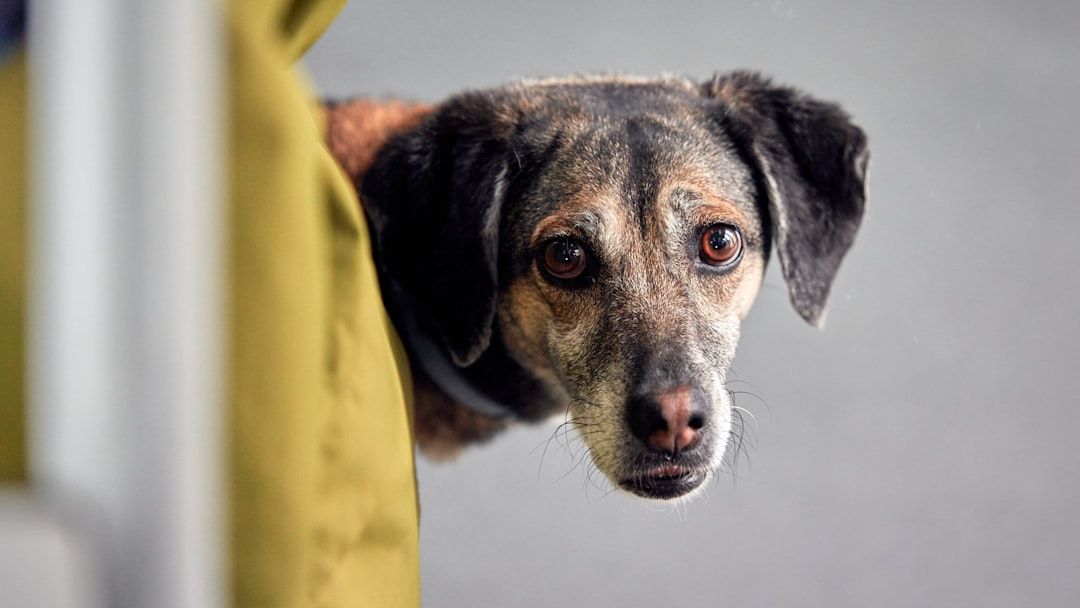
Most dog owners have felt it – that pull of guilt as you grab your keys and your dog’s eyes follow you to the door. You wonder, on the drive to work, whether they’re okay. Whether they feel your absence the way you feel theirs. It’s one of those quiet questions that hovers somewhere between science and sentiment, and for a long time, researchers simply didn’t have a satisfying answer.
What’s changed in recent years is that the tools to study canine emotion have improved dramatically. Brain imaging, behavioral monitoring, and long-term attachment studies have collectively pushed this conversation well beyond anecdote. The picture emerging from the science is both fascinating and, for most dog owners, quietly reassuring.
What the Science Actually Says About Canine Attachment
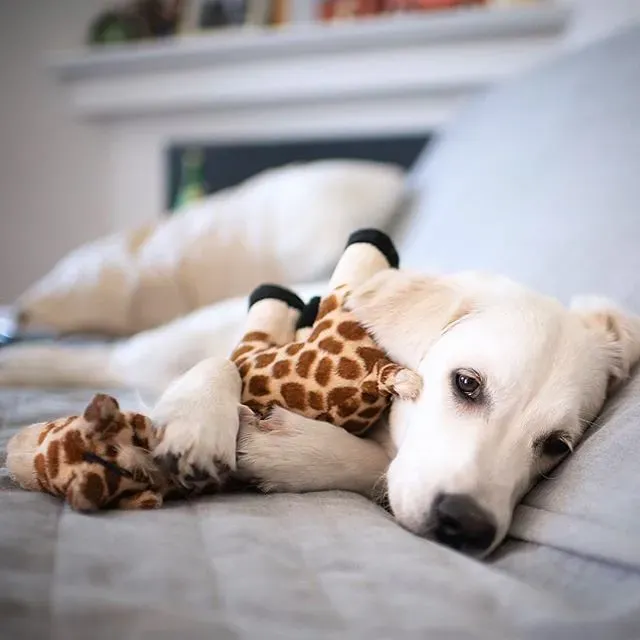
As our closest animal companions, dogs are often regarded as more than pets – they are family. Their deep emotional bonds with humans and other animals have long intrigued scientists and pet owners alike. That intuition, it turns out, has meaningful scientific backing.
Recent studies have revolutionized our understanding of how dogs experience separation from their owners. In 2011, neuroscientist Gregory Berns conducted pioneering research by training dogs to remain still in MRI machines, allowing scientists to observe their brain activity under various circumstances.
The results were fascinating: dogs’ brains showed increased activity in areas associated with positive emotions when exposed to their owner’s scent compared to strangers’ scents. This neurological evidence strongly suggests that dogs form deep emotional bonds with their human families.
Yes, dogs do miss their owners. Studies have shown that the bond between dogs and their owners is actually similar to the bond between parents and children. That’s a striking parallel, and one researchers have returned to repeatedly.
Inside the Canine Brain: What MRI Scans Revealed
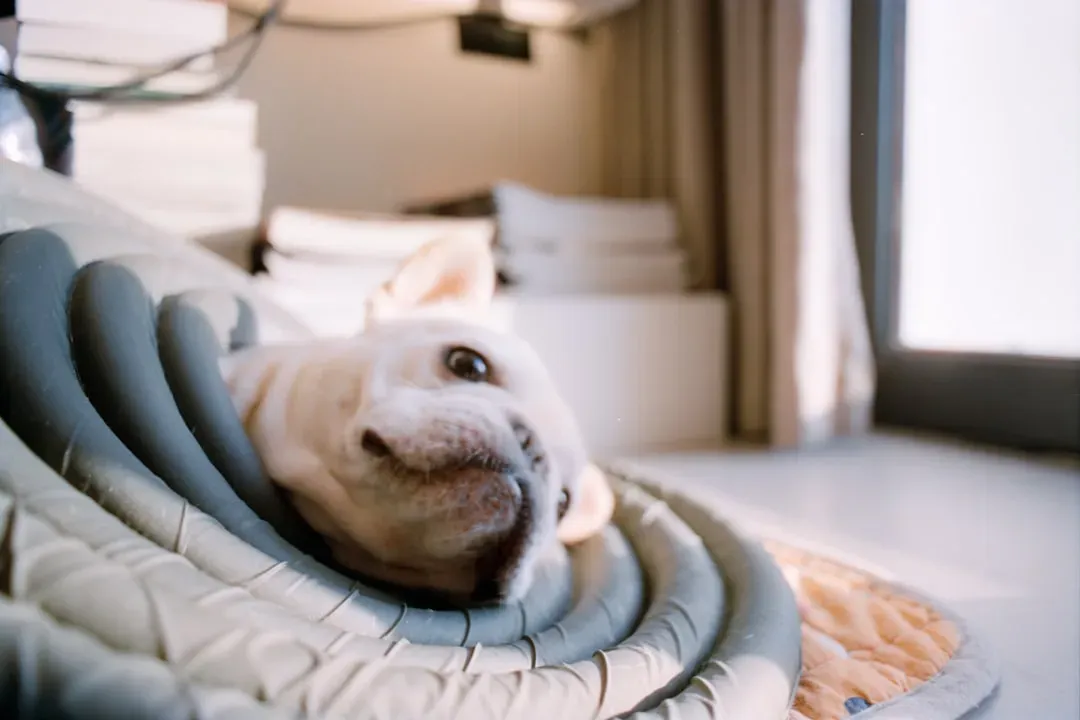
Emory neuroscientist Gregory Berns became the first to capture images of actual canine thought processes. To explore the minds of the oldest domesticated species, the Berns lab trained dogs to remain still and alert while undergoing functional Magnetic Resonance Imaging – the same tool that is unlocking secrets of the human brain. The project opened a new door into canine cognition and social cognition of other species.
Both the human and dog brains are strikingly similar in function and structure in one key region: the caudate nucleus. Located between the brainstem and the cortex, the dopamine-rich caudate plays a key role in the anticipation of things we enjoy, like food, love, and money – things that are associated with positive emotions.
The caudate was activated maximally to the familiar human. Importantly, the scent of the familiar human was not the handler, meaning that the caudate response differentiated the scent in the absence of the person being present. The caudate activation suggested that not only did the dogs discriminate that scent from the others, they had a positive association with it.
Only the “familiar human” scent activated the caudate nucleus. This suggests the reward response is reserved for familiar humans over other dogs. In other words, your dog’s brain lights up for you specifically – not just any person who walks through the door.
How Dogs Sense Time and Notice Your Absence

Dogs perceive time through changes in their body, observation, and smell. Though they may not know “5 p.m.” or “dinner,” they may know exactly what time it is by the feeling of their empty stomach. Dogs can understand time as the continuous sequence of events marked by changes in their bodies and in the environment.
In Alexandra Horowitz’s book “Being A Dog,” she discusses a dog’s ability to smell the passage of time by the intensity of the scent. When you are home, your scent is strongest. After you leave and over the course of your day, your scent begins to weaken. At a certain point, you arrive home. Your dog can use the level of your scent to predict your return home.
Studies show that dogs can distinguish between different lengths of time, especially when it involves their owners. In one experiment, dogs showed stronger reactions when their owners were gone for two hours compared to 30 minutes. The longer the absence, the more enthusiastic the greeting.
Research shows that dogs have episodic-like memory, allowing them to recall events rather than exact times. They rely on these memories to gauge when their owner might return. This memory helps them adapt to routines but can cause distress if routines change suddenly.
The Behavioral Signs That Your Dog Misses You
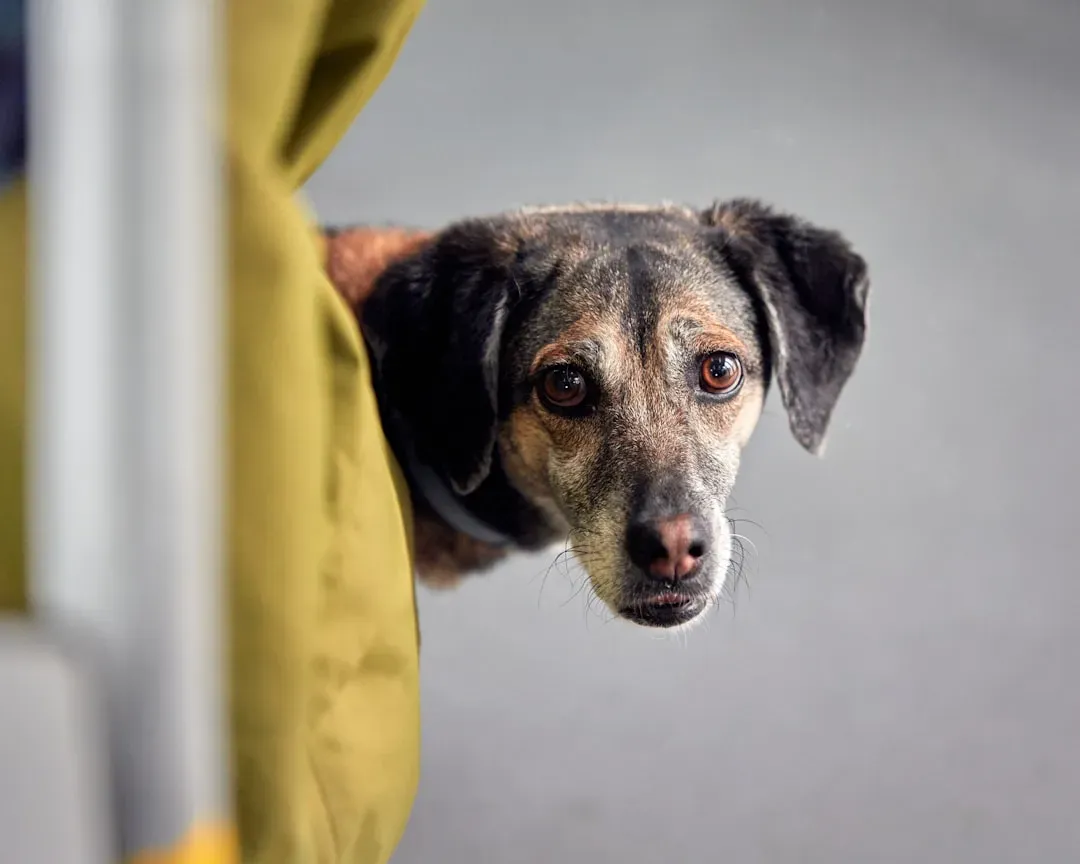
A 2017 study by the University of Lincoln investigated the behavioral changes in dogs during their owner’s absence. The researchers found that dogs often experienced anticipatory behaviors before their owners left, such as becoming more anxious or clingy. When the owners returned, the dogs displayed signs of relief and excitement, further indicating that they had missed their humans during the separation.
The results revealed that dogs experienced increased levels of stress during their owner’s absence, with heightened heart rates and more frequent pacing or vocalizations. The study also highlighted that the longer the separation, the more intense the dog’s emotional response. When reunited with their owners, the dogs exhibited strong signs of affection, including tail wagging, jumping, and licking – behaviors commonly associated with joy and relief.
As the owner prepares to leave, the pet usually shows salient signs of anxiety including increased activity such as restlessness, pacing, and whining, or physiologic changes like panting and hypersalivation. These occur in response to recognizable departure cues, such as picking up car keys, putting on a coat, or picking up a briefcase.
The dog will target personal items because they carry the owner’s scent, not because the dog is “getting back at that person” for being left alone, as some owners might suspect. That distinction matters. Destructive behavior in your absence is almost always about anxiety, not spite.
When Missing You Becomes Something More Serious
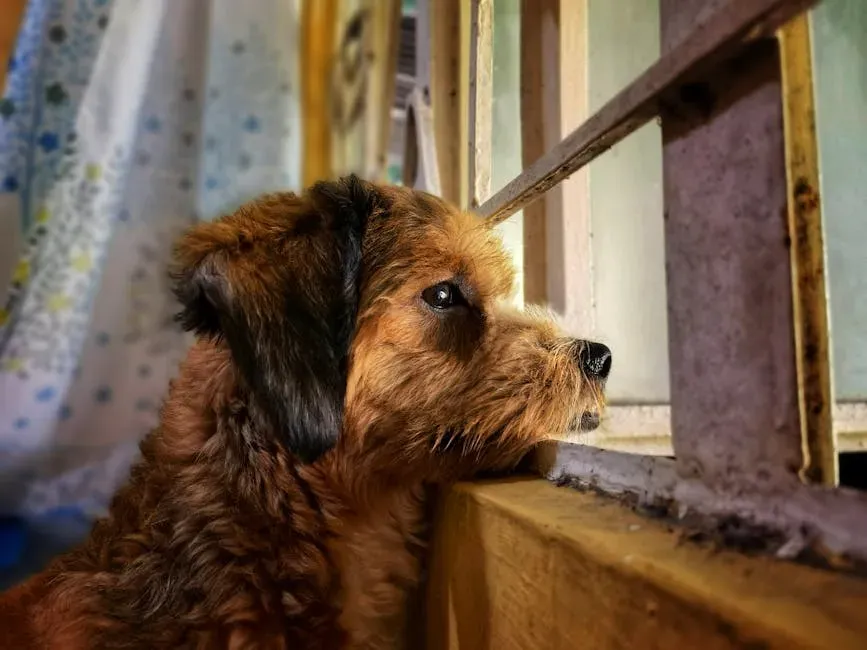
While it’s normal and healthy for dogs to miss their owners, separation anxiety is an entirely different – and more serious – condition. Dogs experiencing separation anxiety undergo genuine physical and mental stress. Their cortisol levels spike, triggering a cascade of stress responses throughout their bodies. This isn’t just behavioral – it’s a medical condition that requires proper attention and treatment.
Animal behavior researchers have identified four key forms of separation anxiety, and suggest that animal behaviorists should consider these underlying reasons as the issue that needs treating. The team, led by scientists from the University of Lincoln, identified four main forms of distress for dogs when separated from their owners. These include a focus on getting away from something in the house, wanting to get to something outside, reacting to external noises or events, and a form of boredom.
Between the start of the COVID-19 pandemic in early 2020 and January 2022, over 23 million American households welcomed new canine companions into their families. This means that as owners have been called back into the office in more recent years, many pairings have had to separate for the first time. That shift left a significant number of dogs suddenly facing long daily absences they’d never been conditioned for.
The most successful treatment for canine separation-related problems may be behavior modification that focuses on systematic desensitization and counterconditioning, which can be supplemented with medication in the initial stages. Getting help early, before the behavior becomes entrenched, generally leads to better outcomes.
What You Can Actually Do to Help Your Dog Cope
Contrary to common fears, most dogs do not spend their boarding stay feeling sad or abandoned. Instead, they usually shift into a new routine – eating, playing, exploring, resting, and interacting with staff and other dogs. Dogs are more adaptable than we sometimes give them credit for, provided the environment is structured and safe.
Exercise is key: ensure your dog gets plenty of physical activity before you leave. A tired dog is more likely to rest peacefully while you’re gone. Consider a morning walk, play session, or even a quick game of fetch in the backyard.
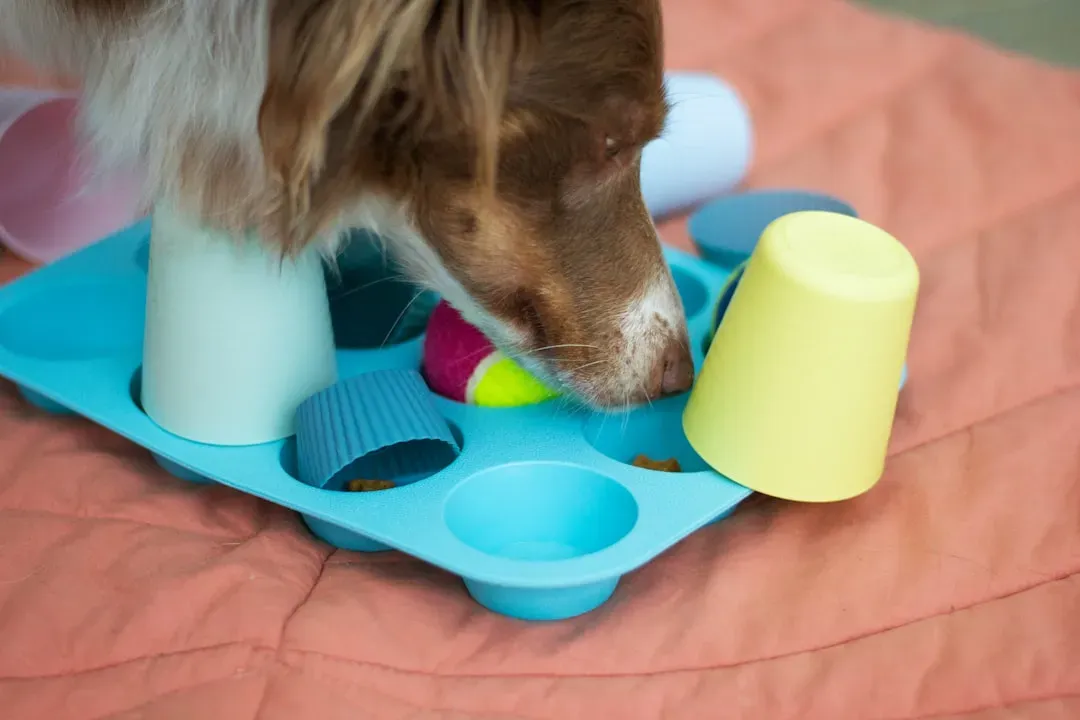
Mental stimulation through puzzle toys, treat-dispensing balls, and frozen Kong toys can keep your dog’s mind occupied. These special “departure treats” should only come out when you leave, creating positive associations with your absence.
The single most important thing you can do is maintain regular daily routines. Feed your dog at the same times each day, walk at consistent hours, and keep bedtime predictable. This consistency reduces anxiety because your dog knows what’s coming next. Predictability isn’t boring to a dog – it’s genuinely comforting.
Conclusion: A Bond That Goes Both Ways
The evidence, taken together, points to something most dog owners already suspected in their gut: dogs don’t just tolerate our company – they are genuinely oriented toward us, neurologically and emotionally. Combined with behavioral studies by researchers Therese Rehn and Linda Keeling, we can confidently conclude that dogs definitely experience something akin to “missing” their owners. While we can’t know if this feeling matches our human experience of missing someone, the evidence is compelling.
That last caveat is worth holding onto. The science doesn’t tell us that dogs miss us in the rich, reflective way humans miss each other. We know that dogs are capable of feeling a range of emotions, including joy, sadness, or anxiety. They probably don’t miss their owners the same way humans miss each other, but it seems that being separated does cause them some distress.
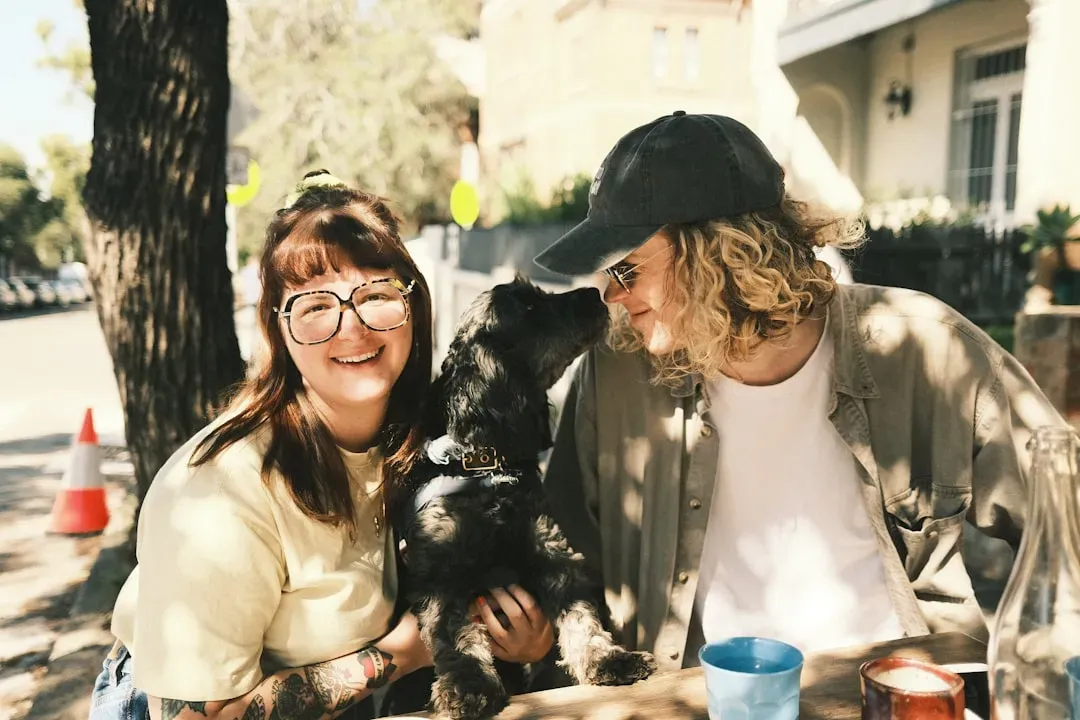
What this ultimately means is that the bond you share with your dog is real – not projected, not imagined, and certainly not one-sided. The best thing you can give your dog isn’t a guilt-free goodbye or an elaborate treat puzzle. It’s a stable, predictable life in which they can trust that you’ll come back. For most dogs, that trust is everything.


