
18 Dog Breeds That Sleep Closest to Their Owner as They Get Older – And the Heartbreaking Reason Why
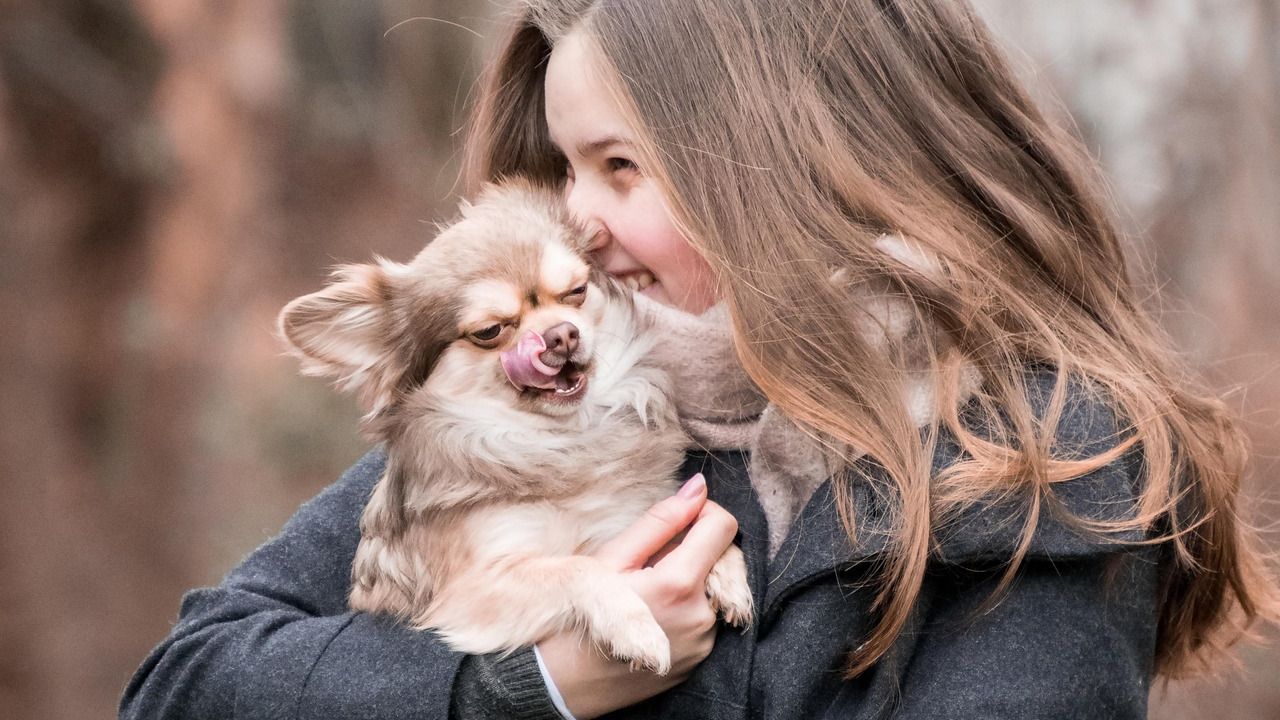
There’s a moment most dog owners recognize, even if they can’t quite name it. It happens gradually. Your dog, who used to sprawl comfortably at the foot of the bed or curl up in their own corner, starts inching closer. Night after night, they press a little tighter against your legs, rest their chin on your arm, or simply refuse to settle unless they’re touching you. It’s easy to smile at first and call it sweet. It is sweet, actually. But it’s also something more.
As dogs age, they often suffer a decline in functioning. Their memory, their ability to learn, their awareness, and their senses of sight and hearing can all deteriorate. Aging can also change their social relationships with you and other pets in your home. Older dogs grow ever closer to their owners. Even if they were independent prior, older dogs may grow nervous when left alone. When you leave the house or room, you could find destructive behavior, whining, pacing, or excessive barking. Reduced hearing or vision may make them feel vulnerable without you. So when your dog sleeps pressed against you like they’re afraid you might disappear, they might just be telling you the only way they know how – that they need you more than ever. Here are the 18 breeds most likely to do exactly that.
#1. Vizsla
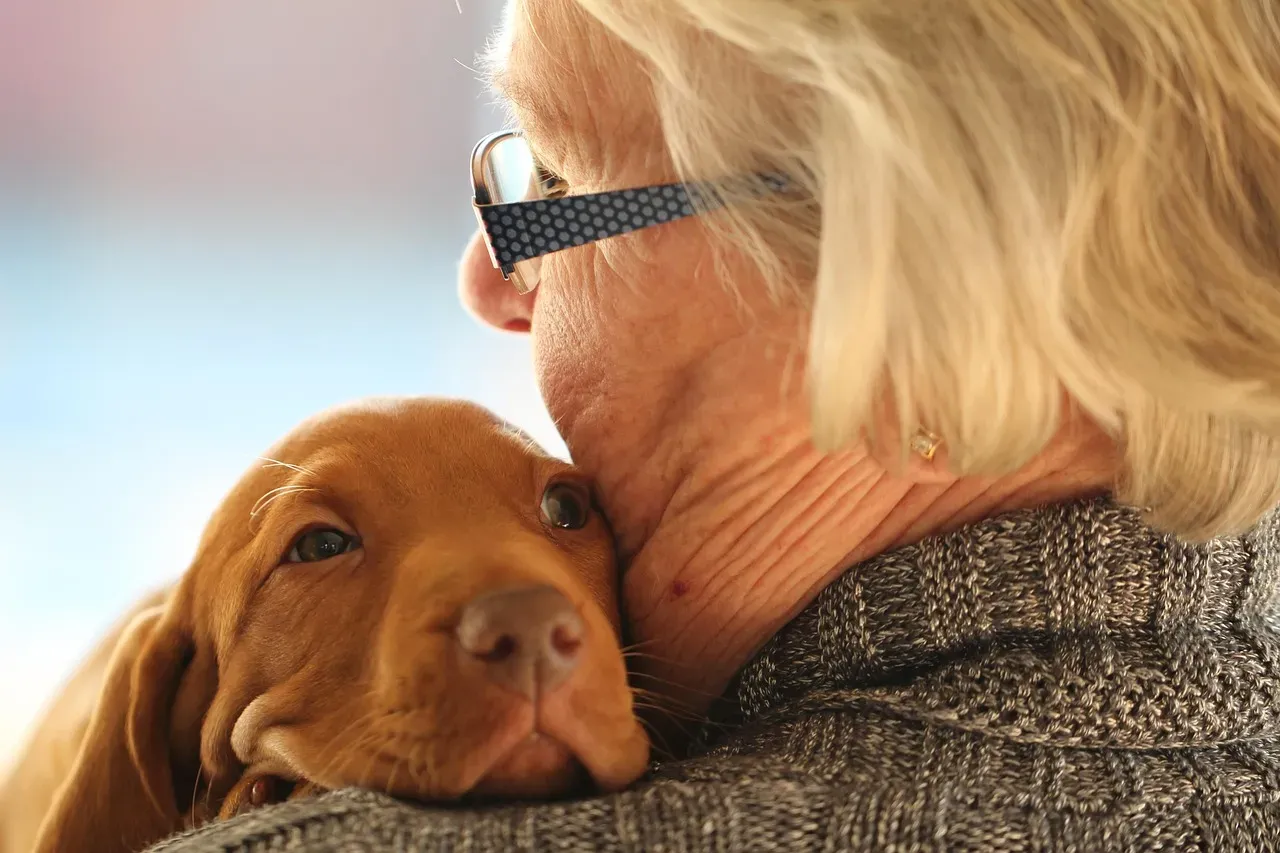
The ultimate Velcro dog, the Hungarian Vizsla is the perfect example of a clingy breed. A loyal and loving companion, these dogs are known for following their owners 24/7. They were originally bred for falconry and are used to staying by their owner’s side at all times. That working history means closeness is genuinely coded into them. It’s not a personality quirk – it’s purpose.
Without sufficient attention, they are highly prone to separation anxiety. In search of comfort, affection, emotional intimacy, and participation in almost every daily activity and domestic moment, they persistently follow their humans. As a Vizsla gets older and the world starts to feel less clear, sleeping pressed against their person becomes their anchor. It’s instinct meeting need, and it can be genuinely hard to watch.
#2. Labrador Retriever
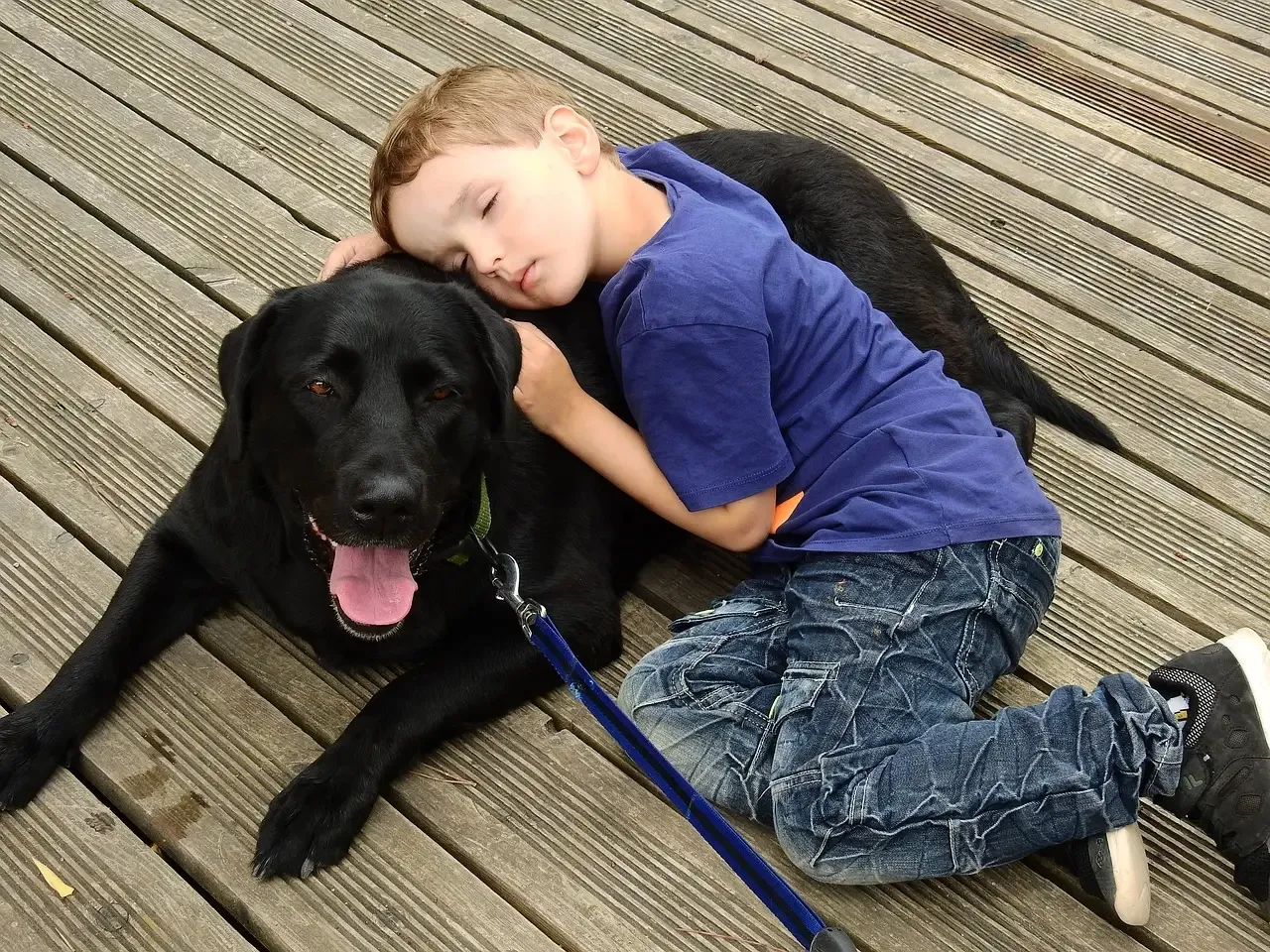
Labrador Retrievers are among the most clingy dog breeds, forming close bonds with their owners and often exhibiting strong Velcro dog behavior. They’re also the kind of dog that tries to squeeze their full adult weight onto your lap without a hint of self-awareness, which is endearing until it becomes a physical challenge. Labs are deeply social animals and don’t separate emotional need from physical closeness.
It may come as a surprise to some that Labrador Retrievers actively dislike being apart from their family. Even though Labrador Retrievers love to constantly be around their owners, they can easily be stressed out from time apart. The negative part of this is that the world’s most popular dog is also one of the most likely to suffer from separation anxiety. In their senior years, that anxiety deepens, and sleeping against you isn’t optional – it’s survival.
#3. Cavalier King Charles Spaniel
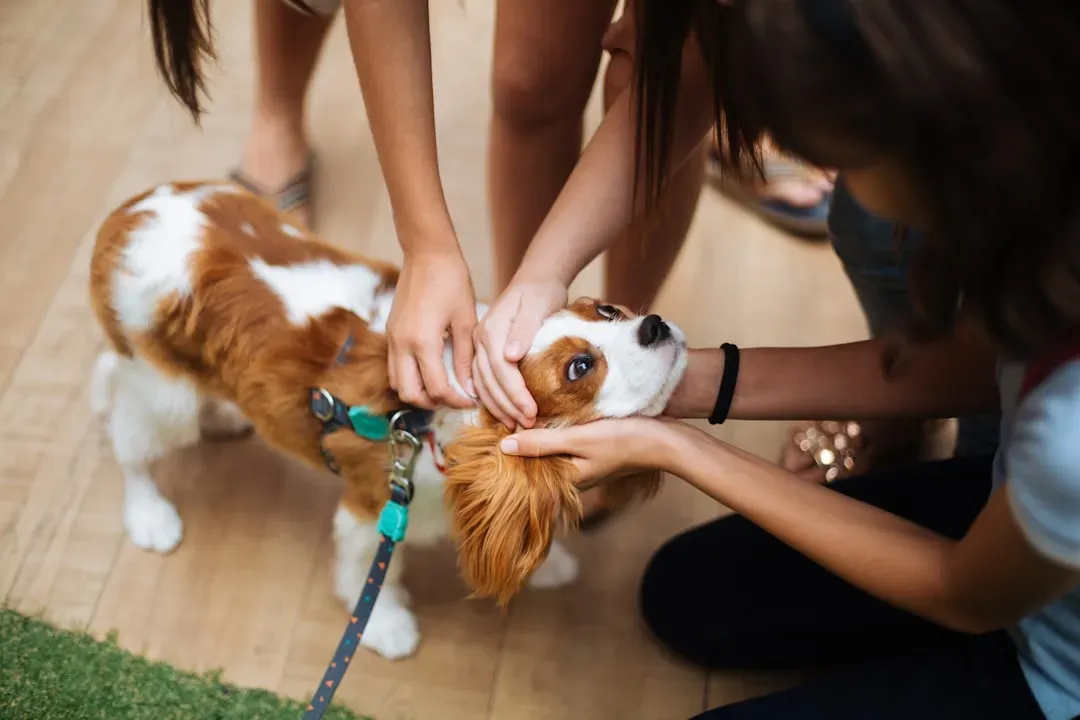
The Cavalier King Charles Spaniel dog breed was created to be a companion, and today they prefer to stick by your side – or be in your lap. This is a breed that has essentially been shaped by centuries of human closeness, bred literally to warm laps in drafty castles and cold carriages. That history doesn’t leave a dog. It becomes who they are.
They love being with their families and are quite prone to suffer from separation anxiety if they are left alone for long periods. So, you should only consider the Cavalier King if you’re home most of the time. Cavalier King Charles Spaniels are prone to mitral valve disease, a heart condition that most of them will suffer from as they age. Knowing that, an aging Cavalier sleeping pressed against their owner carries a particular tenderness. They may be unwell, and they’re doing the only thing they know to feel safe.
#4. German Shepherd
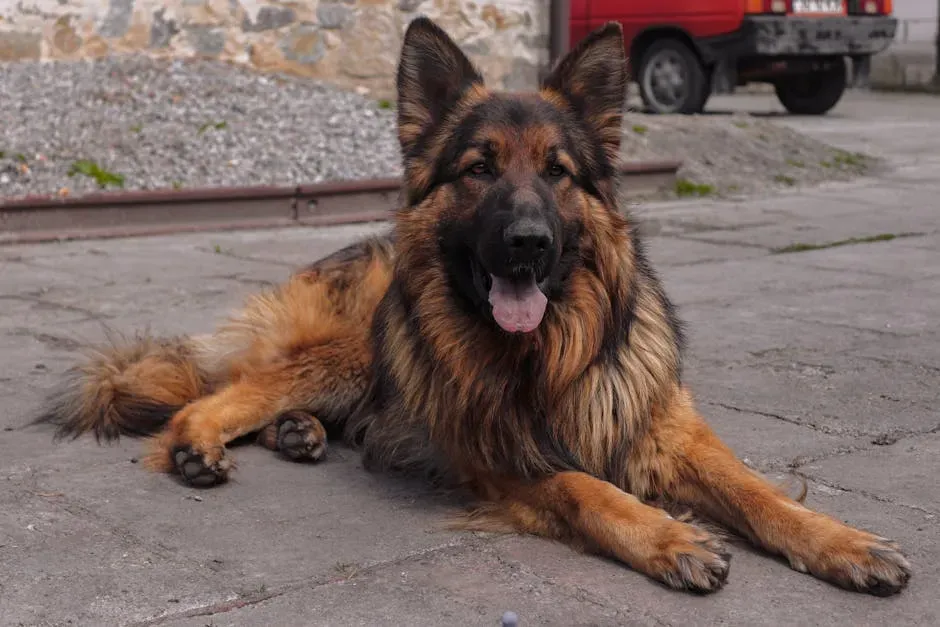
Many people think of German Shepherds as guard dogs, but the reason they are good at guarding is because they love their human so much. These dogs have to be with you all the time. After all, how are they supposed to protect you if they are not with you 24/7? That protective instinct is genuine, not performative. It’s love expressed as vigilance.
The German Shepherd is surprisingly clingy, and in modern society can develop severe separation anxiety if not properly trained and socialized. They are also surprisingly sensitive and form deep, exclusive bonds with their families. They thrive on routine and consistency. When routine starts to blur in old age and familiar smells or sounds fade with declining senses, a German Shepherd will do what they’ve always done: stay close and protect. Even when they’re the one who needs protecting.
#5. Golden Retriever

The Golden sticks to their people like glue. Sweet, gentle and so loyal, this is a dog who wants to be doing whatever you are doing, wherever you are doing it. A perfect choice for service work, this pup wants nothing more than to be by your side. It’s impossible to feel alone with a Golden in the house. They make that very clear.
As long as you are close, Golden Retrievers are loyal dogs who are willing to do everything. With the right instruction, they can pick things up quickly and are fun and vivacious. Due to their loving, intellectual temperament, they are utilized as therapy dogs and service dogs. As they age and slow down, that desire to stay close only intensifies. A senior Golden curled against you at night isn’t just comfortable – they’re quietly telling you they feel safer there than anywhere else.
#6. Chihuahua
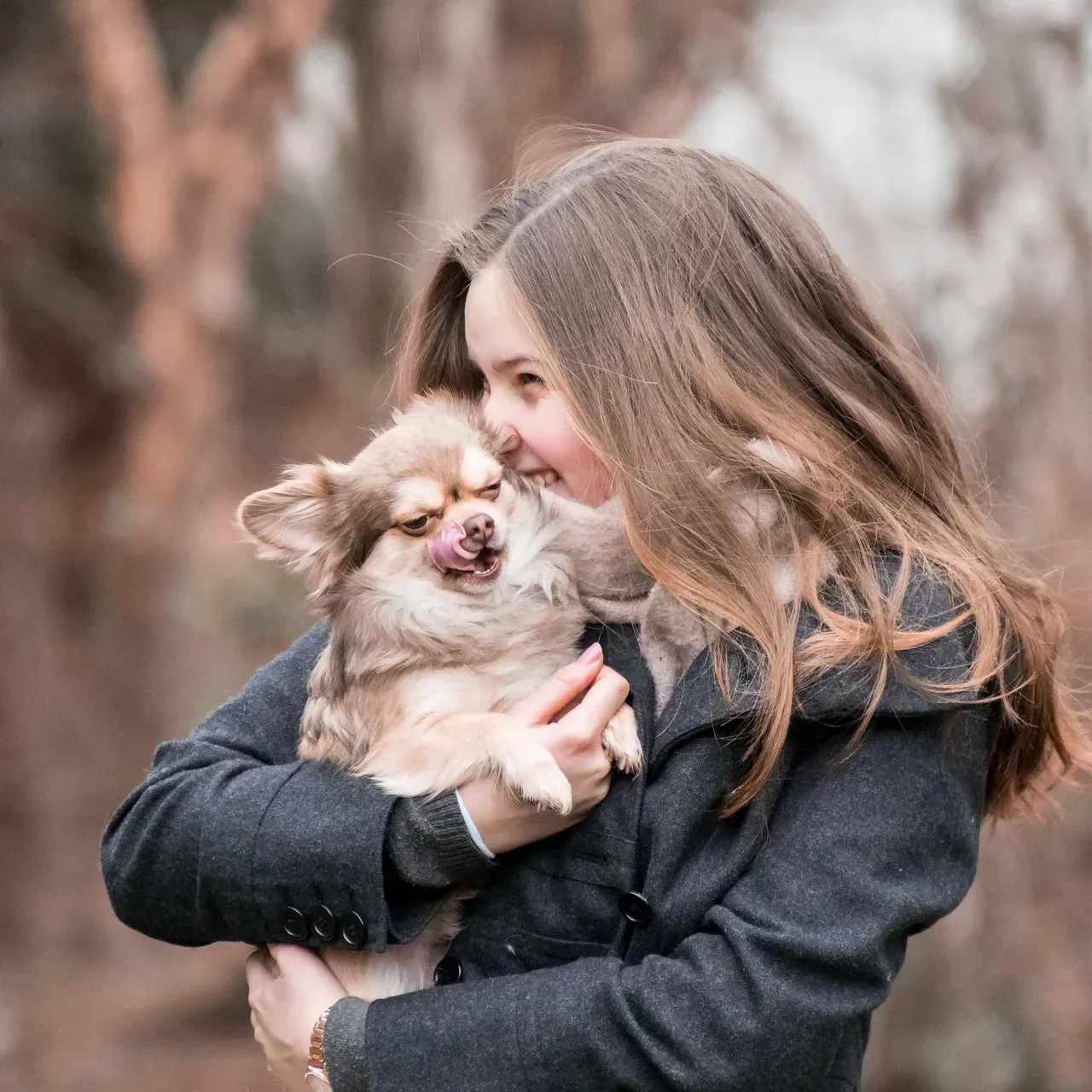
Chihuahuas, despite their small size, display big loyalty and often become very attached to one person. This behavior stems from imprinting during early development. Their fierce bond with a single human is one of the most consistent traits of the breed, regardless of age or circumstance. They pick their person and they mean it completely.
Chihuahuas may be tiny, but their attachment to their owners is huge. Known for their loyalty and protectiveness, these small dogs can be incredibly clingy. They tend to bond with a single person, showing favoritism and sometimes even jealousy. Chihuahuas demand a lot of attention and can become anxious if they feel neglected. When a senior Chihuahua burrows under the blankets and presses against your side, it’s warmth-seeking and fear-soothing all at once. Their world has gotten smaller. You are most of it.
#7. Border Collie
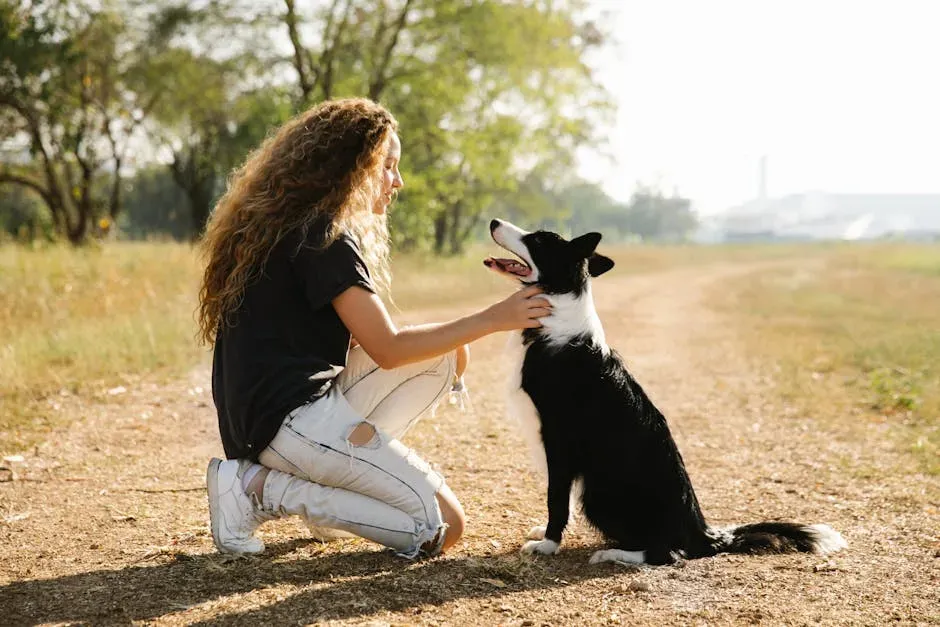
Border Collies are near the top of the list when it comes to clingy behavior. These breeds are known for their intelligence and desire to work alongside humans. They also have a very strong sense of loyalty to their owners. The same intelligence that makes them extraordinary working dogs also makes them deeply attuned to the people they love. They notice everything. They feel a lot.
Similar to other herding breeds, Border Collies are designed for constant activity and companionship. They are highly sensitive to their surroundings. As a result, they often overreact. They will typically have a negative response to any break in their daily routine with their owners. In old age, when a Border Collie’s once-sharp senses dull and their ability to work fades, their owner becomes everything they once channeled into purpose. The shift from herder to devoted shadow is quietly heartbreaking.
#8. Doberman Pinscher
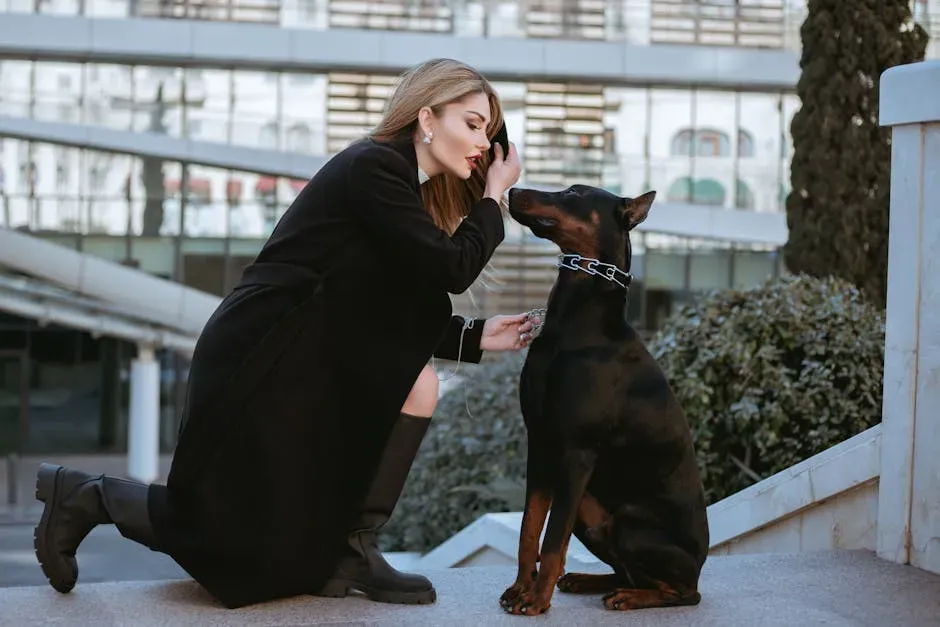
Originally bred as a guard dog, the Doberman Pinscher loves to keep an eye on its owner at all times. Leave their sight for a few minutes and they will whine and bounce to get your attention firmly back on them. Loyal and loving but with plenty of energy, these dogs might look mean but they’ll be your best friend for life. The imposing exterior is genuinely misleading.
Dobermans rarely leave their owners’ sides and love to share time with them. Their guardian personality comes from the intense love and protection instinct they feel for their owners. As they age and their powerful frames slow down, Dobermans become even more emotionally dependent. An old Doberman sleeping curled against your legs at night is not guarding the house anymore. They’re guarding their person – because that’s the only job that ever truly mattered to them.
#9. Pomeranian
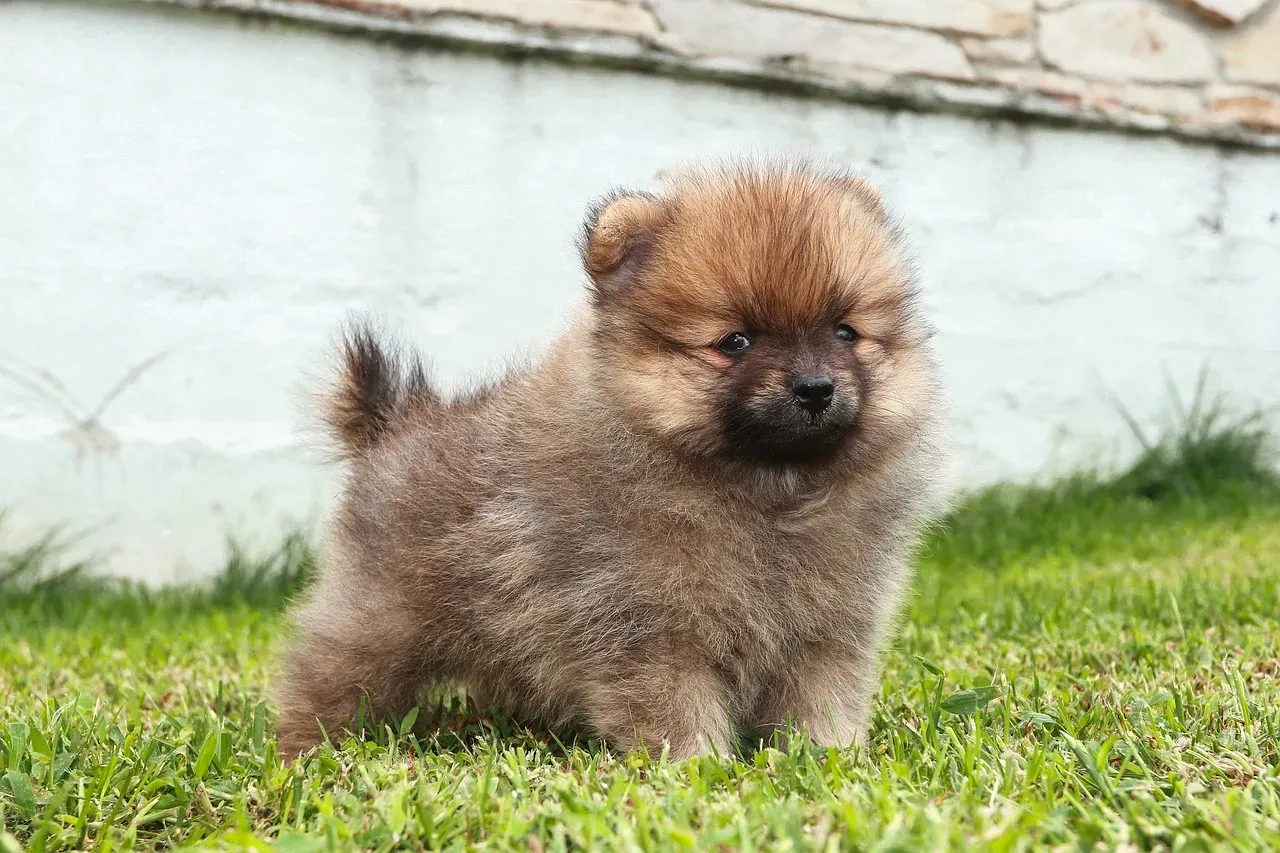
The quintessential lap dogs, Pomeranians have a reputation for being extra snuggly. Beloved by Queen Victoria, the foxy breed has a pampered pedigree. That royal history produced a dog that genuinely believes their place is beside their chosen human, always. And they’re not shy about enforcing that belief.
They were bred down to become lap dogs and never looked back. Every Pomeranian has an innate desire to be close to their favorite human as often as possible. As a Pomeranian enters its senior years, its world contracts significantly. The big personality stays, but the confidence in navigating that world alone quietly shrinks. Sleeping tucked against their owner becomes less habit and more necessity, a small dog’s way of saying: I trust you with all of me.
#10. Dachshund
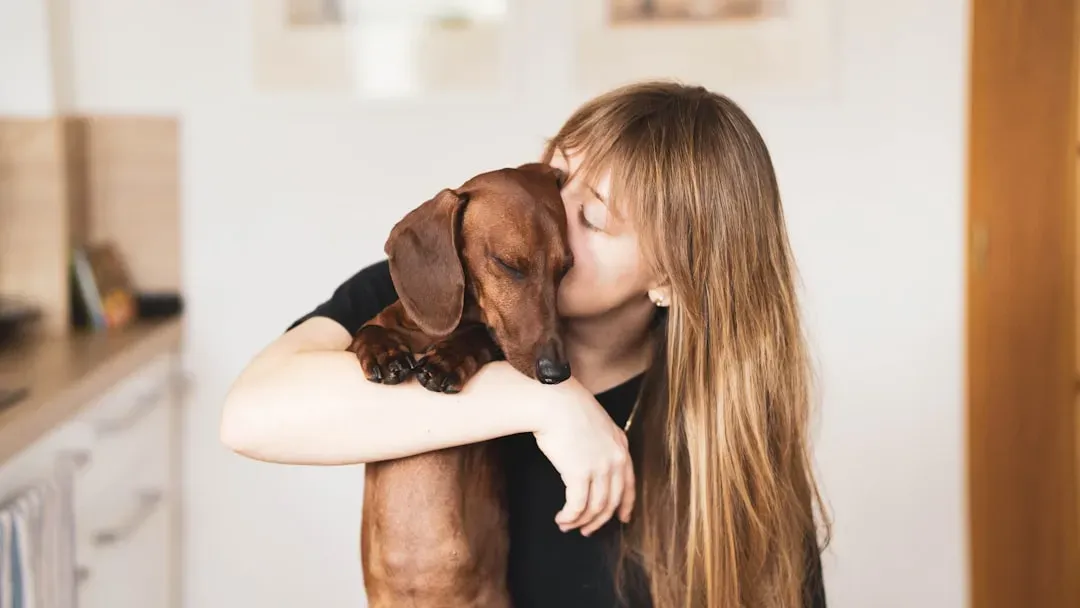
Famously known for their elongated bodies and spirited personalities, Dachshunds often exhibit velcro-like behavior due to their strong attachment to their owners. There’s something both comical and touching about a Dachshund following you through the house, stretching that low-slung frame around every corner just to stay in view. They do it without any apparent awareness of how determined they look.
These fiercely loyal low-riders prefer to be with their families at all times. As they age, Dachshunds also tend to face spinal issues that can limit their mobility, making human closeness even more important. When they can no longer easily follow you room to room, they’ll pick the safest, warmest position they can find: pressed up beside you at night. It’s both comfort and compensation for a body that doesn’t work the way it used to.
#11. Maltese
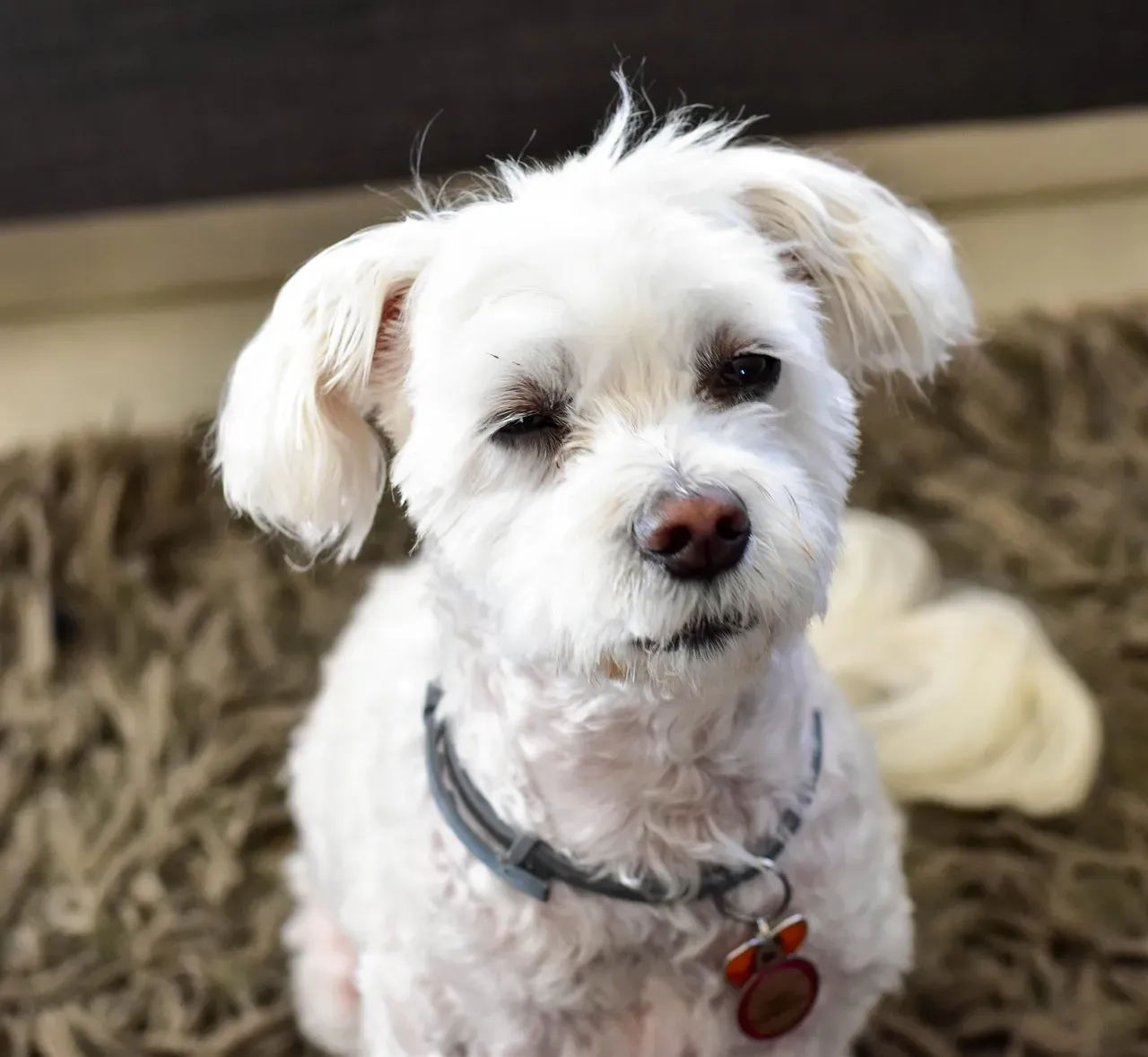
Maltese dogs are compact and clean dogs. These sensitive and playful pups prefer to spend their days at the foot of their owner, looking for attention. This is a breed that has spent thousands of years being adored, which means they’ve also spent thousands of years knowing exactly how to return that adoration. They are thoroughly people-shaped dogs.
One of the earliest breeds to be bred as a lap dog, this adorable and perky pup is tiny and travel-sized so you can take them everywhere. This may be by design, because the Maltese needs to be with you. All the time. When a Maltese gets older, that need doesn’t soften. They live long as well, so you will have these pooches by your side for longer than the average dog. A decade of closeness doesn’t become optional at the end – it becomes urgent.
#12. Australian Shepherd
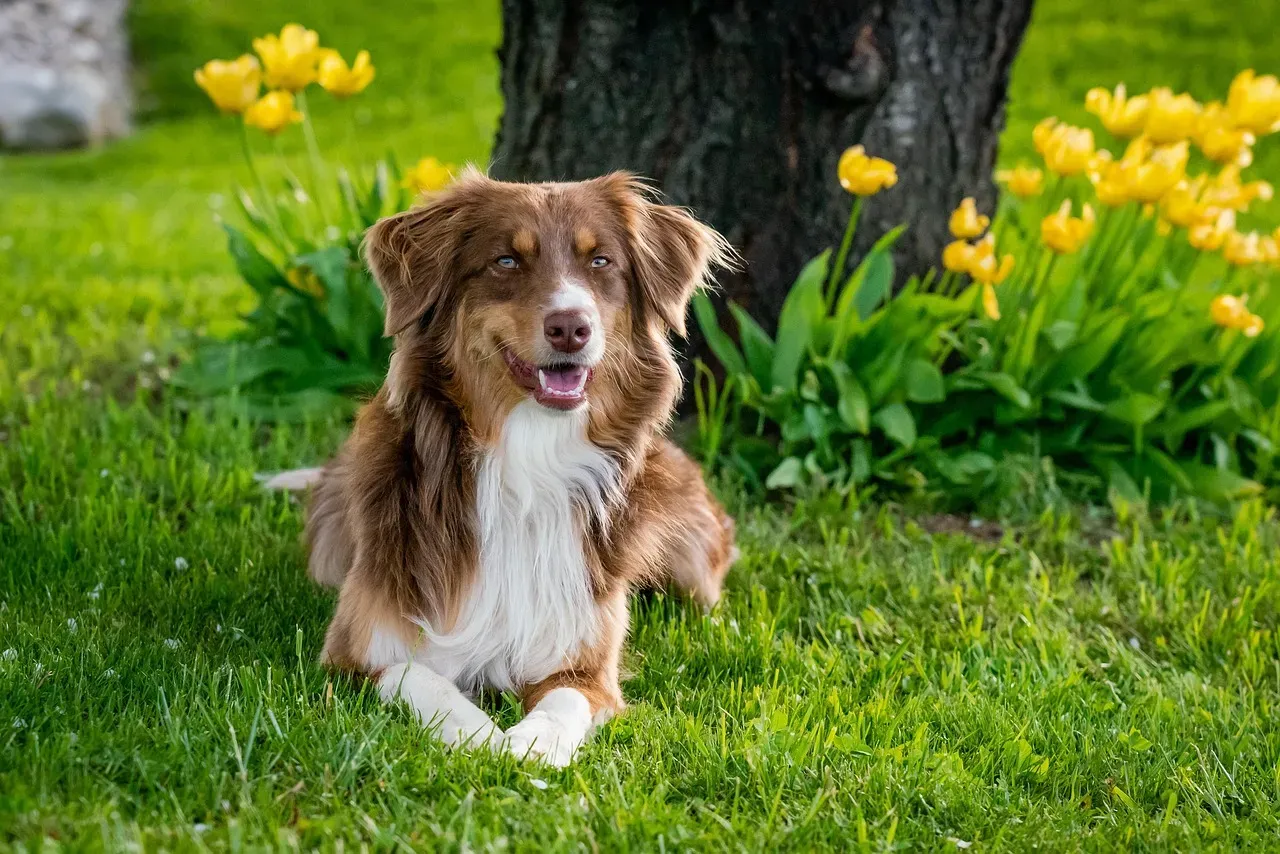
Aussies are super energetic dogs that are bred to be ever watchful, and will cling like plastic wrap to their families, even ignoring other dogs to keep watch over you. An Australian Shepherd doesn’t just follow you – they monitor you. It’s herding behavior redirected at the people they love, and it runs deep in the breed regardless of whether they’ve ever seen a sheep.
They make excellent working dogs, but can become prone to Velcro behavior in less stimulating environments. They are known for being naturally anxious and overly dependent on their owners for reassurance. They typically do not tolerate being left alone for more than a few hours. As an Aussie ages and loses the stamina for the activity that once kept their anxiety in check, your presence at night becomes their single greatest comfort. The dog that once ran miles now just wants to stay close.
#13. Bichon Frise
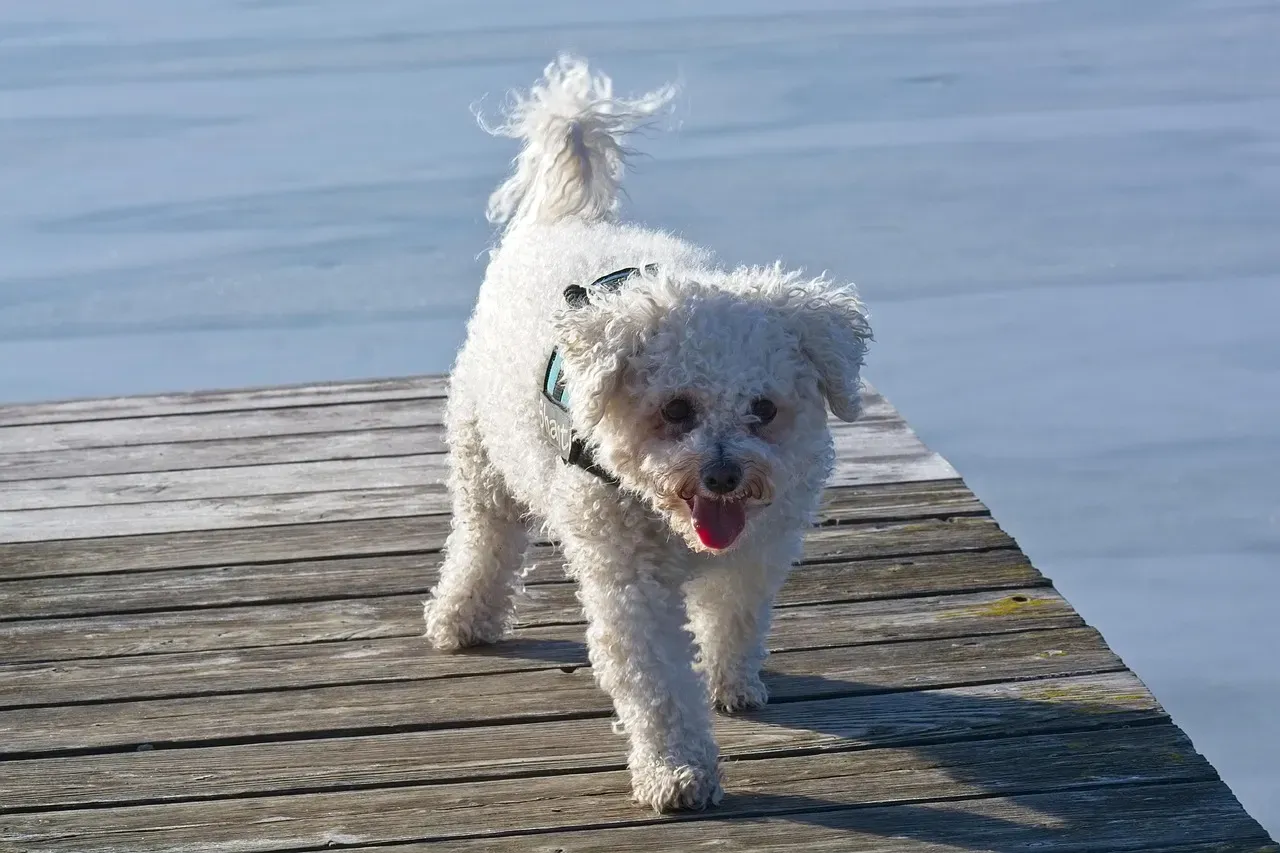
The Bichon Frise was bred almost exclusively to be a companion. And it does its job quite well. When brought into a family, they often become attached to one specific person. They will follow their owner around all day and may feel abandoned if they don’t have a lap to curl into. That’s not clinginess as a flaw – it’s fidelity as a feature.
They are highly prone to depression and stress-induced vocalization. Because of their sensitive and affectionate nature, Bichons can feel emotionally low when left alone for too long. They may vocalize or seek attention, not to be difficult, but because they genuinely miss their people. A senior Bichon sleeping tucked against their owner is simply continuing what they were designed to do. The difference is that now, it’s not just preference. It’s peace of mind.
#14. Yorkshire Terrier
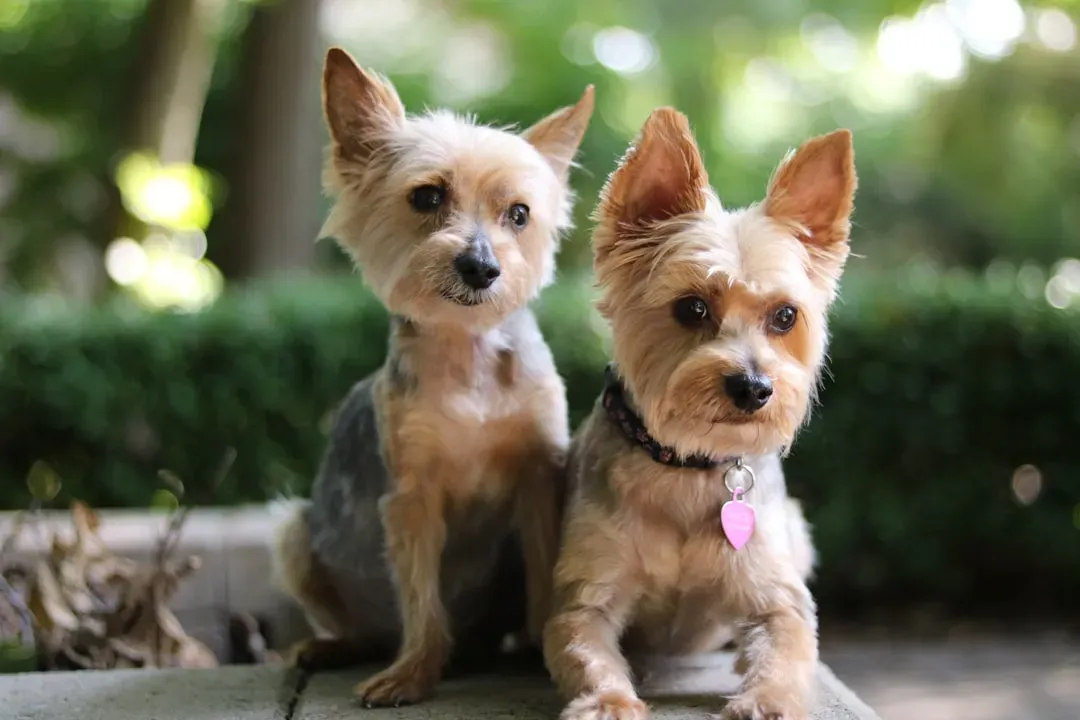
Yorkshire Terriers are extremely people-oriented. Originally bred to hunt rats in mines, they eventually became the fashionable companions of Victorian women – and have been purse pups ever since. That dramatic lifestyle shift – from working terrier to pampered companion – didn’t erase the Yorkie’s intensity. It just redirected it entirely toward the people they love.
Yorkies are small but their emotional appetite is enormous. They notice when you leave the room, track your movements, and rarely settle unless they’re physically near you. Senior dogs may become more clingy due to diminished senses or cognitive changes. For a Yorkie, whose whole identity is built on closeness, aging simply amplifies something that was already running at full volume. When they finally sleep pressed against you at night, it’s the calmest they’ve been all day.
#15. Pug
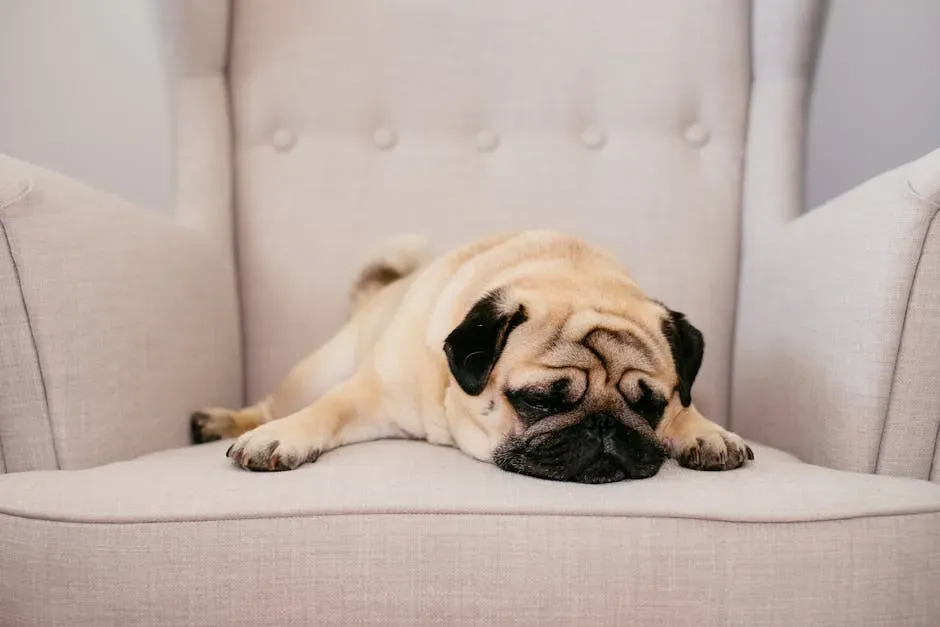
The pug is a loveable lap dog that’s proved a hit with royalty and celebrities alike. But if you don’t have the time to lavish on your new pup, you might start to see problems. Separation anxiety can take hold of this breed if they are denied human interaction for long periods of time. Pugs are not dogs that handle solitude gracefully. They never have been.
Old dogs with medical problems such as loss of hearing or sight, painful conditions, and cognitive dysfunction may become more anxious in general, and seek out the owner’s attention for security and relief. Pugs are especially prone to breathing difficulties that worsen with age, and the discomfort and vulnerability that comes with that makes your steady presence at night genuinely calming for them. A senior Pug asleep on your chest isn’t just being a lap dog. They’re regulating their fear through the sound of your heartbeat.
#16. Italian Greyhound
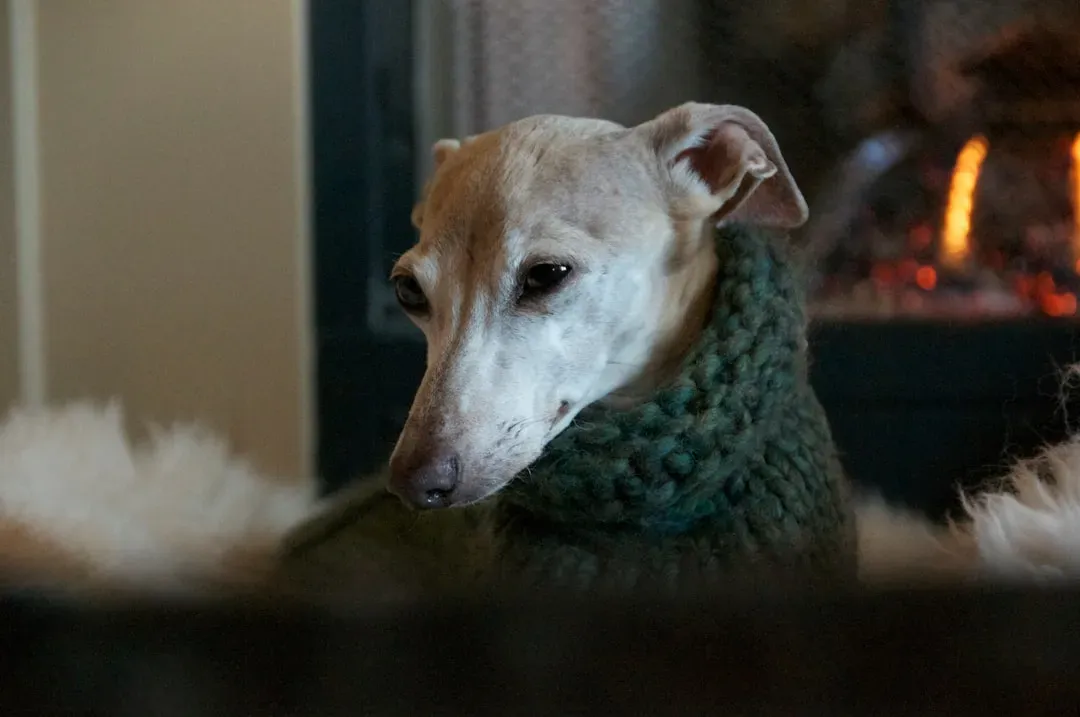
At half the size of their racing cousins, Italian Greyhounds want to be in a lap at all times. These timid pups are loving and playful, and live to please you. Very dependent on their owners, they despise being left behind, so be sure to include this clingy furry friend in whatever you are doing. The delicate frame matches a delicate emotional constitution – sensitive in every direction.
Sensitive breeds like Italian Greyhounds might display dramatic behavioral shifts at the first hint of discomfort. As they age, Italian Greyhounds feel the cold more acutely, experience joint sensitivity, and their naturally anxious temperament intensifies with any change in their world. Sleeping against their owner isn’t indulgence – it’s warmth, security, and familiarity all in one. They need all three more than ever as they grow older.
#17. Shih Tzu
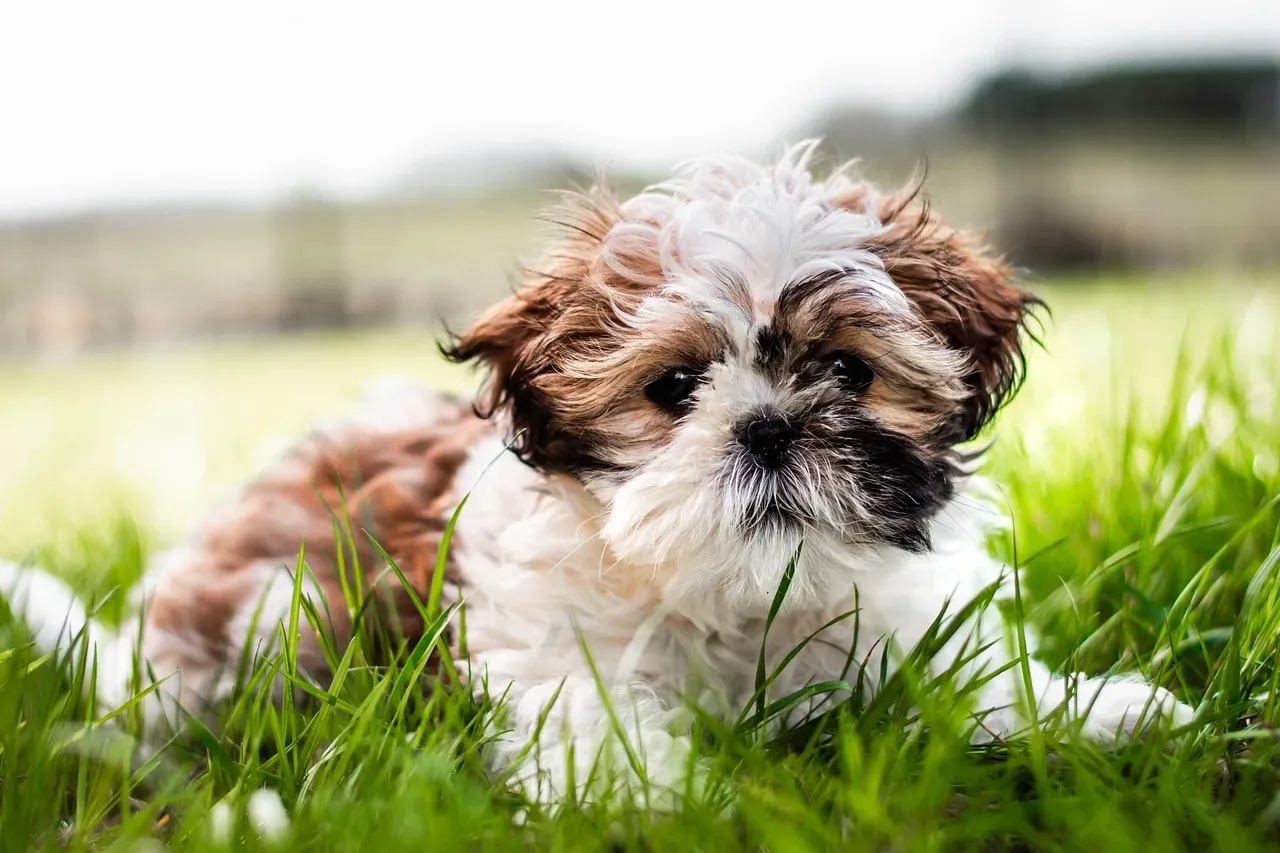
Historically, Shih Tzus were a house pet for most of the Ming Dynasty, and their role as a companion dog has not changed much over the centuries. They are known for their friendly nature and the strong bonds they form with their owners. Shih Tzus are true companion dogs and demand to be a central part of the family. Centuries of palace living created a dog that fundamentally expects to be included – in everything, always.
A Shih Tzu that feels excluded or overlooked will make that known through persistent, impossible-to-ignore proximity. Sometimes older dogs develop separation anxiety because they are scared to move around the home alone due to difficulty seeing, especially at night. Night lights can be a helpful trick for dogs that struggle with vision in the dark. For a senior Shih Tzu navigating a dimmer, quieter world, being pressed against their person at night is the equivalent of leaving the light on. You are their landmark.
#18. Great Dane
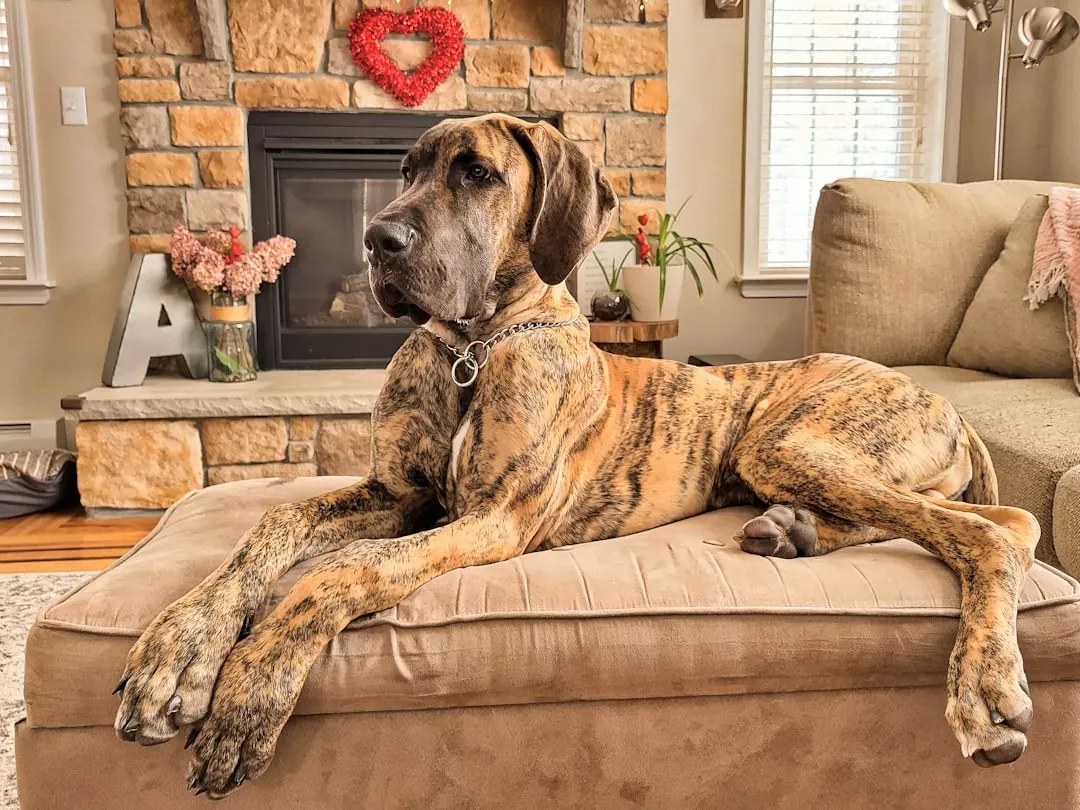
This kind giant enjoys receiving praise. They prefer to follow you around rather than doing anything else. Even though they frequently weigh over 100 pounds, these dogs are frequently sluggish and want to spend as much time cuddling next to their owners as possible. There is something profoundly funny and touching about a dog the size of a small pony who genuinely believes they belong on the couch beside you.
Great Danes age faster than most breeds. In general, smaller dogs live longer than large breeds. Smaller dogs might not look or act older until 10-12 years of age. On the other hand, giant breeds might start developing senior health issues, especially arthritis, at 5-7 years old. When a Great Dane goes through those changes early – the stiff joints, the slower mornings, the uncertainty – they lean into the one thing that hasn’t changed: you. A 120-pound dog pressing against your legs at night is not being difficult. They’re being honest about how much they need you.
The Heartbreaking Reason They All Do It
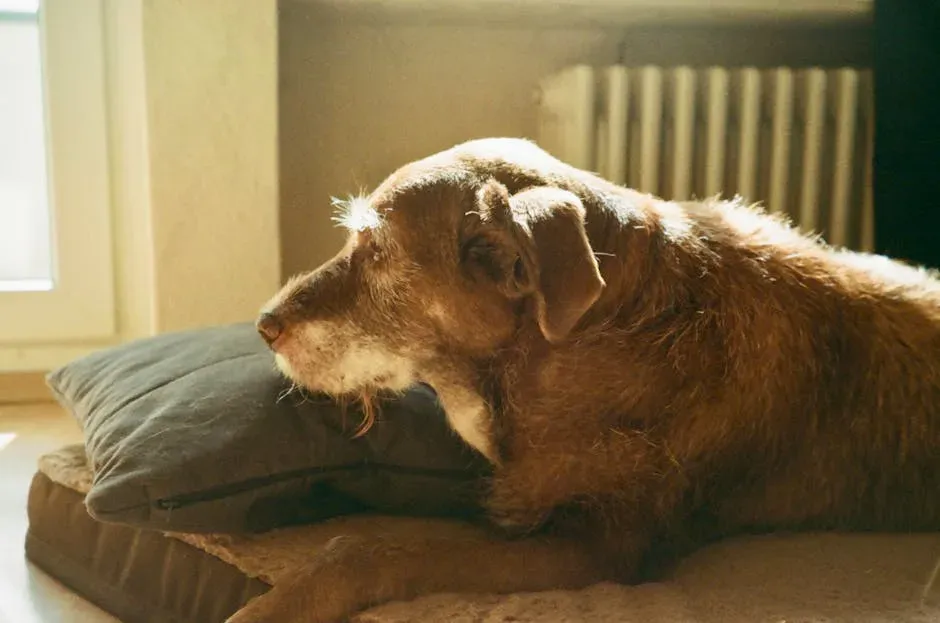
Every breed on this list has its own history, its own instincts, its own personality. What they share is this: the onset of separation anxiety most commonly appears before two years of age. Occurrence is less frequent as dogs get older – until they reach their senior years, when age-related changes may make them feel more vulnerable. That vulnerability is the real reason behind the late-night closeness.
In older dogs, canine cognitive dysfunction or doggy dementia is a main reason for sudden-onset separation anxiety. Signs include interaction changes where dogs become suddenly clingy, sleep pattern changes involving wandering at night and sleeping more during the day, and increased anxiety with new phobias and irritability. In plain terms: their brain is changing, and they know something feels wrong. You are the one stable, familiar thing in a world that is becoming harder to read.
A distinct feature of geriatric separation anxiety is that it can manifest as nighttime anxiety, almost as if your dog views your sleeping as a form of separation. Your dog may keep you awake by pacing, panting, and pawing at you, demanding attention. It’s not manipulation. It’s fear. Many older dogs become worried that when you leave, you’ll never return. And sleep, from their perspective, looks very much like leaving.
What You Can Do
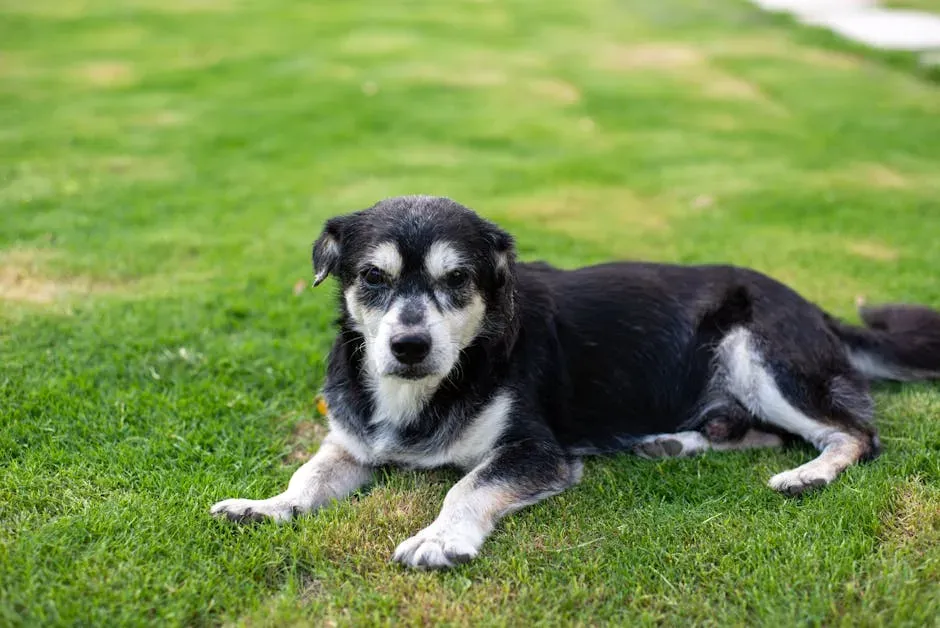
Maintaining a predictable routine and environment helps enormously. Just like senior humans, older dogs are set in their ways and wary of change. Helping your dog feel more secure by keeping things predictable, sticking to a daily routine with regular wake times, walks, meals, playtimes, and bedtimes, so they know what to expect. Routine is reassurance in action for a senior dog.
Some dogs also do well with an item of clothing or a blanket that smells like their pet parent. You can put this item on your dog like a blanket when they sleep, or lay it on their favorite spot. Even though you might be in the same room, having an item with your smell right against your dog can bring an extra layer of comfort. Small things matter more as dogs age. A shirt, a familiar voice, the warmth of your leg against theirs – these are not small things to them at all.
A Final Thought on the Dog Who Sleeps Close
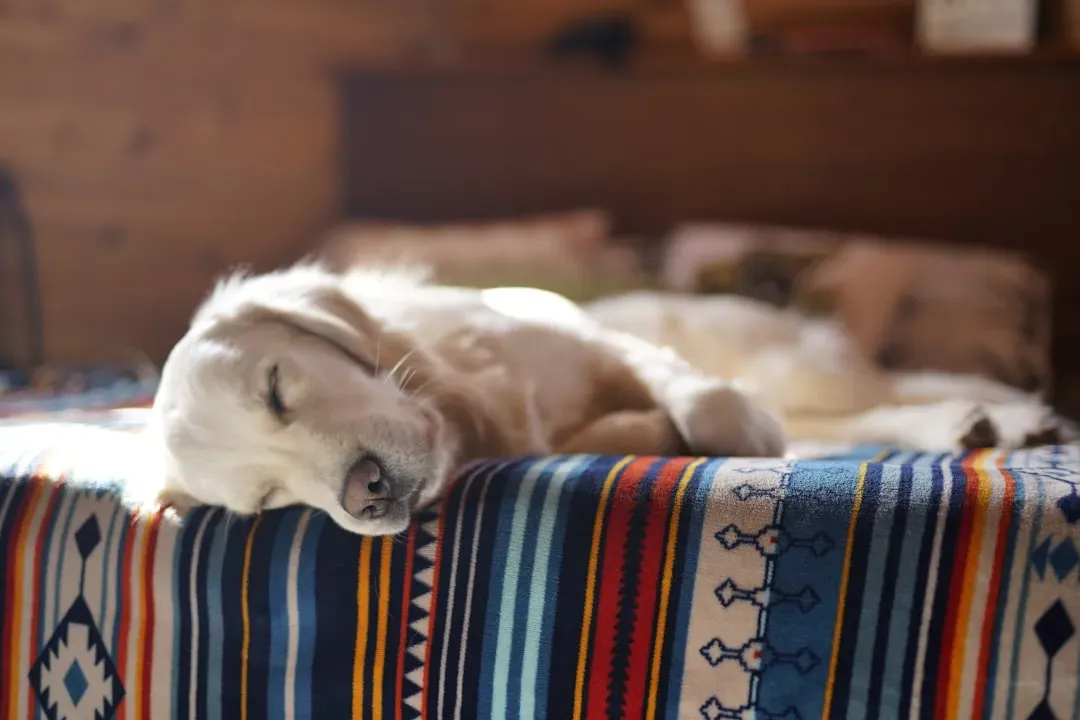
There’s a tendency to see a dog pressing close at night and feel only warmth. That warmth is real. The bond is real. But there’s wisdom in also seeing it clearly, understanding that the closeness can be joy and can also be a quiet signal. As dogs age, some show a significant increase in anxiety and other behavioral issues. With a potential decrease in their senses of hearing, sight, and smell, dogs can startle more easily.
It’s important to have a veterinary consultation for any behavior change to rule out medical problems, rather than assuming it’s “just old age.” Not every dog sleeping pressed against you is in distress, but every dog who suddenly starts doing so deserves a second look. Check in with your vet. Maintain their routine. Lean into the closeness while you have it.
Because here is what I genuinely believe, having looked at the evidence: a dog that sleeps closest to you as they get older is not being clingy. They are being honest. They have loved you their whole life, and the years are shortening that life, and they are doing the only thing they know to do with that knowledge. They are staying near you. Let them. Let them stay near.