
14 Signs Your Dog Already Knows Something Is Wrong – Long Before You Do
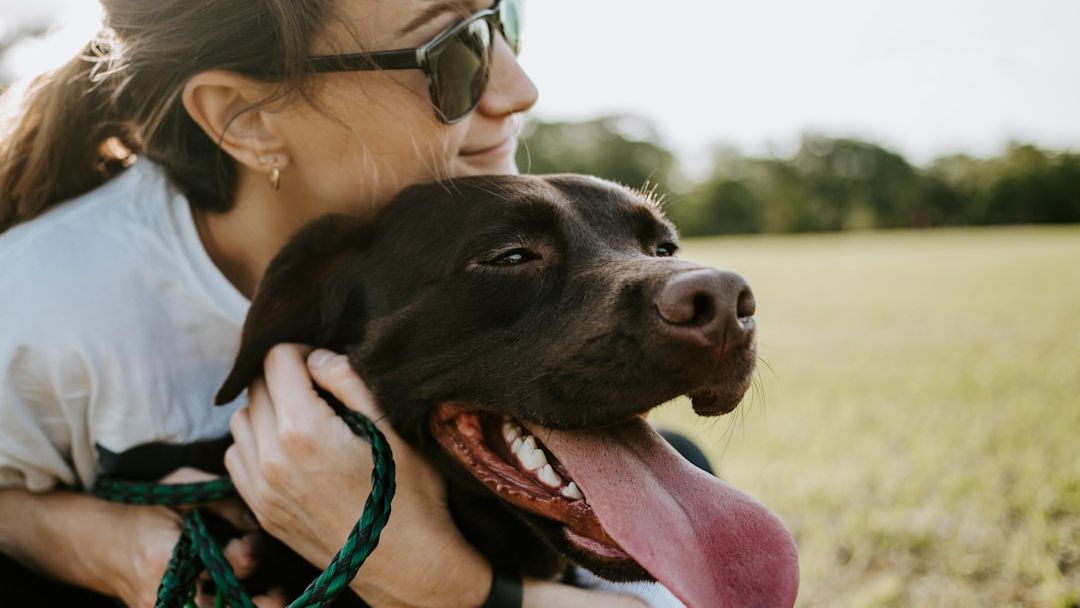
Most of us live with dogs for years without fully understanding just how much they’re paying attention. They’re not just watching you reach for the treat bag. They’re studying you – your posture, your breathing, your scent, the subtle shift in the way you move through a room when something is off. It’s easy to chalk this up to personality quirks or separation anxiety, but science increasingly backs up what dog owners have felt in their gut for decades.
People often say their dog “just knew” something bad was coming. Science doesn’t show dogs predicting the future, but it does show dogs detecting environmental and biological changes long before we can process them. What looks like instinct is usually a combination of scent, hearing, pressure sensitivity, and close observation. The next time your dog acts strangely around you for no obvious reason, it might be worth paying attention. Here are 14 signs your dog already knows something is wrong – often well before you do.
#1 – They Won’t Stop Sniffing One Specific Area of Your Body
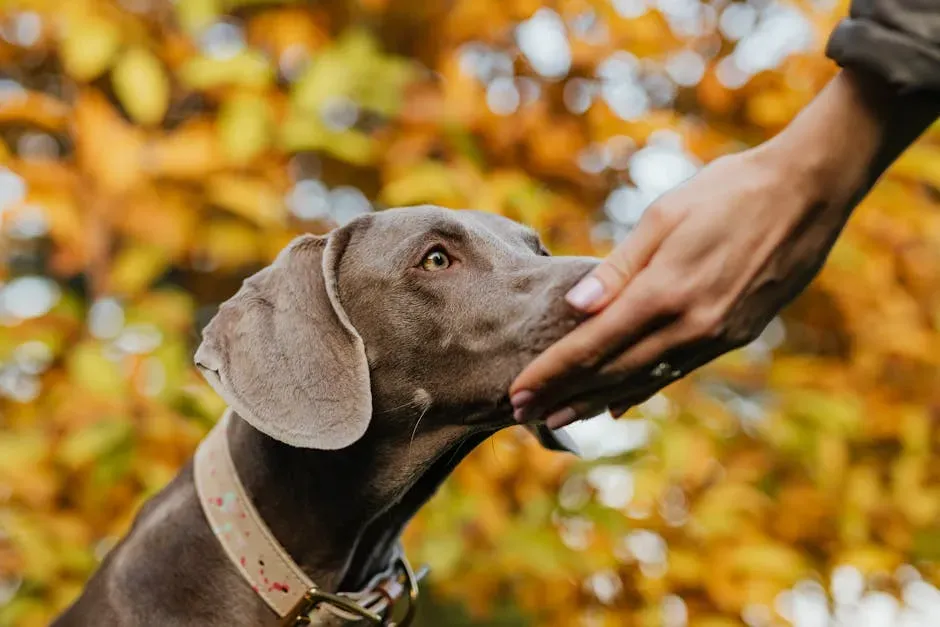
This is one of the most documented and quietly alarming signs that something might be physically wrong. Dogs have an incredibly acute sense of smell, far superior to that of humans. They possess over 300 million olfactory receptors in their noses, compared to a mere six million in humans – and this heightened sense allows them to detect subtle changes in the scents emitted by their owners’ bodies when they are sick.
Stories involve dogs persistently licking or pawing at a particular area on their owner’s body, which later turned out to be a tumor or infection. The fixation isn’t random. Our bodies constantly release microscopic scent molecules called volatile organic compounds. When we’re healthy, those VOCs follow a fairly consistent pattern – but when something in our body changes, like inflammation, infection, changes in metabolism, or abnormal cell growth, those scent patterns shift. If your dog keeps returning to the same spot, that’s not quirky behavior. That’s information.
#2 – Sudden, Unexplained Clinginess

There’s a difference between a dog that’s always attached to you and one that suddenly becomes your shadow overnight. The shift matters. Dogs may sense their owner’s vulnerability or distress and respond by becoming more attached. They may follow their owner around more than usual, sit closer to them, or even act as a ‘guard’ by their side.
When a dog gets close to someone who is sick or depressed, the dog could be sensing a decrease in hormones such as oxytocin, dopamine, and serotonin. Studies have shown that petting a dog can reduce a person’s blood pressure, and the dog may sense it can make a person feel better. That closeness isn’t just affection. It often reflects a kind of biological awareness your dog is acting on without any training to do so.
#3 – They Start Staring at You Differently

Dogs communicate volumes through their eyes, and the quality of a stare matters enormously. A hard stare features wide-open, unblinking eyes with tense eye muscles, often accompanied by a rigid body posture. This type of stare can precede reactive behavior and should be taken seriously. When this kind of focused stare appears outside of meal time or play, it often means your dog is processing something about you.
Dogs observe everything from your posture and facial expressions to the way you move. Since dogs are creatures of habit, they’re quick to notice when you behave differently than normal. A prolonged, soft, searching stare – the kind where your dog holds eye contact and doesn’t look away – is often your dog’s quiet way of saying they’ve noticed something changed about you, and they’re trying to understand it.
#4 – They Become Restless or Start Pacing for No Clear Reason
A dog that suddenly starts pacing the house, circling rooms repeatedly, or seems unable to settle despite being well-fed and exercised is often responding to something in its environment that humans haven’t caught yet. Noticing a difference in their owner’s demeanour, routine, or even scent can make dogs anxious. They might pace, whine, or bark more than usual. This is particularly common if there are sudden changes in the home environment, such as medical equipment or frequent visits from medical professionals.
Dogs are capable of experiencing emotional contagion, or “catching” their owner’s emotions. So, if you’re feeling anxious, your dog may also start to feel and show signs of anxiety, like restless pacing and whining. This mirroring effect is deeply biological. Your dog isn’t being dramatic – they’re absorbing your internal state and reflecting it outward, sometimes before you’ve even consciously acknowledged that something feels wrong.
#5 – They Sniff Your Breath or Face More Than Usual
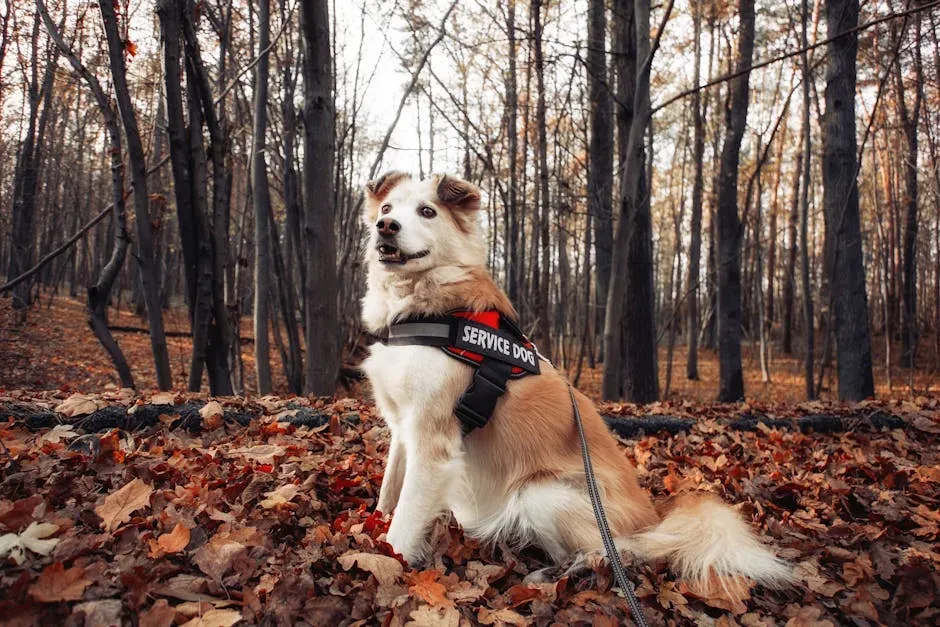
If your dog suddenly becomes very interested in your face, your exhaled breath, or the air right around your mouth, it’s worth paying attention. Dogs seem to be able to detect oncoming migraines in people, largely thanks to their sense of smell. Migraine service dog trainers believe dogs can detect migraines thanks to changes in the smell of a human’s breath before the onset of an attack. There is some evidence that dogs can detect migraines even if they aren’t trained service dogs.
Migraine alert dogs can hone in on the scent of serotonin, a chemical that skyrockets when the body is about to have a migraine. By alerting to the danger long before their handlers might feel any symptoms, these dogs can warn them to take preventative medication. Even in untrained household pets, this same olfactory sensitivity is present. The behavior just doesn’t always come with a clear label attached to it.
#6 – They Whine or Vocalize Without an Obvious Cause

Most dog owners know the difference between the “I need to go outside” whine and a whine that comes from somewhere else entirely. The second kind – the low, sustained, almost mournful vocalization that seems to have no clear trigger – often surfaces when a dog has detected something it can’t resolve. You may see them scratching on the door, whining, or barking. Generally, your dog will act in an unusual way when sensing danger. Being hyperactive, shaking, or hiding at an unusual time are among the signs you should watch out for.
Sadness, distress, anxiety, and anger are emotions which trigger physiological responses in us. This can change our speech patterns, movements, posture, and smell. Since a dog’s senses are so heightened, they can detect these signals and understand what might happen next. When nothing external justifies the whining, the source of the dog’s distress may very well be you – or something around you that hasn’t become visible yet.
#7 – Their Appetite Changes in Sync With Yours

It might seem like a stretch, but changes in a dog’s appetite can sometimes reflect what’s happening with the humans they’re bonded to. Dogs might display changes in their eating habits, ranging from reduced appetite to overeating, possibly mirroring the stress or changes they sense in their environment. This kind of behavioral mirroring isn’t coincidence – it reflects just how intertwined dogs become with the emotional and physical atmosphere of their home.
When a normally active owner gets in bed in the middle of the day or takes to the couch and doesn’t move, the dog knows something isn’t quite right. Depending on the illness, the owner may be exhibiting symptoms that are easy for the dog to detect. Sneezing, a runny nose, or gastrointestinal issues are other signs for the dog that the owner is not well. A dog that loses interest in food when you’re going through something physically difficult is very often reading the room more accurately than anyone else in it.
#8 – They Begin to “Guard” You More Than Usual

Protective behavior in dogs exists on a spectrum. A dog that was previously relaxed around visitors and suddenly places themselves between you and other people, stiffens when strangers approach, or shadows your movements closely may be responding to a perceived vulnerability they’ve sensed in you. Protective behaviors include growling at strangers, placing themselves between their owner and others, or displaying territorial behaviors, especially if they sense their owner is in a weakened state.
Dogs are deeply attuned to their human companions. They have evolved alongside humans for thousands of years, honing an exceptional ability to detect shifts in behaviors, emotions, and even physical health. When an owner is experiencing health issues, whether acute or chronic, many dogs will display noticeable behavioral changes in response. This heightened vigilance is a form of care – your dog has sensed that something about you is different and has quietly appointed themselves your protector.
#9 – They Detect Blood Sugar Drops Before You Feel Them
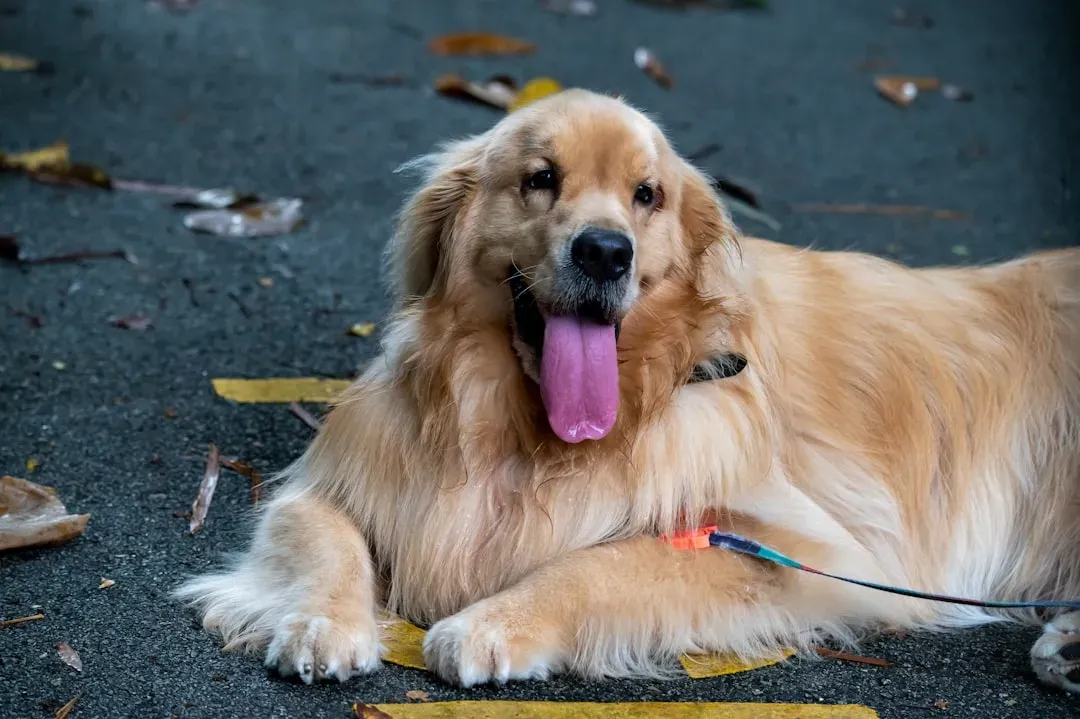
This is one of the most well-researched examples of canine early-warning capability. Thanks to their ability to detect changes in blood sugar, diabetes alert dogs are well-known service animals. These specially trained dogs can detect when blood sugar levels are too high or too low in people with diabetes. What’s remarkable is that this ability isn’t exclusive to rigorously trained service animals.
Dogs who have not been trained to detect diseases can still know perfectly well when their diabetic owner is going to suffer from low blood sugar. With about 220 million scent receptors, dogs can smell things that seem unfathomable to us. Dogs have smell receptors far more accurate than humans’, which means their nose is powerful enough to detect substances at concentrations of one part per trillion – equivalent to a single drop of liquid in 20 Olympic-size swimming pools. That precision is what makes this kind of early detection possible even without formal training.
#10 – They Sense an Oncoming Seizure

This one sits at the intersection of science and what can only be described as awe. Dogs can detect if a patient is about to go into an epileptic seizure. Both events can be dangerous if in the wrong place at the wrong time. A study published in 2013 found that two trained dogs detected 11 out of 12 narcolepsy patients using sweat samples, demonstrating that dogs can detect a distinct scent for the disorder.
The dogs pick up on biochemical changes in the body that lead to an attack and help with different tasks to avoid injury. Most importantly, they can provide a warning up to 5 minutes before an attack comes on, giving their handler a chance to get to a safe place or safe position. Five minutes is a significant window. For many people living with epilepsy, a dog’s natural alertness – even when untrained – has translated into exactly that kind of advance notice.
#11 – They React to Emotional Crisis Before You Acknowledge It Yourself

Dogs don’t wait for you to break down. They pick up on the building pressure long before you release it. Research on canine behavior has shown that dogs are capable of feeling a variety of emotions, and they may also be able to empathize with people. If a dog sees that their owner is depressed, they may try to help them feel better by cuddling with them or sitting by their side.
Having evolved alongside humans over thousands of years, dogs are deeply attuned to human emotion. They’ve learned to interpret body language and vocal tones, and even synchronize their behavior to mirror their caretaker’s mood. Depression and anxiety have distinct physiological signatures – hormonal changes, altered breathing, shifts in body chemistry – and your dog is reading all of it in real time, often responding before you’ve had the chance to name what you’re feeling.
#12 – They Seem to Sense Storms or Environmental Danger Hours Ahead

The classic image of a dog hiding under the bed before a storm hits is well-known, but the science behind it is more interesting than most people realize. Many dogs react to storms before thunder or rain appears. The most supported explanation is barometric pressure: dogs are sensitive to rapid drops in atmospheric pressure. Research shows many animals become restless or seek shelter when pressure changes sharply.
Thunder produces infrasound – frequencies below the human hearing range but well within a dog’s. Lightning and electrical storms shift electromagnetic fields. Some studies suggest dogs detect these changes, similar to how they sense underground wiring or electronic collars. If your dog is hiding, trembling, or unusually alert hours before bad weather arrives, they aren’t being irrational. They’re operating on sensory information you simply don’t have access to.
#13 – They Alert to Cancer-Related Scent Changes
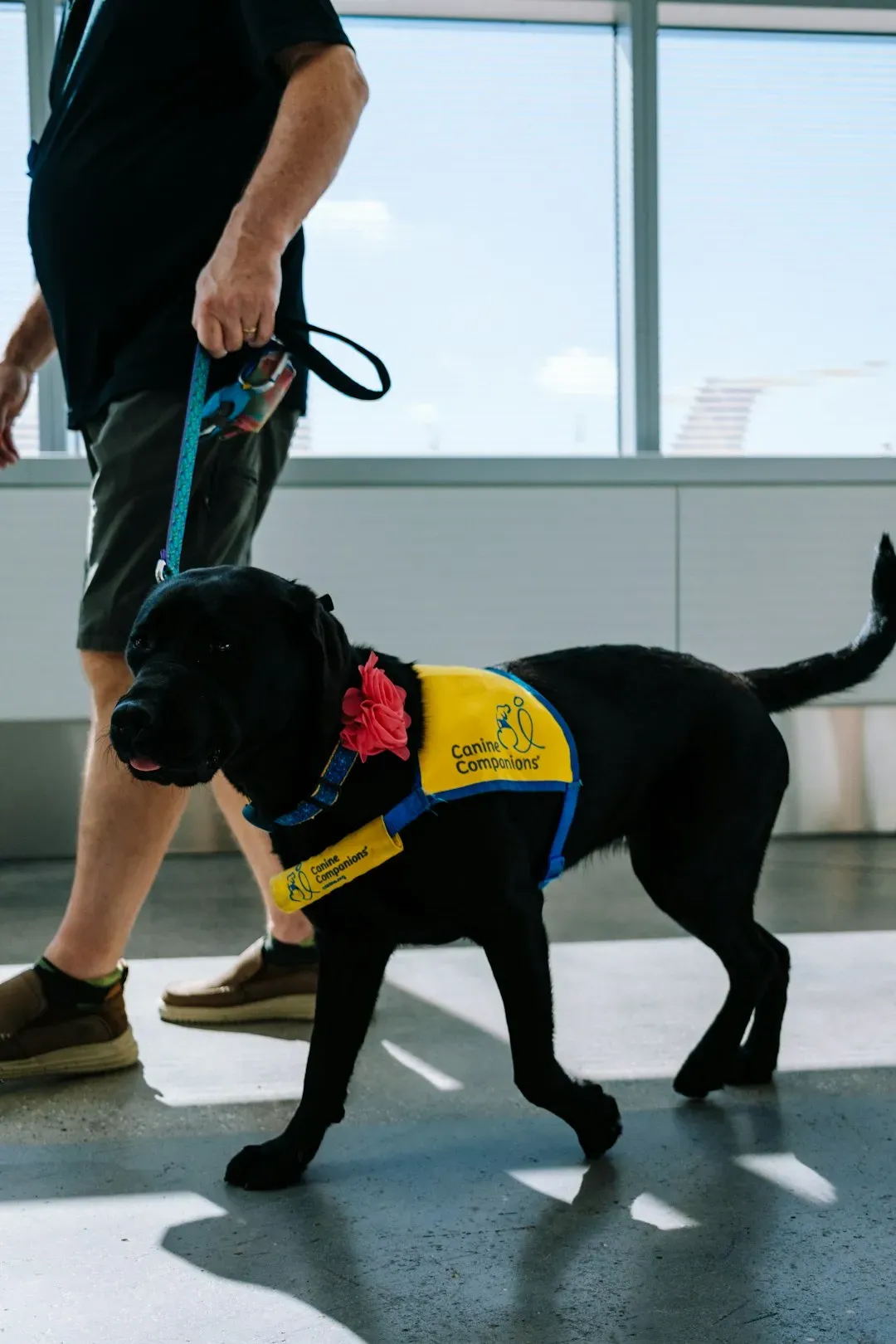
Of all the things dogs can potentially detect, cancer remains the most astonishing – and the most studied. Dogs are most famously known for detecting cancer. They can be trained to sniff out a variety of types including skin cancer, breast cancer, and bladder cancer. In a 2006 study, five dogs were trained to detect cancer based on breath samples. Once trained, the dogs were able to detect breast cancer with considerable accuracy, and lung cancer with extremely high accuracy – across all four stages of the diseases.
The first evidence for dogs’ ability to smell disease, published in The Lancet in 1989, was of a dog sniffing and biting a woman’s mole, which turned out to be a melanoma. That raised the idea that cancer might be detectable by smell, and that dogs could be used in diagnostics. For untrained pet owners, the takeaway isn’t that your dog is a diagnostic tool. It’s that if your dog is unusually fixated on one area of your body, or acting very out of character around you for more than a brief period, it might be worth checking in with a healthcare professional – especially if you already feel “off” or notice other symptoms.
#14 – They Break Their Own Routine to Stay Close to You
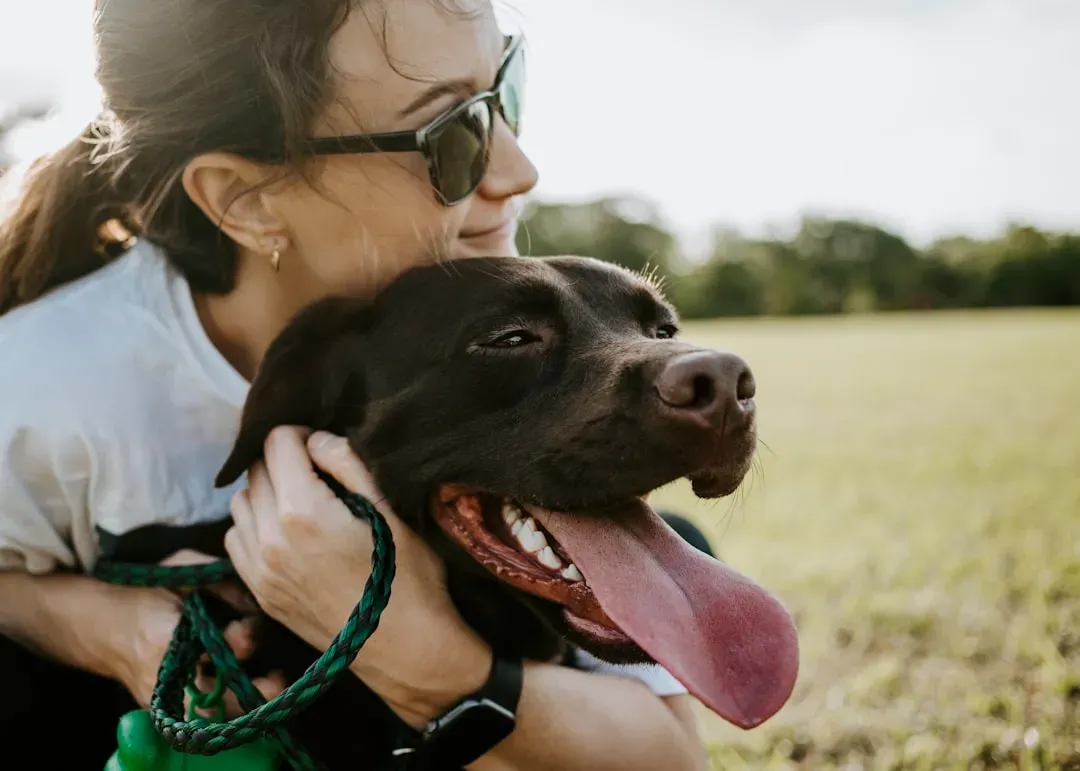
Dogs are creatures of habit. They have internal clocks precise enough to know when dinner is coming, when a walk is due, and when their favorite spot on the couch becomes theirs by default. So when a dog voluntarily abandons its routine to stay near you – skipping its usual nap spot, forgoing the window it always watches from – something is going on. Your dog might become anxious if you don’t let them out when you normally do or spend the day sleeping.
According to a study with over 300 dog owners, the vast majority noticed considerable changes in their pets’ behavior while they were suffering from a mild illness such as flu or infections. Nearly half claimed this change occurred one to two days before the symptoms appeared. Among the observed changes were less demand for walks and play, greater fixed and constant observation, or alterations in physical contact. A dog that quietly repositions itself to be wherever you are, following no reward and no command, is exercising the most instinctive form of care it knows.
What to Do When Your Dog Is Trying to Tell You Something

The honest take here is this: your dog is not a medical device. A dog’s reaction isn’t a medical test and shouldn’t replace regular checkups or recommended screenings. Think of it as one more piece of information that may encourage you to take your own health seriously and seek professional advice when something doesn’t feel right. The science is real, but it needs to be placed in the right context.
Dogs read human emotion with remarkable accuracy. MRI studies have shown that dogs process human emotional signals in brain regions similar to our own. This ability is a major reason they excel in therapy work, crisis response, and high-stress environments. Trusting your dog doesn’t mean skipping the doctor – it means taking seriously the living, breathing, constantly attentive being that shares your life and knows your rhythms better than almost anyone.
If there’s one opinion worth holding firmly here, it’s this: we consistently underestimate what dogs know about us. We treat their behavior as emotional noise instead of signal. We chalk up their unusual attention to neediness, boredom, or coincidence – and sometimes we’re right. But sometimes, we’re not. The dog that won’t leave your side, stares too long, circles the room, or fixates on your chest is worth listening to. Not because animals are mystical, but because they’re paying closer attention than we give them credit for. They live inside your routine so completely that your deviations from it become unmistakable to them. That’s not a sixth sense. That’s devotion meeting biology – and it just might be one of the most useful things in your life.