

Most dog owners know their dog has a schedule. They know it better than most people know their own. The walk happens at seven. The bowl goes down at five-thirty. The evening cuddle on the couch is non-negotiable. But what happens when that structure doesn’t just shift for a day, it disappears permanently? A new city. A new job. A loss in the family. A baby. Whatever the cause, some dogs handle it with quiet dignity, and others unravel in ways that break your heart.
Some dogs struggle with routine changes because those changes disrupt more than timing. Early exposure, attachment patterns, past experiences, coping capacity, and environmental stability all shape how dogs interpret shifts in daily life. Routine often serves as an emotional structure rather than a habit alone. That’s what makes a permanent disruption so much harder than a one-off situation. It isn’t a blip. It’s a new reality the dog has to somehow make sense of.
Dogs thrive on structure and predictability, so when their routine is suddenly disrupted, it can cause stress, anxiety, and behavioral changes. The sixteen breeds below are ranked by just how deeply they feel it when that structure is gone for good. Some may surprise you.
#1 – Vizsla: The Dog That Needs You Like Air

If there’s one breed that exists entirely in relationship to its person, it’s the Vizsla. Cheerful and energetic Vizslas love spending time with loved ones, and they’re often called “Velcro dogs” because of how closely attached they are to the people they love. Because of this, separation anxiety is a common problem for Vizslas. When a routine is broken not just once but forever, a Vizsla doesn’t simply adjust. It grieves.
Vizslas are often referred to as the ultimate “Velcro dog.” They were developed in Hungary as hunting companions, bred to work closely with humans, which resulted in an instinctual need to be at their owner’s side at all times. That instinct doesn’t switch off when the workday changes or the household restructures. Without deliberate, gradual reintroduction to a new rhythm, the Vizsla can spiral into visible distress remarkably fast.
#2 – Border Collie: Too Smart for Its Own Peace
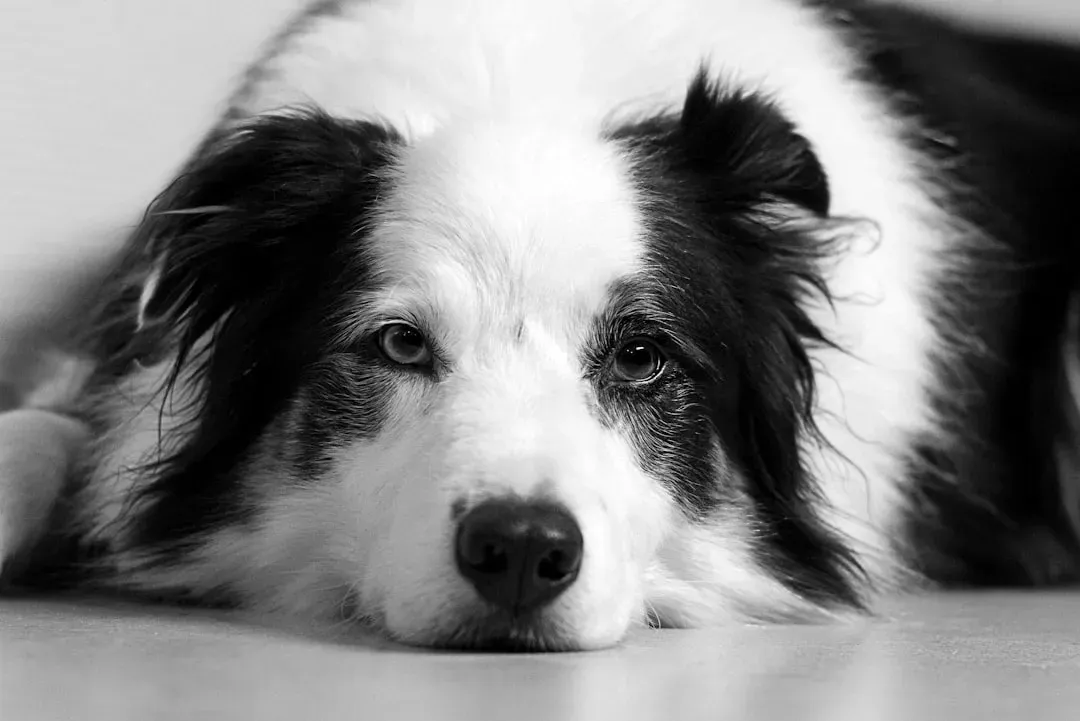
Border Collies are often cited as the smartest dog breed, and while this helps them learn cues and tricks quickly, their big brain and high energy level also make Border Collies a dog breed prone to anxiety. That intelligence cuts both ways. They notice every deviation from the expected order of events, and they catalog those deviations with unsettling precision.
Herding breeds were designed for constant vigilance, problem-solving, protection, and environmental sensitivity. They were bred to be constantly outdoors, alert, and run for days at a time. In a home without the same demands, these strengths can manifest as anxiety. A Border Collie with a broken routine and nothing to solve becomes its own worst enemy, redirecting all that mental energy inward in destructive and compulsive ways.
#3 – Cavalier King Charles Spaniel: Gentle, But Fragile Inside

Cavaliers are renowned for their high intelligence and acute awareness, which also means they are highly responsive to changes and can easily become stressed in unfamiliar or chaotic situations. Loud noises, sudden movements, new environments, or changes in routine can all be significant stressors for Cavaliers. Their ability to pick up on subtle cues and changes in their surroundings can lead to anxiety or stress responses, especially when these changes occur unexpectedly or too frequently.
Cavaliers are known for forming strong attachments to their owners and thrive on constant companionship. Because they thrive on human interaction, this breed can develop separation anxiety or become distressed if left alone for extended periods. Cavaliers may also become anxious if they feel neglected or don’t receive enough affection. A permanent break in routine doesn’t just unsettle them. It shakes the very foundation of their emotional security.
#4 – German Shepherd: The Loyal Dog Who Takes It Hard in Silence
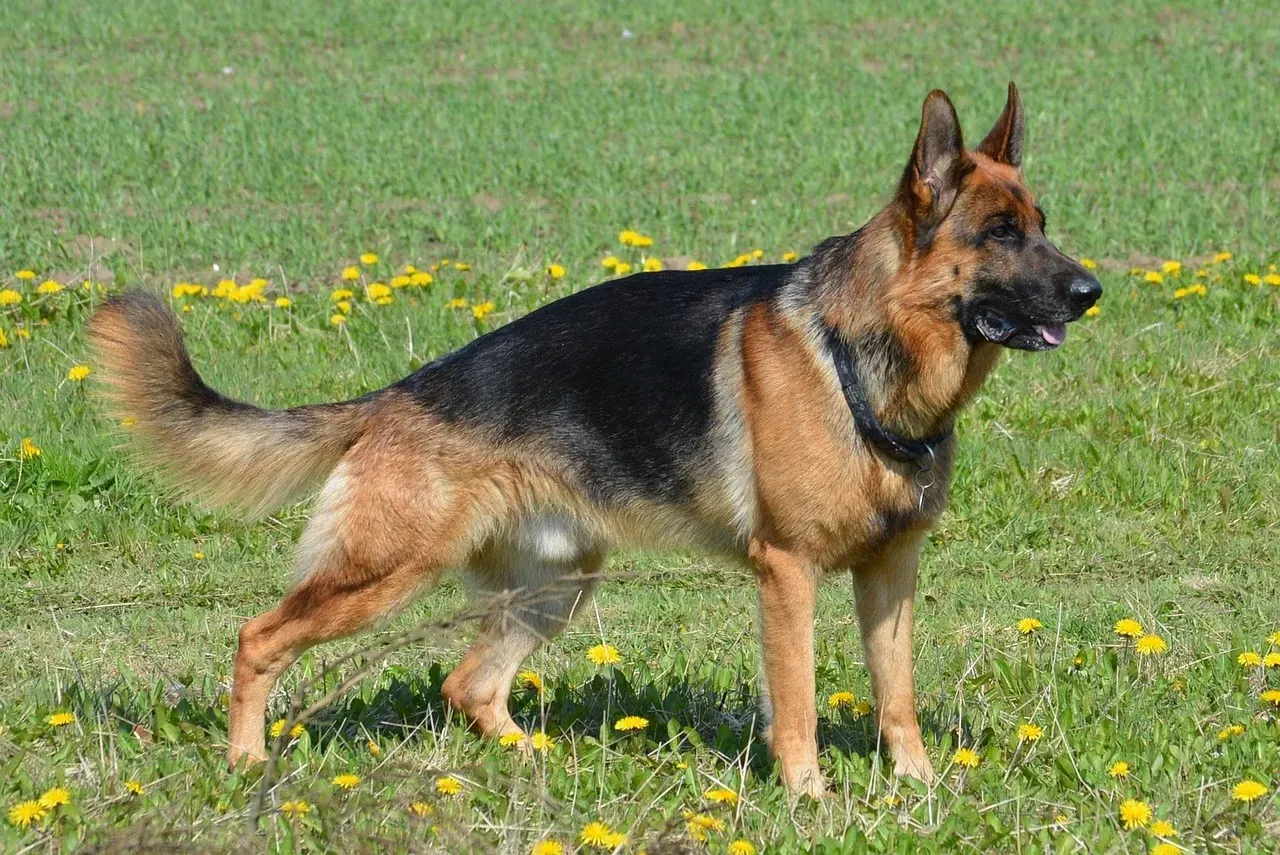
German Shepherds have a reputation as tough, stoic guard dogs. But what many people don’t know is that German Shepherds are also remarkably sensitive. They are quite emotionally tuned in with their families, and they can get deeply distressed by the absence of their main person, which leads to separation anxiety and anxiety-related destruction. They mask it better than most breeds, which sometimes means owners don’t realize how badly the dog is struggling.
German Shepherds are loyal and protective, but can become very attached to their owners and may exhibit destructive behavior if left alone without adequate stimulation and training. German Shepherds need plenty of consistent training, adequate exercise, and a good routine to avoid behavior problems like separation anxiety. When the routine evaporates permanently, the behavioral fallout can feel sudden, even though it was building quietly for weeks.
#5 – Australian Shepherd: Built to Work, Broken by Stillness

Aussies are designed for constant, high-energy work. Their original job was herding cattle or sheep. Their ultra-vigilant nature means they like to be engaged constantly and are highly sensitive to their surroundings. As working dogs, they are constantly in need of a job. Lacking a job or human interaction, their high intelligence turns boredom into anxiety and depression.
Australian Shepherds are herding dogs that often have separation anxiety. This can cause them to become very anxious and destructive when they are left alone or find themselves bored at home for too long. They will bark excessively, chew on furniture, break out of crates, and destroy things in the house if given half an opportunity because their physical energy levels are high. Essentially, a disrupted routine with no replacement plan is a recipe for a very stressed, very loud Aussie.
#6 – Toy Poodle: Small Dog, Deep Emotional Reservoir

Toy Poodles may develop separation anxiety when left alone for long periods, and if they’re bored, they’re likely to bark, jump, and be destructive. Toy Poodles are also very sensitive to new environments and changes in their routine, which may contribute to stress-related gastrointestinal upset. The physical symptoms alone should tell you something about how deeply this breed internalizes change.
Toy Poodles are highly intelligent and social animals who thrive on being in the middle of family life. They thrive on being with their “pack,” and separation can cause them to become very sad, restless, and bored. Without proper mental stimulation or routine, their anxiety can intensify, making alone time increasingly difficult for them to handle. A permanently altered household structure hits Toy Poodles harder than their dainty appearance might suggest.
#7 – Labrador Retriever: The Friendly Dog with a Fragile Core

Even though Labradors have a happy and friendly demeanor, they can be prone to anxiety. This breed’s strong attachment to family, high energy needs, and sensitivity to changes are key factors that contribute to their susceptibility to anxiety. People assume Labs are easygoing about everything because they’re cheerful and wagging-tailed. That assumption can catch owners off guard.
This breed’s strong attachment to family members can lead to distress when separated. This anxiety can manifest as destructive chewing, excessive barking, or even soiling the house when left alone. Labradors require at least an hour of active exercise every day as well as mental stimulation. Pull the predictability out of a Lab’s day permanently, and that sunny disposition starts to cloud over in ways that are both exhausting and deeply touching to watch.
#8 – Cocker Spaniel: Devoted to the Point of Fragility

Cocker Spaniels are very people-oriented and form strong attachments to their families. Their need for close companionship makes them loyal and loving pets. Because this breed thrives on human interaction, they can become distressed if they feel isolated or abandoned. It doesn’t take a dramatic event to push a Cocker Spaniel into distress. Sometimes a shift in daily timing is enough to trigger the spiral.
Separation anxiety in Cocker Spaniels can manifest in many ways, such as destructive behavior, excessive barking, whining, or even physical symptoms like loss of appetite or gastrointestinal issues. Those physical symptoms are telling. This breed doesn’t just show stress behaviorally. It carries it in its body, which makes prolonged routine disruption a genuine welfare concern rather than a minor inconvenience.
#9 – Chihuahua: Small Frame, Enormous Emotional Need

Chihuahuas bond strongly with one person and may tremble, bark, or have accidents when separated. That level of attachment to a single individual means any change that alters how, when, or how often that person is present hits the Chihuahua like a full-scale emergency. They don’t distinguish between a temporary absence and a permanent shift in structure.
Despite their bold personalities, Chihuahuas are prone to social and separation anxiety. They may be shy and timid around new people and bark excessively when nervous. Providing a predictable routine, engaging toys, and a safe space can help ease their stress. Without that predictable routine, Chihuahuas can become almost impossible to soothe, cycling through anxiety behaviors with an intensity that feels wildly disproportionate to their size.
#10 – Shetland Sheepdog (Sheltie): Sensitive to Everything, Especially Structure
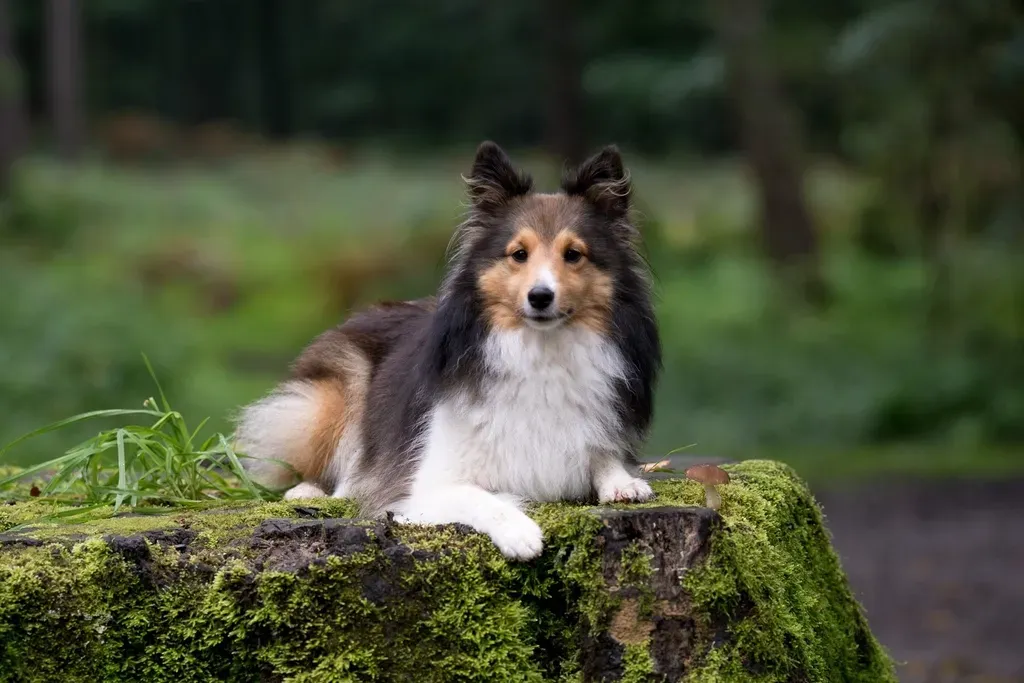
Shetland Sheepdogs are alert and sensitive and need alone time training early. That sensitivity extends far beyond just being left alone. Shelties pick up on household emotional undercurrents, shifts in schedule, and environmental inconsistencies with an acuity that can make living with them feel like living with a very small, very attentive therapist who is also anxious about everything.
Strong attachment patterns can amplify a dog’s reaction to schedule changes. Daily routines often revolve around shared moments with a primary person, so changes in timing can feel like disruptions in connection rather than simple adjustments. Dogs that form deep attachments may struggle more during routine shifts because predictability reinforces emotional closeness. For the deeply bonded Sheltie, this describes daily reality. Take the structure away for good, and expect a long adjustment period full of barking, pacing, and shadow-following behavior.
#11 – Havanese: The Companion Who Cannot Companion Alone

With a heart as soft as their coat, Havanese dogs are sensitive, loyal companions. Their greatest desire is to be part of the family, and they often struggle to function without their human. The Havanese was literally bred to be a lapdog and a shadow, so expecting one to roll with a major lifestyle overhaul without any behavioral fallout is optimistic at best.
Havanese can become extremely sad and introverted if left alone regularly for long hours and are not suitable for people working full-time outside the home. Some of the greatest behavioral signs are pacing, crying, and refusal to play. Refusal to play is particularly telling in a breed that is otherwise playful and sociable by nature. When a Havanese stops engaging, the routine disruption has gone deep.
#12 – Beagle: Pack Animal Lost Without Its Pack

Beagles are hunting dogs with a strong pack instinct and they’re simply not built for being alone. This specific breed is both active when young, very driven by scent, and prone to loneliness. This can cause destructive behaviors when they’re home alone. A Beagle’s distress when the routine collapses isn’t quiet. It’s vocal, relentless, and audible to the entire neighborhood.
Certain breeds were developed to work closely with humans, retrievers, herders, lapdogs, and these breeds are particularly sensitive to separation. For these dogs, being left alone doesn’t just feel boring, it feels like abandonment. Beagles occupy a special category here because their pack instinct means they don’t just miss their person. They experience the altered routine as a fracture in the entire social fabric of their world.
#13 – Bichon Frise: Cheerful on the Surface, Fragile Underneath

The Bichon Frise was bred as a companion dog and really does best when around their human family. Left alone, they can become bored and can suffer severe distress due to loneliness. Their fluffy, upbeat exterior creates the impression that they bounce back from anything. In reality, the Bichon’s emotional baseline depends heavily on consistent companionship and predictable daily patterns.
Dogs thrive on structure and predictability, so when their routine is suddenly disrupted, it can cause stress, anxiety, and behavioral changes. Whether it’s a new work schedule, a baby joining the family, or a move to a new home, these shifts can leave a pup feeling confused and unsettled. Since dogs rely on a routine for security and stability, sudden changes can lead to symptoms like whining, pacing, loss of appetite, or destructive behavior. In the Bichon, those symptoms can appear with surprising speed and persistence.
#14 – Siberian Husky: Loudly Unhappy When Life Goes Off Script
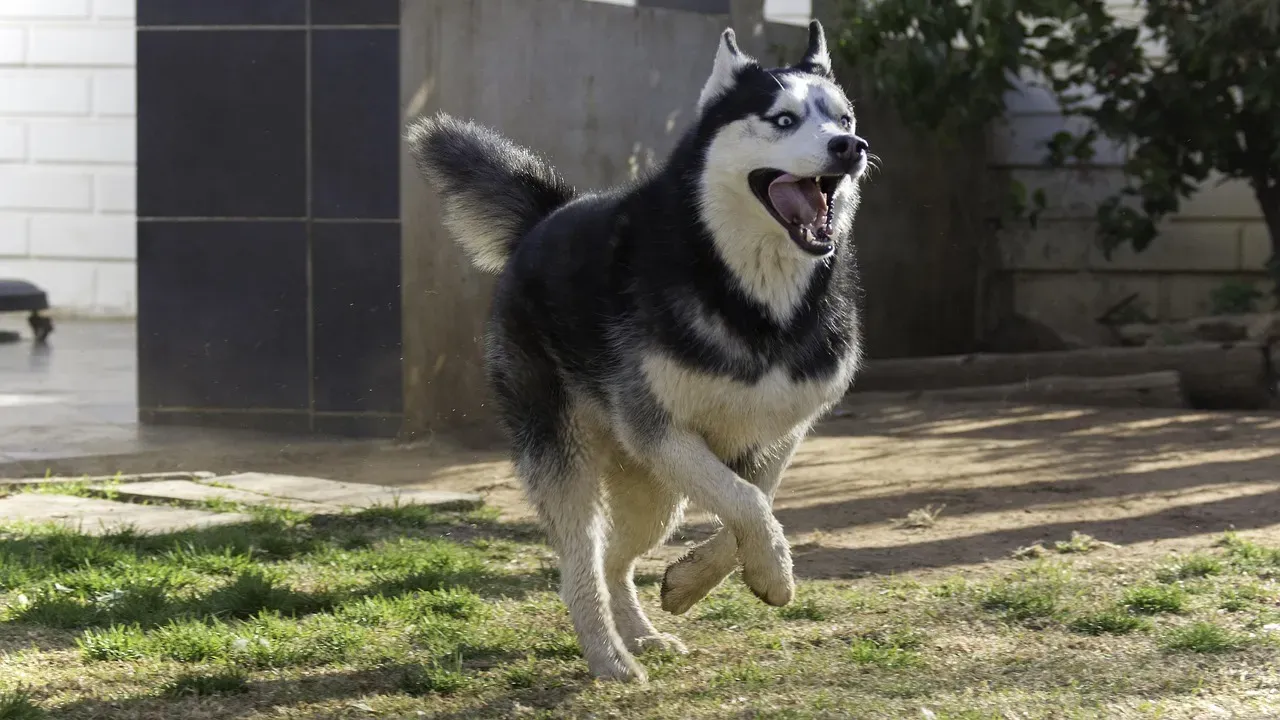
Siberian Huskies are prone to anxiety, which can manifest as barking, destructive chewing, digging, escape attempts, or fixation on movement. The Husky’s response to a broken routine isn’t subtle. It’s operatic. These are dogs who will inform the entire household, and possibly the street, that something is deeply wrong with the current state of affairs.
Huskies are known for their high energy and for being extremely social dogs that love being in packs. While they are very independent and not always prone to classic separation anxiety, because of their strong need to be in a pack and high energy levels, they are prone to being destructive if left alone for long periods. What makes permanent routine disruption especially hard for Huskies is the boredom-destruction loop: the more unstimulated they become, the more damage they do, which creates a cycle that’s difficult to interrupt without rebuilding structure from scratch.
#15 – Jack Russell Terrier: Intensity Without an Outlet Is Dangerous

Jack Russell Terriers possess a bold and confident temperament typical of terrier breeds. While this fearless nature makes them excellent hunters and lively companions, it can also lead to fear-based anxiety in certain situations. Despite their courage, Jack Russells can become reactive if they feel threatened or cornered. This paradoxical reaction is due to their high sensitivity and alertness, which can make them perceive danger even when there is none.
Jack Russells thrive on human companionship and interaction. They are highly social dogs that form strong bonds with their owners and enjoy being involved in daily activities. However, this need for attention means that they can develop separation anxiety if left alone for extended periods. When the daily framework they’ve organized their behavior around disappears, Jack Russells tend to redirect that energy explosively, into digging, barking, and anything else that provides an outlet for their discomfort.
#16 – American Staffordshire Terrier: Soft Under the Muscle

Big, muscular, and blocky, American Staffordshire Terriers are really just big softies. They form tight bonds to their family and generally love being around people. Because of this, they can become stressed and anxious when left alone for long periods. Their intimidating physique makes people assume they’re emotionally bulletproof. That assumption couldn’t be further from the truth.
Positive reinforcement training and sticking to a consistent routine can help reduce the risk of separation-related behavior in AmStaffs. The key word there is “consistent.” When that consistency vanishes permanently, the AmStaff can struggle in ways their owners simply aren’t prepared for, becoming clingy, reactive, and hard to settle. A dog under chronic stress may sleep poorly, eat differently, and become less tolerant. A dog whose routine has changed may look disobedient when they are actually dysregulated. That distinction matters more than most people realize.
What This Tells Us About Dogs and Routine
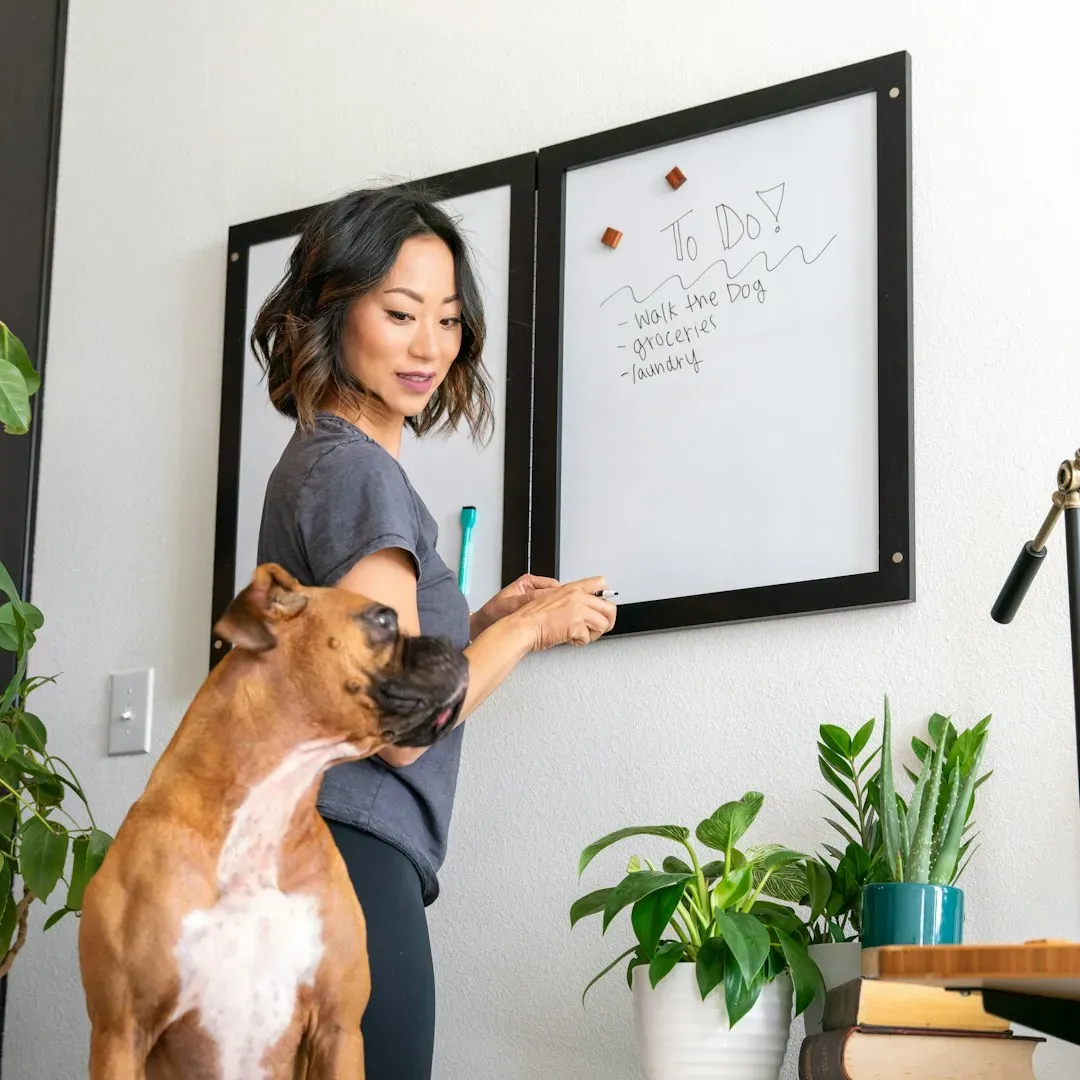
Uncertainty and inconsistency elevate cortisol, the stress hormone. A 2021 study published in Animals found that shelter dogs on consistent schedules had significantly lower cortisol levels than those without a routine. That’s not a trivial finding. It’s a physiological argument for why routine matters so much, not as a luxury, but as a biological necessity for dog wellbeing.
Dogs may show strong signs of distress during alone time when they have not learned, gradually and consistently, that being alone is safe. Separation can feel especially difficult because dogs are social by nature and often rely on routines and companionship. When a dog is highly attached, their entire sense of security is tied to the physical presence of their owner. The breeds at the top of this list feel that reality most acutely of all.
A move, a schedule change, a new baby, construction noise, guests, boarding, a pet loss, or reduced exercise can all contribute. Dogs do not need one huge event to struggle. Sometimes a long string of smaller stressors changes behavior more than a single obvious incident. Understanding that should change how we approach our dogs when life gets complicated.
A Final Thought

There’s something quietly humbling about the way dogs orient their entire lives around ours. They don’t know why the morning walk stopped happening. They don’t understand that the family moved or that the person who used to come home at noon no longer lives there. They only know that the world no longer makes sense, and they feel that confusion in their bones.
The breeds on this list aren’t broken or difficult. They’re deeply relational animals whose sensitivity is, in most circumstances, exactly what makes them wonderful. That same sensitivity just happens to make permanent disruption a heavier burden to carry. If you share your life with any of these dogs and your world is about to change significantly, the kindest thing you can do is plan the transition as deliberately as you’d plan anything else that matters. Because to your dog, it matters more than most things do.


