
Bringing a dog home for the first time is one of those moments that stays with you. The wagging tail, the wide eyes taking in every corner of your house, the way they somehow already know exactly which spot on the couch is the comfiest. It’s wonderful. It’s also quietly overwhelming if you haven’t prepared ahead of time.
Most new dog owners focus so much on the emotional excitement that the practical side sneaks up on them. The wrong food bowl, no leash ready at the door, nowhere for the dog to feel safe at night. These small gaps can turn those first few days from magical into genuinely stressful. The good news is that getting it right doesn’t require spending a fortune or buying every product on the shelf. It just requires knowing which eight things actually matter.
#1: The Right Food and Water Bowls
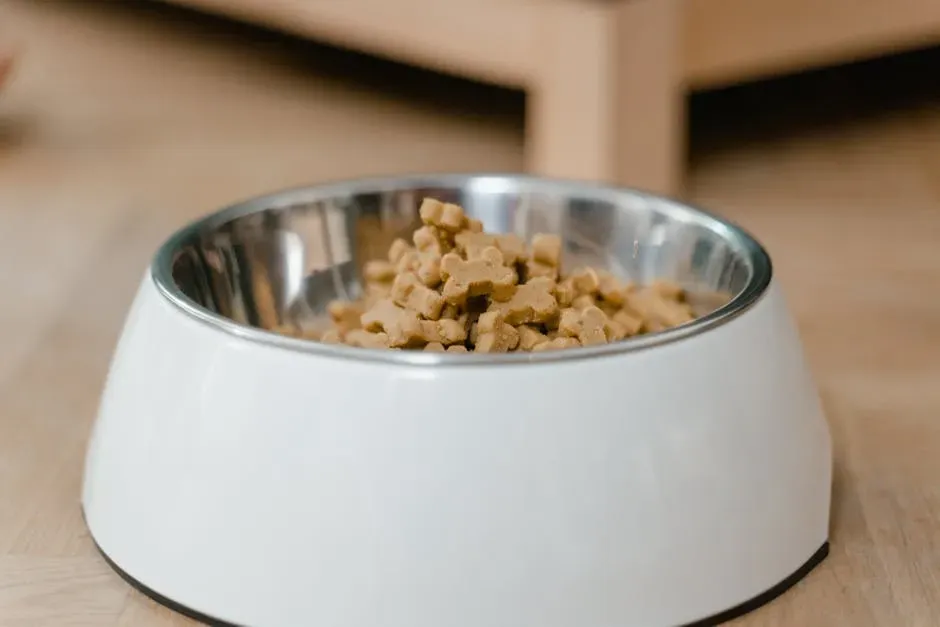
It sounds almost too simple, but this is where everything starts. Your dog requires two sturdy bowls: one for food and one for water. Ceramic ones may look lovely, but they’re breakable, so stainless steel is the stronger choice. Stainless steel is also far easier to clean and far less likely to harbor bacteria over time, which matters more than most first-time owners expect.
Stainless steel bowls are a popular choice as they’re durable and resistant to bacteria. For larger breeds, elevated bowls can also help facilitate easier eating and drinking. It’s a small detail, but the right setup from day one makes feeding time feel organized rather than chaotic. Dogs, especially anxious ones in a new environment, actually benefit from having a consistent, dedicated feeding spot they can count on.
#2: High-Quality, Age-Appropriate Dog Food
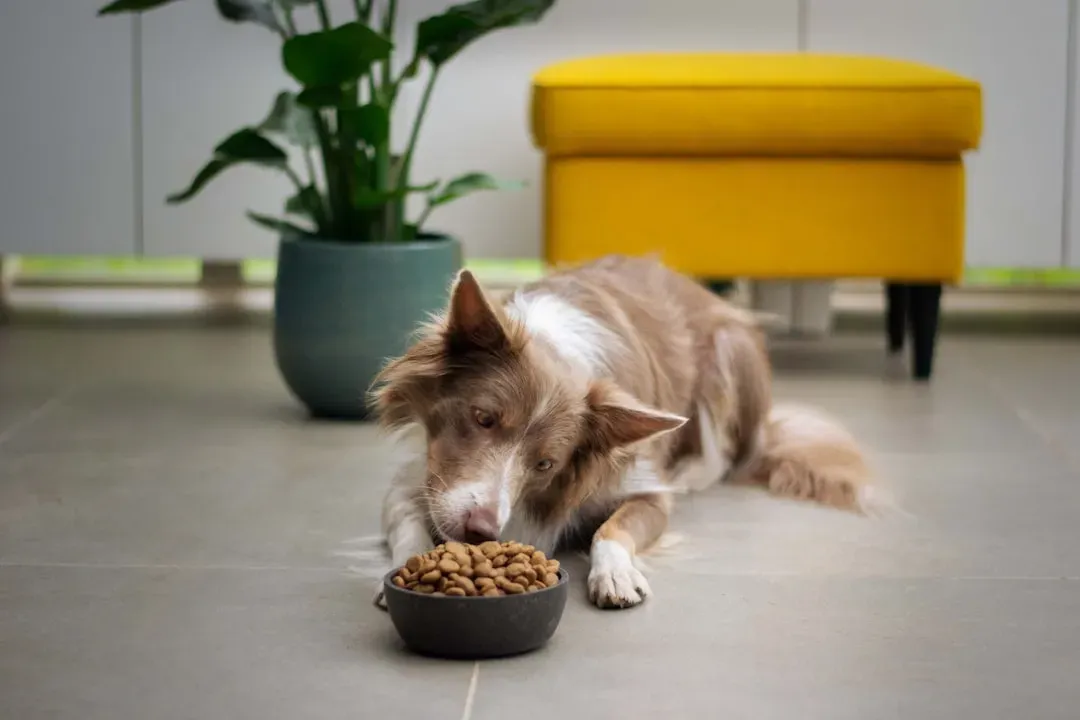
The best thing to do is to continue what your dog was eating before coming to your home and transition to a new food by slowly mixing it in, adding more until you wean out the old food. This can prevent tummy troubles in an already stressful time. That first week is hard enough for a new dog without adding digestive upset into the mix.
Nutrition plays a vital role in your dog’s health. There are now many premium dog food options catering to various needs such as allergies, weight management, and breed-specific requirements. Always consult your veterinarian to find the most suitable food for your dog, focusing on quality ingredients and proper nutrition. The investment in good food pays off in lower vet bills and a healthier, more energetic dog. Don’t cut corners here.
#3: A Collar, ID Tag, and Leash
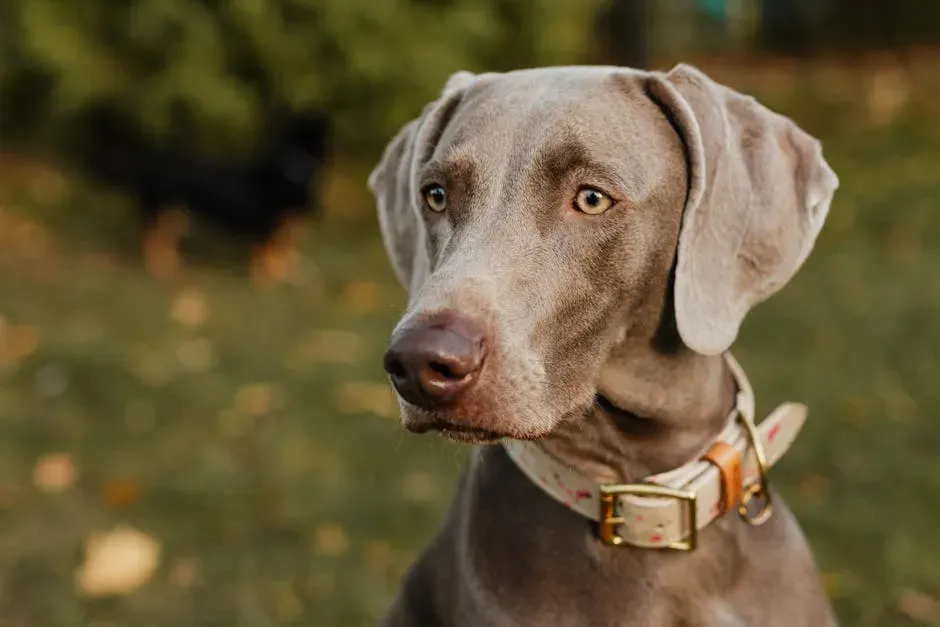
Pet collars are extremely important, even when your pet will stay mainly indoors, as accidents can happen. If you plan to keep the collar on at all times, consider one that can break away to reduce the risk of choking or strangulation. That small safety consideration is one that experienced dog owners swear by and first-timers often overlook entirely.
The ID tag should at least contain your dog’s name and your phone number, but you can also include a QR code with more details like your address and additional information about your pup. Beyond an ID tag, it’s highly recommended to microchip your dog. As for the leash, extendable leashes often end up causing more trouble than safety, so a fixed-length leash is preferable. Your leash choice will depend on your dog’s size, age, and pulling ability, and many leashes come with comfort grips which are helpful for both pups and owners.
#4: A Crate That Fits Just Right
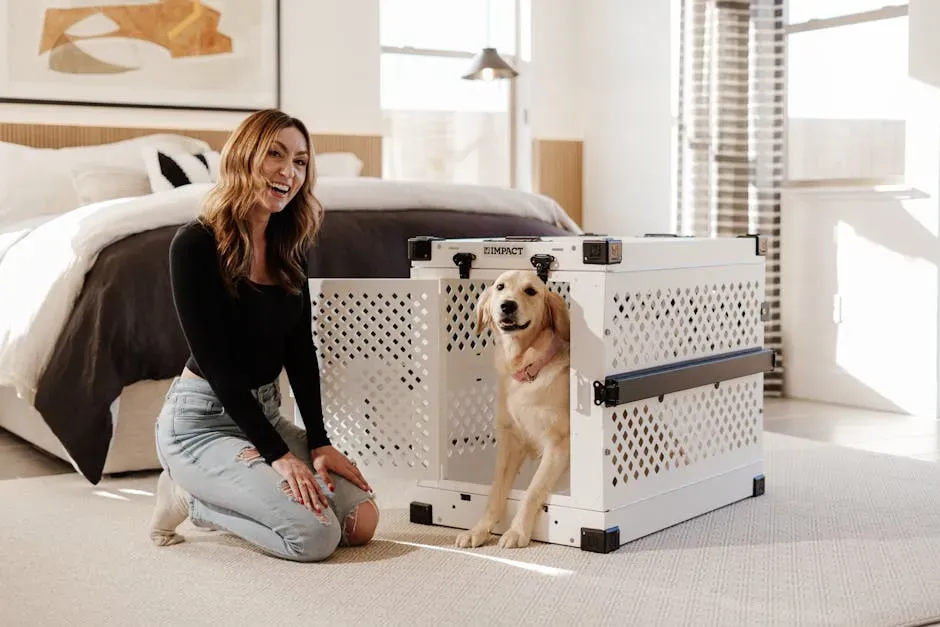
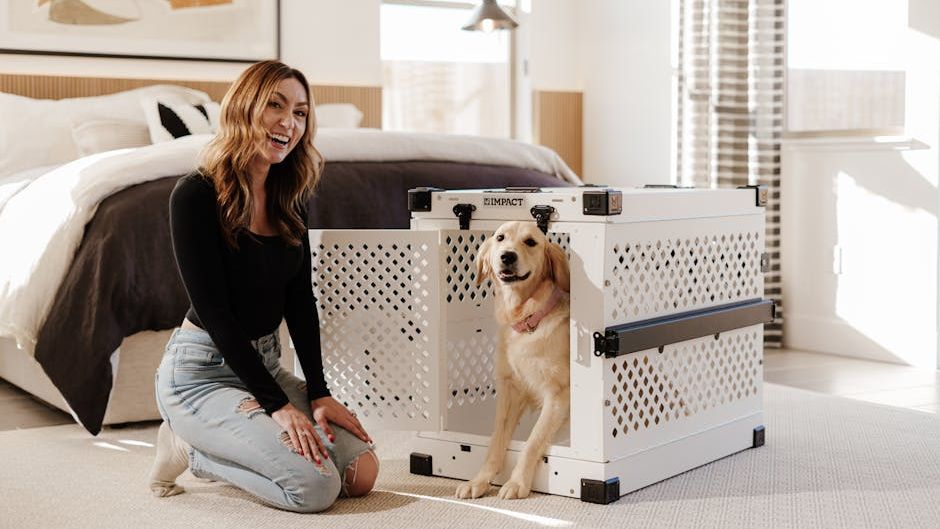
The best time to start crate training your dog is right from the beginning. Crate training should always be a positive experience, and it’s important to buy a crate that is the proper size. A dog should be able to comfortably and easily stand up, sit down, lay down, and turn around in the crate. Too large and the dog may use one end as a bathroom. Too small and the whole thing feels like punishment.
A durable crate with a crate pad gives your dog their own den in the comfort of your home. A crate they love can be their special place to recharge, or a safe space to contain them if you need to be away for a few hours. Framing the crate as a cozy retreat rather than a cage makes a genuine difference in how quickly your dog adapts. Add a worn t-shirt with your scent inside and many dogs settle faster than you’d expect.
#5: Toys That Actually Match Your Dog’s Personality
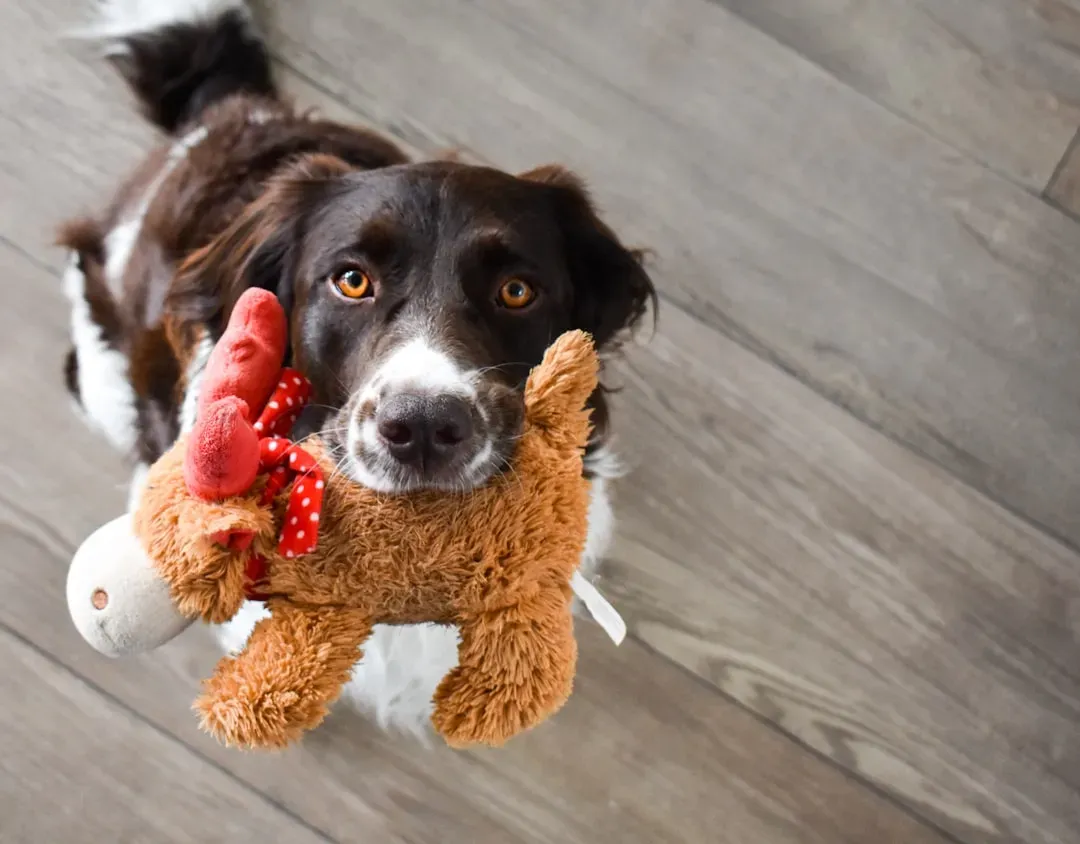
You’ll want some toys for your new dog, and it helps to start with a variety to see what they like. Some dogs get attached to soft toys, while others destroy them in seconds. Some love tug-of-war and big rope toys, and some would rather have an enrichment toy. Try them out, see what your pup likes, and go from there. There’s genuinely no way to predict this in advance.
Mental activities such as puzzle toys and training exercises are necessities for puppies to help keep their mind sharp and engaged. Physical activities like playtime and short walks will help burn off excess energy and promote physical health. A balanced combination of these activities contributes to a happier and healthier pup and helps create a strong bond between you and them. Toys aren’t just entertainment. They’re how your dog learns the world and how you two start to understand each other.
#6: Grooming Essentials From Day One
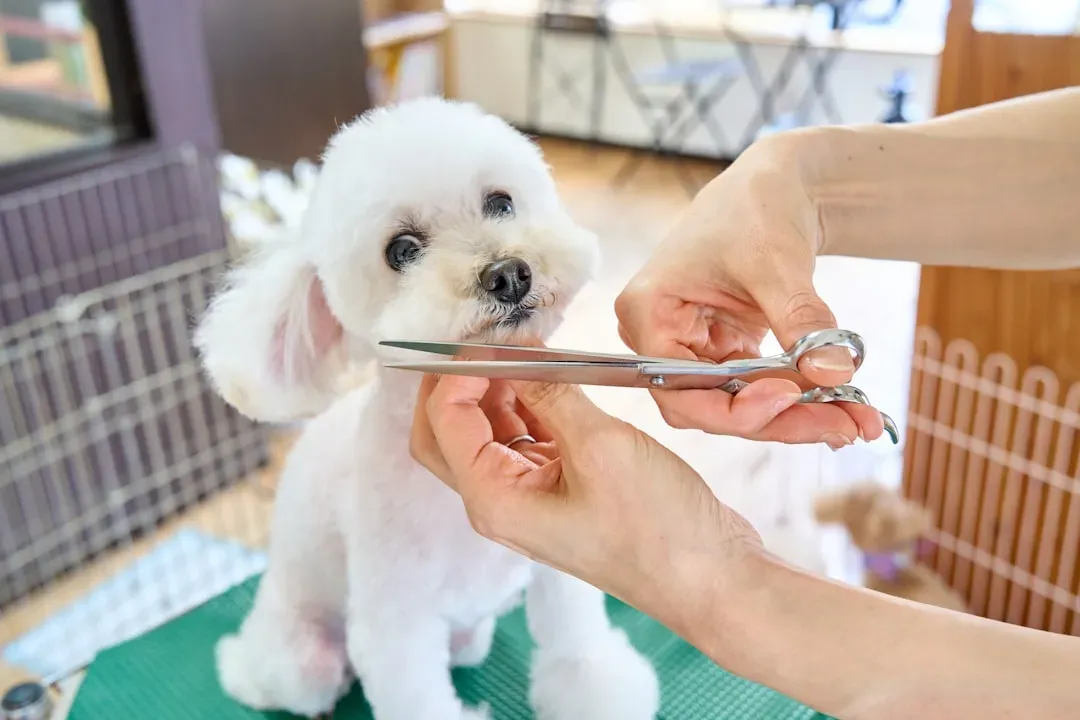
Invest in high-quality grooming tools, such as brushes appropriate for your dog’s coat type, nail clippers, and dog shampoo. Regular baths and grooming sessions help reduce shedding and keep your pet’s skin healthy. Starting this routine early is less about keeping things tidy and more about helping your dog get comfortable with being handled, which pays off enormously at vet visits later on.
Maintaining your dog’s grooming is a good way to develop a lifelong bond. Along with keeping your dog looking great, regular grooming promotes healthy blood circulation. Common grooming supplies you should have include shampoo, a brush, and a nail trimmer. The grooming supplies you’ll need depend a lot on what breed you have. The requirements for grooming a Poodle, for example, are considerably more involved than those for a Labrador Retriever. A quick conversation with your breeder or groomer early on can save you a lot of guesswork.
#7: Training Treats and a Basic Clicker
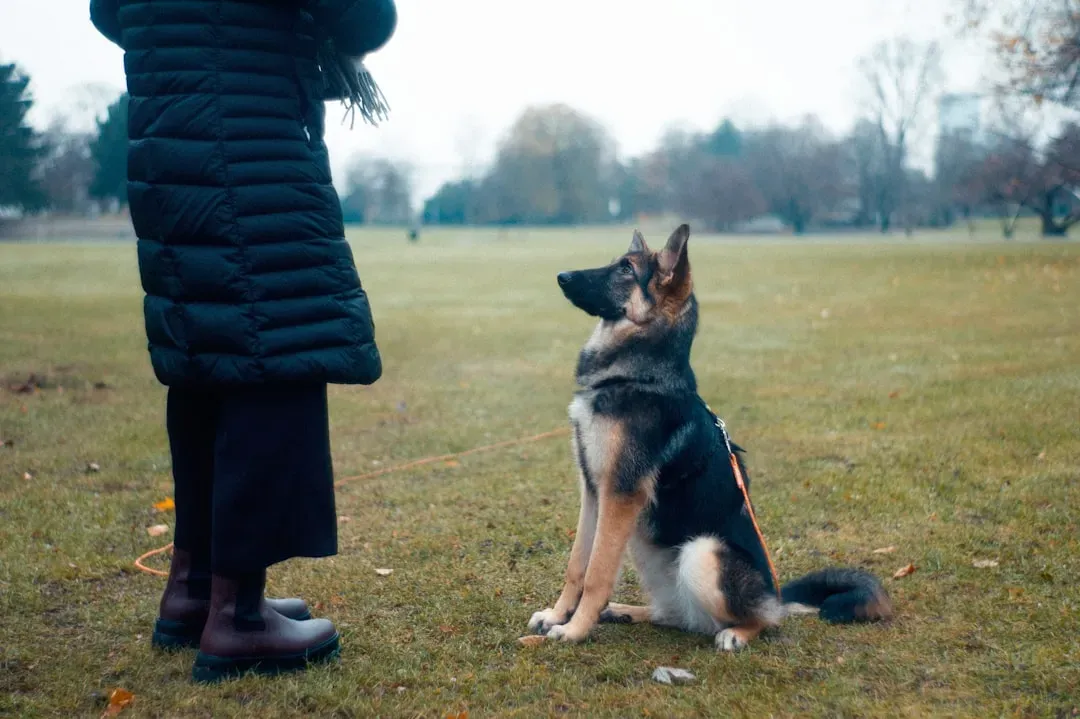
Bite-sized, low-calorie treats made specifically for training situations let you reward your dog’s progress as much as you want. A clicker is a common training tool that makes a unique sound to let dogs know when they’ve done something right. The combination of the two is remarkably effective, even for complete beginners. You don’t need to be a professional trainer to use them well.
It’s best to have a variety of treats for different purposes. You’ll want some basic treats for things like coming in after a walk or before bed, and some higher-value ones for training. Even higher-value treats work best for key commands like “come” and “leave it.” Small treats or treats that break into smaller bites allow you to provide frequent rewards without overfeeding your dog. Dogs should get ten percent or less of their daily calories from treats. Keep that number in mind so good intentions don’t accidentally tip into overfeeding.
#8: A Dog First Aid Kit
Accidents happen, and being prepared can make a significant difference. A pet first aid kit should include items like antiseptic wipes, adhesive bandages, gauze, and a digital thermometer. Familiarize yourself with basic first-aid procedures for pets so that you know how to react in emergencies. This is the item most new owners put off buying, and the one they most desperately wish they’d had when something goes wrong at 10pm on a Sunday.
Your dog first aid kit needs supplies to handle basic injuries like broken nails, cuts, dehydration, and overheating. Include veterinary-grade bandages, anticoagulant, antibiotic wipes or spray, sterile gauze wrap or pads, and cool packs. Keep a general guide to dog first aid in your kit for reference. It costs very little to put together and delivers enormous peace of mind. Think of it less as pessimism and more as responsible love.
The Bottom Line: Preparation Is an Act of Love
Here’s a personal opinion worth stating plainly: the single biggest mistake new dog owners make isn’t buying the wrong toy or picking the wrong bowl. It’s underestimating how much a prepared environment shapes a dog’s sense of safety. The most essential items are ones that allow your dog to grow into their new home slowly, rather than being overwhelmed by the whole space all at once. That philosophy runs through every single item on this list.
None of this has to be expensive or complicated. While you don’t need to buy every accessory at once, starting with the basics gives both you and your dog a smoother transition. Over time, you’ll naturally discover which items suit your pet best. With preparation, patience, and the right equipment, you set the foundation for a happy and lasting bond.
Dogs ask for so little and give back so much. Getting these eight essentials sorted before your dog walks through the door isn’t just about convenience. It’s about telling your new companion, without a single word, that they’re already home.


