
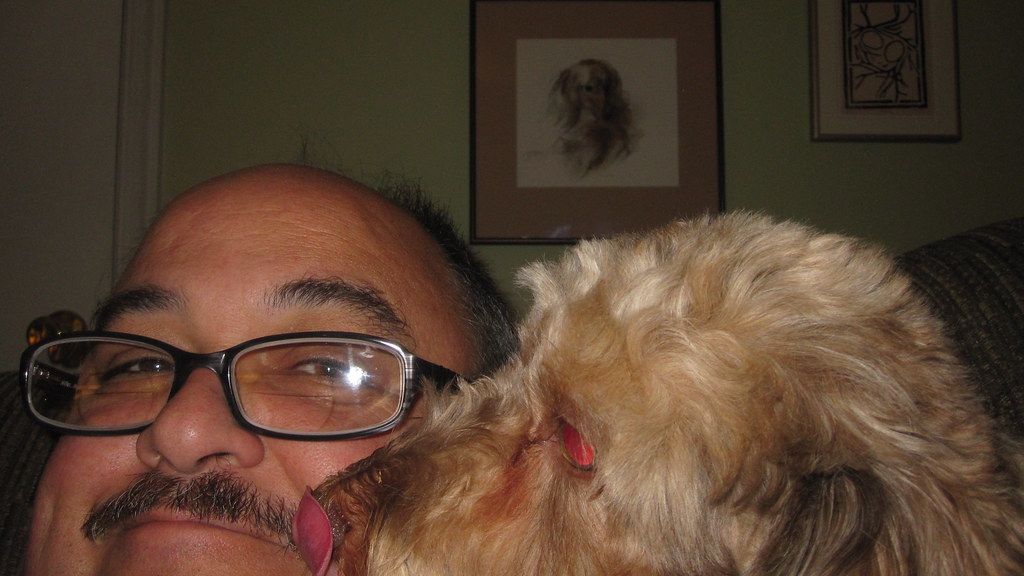
There’s a moment most dog owners know well. You sit down after a long day, and before you’ve even taken your shoes off, your dog is right there, offering that warm, deliberate lick across your hand or cheek. It’s easy to dismiss it as a quirky habit. It’s easy to just wipe it off and move on.
What if that moment is actually one of the most honest expressions of love you’ll ever receive from another living creature? Those slobbery kisses might seem like simple affection, but the science behind dog behavior reveals that licking serves multiple purposes in canine communication. Dogs cannot speak, so they rely on body language and behaviors like licking to express themselves. That single gentle swipe of the tongue is, in many ways, a full sentence.
It Starts Long Before They Ever Meet You
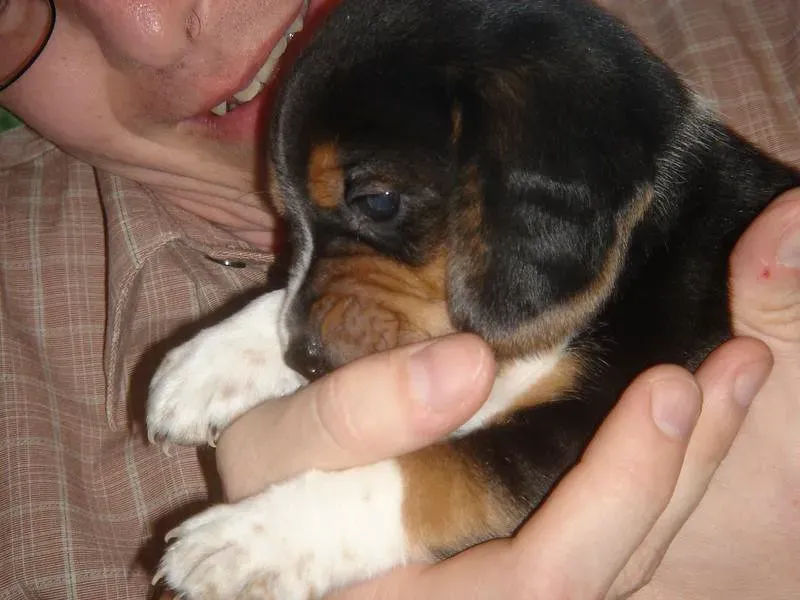
To truly understand why your dog licks you, you have to go back to the very beginning of their life. One of the primary reasons dogs lick stems from their earliest experiences as puppies. Mother dogs lick their newborns immediately after birth to clean them, stimulate breathing, and encourage blood flow. From the very first moments of existence, licking is how a dog experiences care.
This early mother-puppy interaction establishes an important form of communication and bonding, and as puppies grow, they mimic this behavior, using licking to explore the world and express affection and care with those around them. So when your dog licks you, they’re not doing something strange. They’re reaching back to the very first language they ever learned.
It’s rare to see an adult dog licking the face of another canine. It’s simply a puppy-like behavior dogs perform for humans. It’s thought that by becoming a dog’s primary caregiver throughout life, we encourage a kind of life-long puppyhood. In other words, your dog sees you the way they once saw their mother. That’s not a small thing.
The Chemistry Behind the Kiss
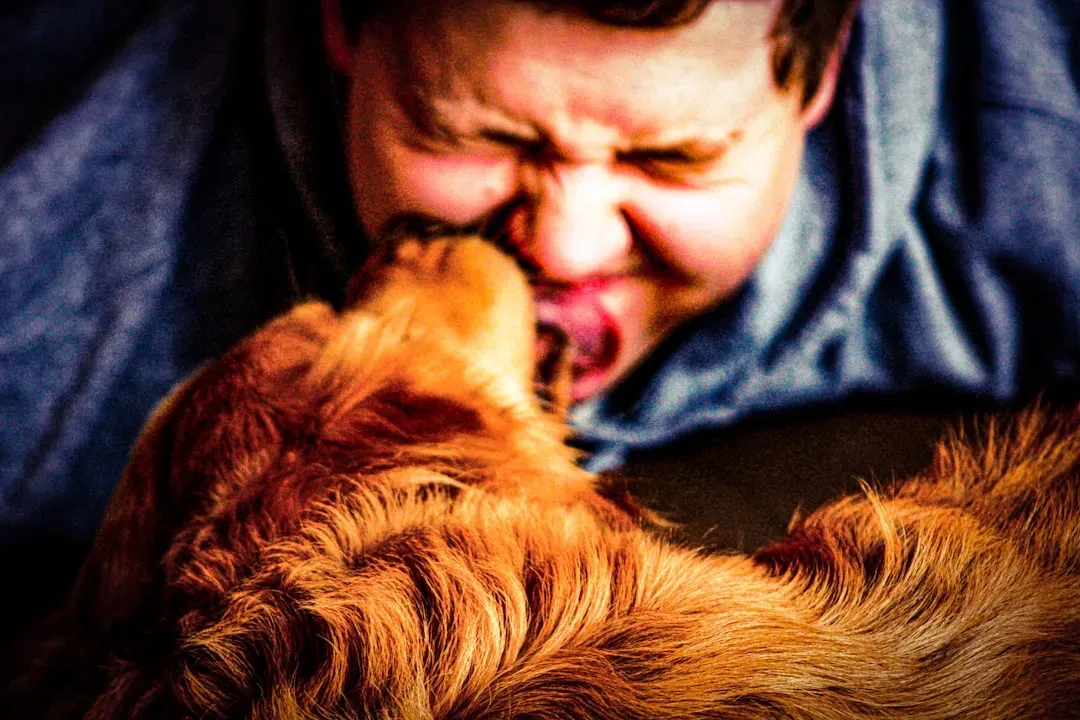
The most heartwarming explanation for dog licking is simple affection. Licking is “essentially a social behaviour that comes from their evolutionary history.” When your dog licks you, their brain releases oxytocin, the same bonding hormone that strengthens connections between human parents and children. This isn’t just a feel-good story. There’s real biology at work here.
Your brain releases oxytocin too, which explains why many dog owners find these moments genuinely enjoyable despite the slobber. This mutual hormone release creates a feedback loop that deepens your relationship. Think about that. The same chemical response that bonds parents to newborns is happening between you and your dog during what looks like an ordinary moment on the couch.
Studies have shown that licking releases endorphins in a dog’s brain. Endorphins are neurotransmitters that make dogs feel calmer and more relaxed. This then leads to a release of dopamine, another neurotransmitter associated with pleasure and motivation. Your dog isn’t just showing you love. They’re also feeling it, deeply, in the moment they give it.
What Your Dog Is Really Trying to Say
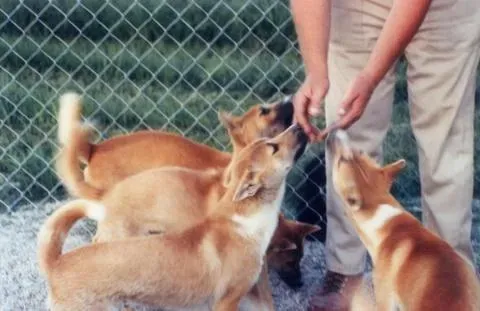
Dogs are highly social and well-attuned to humans. If a pup is interacting with you, it’s often with purpose. The lick is never truly random. Context matters enormously, and learning to read it changes everything about how you understand your dog.
Affectionate licking tends to be gentle and is often accompanied by other signs of relaxation, such as a wagging tail or a relaxed body posture. This type of licking is a dog’s way of showing love, think of it as a hug or a kiss in human terms. A soft, slow lick paired with loose, wiggly body language is just that: your dog telling you they’re glad you exist.
A study in Animal Cognition found that dogs lick humans when trying to comfort them, behavior consistent with concern for their owner’s wellbeing. Dogs may also sense the chemical changes in your skin when you are stressed or upset. So the next time your dog nudges closer and starts licking your hand when you’re having a hard day, they may well know you need it before you do.
When Licking Is More Than Just Affection
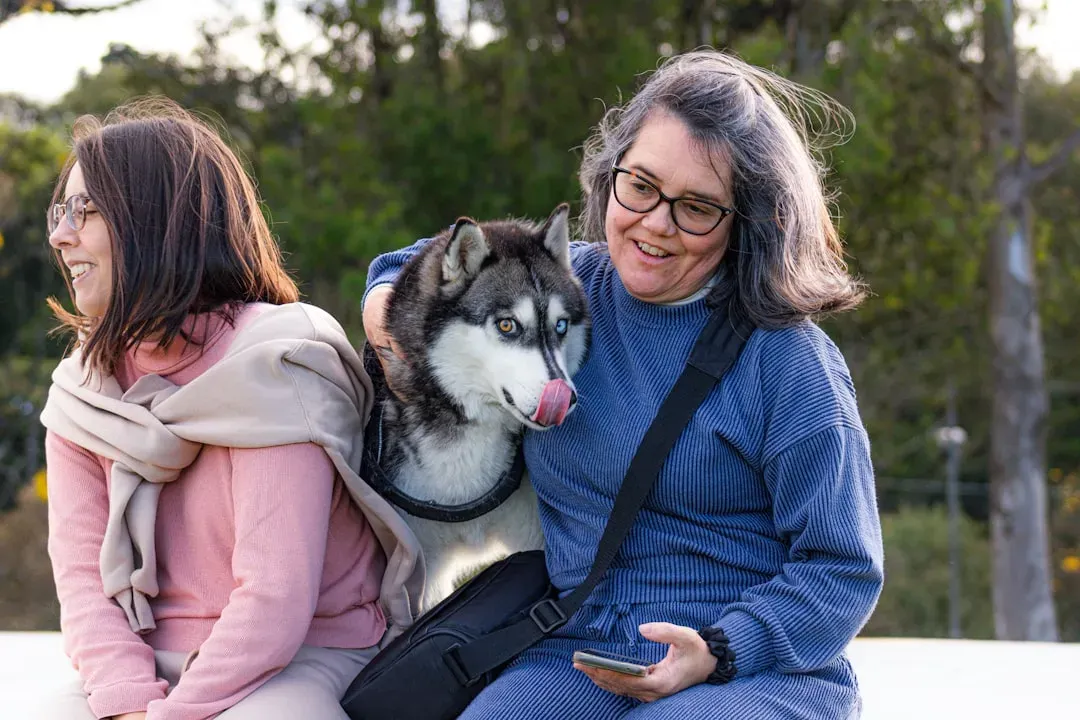
Dogs lick to show affection, get attention, explore the world around them, and as a way to soothe themselves. Not every lick is a declaration of love, and that’s worth knowing. Dogs are nuanced communicators, and a single gesture can carry more than one meaning depending on when and how it happens.
Researchers in a 2012 study asked dog owners to pretend to cry and found that their dogs were more likely to lick them than when their owners were just humming or talking. This strongly suggests an empathetic response. Licking, in these cases, is a dog’s way of attempting to help, of being present for someone they love.
Most dogs don’t lick indiscriminately, and anecdotally, “the behavior is disproportionately directed towards people they’re familiar with.” If a dog doesn’t greet everyone with the same licks, then the action likely has a social meaning, reinforcing “pack” relations. The selectiveness itself is telling. Your dog choosing to lick you and not a stranger is, in its own way, a compliment.
When to Enjoy It and When to Pay Attention
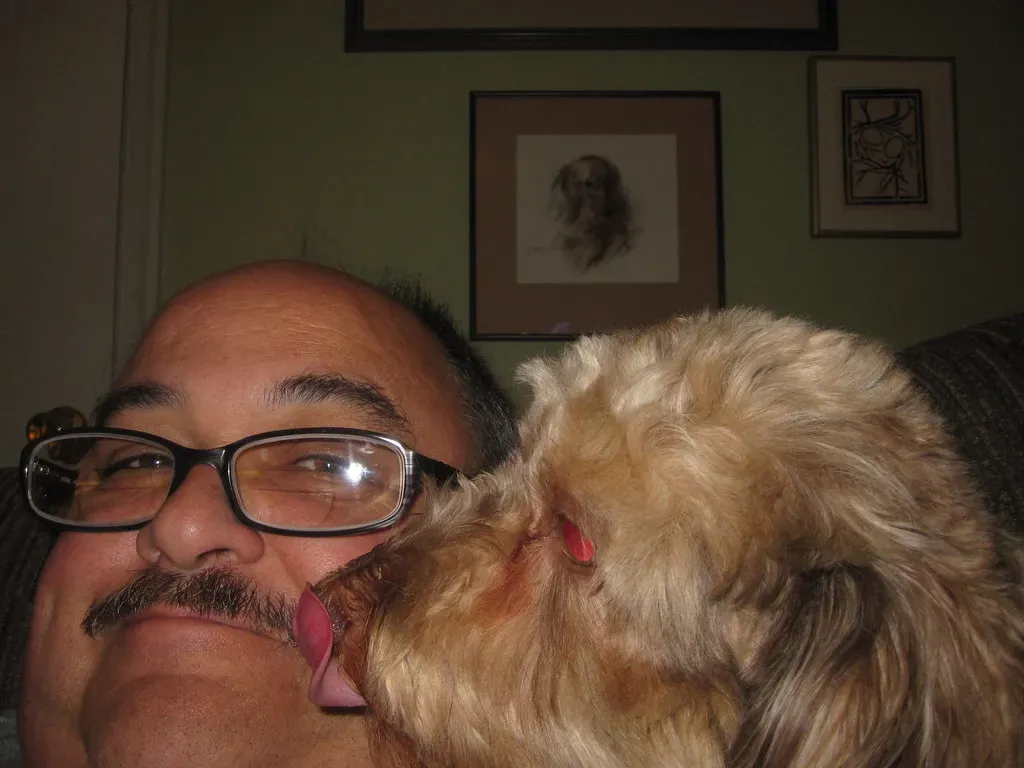
Most licking is harmless, even welcome as a form of self-expression on the dog’s part. There’s no need to worry that it’s a form of domination. In fact, it’s quite the opposite. For the vast majority of dog owners, a lick on the hand or the face after a reunion is nothing more than a warm greeting. Accept it for what it is.
If your dog is licking themselves, you, or objects excessively, to the point that it seems like a self-stimulatory behavior, this might be a sign of anxiety, boredom, or pain. Obsessive self-licking can also be a sign of allergies or other health problems. The difference between affectionate licking and compulsive licking is usually pretty clear once you know what to look for, and it matters.
However unpleasant some people find it, it’s important to avoid punishing your pet. The licking is a greeting to them. If you’d rather redirect the behavior, gentle positive reinforcement works far better than any form of correction. Your dog isn’t being rude. They’re saying hello in the only way they know how.
Conclusion
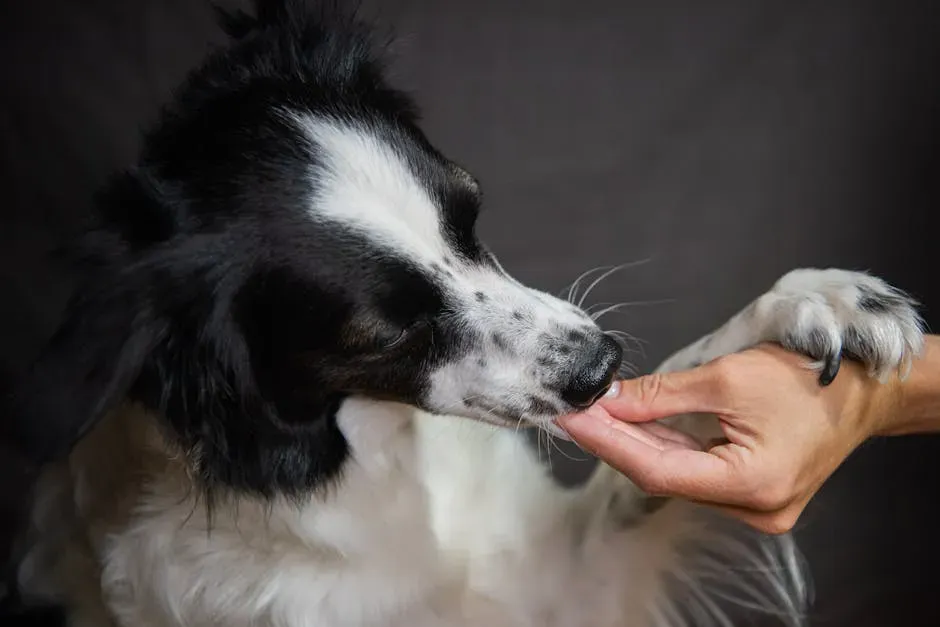
There’s something quietly remarkable about the fact that after thousands of years of living alongside humans, dogs still choose to greet us with the same gesture their mothers used to comfort them on the very first day of their lives. That hasn’t changed. The trust behind it hasn’t changed either.
Dog licking is a complex behavior rooted in evolutionary history, early development, and the unique bond between dogs and humans. Whether your dog licks to show affection, seek attention, or soothe their own anxiety, understanding the motivation helps you respond appropriately.
The gentle lick your dog gives you isn’t a random quirk or an odd habit. It’s a language, one that’s been developing between dogs and people for a very long time. We’d do well to listen more carefully to it. Some of the most meaningful things in life don’t come with words attached.


