
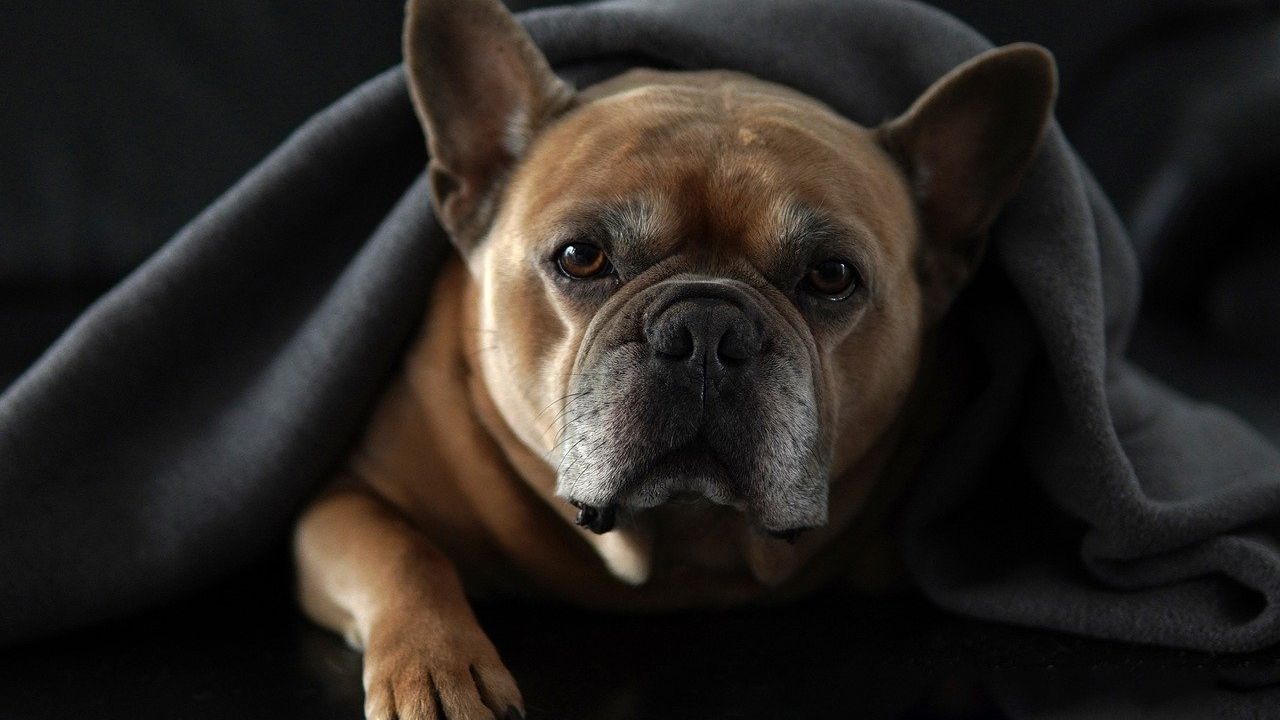
There’s something quietly remarkable about watching a dog drag a worn, slightly threadbare blanket across the floor and curl into it with a long, satisfied sigh. It looks like a simple creature comfort. It’s actually something much deeper. That ratty square of fabric is a living archive of everything your dog holds dear – layered with scent, memory, and the kind of emotional weight most people never think to assign to a pet’s bedding.
The science behind this connection is more fascinating than it sounds at first. Dogs don’t experience the world through photographs or timestamps. They experience it through chemistry. And a beloved blanket isn’t just soft fabric to them – it’s a record of every moment they’ve felt safe, loved, and at home.
The Nose Knows More Than You Think
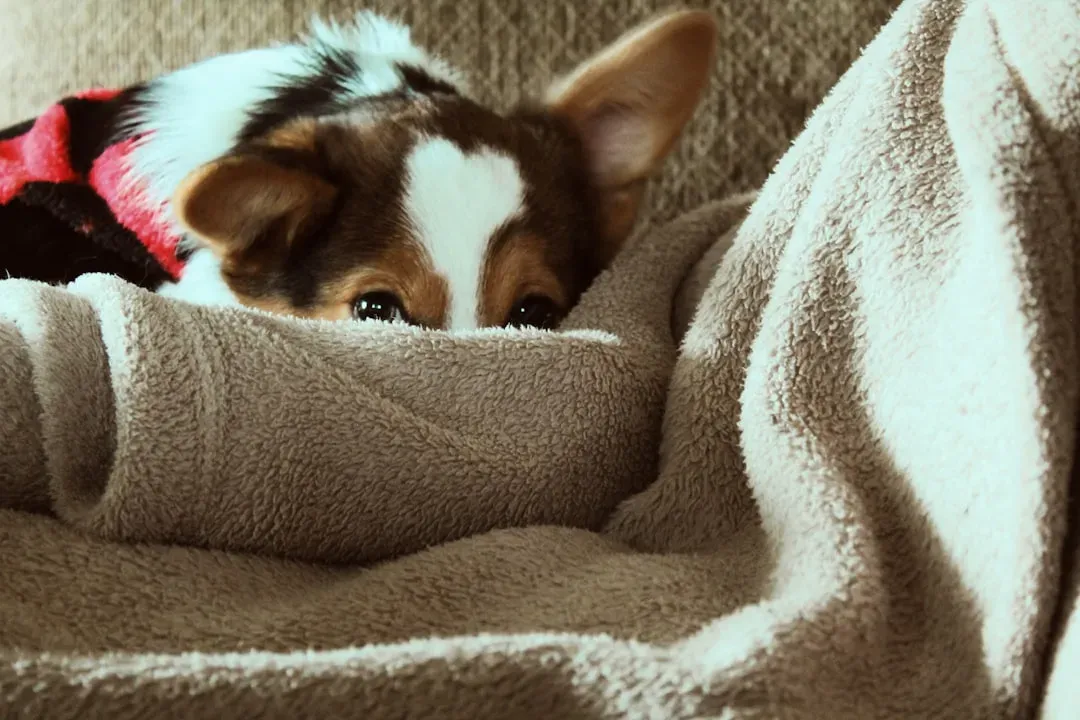
Most dog owners know their pet has a powerful nose. Few realize just how extreme the difference really is. Canines possess up to 300 million olfactory receptors, compared to roughly six million in the human nose, and the part of the brain dedicated to evaluating smell is forty times larger in dogs than in us – leading scientists to estimate that a dog’s sense of smell may be around 100,000 times more acute.
That extraordinary capacity means a blanket isn’t simply an object your dog lies on. It’s a document. Every moment a dog lives is layered in scent – the faint musk of fur, the sweetness of grass after rain, the ghost of your skin on fabric left behind. They remember the world not as a series of pictures, but as a map of smells, each carrying its own pulse of emotion.
The olfactory bulb in a dog’s brain is wired directly to the limbic system – the brain’s emotional core, where memories and feelings are born. What dogs smell, they feel. So when your dog presses their nose into that familiar blanket, they’re not just sniffing fabric. They’re re-experiencing something emotionally real.
A Blanket Is a Memory Bank in Disguise
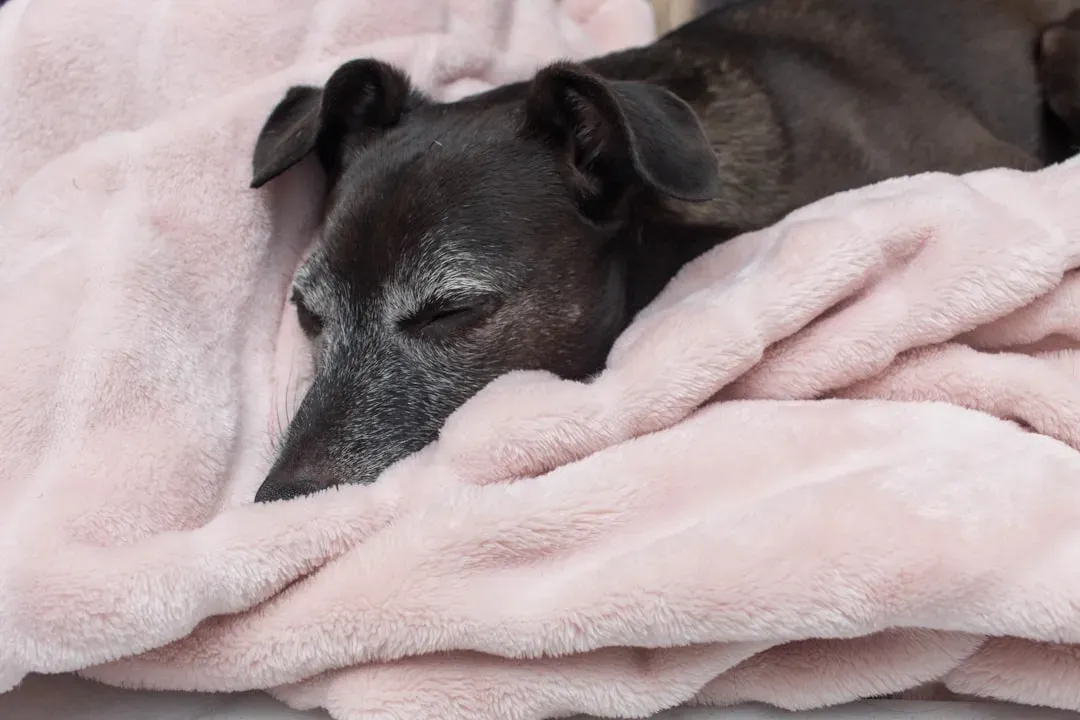
Just as certain smells trigger vivid memories in humans, familiar scents can evoke emotional responses and memories in dogs. A particular person’s scent, a favorite blanket, or even the aroma of a familiar place can instantly transport a dog back to previous experiences, bringing comfort, excitement, or even anxiety depending on the association.
Dogs can retain scent memories for years, as seen in cases where those reunited with their guardians after long separations often initially hesitate upon seeing them, but immediately respond with recognition and excitement once they catch their scent. That same principle applies to a blanket that carries your scent. It isn’t just comforting – it’s genuinely familiar in the deepest neurological sense.
The amygdala’s involvement means scent-triggered memories carry emotion. The smell of a blanket that once wrapped a beloved person evokes comfort. The faint odor of a veterinary clinic may stir anxiety long before the dog sees the building. Scent is emotional recall. Your dog’s blanket is essentially a portable emotional history – and it goes everywhere they feel safest.
The Den Instinct That Never Left
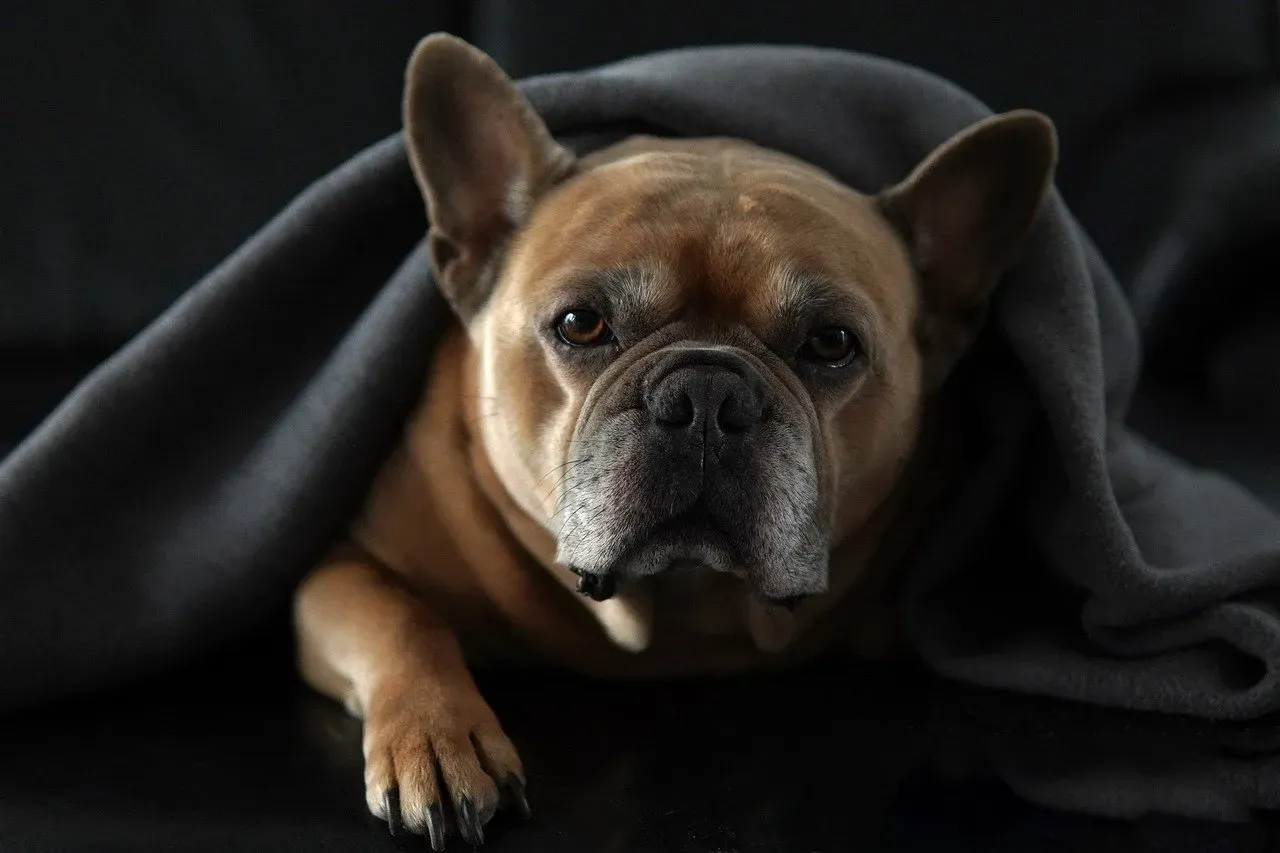
Thousands of years of domestication haven’t erased certain primal instincts. The ancestors of today’s domesticated canines were born and raised in a maternal den, a small and cozy dwelling providing protection from the dangers of the wild. Since newborn puppies are born deaf, blind, and immobile, mothers would create dens to protect their young against outside elements and potential predators. Fast forward 20,000 years later, dogs have become genetically predisposed to seek comfort in soft and familiar surroundings.
This is why the blanket-fluffing ritual you probably witness daily is not random fidgeting. When dogs fluff blankets, they are essentially creating their own little den. This behavior is deeply rooted in their ancestral instincts – in the wild, dogs would create nests or burrows to protect themselves from the elements and potential predators. By fluffing blankets, dogs are recreating this instinctual behavior, even while living in the comfort of our homes.
Dogs have scent glands in their paws, and when they knead and arrange the fabric, they are leaving their scent behind. This scent marking serves as a way for dogs to claim the blanket as their own and establish a sense of ownership and familiarity. Every paw press is a signature. Every circle before lying down is a ritual as old as the species itself.
How Your Scent Becomes Their Safe Place
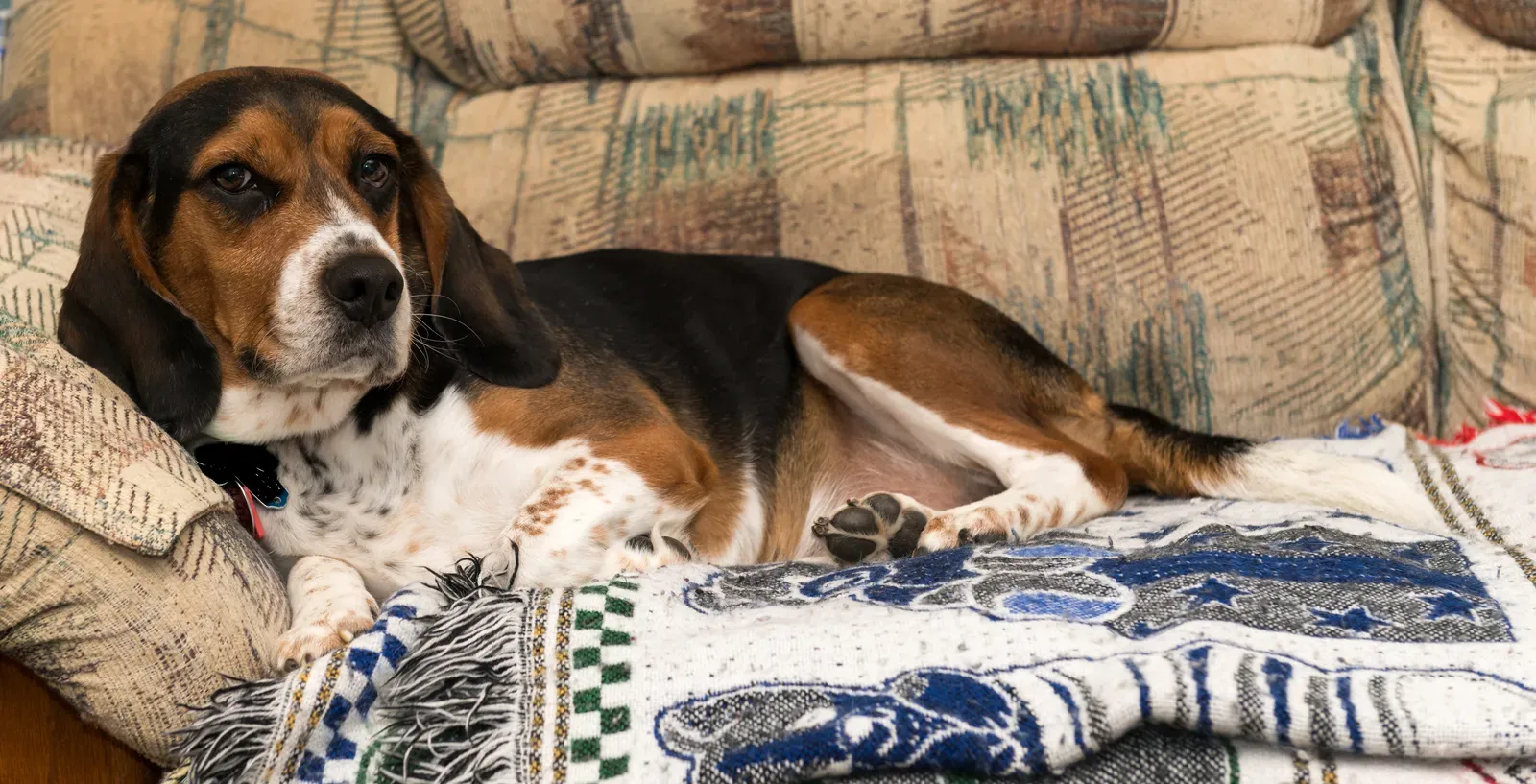
Research has shown that dogs have strong and favorable reactions to their owner’s scent. They are able to distinguish their owner’s scent from the smell of other people. This recognition is not passive. It actively produces an emotional response in the brain. Research has found that only the scent of a familiar human significantly activates the dog’s caudate nucleus – a critical brain structure that plays a vital role in learning, specifically in storing and processing memories.
The familiar scent of their blanket, especially one that carries their owner’s scent, can provide tremendous comfort during times of separation or stress. For dogs with separation anxiety, a blanket that smells like their owner can serve as a powerful calming tool. This scent association helps create a sense of security and connection even when their human companion isn’t present.
Dogs are creatures of habit and thrive on routines. A blanket can become a familiar and comforting object associated with relaxation and sleep. It carries the familiar smells of their owner, their own scent, and the scent of their home, which can have a calming effect. Over time, the blanket doesn’t just smell like home – it becomes a piece of home that your dog can take with them anywhere.
What the Blanket Tells Us About the Bond We Share
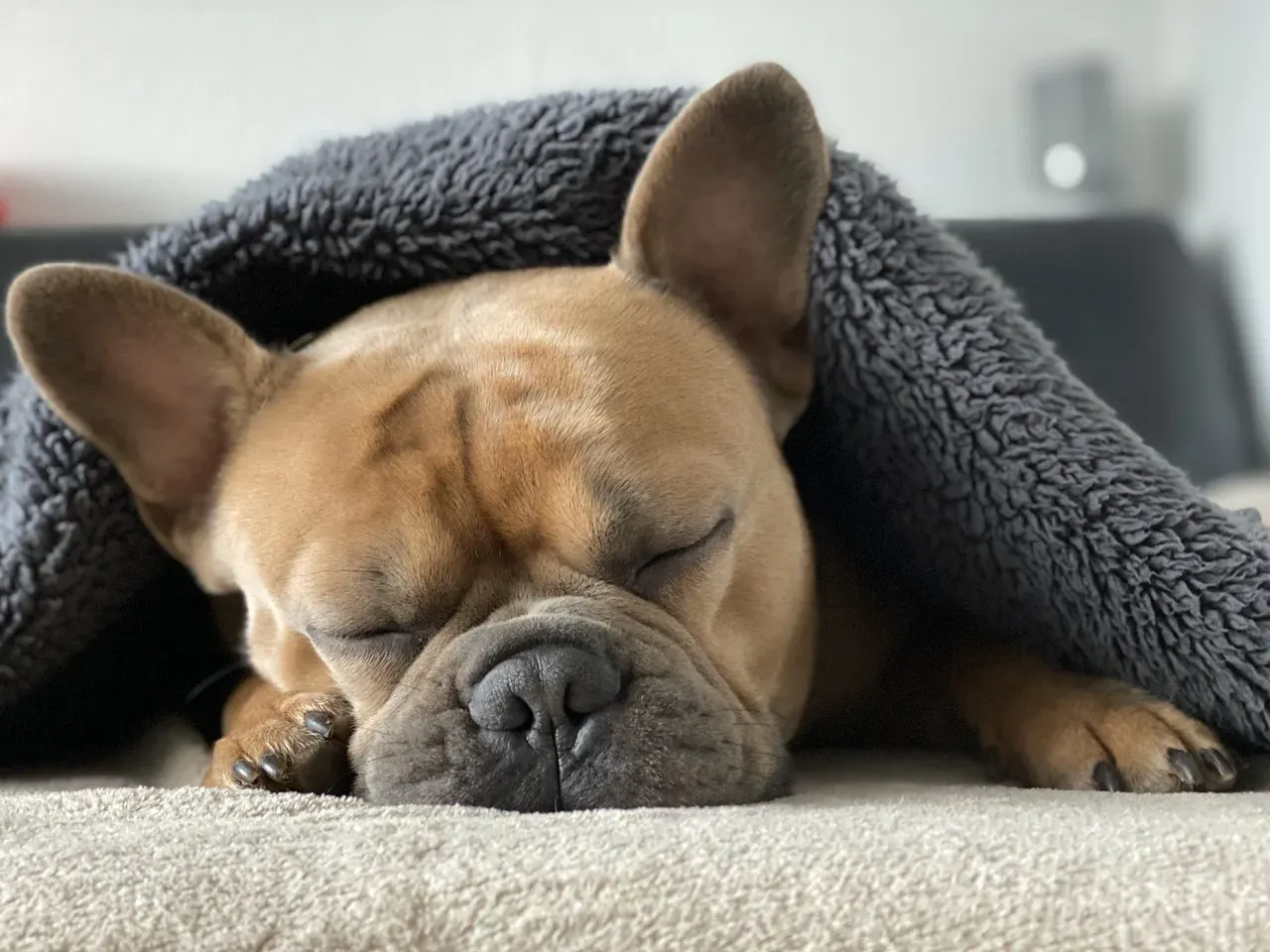
A dog’s memory of the people in its life is not a simple collection of remembered images or events. Instead, it is a profound and lasting collection of sensory and emotional associations. When your dog chooses to sleep on your old hoodie or burrow into the blanket you share on the couch, that choice is not accidental. It’s deliberate. It’s a dog actively seeking the emotional warmth of your presence through the closest available substitute.
Dogs remember their owners through a powerful combination of scent, emotional memory, routine, and bonding. These memories are long-lasting and deeply rooted in trust and affection. Whether you are gone for hours or years, your dog does not forget the emotional connection you shared. The blanket is a physical extension of that connection – something they can hold onto in a very literal sense when you’re not around.
Creeping together under a blanket is a fantastic opportunity to connect with your dog on a deeper level. A gentle stroke or scratch behind the ears while you’re both nestled under the covers can be incredibly calming for both of you. These quiet moments of shared comfort create lasting memories and solidify the special bond both of you share. Those small, ordinary moments are exactly what gets filed away in your dog’s emotional memory – the moments they will draw on long after the moment has passed.
Conclusion
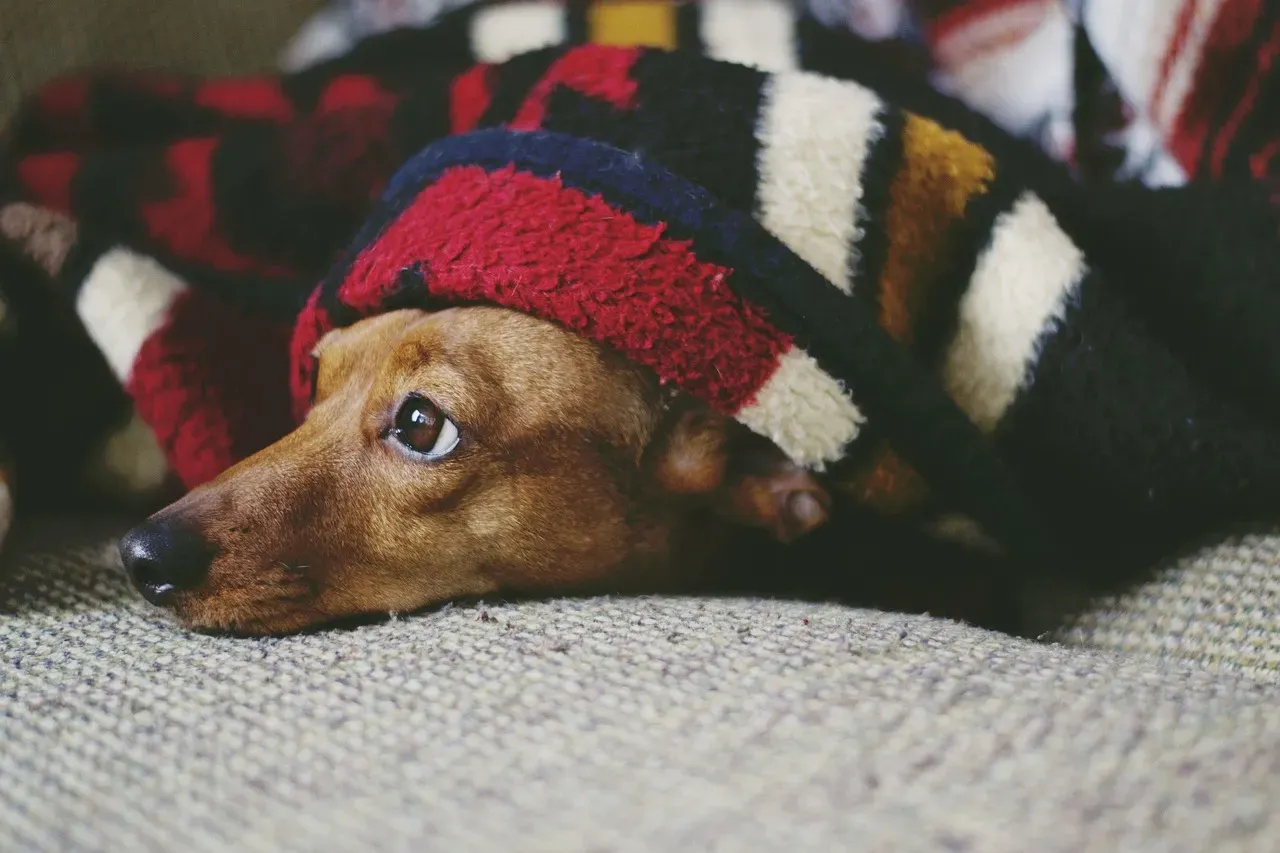
There’s a tendency to underestimate what’s happening when a dog retreats to their blanket. We see routine. They’re accessing something far more layered – a sensory library of safety, familiarity, and love built moment by quiet moment.
The worn, slightly misshapen blanket your dog refuses to let you wash isn’t just a quirky preference. It’s evidence of how deeply they feel, how precisely they remember, and how completely they trust you. That threadbare corner of fabric holds your scent, your history together, and a level of emotional memory that most of us will never fully understand.
Maybe the most touching thing about dogs is not that they love us so freely. It’s that they carry proof of that love with them everywhere they go – tucked into the fibers of a blanket, waiting quietly for the moment they need it most. That’s not just sweet. That’s remarkable.


