
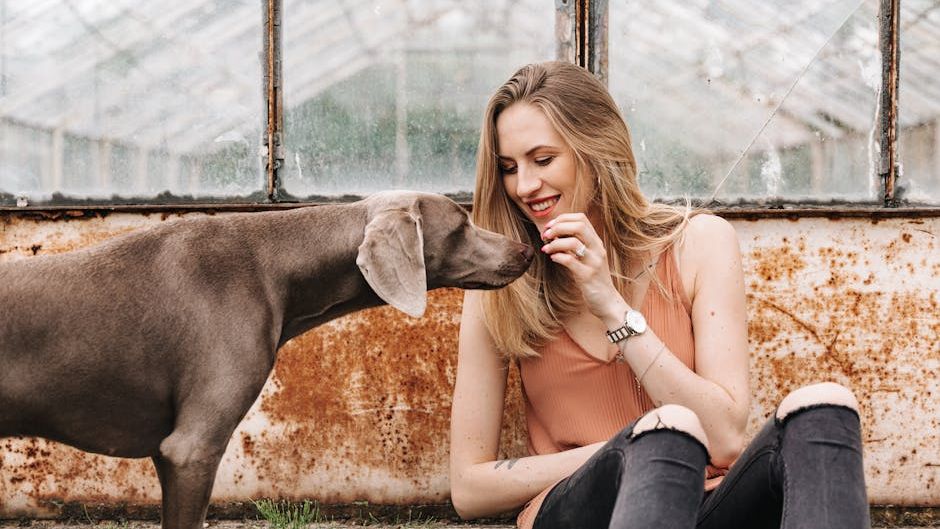
You’ve probably seen it happen in your own home. The dog rushes past three people to get to one specific person. Or maybe it’s the other way around, and you’re the one being rushed past. It’s one of those small, quietly baffling moments of living with a dog. Why that person? Why not you?
The truth is, your dog isn’t being random and isn’t being cruel. There’s genuine science behind who a dog gravitates toward, and it has very little to do with who loves them the most. It has everything to do with trust, routine, smell, energy, and early experience. Understanding those factors changes the way you see your dog’s behavior entirely.
The Science of Canine Attachment: It’s Not Just Love
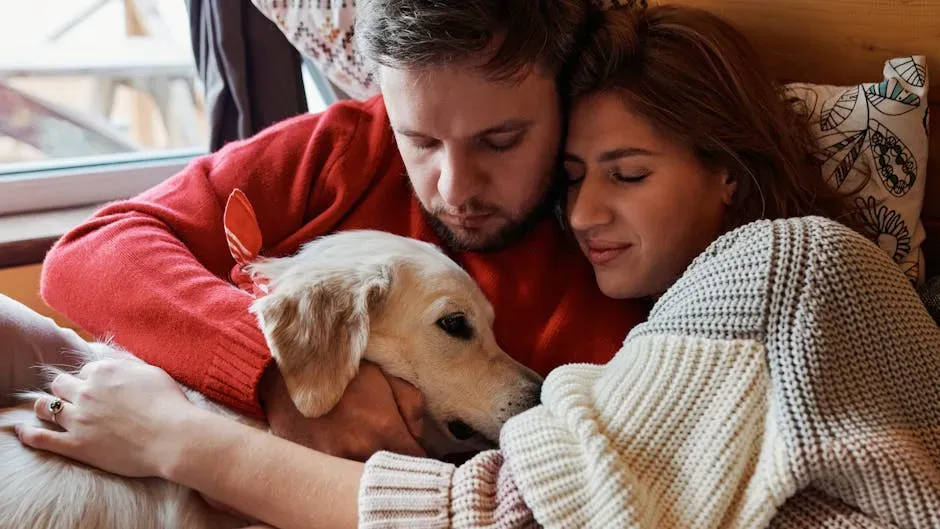
Research in animal behavior suggests that dogs form attachment bonds similar to those seen in human infants. Studies using “secure base” testing show that dogs explore more confidently when their trusted human is present. That’s not a coincidence. It mirrors almost exactly how a toddler behaves around a parent they feel safe with.
Psychologists believe that the relationship between human and canine is a bidirectional attachment bond, which resembles that of the typical human caretaker and infant relationship. Some of the behaviors that led scientists to this conclusion include proximity seeking, where the canine will seek out its caretaker as a means to cope with stress, and the absence of the caretaker triggering separation anxiety to varying degrees.
Oxytocin, known as the “love hormone,” plays a key role in this process. Oxytocin is released in both humans and dogs during positive interactions like petting and cuddling, and this hormone helps create a stronger emotional connection. So when your dog stares deeply into your eyes, their brain is actually experiencing a chemical reaction that reinforces that bond. It’s not just affection. It’s biology.
Who Feeds, Walks, and Shows Up: The Power of Routine
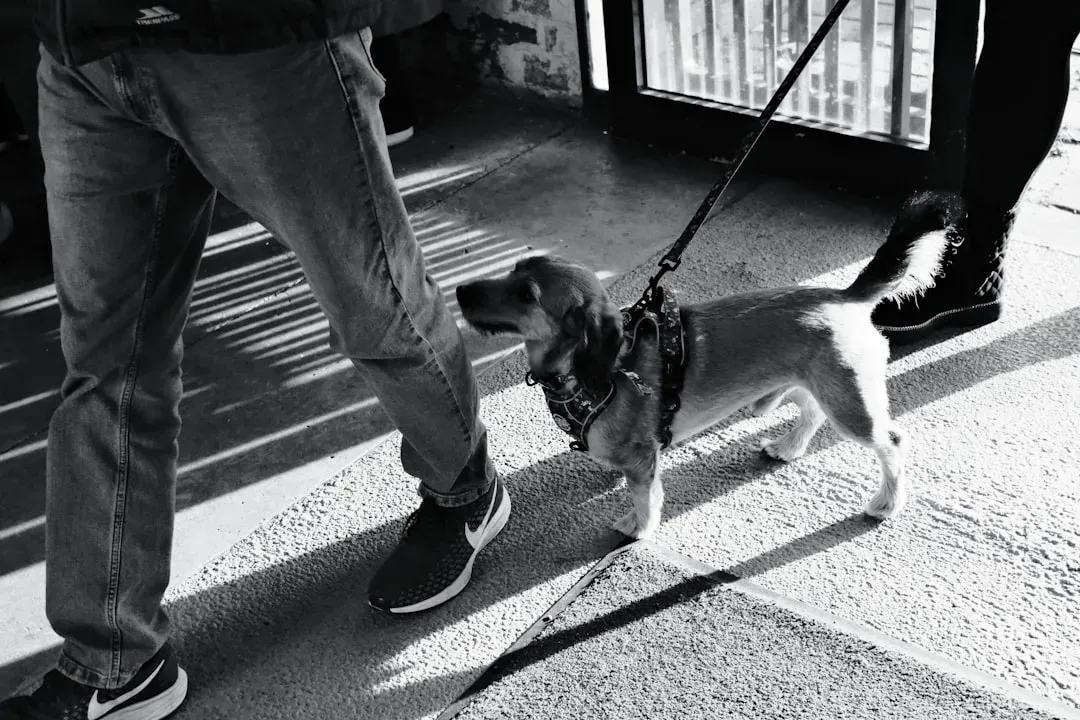
Most dogs tend to bond to the person who gives them the most attention. In a family with two parents and two kids, the dog may favor the parent who fills their bowl every morning and takes them for a walk every evening. Routine is less glamorous than a dramatic gesture, but it’s far more meaningful to a dog.
Dogs thrive on predictability. Feeding times, walks, play sessions, training expectations, and even bathroom habits create rhythm in their world. The individual who maintains that structure becomes the anchor. Routine lowers stress hormones in dogs. Lower stress increases trust. Trust increases preference. That’s the chain reaction, and it’s surprisingly simple once you see it clearly.
Dogs thrive on routine. The family member who consistently shows up for them, whether it’s morning walks or evening cuddle time, becomes a reliable source of comfort. Over time, that consistency builds trust, and trust is the foundation of any strong bond. It really comes down to who shows up, day after day, in the small and unglamorous ways that dogs notice most.
Personality Matching: Like Really Does Attract Like
Dogs often choose a favorite person who matches their own energy level and personality. A high-strung, playful border collie isn’t going to be thrilled spending all day with someone who prefers sitting quietly. Meanwhile, a more mellow basset hound might be completely indifferent to the family member who wants to jog five miles every morning.
Just like humans, dogs resonate with those who match their energy levels. A high-energy dog may gravitate toward someone who enjoys outdoor activities, while a calmer dog might prefer someone who provides gentle affection and a relaxed environment. In these cases, the dog’s favorite person is often the one whose lifestyle aligns most closely with their own needs and temperament.
A dog that exhibits a lazy streak is more likely to form a strong bond with someone who is less active or prefers to spend their day at home. A timid dog will feel more comfortable with a shyer, more introverted person, while a dog that likes to make itself heard will pair up happily with a larger-than-life human companion. Once you accept that dogs have genuine personality preferences, the whole thing starts making a lot more sense.
The Scent Connection: What Your Nose Can’t Tell You
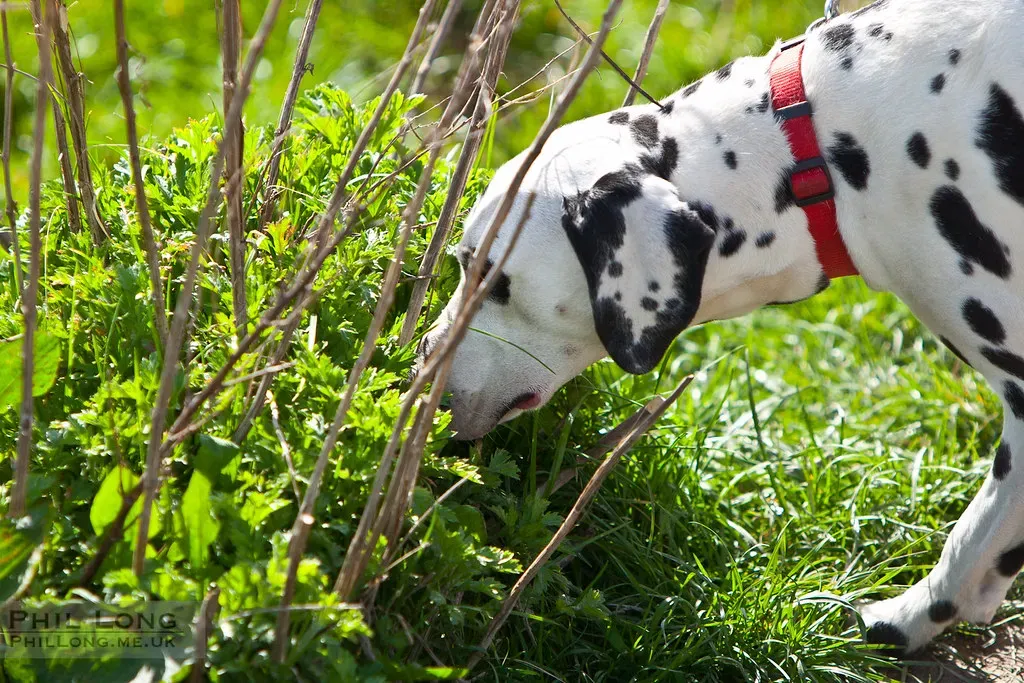
Dogs have an incredible sense of smell and often favor one person over another based on their unique scent. We tend to think of bonding as something emotional and visual, but for a dog, the nose is the primary lens through which the world is understood. The person who smells most familiar, most comforting, and most “safe” holds a powerful advantage.
A dog can detect subtle odors such as pheromones that humans cannot, thanks to an impressive number of strong scent receptors. It’s quite possible that a dog has selected one person as their favorite out of other family members because of their smell. A dog’s sense of smell is even stronger than most people think, with scientists estimating it is somewhere between 10,000 to 100,000 times stronger than our own.
Dogs rely heavily on their sense of smell and hearing. They recognize individuals by scent and voice, and these sensory cues contribute to their feelings of safety and trust. A person whose presence feels familiar and comforting is more likely to be chosen as the favorite. So yes, sometimes it genuinely is about how you smell, and there’s absolutely nothing you can do to change that one.
Past Experiences and Breed Tendencies: The Hidden Variables
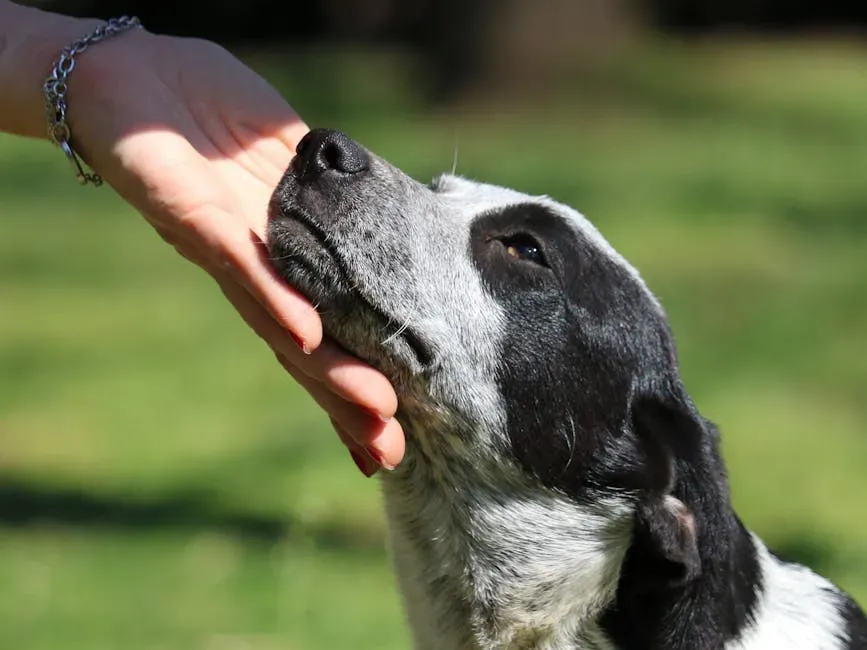
Dogs may have had positive or negative experiences with certain people in the past, which can influence their preference for one person over others. For example, if a dog was mistreated by a man in the past, they may be more comfortable with women. It’s essential to be patient and understanding if a dog is hesitant around a particular person, as it may take time for them to build trust.
Different dog breeds exhibit varying tendencies in how they choose their favorite person, influenced by centuries of selective breeding for specific traits. Some breeds, including Basenji, Greyhound, Shiba Inu, and Cairn Terrier, are naturally inclined to form intense bonds with a single person. Herding breeds often demonstrate strong single-person bonding tendencies, reflecting their historical role of working closely with one handler.
Other breeds like to go with the pack and are happy to share their affections equally with every family member. Such breeds include the Labrador Retriever, Pembroke Welsh Corgi, Irish Setter, Beagle, and Border Collie. Knowing your breed’s general tendencies takes some of the mystery out of the dynamic, even if it doesn’t make being second-favorite any easier to swallow.
Can You Change Your Dog’s Preference?
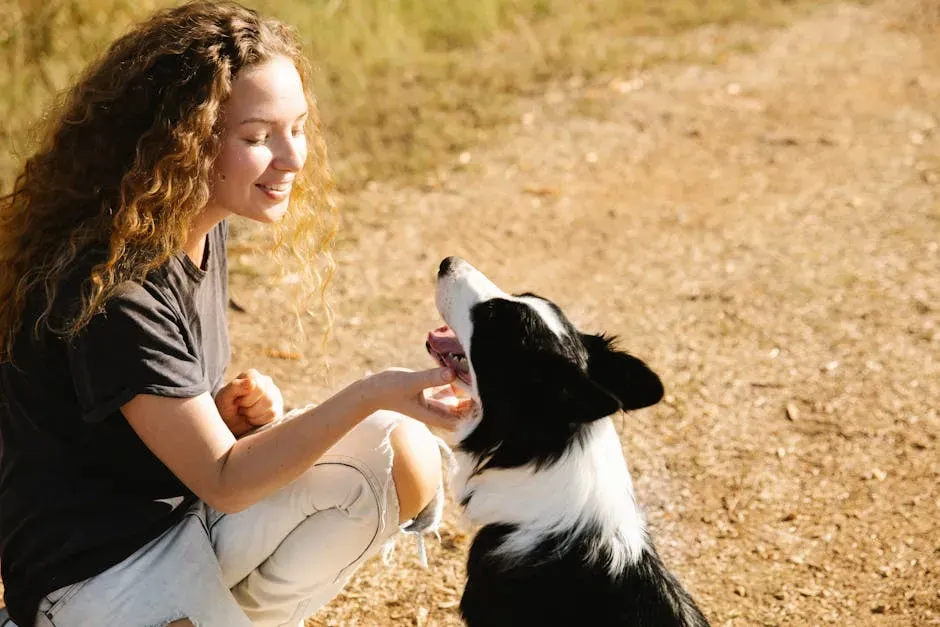
The good news is yes, you absolutely can. Dogs are always forming and strengthening bonds, and it is never too late to build a deeper connection. Focus on creating positive experiences, maintaining consistency, and understanding your dog’s unique personality. The key word there is consistency. Grand gestures don’t move the needle much. Daily habits do.
Dogs are social creatures and can adapt to new changes over time. As a result, a dog’s favorite person can change based on various factors like changes in the environment, new family members, and their person moving away. Life circumstances shift the dynamic constantly. A new baby arrives, someone leaves for college, a person works from home suddenly. Dogs notice and adjust, sometimes dramatically.
Research highlights growing evidence that human factors, including personality and attitudes, influence the dog-human relationship. In particular, both positive attitudes and affiliative behavior seem to contribute to a strong dog-human bond, as is confirmed by hormonal changes that emerge in both members of the pairing. This illustrates the benefits that can come from successful dog-human relationships. The effort you invest genuinely shows up in the relationship, measurably so.
Conclusion
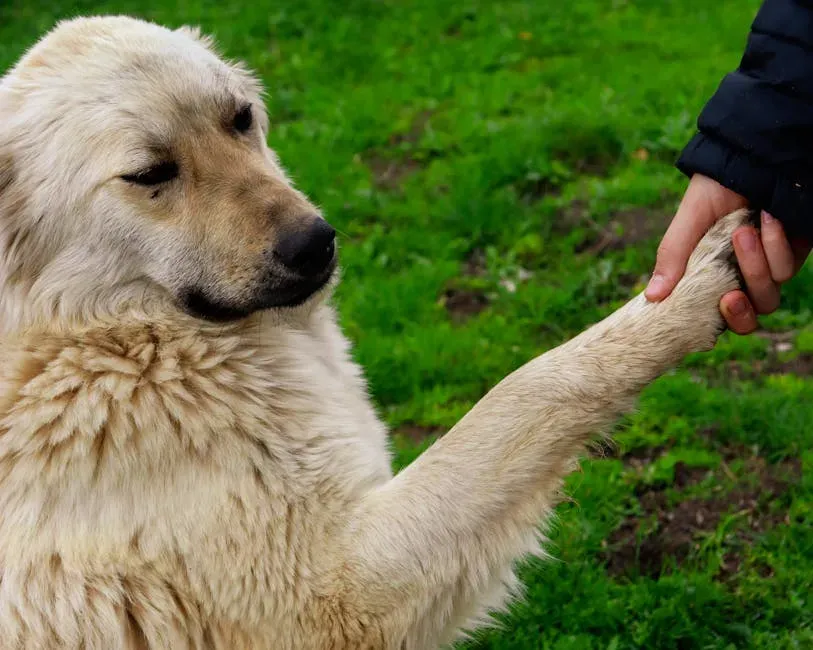
Dogs aren’t being unfair when they pick a favorite. They’re being honest, and that’s actually something worth respecting. They respond to who shows up, who matches their energy, who smells familiar, and who made them feel safe during the moments that mattered. It’s a fairly pure system, when you think about it.
If you’re not your dog’s top pick right now, that doesn’t have to be permanent. The goal isn’t to compete for favoritism. It is to create stability. If you show up daily, calm, predictable, and attentive, you are building exactly the type of relationship dogs instinctively gravitate toward.
The dogs we share our lives with don’t love us based on sentiment alone. They love us based on how we make them feel, every single ordinary day. That’s either a gentle challenge or a quiet comfort, depending on which side of the tail wag you’re standing on.


