
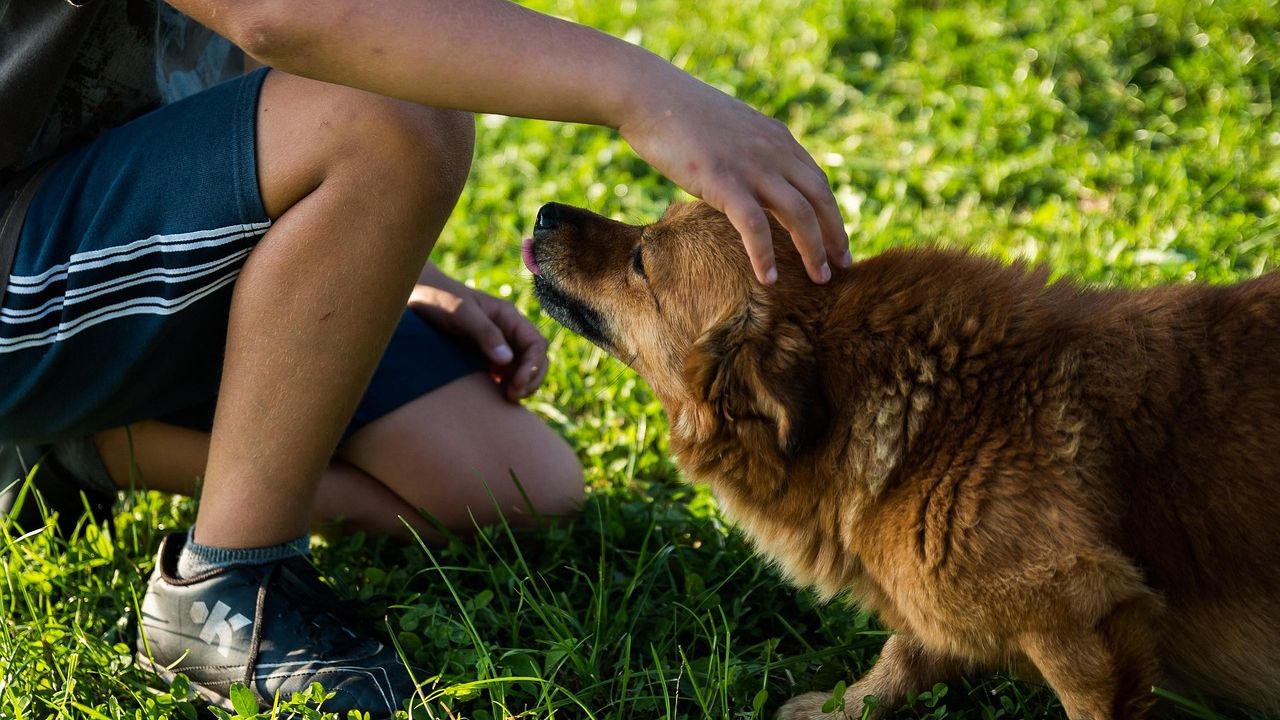
Most of us don’t think about what’s actually happening inside our bodies when we reach down to scratch our dog behind the ears. It feels good, sure. The dog wags its tail, you feel a quiet little rush of warmth, and for a moment everything else fades out. It seems like a nothing moment, a small throwaway gesture in an otherwise busy day.
What’s quietly remarkable is that science has been catching up to what dog owners have felt for thousands of years. That simple, unhurried contact between your hand and your dog’s fur sets off a cascade of hormonal activity in both of you simultaneously. It isn’t magic, but the biology behind it comes pretty close.
The Love Hormone That Works in Both Directions

When dogs and humans interact with each other in a positive way, such as cuddling, both partners exhibit a surge in oxytocin, a hormone which has been linked to positive emotional states. This isn’t a one-sided transaction. Your body doesn’t just feel better while your dog passively endures your affection.
When humans interact with dogs, the feel-good hormone oxytocin increases in the person and the dog. The process is genuinely mutual, which makes it unlike almost anything else you can do in a few quiet minutes at home. Oxytocin is a hormone and neurotransmitter released during moments of closeness, and it’s responsible for feelings of trust, love, and social connection.
Since the hormone is also released when stimulating milk ejection during breastfeeding, promoting uterine contractions during labor in females, and facilitating bonding between mom and child, the relationship between a pet and owner can be compared to that between a mother and her infant. That parallel is surprisingly deep, and it helps explain why the bond with a dog can feel so instinctively secure.
Your Brain Releases a Whole Cocktail of Feel-Good Chemicals
Oxytocin is the most talked-about hormone in the human-dog connection, but it isn’t working alone. When you run your hands through your dog’s fur or offer a soothing belly rub, your brain releases a cocktail of feel-good chemicals including oxytocin, dopamine, and serotonin, while cortisol, the stress hormone linked to anxiety and tension, decreases. That combination is genuinely powerful.
The act of petting a dog releases serotonin and dopamine, the most recognizable feel-good hormones we can create naturally, and people who are experiencing depression or even something like separation anxiety are often physically low on serotonin and dopamine levels, creating a very logical explanation for how having dogs around makes us feel better.
Studies have shown positive physiological benefits for petting and social interaction, including increased beta-endorphins, prolactin, oxytocin, and dopamine, and a reduction in cortisol. That’s a wide-ranging biological response triggered by something as simple as stroking your dog’s back on the couch. Practically speaking, your body is treating that moment like it matters, because it genuinely does.
Ten Minutes Is All It Takes to Measurably Lower Stress

One of the most grounding details in this field of research is just how little time is needed to produce real, measurable change. Evidence is accumulating that levels of the stress hormone cortisol drop in people after just five to twenty minutes spent interacting with dogs, even if it’s not their pet. You don’t need a long afternoon or a elaborate ritual.
Scientists at Washington State University demonstrated that petting programs can get “under the skin” and have stress-relieving physiological benefits. “Just 10 minutes can have a significant impact,” said Patricia Pendry, an associate professor in WSU’s Department of Human Development, noting that students in their study who interacted with cats and dogs had a significant reduction in cortisol.
In a randomized trial, undergraduate students were assigned to one of four conditions including hands-on petting of cats and dogs, and students in the hands-on condition had lower cortisol compared to those who simply observed or viewed images of animals. It wasn’t enough to just look at a photo of your dog. The actual physical touch was what made the difference. That detail alone is worth sitting with.
How the Bond Gets Stronger Every Time You Pet Them

The hormonal loop between you and your dog doesn’t just create a momentary mood lift. Over time, it actively deepens the attachment between the two of you. In the parent-child relationship, a mother takes care of her child and her body releases oxytocin, sparking more maternal behavior; in turn, the child becomes more attentive to the mother, releasing more oxytocin in both parties, with touch playing an integral role in this never-ending loop.
This same cycle occurs when we pet our dogs. Each gentle interaction reinforces the bond at a neurochemical level, making the next interaction feel even more natural. Short sessions of affectionate touch combined with verbal reassurance create powerful reinforcement pathways in your dog’s brain. They’re not just enjoying the moment; they’re being shaped by it.
Dogs are highly attuned to human touch, and gentle stroking along the chest, shoulders, or back activates calming neural pathways. Over time, these repeated positive interactions strengthen the dog-human bond at a neurological level. It’s a quiet investment that pays out in trust, security, and calm on both ends of the leash.
The Real-World Benefits That Go Beyond the Mood Boost
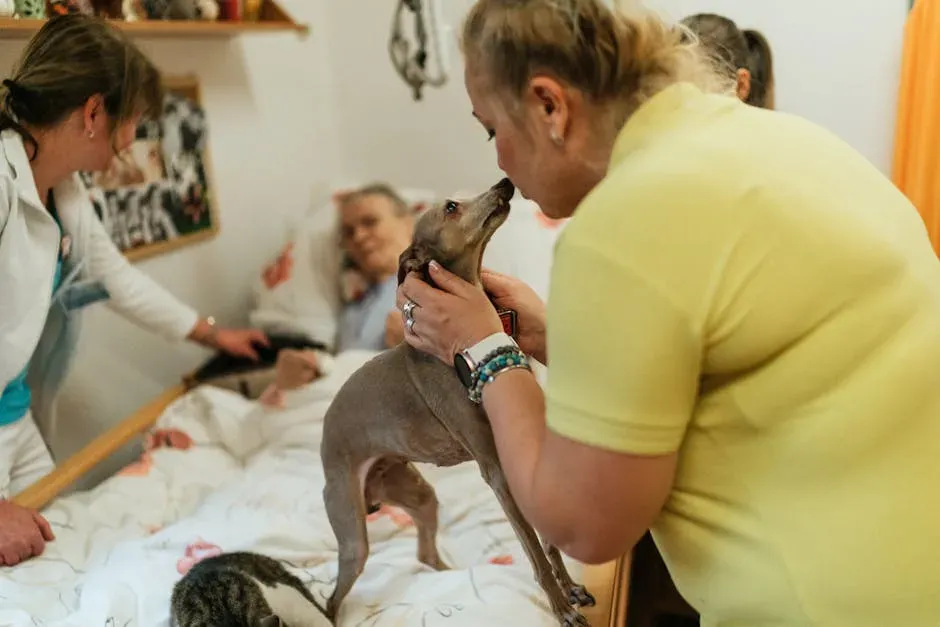
The implications of all this research stretch well beyond feeling a little less stressed after a rough workday. Research consistently shows that interacting with animals can lower blood pressure and heart rate, and individuals who petted a dog for just ten minutes experienced measurable drops in these vital signs, an effect particularly beneficial for people dealing with high-stress lifestyles or cardiovascular concerns.
Animal-assisted therapy is effective for people struggling with anxiety, depression, PTSD, or chronic stress, and the hormonal science behind petting provides a clear biological explanation for why. This isn’t soft wellness advice. It’s measurable, repeatable physiology. Research found that kids who had twice-weekly, short exchanges with dogs in the classroom had less stress and improved executive functioning, the cognitive processes that allow us to plan, stay on task, and block out distractions.
Having our dogs on our minds when life gets rough may be a good idea, because oxytocin can reduce stress, increase pain tolerance, and enhance well-being. For older adults, people living alone, or anyone navigating a difficult season of life, a dog’s steady, uncomplicated presence offers something genuinely therapeutic. For individuals coping with anxiety, depression, or loneliness, interaction with pets provides emotional comfort and stability, and their unconditional nature reduces feelings of isolation and fosters a sense of belonging.
A Final Thought Worth Keeping
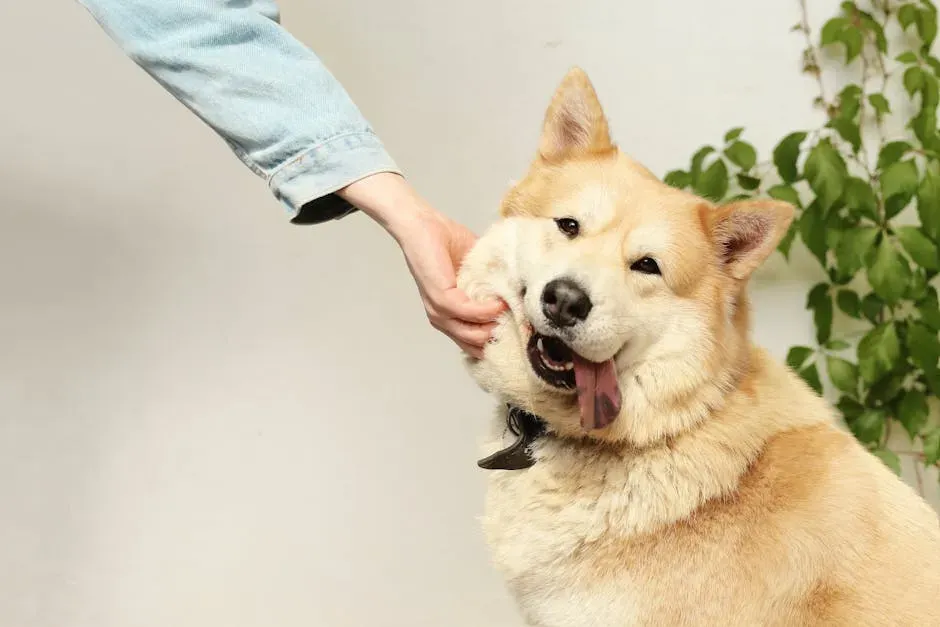
There’s something quietly profound about discovering that one of the most restorative things you can do costs nothing, requires no equipment, and your dog has been waiting patiently to offer it to you all day. Science has confirmed what dog owners have always sensed intuitively: this connection is real, it’s biological, and it runs both ways.
Your dog isn’t just a pet you take care of. In a very measurable sense, they’re taking care of you too. The next time your dog nudges your hand for a pet, don’t rush through it. Studies have shown that just a few minutes of gentle stroking can cause oxytocin levels to spike in people and dogs alike, which means petting your pup doesn’t just feel good, it’s an actual physiological boost to your well-being and theirs.
That small, ordinary moment on the couch is doing more for both of you than most people will ever realize. Maybe that’s the best kind of medicine there is.


