
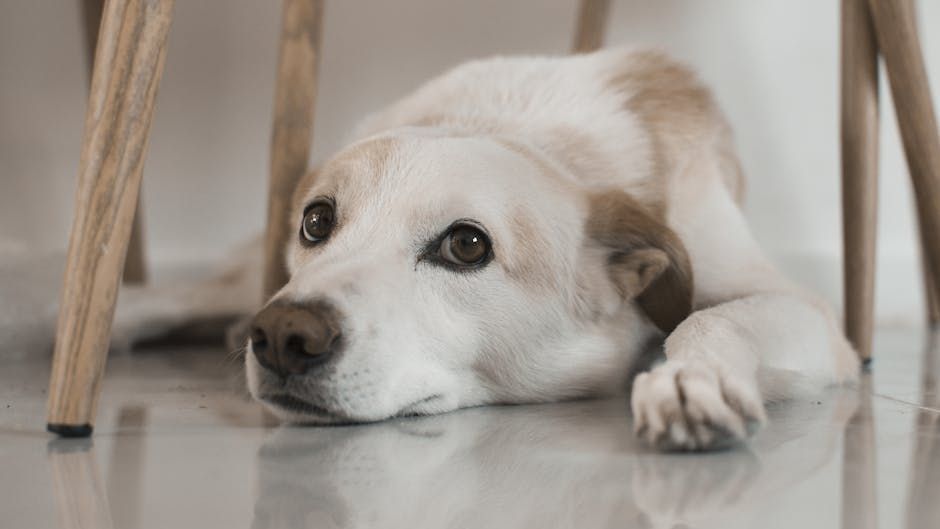
Pet owners often watch in distress as a dog trembles under furniture during a storm or a cat vanishes at the sound of keys. These reactions stem from an overwhelmed nervous system rather than willful misbehavior. Veterinary insights show that early recognition of stress signals allows for targeted support that preserves a pet’s natural personality while reducing panic. Practical tools now exist to manage both daily tension and sudden triggers effectively.
Spotting Early Stress Signals in Dogs and Cats
Full panic rarely arrives without warning. Pets display quieter cues long before shaking or hiding begins, and catching them early prevents escalation. Common indicators include frequent lip licking without food nearby, exaggerated yawning when not tired, and pacing that prevents settling. Whale eye, where the whites show as the head turns away, signals acute discomfort in both species.
Senior dogs may instead show sudden clinginess or stiffness, while cats tend to groom one spot excessively or withdraw. These patterns vary by age and breed, yet they all point to the same underlying surge of stress hormones. Observing daily routines helps owners intervene before the situation intensifies.
Supplements That Dial Down Nervous Energy
Calming chews and daily supplements work like a volume control rather than a full shutdown. Ingredients such as L-theanine from green tea ease mental tension without drowsiness, while melatonin supports rest during nighttime pacing. Chamomile offers gentle muscle relaxation for acute moments like fireworks or travel.
Probiotics target the gut-brain connection for pets with ongoing anxiety, building resilience over weeks. Situational options peak within thirty minutes when given before a known trigger. Matching the product to the duration of stress yields the best results and avoids unnecessary sedation.
Creating Safety Through Scent and Pressure
Synthetic pheromones mimic the reassuring signals a mother releases to her young. Diffusers provide steady background comfort in key rooms, while sprays target specific spots like carriers or beds right before an event. Both approaches send invisible messages of security that only the pet’s nervous system detects.
Weighted vests add physical grounding through gentle, even pressure around the chest. This deep-touch effect helps restless dogs settle during storms or separation. Enrichment toys with heartbeat modules offer similar reassurance for puppies, turning frantic energy into calm exploration.
Handling High-Stress Moments With Timing
Proactive layering works better than reacting once panic starts. Two hours before an event, a calming meal begins absorption. Thirty minutes prior, fast-acting chews reach peak effect. During the trigger, puzzle feeders keep the mind occupied and prevent destructive outlets.
Separation anxiety responds to desensitization training, where departure cues like jingling keys occur randomly without leaving. Pairing absences with hidden treats or specialized food transforms empty homes into safe zones. Rescue pets with past trauma benefit most from this consistent, patient approach.
Key steps for lasting relief include identifying exact triggers, selecting one or two matching tools, and tracking progress in a simple log. Small, steady adjustments build trust and turn a tense household into a calmer space for everyone.


