
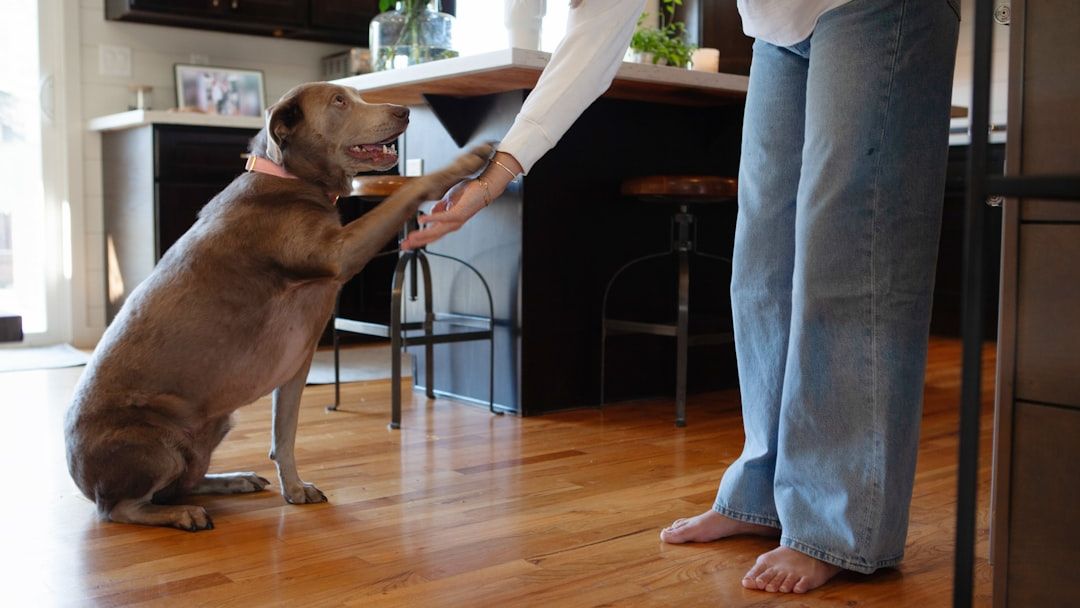
Dogs have spent thousands of years learning to read us. They study our posture, our tone of voice, the way we move through a room. Over thousands of years of domestication, dogs have evolved to become highly attuned to human behavior. The relationship runs both ways, though most of us are far better at receiving a dog’s love than we are at reading their quiet pleas for help.
The truth is, your dog is constantly talking to you. Not in barks and whines alone, but in flicks of the eye, the curve of a tail, the way they press their body against your leg at just the right moment. Most of us miss it entirely. These signals are easy to overlook, especially when everything on the outside looks fine. The signs of anxiety in dogs are often subtle and can easily be misinterpreted unless the full context is understood. Here are nine clues worth paying attention to.
#1: They Lean Into You Without Warning
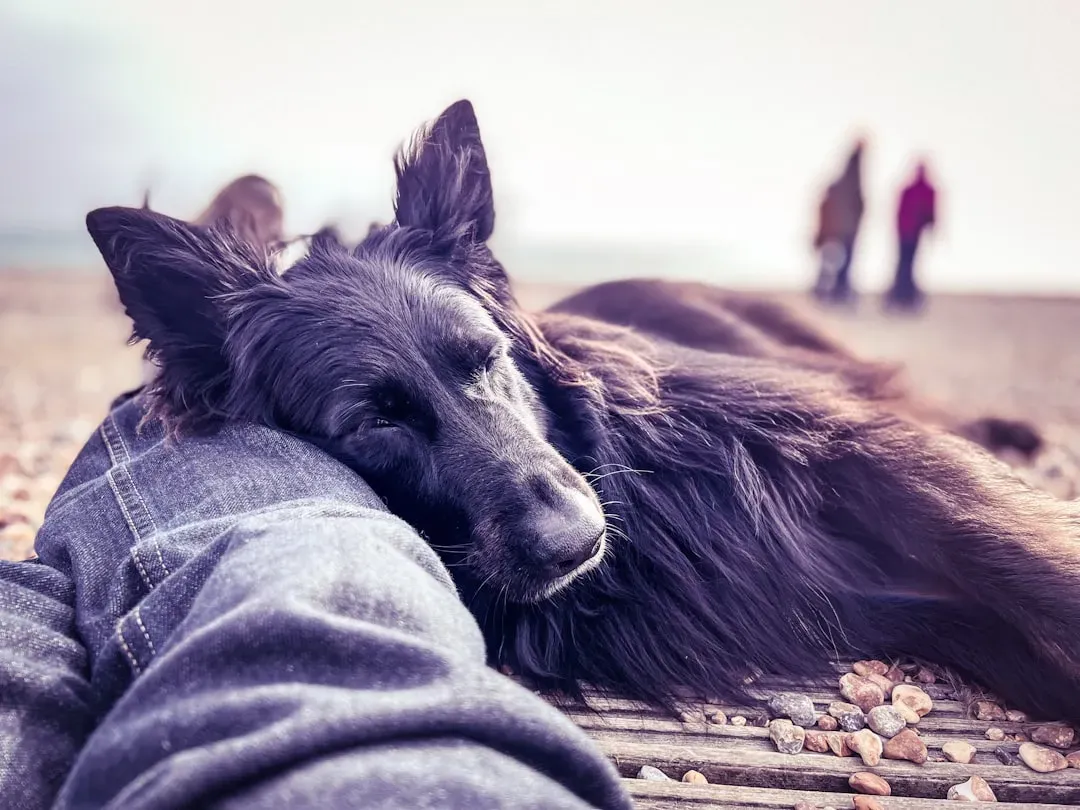
You’re sitting quietly, maybe watching television, and your dog walks over and presses their full weight against your leg. It feels like a simple gesture. It isn’t. Dogs often use touch to express the need for reassurance. Leaning against an owner signals trust and a desire for closeness.
If your dog leans their body weight against you or rests their head on your lap, it’s a sign of trust and attachment. They only do this with people they feel comfortable and secure around. When the leaning comes out of nowhere, with no prior excitement and no food involved, it’s often a quiet ask for emotional grounding. Respond gently. A slow, calm stroke along their back is usually all they need to feel steadied again.
#2: Excessive Yawning in Odd Situations
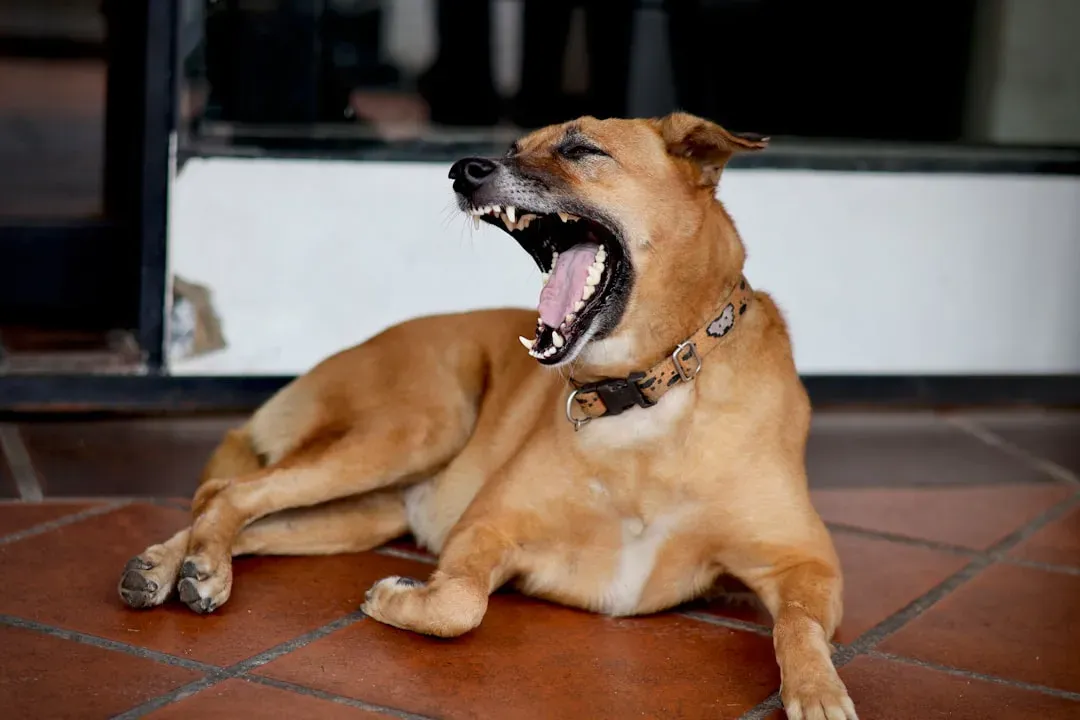
A yawn after a nap makes sense. A yawn in the middle of a perfectly calm afternoon, or while you’re having a conversation with a stranger, is something else altogether. Yawning can mean boredom or sleepiness, but it is also the first level response to a mild stressor. Yawning relieves stress and helps a dog release anxiety that’s building up internally.
The top three calming signals owners should be on the lookout for are lip licking, yawning, and shaking off. If your dog was just eating, taking a nap, or swimming in the pond, these behaviors probably wouldn’t count as calming signals; however, during everyday interactions, they can be big signs that your dog is being stressed in some way. Context is the whole game here. Once you learn to read the room alongside your dog, a single yawn can tell you a great deal.
#3: Ears Pinned Back Flat Against the Head
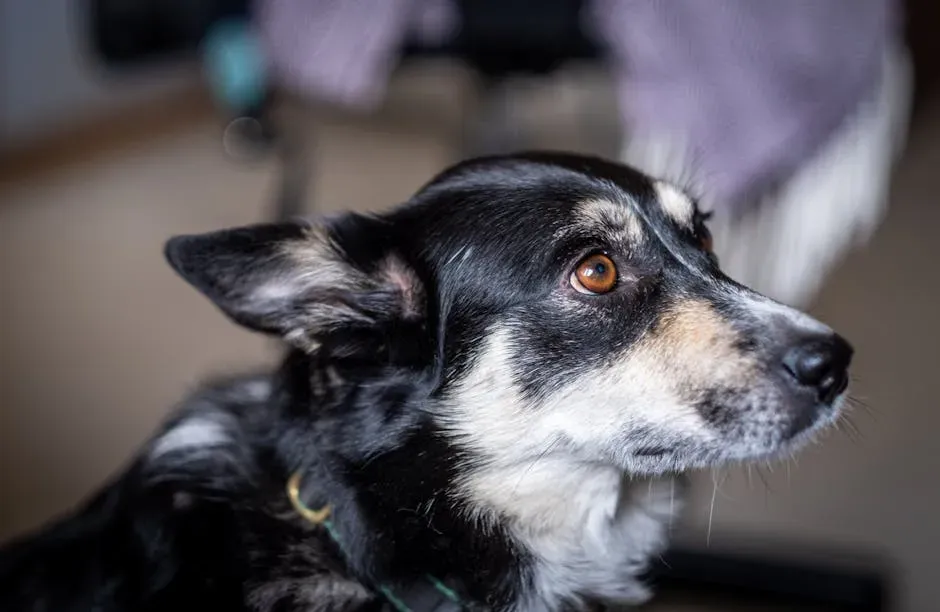
Ears are one of the most expressive parts of a dog’s body, yet most people only notice them when a dog is excited or alert. Ears are expressive. A dog with their ears pinned back or turned outward is probably feeling nervous. This signal is easier to read in breeds with upright ears, but it can be observed in all dogs if you know their normal posture.
Dog’s ears have a lot to say. Ears turning backwards or flattening against the head are an indication that your dog is nervous. These signs are easier to read in dogs with ears that stand up, but they are readable in any dog as long as you’re in tune with your partner’s body language. It helps to know your individual dog’s resting ear position. Any noticeable departure from it, especially combined with a lowered head or averted gaze, is worth taking seriously.
#4: Lip Licking When No Food Is Around
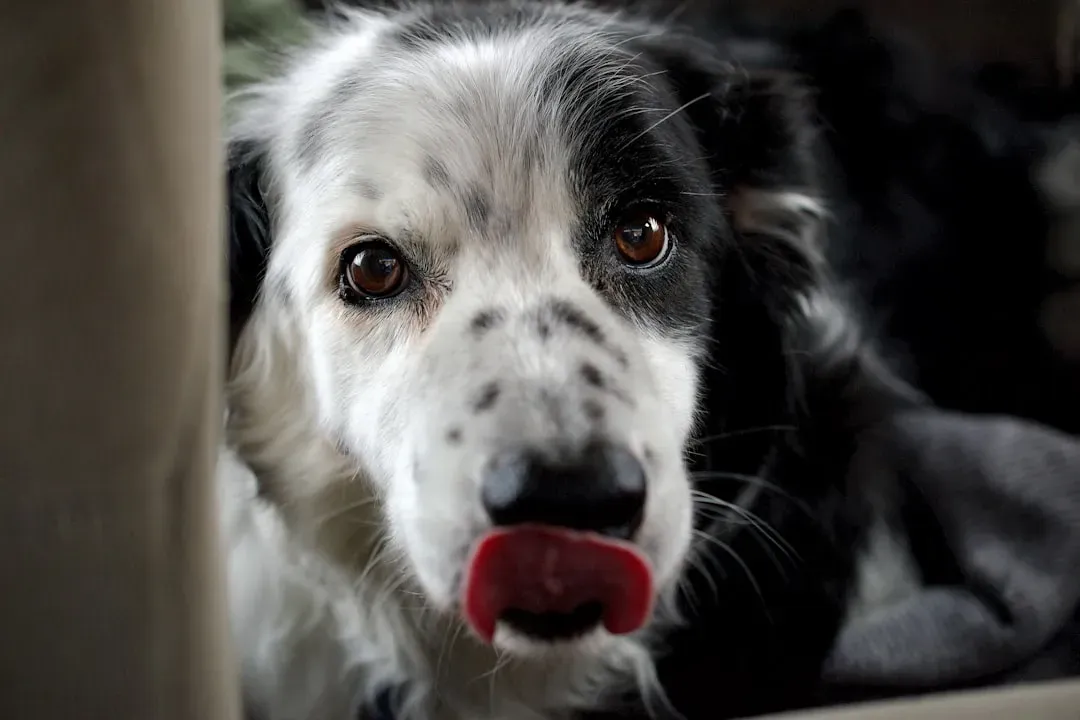
You’ve probably seen your dog lick their lips right before dinner or when they smell something irresistible on the counter. That’s normal. What’s less obvious is the same behavior happening when there is absolutely nothing edible in sight. When a dog is anxious, she will often quickly stick out her tongue and lick her lips. It’s usually just a fast, little flick. Watch your dog; this is one of the most common signals. This is often mistaken for contentment.
Dogs naturally lick their lips or noses when eating, drinking, or after getting wet. But if your dog is repeatedly licking when no food or water is around, it may be a “calming signal,” or a way to self-soothe during a stressful moment. It’s a small thing to spot, but once you start watching for it, you’ll be surprised how frequently it shows up in situations your dog finds unsettling. Think vet visits, new guests in the house, or even a tense conversation nearby.
#5: Following You From Room to Room
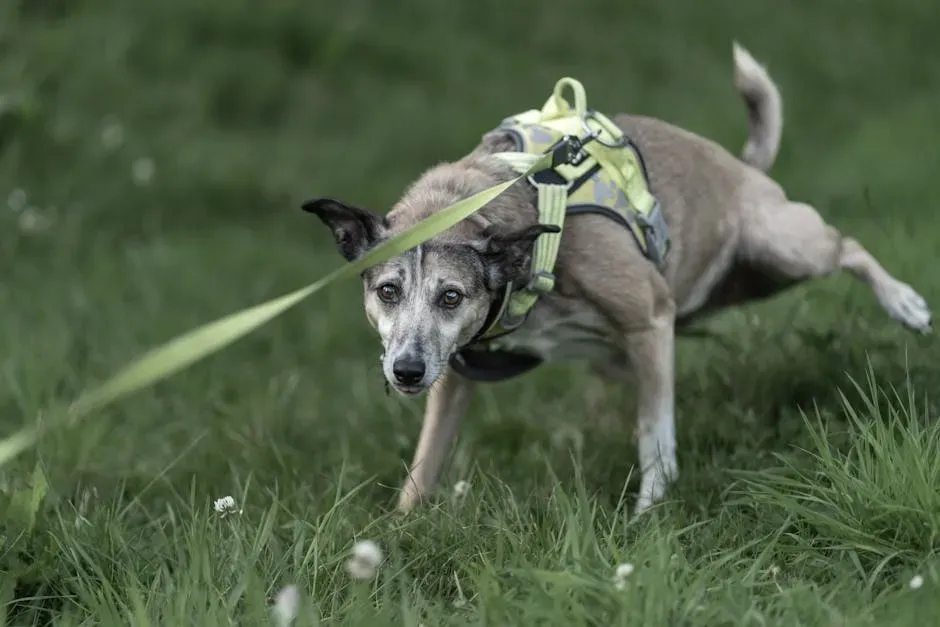
There’s a version of this that’s simply your dog being social and affectionate. Then there’s the version where they trail you from the kitchen to the bathroom to the bedroom with an almost anxious energy, like they’re afraid to lose sight of you. Dogs are incredibly sensitive to stress and anxiety, often mirroring their owner’s behavior. If you’re pacing around and feeling overwhelmed, your dog might start acting restless, too. Some may whine, paw at you, or follow you from room to room, trying to figure out how to help.
Emotionally reliant dogs rely on you for comfort, reassurance, and a sense of security, making new environments particularly stressful without your presence. If your dog suddenly becomes your shadow after a change in routine, a disruption in the household, or even a stretch of bad weather, they’re likely reaching out in the only way they know how. Slow down. Sit with them for a few minutes. That small act of presence can genuinely reset their nervous system.
#6: Sudden Panting Without Physical Exertion
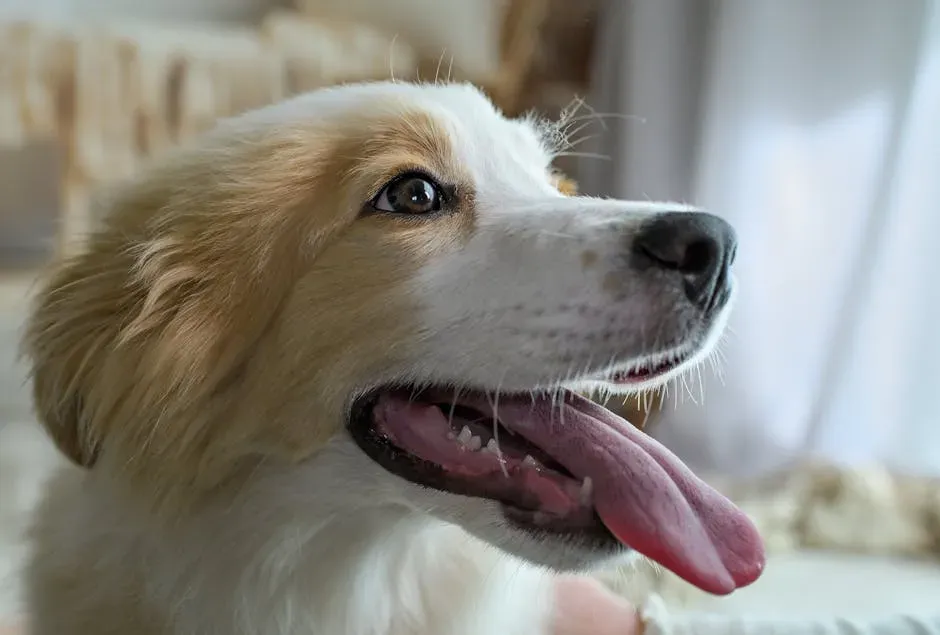
Panting after a run in the park or on a hot summer afternoon is completely normal. Panting while lying on the cool kitchen floor on a quiet Tuesday morning is not. Dogs pant when hot, excited, or stressed. If your dog is panting even though they have not exercised, they may be experiencing stress.
Panting is a normal way for dogs to cool down, especially after playing or in hot weather. But when panting happens indoors, in cool temperatures, or during quiet activity, it can point to stress. Rapid, shallow panting is especially telling that there’s something else going on. This is one of those clues that can be particularly easy to dismiss, especially in warmer months. Pay attention to what was happening in the environment just before the panting began. The answer to what’s bothering your dog is usually hiding right there in the context.
#7: Tucked Tail or a Low, Stiff Wag
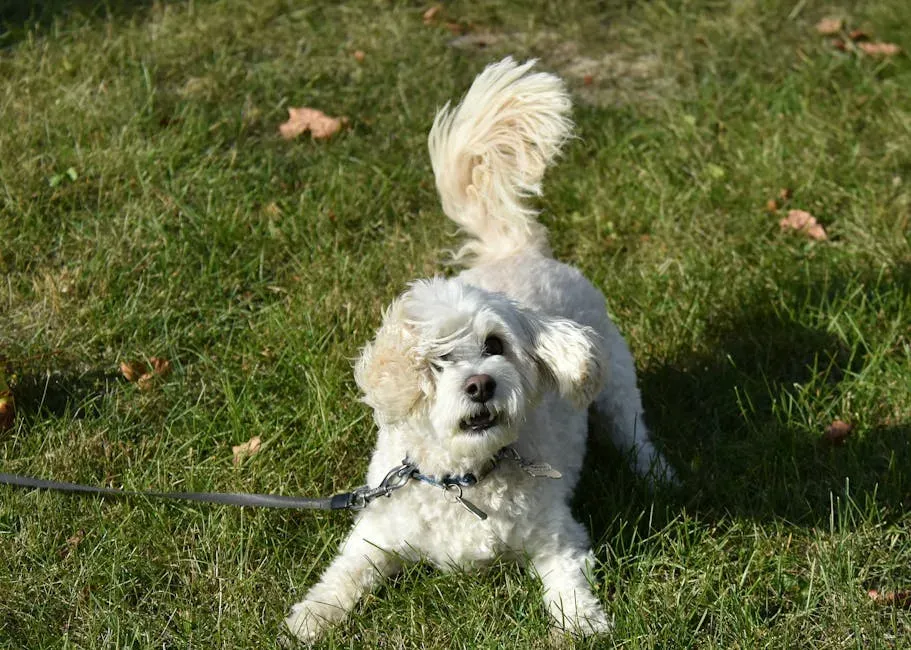
Most people know that a tucked tail is a sign of fear, but far fewer people know about the low, stiff wag. It looks like happiness on the surface. It isn’t. The way a tail looks is often misunderstood. A wag doesn’t always mean a dog is happy. A tail tucked tightly between the legs is a classic stress signal. A low tail with a stiff, quick wag can also mean worry, not joy. A relaxed wag tends to be looser, higher, and paired with a relaxed body posture.
It’s important to look at all aspects of their body because just one component of a dog’s body language can mean different things. For instance, tail wagging can mean a dog is nervous, happy, and more. Reading a tail correctly means reading the whole dog at the same time. A dog with a low, tight wag, flat ears, and a slightly crouched body is not a happy dog. They’re a dog silently asking for some gentleness and reassurance.
#8: Nudging, Pawing, or Whining for Physical Contact
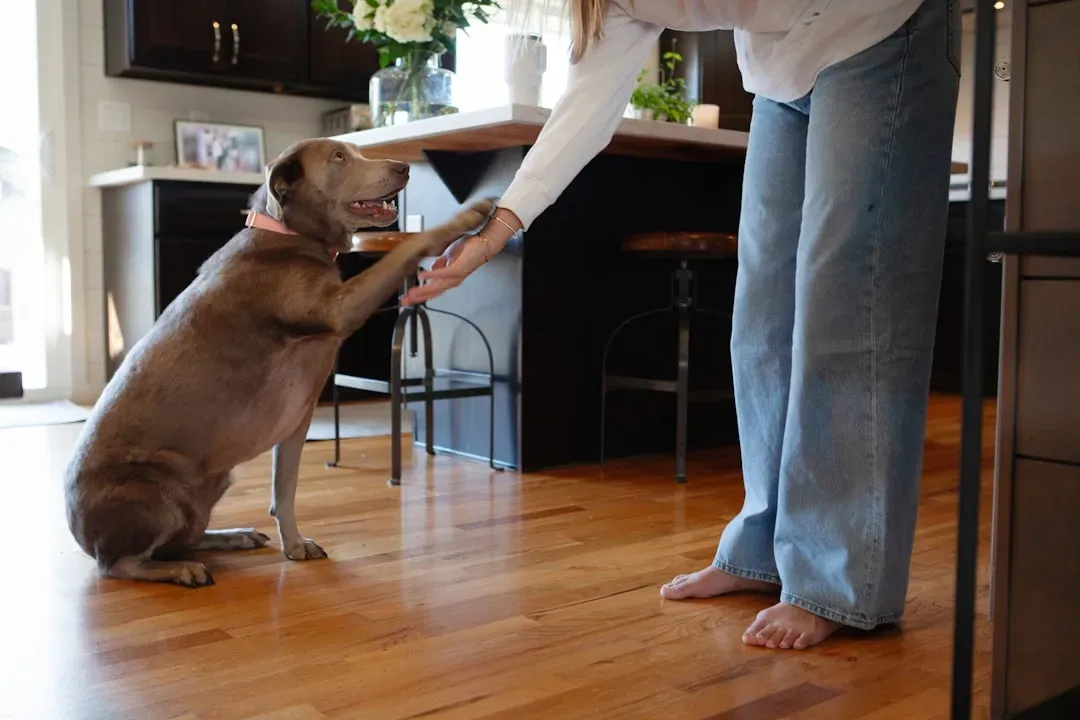
Your dog nudges your hand with their nose. They place a paw on your knee. They let out a soft whine that doesn’t seem to match any obvious need like food or water. These are not random behaviors. If you have an emotionally reliant pup, you will notice that they will often frequently nudge, paw, or whine for you to pet them. They may also insert themselves into your space. These dog behaviors are signs your pup needs constant reassurance.
Dogs may show increased affection to request calm interactions. Nudging, licking, or resting nearby signals a desire for gentle attention. These behaviors communicate emotional needs without stress. The key distinction to make is whether the behavior is routine or whether it feels more urgent than usual. A dog who normally nudges you once at the end of the day but is suddenly doing it repeatedly and intensely is telling you something has shifted. Take that seriously and offer some calm, unhurried contact.
#9: Hiding, Withdrawing, or Trying to Disappear
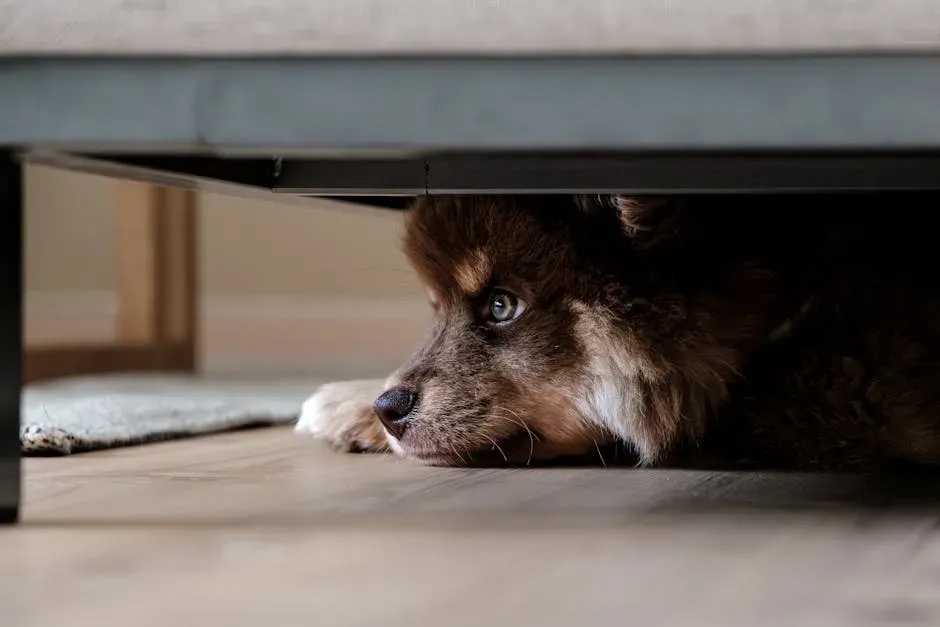
This one might be the most important clue on the list, and it’s the one most likely to be misread as the dog simply being tired or independent. Hiding or escape behavior is an extension of avoidance. Some tense dogs move behind a trusted person or behind a nearby object. They may even nudge or jump on their person to prompt them to move along.
Your dog might move away or actively try to avoid whatever is worrying them. Bear in mind that in some situations it might be you that they are worried about, or someone you are with, such as a veterinary surgeon. Some dogs will try to hide or withdraw from a situation. If a dog who normally seeks you out suddenly retreats under a bed, behind a couch, or into a quiet corner, don’t force them out. Instead, lower yourself to their level, speak softly, and give them time to come to you on their own terms. That quiet patience is often the most powerful comfort you can offer.
What to Do When You Notice These Signals
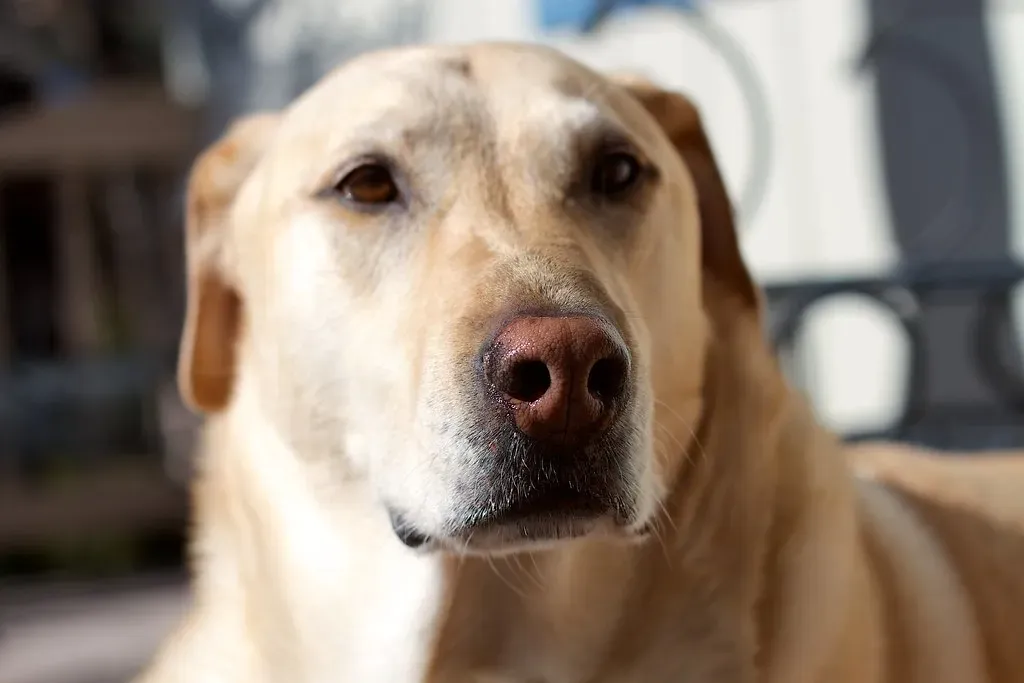
Recognizing these clues is only half the equation. The response matters just as much. If you notice signs that your dog is stressed, first remove them from the stressor. Find a quiet place to regroup. Resist the urge to overly comfort them. Ironically, overdoing it with high-pitched reassurance can sometimes amplify a dog’s worry rather than reduce it.
Your reaction plays a big role in how the situation develops. When your dog shows signs of stress, try to remove anything causing discomfort and create a peaceful environment. Giving your dog space allows it to settle down without feeling pressured. A calm, grounded presence is almost always the best medicine. Your dog doesn’t need a dramatic intervention. They need to feel that you noticed, that you’re steady, and that they’re safe with you.
If your dog becomes stressed often or in response to many triggers, see your veterinarian. After ensuring that your dog’s behavior does not have a physical basis, your veterinarian may refer you to a trainer or veterinary behaviorist for further assessment. A treatment plan may include behavior modification, a change in the daily routine, medications to relieve physical discomfort, and medications to reduce the emotional response to the triggers.
A Final Thought
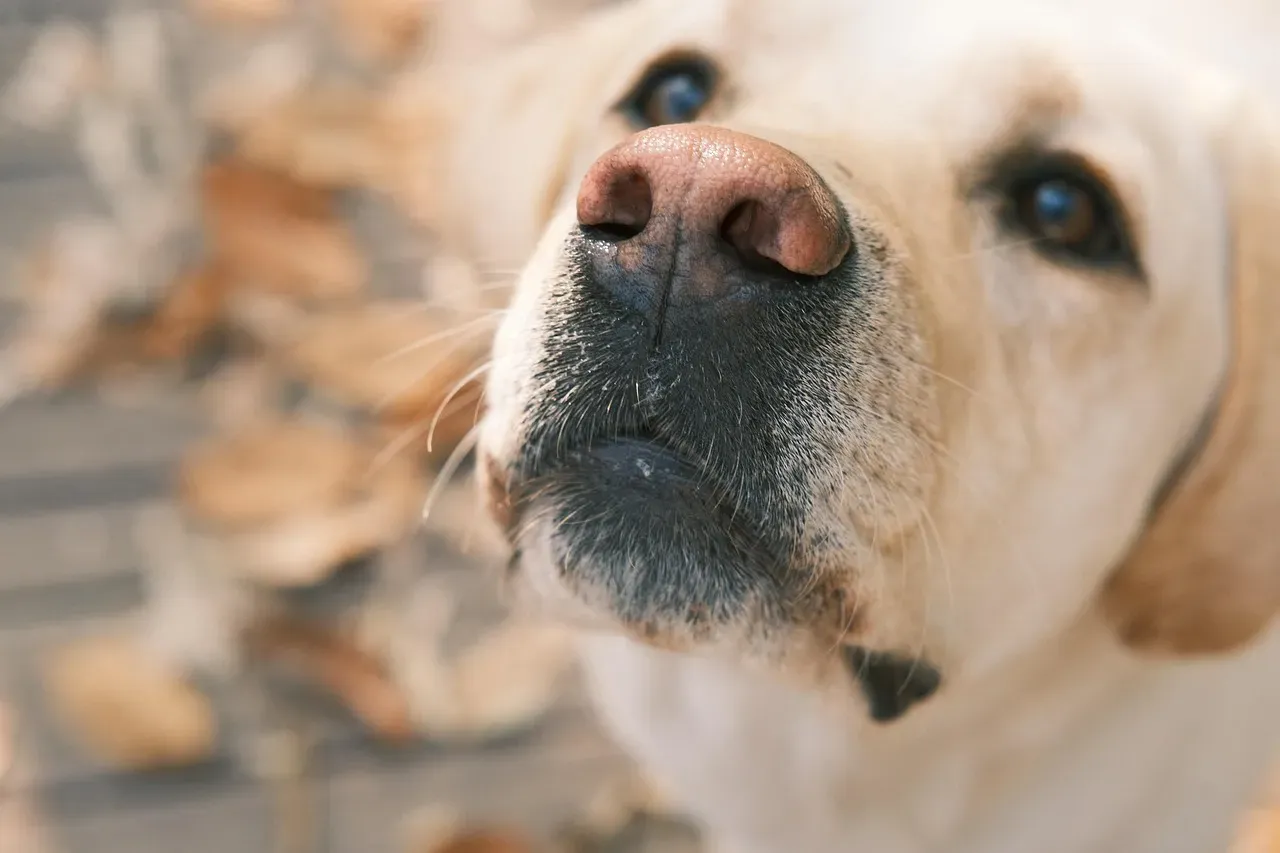
Dogs don’t ask for much. They give loyalty, companionship, and an almost irrational level of unconditional affection. The least we can offer in return is attention. Dogs communicate their needs in ways owners often miss. Observing their body language can reveal much about their emotional state. Careful attention can strengthen the bond between a dog and its owner. Every moment spent understanding these signals helps dogs feel secure and valued.
None of the clues on this list require expensive equipment, a dog behaviorist on speed dial, or hours of specialized training. They just require you to slow down and look. Your dog has been watching you their whole life. It’s worth returning the favor.


