
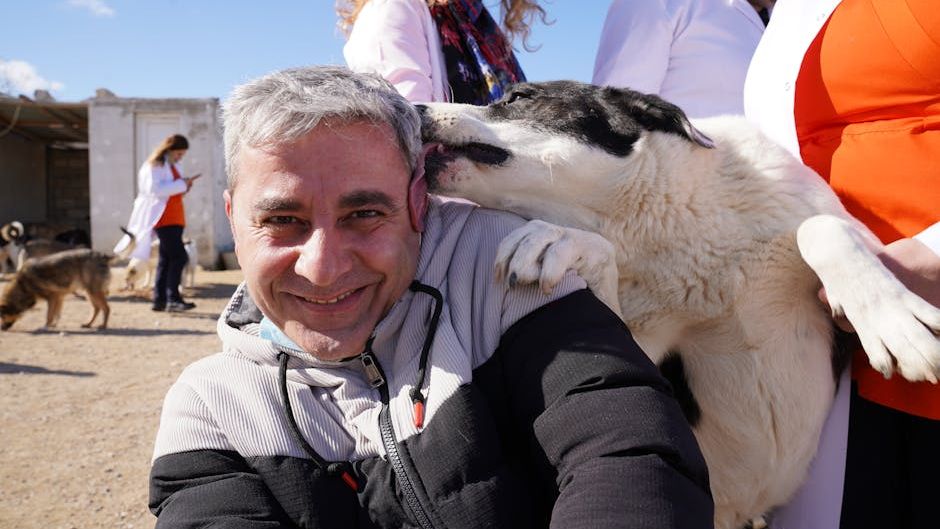
There’s a moment most dog owners have experienced but never quite put into words. You’re sitting quietly on the couch, maybe a little stressed after a long day, and your dog crosses the room, plants themselves right next to you, and just… stays. No fuss, no demand. Just presence. It’s a small thing, but it carries a weight that’s hard to dismiss.
Dogs don’t hand out trust lightly. What looks like ordinary behavior – a glance here, a lean there, a tail-wagging entrance when you walk through the door – is actually a layered language of loyalty, safety, and deep attachment. Dogs bond to their owners in ways that closely mirror caregiver-infant relationships, showing genuine attachment behaviors such as proximity seeking and separation distress. Research suggests the dog-human bond even encompasses emotional warmth akin to parent-child relationships, mixed with the low-conflict companionship of close friendships. Once you learn to read these cues, your dog’s daily behavior starts telling a much richer story.
#1 They Follow You From Room to Room
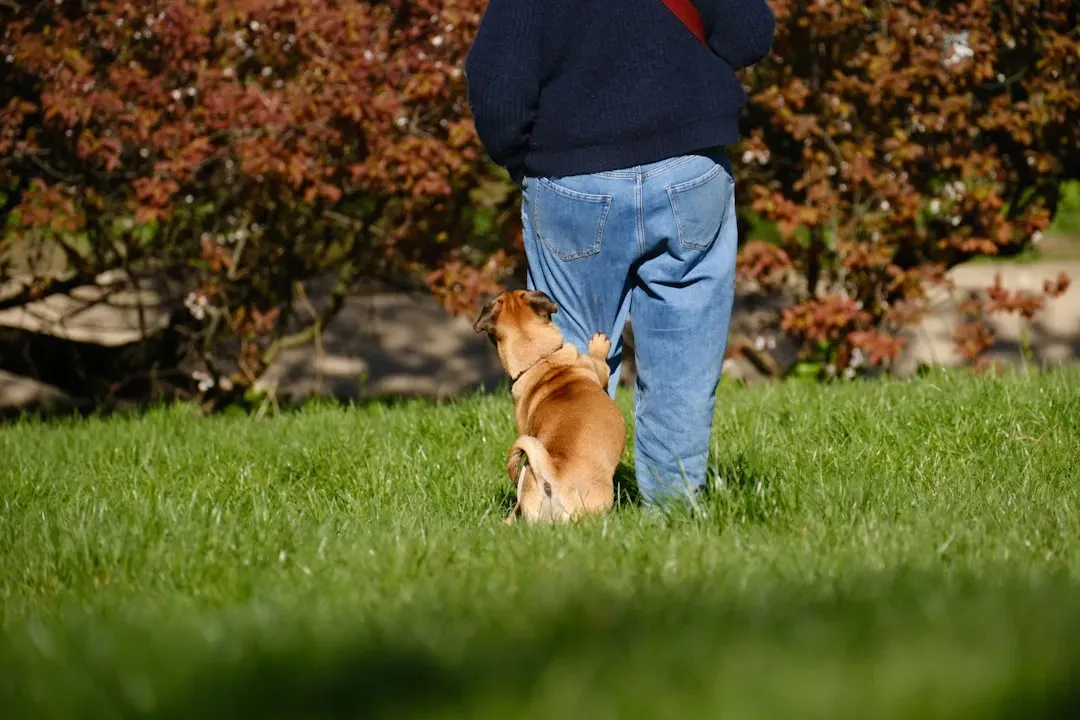
One of the clearest signs a dog loves you is that they simply want to be near you as much as possible. Dogs who view you as their protector and hero often follow you from room to room or stick close while you’re outside, showing their admiration and trust. It’s not clinginess in any anxious sense – it’s devotion expressed in motion.
When your dog follows you around the house, it’s their way of saying they want to be with you. This behavior is deeply rooted in pack mentality – in the wild, dogs stick with their pack to ensure safety and companionship. By sticking close to you, they see you as their leader. The instinct is ancient, but the feeling it communicates is timeless. You’re not just their person. You’re their home base.
#2 They Make Meaningful Eye Contact With You
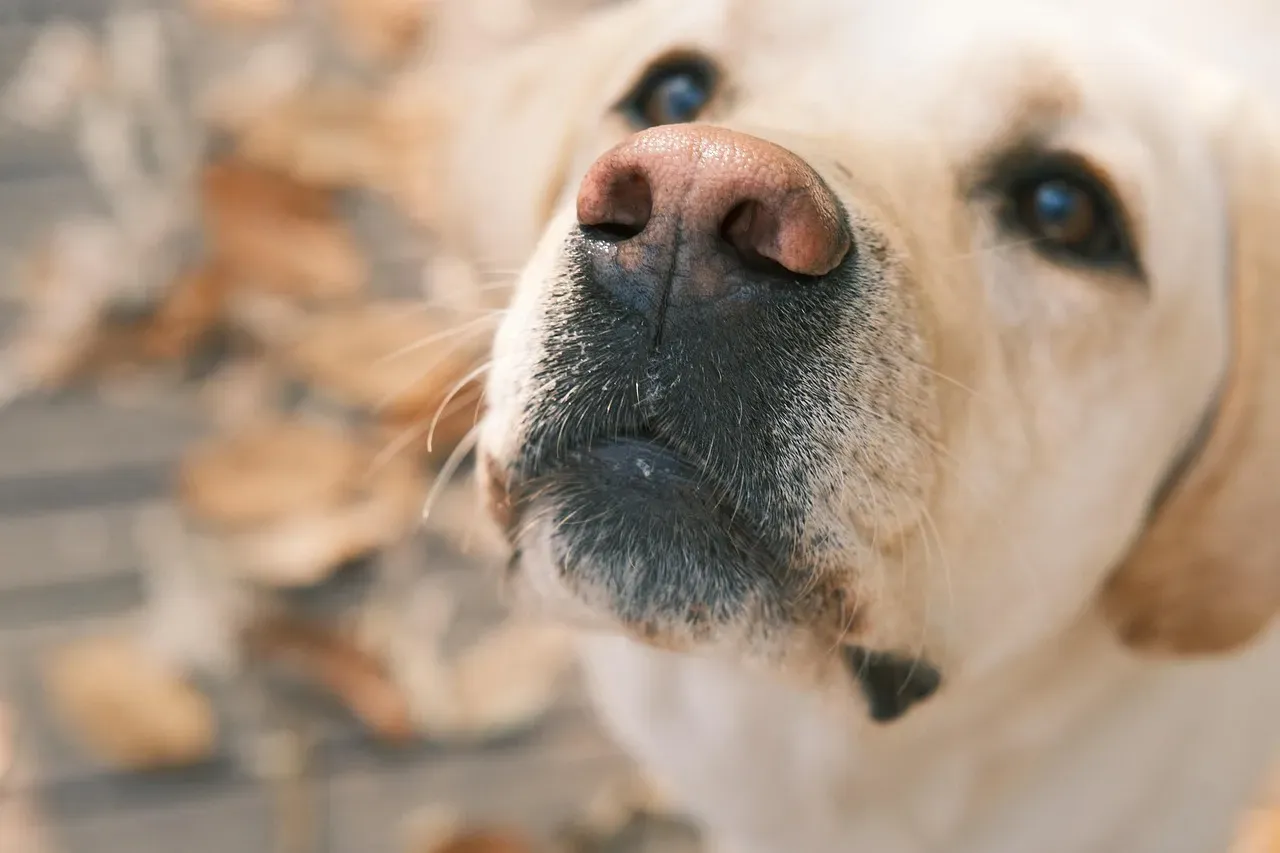
Gentle eye contact between you and your dog is a powerful bonding tool, triggering the release of oxytocin, often called the “love hormone,” in both parties. This mutual gaze, when relaxed and positive, signals that your dog feels safe and loved around you. It’s one of the most intimate forms of communication dogs share with the humans they trust most.
Studies from universities such as the University of Tokyo and Duke University show that when dogs and humans look into each other’s eyes, oxytocin levels spike in both, creating a positive feedback loop that cements their bond. A soft, lingering gaze from your dog isn’t them staring you down. A relaxed dog will feel comfortable maintaining extended periods of peaceful eye contact with you, which is a clear sign of trust. That look is pure connection.
#3 They Look to You for Reassurance in Scary Moments
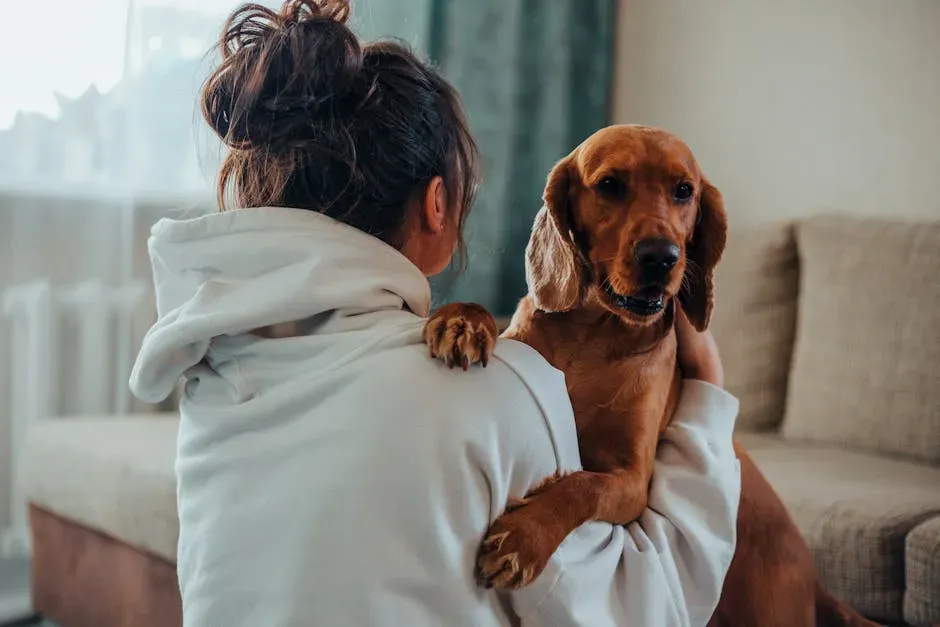
Your dog may give you a quick glance when they’re unsure in any given moment, or even lean against you for support. When your dog looks to you in uncertain moments, they’re relying on you to help them understand the world. It’s one of the most telling signs that they’ve placed their emotional security entirely in your hands.
This behavior is similar to how a child looks to a parent for reassurance. It shows your dog believes you’ll keep them safe and make the right decisions. Watch for it during thunderstorms, fireworks, or encounters with strangers. If your dog looks for you during thunderstorms or other scary moments, it’s a sign that they see you as a source of safety. That single glance in your direction carries tremendous weight.
#4 They Sleep Close to You or Against You
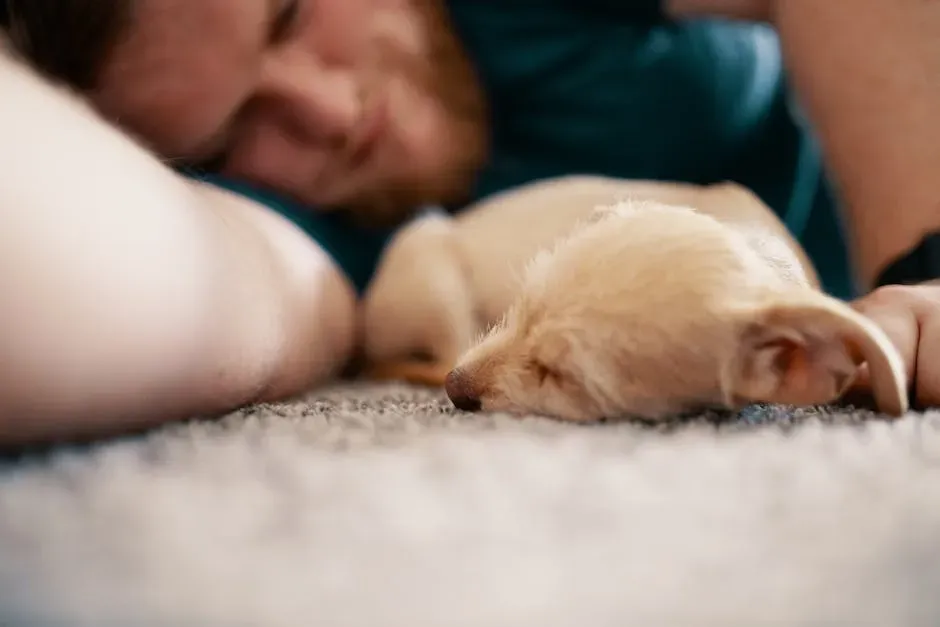
Sleeping near you or even touching you while sleeping shows deep trust. Dogs are vulnerable when they sleep, so choosing to rest beside you means they believe you’ll keep them safe. If your dog falls asleep with their back to you, that’s even stronger trust, because they’re confident you’ll watch out for threats. Few behaviors reveal the depth of their bond more honestly than this one.
Historically, wolves and dogs used to sleep close together with other pack members to ensure trust and protection. Dogs choose to sleep where they feel most comfortable and at ease, so if your dog enjoys sleeping in your bed or likes to snuggle up for a nap, they feel trust in you that they will be safe to do so. When your dog is nestled up to you in bed, they may feel that you’re watching over them while they sleep. Dogs form packs as a way of sharing the load of hunting as well as protection, so sleeping with you is a way of showing you that you’re part of their pack.
#5 They Greet You Like You’ve Been Gone for Years
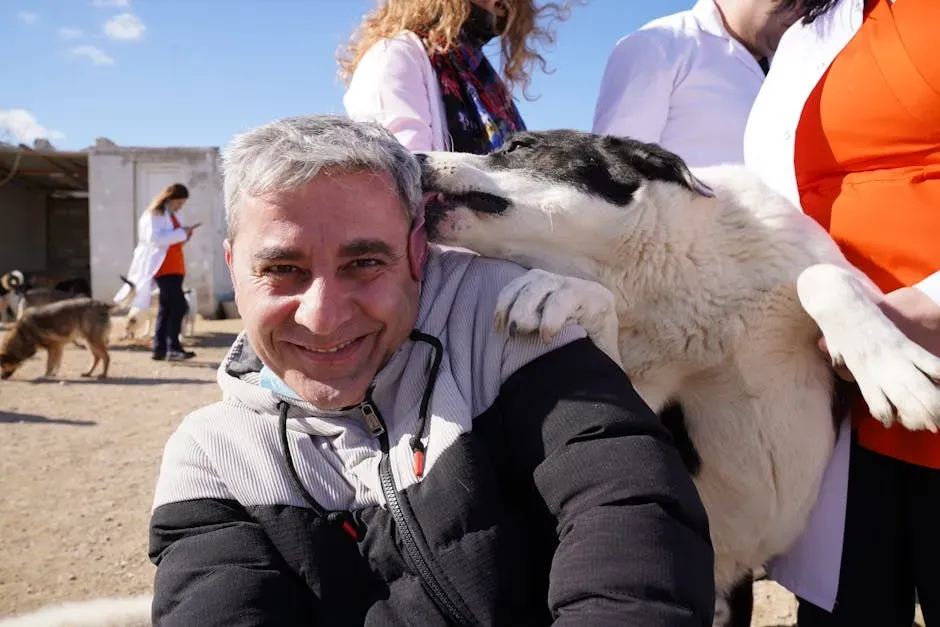
That little butt wiggle or happy dance your dog does while greeting you when you get home is no accident. In fact, dogs don’t greet everyone this way. If your pup saves this energy just for you, it highlights a strong dog-human bond and shows you’re their favorite person. The enthusiasm is genuine, not performative. It’s relief and joy wrapped up in one wiggly package.
The reunion between the dog and their owner helps to strengthen the bond, and greeting behaviors after separation help to maintain and promote the quality of the owner-dog relationship. When the owner returns, the dog will approach them, make eye contact, and initiate physical contact – touching the caregiver with the head or snout, jumping up, or leaning sustained against the owner’s body or hands. Every single greeting is a small renewal of the trust between you.
#6 They Lean Their Weight Against You
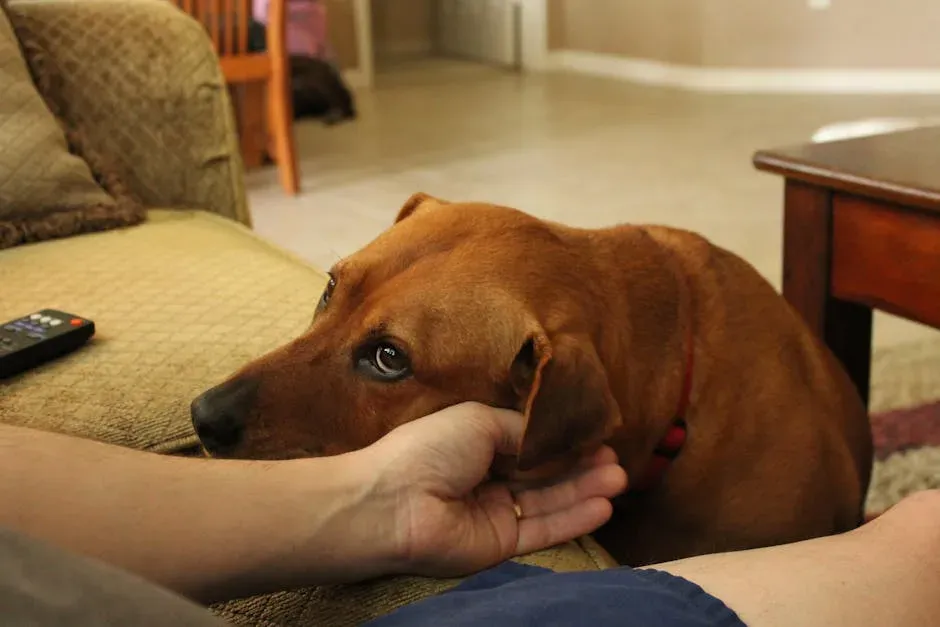
Initiating physical contact by leaning on you or snuggling are behaviors generally associated with a strong human-animal bond. When your dog leans on you, it’s a clear sign they feel safe with you and that your dog loves you. It’s such a quiet, simple gesture, and yet it carries so much. There’s no agenda in a lean. It’s just trust, pressed warmly against your leg.
Dogs lean on you for two major reasons: closeness and reassurance. Leaning can mean “I trust you with my safety” or simply “I feel happiest when touching you.” When a dog leans on you, it shows trust and the desire for closeness. Dogs lean on people for comfort and to feel secure. This act indicates they feel safe around you. It’s one of those behaviors that’s easy to overlook, but once you see it for what it is, you can’t unsee it.
#7 They Bring You Their Favorite Toys
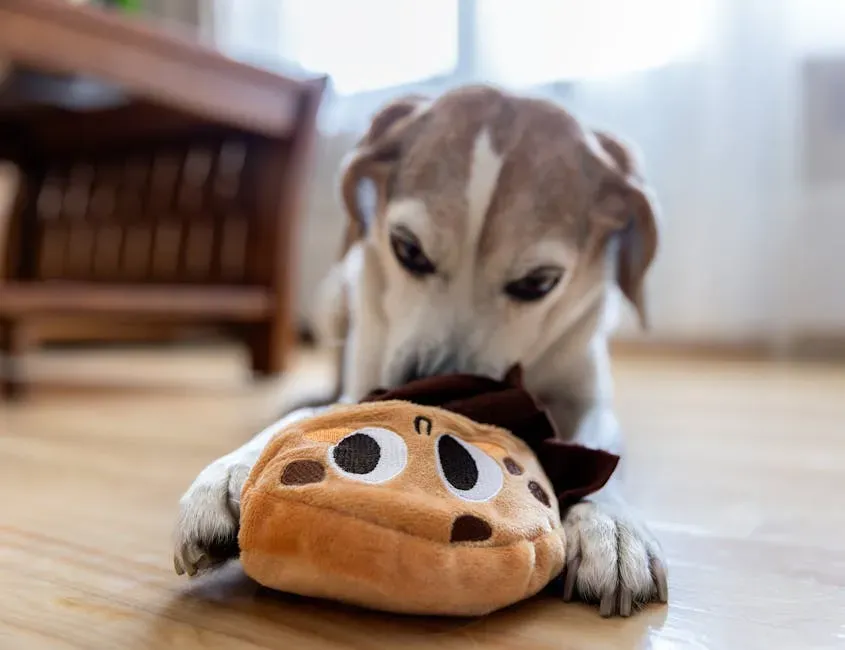
Dogs are naturally protective of their prized possessions, such as toys, chews, or even random household items they’ve adopted as their own. When your dog brings these cherished items to you, it’s a sign of trust and recognition of your role as their protector. By sharing their treasures with you, they’re signaling that they feel safe enough to let their guard down. This is their version of a heartfelt gift.
When your dog offers you a toy, they’re inviting you into their world of play and valuing shared experiences. It also signals possession – dogs trust you enough to share prized items, and may repeatedly bring toys during times of emotional excitement. Dogs don’t share their beloved items with just anyone. By offering their toy, they are sharing something valuable with you. It’s like a heartfelt gesture of love and loyalty.
#8 They Comfort You When You’re Upset
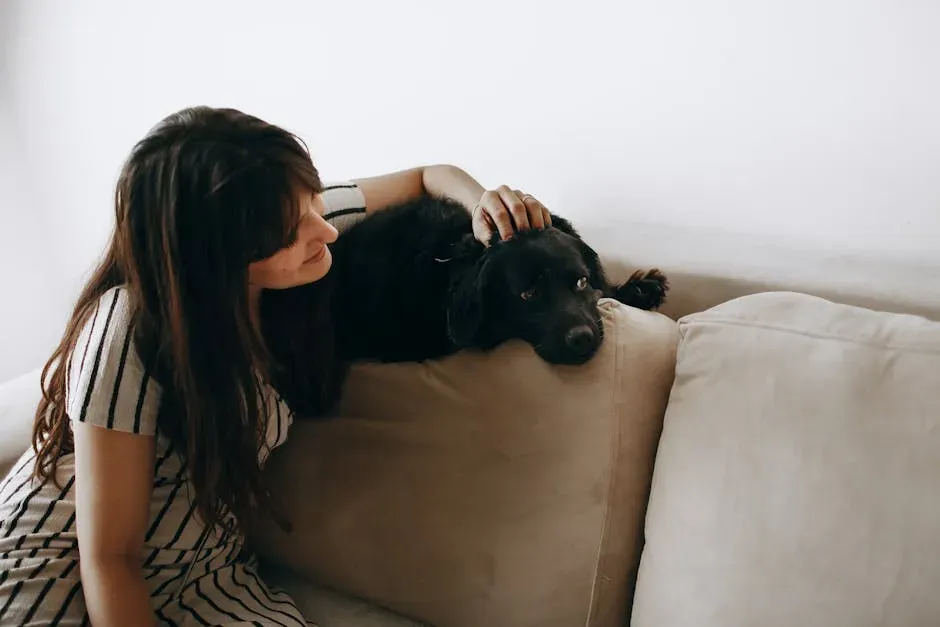
Dogs are incredibly intuitive, often picking up on their owner’s emotional state. If your dog comforts you during moments of sadness or stress, it’s a sign that they not only love you but also see you as someone they want to support and protect in return. The relationship, at its deepest level, becomes reciprocal. They protect you, because you protect them.
They might nuzzle you, rest their head on your lap, or stay closer than usual when they sense you’re upset. This behavior reinforces the reciprocal nature of the protector bond. Dogs who trust their owners show lower stress levels, adapt better to changes, and recover faster from scary experiences. They sleep more soundly, eat more consistently, and play more enthusiastically. That same well-being flows back to you in small, steady ways every single day.
A Bond Worth Noticing
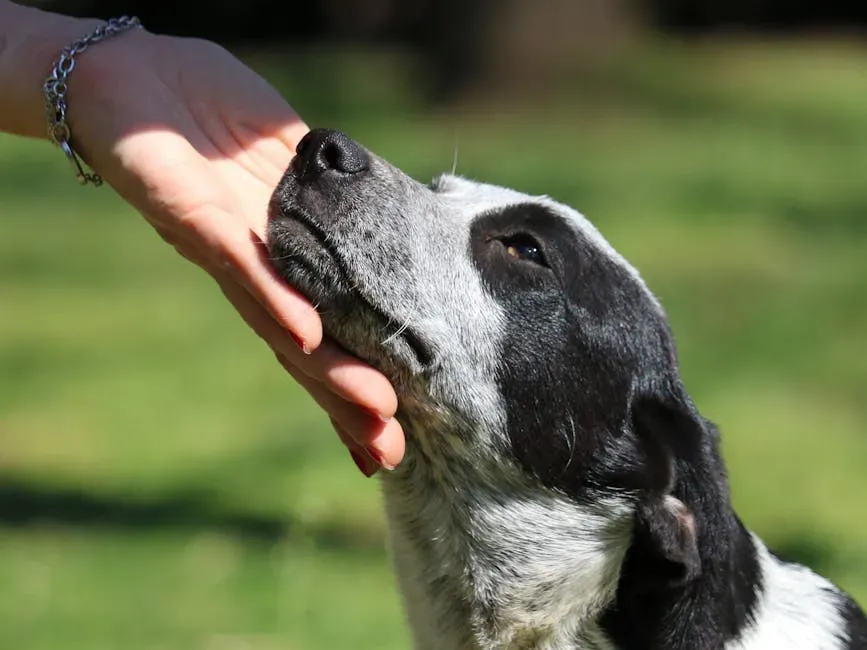
The relationship between a dog and their person is one of the most studied and yet still quietly astonishing phenomena in animal behavior. Dogs have been shown to develop attachment bonds with humans that allow them to interact securely with their environment in the presence of the owner and show less distress in response to threatening events. That’s not a small thing. That’s a life fundamentally reshaped by trust.
Trust between you and your dog doesn’t happen overnight. It develops through consistent interactions, clear communication, and reliable care that shows your dog they’re safe with you. None of the signs listed above appear by accident. They’re the accumulated result of every walk, every gentle word, every moment you showed up for them.
Here’s the opinion worth sitting with: dogs don’t perform attachment. They don’t fake it, overthink it, or offer it conditionally. When a dog decides you’re their protector and their best friend, it’s one of the most honest endorsements you’ll ever receive. The least we can do is pay attention to what they’re saying.


