
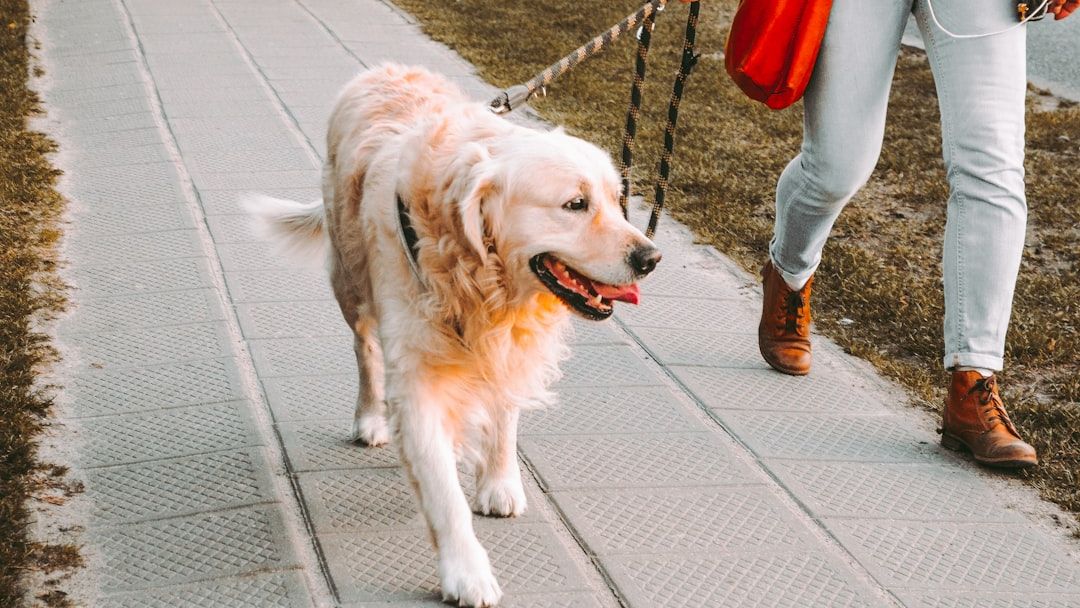
Most dog owners assume their pup loves walks because of one simple thing: movement. A chance to burn off energy, do their business, and come back inside. It’s a tidy little explanation, and it’s also wildly incomplete.
The truth is that what happens on a walk from your dog’s perspective is something closer to a full sensory experience, a social event, a mood regulator, and a bonding ritual all rolled into one 20-minute loop around the block. Science has been slowly catching up to what attentive dog owners have always sensed intuitively – that walks mean something much deeper to their dogs than we give them credit for.
#1: The World Smells Like an Entire Universe to Them
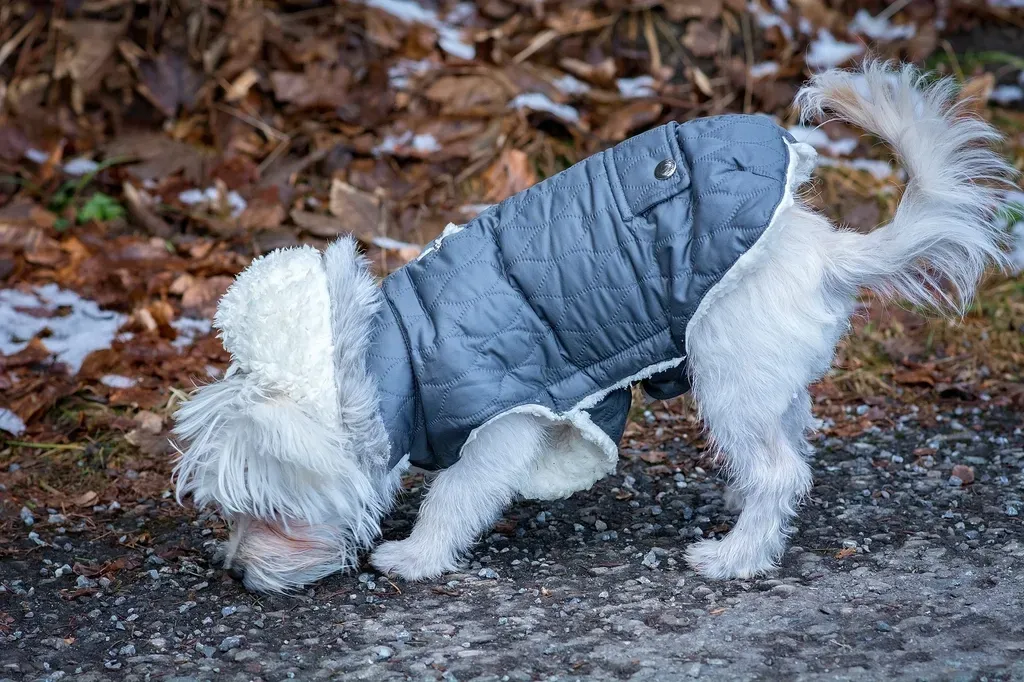
A dog’s sense of smell is up to 100,000 times more sensitive than ours. While humans rely mostly on vision, dogs gather critical information about their environment through scent. So when you look down a familiar street and see a sidewalk, your dog is reading an entirely different story – one layered with history, identity, and biological data you’ll never have access to.
Dogs have hundreds of millions of scent receptors compared to our six million, and they devote approximately 40 times more brain volume to decoding smells than we do. That lamp post you’re waiting impatiently beside? By taking in the scents around them, dogs can decode data like a recent passthrough from a neighbor dog, nearby scat from a wild animal, or even upcoming changes in weather. Every sniff is an act of learning.
This form of stimulation activates their brain’s “seeking system,” similar to how we seek updates on social media and news sites. It’s compulsive in the best possible way – driven by curiosity and reward. Pulling your dog past that patch of grass isn’t just frustrating for them. It’s the equivalent of someone slamming your book shut mid-chapter.
#2: Sniffing Is Literally Brain Exercise
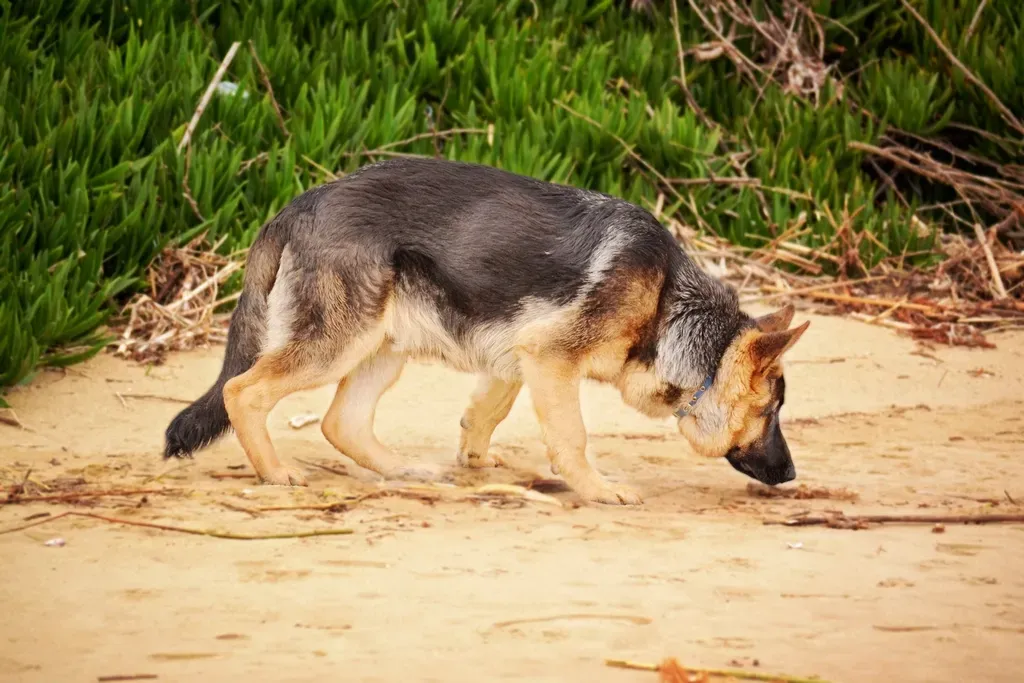
Giving dogs the opportunity to sniff can be just as enriching as physical exercise and is an important part of providing well-rounded enrichment for your dog. Engaging their senses serves as great mental stimulation – like exercise for their brain. This is why a slow, sniff-heavy walk can leave your dog just as tired as a brisk 45-minute jog – sometimes more so.
In recent years, scientists have learned that sniffing provides dogs with significant mental stimulation that can be as exhausting and beneficial as a long walk. The brain isn’t just passively receiving smells – it’s actively processing them. Sniffing is far more than passive inhalation. It is a complex, cognitively demanding activity that requires active engagement of a dog’s brain. When a dog sniffs, they are decoding vast amounts of olfactory information, which stimulates multiple areas of the brain related to memory, decision-making, and focus.
Sniff walks are just as effective as physical exercise at expending pent-up energy and decreasing behaviors like destructive chewing or excessive digging. So if your dog has been tearing through the house on a rainy day, a slow 15-minute “sniff walk” might solve the problem better than a sprint ever could.
#3: Walks Are a Natural Stress Reset
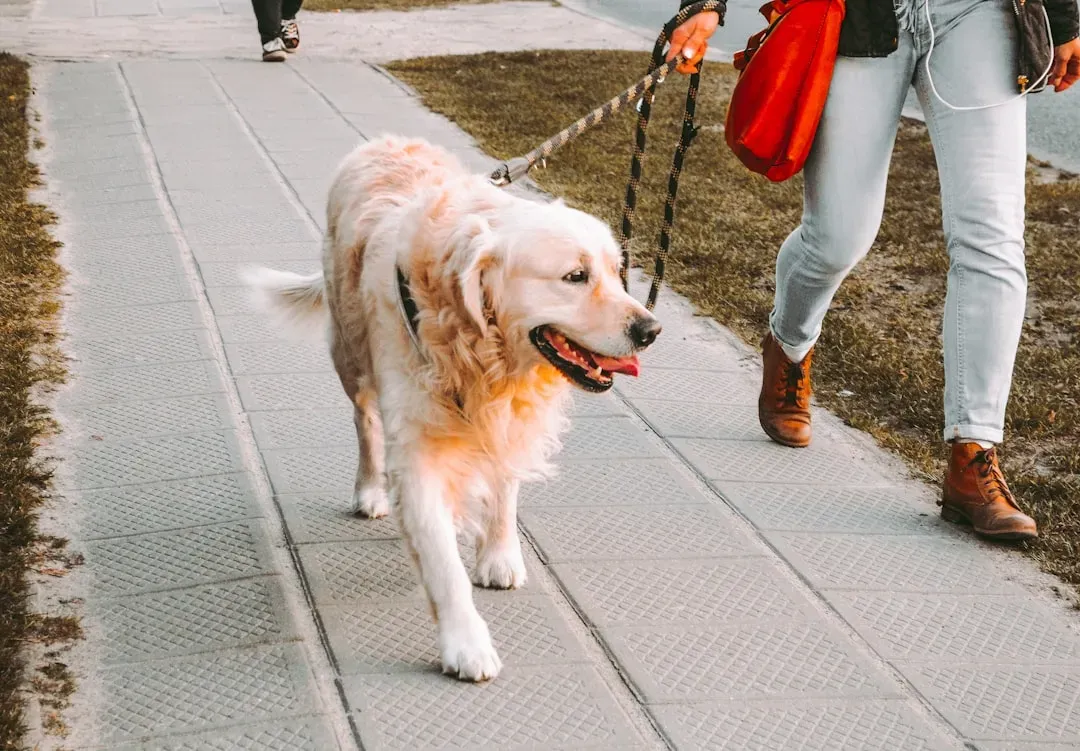
Dogs can feel anxious, stressed, and fed up, just like humans do. Sometimes we need to take a walk too, to clear our heads. It is the exact reason why dogs like walking. The outdoor environment provides a kind of sensory variety that a living room simply can’t replicate, no matter how many toys are scattered across the floor.
Sniffing activates many parts of a dog’s brain, releasing the pleasure hormone dopamine and promoting rest, thereby helping to reduce stress. Studies also show sniffing can decrease a dog’s heart rate, further lowering anxiety. That dopamine release is real and measurable. Research by Horowitz (2016) demonstrated that dogs who were permitted to sniff freely during walks exhibited lower levels of cortisol, the hormone associated with stress, suggesting that this simple act has a calming effect on the canine nervous system.
One academic study noted how a dog’s stress was alleviated after a walk with cortisol levels measured in dogs’ saliva. The stress relief isn’t incidental – it’s physiological. For a dog that spends most of the day alone at home, a walk isn’t a luxury. It’s a genuine form of emotional recovery.
#4: It’s One of the Few Times They Get to Make Choices
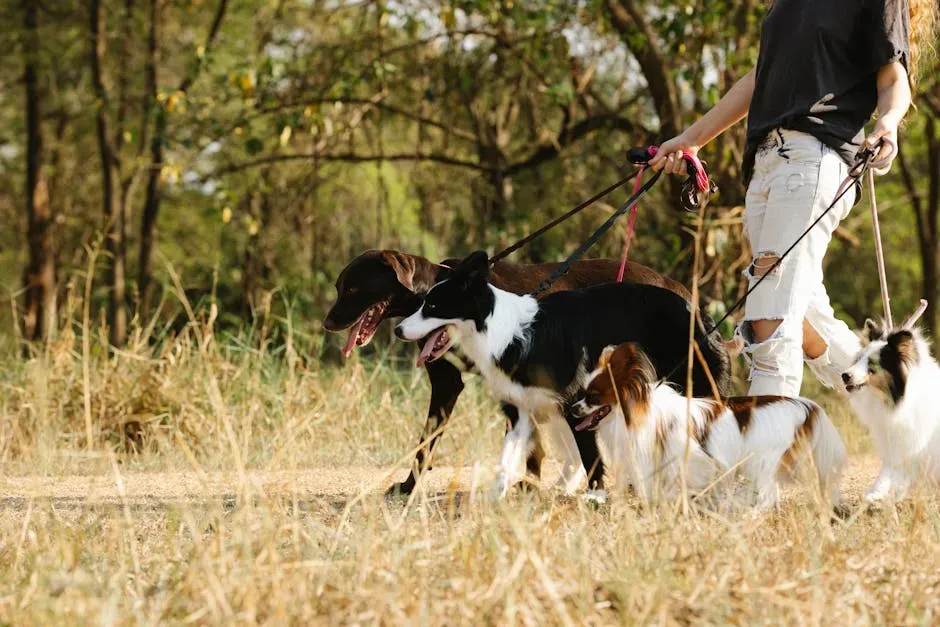
Dogs live inside structures built entirely around human decisions. We choose when they eat, where they sleep, when playtime starts, and when it ends. Walks are one of the rare occasions where a dog gets something resembling genuine agency – the chance to follow their nose, pause at something interesting, and set the tempo of exploration on their own terms.
Scent walks are walks where you allow your dog to sniff and explore objects along their path without a specific destination. Scent trails can last anywhere from a few hours to weeks, although many scents will start to fade within those first few hours or so. Giving your dog time to investigate what genuinely interests them, rather than rushing through a predetermined route, changes the entire quality of the experience for them.
Mental stimulation through sniffing reduces anxiety, improves focus, and provides a sense of control. That last part matters more than it might seem. A dog that feels some degree of control over their environment tends to be calmer, more confident, and better behaved overall. Letting them lead for even a portion of the walk can shift their whole emotional state.
#5: It’s Quality Time With Their Favorite Person
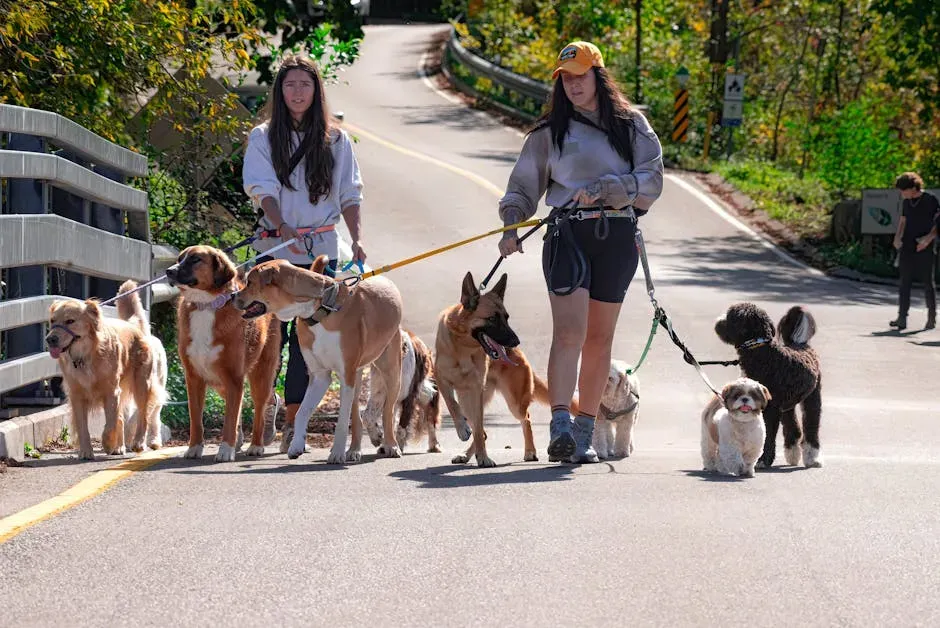
Spending time together on a walk helps build trust and reinforces the bond between you and your dog. Walking side by side, communicating through body language, and engaging in small interactions – like rewarding them for good behaviour – all contribute to a stronger relationship. It sounds simple, but dogs pay close attention to these shared rituals. Consistency matters to them.
Dogs serve as natural social catalysts, helping their owners form connections with others. Whether at dog parks, during neighborhood walks, or in pet-friendly establishments, dogs create opportunities for social interaction and community building. The walk isn’t just an event between dog and owner – it places them both in a wider social world, which benefits both parties.
Quality time spent with your pet, no matter the activity, builds comfort and trust. Tuning in to their unique needs, like sniffing, ultimately establishes an even stronger bond with your pet. When you slow down and follow your dog’s lead, you’re not wasting time. You’re investing in the relationship they care about most.
#6: Walks Protect Their Physical Health in Ways That Add Up Over Time
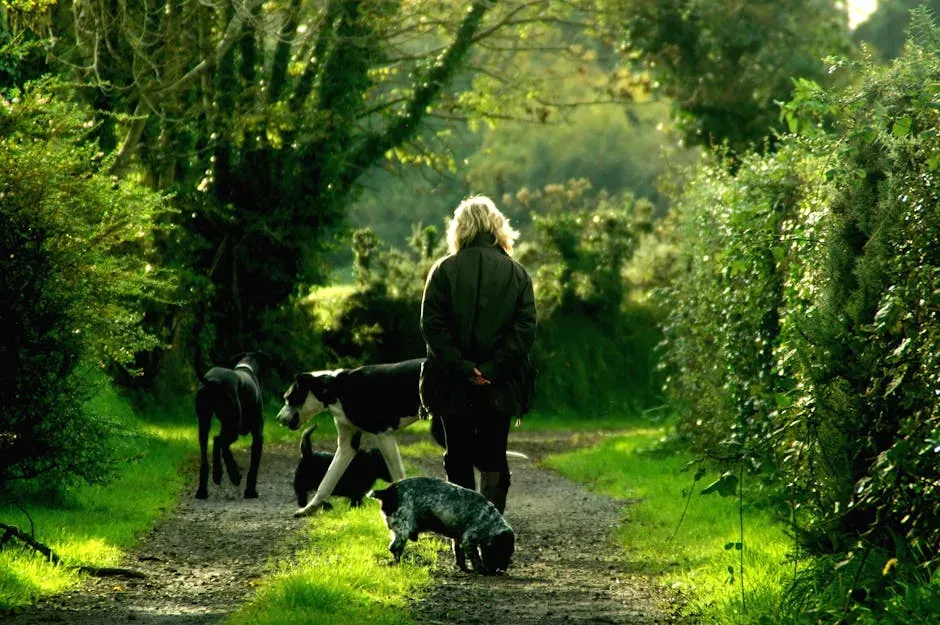
Walks help maintain a healthy weight, improve cardiovascular health, and keep joints flexible. Beyond the physical benefits, walks also provide mental stimulation, which is just as important. These aren’t abstract gains. For dogs, especially as they age, the difference between regular movement and prolonged sedentary periods can show up in measurable ways – in joint comfort, weight management, and digestive regularity.
Obesity in pets is associated with a number of medical complaints including osteoarthritis, cardiovascular disease, liver disease and insulin resistance. A daily walk isn’t a magic cure, but it’s one of the most reliable preventive habits available to dog owners. Regular walking helps regulate the digestive tract. Some dogs, like some people, prefer to “go” on a schedule and providing your dog with routine trips outdoors prevents constipation.
Walking in nature gives dogs more space and freedom to roam, run, play and explore, and is likely to extend your dog’s lifespan and slow ageing by lowering the risk of obesity. The same study reported that regular exercise helps to improve comfort and function in dogs with arthritis. The physical case for walks is well established – what’s underappreciated is how all those benefits compound quietly over years of consistent routine.
#7: Routine Itself Brings Them Deep Comfort
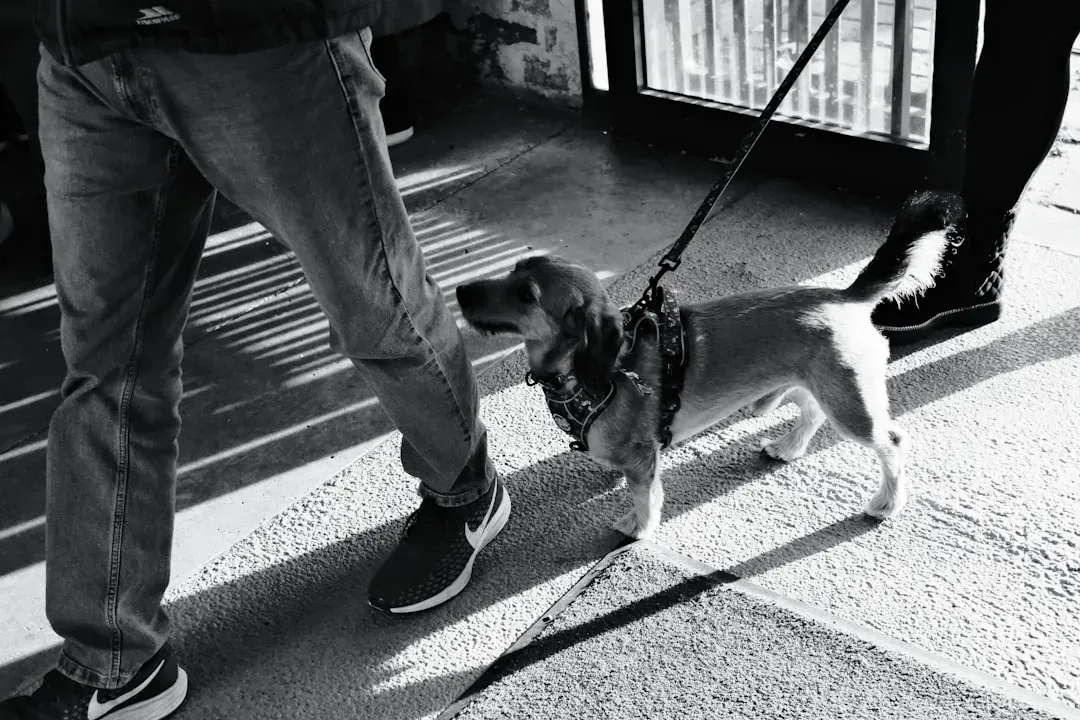
Dogs are creatures of rhythm. They notice patterns in the day – when you wake up, when food appears, when the leash comes off the hook. The walk isn’t just the destination. The ritual surrounding it carries its own weight. For most dogs, hearing the word “walk” is enough to send them into a frenzy of excitement. That reaction isn’t just excitement about movement. It’s recognition of something reliable in their day.
The daily routines of dog care also provide structure and purpose, while their playful nature brings moments of joy and laughter into our lives. Routine reduces uncertainty, and for dogs, reduced uncertainty means reduced anxiety. A walk at the same time each day becomes a fixed point in their world – something they can anticipate, count on, and look forward to.
Dogs do not like to be bored and if you give them something constructive to do, like taking a walk, they may be less likely to do something destructive, like chewing the couch. The walk is not just exercise or exploration. It’s a reliable daily event that tells your dog the world is predictable, safe, and worth paying attention to. That’s not a small thing for an animal that depends entirely on you to provide it.
Final Thoughts: You’re Giving Them More Than You Realize
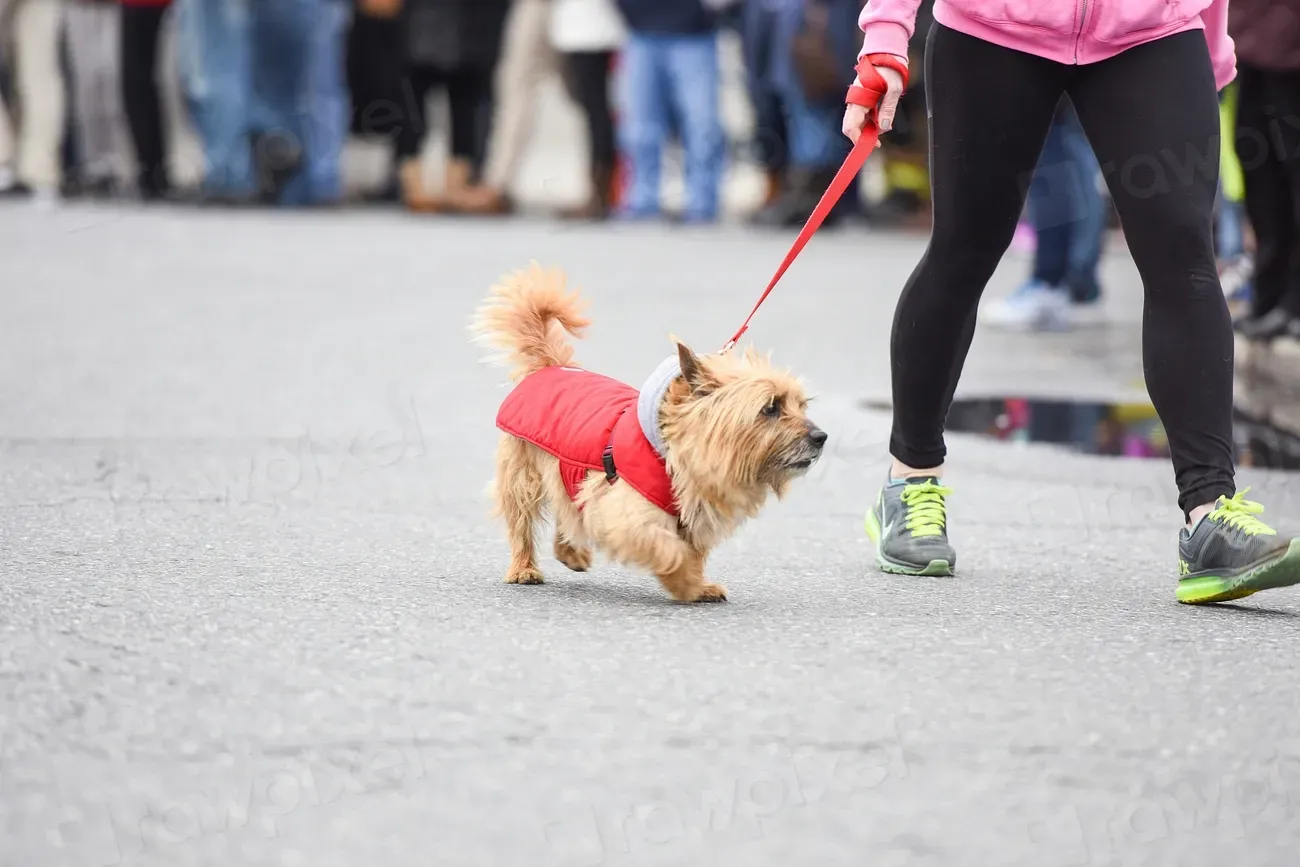
Here’s what I think gets missed in most conversations about dog walks: owners tend to measure a walk’s success by distance covered or time spent, while their dog is measuring it by something else entirely. Novelty of smell. Presence of their person. A moment of genuine freedom within a structured day.
The research is clear on this much: dogs love walks for many reasons, primarily due to the physical exercise, mental stimulation, and social interactions. Walks offer a chance for dogs to explore their environment, experience new areas, smells, and sounds, and interact with other dogs and people. These activities help dogs release energy, reduce stress, and prevent boredom and destructive behaviors. That’s a remarkably full list for something that looks, from the outside, like just walking around the block.
Every walk you take with your dog is layered with more meaning than the average human ever stops to notice. The next time your dog drags their nose along the base of a fence post, they’re not wasting your time. They’re doing exactly what they’re built to do – reading the world, finding their calm, and sharing it all with you.


