

There’s a particular moment most dog owners know well. You’re having a rough day, you haven’t said a word about it, and yet your dog quietly moves closer, rests their head on your knee, and simply stays. No explanation needed. No words exchanged. It’s one of the quietest forms of understanding that exists between two living creatures, and it happens every single day in millions of homes around the world.
What makes it remarkable isn’t just that it happens. It’s that it’s real. Beneath the cuddles and the wagging tails is a relationship shaped by tens of thousands of years of shared history, genuine biological chemistry, and something that looks, by any honest measure, like mutual trust.
A Bond Older Than Written History
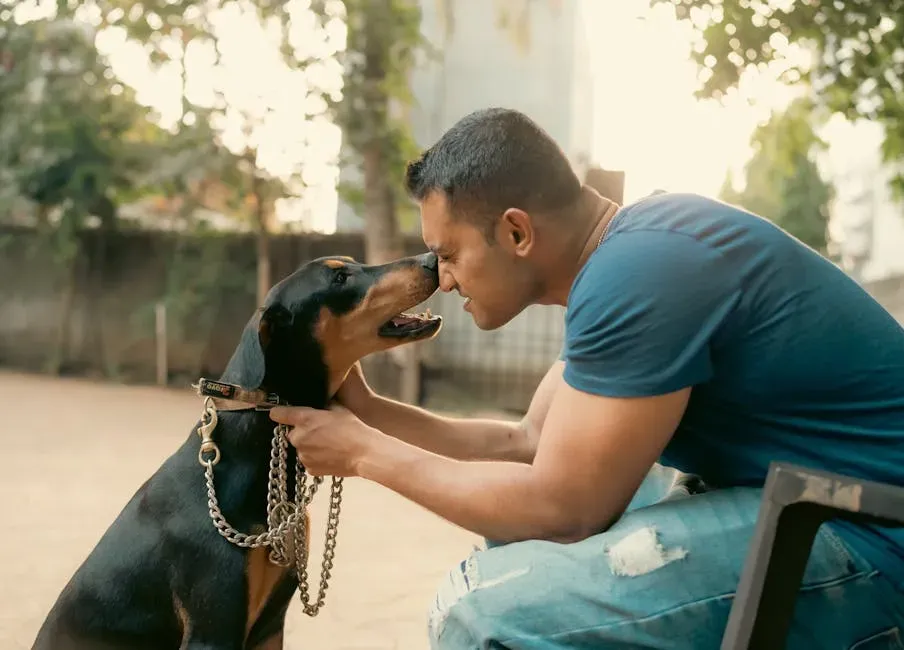
The relationship between humans and dogs didn’t begin with leashes and living rooms. The human-canine bond is rooted in the domestication of the dog, which began through their long-term association with hunter-gatherers more than 30,000 to 40,000 years ago. That’s not just a long time, it’s an almost incomprehensible span of shared existence, one that reshaped both species in ways we’re still discovering.
Tens of thousands of years ago, a few brave wolves began living closer to people. This proximity benefited everyone: the proto-dogs found a food source in human settlements, and people gained an early warning system when intruders approached. Gradually, interactions increased and individual connections were made as those former wolves evolved into the creatures we now recognize as dogs. It wasn’t a planned arrangement. It was two species deciding, quietly and over generations, that life was better together.
Gradually, in many cultures, the primary role of dogs became that of companions, leading to a bond characterized by loyalty, trust, and amity. Nearly every scientific discipline, including biology, anthropology, sociology, psychology, and linguistics, has something to tell us about the value of the bond between our two species. That’s not an exaggeration. The dog-human relationship has become a serious, thriving field of scientific inquiry, and the findings are consistently striking.
The Chemistry of Connection: What’s Actually Happening When You Look Into Each Other’s Eyes
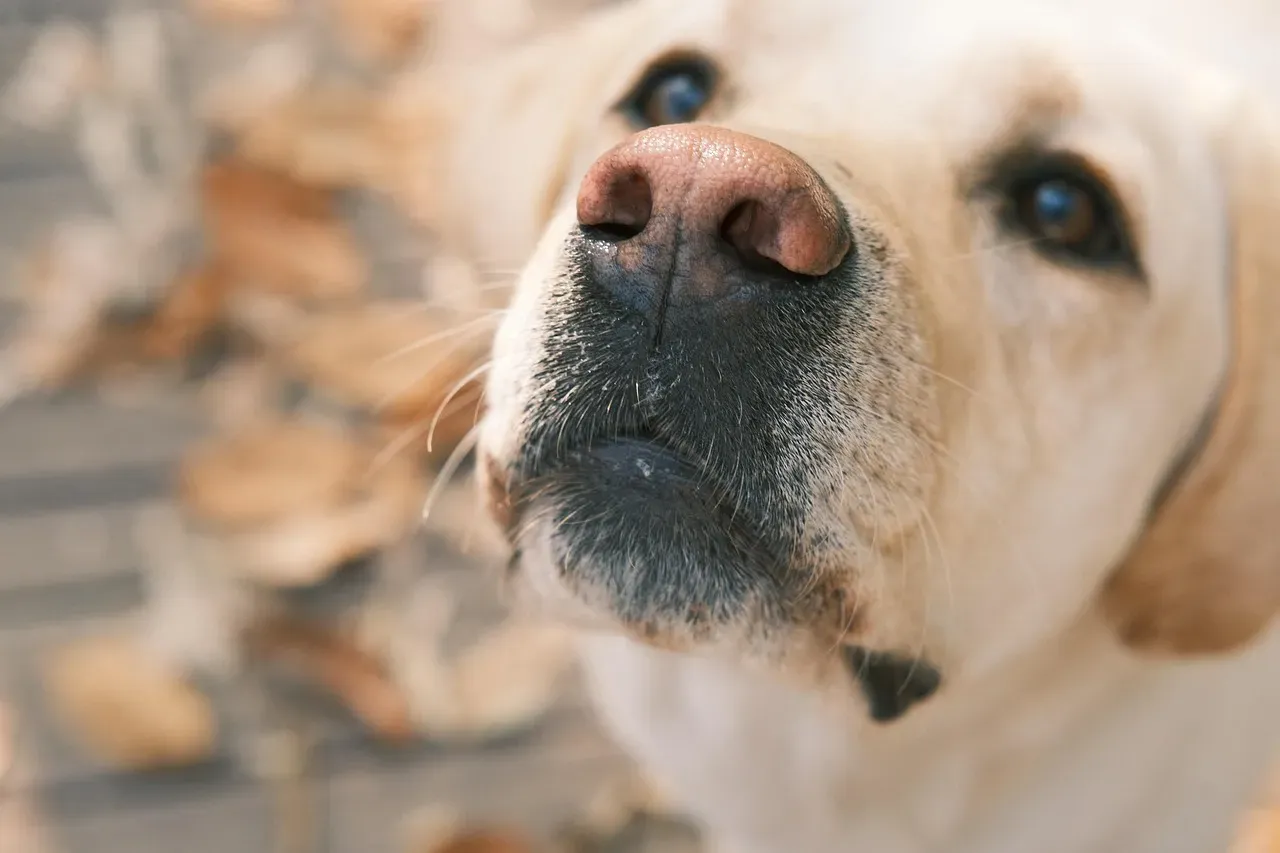
If you’ve ever locked eyes with your dog and felt a wash of warmth come over you, science now has an explanation for that. Humans bond emotionally as we gaze into each other’s eyes, a process mediated by the hormone oxytocin. Research shows that such gaze-mediated bonding also exists between us and our dogs. Mutual gazing increased oxytocin levels, and this effect transferred to owners. In other words, what feels like love, in both directions, actually involves the same hormonal feedback loop that bonds mothers to their newborns.
When dogs were domesticated, it seems their neural systems that use gaze as part of communication evolved to activate the human oxytocin release associated with bonding among family members, especially between a parent and child. That’s a profound thing to sit with. Your dog’s soft, steady gaze isn’t accidental. It’s a trait that was shaped, across thousands of generations, specifically to connect with you.
The simple act of petting a dog releases oxytocin, a hormone associated with relaxation and bonding, fostering emotional resilience in humans. Studies have shown that interacting with dogs can lower cortisol levels, the stress hormone, while increasing oxytocin. The simple act of petting a dog has been found to decrease blood pressure and heart rate, promoting a sense of calm and well-being. The partnership runs deep, right down to the molecular level.
Your Dog Is Reading You, More Carefully Than You Realize

Dogs don’t just tolerate human company. They actively study us. Numerous studies have shown that dogs can reliably follow a set of basic human cues, including distal and proximate pointing, head turns, and eye glances, as well as being adept at flexibly generalizing this behavior to relatively novel human movements. This is a skill that even our closest primate relatives often struggle to replicate in the same cooperative context.
Research suggests that dogs have evolved the ability to acquire a basic understanding of the cooperative-communicative intention behind human gestures. This understanding gives dogs the potential to solve new problems, some they have never seen before. It’s not just training. There’s evidence that this capacity is partly built into their biology from birth. Studies found that each puppy’s genetic makeup was a strong predictor of its ability to follow a pointed finger to a hidden treat, as well as the pup’s tendency to pay attention to human faces. Researchers say these feats of canine cognition are about as genetically based, or heritable, as human intelligence, adding: “This all suggests that dogs are biologically prepared for communication with humans.”
Canines are capable of distinguishing between positive and negative human facial expressions and will react accordingly. Dogs have been found to be excellent behavior-readers if given the opportunity. They are highly competent in learning about directly observable but also quite subtle behavioral, gestural, vocal, and attentional cues, which is of high adaptive value for life in the human environment. Essentially, your dog has spent its entire life learning your signals, your rhythms, your moods. That’s not nothing. That’s devotion, expressed in a language that requires no words at all.
The Partnership Is Genuinely Good for You

The warmth you feel toward your dog isn’t just emotionally satisfying. It translates into measurable benefits for your health and mental wellbeing. Research from The Kennel Club found that three in four owners find that their dog improves their mental health, as well as helping to relieve feelings of stress and loneliness, while more than two-thirds say their dog helps to relieve feelings of anxiety. Those aren’t small numbers.
Research confirms that dogs can reduce emotional distress, increase life satisfaction, and even help treat post-traumatic stress disorder. Veterans coping with PTSD report that, since their dog came to live with them, they have felt calmer, less lonely and depressed, less fearful, and generally better able to care for themselves. They report exercising and enjoying nature more. The effects aren’t subtle, and they span populations, ages, and circumstances.
Living with a pet, particularly a dog, creates natural opportunities for social interaction and can significantly reduce feelings of loneliness. Beyond physical health benefits, research suggests that dogs may help keep your mind sharper as you age. A Harvard Health article found that long-term pet ownership, especially dog ownership, was linked to slower rates of cognitive decline in older adults, with the structure and companionship dogs provide playing a major role. The partnership benefits you in ways that extend far beyond a good morning cuddle.
Trust Goes Both Ways, and That’s What Makes It Extraordinary
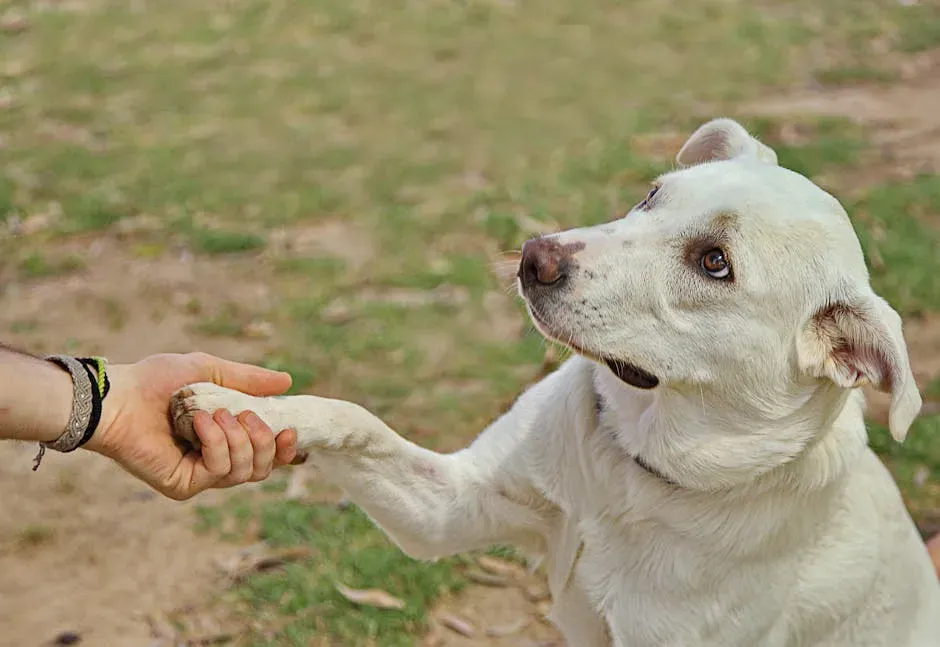
It’s easy to think of the bond as primarily something the dog gives to you: loyalty, affection, presence. The truth is more balanced than that. Your dog’s willingness to live alongside you, to follow your cues and accept your leadership, is itself a profound act of trust. Animals may be more willing to comply with people they know and trust than with strangers, especially in somewhat uncomfortable situations or when putting themselves in a vulnerable position. Every time your dog follows you into an unfamiliar place, or stays calm during a vet visit because you’re there, that trust is on full display.
Psychologists believe that the relationship between human and canine is a bidirectional attachment bond, which resembles that of the typical human caretaker and infant relationship, and shows all of the usual hallmarks of a typical bond. The safe haven effect describes how canines more freely explore novel objects in the caretaker’s presence. Your dog draws courage from you. That’s not a small thing to carry, and most dog owners, without ever naming it, already understand it.
More frequent interactions with pets, including affection and play, are linked to stronger and more secure bonds. The companionship of dogs has added meaning to human lives for thousands of years. Amid declining birth rates and a weakening of traditional support systems, that bond may now be more important than ever. In a world that can often feel fragmented and transactional, the uncomplicated fidelity of a dog carries a kind of weight that’s hard to overstate.
Conclusion: The Agreement You Never Had to Sign

Nobody sat down and negotiated the terms. There was no contract, no conditions, no fine print. The agreement between you and your dog formed quietly, through thousands of small moments: the morning walk, the quiet evening on the couch, the look exchanged across a room. And science, for all its precision, ultimately confirms what dog owners have always known intuitively: this bond is real, it is mutual, and it matters.
It’s worth taking a moment to recognize what an unusual thing this is. Two completely different species, separated by biology, language, and lived experience, somehow arrived at a relationship built on genuine trust and care. That doesn’t happen by accident. It took millennia of evolution, countless generations of living side by side, and something that resembles, in the most honest sense, a choice made by both parties every single day.
The next time your dog settles beside you without being asked, or meets you at the door as if your return was the best thing that happened all day, remember: that’s the agreement, quietly renewed. You take care of them. They take care of you. No words required.


