
There’s a particular kind of quiet sadness that creeps in when you notice your dog hesitating at the bottom of the stairs. The pup who used to bound up two at a time now stands there, working up the nerve. It’s one of those small moments that reminds you time moves differently for our dogs, and that aging for them is a physical reality that can arrive faster than we expect.
Arthritis affects nearly 20% of all adult dogs and up to 80% of dogs over eight years old, making it one of the most common sources of chronic pain. The good news is that your home itself can become a genuinely powerful tool in managing that discomfort. You don’t need a renovation budget or a veterinary degree. You need a few smart, targeted changes that most owners overlook entirely.
#1: Turn Your Floors Into Safe Pathways with Non-Slip Runners
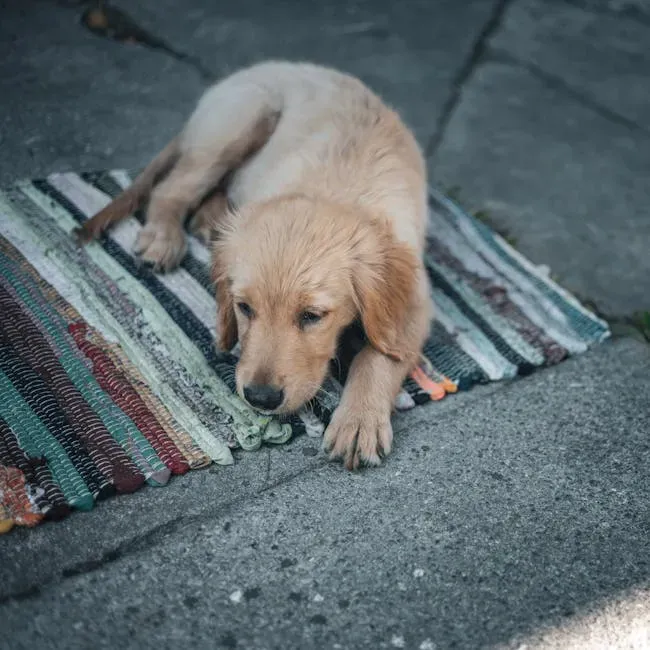
If there’s one change that costs relatively little and pays back immediately, it’s addressing your floors. Slippery hardwood or tile floors are challenging for dogs with arthritis, because their painful joints face additional strain when trying to maintain balance on slick surfaces. That extra effort to stay upright isn’t just exhausting – it makes every trip to the water bowl feel like a minor ordeal.
Adding carpet runners or non-slip rugs on hardwood or tile creates secure pathways through a home, and this simple change prevents falls and builds confidence in dogs who might otherwise become hesitant to move around. Think about where your dog travels most – the hallway, the path from bed to the back door, the stretch between their sleeping spot and their food – and focus your efforts there first.
Focus on high-traffic areas, paths to food and water bowls, and resting spaces. Secure rugs with non-slip backing or adhesive strips to prevent bunching. Yoga mats and rubber gym floor tiles offer practical, easy-to-clean alternatives. The goal isn’t to cover every inch of your home. It’s to create connected, confident routes your dog can follow without second-guessing every step.
Add runners to the space around your pet’s bed, at the base of stairs, on the stairs themselves, and leading up to their food. Runners should be visually consistent and have a vibrant pattern to help vision-impaired pets identify safe spaces. This last detail is easy to overlook, but for dogs with declining eyesight, a high-contrast rug edge is actually a useful visual cue.
#2: Upgrade to a True Orthopedic Bed – and Place It Strategically
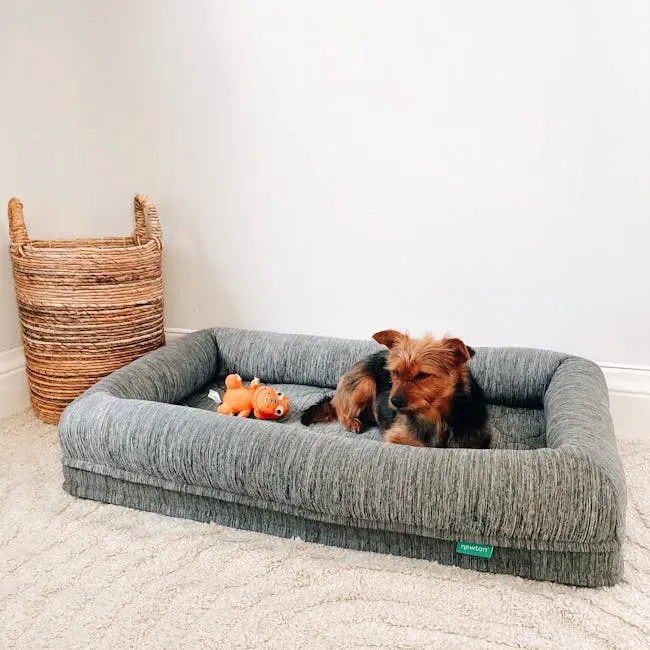
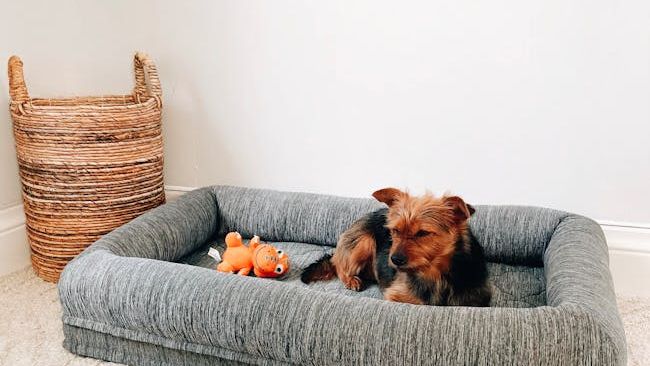
Sleep is where recovery happens, and for a senior dog managing joint pain, the surface they sleep on can determine how stiff or how mobile they feel the next morning. Orthopedic bedding with memory foam provides crucial joint support and pressure relief, and these specialized beds distribute weight evenly, reducing pain points and promoting better sleep. That’s not a marketing claim – it’s basic physics applied to aging joints.
Investing in a true orthopedic bed with at least 3-4 inches of memory foam is ideal to cushion painful joints. Thickness really does matter here. A thin foam pad flattens quickly under body weight and ends up doing very little. Choose beds large enough for full stretching and thick enough to prevent joint pressure against the floor. Waterproof covers are also essential for senior dogs who may experience incontinence.
Place the bed in a warm, quiet, and draft-free spot where your dog feels secure but not isolated. Having a supportive bed in the main family room and another in the bedroom ensures they always have a comfortable place to rest near you. Proximity to the family matters more than people realize. Isolation can increase anxiety in older dogs, especially those with early cognitive changes.
Position beds in draft-free areas, as senior dogs often become more sensitive to temperature fluctuations. A bed placed near an air vent or a drafty window might be the reason your dog keeps abandoning what you thought was the perfect sleeping spot. Small placement adjustments can make a surprisingly big difference in whether a bed actually gets used.
#3: Install Ramps to Eliminate Painful Jumps
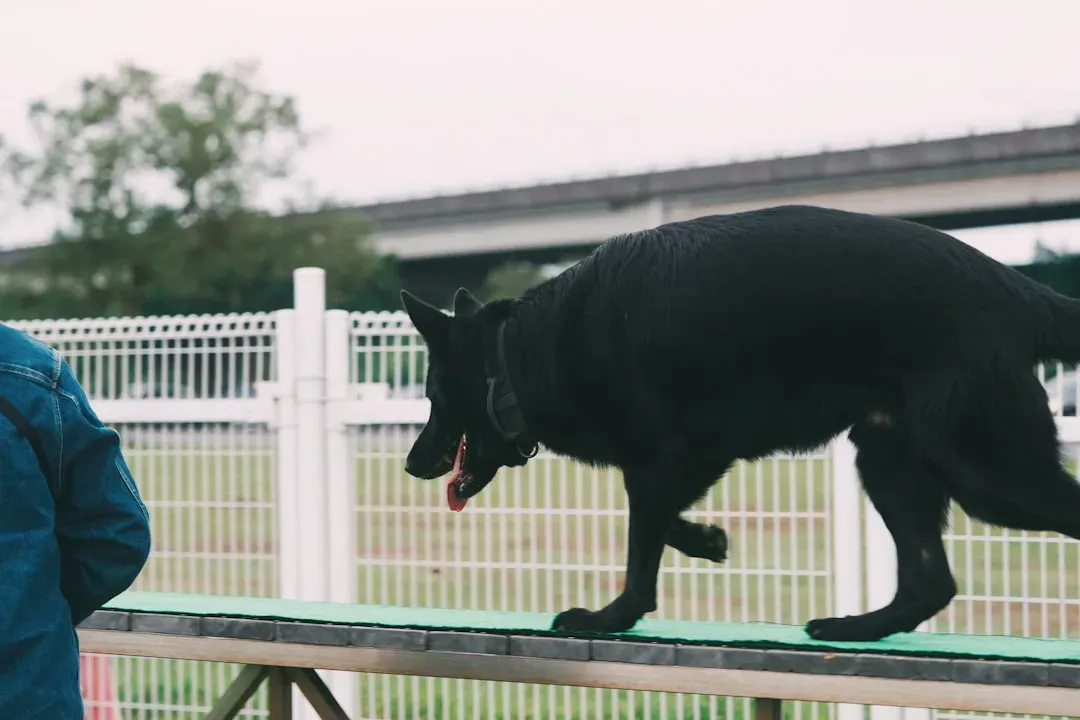
Jumping on and off furniture might look easy, but for a dog with joint pain, the landing impact alone is significant. Walking up a ramp is a safer and more comfortable way for your senior dog to get onto beds and couches compared to jumping, which can strain their back and legs, as well as lead to accidents. It’s one of those habits – letting your dog jump – that seems harmless until you realize the cumulative toll it’s taking.
Using properly specified ramps with a slope between 10 and 18 degrees helps your dog access furniture and vehicles safely. Steeper than that and the ramp becomes a source of fear rather than freedom. Use ramps to provide access to spots that might otherwise require climbing stairs or jumping up, and cover the ramp with carpet or another nonslip material, adding rails or other physical barriers if needed, to prevent falls.
A few well-placed ramps can be life-changing for aging dogs, as a gentle slope leading into the door, bed, or car can ensure your dog needn’t limit their daily adventuring or have to drop their usual routines while getting around your home. That sense of routine and independence is genuinely important to a dog’s emotional wellbeing, not just their physical comfort.
Introducing new items like ramps requires patience. Your dog may be wary of these unfamiliar objects at first. A slow, positive introduction is essential for building their confidence. Don’t rush it. Leave treats on the ramp, let them sniff it for a few days, and guide them across it with calm encouragement. Most dogs come around faster than their owners expect.
#4: Raise Their Food and Water Bowls to the Right Height
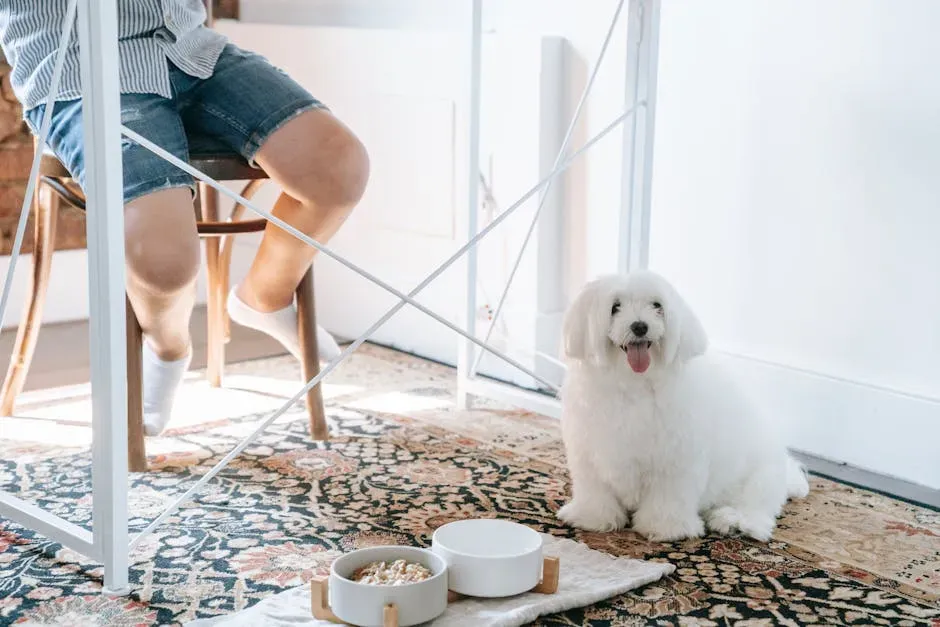
This hack often gets skipped because it seems too simple to matter – but it matters quite a lot. For large-breed dogs or those with neck and spine arthritis, leaning down to eat can be a significant strain. Elevated bowls raise their food and water to a comfortable height, promoting better posture and potentially aiding digestion. Think about how uncomfortable it would be to eat every meal hunched over on the floor with a stiff back. That’s what many senior dogs experience at every single feeding.
Measure your dog from the floor to their shoulder and aim for a bowl height that allows them to eat without craning their neck down or stretching it up. There’s a sweet spot, and it’s worth a few minutes with a tape measure to find it. As dogs age, it may become more difficult for them to lower their neck to eat food or drink water, so investing in a raised platform or using something around the house, such as a shoebox, to elevate their existing bowls can make an immediate difference.
Keeping food and water in a consistent, easily accessible location is equally important. Try keeping all the essentials in one place so your senior pet doesn’t have to get too far to reach food, water, and favorite toys. Every extra step across a slippery floor is a small risk. Consolidating their essential spots reduces that risk without requiring any sacrifice in routine or quality of life.
Some dogs will need a few days to adjust to a new bowl height, particularly if they’ve been eating at ground level their whole lives. Stick with it. Once they realize the position is easier, they typically adapt quickly and eat with noticeably less hesitation.
#5: Keep Their Mind Active with Low-Impact Mental Enrichment
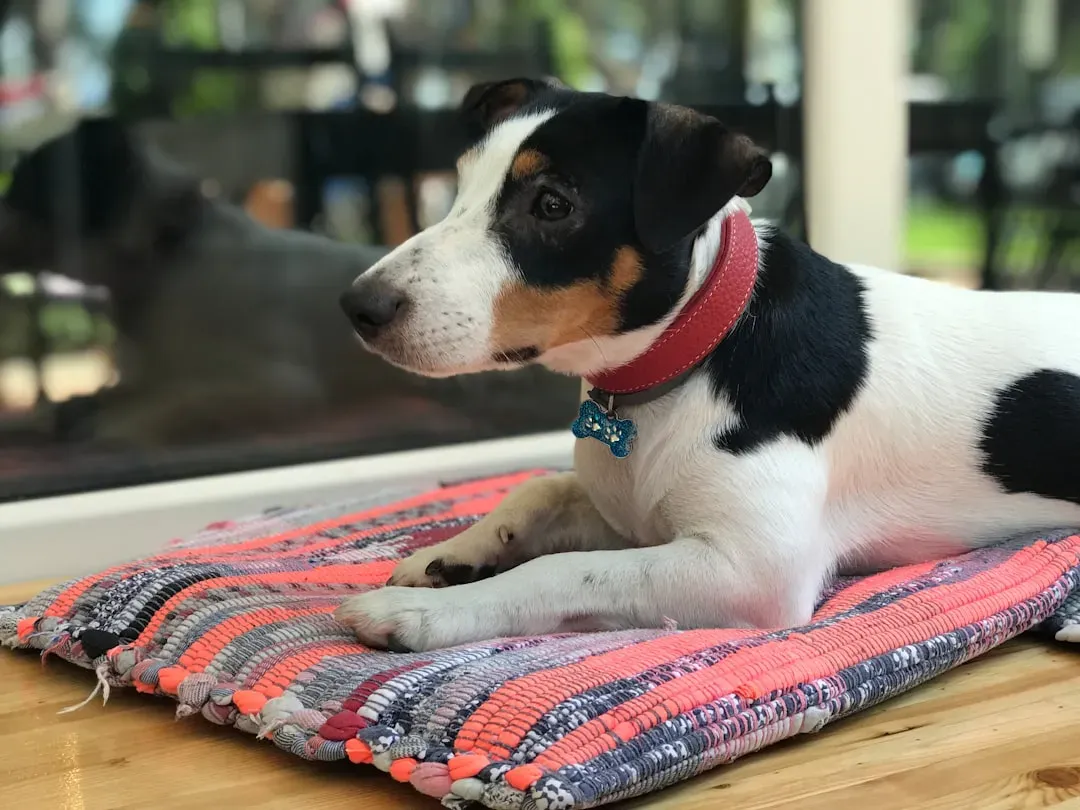
Physical comfort is only part of the picture. Your senior dog might not always be as physically active as they once were, but that’s no reason to stop stimulating their brain and engaging them in play. Cognitive engagement keeps older dogs emotionally grounded, reduces anxiety, and can actually slow the progression of cognitive decline – something that’s easy to take seriously once you’ve seen it in a dog you love.
It is important to keep your aging dog’s brain fit. Simple nose work games can help motivate both your dog’s brain and body to stay younger. Scatter treats throughout your home for your dog to hunt and find, or create a “kibble trail” outdoors for a healthy brain game. This kind of activity requires almost no physical exertion but keeps the mind working. It’s also something most dogs genuinely seem to enjoy.
Interactive toys and puzzles, like soft snuffle mats filled with your dog’s favorite treats, will spark enough interest to keep their brain engaged. Snuffle mats in particular are excellent for seniors – they’re low to the ground, require no jumping or sudden movement, and tap into natural foraging instincts that never really fade with age. For catch and fetch, softer balls designed for senior dogs are gentle on older jaws and teeth, while chew toys for seniors are made from softer materials that still safely satisfy the urge to chew.
Predictable routines become increasingly important for senior dogs, as regular mealtimes, consistent walking schedules, and familiar paths help aging dogs who may experience some cognitive changes. Structure is a form of comfort in itself. Knowing what comes next, even for a dog, reduces background anxiety and creates a sense of safety that no amount of furniture modification can fully replicate on its own.
A Final Thought on Caring for an Aging Dog
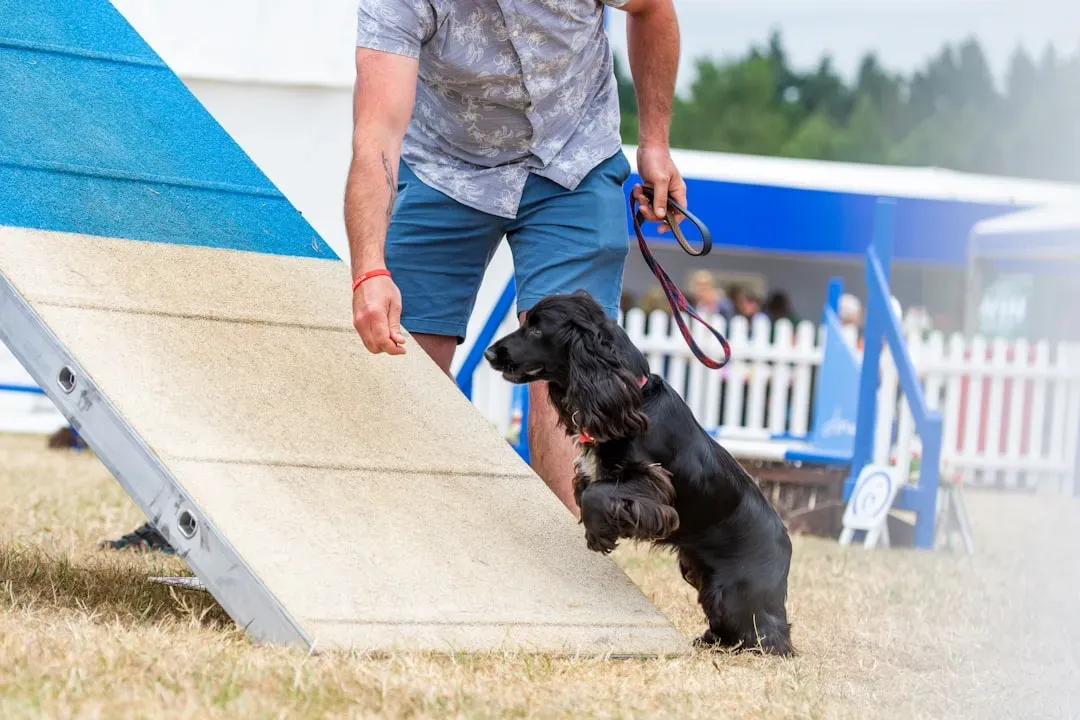
None of these changes require a major overhaul of your home or your lifestyle. Simple, thoughtful changes to your living space can make a world of difference for a senior dog managing joint pain. The truth is, most of what your older dog needs from you isn’t expensive or complicated – it’s attentive.
Modifying your home for a senior pet can greatly improve their quality of life, helping them feel safe, comfortable, and supported as they age, and along with regular veterinary checkups, small adjustments to their environment can make a significant difference in their well-being. The vet visits matter, the medications matter – but so does the rug in the hallway and the ramp by the couch.
Personally, I think we owe our senior dogs more credit than we give them. They’ve spent years adapting to our world – our schedules, our furniture, our floors. Making a few small adjustments so their world fits them a little better isn’t going above and beyond. It’s just paying it back. And honestly, watching an old dog move through the house with a little more ease and a little more confidence? That’s its own quiet reward.


