
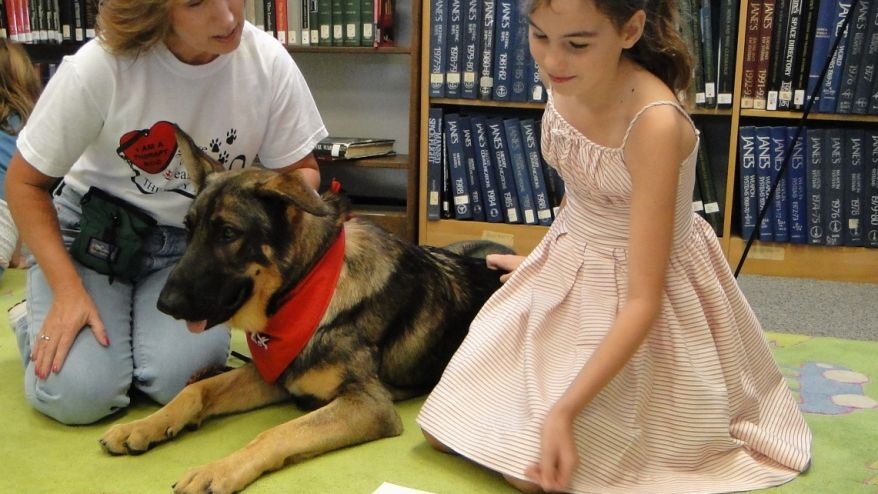
There’s something almost disarming about the way a dog looks at you. Not through you, not past you – at you. That specific, unhurried attention feels personal, and in a very real biological sense, it is. What we call a dog’s loyalty isn’t sentiment dressed up in fur. It’s a deeply rooted, scientifically measurable force that has been shaping the lives of humans for thousands of years.
Most people understand this on an emotional level. They’ve felt it after a hard day, arriving home to a creature that responds as though nothing else in the world matters. What most people don’t fully appreciate is just how profound, layered, and well-documented that feeling actually is. The science behind it is more fascinating than the folklore.
A Bond That Started Long Before Anyone Was Keeping Records
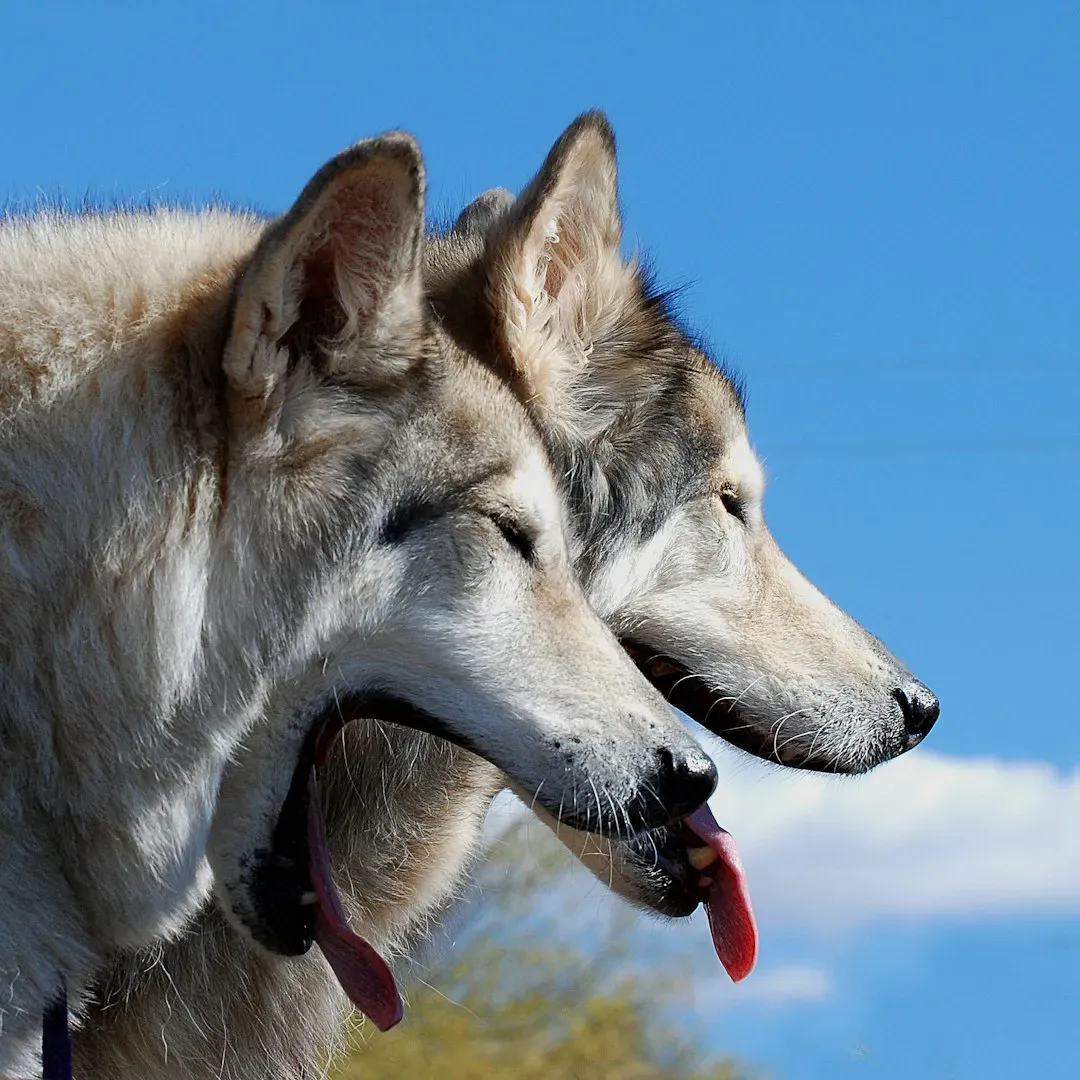
Tens of thousands of years ago, a few wolves began living closer to people. The proximity benefited everyone – the proto-dogs found a food source in human refuse, and people gained an early warning system when intruders approached. Gradually, interactions increased and individual connections were made as those former wolves evolved into the creatures we now recognize as dogs.
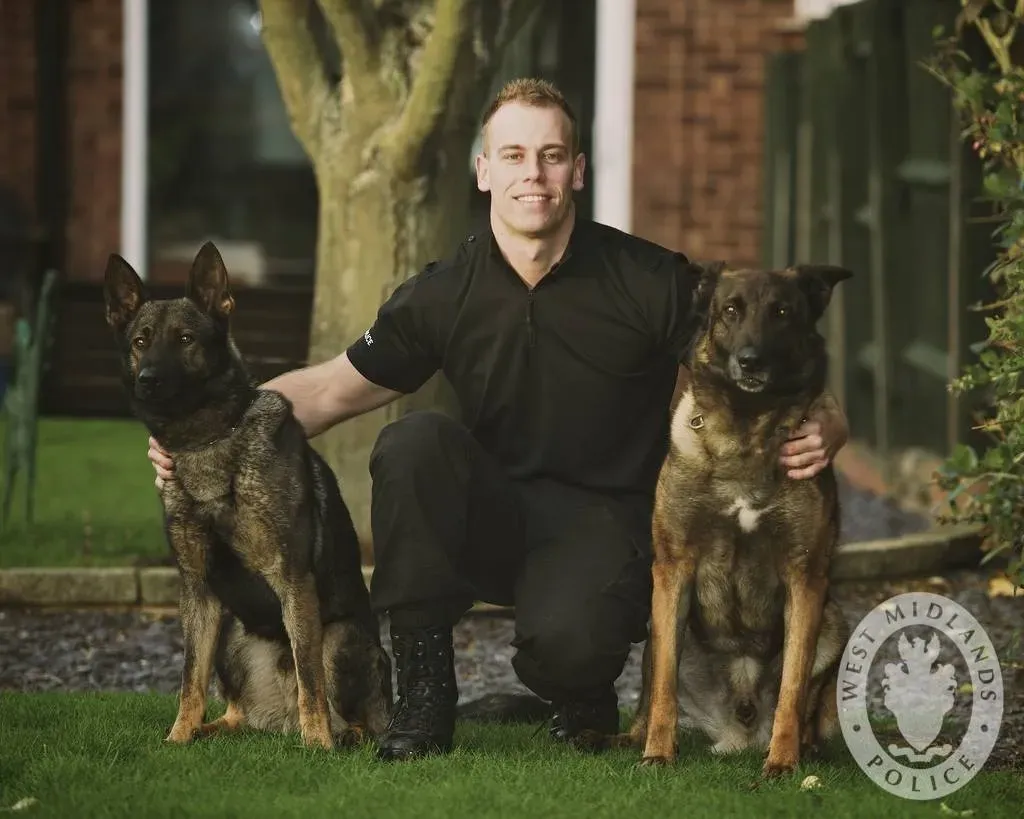
They served as hunting partners, and when people began to keep livestock, they protected and moved those animals from place to place. Over time, in many cultures, the primary role of dogs became that of companions, leading to a bond characterized by loyalty, trust, and amity. That shift wasn’t accidental. It was the product of a slow, mutual evolution.
Dogs developed the ability to form attachments with humans in ways that we easily recognize and respond to, similar to the ways we bond with one another as humans. This unique connection has played an integral role in shaping both human and canine societies. Burial sites going back thousands of years show dogs treated as beloved companions, and the story of how this friendship benefits us both continues to unfold.
The Chemistry of Loyalty: What’s Actually Happening in Your Dog’s Brain
When you share a loving gaze with your dog, both of your brains release oxytocin, often referred to as the “love hormone.” This chemical plays a crucial role in social bonding and is the same hormone that strengthens the connection between human mothers and their infants. The mutual release of oxytocin during interactions like petting, playing, or simply making eye contact reinforces the bond between you and your dog, fostering feelings of trust and loyalty.
Studies have shown that petting and cuddling with dogs cause an increase in oxytocin levels. This surge of oxytocin strengthens the emotional bond between humans and dogs, promoting feelings of affection and connection. It’s a feedback loop, and both sides benefit from it equally. The dog isn’t just performing loyalty for your benefit.
This bond isn’t just emotional; it has real psychological power, releasing oxytocin, lowering stress hormones like cortisol, and easing feelings of loneliness or anxiety. When you reach out to comfort your dog, the comfort flows both ways. That’s not a metaphor. That’s biochemistry in action.
Reading You Like a Book: The Emotional Intelligence of a Loyal Dog
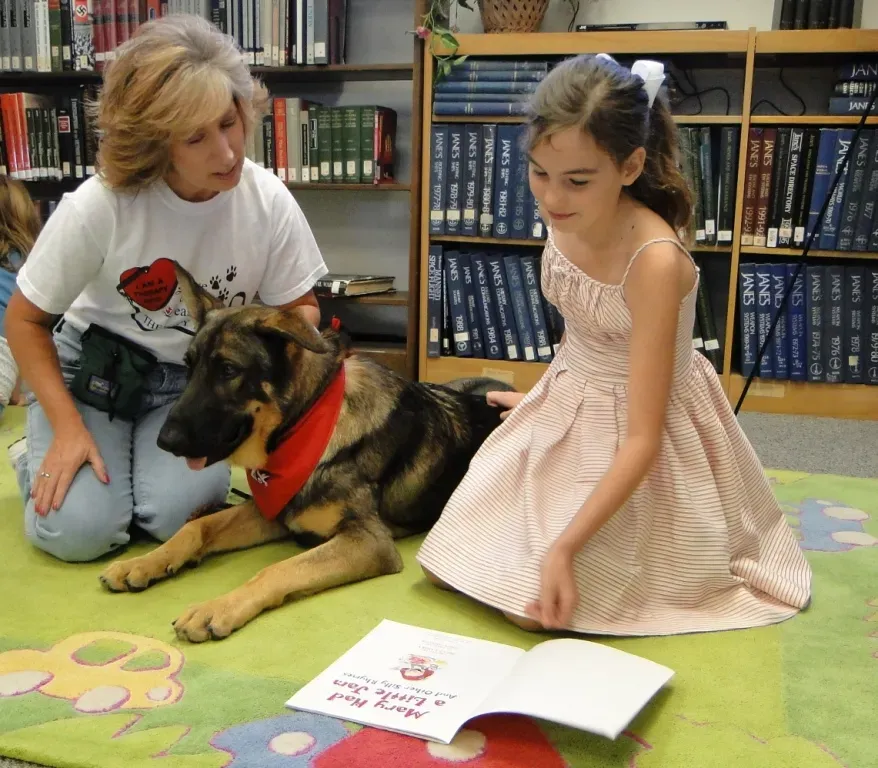
Studies examining the dog-human relationship have found that over such a long time of living so closely with people, dogs have developed the ability to empathize with human beings, read our body language and facial expressions, and develop their own ways of communicating with us. This isn’t a trick trained into specific breeds. It’s a species-wide capability built over millennia.
Dogs are remarkably attuned to human emotions. They can sense when you’re happy, sad, stressed, or relaxed, and often adjust their behavior accordingly. This sensitivity is a result of their keen observational skills and their desire to maintain harmony within their social group. By responding to your emotional states, dogs demonstrate empathy, further strengthening the bond of loyalty between you.
Dogs are highly sensitive to human emotions, thanks to their ability to read body language, facial expressions, and even changes in scent. Some studies show that dogs can differentiate between happy and angry faces and respond accordingly. The loyalty isn’t blind. It’s informed, responsive, and remarkably precise.
Loyalty That Shows Up When It Matters Most
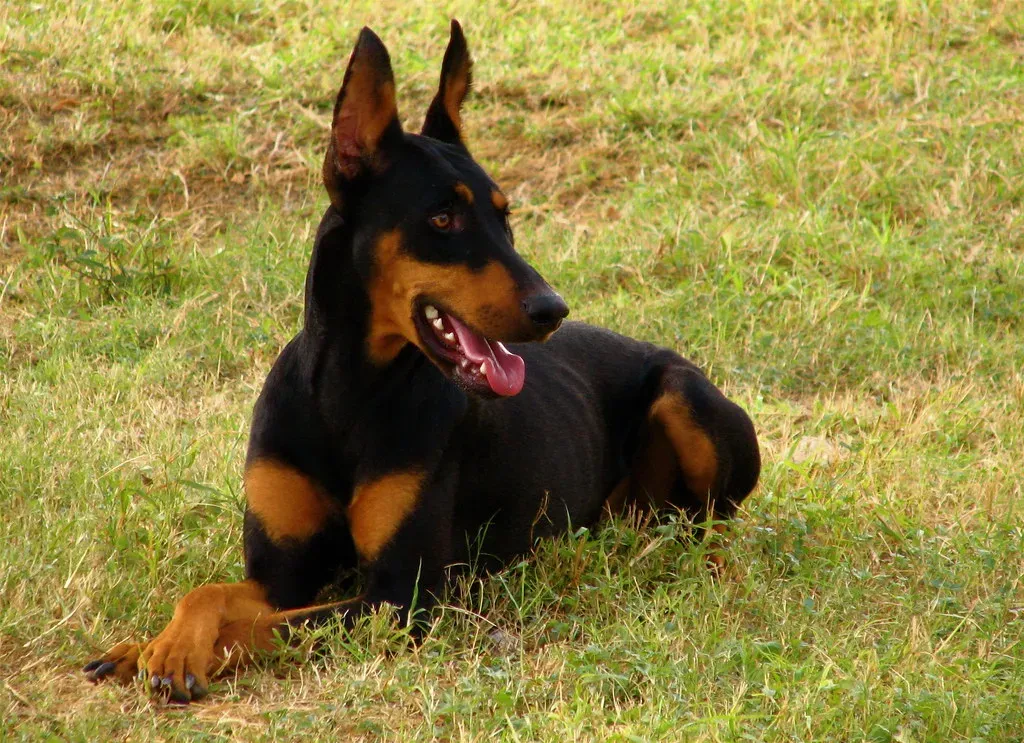
Dogs are incredibly dependable companions, offering constant companionship through life’s ups and downs. They remain by their owner’s side during illness, grief, or joy, asking for little in return but love and care. This consistency forms a deep, lasting bond between dogs and their owners. Many people discover just how real this is during their hardest moments, not their easiest ones.
Veterans coping with PTSD report that, since their dog came to live with them, they have felt calmer, less lonely and depressed, less fearful, and generally better able to care for themselves. They report exercising and enjoying nature more. It’s quietly extraordinary that an animal can deliver outcomes that trained therapists sometimes struggle to achieve.
The story of Hachiko, who would wait for his owner at the Shibuya train station every day, is one of the most well-known examples of canine devotion. Even after his owner passed away unexpectedly, Hachiko continued to return to the station daily for nine years until his own passing. This enduring loyalty earned him a statue at Shibuya Station, symbolizing the incredible bond between dogs and humans.
How We Nurture the Bond That Already Exists
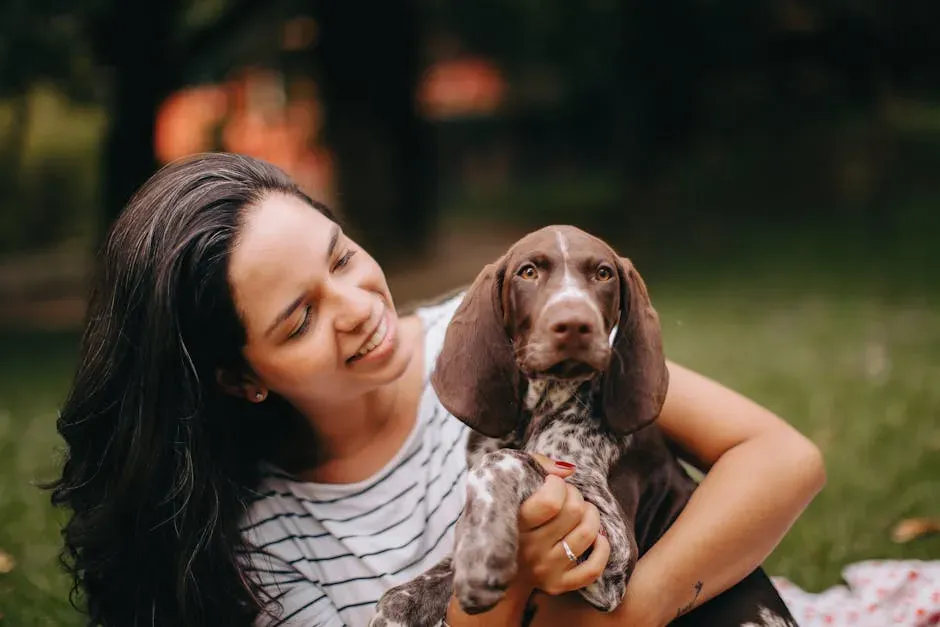
Consistency is key when it comes to nurturing loyalty in dogs. Establishing a daily routine and engaging in regular activities with your furry friend can make a significant difference in strengthening your bond. Dogs thrive on predictability and familiarity, so having a set schedule for meals, walks, playtime, and training sessions can bring about a sense of security and trust.
Beyond their basic needs, it’s important to engage in activities that your dog enjoys. This could be anything from playing fetch in the park to going on long hikes together. These shared experiences not only provide physical exercise but also create lasting memories and reinforce the bond between you and your dog. The investment is modest. The return is lifelong.
The human-canine bond is strengthened, or diminished, depending on the quantity and quality of the time spent with the canine and through activities such as routine walking, feeding, grooming, and play. That’s worth sitting with. The bond isn’t guaranteed by ownership alone. It grows through attention, care, and presence – which is, when you think about it, exactly how any meaningful relationship works.
Conclusion: The Loyalty You Didn’t Know You Needed
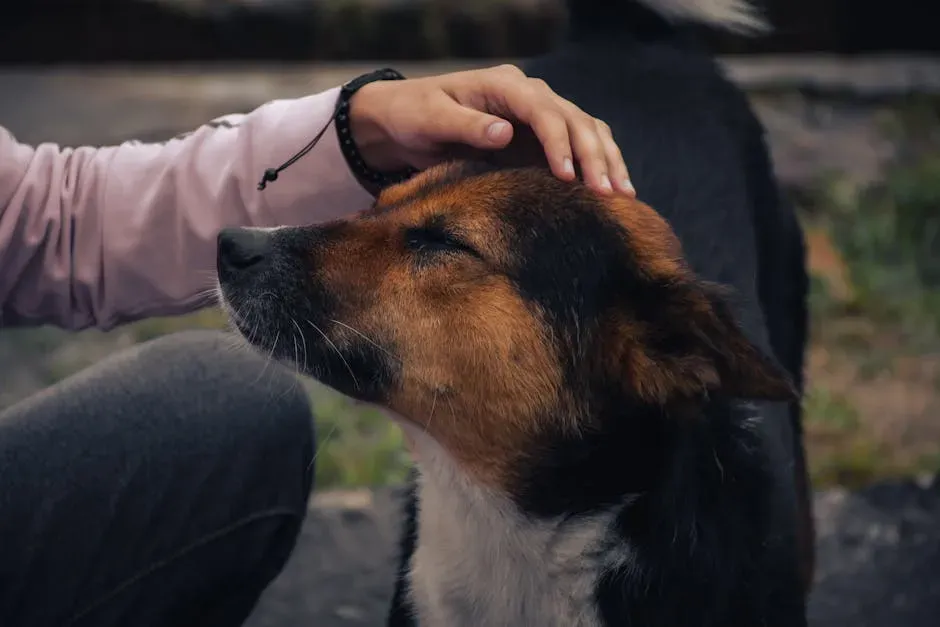
There’s a tendency to sentimentalize the relationship between dogs and humans, to reduce it to greeting cards and cozy hashtags. The reality is richer and more grounded than that. The close bond that can exist between humans and their dogs is an important aspect of the evolutionary, economic, and social connections between the two species. It’s not just sweetness. It’s depth.
What makes a dog’s loyalty so striking isn’t that it’s unconditional in the fairy-tale sense. It’s that it’s earned, biological, consistent, and quietly heroic when tested. Research has found that dog owners often rate their relationships with their dogs as more satisfying than those with their closest human companions. That finding tends to surprise people – until they think about their own dog for a moment.
In the end, the bond between a person and a dog may be one of the few relationships in a human life that genuinely asks nothing complicated in return. No status. No performance. Just presence, care, and the willingness to show up. Turns out, that’s exactly what loyalty looks like, in any species.


