
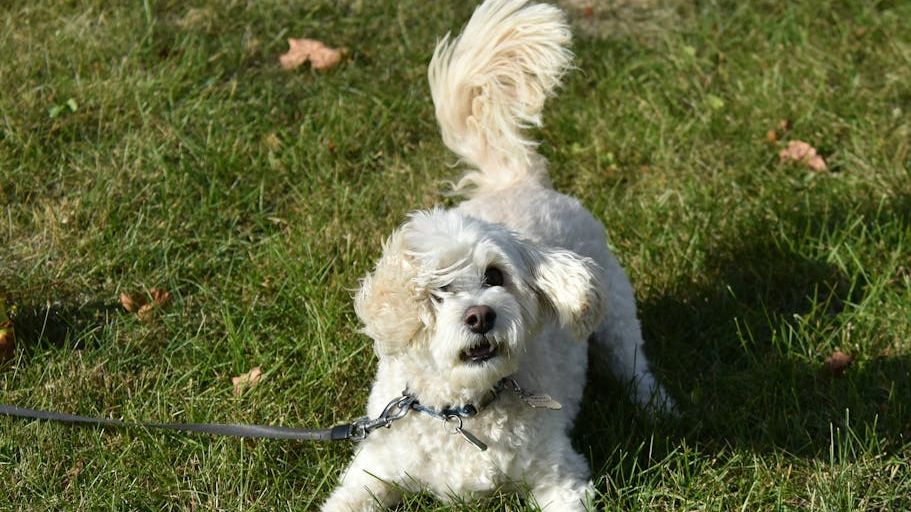
You walk through the front door. Before you’ve even set your keys down, something wonderful happens. Your dog doesn’t just wag their tail. Their whole rear end starts swinging. Their spine curves into a wriggle. Their paws tap the floor in an uncoordinated little dance, and their face is open and soft and absolutely lit up. It’s one of the most recognizable moments of joy shared between a human and an animal.
Most people assume it means their dog is happy, which is true enough. But there’s actually a lot more going on in that full-body shimmy than pure emotion. Understanding what it really signals, why dogs do it, and what separates genuine overjoyed excitement from other kinds of movement can completely change how you connect with your dog.
The Full-Body Wag Is Its Own Special Language
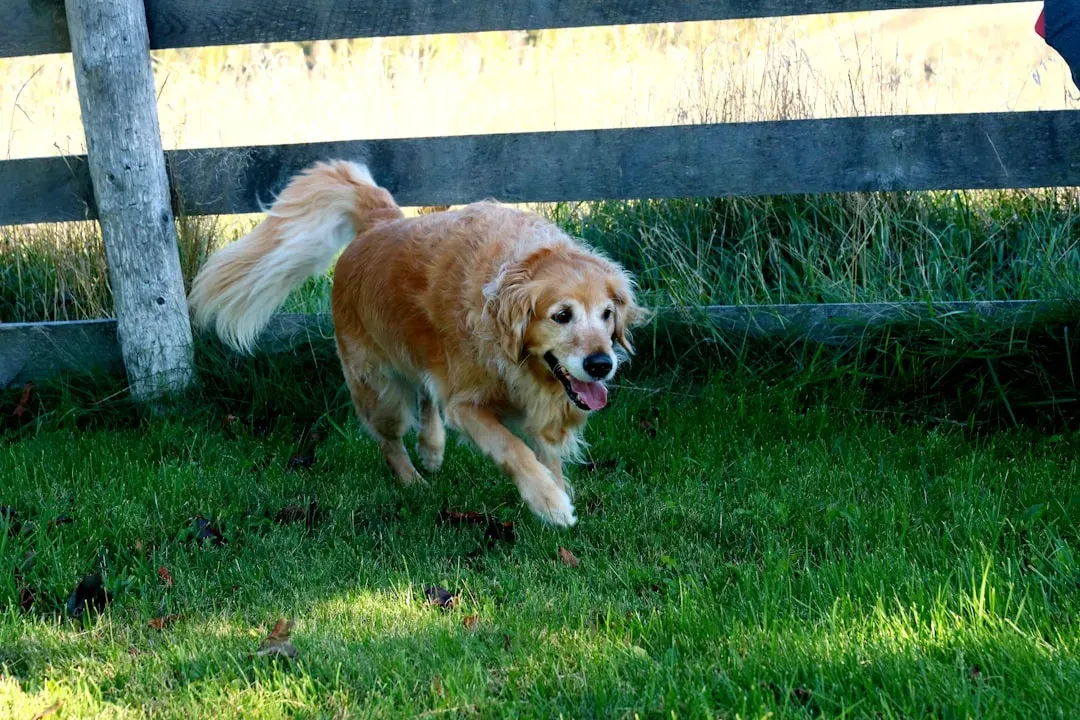
A broad, full-body wag that moves the hips is typically a clear sign of friendliness and excitement, and this kind of wag is commonly seen in dogs who are eager to play or interact with their favorite people. It’s the difference between a polite handshake and a full-on bear hug. When the whole back half of your dog is involved, that’s not just communication – that’s celebration.
The happy greeter is pure wiggles: a loose body, a big sweeping tail wag where sometimes the whole butt goes with it, soft eyes, and a relaxed, open mouth that looks like a smile. It’s nearly impossible to mistake this for anything but pure joy. The looseness is the key here. A stiff or rigid body changes the story entirely, but when everything flows and wiggles, your dog is genuinely telling you they’re thrilled you’re home.
Dogs are highly social animals, and tail movement is one of their most expressive non-verbal signals. Much like human facial expressions or tone of voice, a dog’s tail conveys emotional intent and helps them communicate with people and other dogs. The full-body wag takes that emotional expression and amplifies it across the entire animal. It’s the canine version of screaming with happiness.
What Science Says About Tail Wagging and Emotion
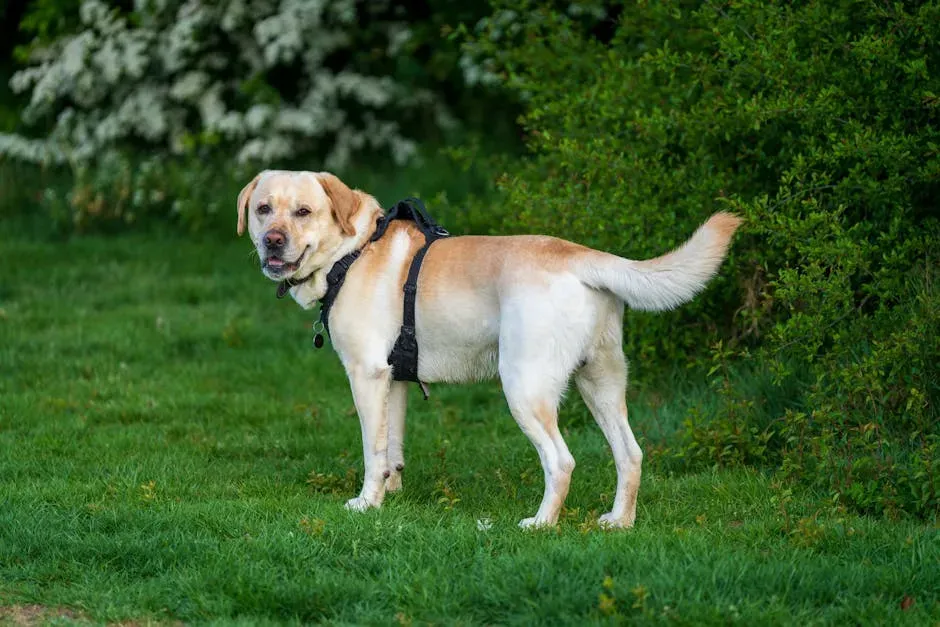
Dogs use their tails as part of their natural communication system, which is deeply rooted in their evolutionary history. A dog’s tail wag is controlled by the brain’s limbic system, which regulates emotions, and when a dog experiences a particular feeling, the brain sends signals to the muscles at the base of the tail, causing it to move in a specific way. That wag is genuinely neurological. It’s not performed or intentional the way a human might smile at the right moment – it’s an honest, automatic broadcast of what’s happening inside.
One of the more fascinating research findings is that tail wagging is an asymmetric behavior. If there’s something a dog encounters that it wants to approach, it wags more to the right side of its body, whereas if there’s something it wants to withdraw from, it wags to the left side of its body. Since the left side of the brain is associated with positive feelings like love and serenity, a happy dog wags its tail to the right. Conversely, the right half of the brain is associated with negative feelings like fear and depression, so a frightened dog wags its tail to the left. So even the direction of that wag carries emotional data.
A study from 2013 confirmed that dogs can also decipher the meaning of the direction of a tail wag in other dogs. Using 43 pet dogs of differing breeds, researchers showed videos of dogs wagging in both right and left directions. When shown a dog with a right-wagging tail, most stayed relaxed and some even attempted to approach the dog on screen. The other group shown a left-wagging dog displayed symptoms of anxiety and their heart rate actually sped up. Dogs, in other words, are reading each other’s wags with a precision most humans never consider.
Not Every Wag Means Joy – Here’s How to Tell the Difference
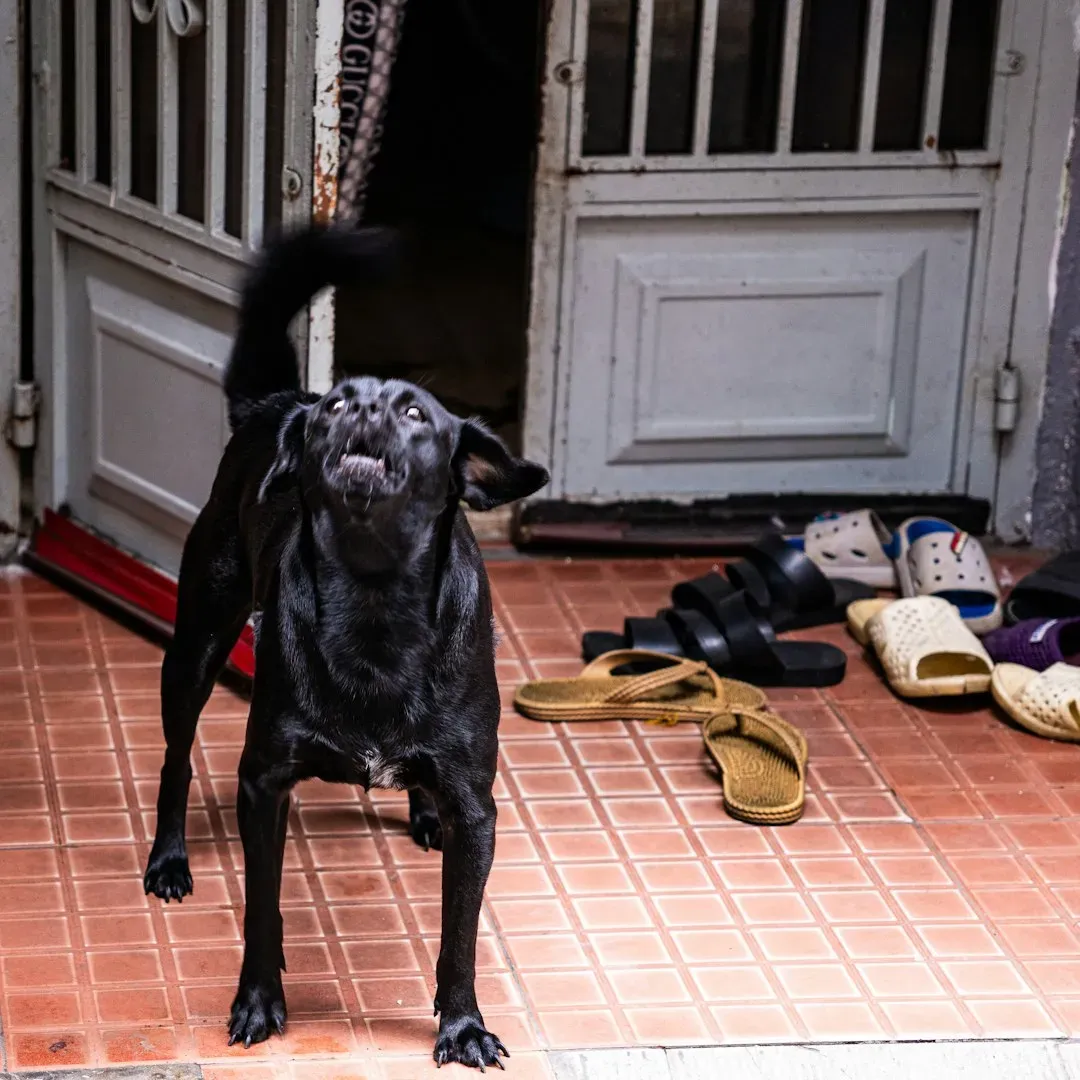
Contrary to the popular belief that a wagging tail always signals happiness, tail movement is a sophisticated form of canine communication. The speed, direction, and position of the wag can express everything from excitement to unease. This is where a lot of well-meaning dog owners get caught out. Seeing a moving tail and assuming everything is fine is one of the most common misreads in dog ownership.
The real secret to knowing what a dog is feeling is learning to see all the signals at once – what behavior experts call cluster signals. A single cue is just a hint. The full story unfolds when you see how the ears, tail, mouth, and body posture are all working together. The full-body wag that signals true joy comes bundled with other cues: an open, relaxed mouth, soft eyes, and a loose posture that carries no tension.
A slow wag combined with a stiff posture may indicate uncertainty or nervousness. This type of wag suggests that the dog is assessing a situation before reacting. If you notice this behavior, it’s best to allow your dog time to evaluate their surroundings and feel safe before proceeding with interaction. When the body is tight and the wag is small or high and quick without any looseness, that’s a very different emotional state – and worth pausing to read more carefully before reaching out to pet or approach.
Why Dogs Developed the Full-Body Greeting at All
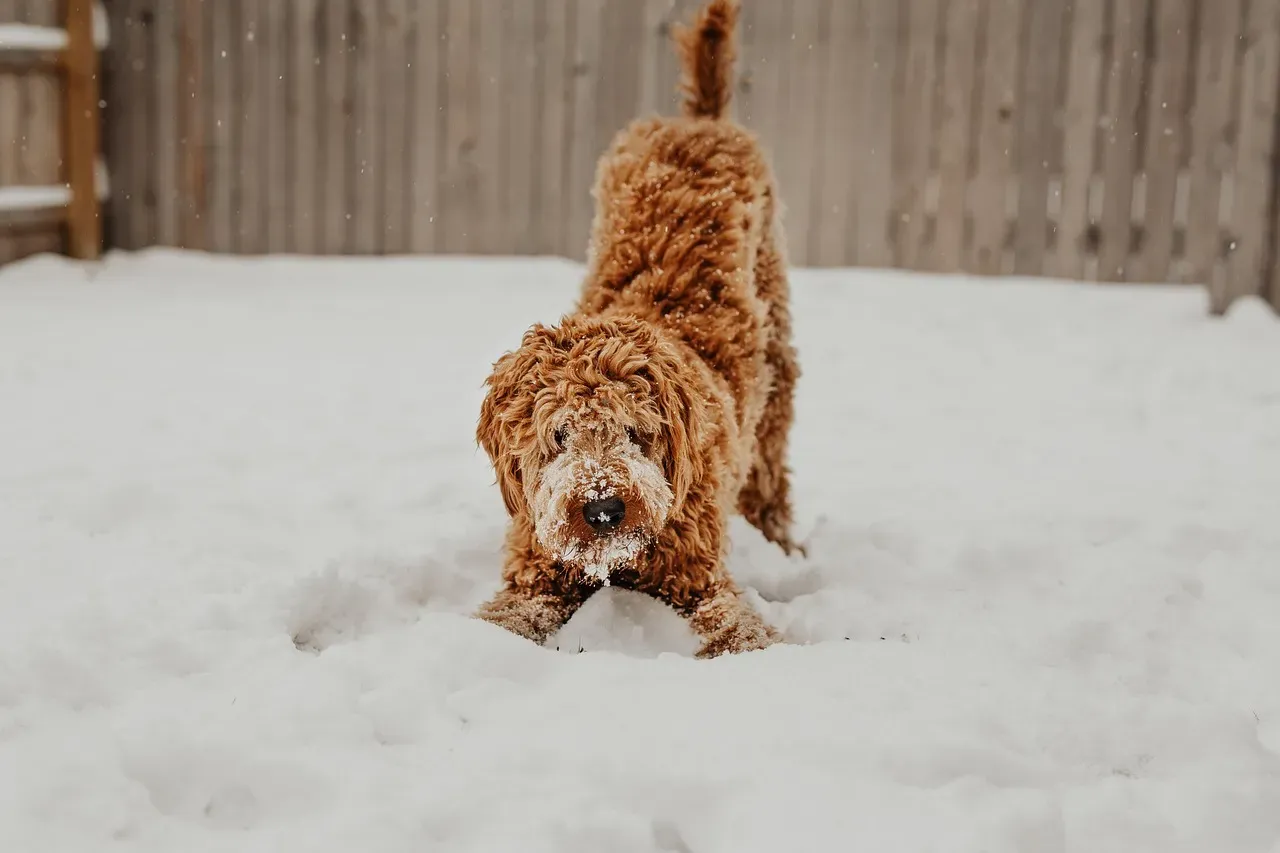
Tail wagging functions as the equivalent of a human smile – a greeting or an acknowledgment of recognition. Dogs tend not to wag their tails unless there is another animal or human nearby with whom to interact. That’s a telling detail. This behavior isn’t something dogs do for themselves. It evolved entirely as a social signal directed outward, toward others.
One hypothesis is that tail-wagging behavior didn’t arise because humans directly selected it, but instead as a byproduct of selection for other traits. Humans were selecting dogs for docility and tameness, but these traits were genetically linked to the tail-wagging behavior. A second hypothesis is that during the domestication process, humans consciously or subconsciously selected dogs that were wagging their tails more, because humans are very attracted to rhythmic stimuli. Either way, thousands of years of shared history between dogs and people helped shape a communication system that speaks directly to us, even without a single word.
Like human infants, dogs must learn their language. Puppies aren’t born knowing what a wagging tail means any more than newborn babies understand words. But when puppies are about a month old, they recognize the need to communicate with their mother and siblings, so they pick up the lingo. A pup wags its tail to tell its littermates that it’s tired of playing or to tell its mother that it’s hungry. From those earliest weeks, the wag becomes one of the primary tools in their social toolkit – and it only grows more expressive from there.
How to Respond to Your Dog’s Overjoyed Greeting
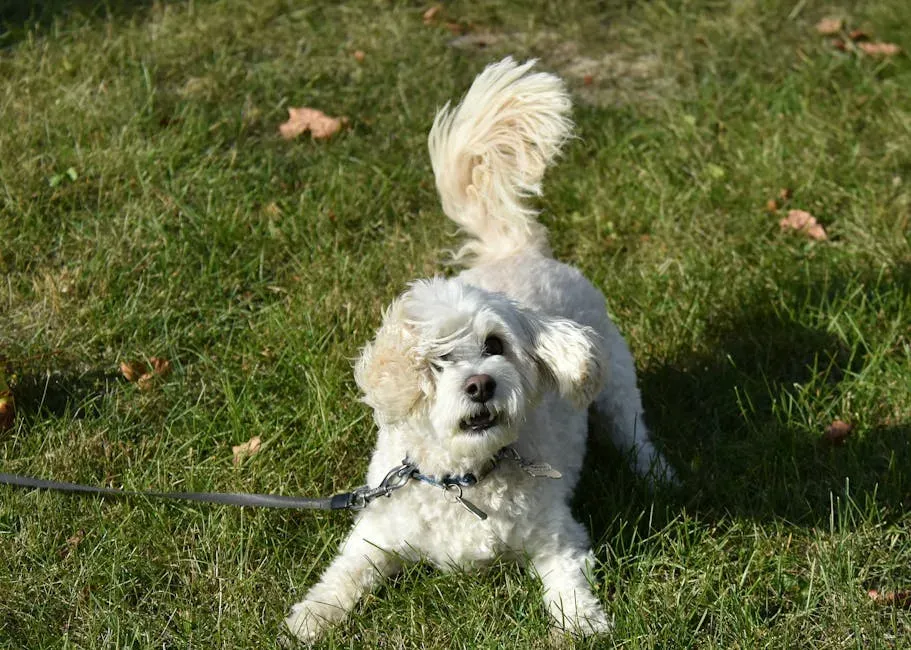
Behavior experts note that a loose, sweeping wag, especially when the dog’s body is relaxed and wiggly, often signals high excitement and positive emotion. Many dogs with this greeting style feel deeply attached. When your dog offers you this kind of welcome, the best response is to match their energy proportionately. Dropping to their level, speaking softly, and offering calm physical affection tends to reward the greeting without escalating it into frenzy.
Celebrating relaxed, joyful wags with gentle praise, affection, or play is encouraged. If you observe tension or uncertainty, responding calmly and reducing environmental stressors rather than forcing interaction is the better approach. Your dog is watching you just as closely as you’re watching them. How you respond to their greeting actively shapes how they greet you in the future.
To decode your dog’s true message, pay attention to their ears, eyes, mouth, body posture, and breathing, along with their greeting routine. When their whole body loosens, their eyes soften, and they settle more quickly once you interact, you are likely seeing a dog who feels safe and securely bonded. Learning to read these signals turns every hello into a chance to understand your dog better and respond in ways that build trust. That understanding, practiced daily in the ordinary moments of coming home, is the foundation of a genuinely strong bond.
Conclusion: The Wag That Says Everything
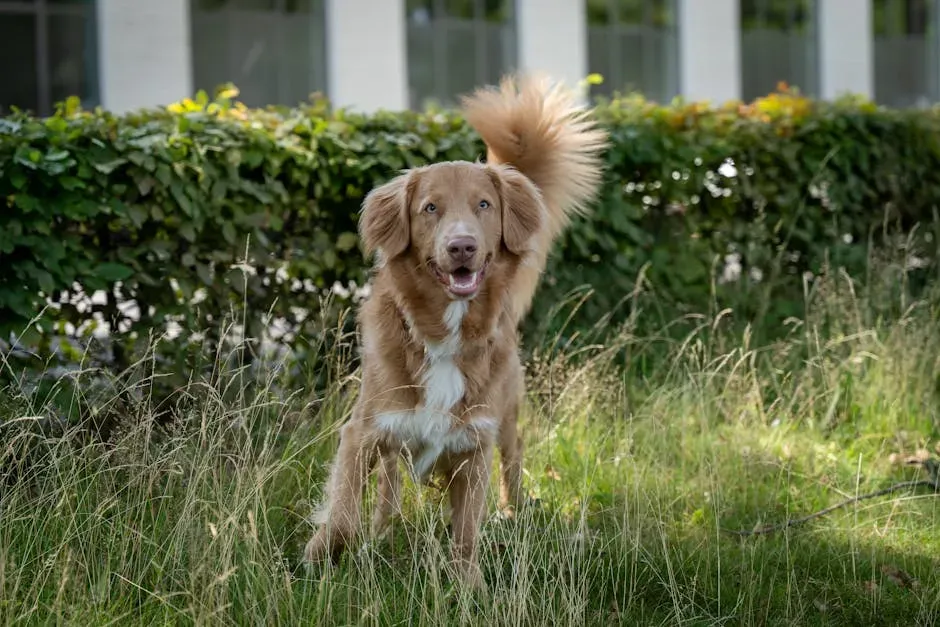
There is something quietly remarkable about a dog’s full-body wag. It’s not calculated or rehearsed. It’s not performed for anyone’s benefit in a deliberate way. It bubbles up from the limbic system, travels down through the spine, and by the time it reaches the tail, it’s taken the whole dog with it.
Science backs what most dog owners already feel intuitively: when your dog’s entire body is involved in that greeting, they are genuinely, unambiguously overjoyed to see you. The direction of the wag, the looseness of the body, the softness in the eyes – it all points to the same thing. You matter to them, deeply and automatically.
Every time you walk through that door and witness the full shimmy, you’re not just seeing a dog being friendly. You’re seeing the living result of thousands of years of co-evolution between two species that, against all evolutionary odds, decided to love each other. That’s worth noticing.


