
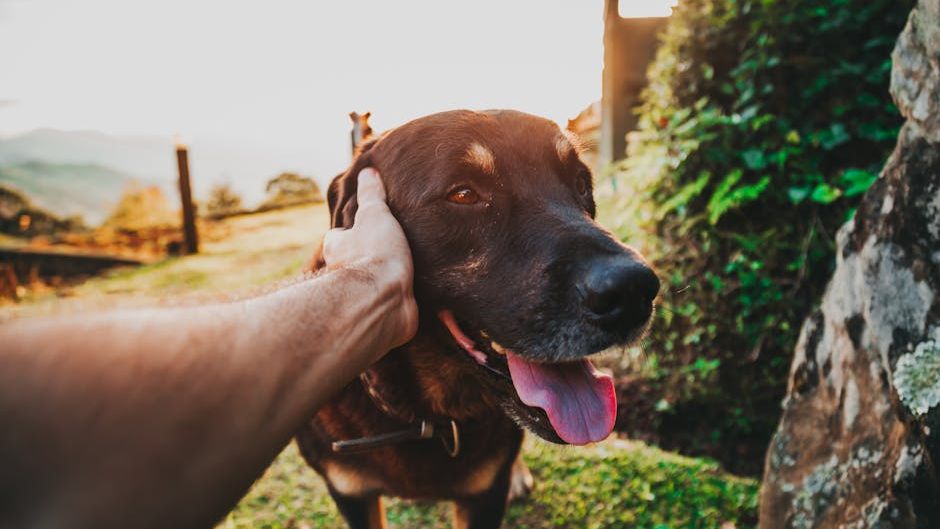
There’s a moment most dog owners know well. You’re sitting quietly, maybe watching TV or reading, and your dog curls up beside you, settles in, and then releases a long, slow breath. It’s not dramatic. It’s not a whimper or a bark. It’s just a sigh, soft and unhurried, like the whole world just exhaled. It stops you for a second, and you find yourself wondering: what does that actually mean?
Turns out, that small sound carries more meaning than most people realize. It’s one of those quiet, overlooked moments in the relationship between a dog and their person that says everything without a single word. Understanding what your dog is telling you when they sigh might just change the way you see every ordinary evening you spend together.
#1: A Sigh Is Often Your Dog’s Purest Expression of Contentment
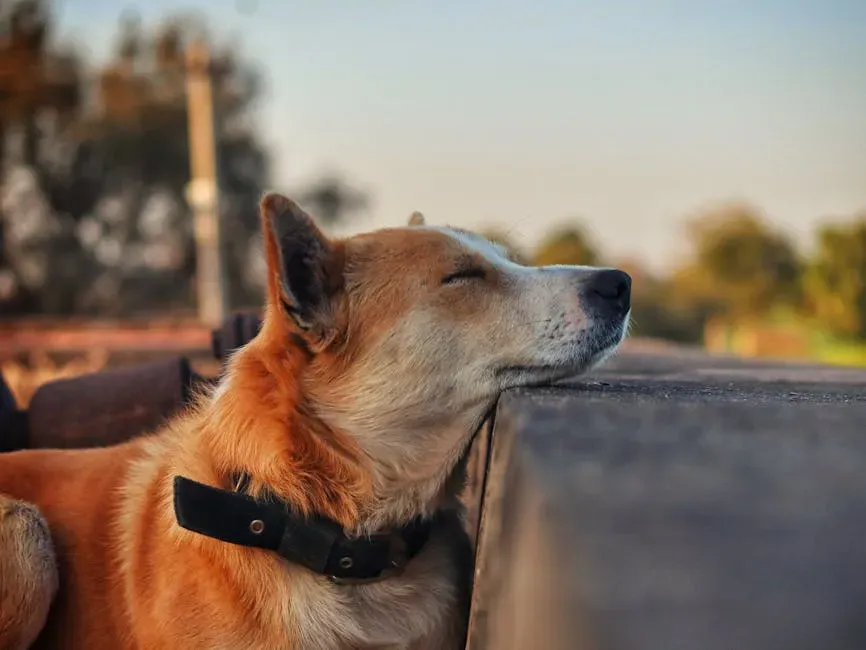
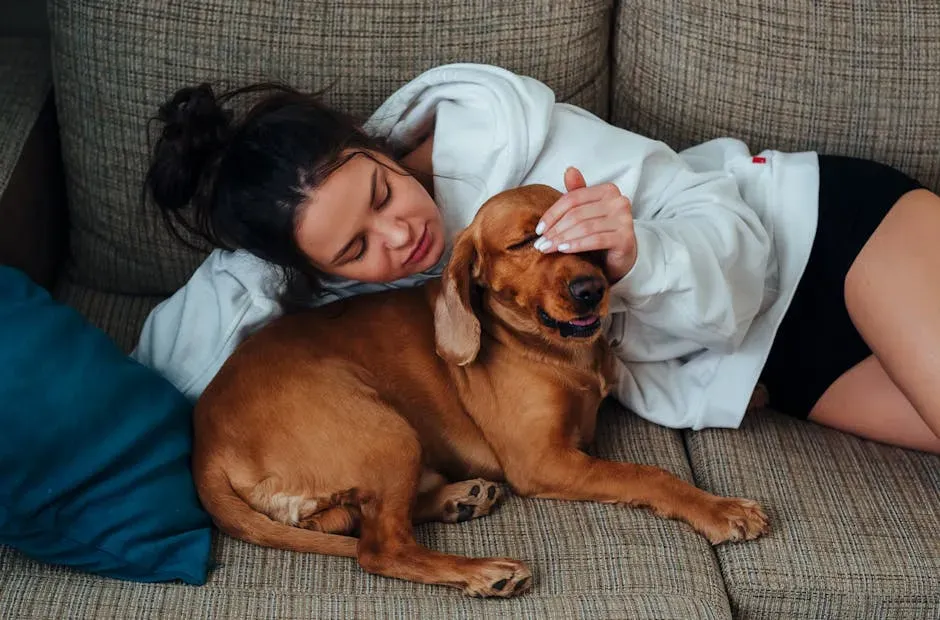
Contentment is one of the biggest reasons dogs sigh, especially if they sigh while resting or before lying down. If your dog lets out a sigh after a fun day and then settles in to relax, there’s a good chance they let that breath go because they feel content and safe. It’s a simple, instinctive release, not rehearsed, not performed for your benefit.
One of the most common reasons dogs sigh is because they’re content. When your dog flops down next to you with that big sigh, it’s because they’re happy to be there with you. They feel safe and loved, and they’re simply enjoying your company. When you think about it, that’s a remarkable thing. You didn’t do anything grand. You just existed in the same room, and that was enough.
A contentment sigh is often soft, paired with relaxed body language, like lying down with eyes closing. It’s the canine version of kicking your shoes off after a long day. Pure, uncomplicated relief.
#2: The Body Language Around the Sigh Tells the Full Story
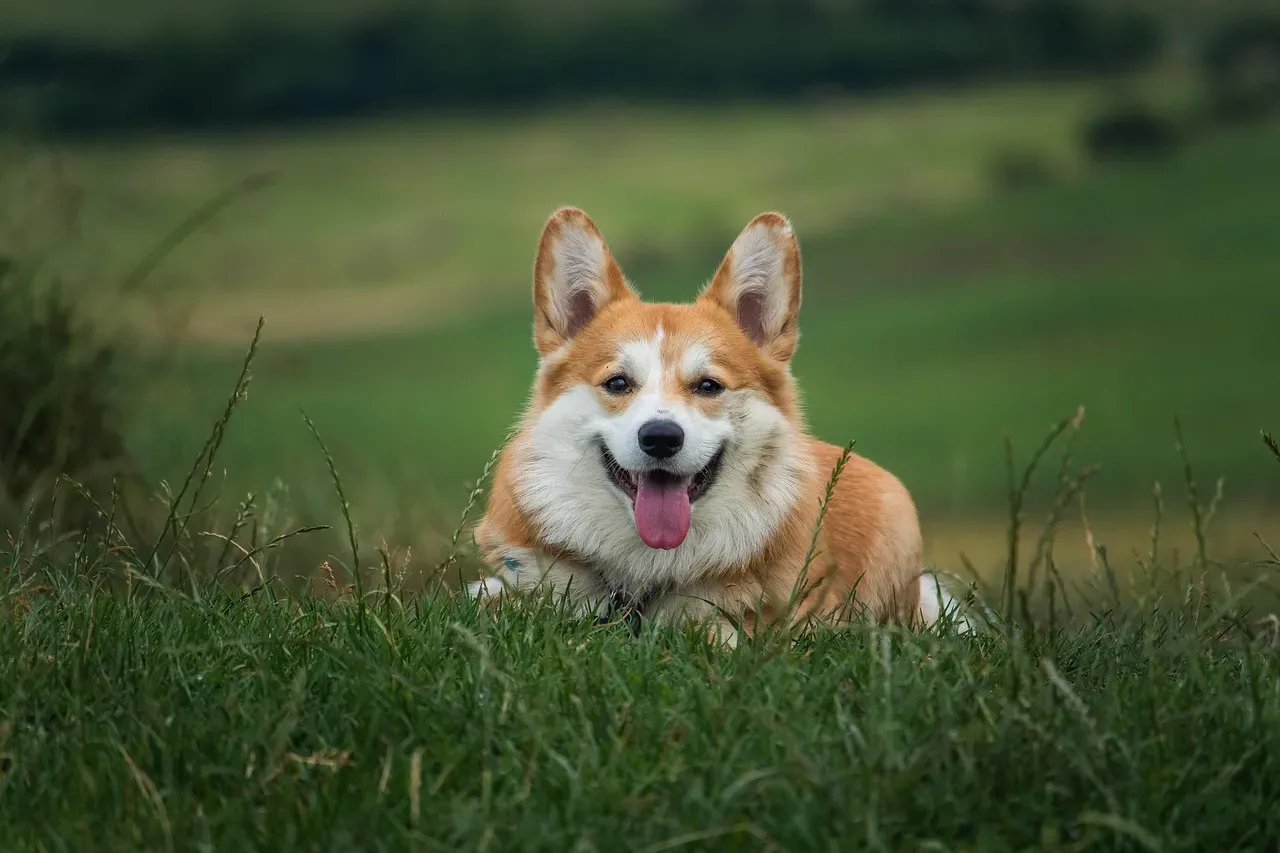
Sighing in dogs, as with humans, involves taking a deep, sometimes audibly louder, inhalation followed by a slow, pronounced exhale. Sometimes the sigh occurs through the mouth, as it does with humans, but often a dog will sigh through their nose while their mouth is closed. Knowing this helps you distinguish a true sigh from other sounds your dog might make.
Context and body language are key. When a dog sighs and then flops down with loose muscles, it’s probably relaxed and happy. Its eyes may also be soft or half-closed. This shows that they are bonded to you and feel safe. A tense posture, pinned ears, or a tucked tail alongside a sigh tells a completely different story. The sigh alone is never the whole sentence.
If your dog sighs and lays their head on their front paws, this usually indicates contentment. They’ve had their playtime and your attention, and now they’re satisfied. Every part of the body is communicating in unison, and the sigh is just the punctuation mark at the end.
#3: When a Dog Sighs While Being Petted, It’s About Trust
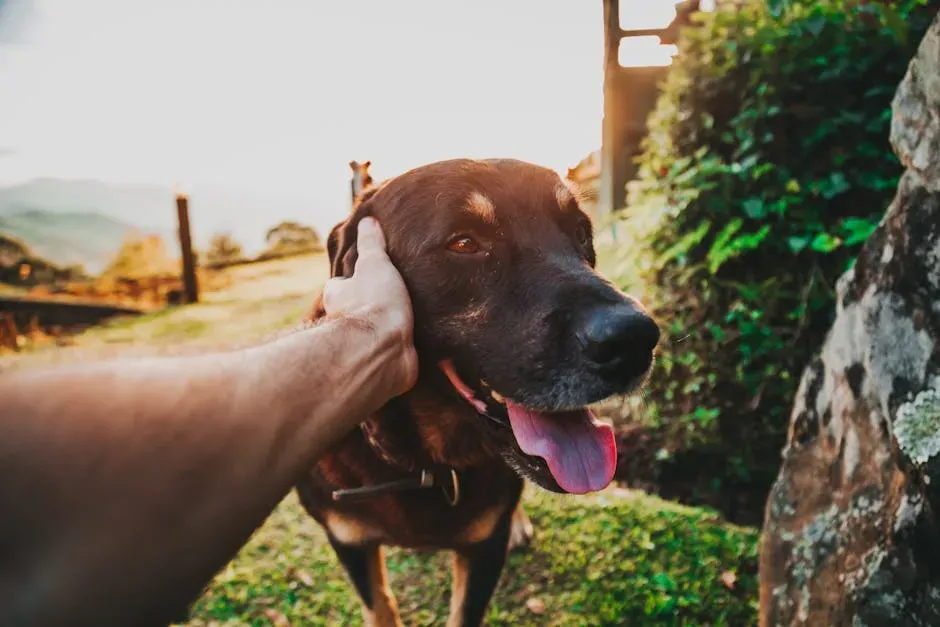
One common reason behind a dog’s sigh is contentment. When your furry companion lets out a gentle sigh while being petted or cuddled, it’s often a sign that they are completely at ease and enjoying the moment. There’s a warmth to that particular sigh. It’s not accidental. Your dog is registering pleasure, the way you might lean back in a chair and exhale after something genuinely good happens.
A sigh during petting can indicate that your dog feels safe and comfortable with you. It’s a testament to the bond you’ve built and the trust they have in your presence. In essence, when your dog sighs while being petted, it’s a beautiful expression of the love and trust they feel for you. That trust isn’t given freely. It’s built over time, through consistency, patience, and simply showing up for them every single day.
Oxytocin, the bonding hormone, is likely released when their owners pet them. They may also be responding to the sound of their owner’s voice and feeling safe in their presence. That moment of petting and sighing isn’t small. Biologically and emotionally, it runs remarkably deep.
#4: Science Shows That Calm Between Dogs and Their Owners Is a Shared State
A study from the University of Jyväskylä found that dogs and their owners share synchronized heart rate variability, reflecting a deep emotional connection. The study revealed that owners and dogs experience similar emotional states, with heart rate variability adapting during resting and activity periods. In plain terms, when you’re calm, your dog feels it, and responds in kind. That soft sigh you hear? It may partly be a reflection of your own settled energy.
Research shows dogs can actually pick up on and mirror human emotions. In studies using heart monitors, scientists found that dogs and their owners’ heart rates often sync up, especially when they’re relaxed and calm together. The relationship really does go both ways. You calm them. They calm you. That shared exhale at the end of the day is more literal than it sounds.
That deep, contented sigh your dog lets out when they flop down beside you isn’t just about getting comfy. It’s a signal of emotional release and happiness. It means they feel completely at ease in your presence. The biology of the bond and the behavior of the bond are telling exactly the same story.
#5: Not Every Sigh Means Bliss, and It’s Worth Knowing the Difference

Sighing isn’t just a sign of contentment. There are several physical and emotional reasons for sighing in dogs, including stress, frustration, and attention-seeking. That means we must look at the wider context to help us interpret what our dogs are communicating with this action. A sigh heard at the vet’s office after an uncomfortable exam is a very different animal from the one that drifts out on a quiet Sunday morning.
Behavioral changes, such as frequent sighing combined with clinginess, withdrawal, or increased irritability, may be a sign of mental or emotional health issues in your dog. Dogs can experience stress, and prolonged sighing might indicate feelings of frustration or sadness. If your dog’s sighing patterns shift suddenly or seem out of character, paying close attention to their environment and routine changes can help identify the root cause. This isn’t about overthinking every breath. It’s about noticing when something genuinely feels off.
While true sighing typically isn’t anything to be concerned about, if your dog is having a lot of heavier breathing, gasping, or making other noises such as groaning, you should talk to your vet, as these could indicate an underlying medical condition. Sighing doesn’t typically point to any medical issues that are underlying it. Trust your instincts as an owner. If the sigh sounds like the ones you’ve always heard, it almost certainly still means what it always meant: your dog is exactly where they want to be.
Conclusion: That Sigh Is a Gift Worth Receiving
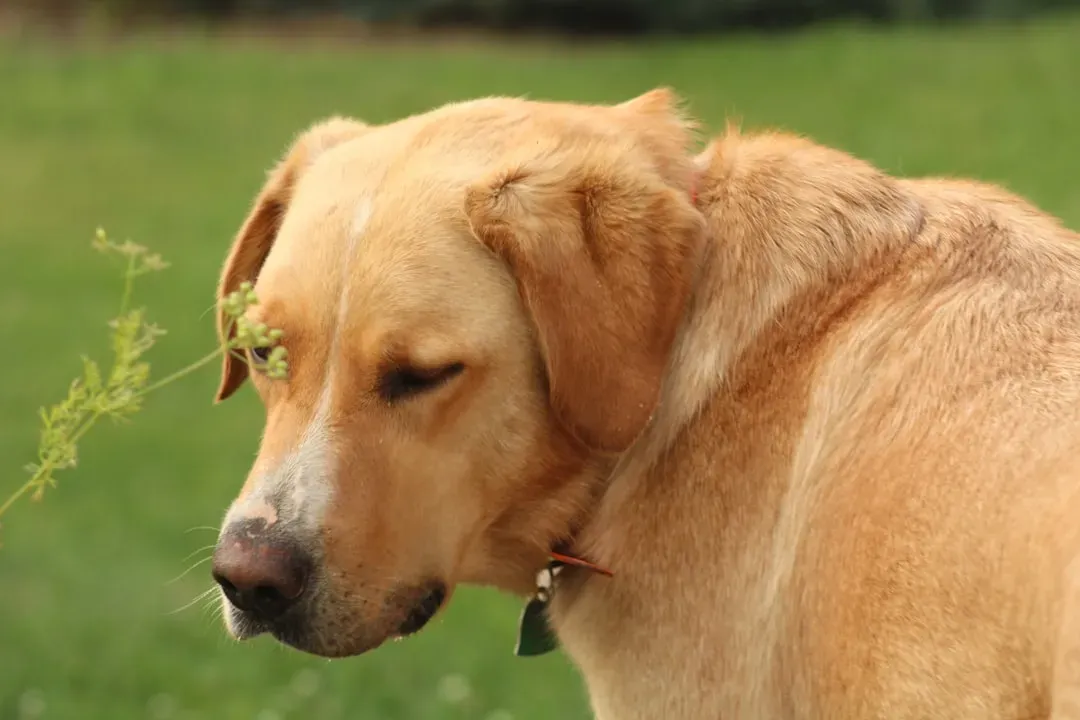
There’s something quietly moving about the idea that one of the most honest things your dog will ever communicate to you happens in near silence. No performance, no training required. Just a soft exhale that says: I’m safe. I’m yours. This is enough.
Personally, it’s hard not to feel that we underestimate these small moments. We look for grand gestures of loyalty in our dogs, tail-spinning reunions and protective instincts, when some of the most profound communication they offer comes in the form of a barely audible breath. A sigh is a subtle yet powerful form of communication that conveys emotions, feelings, and intentions. Understanding why your dog sighs can help you strengthen your bond and ensure their well-being.
So the next time your dog settles beside you and lets that slow breath go, let it land. Don’t scroll past it. That sigh is not background noise. It’s your dog telling you, in the only language they have, that you are their safe place, and for them, that’s everything.


