
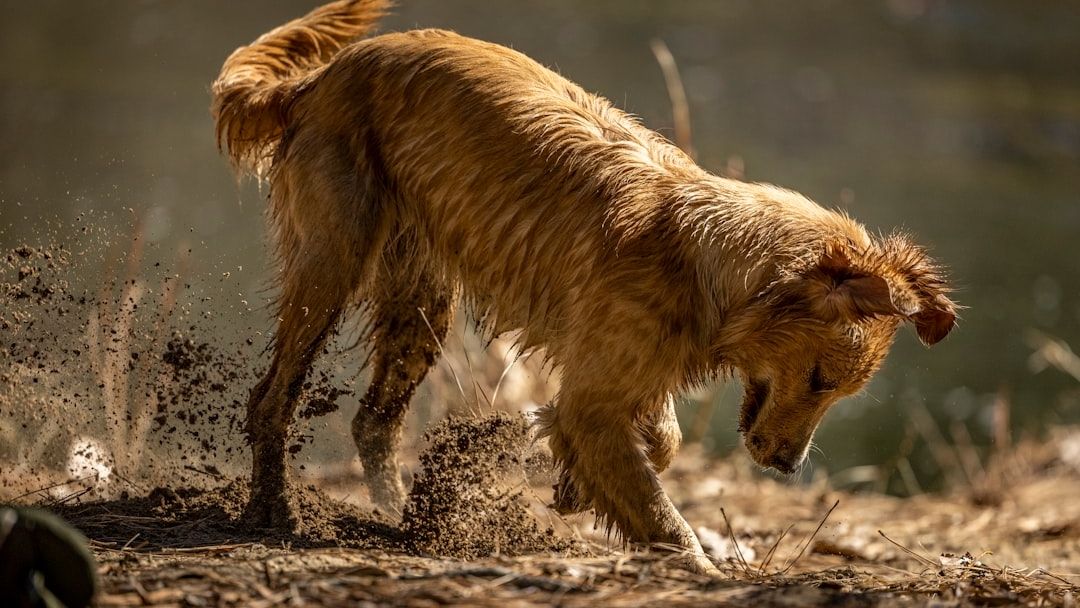
Next time your dog plants their nose on a fire hydrant and refuses to move, they’re not being stubborn. They’re reading. Every sniff your dog takes is essentially a download of rich, layered information about the world around them – information so detailed it makes our own sensory experience look almost primitive by comparison.
Most of us know dogs have a powerful sense of smell, but very few of us truly understand just how different their olfactory world is from ours. The scents they gravitate toward, linger over, or return to again and again aren’t random preferences. They’re windows into a living, breathing archive of the world – and understanding that changes everything about how we see our dogs.
The Anatomy Behind the Superpower
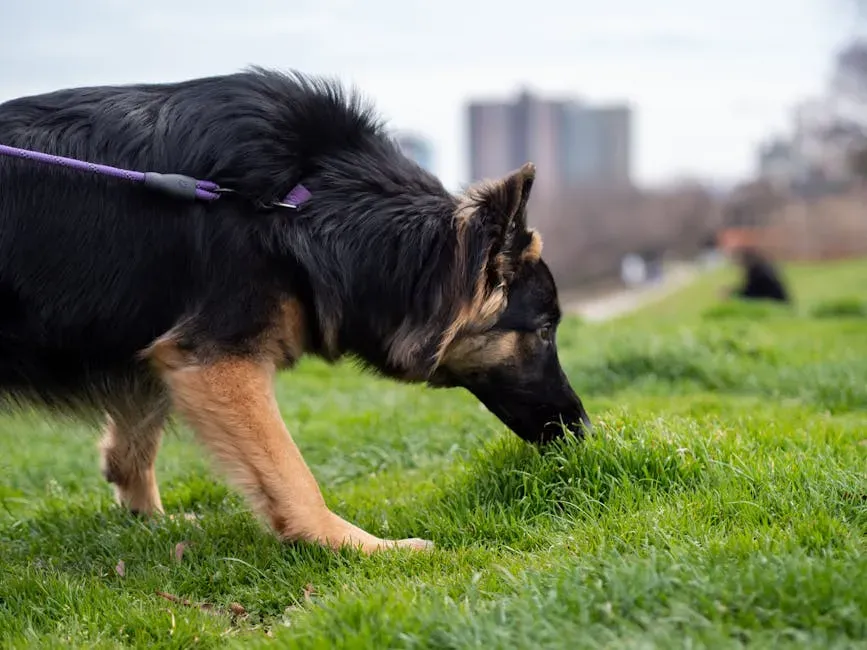
There’s a reason dogs sniff before they do anything else. Dogs devote an enormous amount of brain power to interpreting smells. They have more than 100 million sensory receptor sites in the nasal cavity compared to just 6 million in people, and the area of the canine brain devoted to analyzing odors is about 40 times larger than the comparable part of the human brain. That’s not a minor difference in degree – it’s a fundamentally different relationship with reality.
Dogs have roughly forty times more smell-sensitive receptors than humans, ranging from about 125 million to nearly 300 million in some breeds such as bloodhounds. These receptors are spread over an area roughly the size of a pocket handkerchief, compared to just a postage stamp’s worth in humans. The engineering of their nose is equally striking. When actively sniffing, air enters toward the center edges of the nostrils, then exits in a separate tract at the sides, allowing fresh air to be drawn in quickly and continuously without being pushed out by exhaled air. Essentially, a dog is breathing in and out at the same time.
Whereas in humans just about five percent of the brain is dedicated to odors, in dogs this figure reaches around a third. That proportion alone tells you something profound about how dogs construct their version of the world. Scent isn’t just one tool among many for them – it’s the primary lens through which everything else is interpreted.
Scent as a Secret Language Between Dogs
When two dogs meet, what looks like an awkward sniff-fest to us is actually a sophisticated social exchange. With a single sniff, noses interpret an entire story without words by using amines and acids emitted by dogs as the basis for chemical communication. The chemical aromas communicate what a dog likes to eat and identify gender and mood. By simply smelling, a dog can determine if a new friend is male or female, happy or aggressive, healthy or ill.
Dogs also have a good scent memory that can identify other dogs they have not seen for years and even remember which of them was the dominant member of the pair. When dogs belonging to the same family are separated for a while, they use their sense of smell to catch up on things. Think of it less as a greeting and more as reading a detailed profile. The most common form of chemical communication between dogs is urine-marking, and dogs can detect different qualities in another dog’s urine, which may communicate information such as social status or sex.
Olfaction provides information not only about the current status of the environment, but can also allow detection of signals from the past. This complex network of scent mixtures creates a three-dimensional image of the surrounding world across time, playing a key role in maintaining basic life activities like finding food, recognizing threats, or finding a reproductive partner. Your dog’s preference for sniffing certain spots, then, is rarely idle curiosity. It’s targeted intelligence-gathering.
The Hidden Organ That Detects the Undetectable
Beyond their already remarkable nose, dogs possess a second scent-detection system that most people have never heard of. Jacobsen’s organ, also known as the vomeronasal organ, is located inside the nasal cavity and opens into the roof of the mouth. This amazing organ serves as a secondary olfactory system designed specifically for chemical communication. The nerves from Jacobsen’s organ lead directly to the brain, and unlike other nasal nerves, they do not respond to ordinary smells but to substances that often have no odor at all – detecting, in other words, the “undetectable.”
Jacobsen’s organ communicates with the part of the brain that deals with mating. By identifying pheromones, it provides male and female dogs with the information they need to determine if a member of the opposite sex is available for breeding. It goes further than reproduction, too. It also enhances newborn puppies’ sense of smell so they can find the mother’s milk, and allows a pup to distinguish its mother from other nursing dogs.
The two separate parts of the dog’s odor detection system – the nose and Jacobsen’s organ – work together to provide delicate sensibilities that neither system could achieve alone. When dogs curl their lips and flare their nostrils, they open up Jacobsen’s organ, increase the exposure of the nasal cavity to aromatic molecules, and essentially become remarkably efficient smelling machines. It’s one of those moments where a behavior that looks strange to us is actually deeply purposeful.
What Scent Preferences Actually Reveal About Your Dog
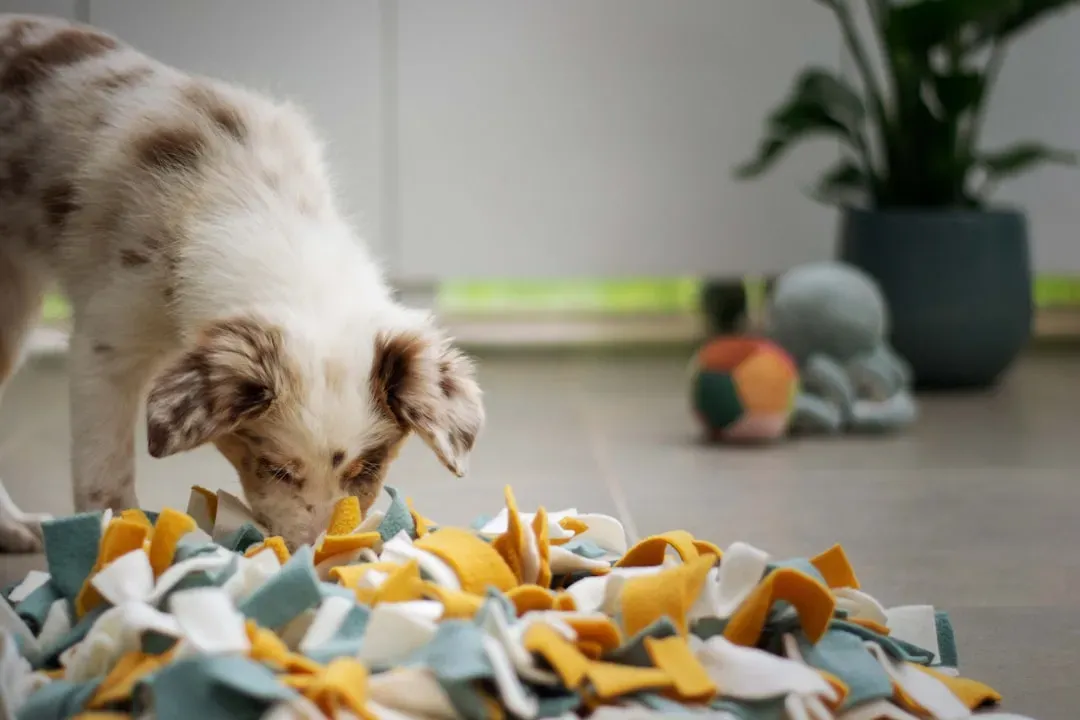
Dogs don’t just smell things indiscriminately – they have genuine preferences, and those preferences carry meaning. Studies show that dogs interacted more frequently with the scents of blueberries, blackberries, mint, rose, lavender, and linalool when given a free choice of fragrances, suggesting that canine scent attraction follows real patterns rather than being purely random. It seems very important to consider the smells that, in normal life, are part of a dog’s closest environment, since the attractiveness of these smells and individual preferences could have a huge impact on everyday animal welfare and condition.
The direction a dog chooses to sniff is also telling. Canines preferentially use the right nostril to sniff conspecific arousal odors and novel odors, delivering sensory input to the right brain hemisphere, which processes threatening and alarming stimuli. Canines preferentially use the left nostril to sniff familiar odors and non-aversive stimuli such as food. This left-right distinction maps onto how the brain processes emotional information, offering a surprisingly precise read on what a dog thinks of a given smell.
It is truly interesting that canine cosmetic products often have very strong fragrances designed mostly to appeal to the dog owners, rather than the dogs themselves. Indeed, the scents that dogs choose to put on their fur differ strongly from those of common cosmetics. Dogs choose mostly intense, animal-derived smells, such as those from carcasses or feces, so there is a need to differentiate between canine and human smell preferences. What smells good to you and what smells good to your dog are often two very different things.
Scent, Emotion, Memory, and the Bond With You
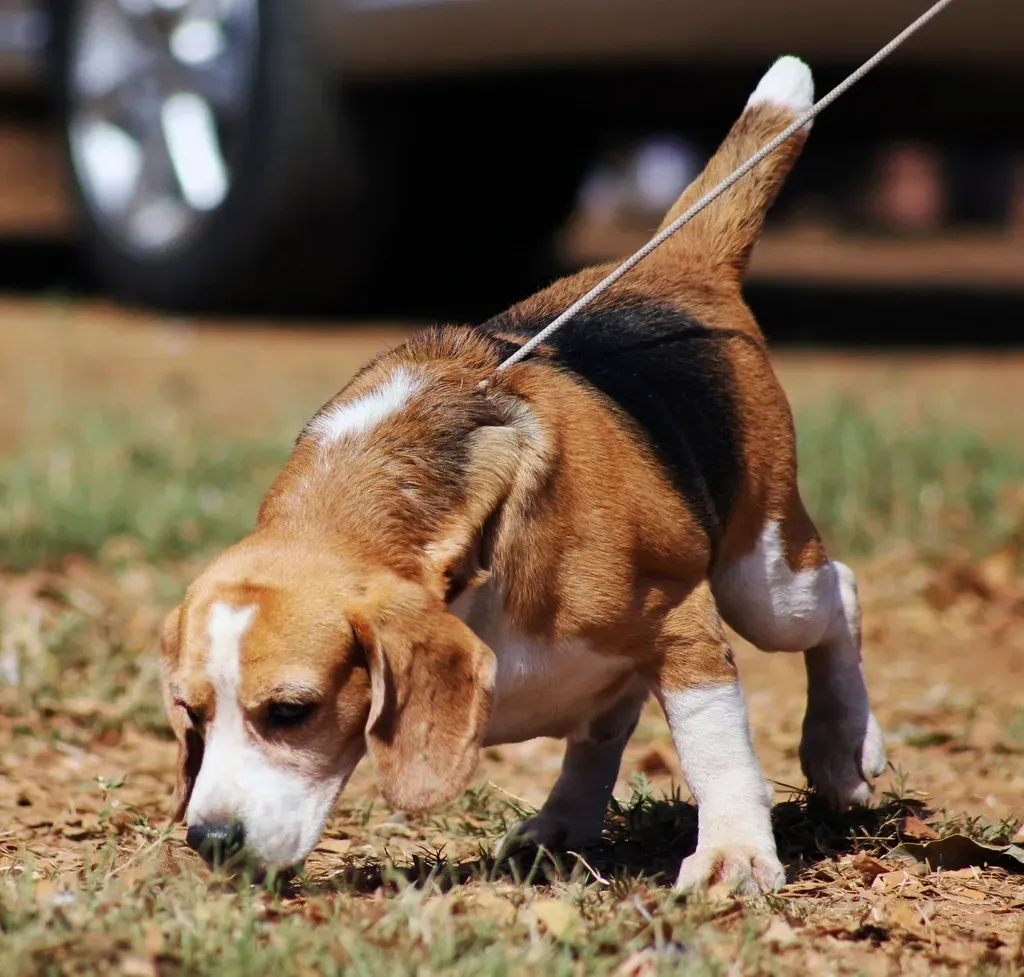
The scent pathway in a dog’s brain isn’t isolated – it reaches deep into the regions that handle emotion and memory. When a dog sniffs, scent information travels from the olfactory bulb to the limbic system – the most primitive part of the brain, responsible for emotions, memory, and behavior. This is why certain scents trigger powerful emotional responses in dogs. Scent is literally woven into how dogs feel, not just what they know.
Researchers have recently mapped the full extent of those neural connections, and the results were striking. Powerful nerve connections link the dog nose to wide swaths of the brain. One of these canine connections – a hefty link between areas that handle smell and vision – has not been seen before in any species, including humans. The results offer a first-of-its-kind anatomical description of how dogs “see” the world with their noses.
This means your scent, specifically, is deeply embedded in your dog’s emotional world. Your dog can literally smell your stress, fear, or excitement. Staying calm helps your dog remain calm, since they’re reading your emotional state through scent. Recent studies show that dogs can detect not only specific scents of drugs or explosives, but also changes in emotions as well as in human cell metabolism during various illnesses, including COVID-19 infection. The bond between a dog and their person isn’t just emotional – it’s chemical, constant, and running in the background of every interaction.
A Final Thought Worth Sitting With
We live alongside dogs every single day, sharing our homes and our lives, and yet their inner world remains largely invisible to us. The science, though, keeps drawing back the curtain. Sniffing and searching for odors is a natural, species-typical behavior and essential to the dog’s welfare. While we take wide advantage of this canine ability, we understand its foundations and implications quite poorly – and we can improve animal welfare by better understanding their olfactory world.
Dogs’ sense of smell seems to be the main sense, allowing them to not only gather both current and historical information about their surrounding environment, but also to find the source of the smell – which is crucial for locating food, danger, or partners for reproduction. Every sniff is a sentence in a language we’re only beginning to read.
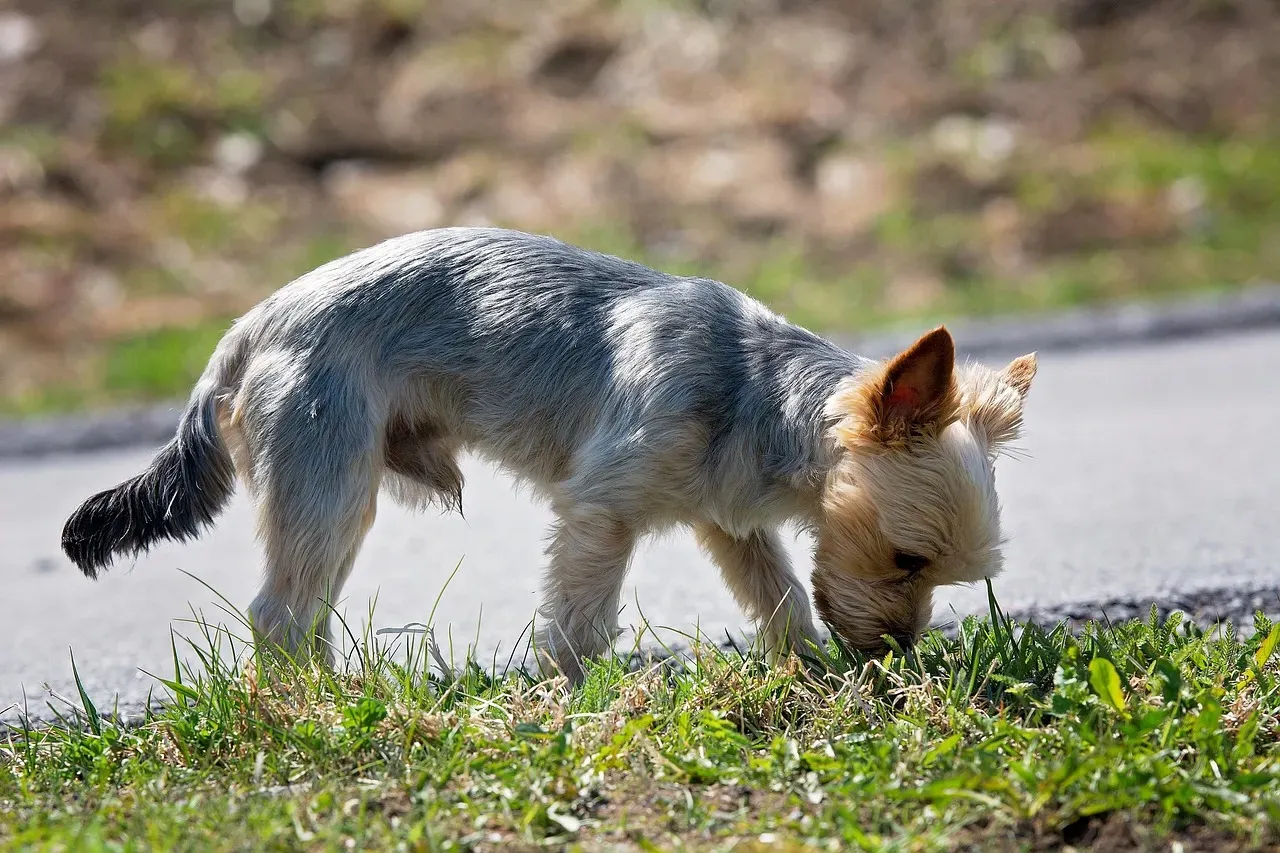
The next time your dog freezes on a walk, nose buried in a patch of grass, resist the urge to pull the leash. They’re not wasting time. They’re fully engaged in a world of information that’s richer, older, and more layered than anything our eyes could ever show us. Giving them the space to do that isn’t just patience – it’s respect for the remarkable creature standing at the end of your leash.


