
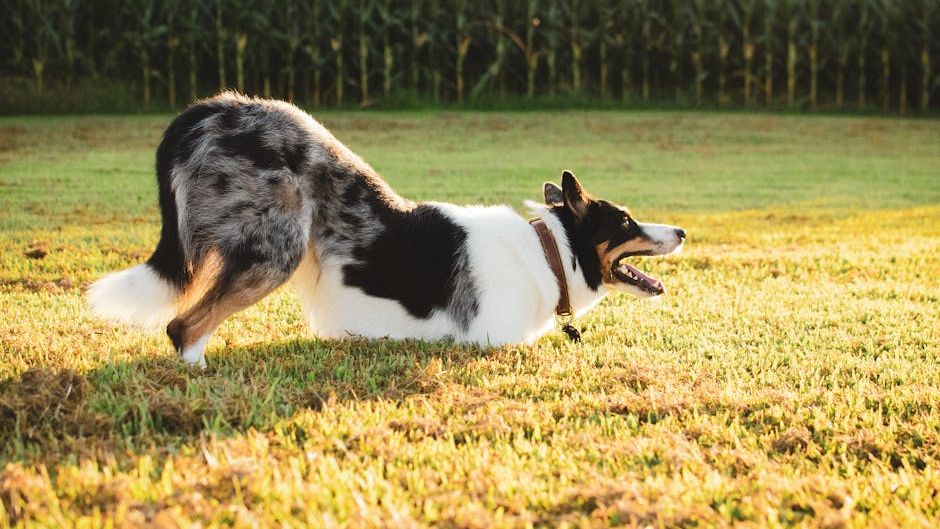
There’s a moment most dog owners know well. You walk into the room and your dog drops their front end to the floor, rear end pointed cheerfully at the ceiling, tail doing its best impression of a helicopter blade. It’s hard not to smile. That little pose feels personal, almost theatrical, like they’re making a grand announcement just for you.
Turns out, they kind of are. That gesture is one of the most studied and recognized signals in all of canine communication, and researchers continue to uncover how much meaning it actually carries. It’s not just cute. It’s a deliberate, thoughtful message from your dog to you, and understanding it can genuinely change the way you connect with your pet.
What the Play Bow Actually Is
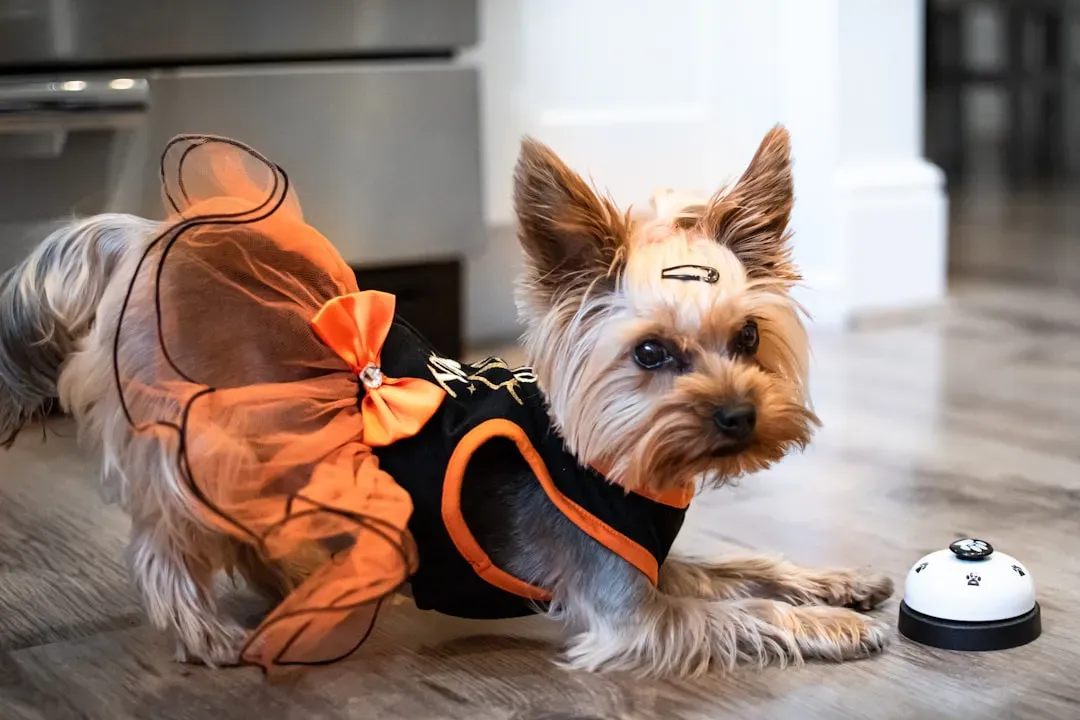
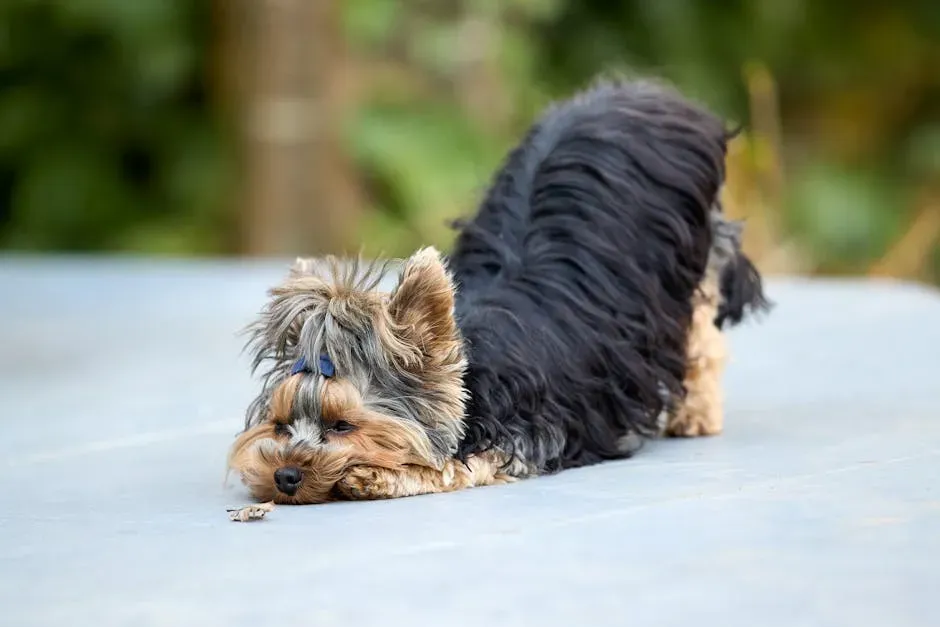
The play bow is a distinctive posture that a dog assumes by lowering their front end while keeping their rear end raised, and it is often accompanied by tail wagging. It looks effortless, but there’s real communication packed into every second of it. The dog crouches on their forelimbs, sticks their butt up in the air, and often barks or yelps when they perform this action.
Dogs communicate primarily through body language, and bowing is one of the most recognizable gestures. Think of it as your dog’s version of tapping you on the shoulder and grinning. It’s easily recognized by the dog lowering their front body towards the ground, often with their elbows near or on the ground, while keeping their rear end raised, with their tail usually wagging enthusiastically and their facial expression typically relaxed and playful, often with an open mouth and a soft gaze.
The Science Behind Why Dogs Bow This Way
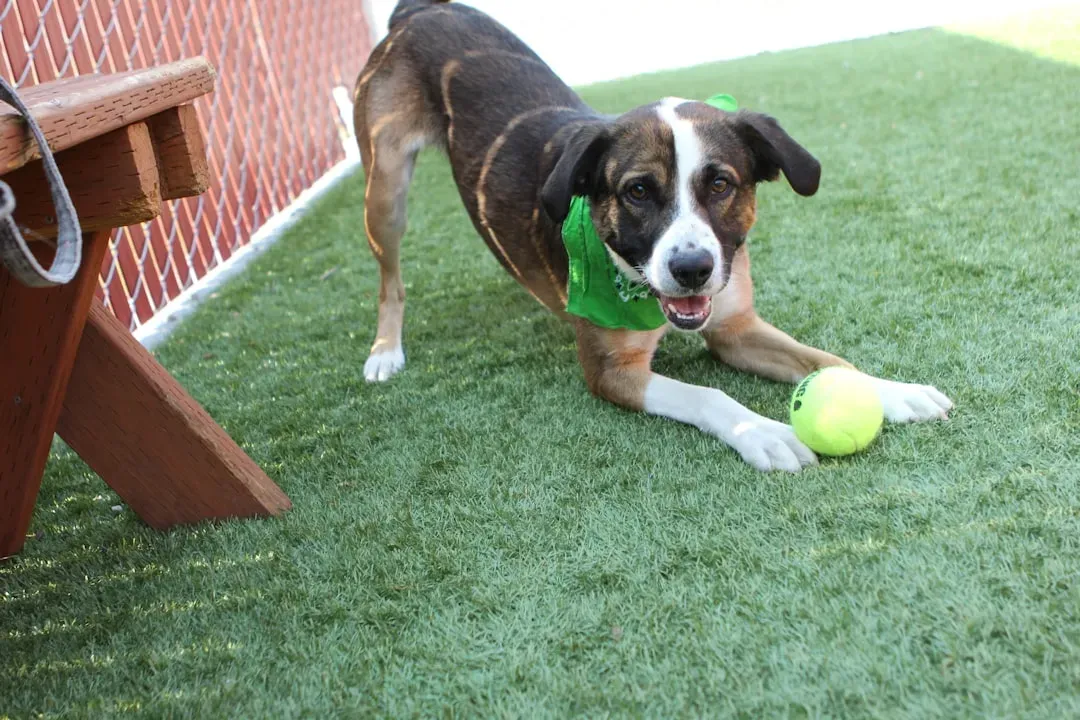
When dogs and other animals stand up from lying down and resting or sleeping, they often stretch their forelimbs and loosen up their body. When they do this, it looks like they are bowing, and they are able to move around in different directions or spring here and there. When others see the bow, play may ensue, and through the process of ritualization, a bow can take on communication value to tell other individuals, “I want to play with you.”
This play stance in dogs likely evolved through positive repetition. Dogs often move into a long, luxurious stretch after resting and before becoming active, so in time, the pose became a signal that playtime was coming. These days, dogs use a play bow to show they’re friendly, to mitigate conflict, to say hello, and, of course, to invite another animal to play. It’s one of those rare behaviors that crossed the boundary from pure instinct into something genuinely communicative, and it did so over thousands of years of living alongside humans.
Your Dog Is Talking Directly to You
Not just reserved for other dogs, our canine friends will play bow to us too. This is actually a significant point. If your dog is play bowing at you, they’re likely doing so as a greeting or as a request to interact with them. For instance, if you’ve been away all day and come home to your dog bowing at the door, it’s safe to bet they’re saying hello. Along with a greeting bow or stretch, your dog will also likely be making direct eye contact and happily wagging their tail.
It’s well known that dogs will play longer with humans than with other dogs; they’re also less competitive and will present and surrender toys to humans more frequently. Even dogs in multi-dog households are more, rather than less, interested in playing with humans. That play bow your dog is shooting in your direction isn’t just habit. It’s a preference, a choice. They want you specifically.
The Play Bow Is an Honest Signal of Trust
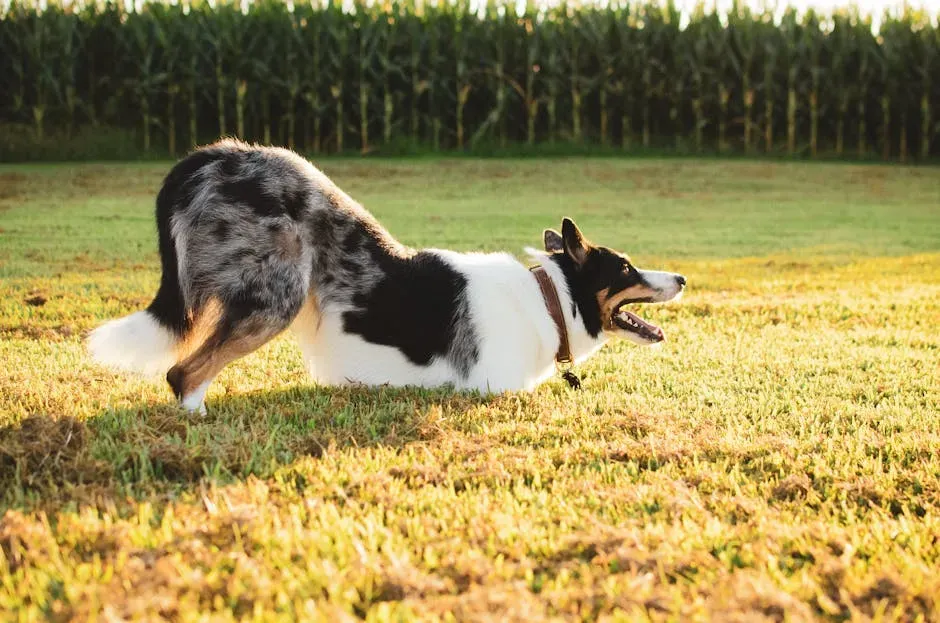
Play bows are honest signals, a sign of trust. Even when an individual follows a play bow with seemingly aggressive actions such as baring teeth, growling, or biting, their companions demonstrate submission or avoidance only around fifteen percent of the time, which suggests they trust the bow’s message that whatever follows is meant in fun. Trust in one another’s honest communication is vital for fair play and a smoothly functioning social group.
Research found that 409 of 414 play bows recorded were done when the dogs could see one another. That’s a striking figure. Dogs don’t throw this signal into the air randomly. They wait until they have your attention, making sure the message lands. Ultimately, a play bow shows that your dog trusts you and feels safe communicating with you. That’s worth sitting with for a moment.
How to Respond and Why It Matters More Than You Think
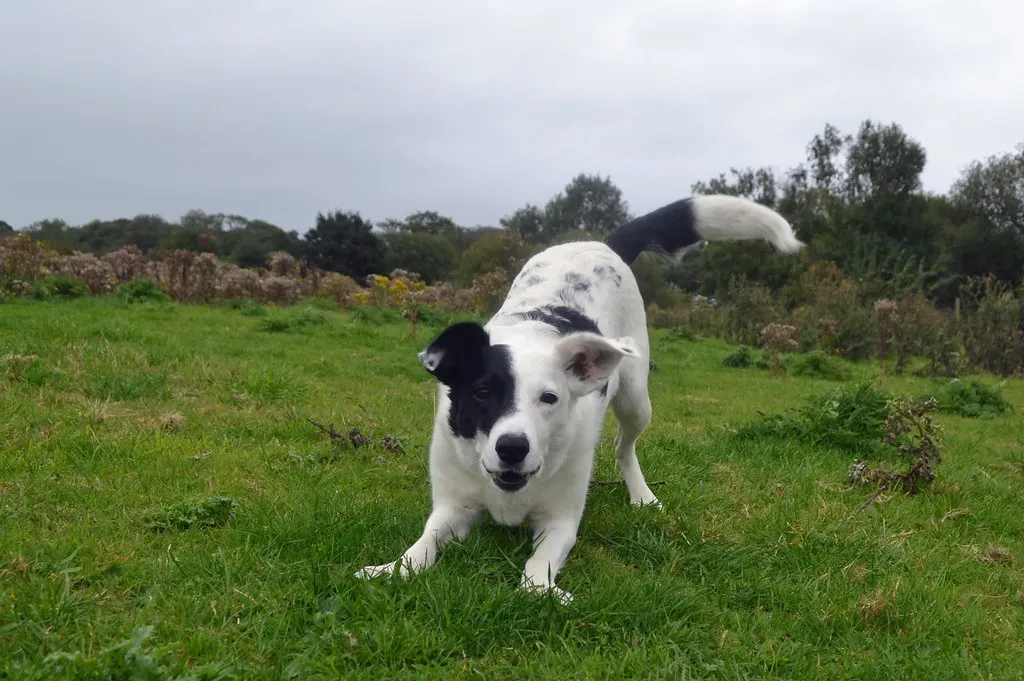
When your dog bows to you, it’s usually an invitation to play or engage. This behavior strengthens the bond between you and your dog by encouraging positive interaction. Responding with enthusiasm or by initiating a game will reinforce this connection. You don’t need a special setup or a bag full of toys. Simply getting on the floor, grabbing a ball, or even play bowing back sends exactly the right message.
Dogs who frequently play rough-and-tumble games with their humans have fewer problems with separation anxiety and are more self-confident. Not only that, but they score higher in “obedient attentiveness” after play sessions than before the sessions, according to researchers Nicola Rooney and John Bradshaw, which suggests that training after play can be highly effective. So the next time your dog drops into that familiar bow, you’re not just being invited to have fun. You’re being offered a chance to build something real.
A Closing Thought
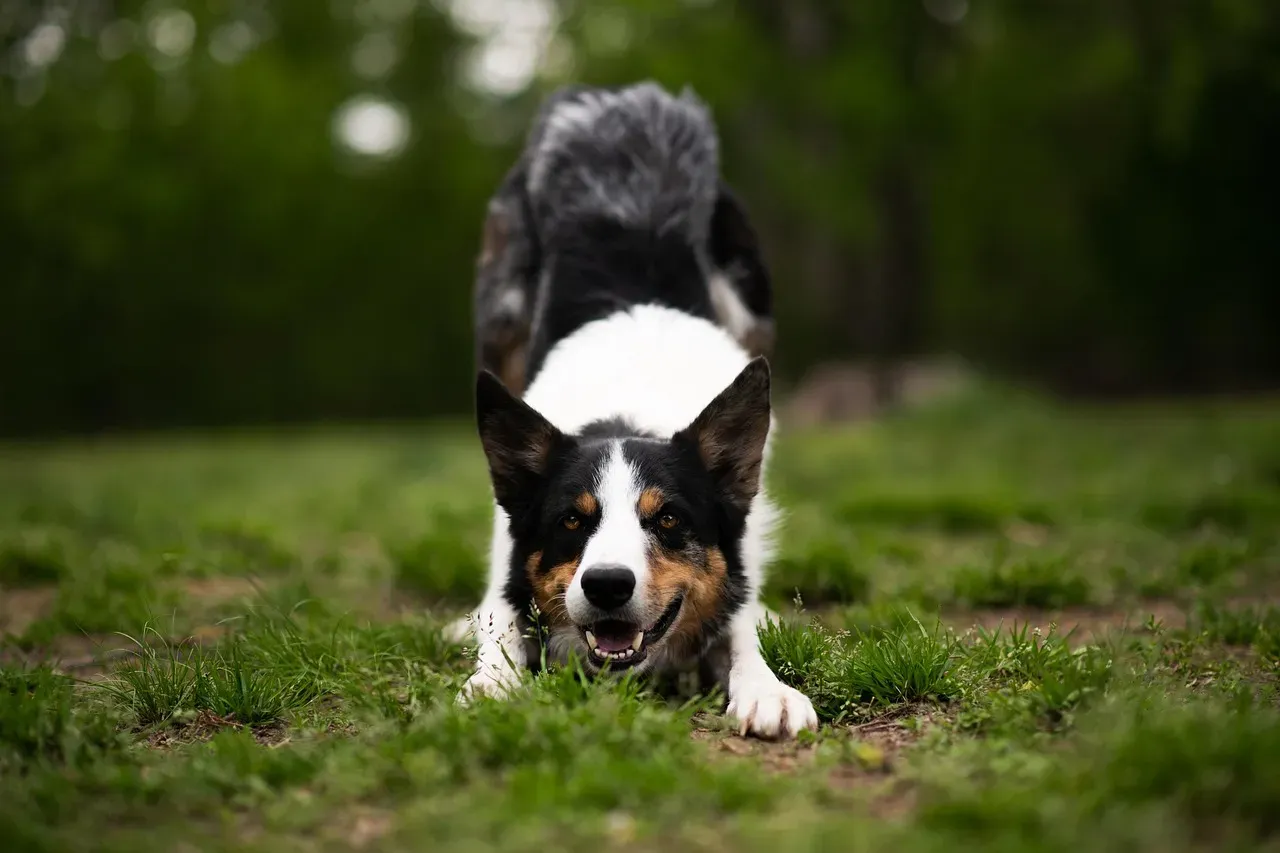
Most of us move through our days with a lot of noise in our heads. Deadlines, notifications, half-finished conversations. Your dog doesn’t know any of that. When they bow to you, they’re fully present, completely focused on you, asking for nothing complicated. Just play. Just connection.
Dog bowing is a fascinating part of canine communication that offers insight into your pet’s emotional and physical well-being. It’s worth more than a quick glance and a scroll past. When your dog bows, they’re not performing for anyone else. That little gesture, front legs stretched wide and tail up high, is addressed to you alone. Answering it might be the simplest and most rewarding thing you do all day.


