
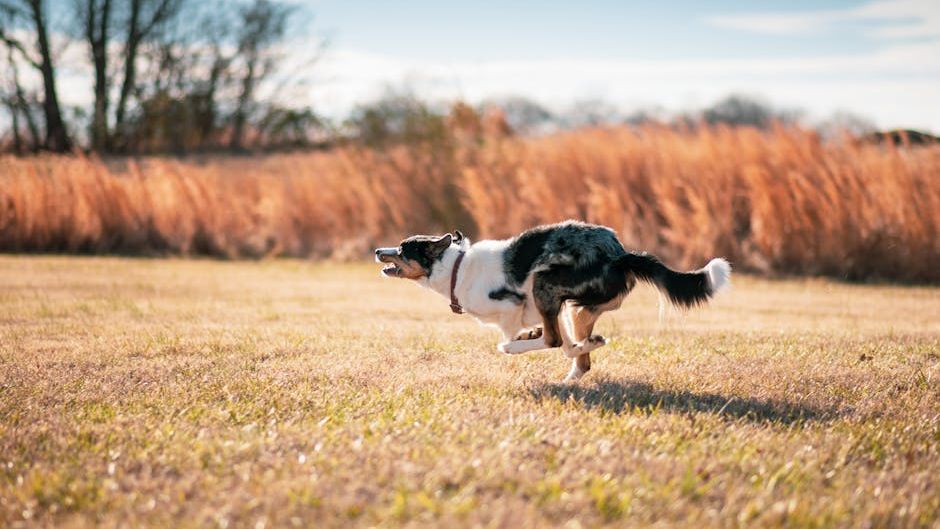
One moment, your dog is peacefully curled up on the couch. The next, they’re tearing across the living room like something clicked inside them, eyes wild, tongue flapping, tail tucked as they spin tight circles around your furniture. You didn’t do anything. Nothing changed. They just… went.
If you’ve ever watched this happen and wondered whether you should be concerned, entertained, or both, you’re in very good company. What you’re witnessing is one of the most distinctly joyful things a dog can do, and it turns out there’s a lot more going on beneath the surface than it first appears.
There’s Actually a Scientific Name for This
This explosion of activity has many nicknames among dog owners, from ‘zoomies’ and ‘crazy eights’ to ‘midnight madness’ and ‘demon possession,’ but the official scientific term for this behavior is Frenetic Random Activity Periods, or FRAPs. Not exactly a name that rolls off the tongue, but it does capture something important: these aren’t random glitches. They’re a recognized, documented behavior.
Zoomies are your dog’s nervous system releasing accumulated tension or excitement in the most efficient way available to them: explosive physical movement. The trigger is a buildup of arousal, whether that is excitement, relief, stress, or pent-up energy that has not had an outlet. When the internal pressure reaches a certain threshold, the body discharges it all at once.
Animal behaviorists have studied FRAPs across multiple species, not just dogs. Similar burst-activity patterns appear in cats, horses, ferrets, and other mammals. The consistency across species suggests this is a deeply conserved mechanism rather than a quirk of domestication. In other words, the zoomies are older than the relationship between humans and dogs itself.
What’s Actually Triggering Your Dog to Zoom
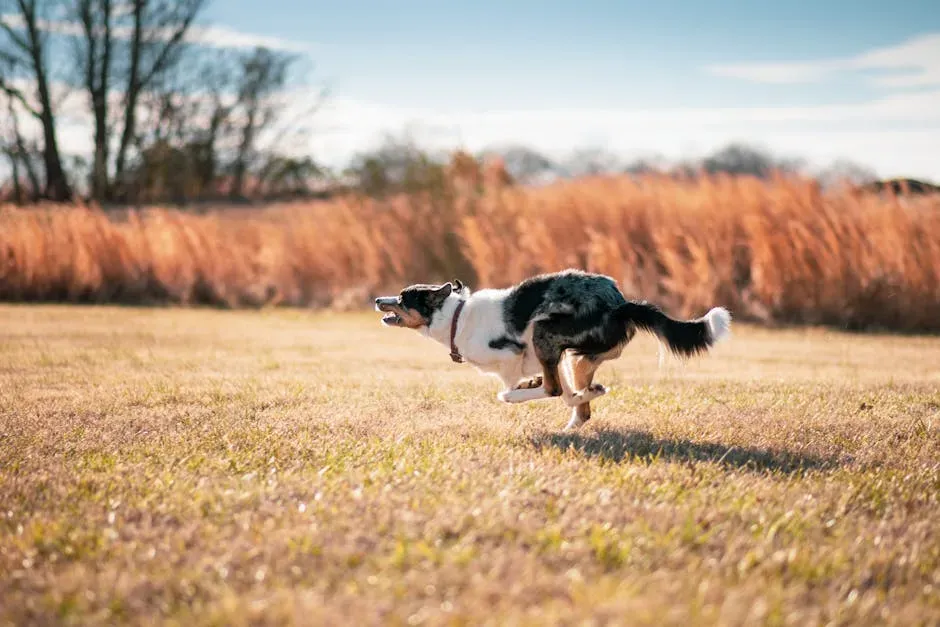
The exact cause of dog zoomies isn’t fully understood, but the assumption is that they’re a quick way for dogs to release pent-up, excess energy, excitement, or even stress and nervous energy. The triggers, though, tend to follow some recognizable patterns once you start paying attention.
Many dogs have predictable zoomie windows, often in the early morning or in the early evening, the period dog owners sometimes call the witching hour. These timing patterns are not coincidental. They map closely onto periods when the dog’s energy and arousal naturally peak, partly driven by circadian rhythms and partly by the anticipation of routine events like walks, feeding, or their owner coming home.
Dogs often get zoomies after a bath as a way to decompress or release excess energy. They may also go into zoomie mode to dry off, so make sure to have a towel on hand. The post-bath zoomie, in particular, is almost universal among dogs and can be reliably predicted by any dog owner who’s ever held a showerhead near their pet.
Excess energy is a major factor: dogs are active animals, and if they don’t get enough physical exercise or mental stimulation, they may release their pent-up energy through zoomies. Dogs are also masters at sensing and feeding off human emotions. If someone in your house is particularly excited or energetic, your dog may mirror that energy and engage in zoomies to express their own excitement.
Reading the Room: Happy Zoomies Versus Anxious Ones
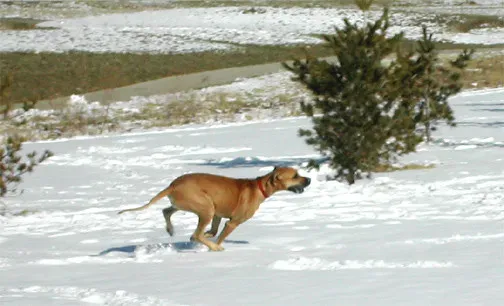
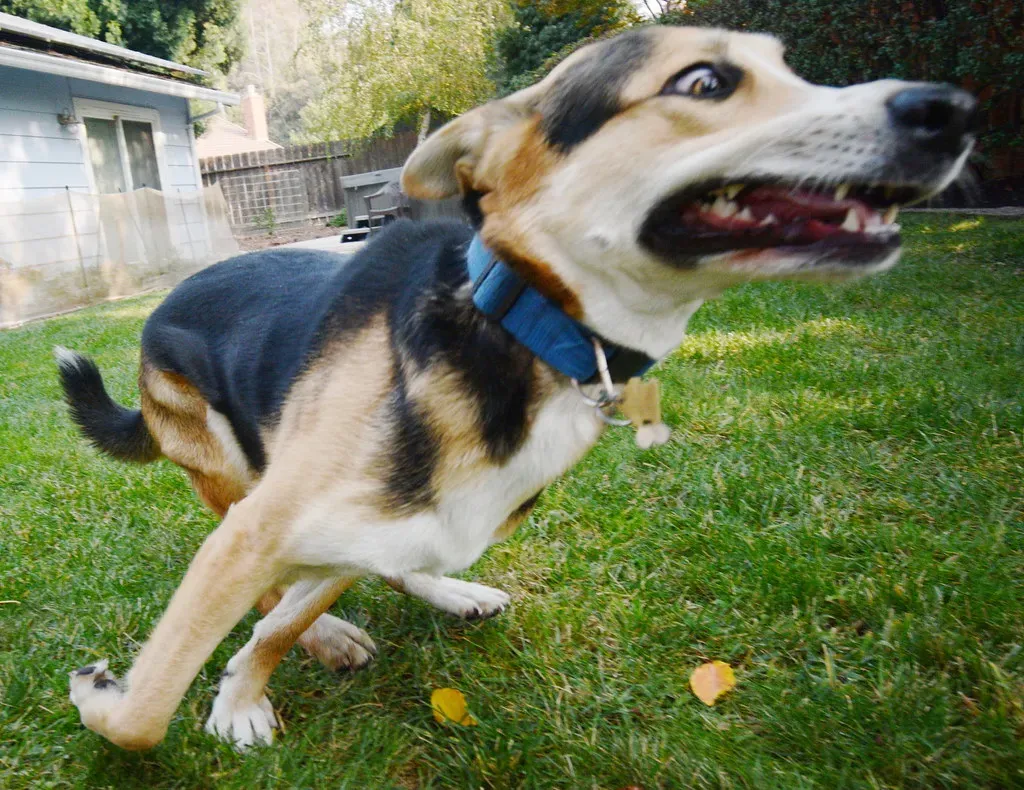
Your dog’s posture during and after a FRAP episode will tell you if they are having fun or if they are upset. Many dogs tuck their butts and tails as they run, as if they’re scooting along and trying to keep their tail out of a playmate’s grasp. A typical happy zooming dog will be loose and even wiggly, bouncing around you when they slow down. Your dog’s tongue might flap out, and they may play bow.
A frightened dog will be more tense, with wide eyes and a tightly tucked tail that stays tucked to the belly even when stopping. They may also carry their head low with ears folded back submissively. A scared dog needs to be calmed down, since this kind of frenzy is not a happy one. Context matters here. A dog who just got home from the vet zooming around in a tight, tense pattern is communicating something very different from a dog who just spotted their favorite person walking through the door.
Dogs, just like humans, can experience a range of emotions. Zoomies can serve as a healthy emotional release for dogs, allowing them to let go of stress, frustration, or anxiety. Engaging in zoomies can help improve your dog’s emotional well-being, happiness, and contentment. So even the stress-triggered version serves a real purpose. It’s a reset button, of sorts.
Age, Breed, and Why Some Dogs Zoom More Than Others
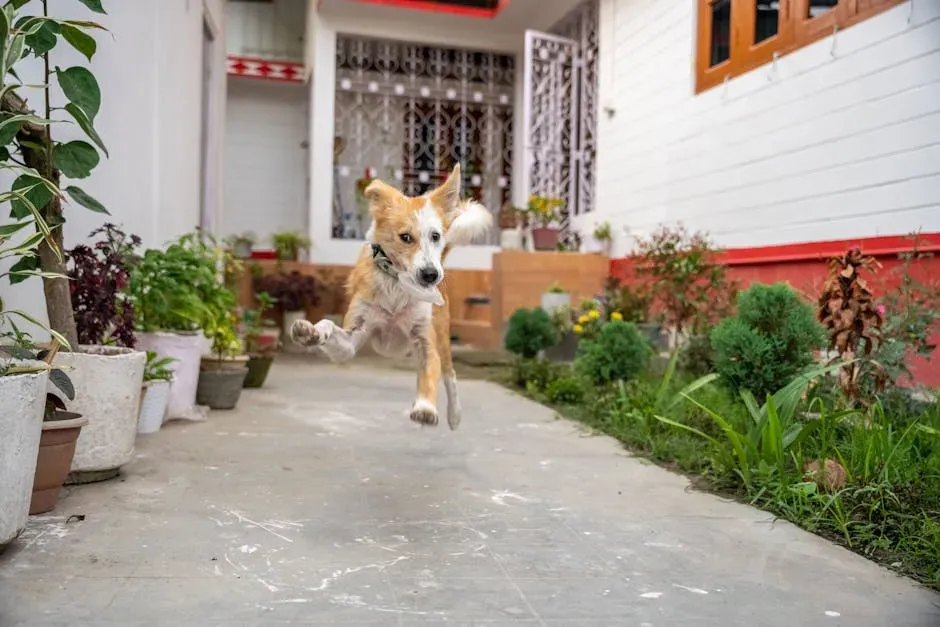
Also known as FRAP (Frenetic Random Activity Periods), zoomies are most commonly seen in young dogs but can occur in dogs of any age. The frequency does shift noticeably over a dog’s lifetime, and that’s entirely normal.
Puppy zoomies generally settle down as the dog matures and develops better arousal regulation. Most dogs noticeably calm between twelve and eighteen months, though high-energy breeds often stay FRAP-prone well into adulthood. The behavior does not disappear entirely; it just becomes less frequent and less intense as the dog ages.
More athletic and high-strung dog breeds, like Australian Shepherds, may do them more often than laid-back dogs, probably because they need to let their energy out more frequently. High-energy breeds such as Border Collies, Jack Russell Terriers, and Dalmatians are known for their zoomie antics. These breeds are naturally very active and may need extra outlets for their energy to prevent excessive post-bath zoomies.
How to Keep Zoomies Safe and When to Pay Closer Attention
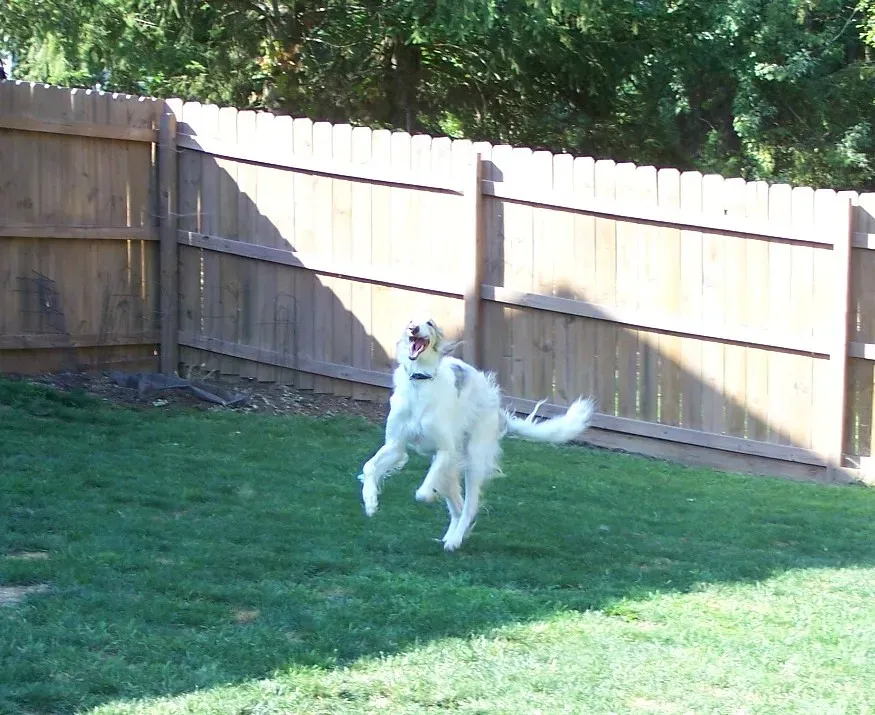
Zoomies themselves won’t hurt your dog, but a dog running around at full speed without a plan sometimes has unfortunate consequences. Although FRAPs are normal, a dog zooming around the house or yard may be in danger of injuring themselves or breaking something. Owners should keep zooming dogs away from stairs, slippery floors, obstacles, and the road.
The best footing for hard running is grass, but carpet and packed dirt are also good options. Hard floors, ice, and unstable footing such as gravel or sand increase the risk of the dog slipping or falling, which could result in an injury. A fenced yard is genuinely ideal, giving your dog room to run without the hazards that come with indoor sprinting.
If your dog is having zoomies constantly throughout the day, it could mean they’re not getting enough exercise or mental stimulation. Try increasing their physical activity with longer walks, play sessions, or puzzle toys. If an older dog suddenly starts having frequent zoomies when they never did before, or if a dog appears disoriented after zooming, it could indicate an underlying medical issue. Always consult a vet if something seems off.
In general, zoomies are a positive sign that your pet is healthy, happy, and able to express normal behavior around you. The goal isn’t to stop them. It’s simply to make sure the environment is ready when the moment arrives.
A Final Thought Worth Sitting With
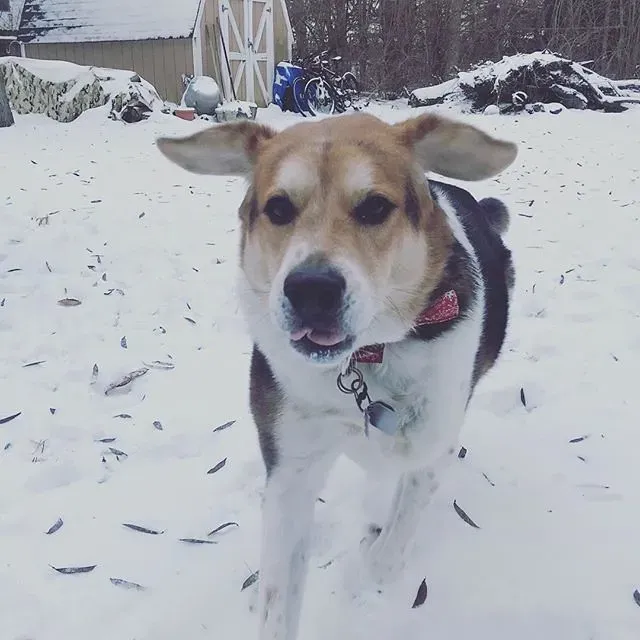
There’s something genuinely moving about the zoomies, if you stop to really look at them. Your dog isn’t performing for you. They’re not trying to be cute or get attention. Some ethologists suggest FRAPs express excitement, joy, or a positive arousal state. Marc Bekoff, among others, interprets many such episodes as play-related and pleasurable. It’s joy expressed at full volume, with the whole body.
Zoomies are a completely normal and healthy behavior that help dogs release energy, express joy, and reset their emotional state. As long as your dog has a safe space to zoom, let them enjoy the fun. Understanding the science behind FRAPs helps us appreciate these crazy bursts of energy as a natural and essential part of a dog’s life.
Most of us spend enormous energy trying to express how we feel. Dogs don’t hesitate for a second. When it’s time to feel alive, they simply run. There’s a quiet lesson in that, honestly, if you’re open to it.


