
There’s something quietly profound about the bond between an older adult and a dog. It doesn’t ask much to understand, doesn’t require explanation. The dog is simply there, warm and present, every single morning. For millions of seniors living alone, that presence makes an enormous difference.
More than four in ten seniors report feelings of loneliness, and the health consequences of that isolation are well-documented. In a study of older adult primary care patients, pet owners were found to be roughly a third less likely than non-pet owners to report loneliness. The dog doesn’t just fill silence. It adds joy to everyday routines, encourages light activity, and helps improve mental well-being.
Research indicates that interacting with animals can lower blood pressure, decrease the risk of heart disease, and even boost immunity in older individuals, while the responsibility of caring for a pet fosters a sense of purpose and routine that promotes physical activity and social engagement. Not every breed, though, is the right fit. The ideal companion for a senior needs the right temperament, the right energy level, and the right size. Here are 15 breeds that genuinely deliver on that promise.
#1. Cavalier King Charles Spaniel
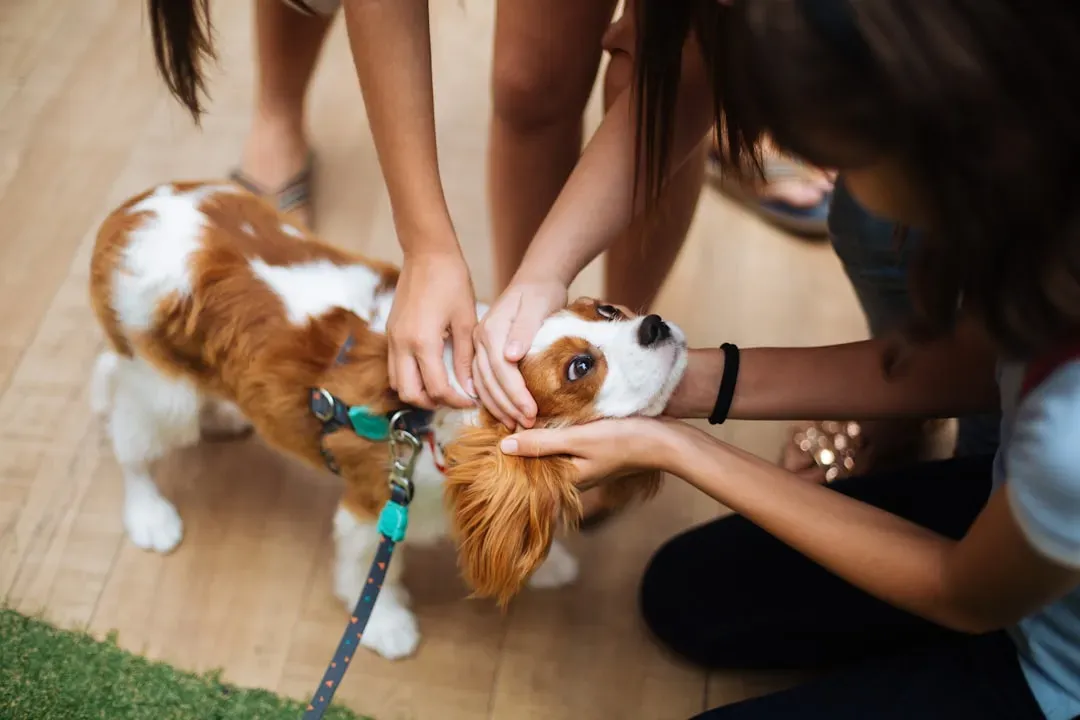
Cavalier King Charles Spaniels are the definition of gentle companionship, with soft eyes and an easygoing, affectionate nature. They love curling up beside you during quiet afternoons, and they’re just as content listening to the television as they are going for a gentle neighborhood stroll. There’s a reason this breed appears near the top of nearly every list of companions for older adults.
These dogs seem to have an innate understanding of what their owners need, whether that’s a cuddle on the couch or a brief walk around the neighborhood. This breed courteously matches their pet parent’s activity level, which is perfect for seniors whose energy fluctuates from day to day. Welcoming to people of all ages and other pets, cheerful Cavaliers have an easy time making friends, and they’re highly trainable and more patient than most small breeds.
#2. Shih Tzu
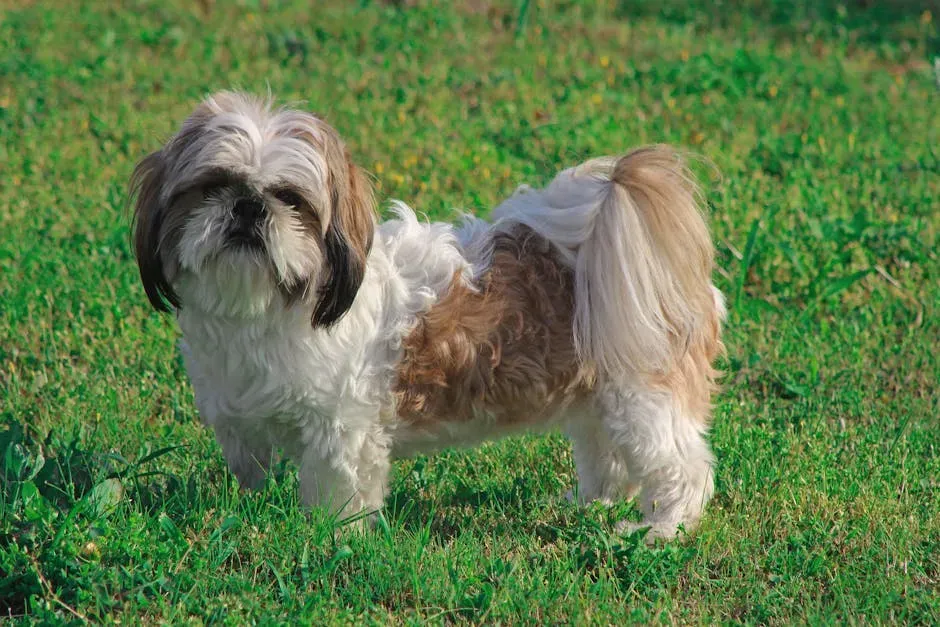
Shih Tzus are small, calm, and devoted companions. They were bred to be lap dogs, making them ideal for retirees looking for a loyal shadow. Their whole design, both physically and temperamentally, seems to point toward one purpose: being close to a person they love.
Shih Tzus are moderately active and content with short walks or gentle indoor play, making them ideal for seniors with lower mobility. They are smart and eager to please, making training enjoyable and rewarding, and their presence can provide emotional support, help reduce feelings of loneliness, and create a warm, joyful home environment. With a life span of ten to eighteen years, they offer seniors long-term, devoted companionship.
#3. Poodle (Toy or Miniature)
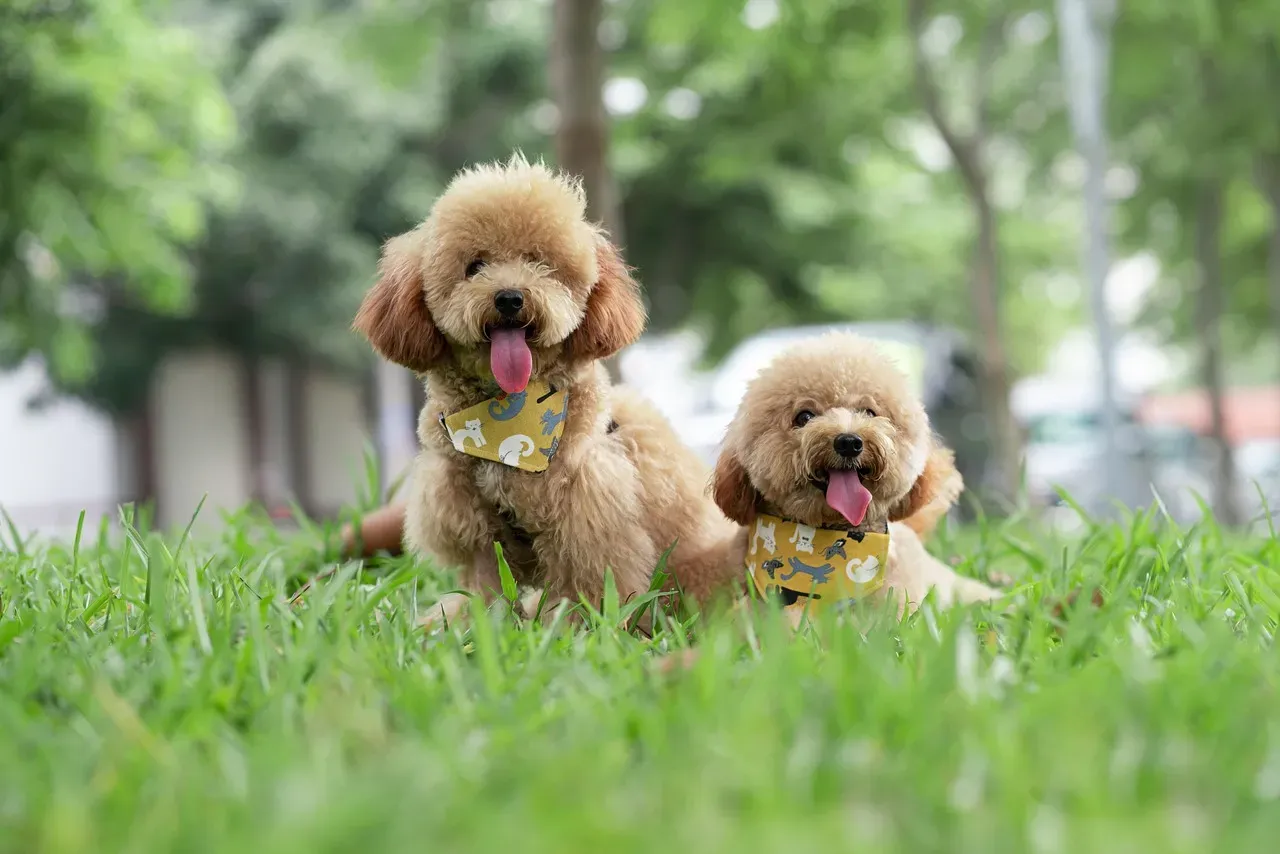
Poodles, particularly the Miniature and Toy varieties, are highly intelligent and adaptable dogs known for their gentle nature. They are excellent companions for the elderly due to their hypoallergenic coats, which require regular grooming but shed minimally. Poodles are incredibly trainable and can quickly learn routines, making them easy to manage.
Poodles come in various sizes, allowing seniors to choose what fits their lifestyle best, and they’re low-shedding. They are active but adapt well to their owner’s activity level, making them both engaging and manageable. Many seniors love how gracefully Poodles transition from playtime to quiet companionship. If you want a highly trainable friend who thrives on gentle structure and calm routines, a Poodle is a standout choice.
#4. Maltese
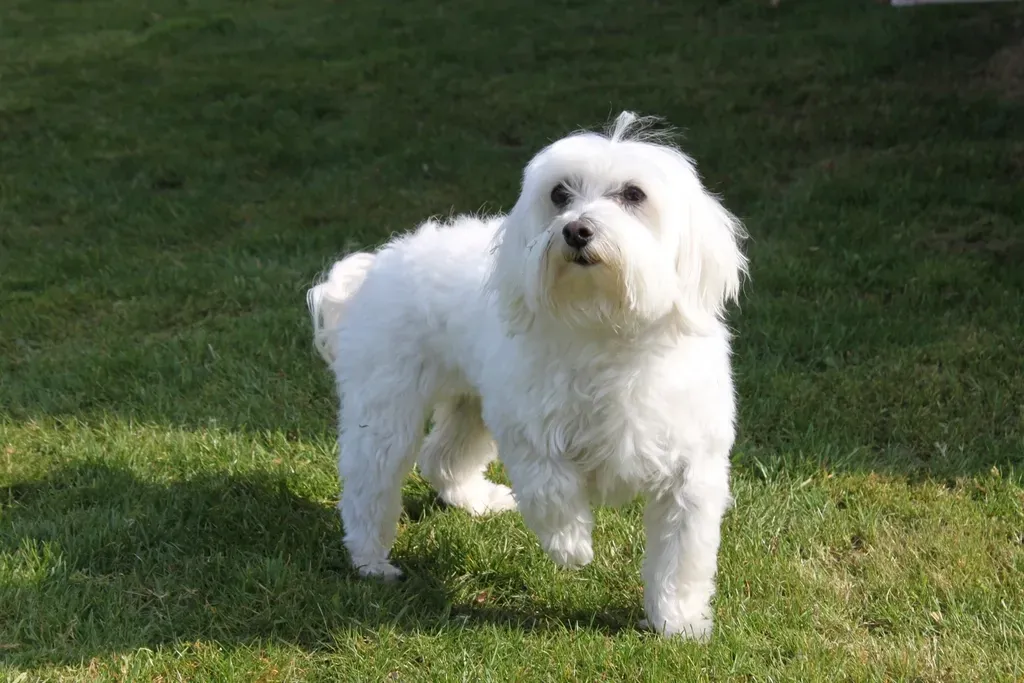
Maltese are among the best dog breeds for seniors, especially those looking for a small, devoted companion. These dogs are known for their calm demeanor and loving nature, making them perfect for older adults who enjoy quiet moments at home. They thrive on human interaction and love to be close to their owners, providing comfort and companionship throughout the day.
Maltese are relatively low-energy dogs, making them suitable for elderly individuals who may not be able to provide extensive exercise. Their luxurious coats require regular grooming, which can actually become a relaxing activity for both the dog and the owner. Maltese dogs are excellent for seniors, weighing under ten pounds and being generally low maintenance aside from dental care. Small enough to carry, affectionate enough to make every quiet evening feel like company.
#5. Bichon Frise
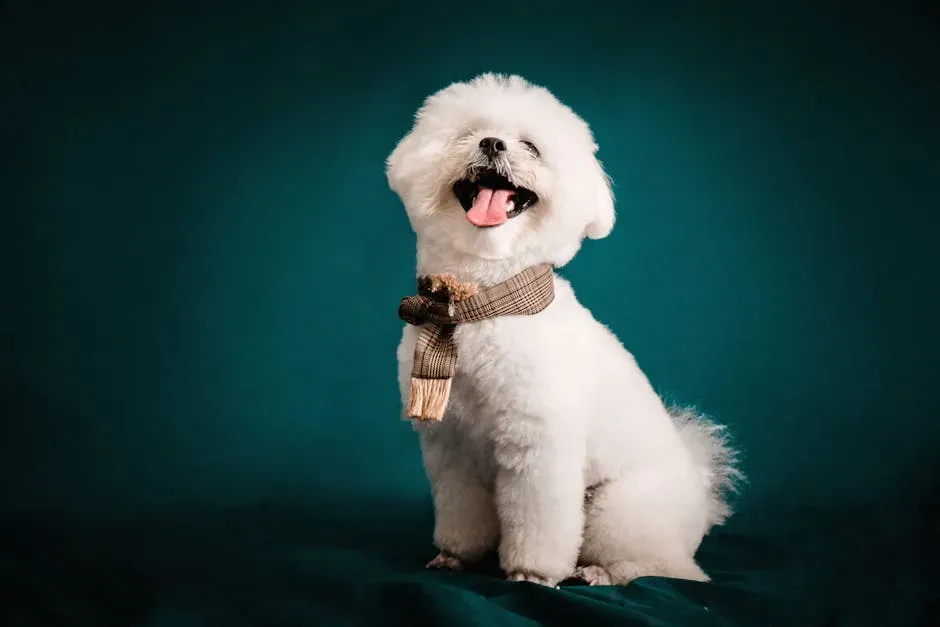
Bichon Frises are remarkable for their hypoallergenic white fluffy coats, which make them ideal for seniors with mild allergies or those who prefer a clean living environment. Unlike many dog breeds, these charming little dogs shed minimally, which means less cleaning and more cuddle time. Their small size combined with a gentle temperament makes them perfect for indoor living and limited mobility situations.
They enjoy playful moments and brisk but short walks, then settle happily for cuddles and quiet time. Bichons are famously social, so they spark smiles and easy conversations with neighbors too. Known for their playful yet calm demeanor, their affectionate nature ensures they provide comfort and companionship, and their small size and friendly disposition make them easy to manage and a joy to have around.
#6. Golden Retriever
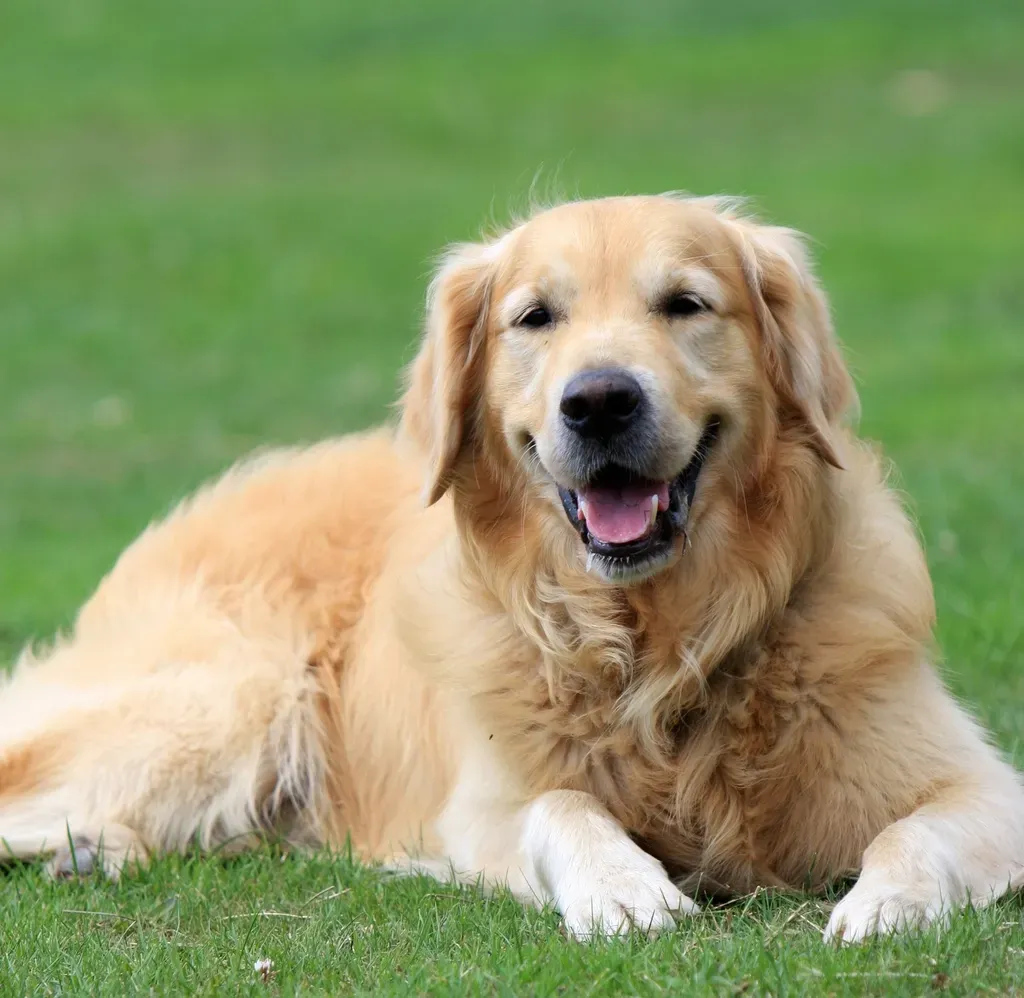
Golden Retrievers are known for their steady temperaments and loyalty. They thrive on companionship and, while they do best with space and regular walks, they reward their owners with endless affection. For a senior who still enjoys getting outside, a Golden brings warmth and purpose to every outing.
Despite their size, Goldens are known for their gentle, tolerant, and affectionate demeanor. They’re famously patient and kind-hearted, especially with smaller or more delicate individuals. The companionship and unconditional love that pets offer can significantly reduce feelings of loneliness and isolation in seniors, and few breeds embody that unconditional love quite like a Golden Retriever. They’re a breed that seems to understand moods without any words being spoken.
#7. Pug
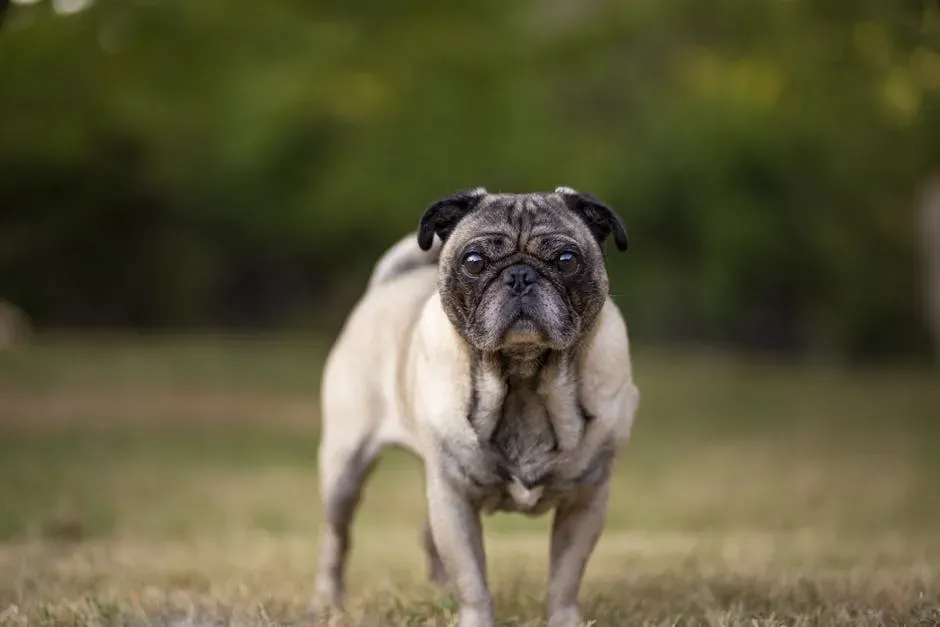
Pugs are the best dogs for seniors who prefer to curl up on the sofa with their beloved furry friend by their side. Most of this breed’s time consists of lounging and playing indoors. Their wrinkled faces and curled tails carry a kind of permanent cheerfulness that’s genuinely hard to resist after a quiet day alone.
These dogs are known for their playful personalities and gentle temperament, making them ideal for older adults seeking a loyal and loving companion. Pugs thrive on human interaction and enjoy being part of daily activities, whether that’s joining you for a short walk, lounging together at home, or entertaining visitors with their comical expressions. Loving and loyal, Pugs are devoted to their pet parents and enjoy taking naps. They are, in short, professional companions.
#8. Labrador Retriever
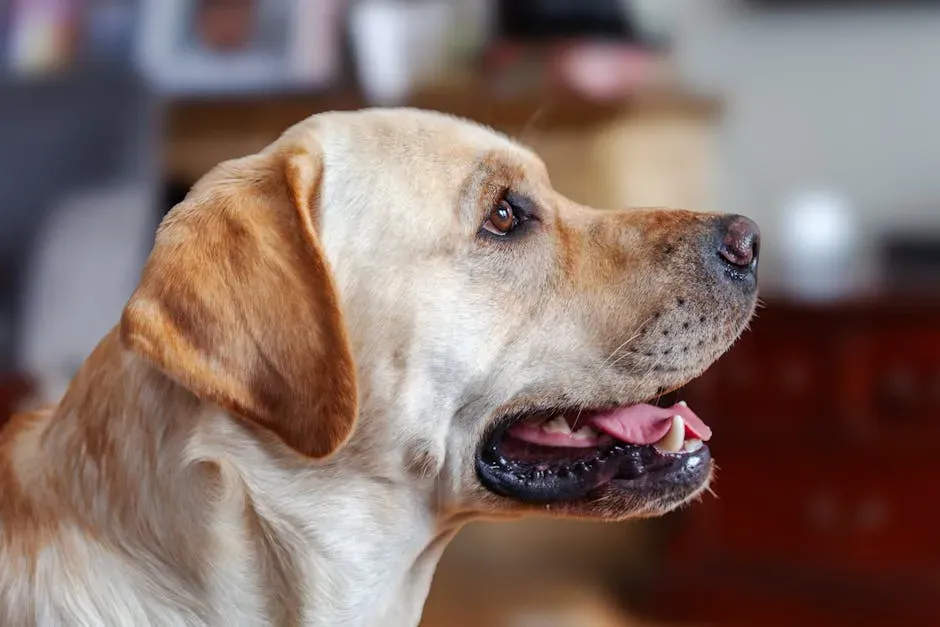
One of America’s favorite breeds, the Labrador Retriever is not just a fantastic family pet but also a deeply loyal companion. Labs are gentle, eager to please, and easy to train. While they are a larger breed with high energy, they’re incredibly affectionate and love being involved in daily activities.
Labrador Retrievers are known for their ability to provide emotional support through their affectionate and intuitive nature. Their ability to sense human emotions makes them exceptional companions for seniors who might experience loneliness or want consistent emotional support. Research shows that compared to older adults who don’t own pets, dog walkers had lower body mass and made fewer visits to healthcare professionals, and the Lab’s natural enthusiasm for walks makes that benefit very easy to access every day.
#9. Havanese
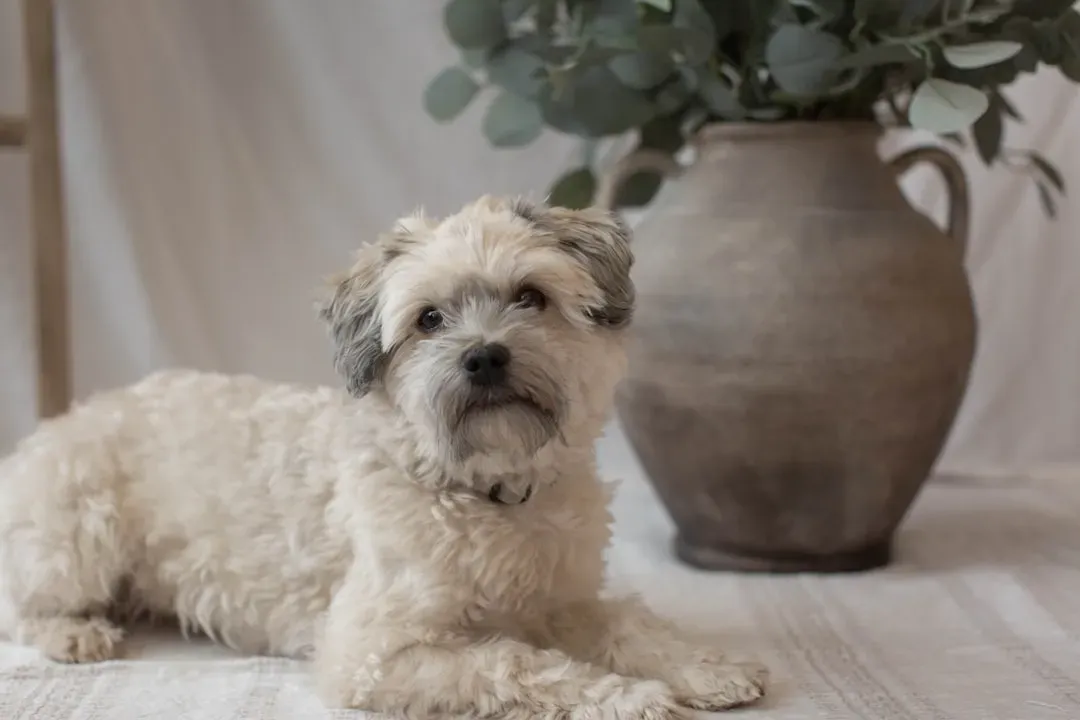
The Havanese is described as happy, loving, intelligent, social, and accommodating. They’re content to stay inside and snuggle with their humans and will play patiently. Havanese don’t require much exercise but are happy to take occasional short walks. Their sociable nature makes them natural mood-lifters, always interested in whatever their owner is doing.
Havanese typically weigh under thirteen pounds, are loving and sociable dogs that thrive on companionship, making them ideal for seniors who are often at home. These playful and intelligent dogs pick up new tricks with ease. These even-tempered, intelligent dogs form deep bonds with their owners and thrive on companionship. Havanese are hypoallergenic and don’t shed, making them suitable for seniors with allergies. That combination of personality and practicality is genuinely rare.
#10. French Bulldog
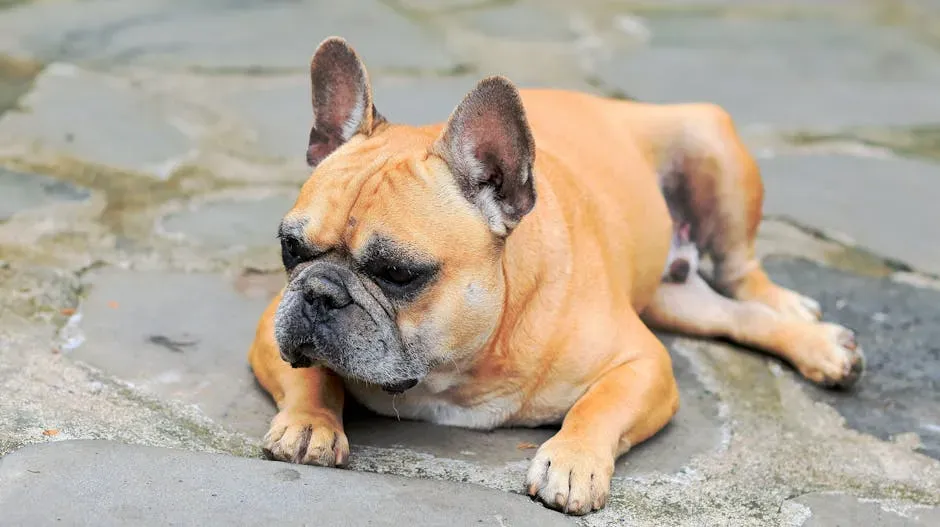
The French Bulldog is described as well-behaved, adaptable, and comfortable, with an affectionate nature and even disposition. They are generally active, alert, and playful, but not unduly boisterous, and they don’t bark a lot, so they can be good apartment dwellers. That low-key energy makes daily life feel easy rather than demanding.
French Bulldogs are especially suitable for people with limited mobility since they’re not very active. Because of their shortened muzzle, French Bulldogs shouldn’t partake in tiresome outdoor activities. Tagging along with their pet parent as they run errands or short walks around town will do the trick, and the time spent together makes Frenchies feel special. They have a quiet, devoted presence that suits a slower pace of life perfectly.
#11. Pembroke Welsh Corgi
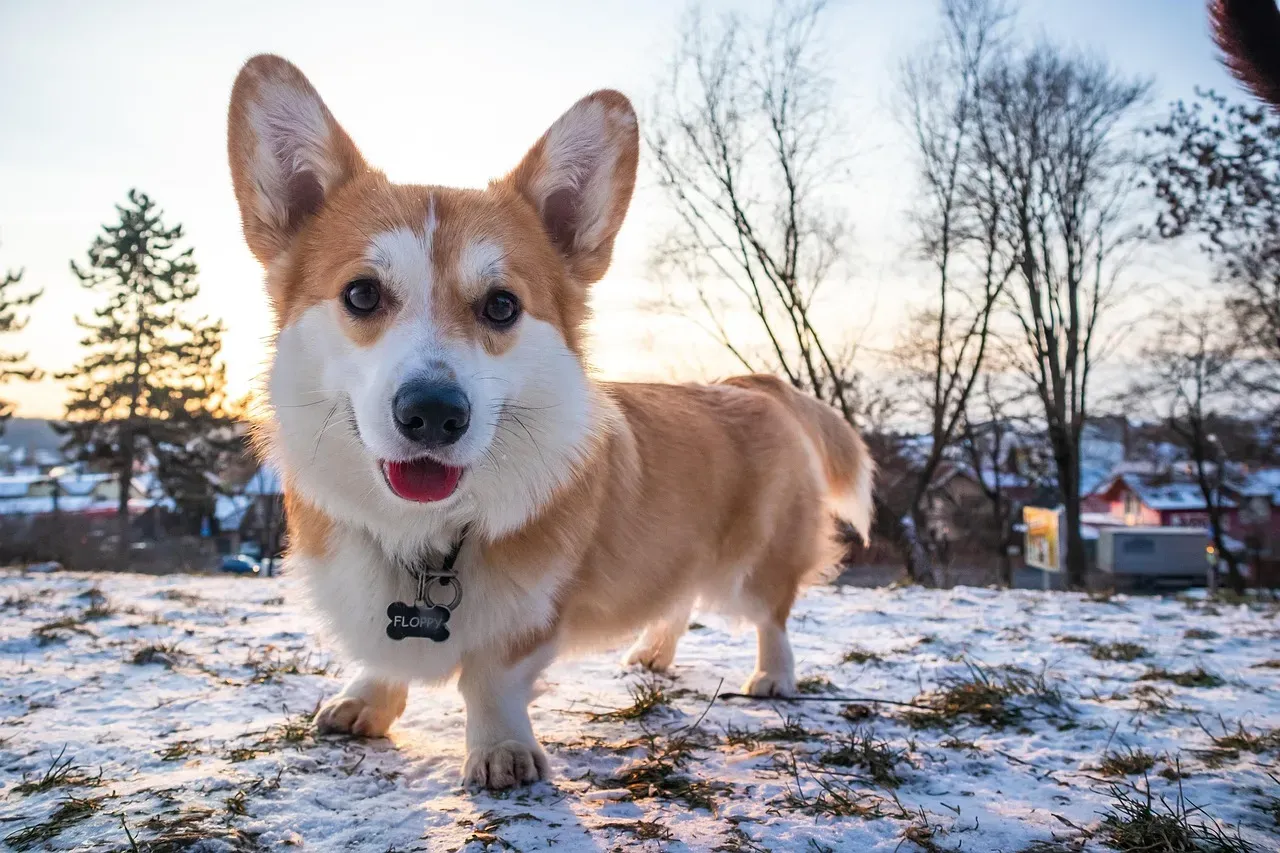
Pembroke Welsh Corgis are small, sturdy dogs known for their friendly and outgoing nature. These dogs are highly affectionate and form strong bonds with their owners, making them excellent companions for the elderly. Corgis are relatively low-maintenance in terms of exercise, requiring only moderate activity to stay healthy.
Corgis bring a bit of liveliness into the home without being overwhelming. For seniors who still enjoy a moderate level of activity, these dogs offer the perfect partnership. Their alert, watchful nature also means they provide a subtle sense of security, something that matters more than people often acknowledge when living alone. Smart, sturdy, and genuinely devoted, the Corgi punches well above its weight in the companionship department.
#12. Miniature Schnauzer
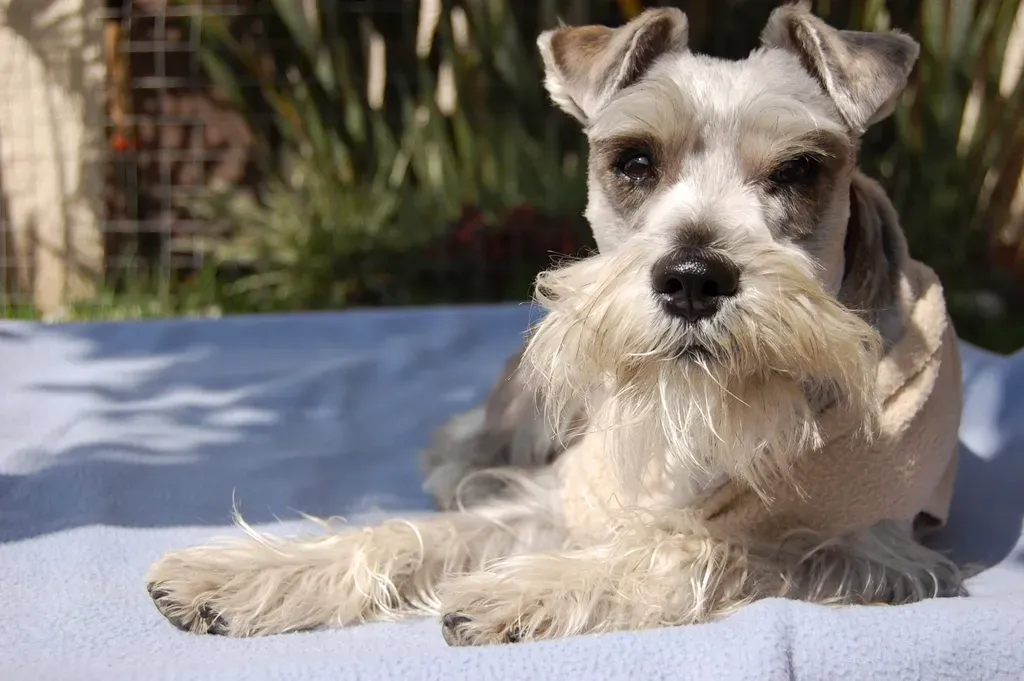
The Miniature Schnauzer provides ultimate companionship and commitment to their senior pet parent. Family oriented and protective over the ones they love, Miniature Schnauzers are alert dogs who watch over the house, and these furry friends are obedient and quick to learn when it comes to training.
Miniature Schnauzers are energetic and obedient. Their affectionate and loyal nature helps them bond closely with their owners and other pets. They only weigh ten to twenty pounds and are happy to be lap dogs. With their signature beard and spunky attitude, Miniature Schnauzers are a lively and intelligent companion breed. They’re known for their loyalty and attentiveness, often shadowing their humans around the house, and they respond well to training with moderate exercise needs, making them adaptable to various living environments.
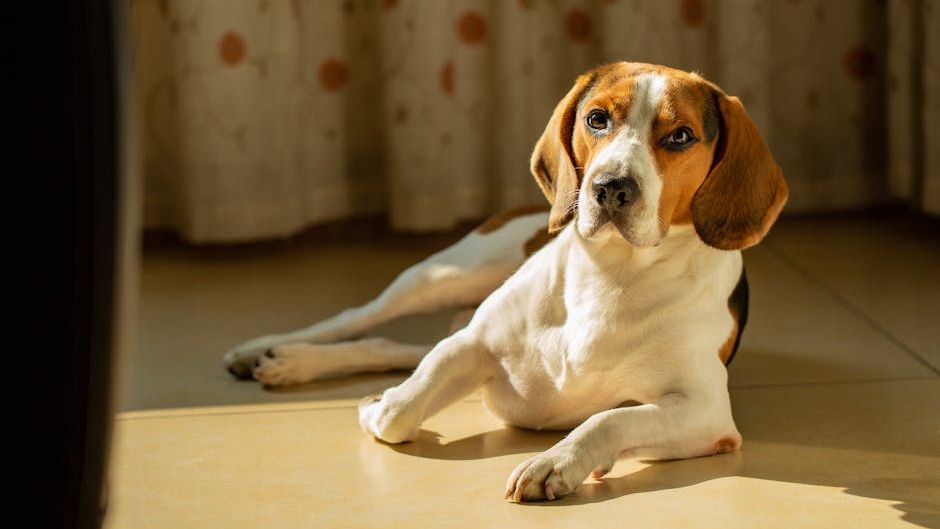
#13. Beagle

Beagles are affectionate and loyal, so they can provide good companionship to older adults. Their short coat makes them low maintenance and their moderate size makes them suitable for various living situations, including apartments or homes with limited space. They’re the kind of dog that brings an easy, uncomplicated joy to a household.
Beagles are happy, easy-going, curious, funny, clever, and loyal companions. They are great family dogs, as well as excellent dogs for seniors. Known for their loyalty, intelligence, and joyful nature, Beagles are devoted to their families. Their short coats are simple to care for, though they do shed and need regular brushing. Their curious, friendly nature also makes them natural conversation starters on walks, which is a quiet but genuine benefit for seniors seeking a little more social connection.
#14. Pomeranian
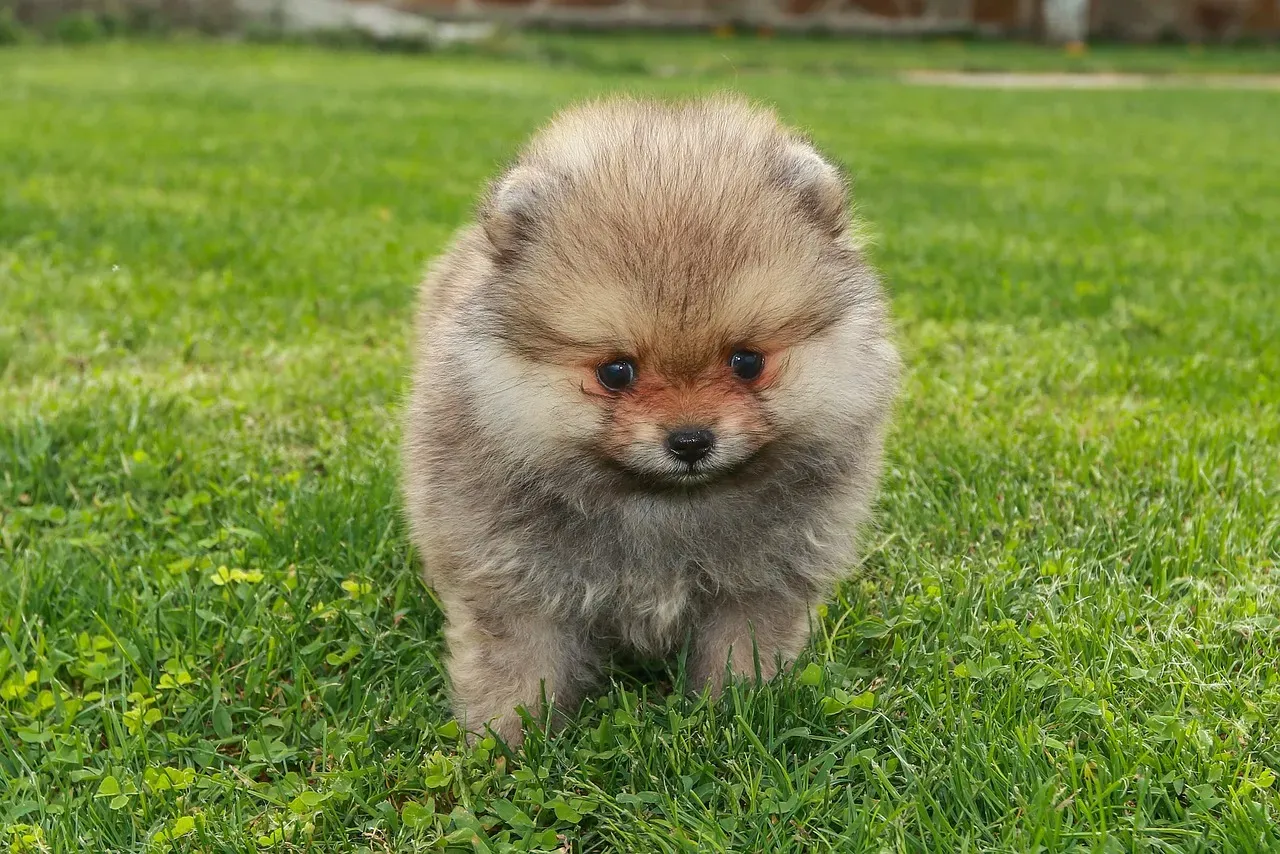
The tiny, vivacious Pomeranian with their wonderful-to-pet silky coats descends from Spitz dogs in the Arctic region of Iceland. Their small stature is deceiving, because the personality they bring to a household is anything but small. Poms are smart and easy to train, and their playfulness is satisfied with indoor games or short outdoor walks. They also enjoy time to just hang out on your lap.
This breed is affectionate and cheerful, enjoying time spent snoozing in your lap and playing with toys. Most importantly, Pomeranians thrive on companionship and will be a loyal, happy pet. They are bright, alert, and perky, and they are easy to train. They make great watchdogs and are great companions for seniors in both the suburbs and cities. For someone who wants a dog with genuine personality and energy in a very manageable package, the Pomeranian delivers.
#15. Cocker Spaniel
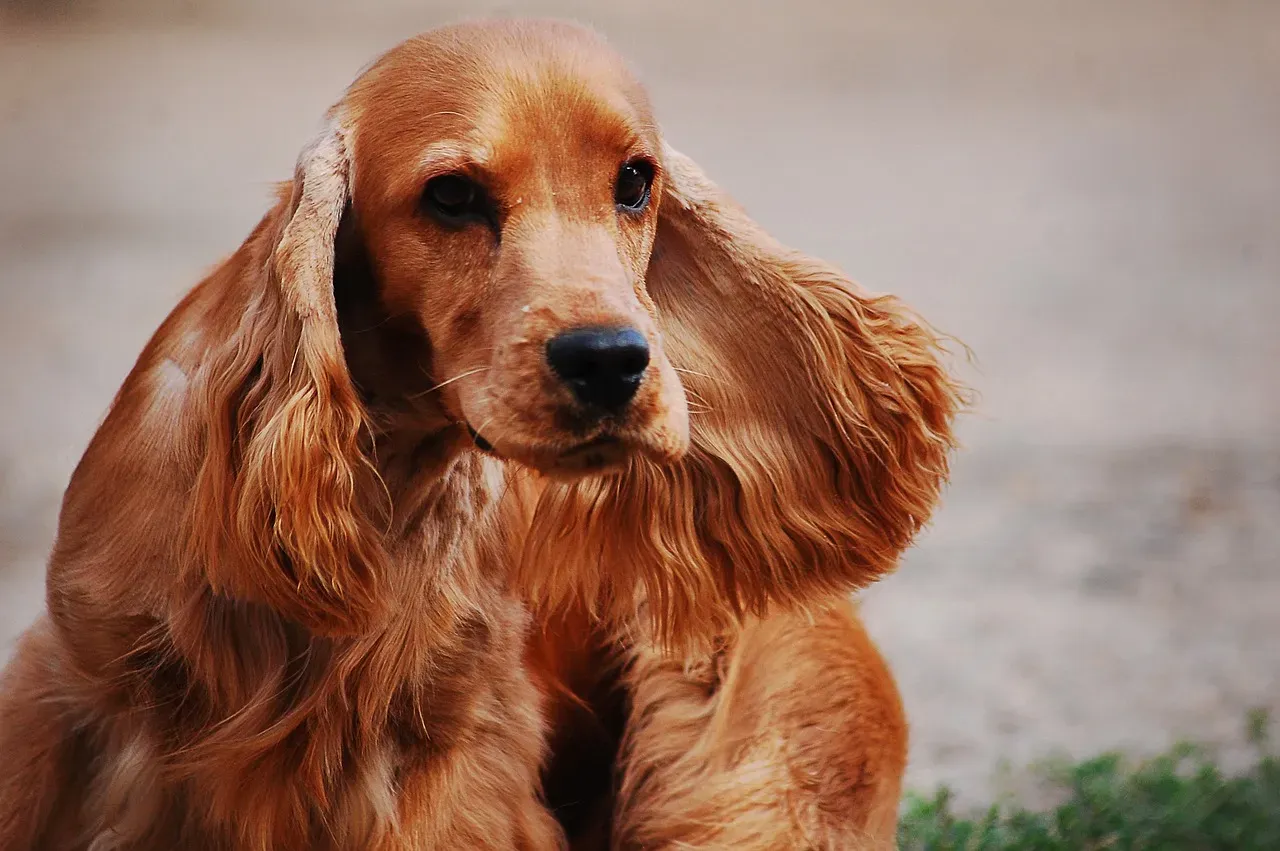
Cocker Spaniels mix sweetness with steady devotion, making them wonderful companions for unhurried days. Their medium size is manageable, and they are content with moderate walks and sniff-focused exploration. Those soulful eyes and soft ears seem to understand when you need a quiet moment.
English Cocker Spaniels have a strong desire to please and are easily trained. They’re good travelers and are happy to be wherever you are. Cocker Spaniels are easy to care for and well-suited for various living arrangements, including apartments, thanks to their moderate size and relatively quiet demeanor. Their even, gentle energy makes them a natural fit for anyone wanting a dog that settles beautifully into the rhythms of daily life without ever feeling like too much to handle.
The Real Reason a Dog Changes Everything
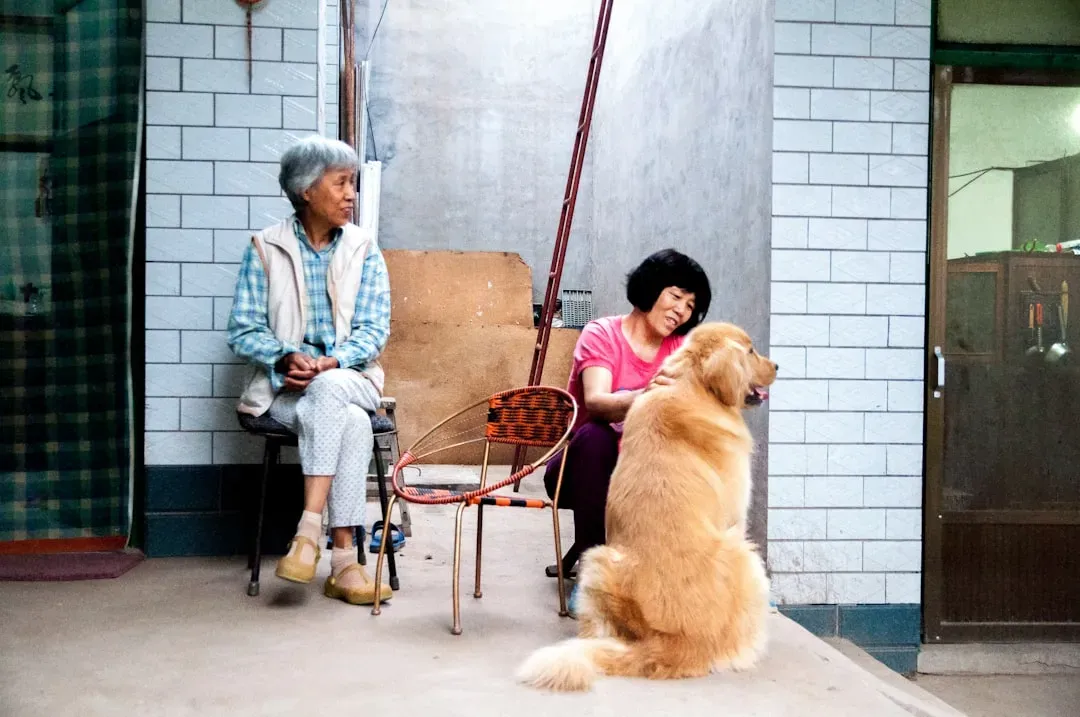
Social connectedness is often thought of as the presence of meaningful connections with other human beings. In some instances, certain older adults may have their need for connectedness met, in part, by owning a pet, which depends on their owner for survival, potentially giving their owner a sense of worth and responsibility for another living being. That sense of being needed is something no app or television program can replicate.
For those living alone, pets may provide companionship and a sense of purpose, thereby mitigating feelings of loneliness. Pet ownership is associated with reduced deterioration in physical health among older adults. There is an increasing body of research that suggests that pet ownership provides social support to older adults, increases the chances of social interaction, decreases loneliness, and has the potential to contribute to the maintenance of cognitive function, thus promoting healthy aging.
Whether it’s taking short walks or cuddling on the couch, dogs can lower stress, encourage daily movement and create routines that foster connection, benefits that are especially helpful in reducing loneliness and supporting mental health for older adults. The right breed can quietly transform the texture of an entire day.
Choosing the Right Match
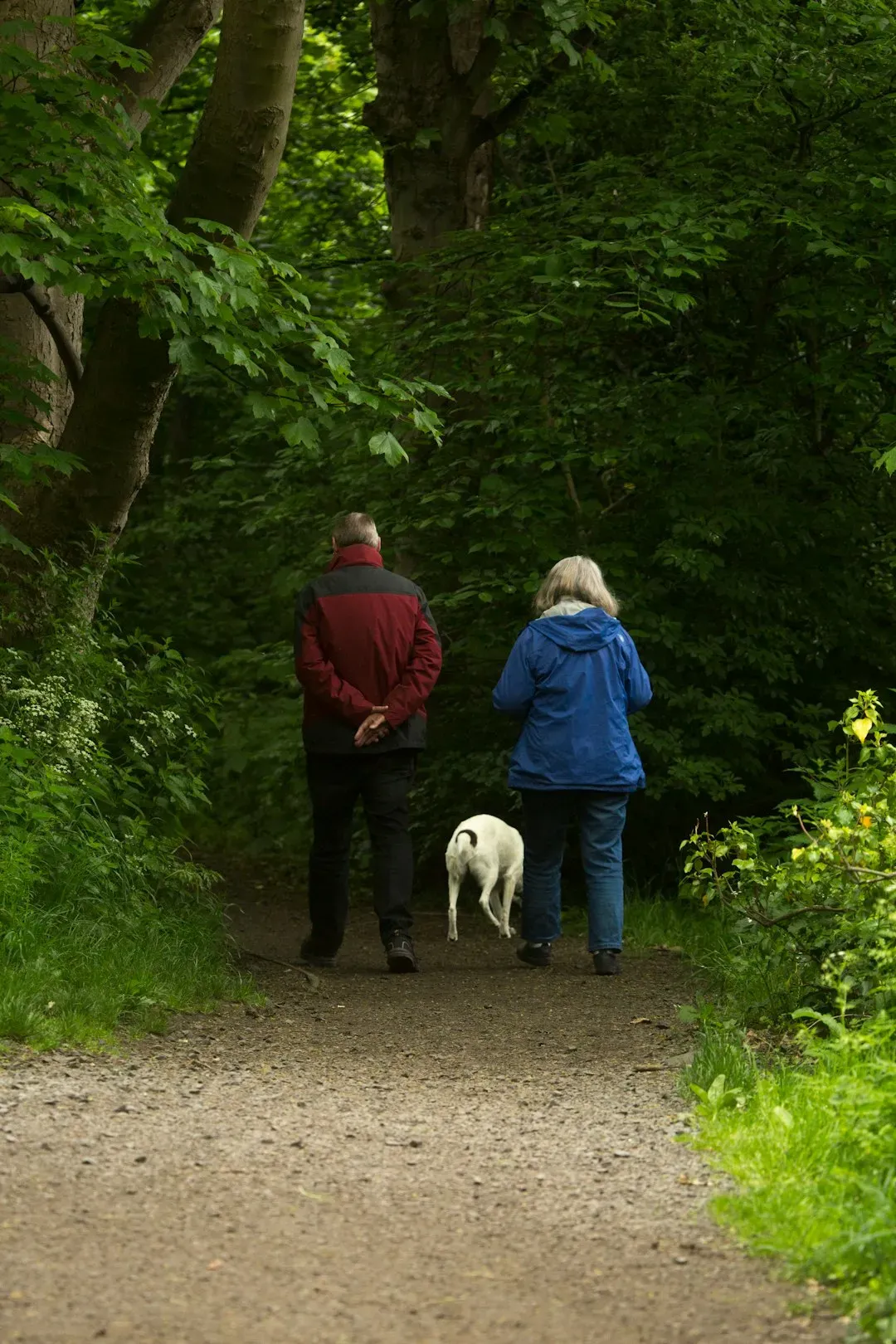
The important consideration when deciding whether to add a dog to your life isn’t age as much as lifestyle and physical ability to take care of a dog. Dogs thrive when their activity level is in sync with their owner’s. If you’re active and enjoy walks or time outdoors, a lively dog might be perfect. If your days are quieter, a calmer breed that enjoys relaxation and gentle companionship may be the better fit.
Choosing the right companion animal requires careful evaluation of lifestyle factors, physical capabilities, and available support networks. Successful pet ownership for community-dwelling older adults depends on matching animal needs with owner abilities and establishing backup care plans. It’s also worth considering an older rescue dog, whose temperament is already established and whose need for a calm, loving home is just as real.
A Final Thought
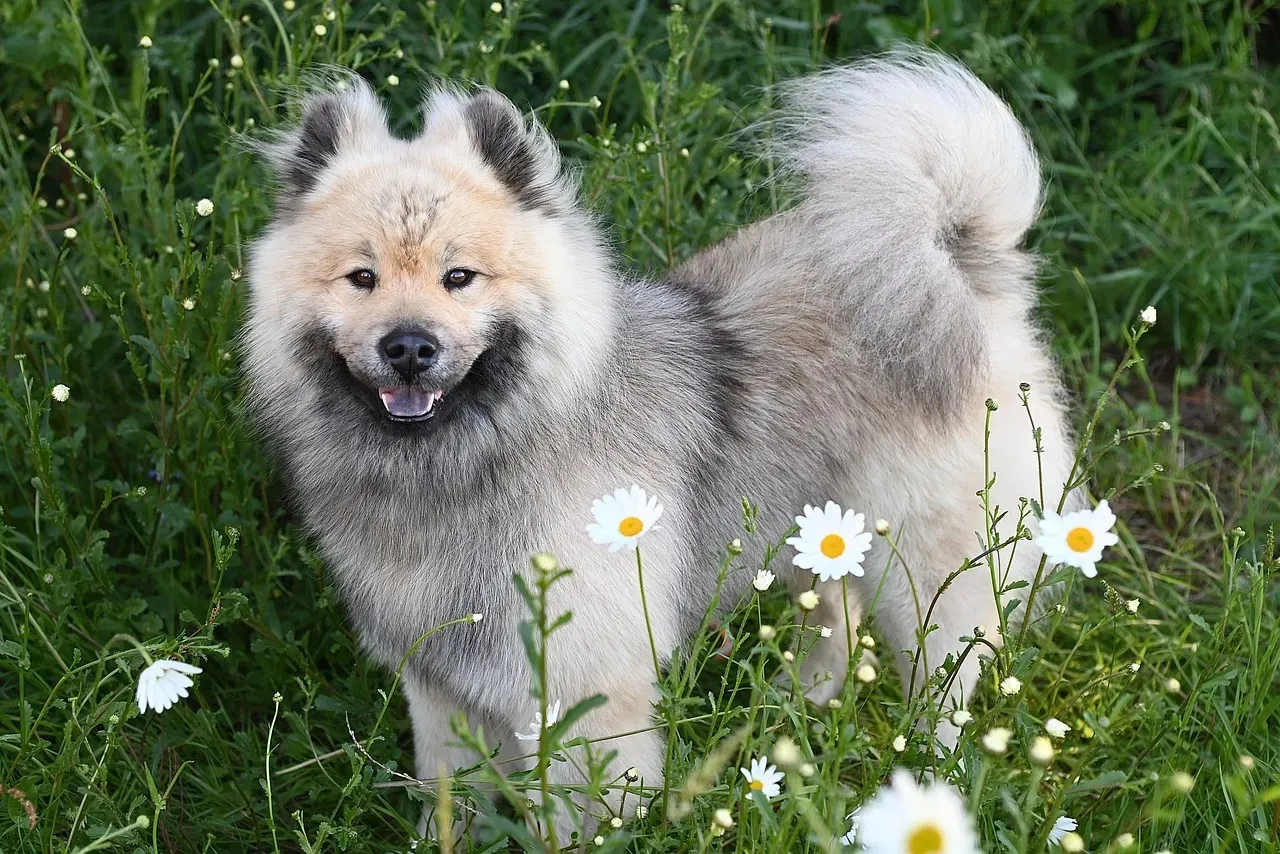
Loneliness in older age is a genuine health concern, not just an emotional inconvenience. The research is consistent, the experiences of millions of seniors are consistent, and honestly, anyone who has watched an elderly neighbor light up when their dog greets them at the door understands it instinctively.
A dog doesn’t solve every challenge that comes with aging. It doesn’t replace family or friendships. What it does, day after day, is show up completely. It needs you, it notices you, and it’s genuinely glad you’re there. For a lot of people, that turns out to be precisely enough. In our opinion, any senior who has the capacity and support to care for a dog should seriously consider it. The science backs it up, but more importantly, so does lived reality.


