
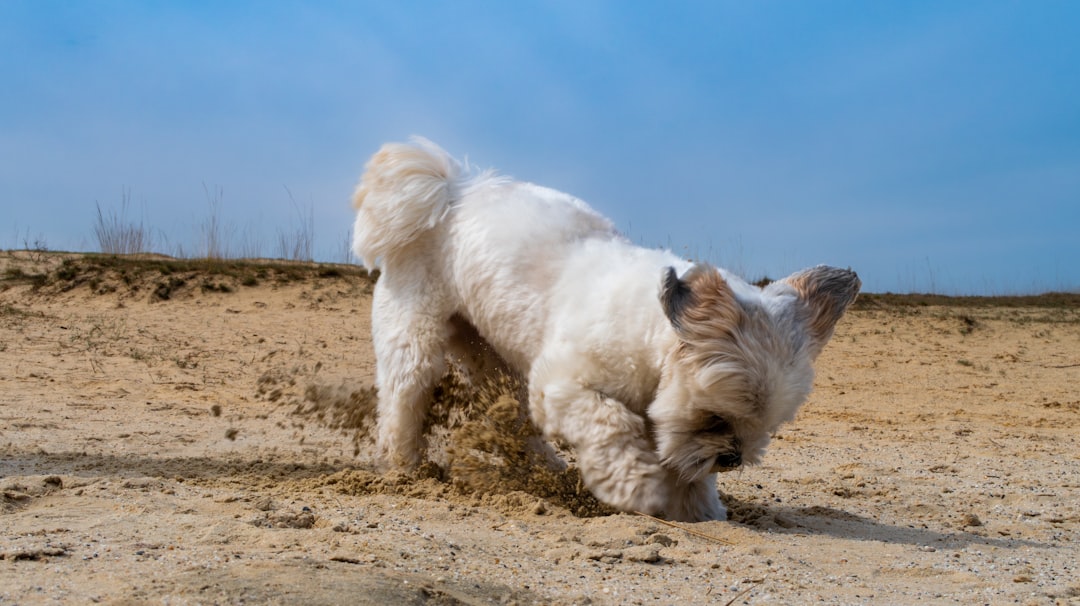
You step outside, coffee in hand, and your yard looks like a small construction crew knocked off early. Holes everywhere. Fresh dirt piled beside each one. Your dog is sitting nearby looking both proud and entirely untroubled. You’re baffled, maybe a little frustrated, and almost certainly wondering what on earth is going on in that fuzzy head.
Here’s the part most owners don’t realize: that hole your dog just dug and promptly ignored isn’t random mischief. It’s instinct. Ancient, deeply wired, completely purposeful instinct. Understanding what’s really driving the behavior doesn’t just help you keep your lawn intact. It changes the way you see your dog.
#1: The Wolf Is Still in There
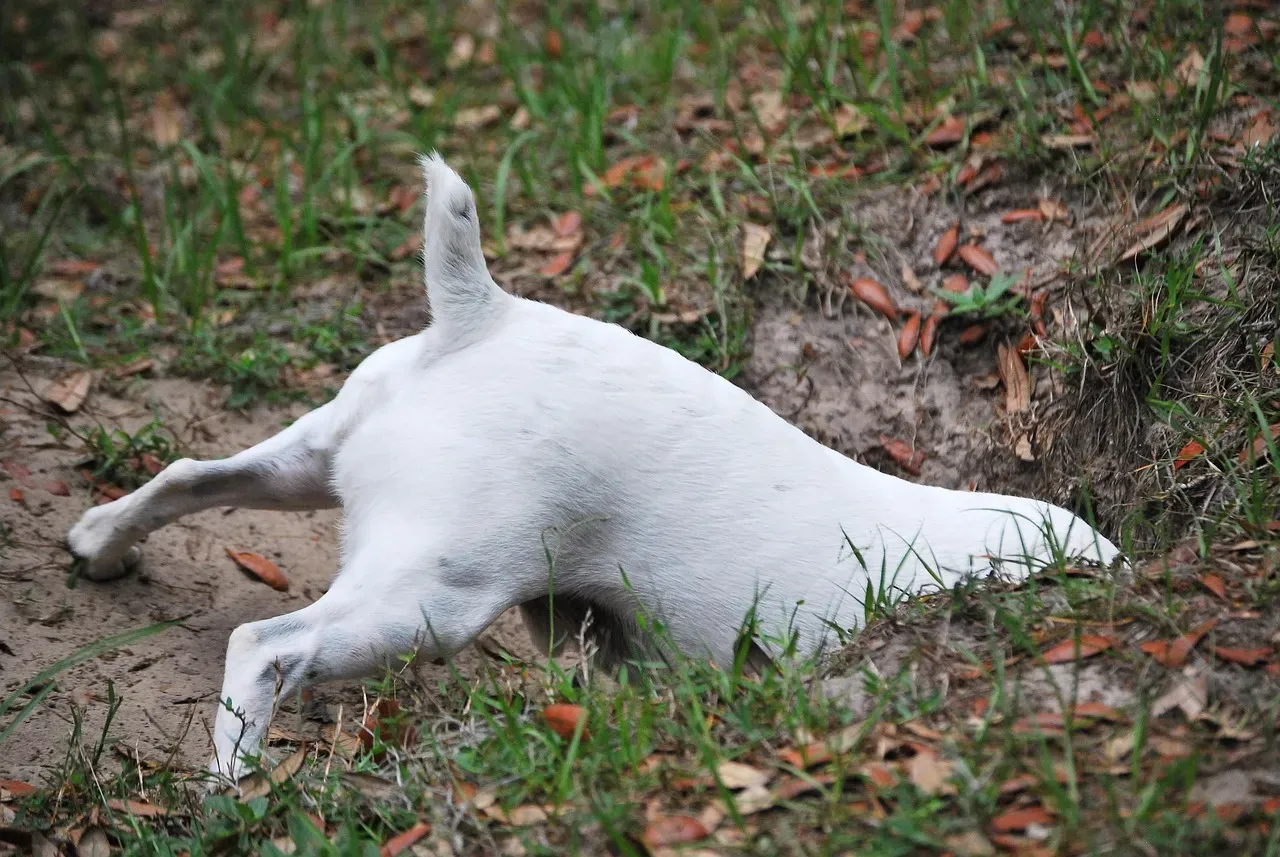
The core of the digging behavior goes back to a dog’s wolf ancestors. That connection isn’t just a poetic idea. It’s a very real biological inheritance that modern dogs carry every single day, whether they’re a pampered lapdog or a working breed with muddy paws.
When dogs’ ancestors lived in the wild, they would have had to dig to hide from predators, find shelter, and hunt prey to help them survive. This behavior is still part of your dog’s instincts and comes as naturally as barking or sniffing the ground. Your dog isn’t being difficult. It’s doing exactly what thousands of years of evolution prepared it to do.
Our dogs are domesticated, but they still have some wiring in their brains inherited from their wild ancestors. For some dogs, digging a hole meant hunting for small animals that burrow into the ground. This behavior is simply part of their natural prey drive. The fact that your lawn has no wolves and no shortage of kibble is irrelevant to the part of your dog’s brain running that program.
#2: They’re Actually Temperature Engineers
Dogs don’t sweat like humans. Instead, they regulate their body temperature through panting and by seeking out cooler or warmer environments. Digging into the ground can provide a comfortable spot that helps regulate body temperature. In hot weather, the soil just beneath the surface is cooler, and your dog might dig to create a cool spot to lie in.
In colder weather, they may dig a shallow hole to shield themselves from the wind or to create insulation with leaves or dirt. So when your dog digs a hole and then abandons it before the afternoon is over, they may have simply moved on once the temperature shifted. The hole did its job.
Breeds such as Nordic breeds, including Siberian Huskies and Alaskan Malamutes, may dig to escape the heat. These dogs have thick fur, making it harder for them to regulate their temperatures. The cool earth can be an effective way to cool off after playtime outdoors. For these dogs especially, a self-dug hollow in the ground isn’t destructive behavior. It’s a practical solution to a real physical need.
#3: The Den Instinct Is Real and Runs Deep
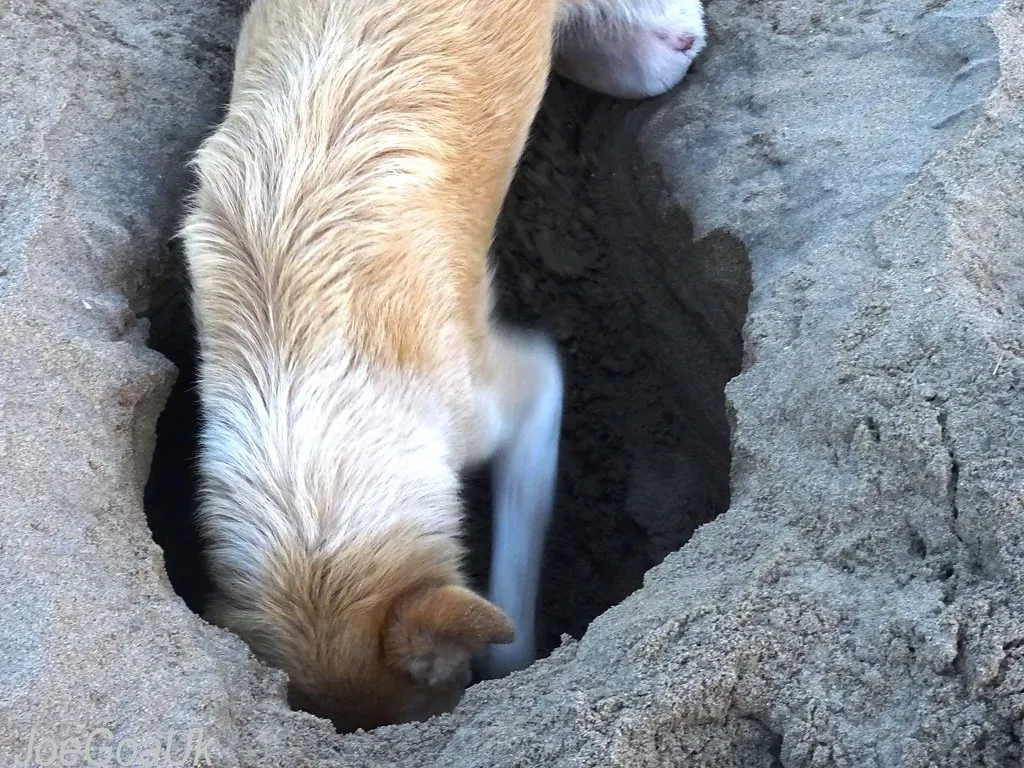
In the wild, dogs need a safe and comfortable den to rest in. Some domestic dogs have the same instinctual urge. By digging in the ground, they create a shelter that can be cozy or cool. This is where the “emergency shelter” framing of the headline earns its truth. The hole isn’t random. It’s architectural.
Mother dogs, particularly when pregnant or preparing to whelp, often dig holes due to their ingrained denning instinct. This behavior serves several crucial purposes, including creating a secluded, secure space for their upcoming litter. The dug-out area provides a cooler environment in warm weather and a warmer, more sheltered space in colder conditions. A den also offers protection from predators and other environmental hazards.
Incorporating denning spots offers dogs a sense of security and comfort. Dogs naturally seek out enclosed spaces to feel safe when resting or seeking solitude. Even in the middle of a suburban backyard, something in your dog’s brain is still calculating shelter, safety, and escape routes. The hole is the output of that calculation.
#4: Boredom, Anxiety, and the Need to Feel Useful
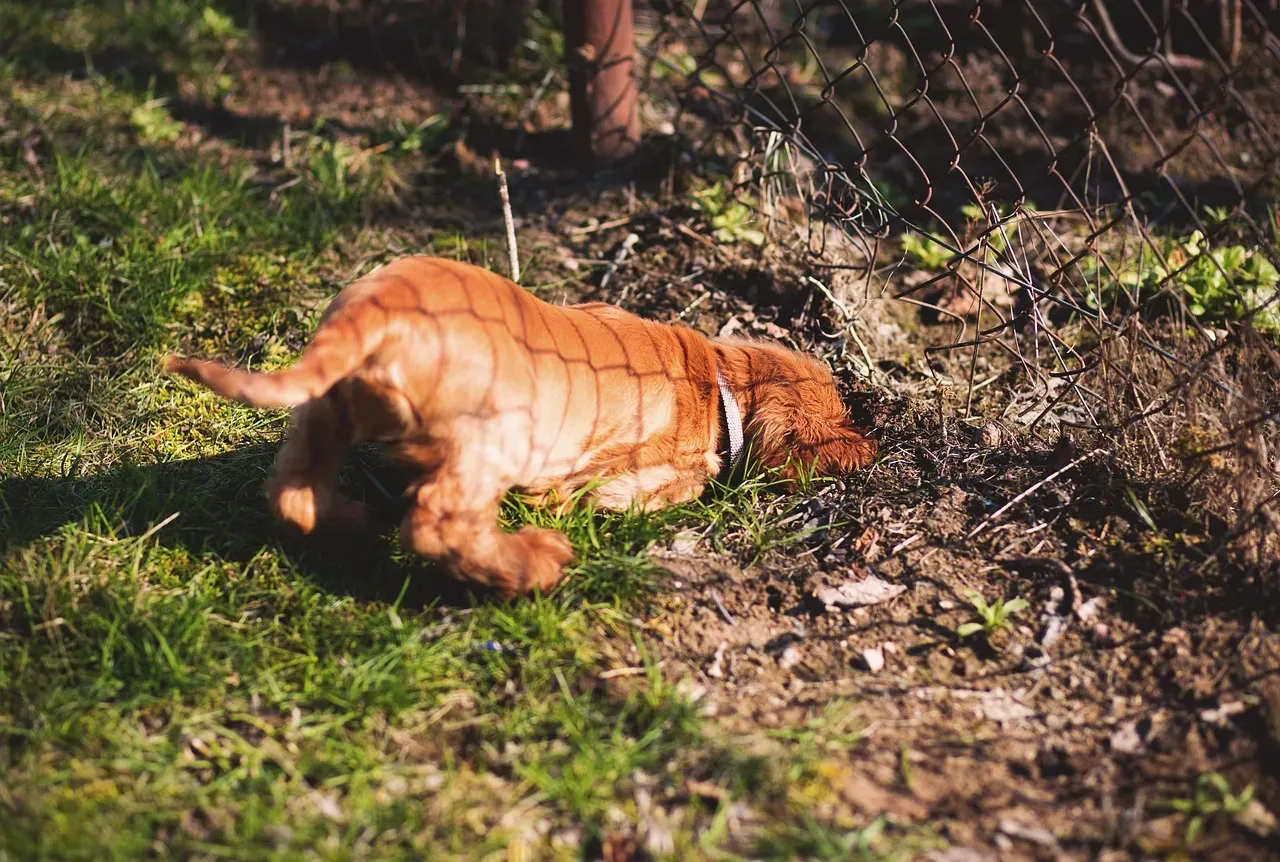
Dogs dig because it feels good physically, and it helps them to relieve mental stress, boredom, and anxiety. Indeed, a dog who digs has a lot of time and energy to spare. This is probably the category that catches the most owners off guard. They expect boredom to look like lying around doing nothing. Instead, it looks like a freshly excavated garden bed.
Some dogs use digging to comfort themselves and seek relief from emotional distress. Unfortunately, digging is often a matter of boredom, separation anxiety, or fear. If the dogs are not getting enough exercise or spending too much time alone, digging is their way to express frustration and release the energy that has nowhere else to go.
Just like humans develop nervous habits, dogs may dig as a response to stress or anxiety. If your dog is left alone for extended periods, hears loud noises like fireworks or thunderstorms, or experiences changes in the household like a new pet or a move, they may resort to digging as a coping mechanism. The hole gets dug, the edge gets taken off the stress, and then it’s left behind. That’s the whole story.
#5: What You Can Actually Do About It
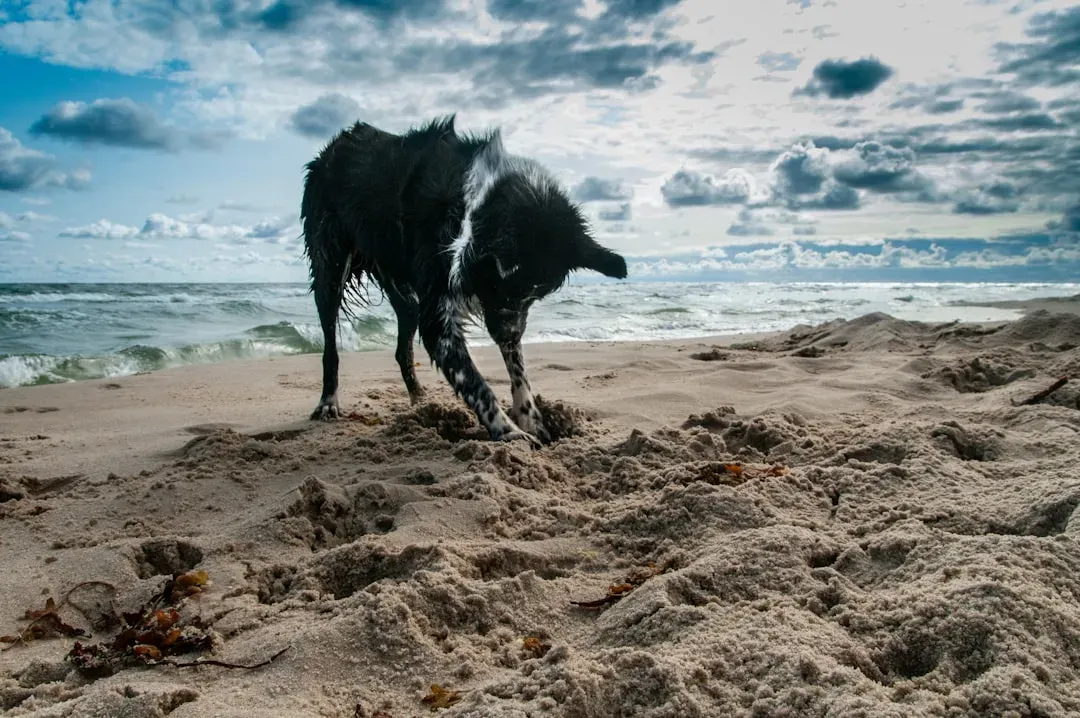
Dogs dig for reasons, and those reasons are not “to make you angry” or “because they are bad.” Digging is a deeply natural canine behavior that has been part of the species’ repertoire for thousands of years. Wild canids dig to create dens, cache food, hunt burrowing prey, and regulate body temperature. Your domestic dog carries those same instincts, and depending on the breed, some carry them much more intensely than others.
For dogs that were bred to dig, encouraging this behavior can help manage it. Create a designated dig pit in your yard to provide an outlet for your dog’s digging needs. This area should be filled with loose soil or pet-safe sand and can be bordered with rocks or wood panels. Encourage your dog to use this area by burying toys or treats for them to discover. It sounds simple because it is. Give the instinct a legal outlet, and it tends to stay there.
Try increasing enrichment before you leave: scatter kibble in the grass, leave a frozen Kong, or set up a digging pit with buried treats. If the digging stops with added enrichment, boredom was the cause. If it continues alongside other stress signals, consult a trainer to evaluate for anxiety. Matching the solution to the actual cause is what makes the difference between a strategy that works and one that doesn’t.
The Bigger Picture: A Behavior Worth Understanding
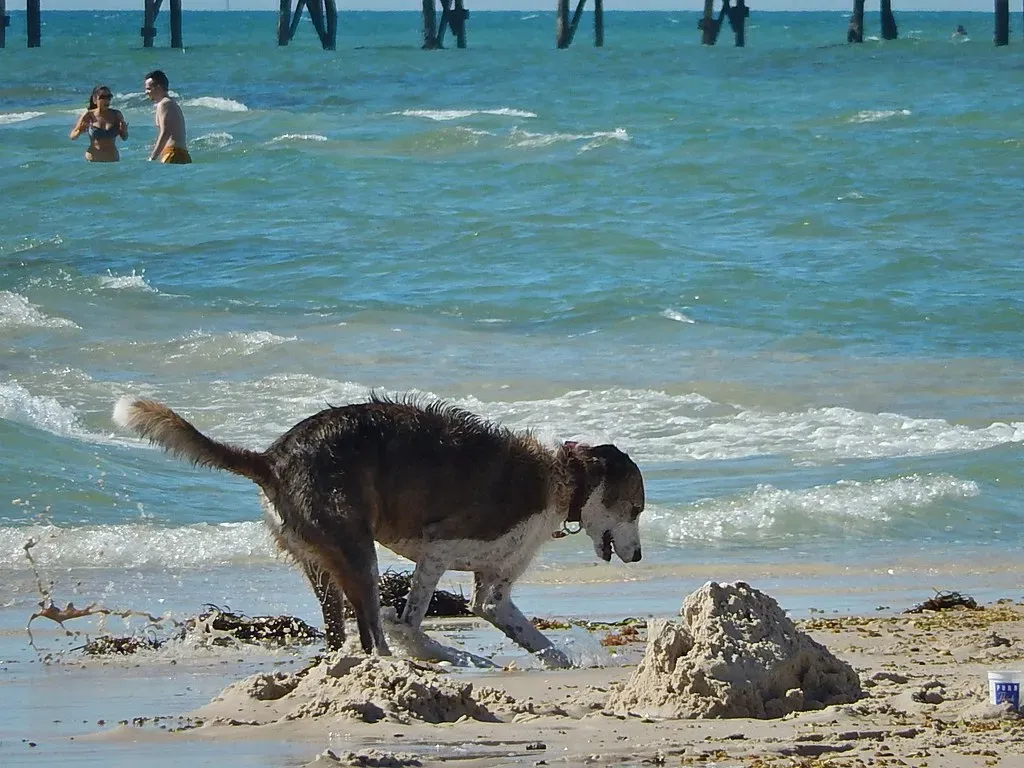
The instinct to dig a hole and prepare a safe place to shelter is not something your dog invented. It’s something that kept their ancestors alive in genuinely harsh conditions, through cold winters, predators, and uncertainty. Your dog doesn’t experience any of that, but the programming remains fully intact.
Most owners who understand the real reason behind the digging report that their frustration drops significantly. It’s easier to redirect a behavior when you understand its function. Treat the behavior as information: digging is a symptom, not a personality shift. Ask what the hole is telling you, not just how to make it stop.
There’s something worth sitting with here. Your dog, surrounded by every comfort you’ve provided, still carries this ancient urge to prepare a shelter, just in case. It’s not ingratitude or stubbornness. It’s a creature following a script written over thousands of years. The yard may look worse for it, but the instinct behind those holes is actually one of the most fascinating things about sharing your life with a dog. Manage it, redirect it if you need to, but maybe don’t rush to bury it entirely.


