
Most dog owners know that leaving a pet home alone comes with some guilt. You grab your keys, glance back at those eyes staring from the hallway, and wonder if you’re doing the right thing. For some dogs, a few hours alone is genuinely fine. For others, it’s closer to a crisis.
Dogs are social by nature and often rely on routines and companionship. When a dog is highly attached, their entire sense of security is tied to the physical presence of their owner. What’s easy to miss, though, is that this isn’t a trait shared equally across all breeds. Genetics and history play a major role. Certain breeds were developed to work closely with humans including retrievers, herders, and lapdogs, and these breeds are particularly sensitive to separation. Knowing where your dog falls on that spectrum isn’t just useful. It could genuinely change how you structure your day.
#1. Vizsla
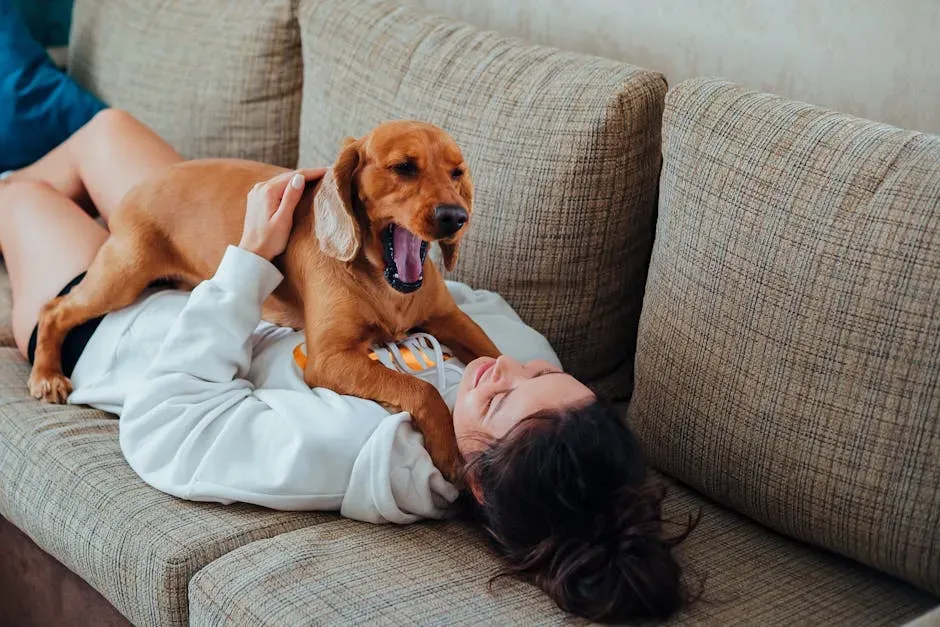
If there’s one breed that truly earns the label of “velcro dog,” it’s the Vizsla. Vizslas are often described as “velcro” dogs due to their tendency to stay close to their human companions. This deep bond means they thrive on close physical contact and continuous interaction.
This strong attachment can lead to separation anxiety when they are left alone for extended periods. Vizslas may exhibit behaviors such as excessive barking, whining, destructive chewing, or even physical symptoms like loss of appetite when they experience separation anxiety. They’re a Hungarian hunting breed built for constant collaboration with a human partner, and that instinct runs very deep.
Vizslas are highly active and energetic dogs that require vigorous and challenging daily physical exercise to maintain their physical and mental health. Bred for endurance and agility, they have a natural drive to hunt and retrieve, which needs to be fulfilled through regular activities. If you work from home or have flexible hours, this breed can be extraordinary. If you’re away for long stretches regularly, it’s worth thinking carefully before committing to one.
#2. Border Collie
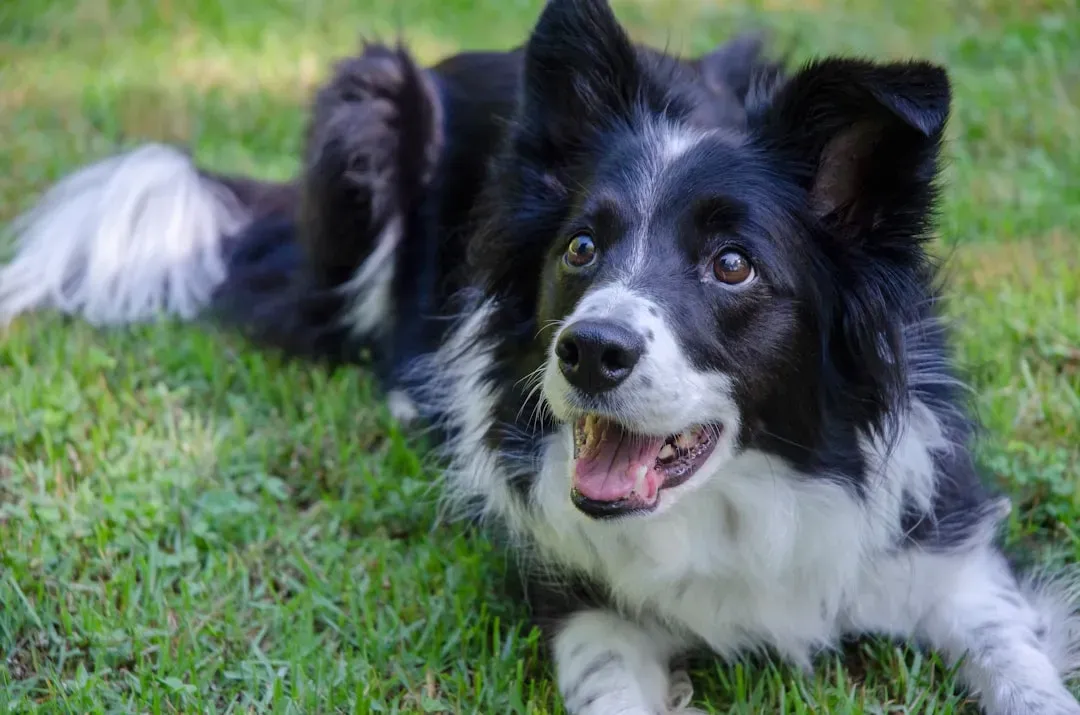
Border Collies are extremely intelligent dogs with high energy levels, so leaving them home alone all day with no stimulation and no exercise can lead to destructive behavior and separation anxiety. They’re widely considered the most intelligent of all dog breeds, which is precisely what makes their alone-time struggles so pronounced.
Because of their intelligence, they can become bored if they don’t have much mental stimulation, such as when you’re away. Collies are also high-energy dogs, which means they need to be physically stimulated as well. Leaving them alone can lead to boredom, separation anxiety, and destructive behavior.
A bored Border Collie doesn’t just sulk quietly. They’ll find a way to channel that energy, and it won’t always be pretty. Border Collies tend to become destructive if under-stimulated, and benefit from structured dog training and active pet daycare environments. This breed is truly one for people who treat dog ownership as a full-time commitment.
#3. Cavalier King Charles Spaniel

Bred to be a companion dog and spend most of its time with humans, Cavalier King Charles Spaniels typically don’t react well to being left alone for long periods. The Cavalier King Charles is also one of the more naturally anxious breeds, so can be prone to barking and other nervous habits.
These dogs are companion dogs and have been bred to enjoy spending lots of time with their human parents. When you leave them alone for longer periods they may suffer anxiety. This breed also tends to be slightly more anxious in general and can develop barking and other problematic habits. They’re sweet-natured and gentle, which makes it even harder to imagine them anxious and distressed in an empty house.
Cavaliers thrive in environments where there’s almost always someone around. Retirees, remote workers, and families with a stay-at-home parent tend to be ideal matches. They give back an enormous amount of warmth and affection, but they ask for presence in return.
#4. German Shepherd
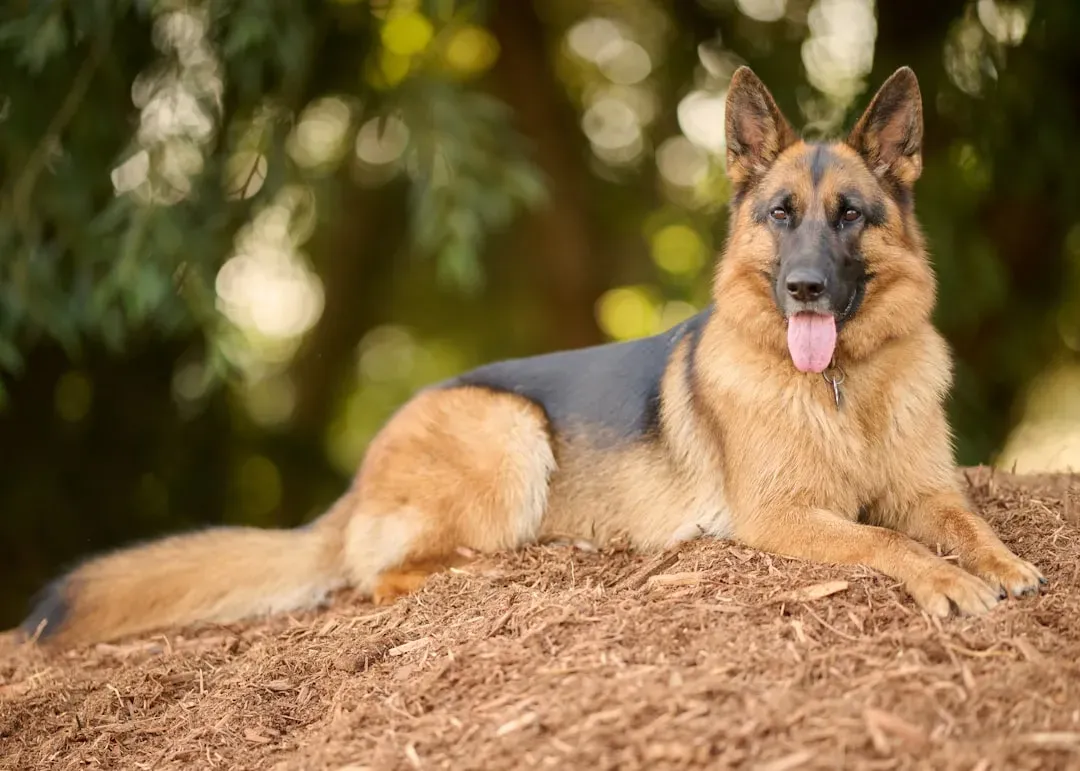
German Shepherds are working dogs and do best when an environment is physically and mentally stimulating. Left alone and bored, they can be distressed. These are dogs that were purpose-built for human partnership, whether that’s police work, herding, or search and rescue.
The German Shepherd is a dog breed that often suffers from separation anxiety. Their loyalty, which is one of their most admired traits, becomes the very thing that works against them when their people disappear for the day. They bond intensely and they feel the absence of that bond deeply.
A German Shepherd that gets regular engagement, training, and exercise can handle reasonable periods alone with some adjustment. The key word is “reasonable.” Eight or more hours without contact, day after day, tends to produce stress responses in this breed that can be difficult to reverse.
#5. Bichon Frisé
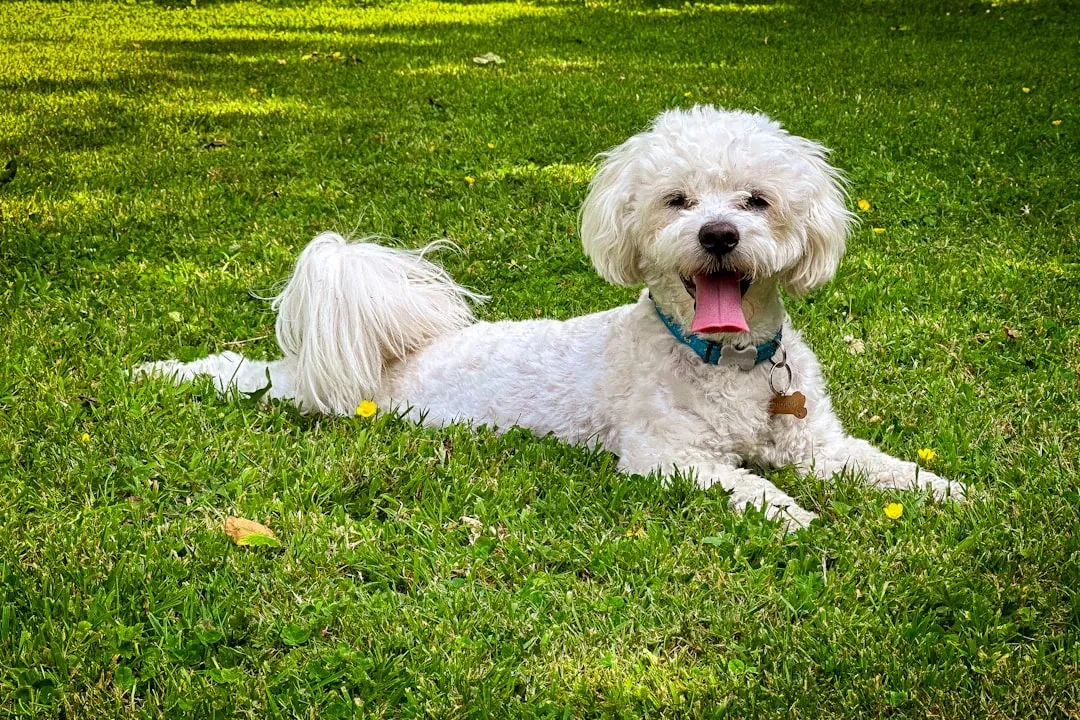
Bred as a companion dog, the Bichon Frisé really does best when around their human family. They are social and do poorly when left alone with nothing to do. Time without physical activity and without their people family can lead to distress and anxiety.
The Bichon Frisé thrives when they are with humans, as intended in their breeding. They can quickly become bored and suffer separation anxiety if left to fend for themselves for too long. This breed was historically bred as a lapdog for royalty, which tells you everything you need to know about their expectations for daily life.
Don’t let their cheerful, fluffy exterior fool you into thinking they’re easygoing about solitude. They’re joyful dogs, genuinely so, but that joy is built around interaction. Isolation strips it away quickly, often replaced by anxious barking that neighbors will be very quick to notice.
#6. Labrador Retriever
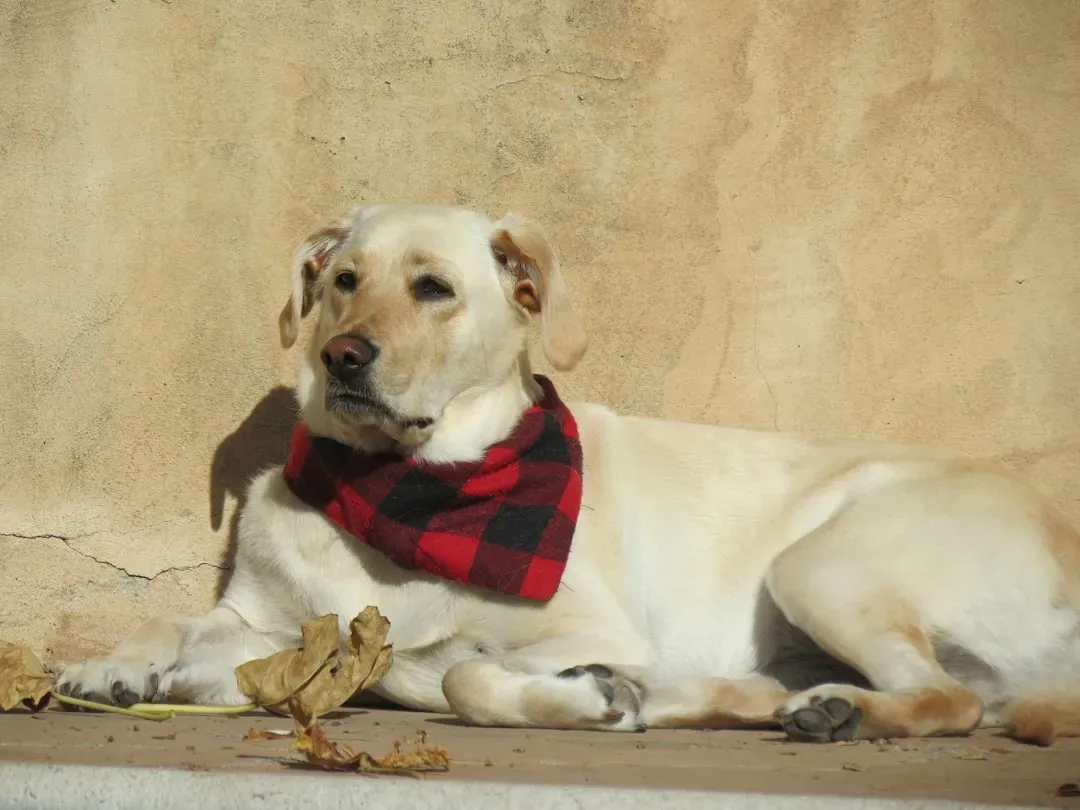
The Lab is one of the most popular family dog breeds and generally has a relaxed disposition. However, because they are so social, they can struggle if left alone for long periods of time. Labs are famously good-natured, which sometimes leads owners to assume they’re fine with anything. That’s not quite accurate.
The Lab generally has a relaxed disposition, but because they are so social, they can struggle if left alone for long periods of time. Their social nature means they want to be part of the family’s daily rhythm, not just present for the fun parts at the beginning and end of the day.
If your golden retriever is showing signs of separation anxiety, such as barking or howling when you leave the house, pacing or following you around constantly, or becoming agitated when you prepare to leave, then they may be suffering from this condition. The same behavioral signs apply to Labs. Given appropriate company and stimulation, Labs are wonderfully adaptable. Without it, their stress shows clearly.
#7. Australian Shepherd
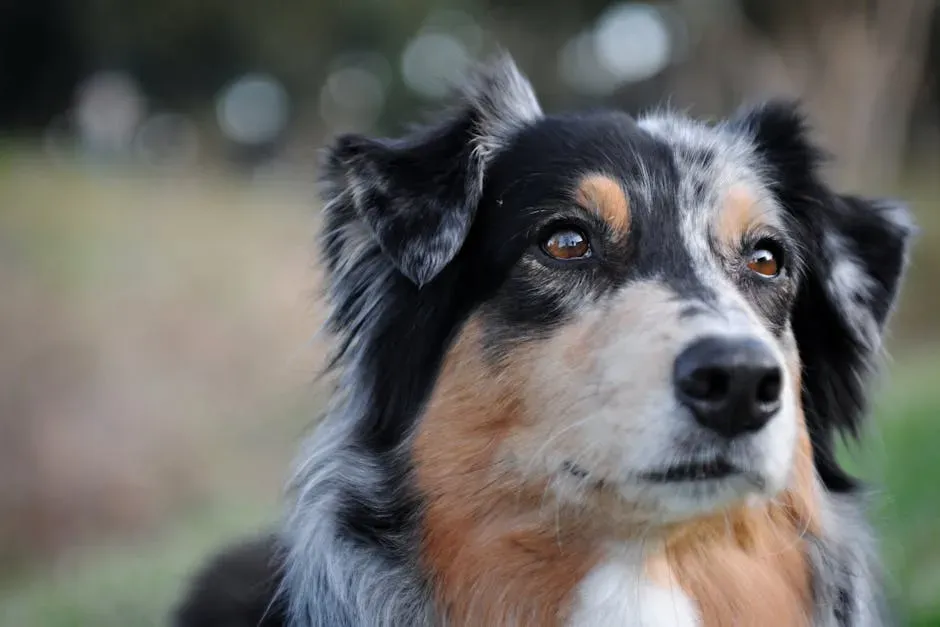
The Australian Shepherd has been bred for herding and is a very active dog that does best when at work. They need to stay active and may suffer anxiety when there’s nothing to do. Aussies are wired for purpose, and an empty house with nothing to herd, organize, or problem-solve leaves them genuinely at a loss.
Their intelligence is comparable to the Border Collie, and so is their reaction to boredom. Dogs that are bred to help us work are also prone to separation anxiety. When your basic instinct is to constantly see what your human needs help with and your human is gone for eight or more hours a day, a very good dog may resort to barking, chewing, and destroying things in an effort to keep their minds busy and ease their anxiety.
Australian Shepherds are genuinely incredible dogs in the right setting. They excel in agility sports, working environments, and active households where someone is nearly always present. They’re not a good fit for long daily absences, no matter how much you love them.
#8. Toy Poodle
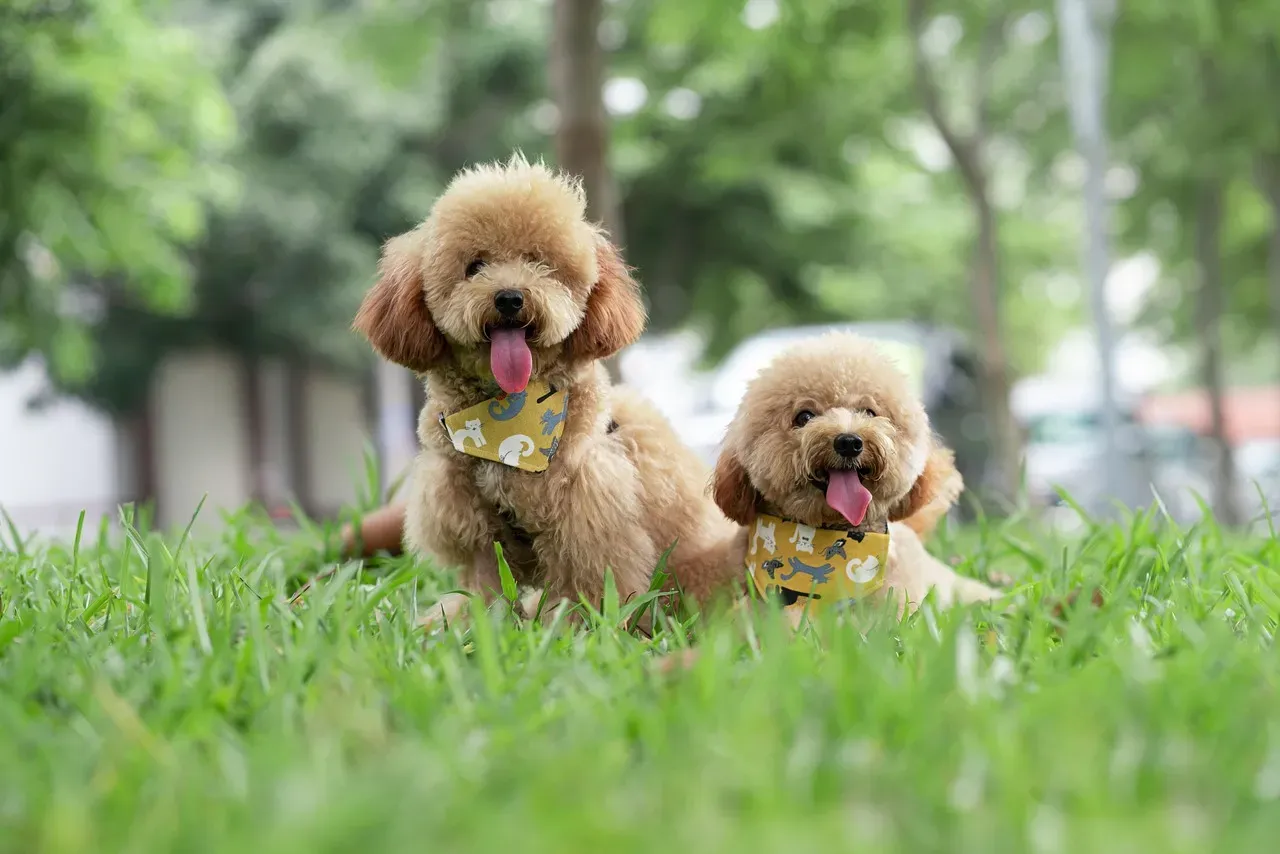
The Toy Poodle has a gentle temperament and has been bred as a companion dog. As such, they need time and love from their human family. When they don’t get it, they can suffer from significant separation distress. They may be small, but the emotional dependency they develop is anything but minor.
Toy Poodles are bred to be constant companions to their owners and they crave total attention. If you leave one of these curly-coated dogs alone too long, you’re in for trouble, probably in the form of excessive barking. Breeds developed over hundreds of generations to enjoy human companionship above all else, like toy poodles, likely have a predisposition to form closer bonds with humans and therefore struggle more when they aren’t around them.
#9. Cocker Spaniel

Cocker Spaniels are very people-oriented and form strong attachments to their families. Their need for close companionship makes them loyal and loving pets. Because this breed thrives on human interaction, they can become distressed if they feel isolated or abandoned.
Separation anxiety in Cocker Spaniels can manifest in many ways, such as destructive behavior, excessive barking, whining, or even physical symptoms like loss of appetite or gastrointestinal issues. These physical symptoms are worth taking seriously. Chronic separation anxiety isn’t just a behavioral inconvenience. It’s a welfare concern.
This devoted family pet is known to be prone to separation anxiety if left alone. Because they are naturally such a friendly, rewarding dog in response to people’s attention, Cocker Spaniels seem to feel aggrieved when they don’t get enough of it. They’re one of those breeds that gives generously but also needs generously in return.
#10. Shetland Sheepdog
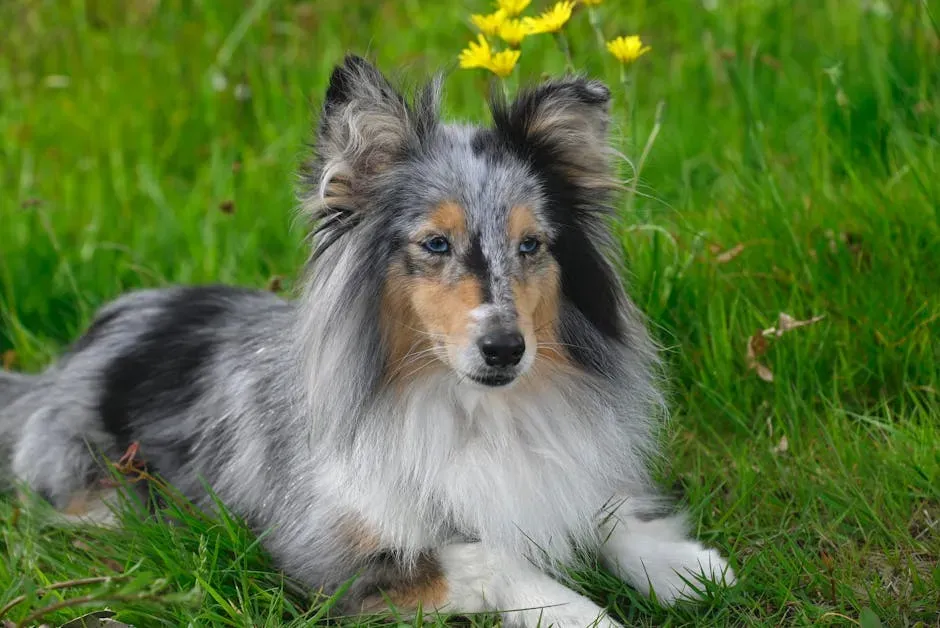
Shetland Sheepdogs are highly social creatures and do not enjoy being left alone. Additionally, they require plenty of daily physical activity, so if they are frustrated and bored, this may trigger stress. Shelties are sensitive dogs at their core, responsive to their environment and deeply tuned to their family’s moods and presence.
Shelties tend to form strong bonds with their owners, so strangers may also make them feel anxious, making it complicated for dog-walkers or neighbours to pop round to help out. This means that even a well-intentioned solution like hiring a dog walker can add rather than reduce stress for some individual Shelties. It’s a nuance worth knowing before you assume any professional arrangement will easily solve the problem.
#11. Jack Russell Terrier
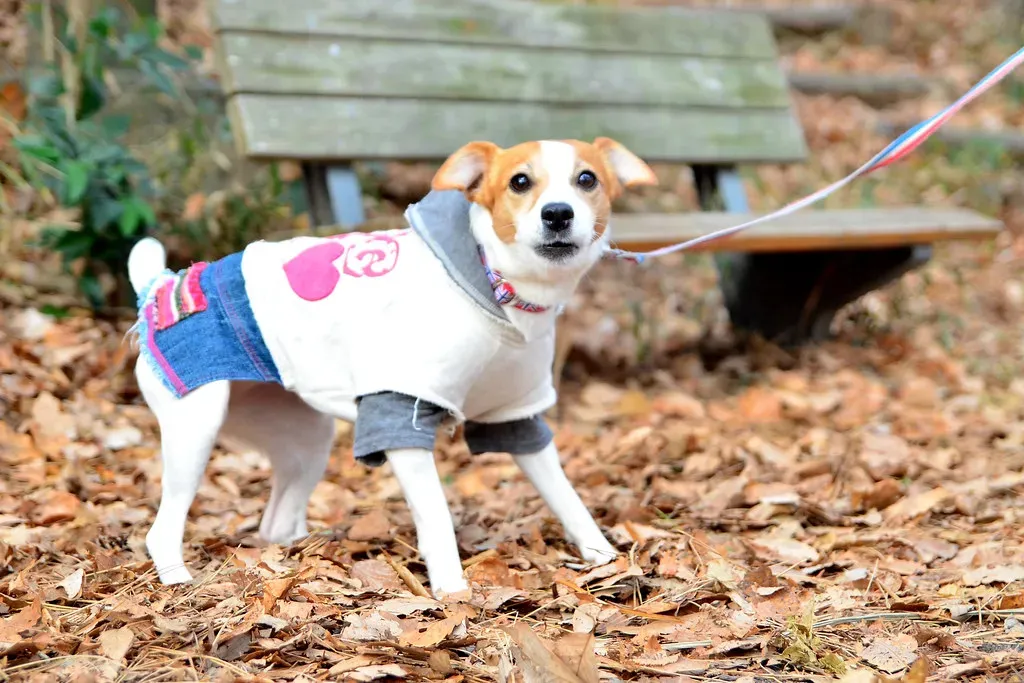
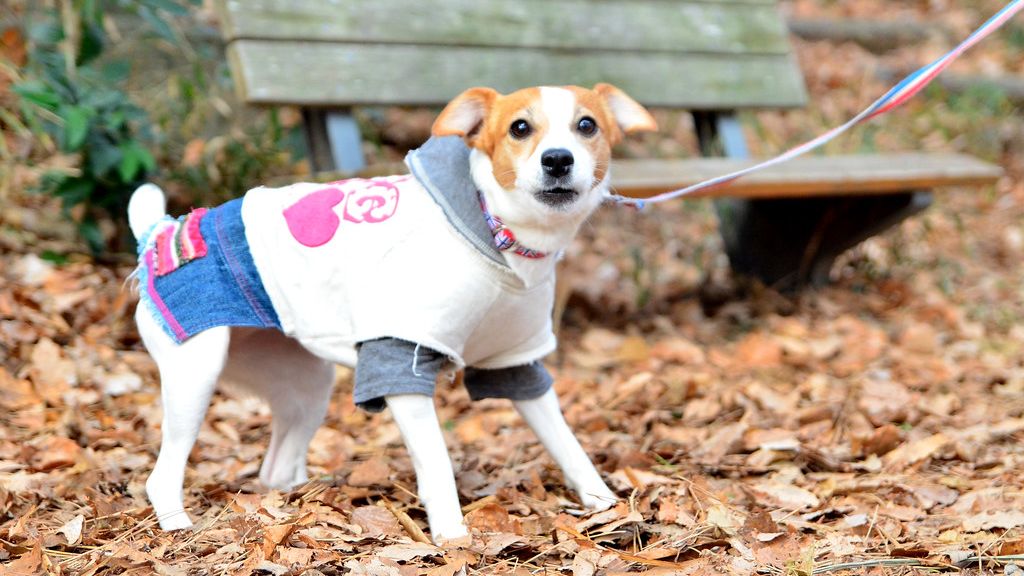
Jack Russells thrive on human companionship and interaction. They are highly social dogs that form strong bonds with their owners and enjoy being involved in daily activities. However, this need for attention means that they can develop separation anxiety if left alone for extended periods.
These bundles of energy quickly become bored and need lots of entertainment as well as lots of physical activity. They can quickly go awry if there isn’t a human around to help them out and to keep them engaged. A Jack Russell alone with untapped energy is essentially a small demolition crew waiting to get started. Their size is deceptive. The damage they’re capable of is not.
#12. Dachshund

While all dogs originated from wolves who are pack animals, the adorable sausage-shaped Dachshund seems to have retained more of its pack mentality than other dog breeds. This means that when you and your family, their pack, leave the house for hours at a time, they can be lonely or fearful.
These pups do better in pairs and have been known to prefer sharing their home with other Dachshunds the best. If you own a single Dachshund and work away from home for much of the day, a canine companion can make a real practical difference. It doesn’t eliminate the need for human presence entirely, but it does take the edge off the loneliness considerably.
Beagles are another pack-happy dog breed that does not do well at home alone. Being separated from their owners can cause excessive barking, destructive behavior, and bathroom accidents. Dachshunds share that deeply communal temperament, and it consistently shows when they’re left to navigate an empty house.
#13. Greyhound
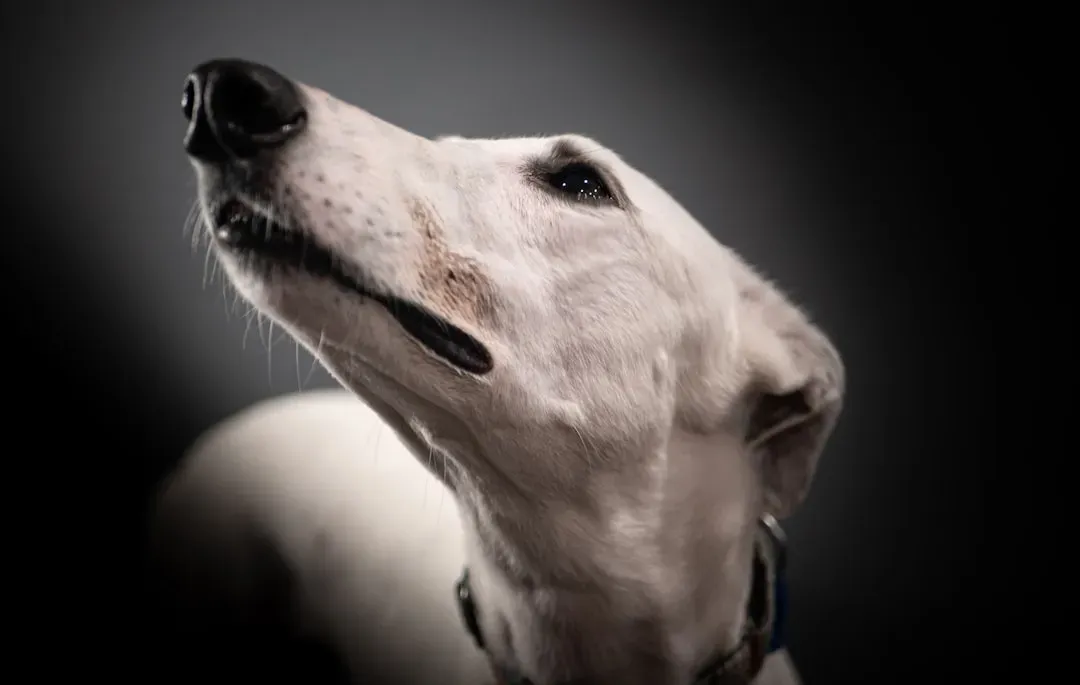
Now for the breeds that cope better alone. The Greyhound is perhaps the most surprising entry on this list. A Greyhound is best known for their running skills, but they also make calm, quiet, and independent dogs at home. Greyhounds usually prefer to have their own dog bed in a quiet place where they can retreat for some solitude as needed.
Greyhounds are quiet, laid back, and spend most of the day snoozing, so they often adapt to schedules that keep them home alone for a full day. These dogs may look like the athletes of the family, but they are often just as happy being the couch potato. If you are looking for the best dog to be left alone for a short time every once in a while, the Greyhound is a great candidate.
#14. Basset Hound
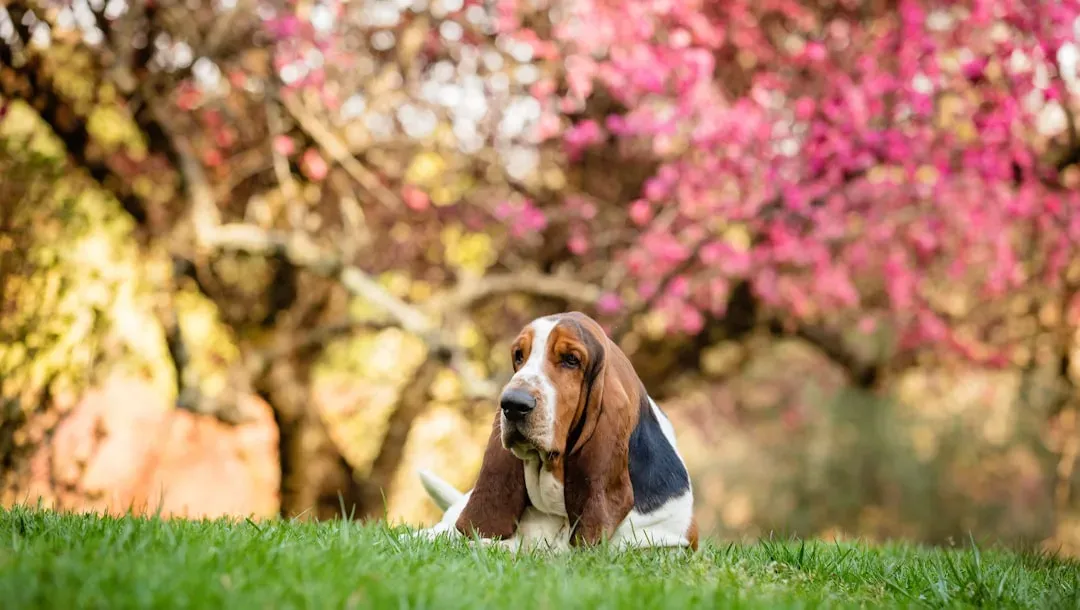
The Basset Hound is a loyal guard dog who is typically very chill and loves to sleep. For this reason, they’re a good dog breed that can be left alone. There’s something almost philosophical about a Basset Hound. They seem remarkably at peace with the pace of life, never rushing toward anything, including anxiety.
Their independent nature might make training challenging, but it translates to a laid-back demeanor. Described as a “calm, sometimes lazy couch potato,” you could say that Basset Hounds would happily trade chasing rabbits for a comfy spot on the sofa. They’re low-maintenance in the very best sense of the word, calm, quiet, and largely content to snooze away the hours until you return.
#15. Chow Chow
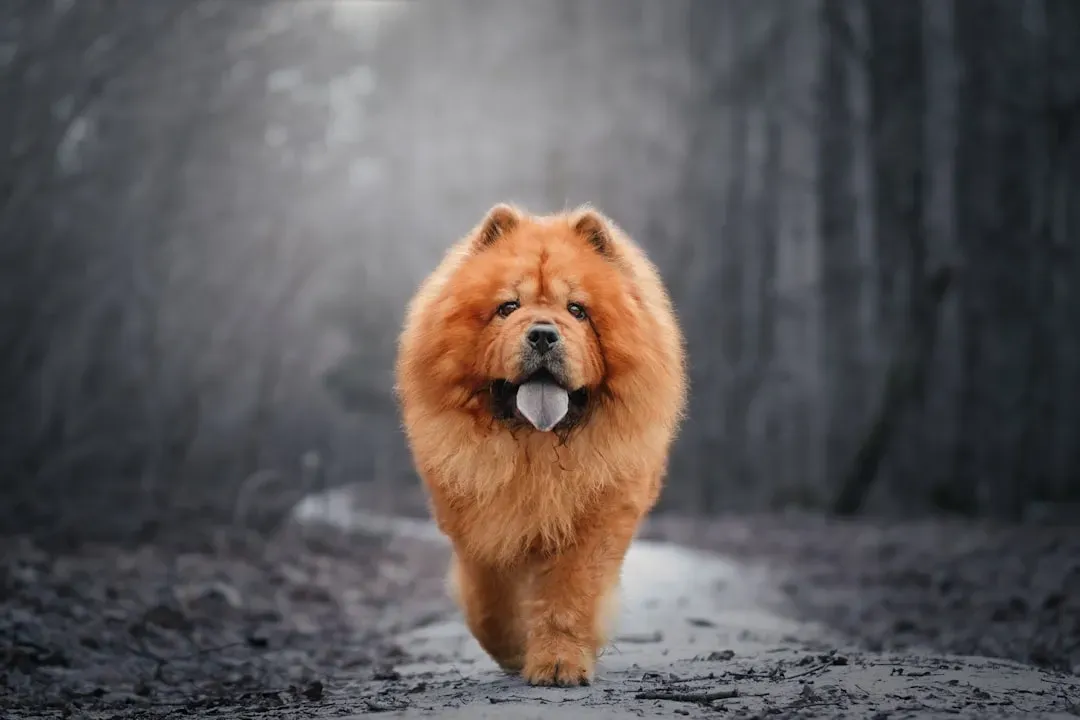
Though Chow Chows have attention-grabbing good looks, they prefer keeping a low profile. Rather aloof, they reserve all of their affection for immediate family members, and even then aren’t especially demonstrative. Because of their independent natures, Chows adapt easily to time alone.
Chow Chows are loyal to their family but typically do not require constant attention. Their calm and low-key nature allows many of them to tolerate alone time better than high-energy companion breeds. They’re often compared to cats in temperament, and the comparison holds. They’re content in their own company and don’t need to be in the middle of everything to feel secure.
#16. Basenji
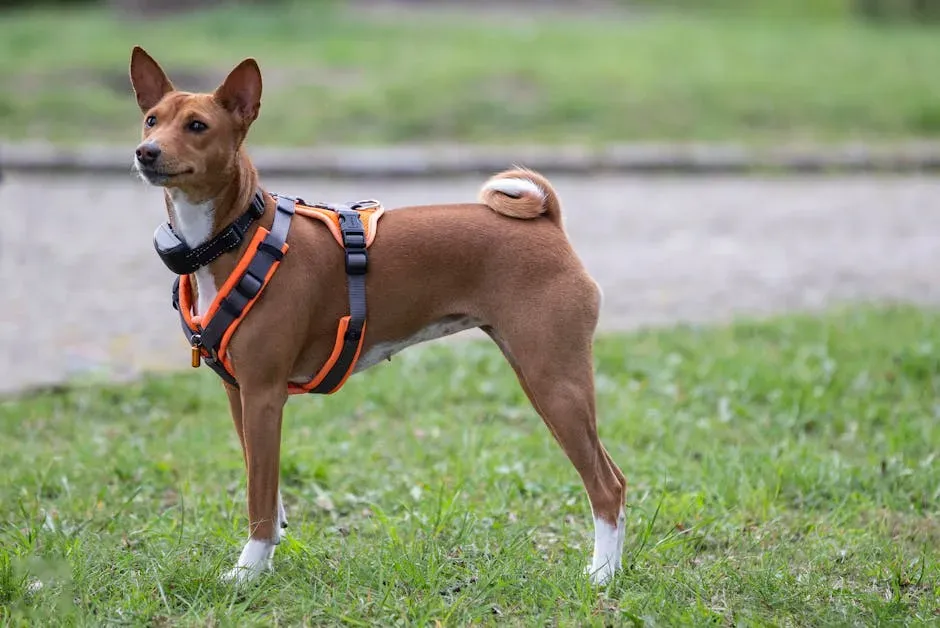
The Basenji can sit for hours looking out of the window even when their owner is around. So, if you need a dog that tolerates being left alone, you can trust Basenji pups to find something entertaining and non-destructive to occupy their time with while you are away. Independent and self-contained, this dog breed is also full of energy.
If you want a dog that is independent, the Basenji may be a good fit. This breed is well known for its unique “barkless” quality and sharp intelligence. Basenjis are alert, careful with strangers, and calm with people they know. Their quiet nature is an added bonus for apartment dwellers or people in close-knit neighborhoods. Many Basenjis tolerate alone time better than some breeds, but there are limits. Even though they are independent, they can become bored or destructive if left alone for too long.
#17. Lhasa Apso
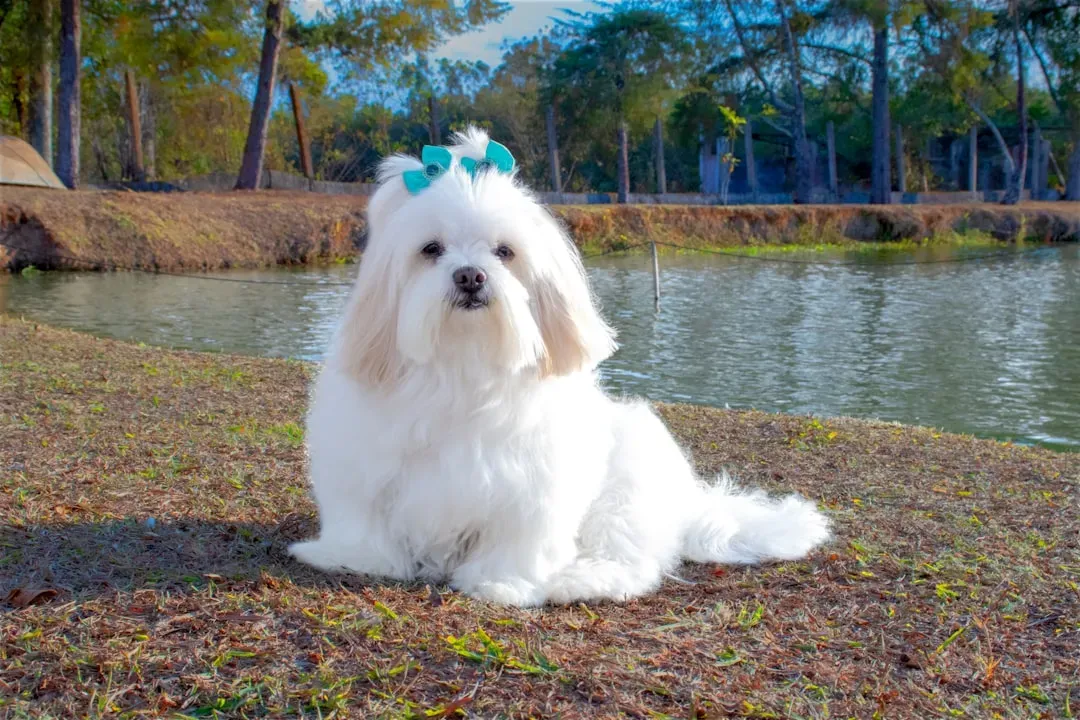
Lhasa Apsos are small, sturdy dogs with silky, flowing coats and a long history as indoor sentinels in Tibetan monasteries. Bred to watch and alert rather than constantly interact, they’re naturally observant, confident, and a bit aloof compared to many other small breeds. That monastic background gave them a self-possession that’s unusual for a small dog.
Lhasa Apsos are highly adaptable and tend to take changes in stride. With moderate energy and mental stimulation needs, they don’t require constant activity to stay content. Once they understand the routine, they’re more likely to wait calmly and keep watch rather than become anxious when you leave. They’re proof that a small dog doesn’t automatically mean a needy dog.
The Bigger Picture
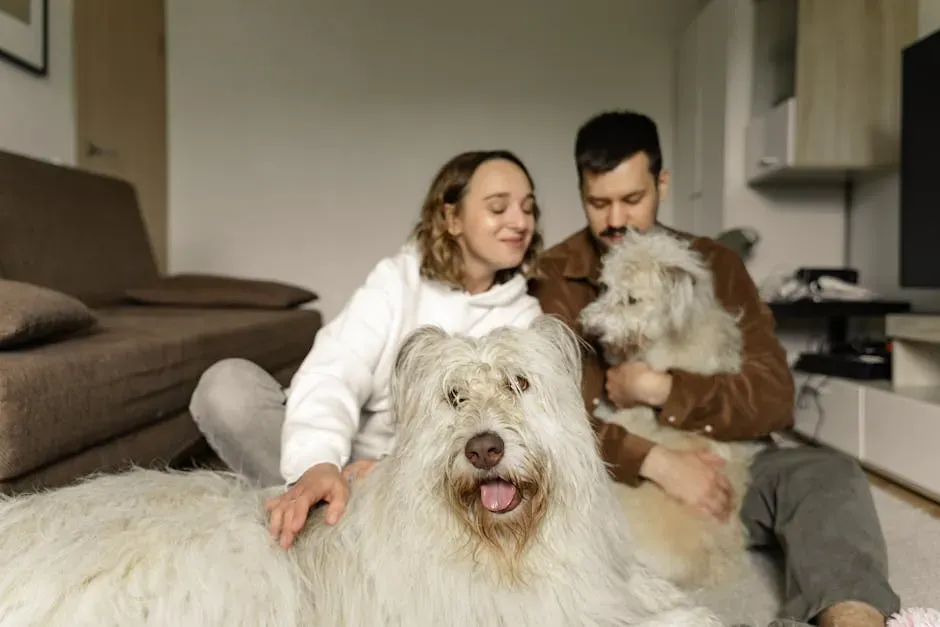
As separation anxiety and general neediness are often related to nurture rather than nature, it’s tricky pinning down in which precise breeds it’s most prevalent. Individual dogs within a breed may vary widely in their need for attention and companionship. Breed is a starting point, not a guarantee.
Independent dog breeds still need daily care, attention, and affection, and they shouldn’t be left alone for long periods. Remember that every dog is an individual with their own unique personality. Even the most independent breed on this list needs your time, your consistency, and your genuine involvement. The difference is in degrees, not in absolutes.
In more sensitive breeds, separation-related distress can feel more intense for two common reasons: they did not get enough early practice being alone, or they have had past negative experiences with separation. Dealing with separation anxiety needs a method which combines patience with systematic desensitization and counter-conditioning techniques. Early, patient training can genuinely shift the dial for even the most velcro-prone dogs.
The honest truth is this: choosing the right breed for your lifestyle matters more than most new dog owners realize. It’s not about which breed is “better.” It’s about which breed fits the life you actually live, not the one you imagine you’ll have once you get a dog. Match the dog to your reality, and you give both of you the best possible chance at a genuinely good life together.


