

They fit in your lap, they travel easily, and they look undeniably adorable in photos. Small dogs have surged in popularity over the past decade, and it’s not hard to see why. Whilst smaller dogs have always been popular in some countries, their numbers are increasing globally, and data from Banfield Pet Hospital shows the proportion of small dogs seen in clinics increased by roughly six percent over just ten years.
What most people don’t realize is that small doesn’t mean simple. While small dogs’ health concerns may differ from those of larger dogs, they are no less involved, and in some cases may be more complex. They may have needs that are not anticipated by those unfamiliar with dogs, and behavior issues may be more numerous, more severe, and may become ingrained more easily than in larger dogs. Some of these breeds come with a medical and behavioral checklist that surprises even seasoned pet owners. Here’s a look at ten small breeds that veterinarians consistently say require a very specific kind of owner.
#1. Chihuahua

The Chihuahua is the world’s smallest breed, and its personality is arguably the biggest on this list. Chihuahuas have earned a reputation among veterinary professionals as one of the most commonly aggressive breeds, and licensed veterinary technicians have noted they are more likely to bite than many other small breeds. That defensive aggression isn’t random cruelty. It’s almost always rooted in anxiety, under-socialization, or owners who unknowingly allow the behavior to develop unchecked.
The real challenge with Chihuahuas isn’t just their size. Smaller dog breeds can have a more challenging time with potty training because they have smaller bladders and a faster metabolism, unable to hold their bladders for as long as larger puppies their age. Chihuahuas were bred to be tiny yet strong working dogs, yet they are very rarely challenged physically or mentally to the extent that they actually need. The result is an under-stimulated dog that redirects its energy in ways that frustrate everyone in the household. They thrive with consistency, early socialization, and owners who respect that these are working dogs in miniature bodies, not accessories.
#2. Yorkshire Terrier

There’s a reason Yorkies top so many “cute small dog” lists. That silky coat and confident gait make them genuinely magnetic. Yorkies may be small, but they face big health challenges. They’re prone to collapsing trachea, dental disease, and portosystemic shunts, a liver defect that can require surgery. Managing all of that over a dog’s lifetime demands more than casual commitment from an owner.
Given that their entire body can weigh less than a few kilograms, the complexity of performing diagnostics and procedures is considerable. Everything from blood draws to X-rays requires a precise, careful touch. Yorkies require regular grooming to maintain their elegant appearance, and their long, flowing locks may need daily brushing to prevent tangles and mats. Combine that grooming demand with ongoing health monitoring and a spirited temperament that doesn’t easily back down, and you’ve got a dog that’s best matched with a patient, experienced owner who isn’t intimidated by a vet schedule that fills up fast.
#3. Pug

Pugs have long been one of the most recognizable small breeds in the world, and their wrinkled faces have launched a thousand memes. The reality behind that face, though, is a complex medical picture. Many veterinarians report they like Pugs but would not adopt one themselves, primarily because of the significant health problems related to their brachycephalic build. That flat face, which gives them their distinctive look, is also the root of most of their chronic health issues.
Pugs and similar flat-faced breeds commonly suffer from brachycephalic airway syndrome, which can lead to noisy breathing, snoring, and difficulty in hot or humid conditions. Luxating patellas are also frequently seen, potentially causing joint discomfort or mobility issues. Toy breeds of dogs may have more susceptibility to anesthetic-related complications, such as hypothermia, and may be more difficult to accurately monitor while under anesthesia. Owning a Pug means being prepared for regular vet visits, potential surgical interventions, and the emotional weight of watching a dog that struggles in summer heat or after brief bouts of exercise.
#4. Dachshund

Few dogs have a fan base as devoted as the Dachshund’s. That long, sausage-shaped body and determined personality make them completely irresistible to a lot of people. The main reason Dachshunds are viewed cautiously by many veterinarians is their tendency to develop IVDD, or intervertebral disc disease. This is very painful and difficult for many owners to watch their pet go through. IVDD isn’t just a health inconvenience. In serious cases it can lead to paralysis, requiring expensive surgery and long rehabilitation periods.
Dachshunds are as stubborn as hounds come, with crate training recommended since they can be difficult to potty train. These little dogs were bred to hunt badgers in underground tunnels, which required incredible determination and independent thinking. That independent streak is charming in the field and maddening in the living room. Research also confirms that smaller dog breeds are more predisposed than larger breeds to develop periodontal disease, with extra-small breeds up to five times more likely to be diagnosed with periodontal disease than giant breeds. Dachshunds need owners who are consistent, prepared for spinal health management, and not lured in purely by their undeniable charm.
#5. Shih Tzu
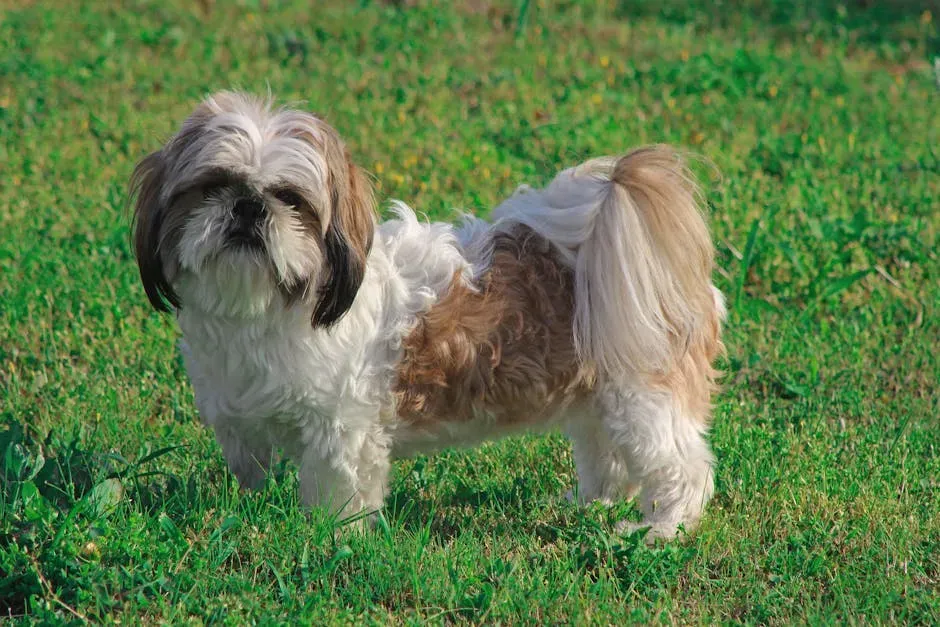
The Shih Tzu carries a long and royal history, having once charmed Chinese emperors. Today they charm apartment dwellers worldwide. Shih Tzus often deal with breathing issues, eye injuries, and dental disease. Their short noses contribute to snoring and difficulty breathing. They’re also susceptible to kidney disorders and herniated discs. Daily grooming and consistent vet visits are required to maintain their quality of life, especially as they age.
The little lion dog’s stature makes them a great lap dog and cuddle companion. It is also the reason they are more susceptible to intervertebral disc disease over other breeds. The combination of their long spines and short legs makes them vulnerable to many kinds of back problems, which can be painful and potentially cause paralysis in the rear end if not properly treated. Shih Tzus are prone to anxiety, so even raising a voice just a little can send mixed signals and set back training. In the vet clinic, that anxiety often manifests as trembling, snapping, or complete refusal to cooperate during basic examinations. They’re genuinely lovely dogs, but they’re not low-effort dogs by any stretch.
#6. Pomeranian

A Pomeranian in full coat is a genuinely stunning sight. Descended from large Spitz sled dogs, they’ve been bred down to a toy size while retaining a personality that hasn’t gotten the memo about their current dimensions. Some small dog breeds, like the Pomeranian, are known for their tendency to bark excessively. That bark isn’t just noise. It’s a signal of a dog that’s highly alert, opinionated, and easily overstimulated in environments that don’t suit its temperament.
The American College of Veterinary Surgeons reports that patellar luxation is the most common orthopedic condition for small dogs and can even be seen in puppies. While this problem is most commonly seen in small breeds, some of the most commonly affected breeds are miniature poodles, Chihuahuas, Boston and Yorkshire terriers, and Pomeranians. Grooming needs are higher due to their thick double coat. Regular brushing several times a week is important, along with occasional professional grooming to maintain coat health and prevent matting. The combination of health monitoring, consistent training, and significant grooming makes Pomeranians a more demanding commitment than their fluffy cuteness suggests.
#7. French Bulldog

French Bulldogs have had an extraordinary run of popularity. They are prone to joint problems, ear infections, allergies, and a host of other diseases. Even as they became the most popular breed in the world, most vets wouldn’t choose them as a dog they would own. That’s a striking disconnect between public enthusiasm and professional opinion, and it deserves serious attention from anyone considering the breed.
French Bulldogs might look cute, but this short-necked, short-faced, dwarf-legged breed can cost a lot to insure, with vet bills easily reaching into the thousands to mitigate conformation-related problems like brachycephalic obstructive airway syndrome. In addition, skincare and heat management are serious considerations due to their breathing issues and skin rolls. Anesthesia in these breeds requires extra vigilance, which is why every scheduled procedure comes with a side of quiet stress for the vet team. Frenchie owners who go in with open eyes and solid pet insurance are far better positioned for what this breed actually demands.
#8. Maltese
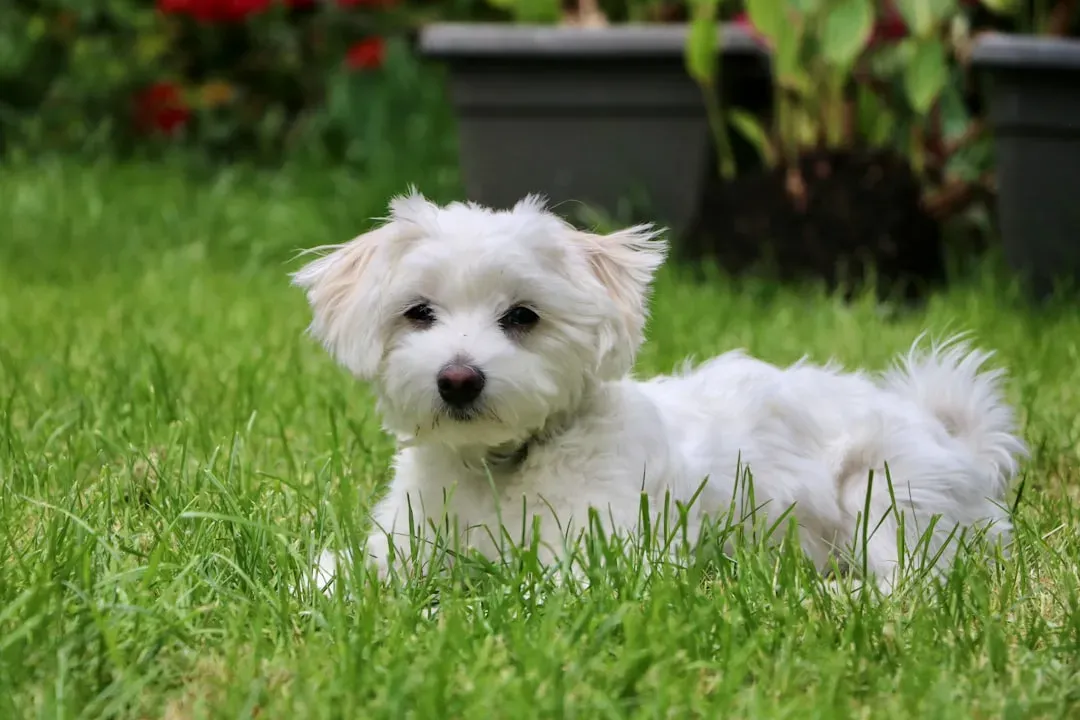
The Maltese is one of the oldest toy breeds in the world, beloved for its flowing white coat and gentle temperament. That elegance comes paired with a few persistent vulnerabilities that owners often don’t discover until after they’ve fallen in love. Small breeds like the Maltese are susceptible to a collapsed trachea, which can lead to coughing, wheezing, or breathing difficulties. It may worsen with excitement or exertion. For a dog that lives in a world full of things to get excited about, that’s a meaningful daily management challenge.
Small dogs, especially puppies, may also experience hypoglycemia, or low blood sugar levels. Providing small, frequent meals and monitoring their energy levels can help manage this condition. The Maltese also tends to suffer from anxiety-driven reactivity at the vet, making even routine nail trims feel like a small production requiring extra care and patience from everyone in the room. Several small and toy breeds are susceptible to a luxating patella, including the Maltese and Bichon Frise. The Maltese is a devoted, affectionate companion, but it rewards owners who approach the relationship with genuine attentiveness rather than assumption.
#9. Jack Russell Terrier
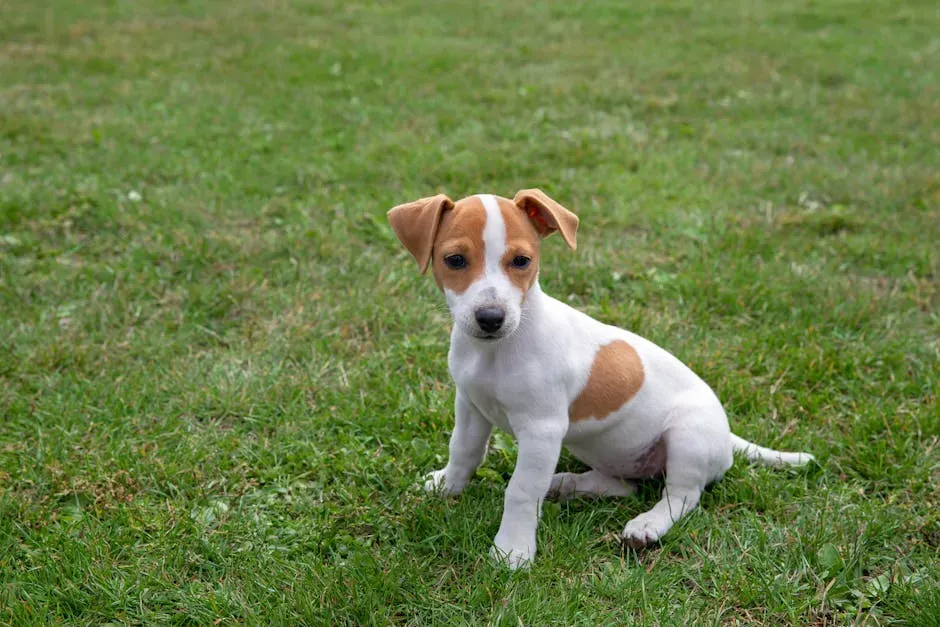
If energy were currency, the Jack Russell Terrier would be a millionaire. Compact, fearless, and built for work, these little dogs were designed to flush foxes from their dens, and they haven’t forgotten their purpose. The Jack Russell Terrier struggles to potty train on schedule, with high energy levels and a short attention span often cited as contributing factors. These dogs tend to have the attention span of a toddler and are most easily distracted. That’s a fair and slightly exhausted-sounding assessment from anyone who has tried to teach one anything on a deadline.
They require plenty of exercise, including walks, play, and mental challenges, to prevent boredom. Without activity, they can become destructive due to their high energy. Training must be consistent and engaging, as this smart breed can be stubborn. Jack Russells are genuinely brilliant animals. They’re also genuinely problematic in the hands of owners who don’t have the time, patience, or lifestyle to channel all that drive. They’re not apartment dogs, they’re not lazy-Sunday dogs, and they’re absolutely not for first-time owners who assumed small meant easy.
#10. Bichon Frise
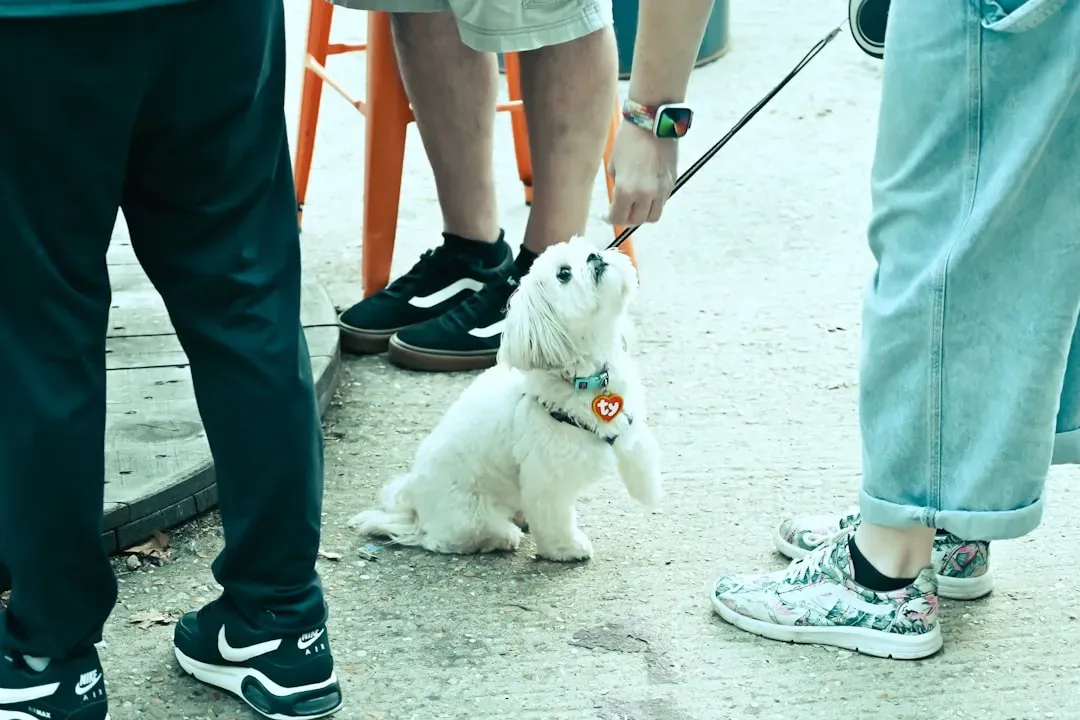
With their cotton-ball coats and cheerful dispositions, Bichon Frises look like the answer to every apartment dweller’s prayer. They’re small, they’re sociable, and they rarely shed in ways that coat your furniture. What they do require, though, is significantly more than most people anticipate. Their dense, curly coat requires consistent grooming to prevent tangles and keep them looking their best. Bichons require attention and may suffer from separation anxiety if left alone for extended periods.
Bichons have a reputation for being difficult to housebreak, with the breed described as “fiercely independent” and tending to be picky about going outside when conditions aren’t to their liking. Published dental data shows the Bichon Frise as one of the small breeds with notably high rates of periodontal disease. Several small and toy breeds including the Bichon Frise are susceptible to a luxating patella, which may require surgical treatment in more serious cases. The Bichon can be a genuinely wonderful companion, but it suits someone who is home often, committed to grooming schedules, and patient with a dog that has definite opinions about the weather.
The Bigger Picture: It’s About the Match, Not the Breed
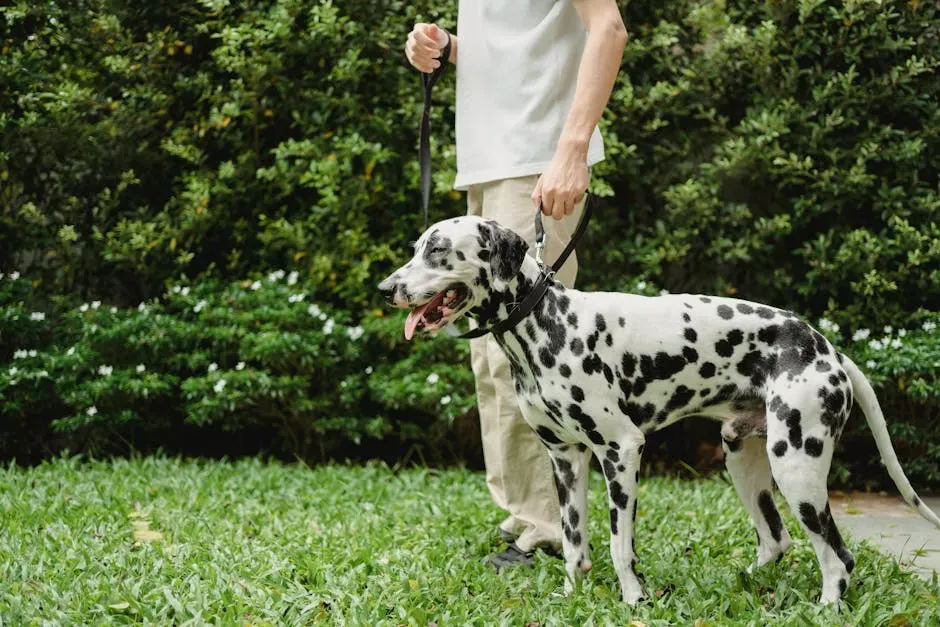
None of these breeds are bad dogs. That point deserves to be stated plainly and without reservation. The challenges they present stem mostly from genetics shaped by centuries of selective breeding, physical traits that prioritize appearance over function, and behavioral patterns that are often reinforced at home without owners realizing it. The problem almost never starts with the dog.
As veterinarians have noted, no specific dog or breed is “bad,” but some are much more challenging for their owners than others. Some breeds are notoriously difficult to train and prove too strenuous for new pet parents to handle. Choosing a suitable breed for your lifestyle and skill level is crucial. The dogs on this list have been bred, shaped, and sometimes physically distorted across centuries to look a certain way or do a specific job. Expecting them to simply slot into any household without friction isn’t fair to the dog or the owner.
Bringing a new dog into your home is exciting, but it’s also a serious decision that requires more thought than most people realize. Especially for first-time dog owners, choosing the right breed involves more than falling for an adorable face or playful personality. It’s about finding a dog whose energy level, temperament, and care needs truly fit your lifestyle. Small dogs packaged in adorable wrapping still arrive with real needs, real medical histories, and real behavioral complexity.
The honest takeaway from everything veterinarians say about these breeds is this: they don’t deserve less devotion because they’re difficult. They deserve more of the right kind. Small size, it turns out, has never had much to do with how large the responsibility actually is.


