
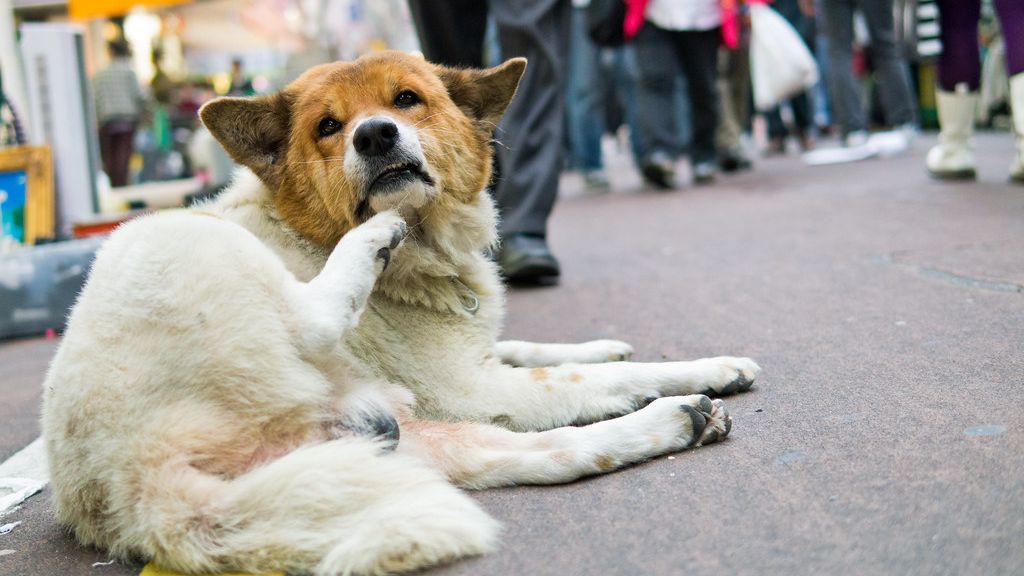
Your dog has never once lied to you. They can’t. Every flicker of tension, every odd pause, every seemingly random scratch tells a story about what’s going on inside their head. The trouble is, most of us have never learned to read the language.
Being emotionally conflicted means a dog is experiencing two competing feelings at the same time – wanting to do something, but also feeling nervous about it. It’s a push-pull state that most owners miss entirely, not because they don’t care, but because the signals are quiet, fast, and easy to mistake for something else. Understanding them can genuinely change the way you relate to your dog.
#1: Approaching and Then Backing Away
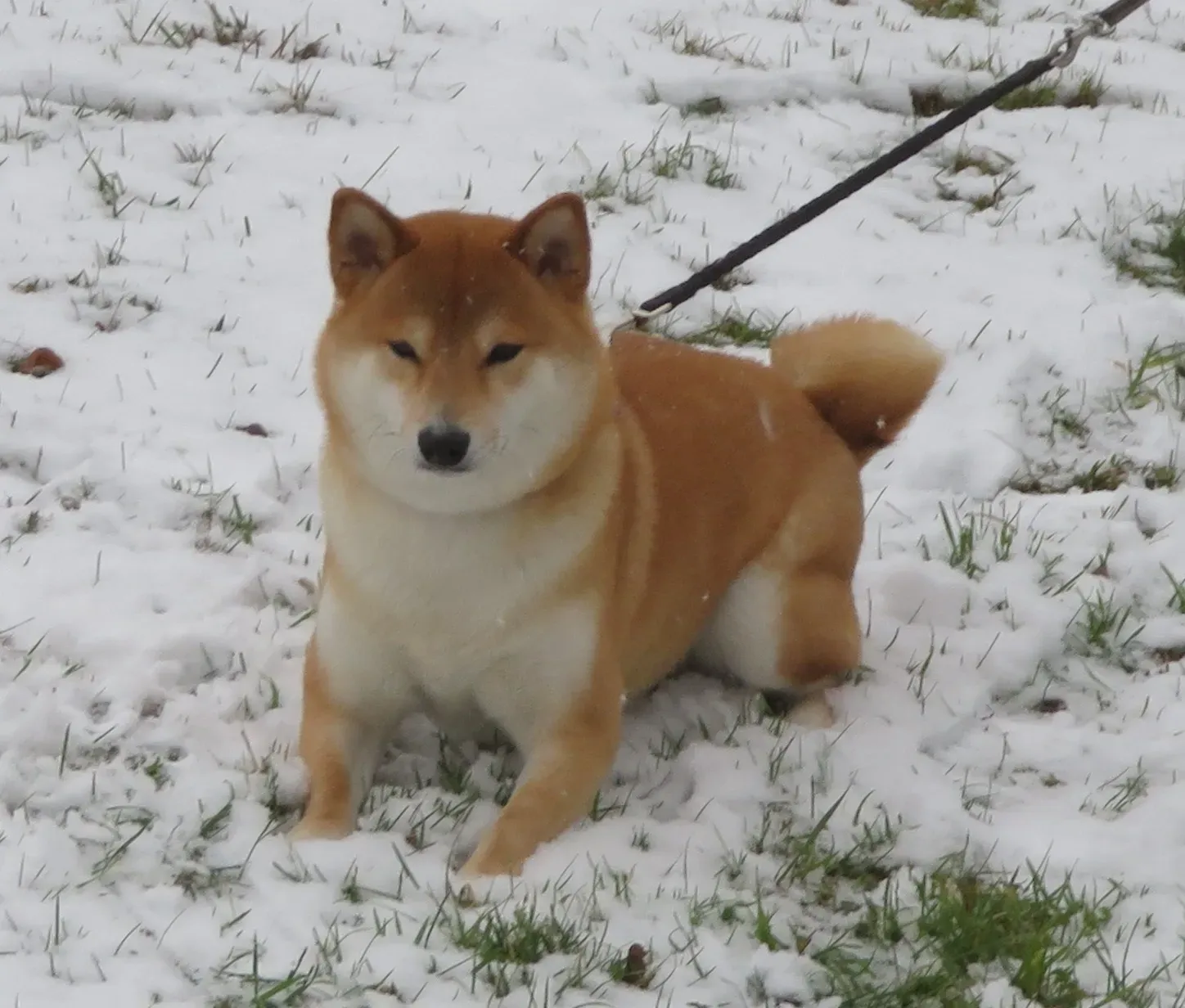
This is one of the clearest and most recognizable signs of emotional conflict in dogs, and yet it’s often dismissed as quirky or indecisive behavior. A dog might want to approach a person, animal, or object to interact or investigate, but show signs they are feeling worried at the same time – and then retreat because they feel conflicted.
What you’re watching is a tug-of-war happening in real time. The dog wants the reward of connection or curiosity, but something is triggering a warning signal at the same time. It’s a push-pull moment where their emotions don’t match up, so they hesitate or show mixed signals. Rather than reading this as stubbornness, see it as your dog genuinely trying to make sense of a situation that feels emotionally complicated.
#2: Yawning at the Wrong Moment

If your dog yawns right before a training session, when a stranger walks in, or during an interaction that feels tense, don’t assume they’re tired. Dogs yawn when they are tired or bored, but they also yawn when stressed – and a stressful yawn is more prolonged and intense than a sleepy yawn.
Context is key. If your dog yawns after exercise, that’s normal. If they yawn repeatedly during a training session or a tense interaction, it may be displacement. This type of out-of-place yawning is one of the oldest recognized signals in canine behavior, often described as a “calming signal” that dogs use to manage inner tension and communicate discomfort to those around them.
#3: Lip Licking When There’s No Food Around
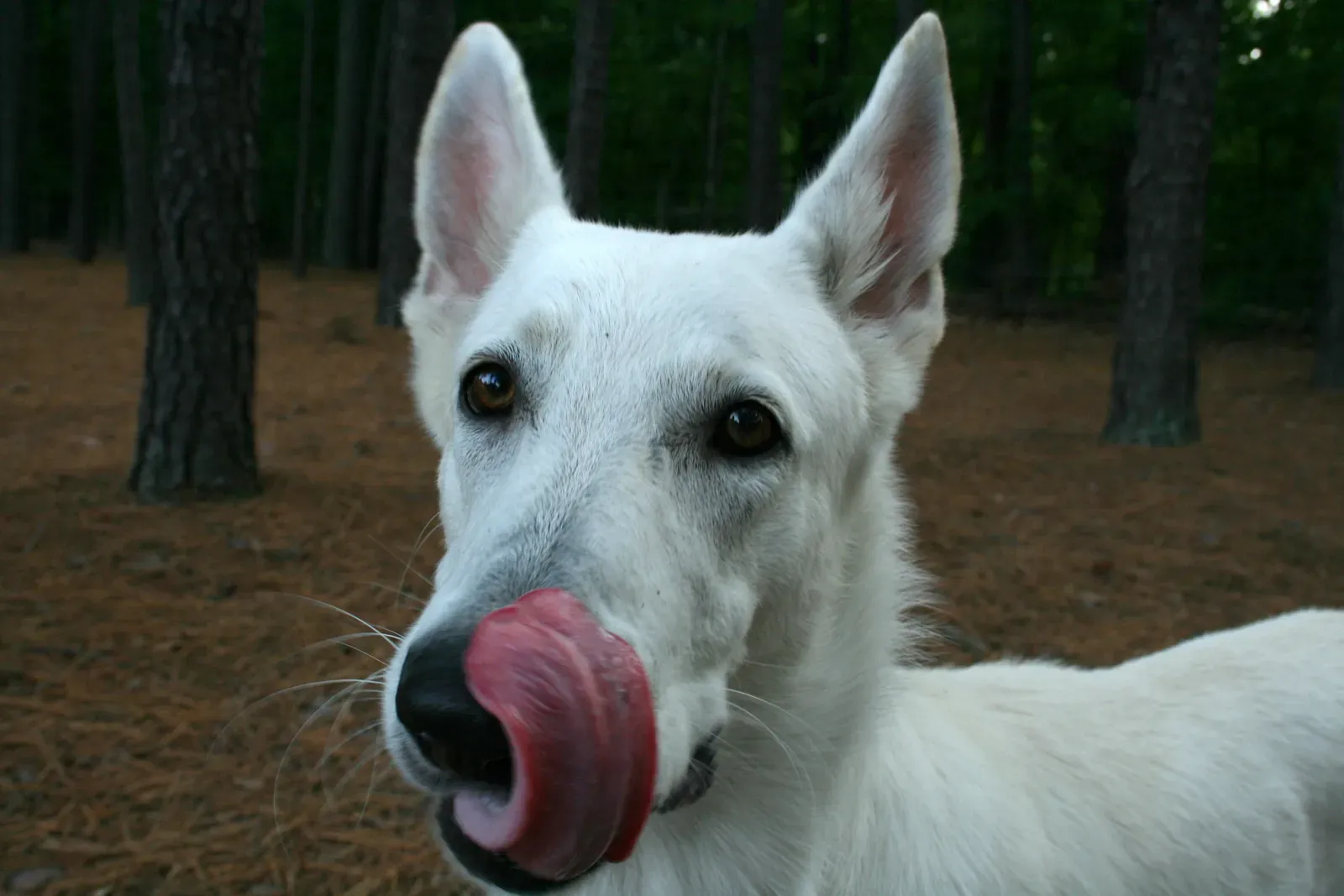
Stressed dogs may exhibit fiddle behaviors like licking their lips when they haven’t eaten or had anything to drink. It looks subtle, and that’s exactly why so many owners miss it. A single, quick lip lick in a tense moment is your dog essentially saying they’re not sure how to handle what’s happening.
A dog may give a few lip licks as an unconscious stress response if they feel uncomfortable – for instance, sitting at a vet’s office. Alternatively, a dog may directly communicate discomfort or try to calm the situation down by offering a lip lick as a calming signal to the person or dog they are interacting with. Either way, when you see this and there’s no food in sight, pay attention to what else is going on around your dog in that moment.
#4: Sudden, Out-of-Context Scratching
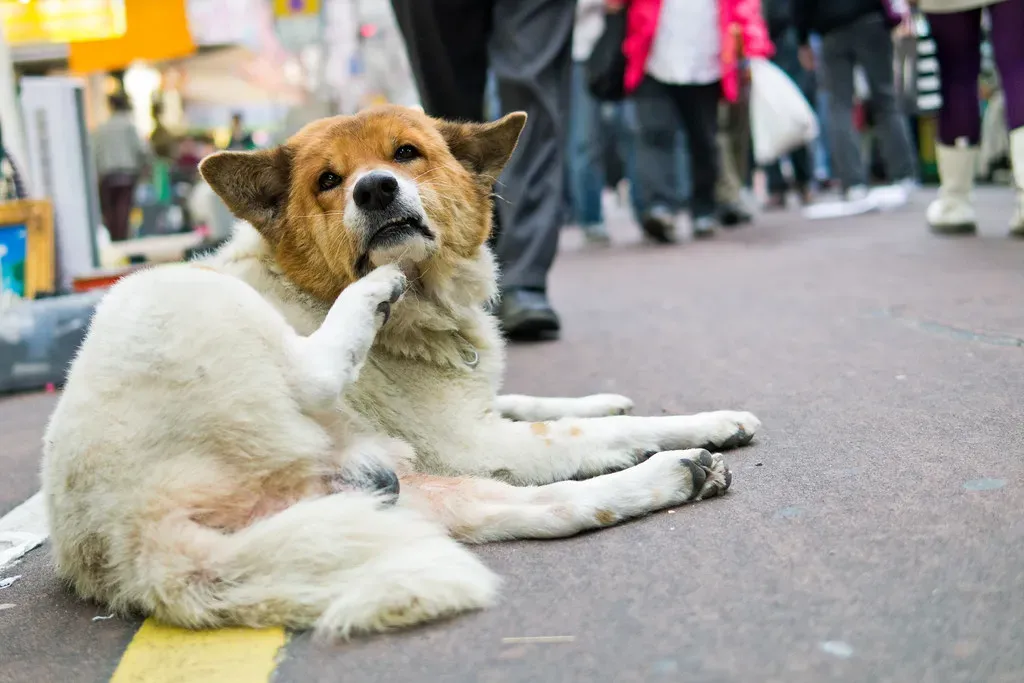
Displacement behavior in dogs refers to actions that seem out of context or irrelevant to the situation, often triggered by stress or internal conflict. Examples include yawning when not tired, excessive licking, or sudden scratching during training. That frantic mid-training scratch isn’t a skin problem – it’s your dog hitting a mental pause button.
A dog might suddenly stop, sit down, and start scratching with intensity when something in their surroundings is worrying them. Think of it like a human drumming their fingers on a desk when they’re nervous or unsure. The behavior has nothing to do with an itch – it’s the brain looking for something familiar and low-stakes to do while it figures out what comes next.
#5: Tail Wagging That Doesn’t Mean Happiness

A wagging tail is probably the most misread signal in the entire dog communication toolkit. When your dog’s tail is wagging like crazy, it’s easy to misidentify the behavior as a sign of happiness, but not all wags mean the same thing. If your dog’s tail is wagging low, slowly, high and stiff, or is tucked between its legs, it could be a signal that they are stressed, agitated, or unsure.
The direction the tail is wagging can also be a clear sign of its emotional state – a wag to the left can communicate concern or discomfort, while a wag to the right might indicate pleasant feelings. So the next time your dog is wagging but also seems frozen, stiff-bodied, or wide-eyed, trust the whole picture over the tail alone. The tail is just one part of a much bigger sentence.
#6: Paw Lifting or a Raised Front Leg
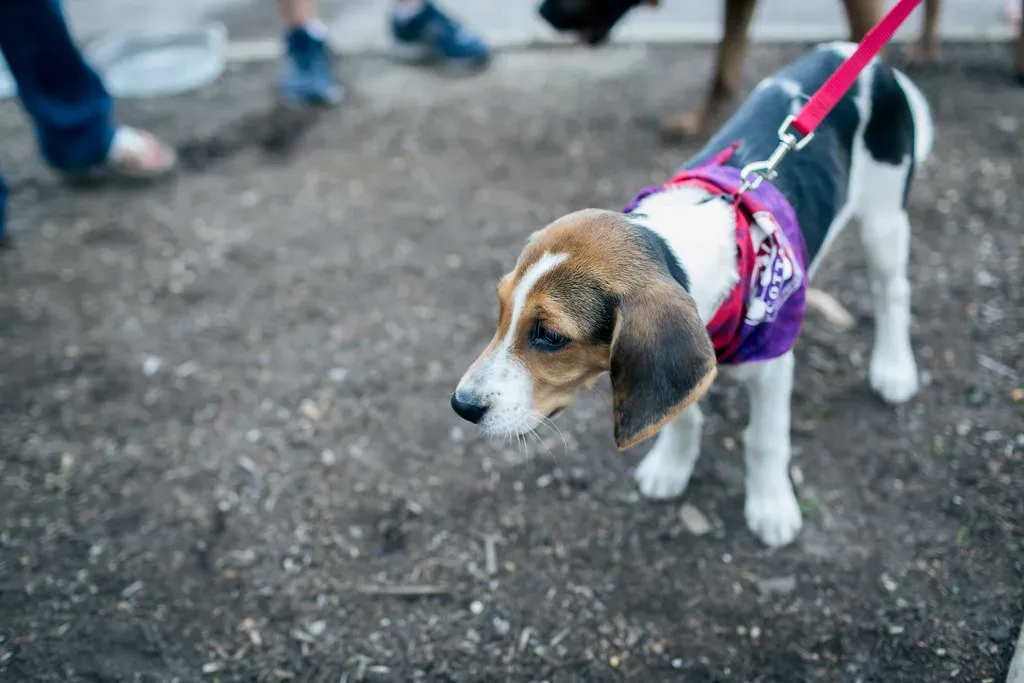
A dog sitting with one paw slightly raised off the ground looks almost comically endearing, like they’re about to shake hands. The reality, though, is that this gesture is far more loaded. Paw lifting performed for longer durations in conflict situations has been identified as an indicator of stress.
Some research suggests paw-lift is a behavior indicating uncertainty and a possible warning of upcoming agonistic behavior. In simpler terms, a raised paw often signals that a dog is weighing their options and hasn’t settled on a response yet. A paw raise – sitting while raising a paw – is a common displacement behavior seen in moments when dogs are feeling uncomfortable about an interaction or an event. It’s worth responding to calmly and gently rather than pushing the dog to engage further.
#7: Excessive or Compulsive Licking

A dog who licks their paws, legs, or a single spot repeatedly during moments of tension is using their body to self-regulate. Licking is a natural behavior of dogs to a certain point. However, some dogs who suffer from stress will lick excessively, causing bald spots and sores. The act of licking increases endorphins in the dog’s brain, which calms them.
When an animal is repeatedly placed in a state of conflict, displacement behaviors may begin to be manifested during any state of stress or arousal. Eventually, the behavior may become compulsive as the pet loses control over initiating or stopping it. That’s an important distinction. Occasional licking during a tense moment is a coping tool. When it becomes a loop that the dog can’t seem to break out of, it’s worth a conversation with your vet or a behavioral consultant.
#8: Whale Eye and Dilated Pupils
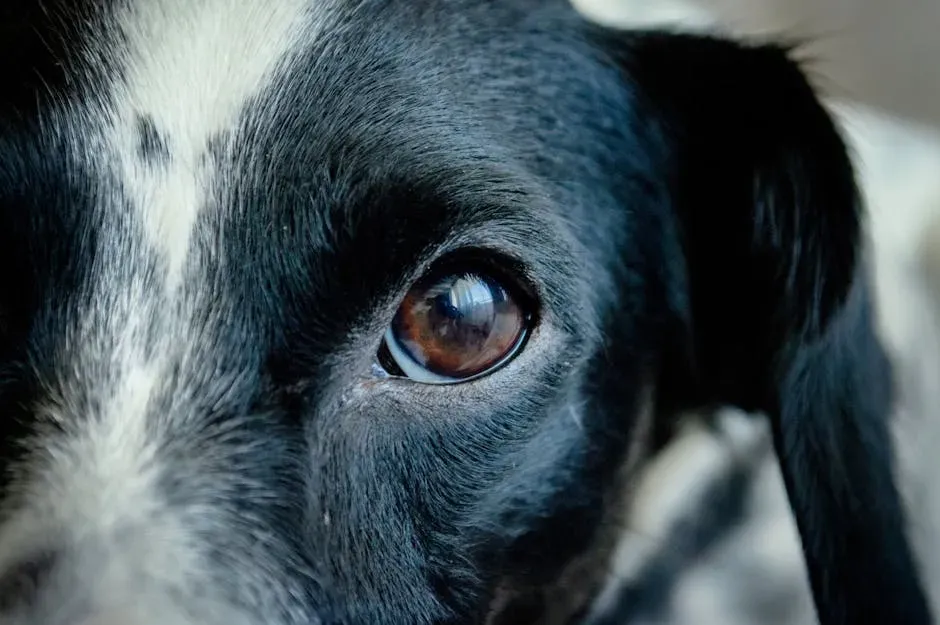
The eyes are often the first place emotional conflict shows up, if you know what you’re looking for. Stressed dogs, like stressed people, may have dilated pupils and blink rapidly. They may open their eyes wide and show more sclera (the white part) than usual, giving them a startled appearance. Their ears may be pinned back against their head.
This wide-eyed, slightly wild look is commonly called “whale eye” among dog behaviorists, and it nearly always signals that a dog is caught between wanting to engage and wanting to escape. Dogs may also exhibit appeasement signals such as avoiding direct eye contact, yawning, nose-licking, lowering their ears, head, and neck, and twisting their neck sideways to look away. When you see these signals together, your dog is communicating discomfort loudly, even if their body looks mostly still.
#9: Pacing, Shaking, or an Inability to Settle
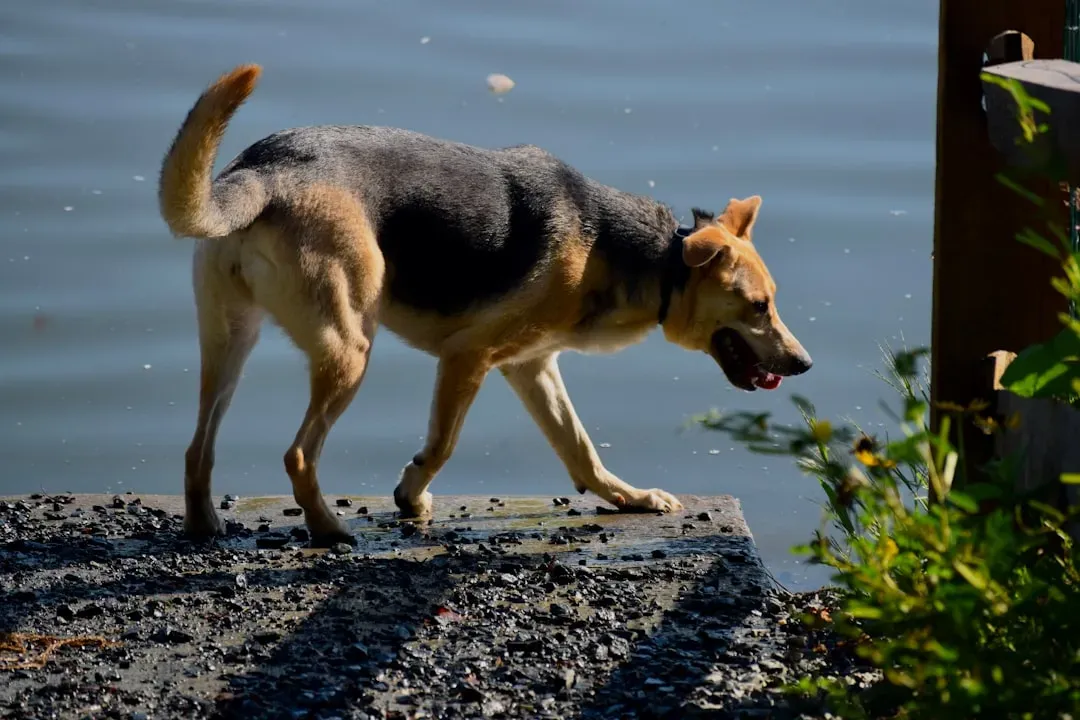
Some dogs don’t go quiet – they go restless. Many dogs may pace or shake when agitated or stressed because they simply can’t settle down. This kind of physical restlessness can look like disobedience or over-excitement, but it’s often neither.
Stressed dogs may exhibit fiddle behaviors like a full body shake when they’re not wet, or panting when they’re not hot. These physical releases are the body’s way of trying to reset, essentially shaking off tension the same way a person might pace a hallway when they’re anxious. Inconsistent or unpredictable human-dog interactions can cause emotional conflict in the dog, in which the dog might desire a relationship but does not trust that the interaction will be safe. When pacing becomes chronic, that context matters enormously.
#10: Barking or Whining While Seeming Uncertain
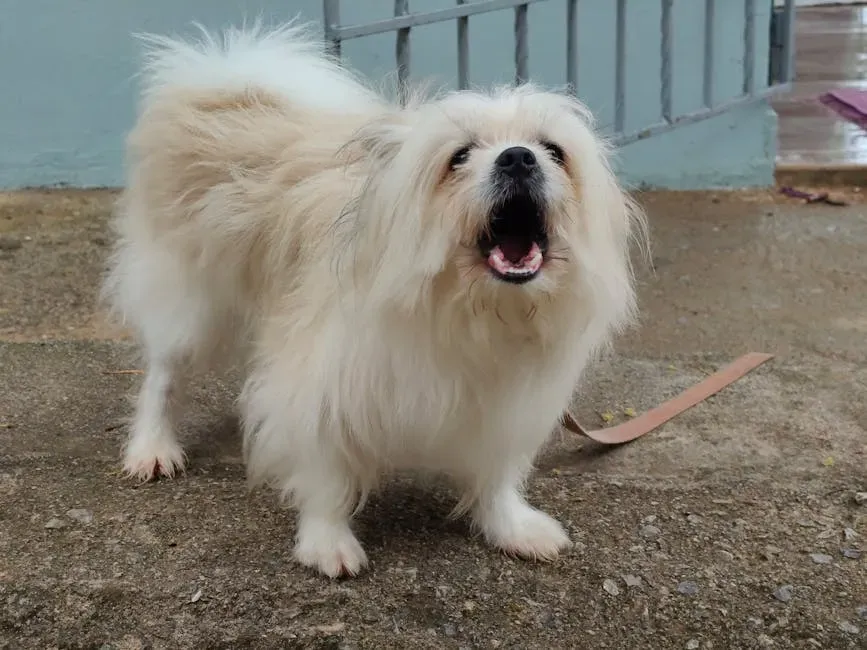
A dog who barks with their tail tucked, or whines while edging toward something they seem afraid of, is broadcasting emotional conflict in one of its most visible forms. Whining or barking is a dog’s primary form of communication. This may increase when dogs are under emotional distress. If your dog is whining or barking while experiencing emotional distress, they may be attempting to get your attention or self-soothe.
Barking while wagging their tail is one of the classic mixed signals of a conflicted dog. It looks almost contradictory, and that’s because it is. If things continue without any help and your dog feels they don’t have the option to escape, their behavior can escalate – and that’s where things that appear to come “out of the blue,” like sudden bites, can occur. Reading this signal early, rather than waiting for it to intensify, is one of the most protective things you can do for your dog and the people around them.
What You Can Actually Do About It

Recognizing these behaviors is genuinely half the battle. The other half is resisting the urge to push your dog through their discomfort rather than supporting them through it. Recognizing the presence of displacement behaviors lets dog guardians help their dog exit a stressful situation before the dog escalates to aggressive behaviors such as lunging, snapping, or biting. It also empowers owners to implement environmental management and behavior modification to reduce the dog’s stress, fear, or arousal levels.
Establishing consistent routines helps dogs feel safer and more confident when they know what to expect. Feeding, walking, and bedtime routines provide structure that reduces anxiety. Beyond that, the first step to helping your dog is recognizing that they’re struggling and identifying if there’s a pattern to their behavior, so you can plan better for the next time they’re in that situation. If you’re seeing several of these signs regularly, a certified behaviorist is always worth consulting.
Dogs who feel emotionally conflicted aren’t broken, stubborn, or dramatic. They’re communicating in the only language available to them, and that language is surprisingly rich once you understand it. The signals are small, fast, and easy to overlook – but once you start seeing them, you can’t unsee them. That shift in awareness doesn’t just reduce your dog’s stress. It tends to deepen the whole relationship in ways that are hard to put into words.


