
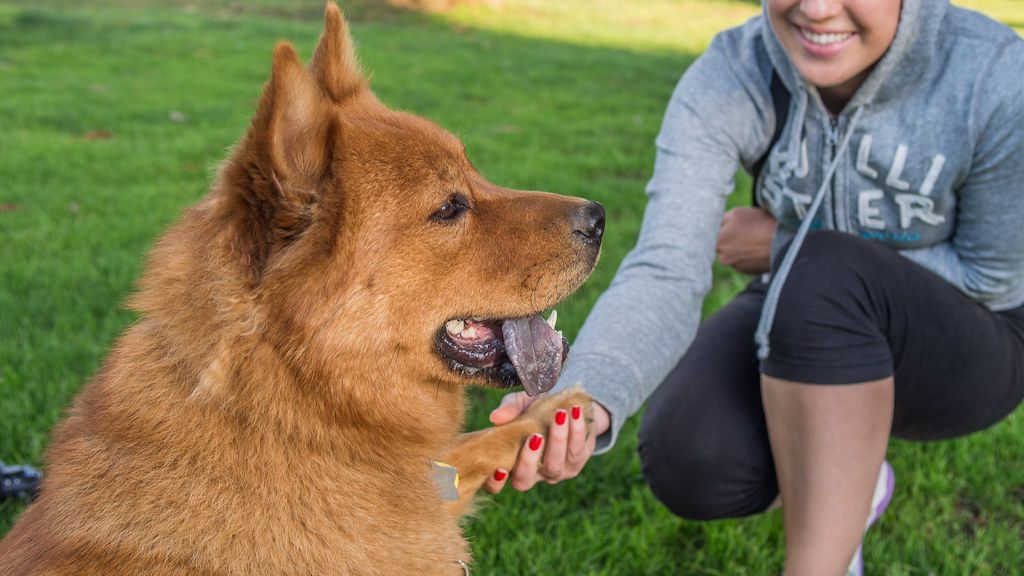
Most dog owners would rather believe their dog is simply quirky, or a little shy, or “just like that.” It’s a more comfortable story. The harder possibility, that the very person your dog loves most might also be the one they’re most afraid of, doesn’t get talked about enough. Fear and love aren’t mutually exclusive in dogs. A dog can wag its tail at you in the morning and flinch when you reach down to pet them two minutes later. Both things can be true at the same time.
In a large-scale survey of dog parents, roughly four in five said they were confident in reading their dog’s body language. When tested on it, however, only about one in four could consistently spot behaviors that showed their dog was actually worried. That means the vast majority of dog owners are misreading what their pets are trying to tell them. Understanding the difference between a relaxed dog and a frightened one isn’t about being a bad owner. It’s about paying closer attention. Here are ten signs that your dog may fear you more than anyone else in the house, and what each one really means.
#1: They Flinch When You Reach Toward Them
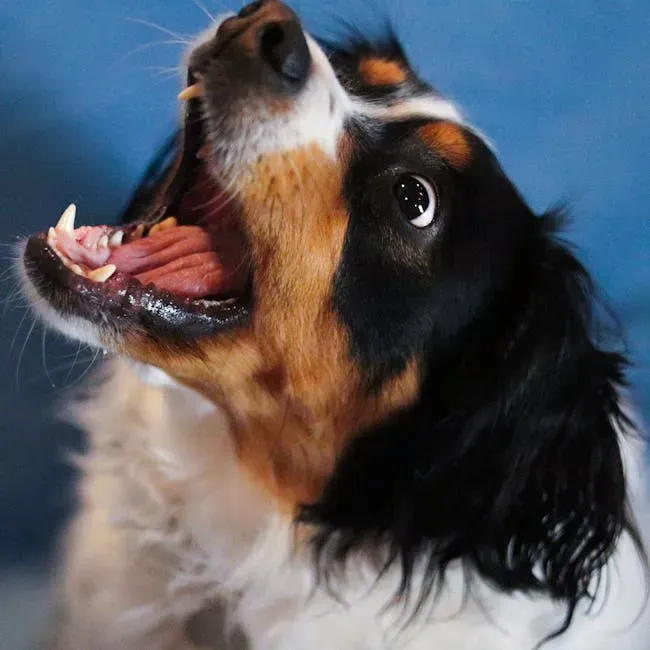
There’s a particular moment that stops a lot of dog owners in their tracks: you go to pat your dog on the head and they duck away or pull back, even slightly. It seems small, but it’s one of the clearest physical signals a dog can give.
Direct eye contact, reaching into a dog’s space, or putting hands over a dog’s head and neck are all body language cues that a dog may perceive as threatening. If your dog consistently flinches when you reach toward them, but stays relaxed when other members of the household do the same thing, that asymmetry tells a very specific story.
Dogs express fear differently from humans, often through physical cues rather than vocal ones. A fearful dog isn’t being “bad” or “stubborn” – they’re communicating discomfort or distress. Flinching is their honest, unfiltered reaction. Noticing it is the first step toward changing it.
#2: Their Tail Is Tucked Specifically Around You
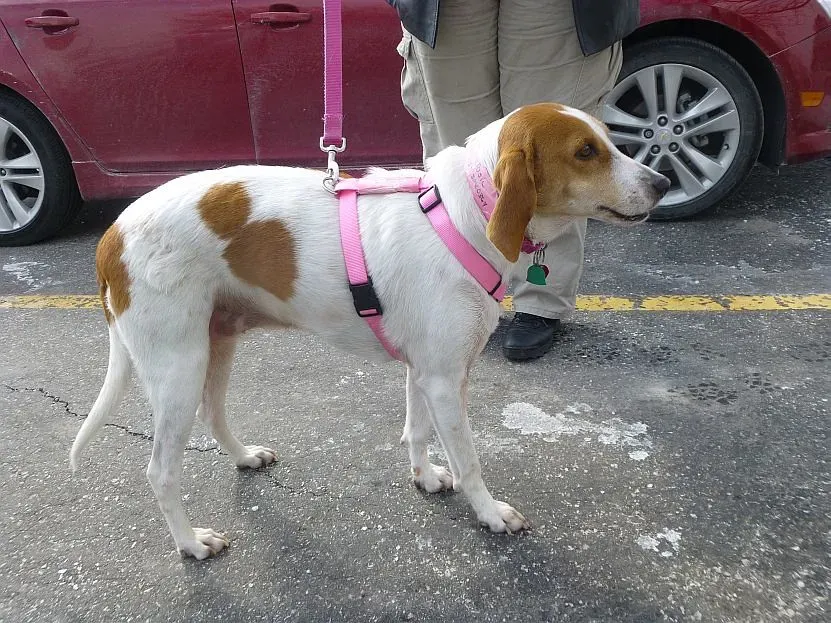
A tucked tail is one of those signals people notice but frequently dismiss. “Oh, she always does that.” Maybe. Or maybe she always does it around you specifically, which is a very different thing worth paying attention to.
A tucked tail is one of the most recognized signs of fear in dogs, often accompanied by crouching. What makes this sign particularly telling at home is the context. A tail that’s tucked and held low, with slight or fast short wagging motions, communicates uncertainty and concern. A low, fast wag is sometimes seen upon greeting and can signal a dog that’s a little insecure over the interaction, offering an appeasement gesture to communicate they’re not a threat.
Watch your dog’s tail when your partner walks in versus when you do. Watch it when your kids approach versus when you do. If the tail only disappears around you, that’s your answer, and it deserves a closer look.
#3: They Cower or Make Themselves Look Smaller Near You
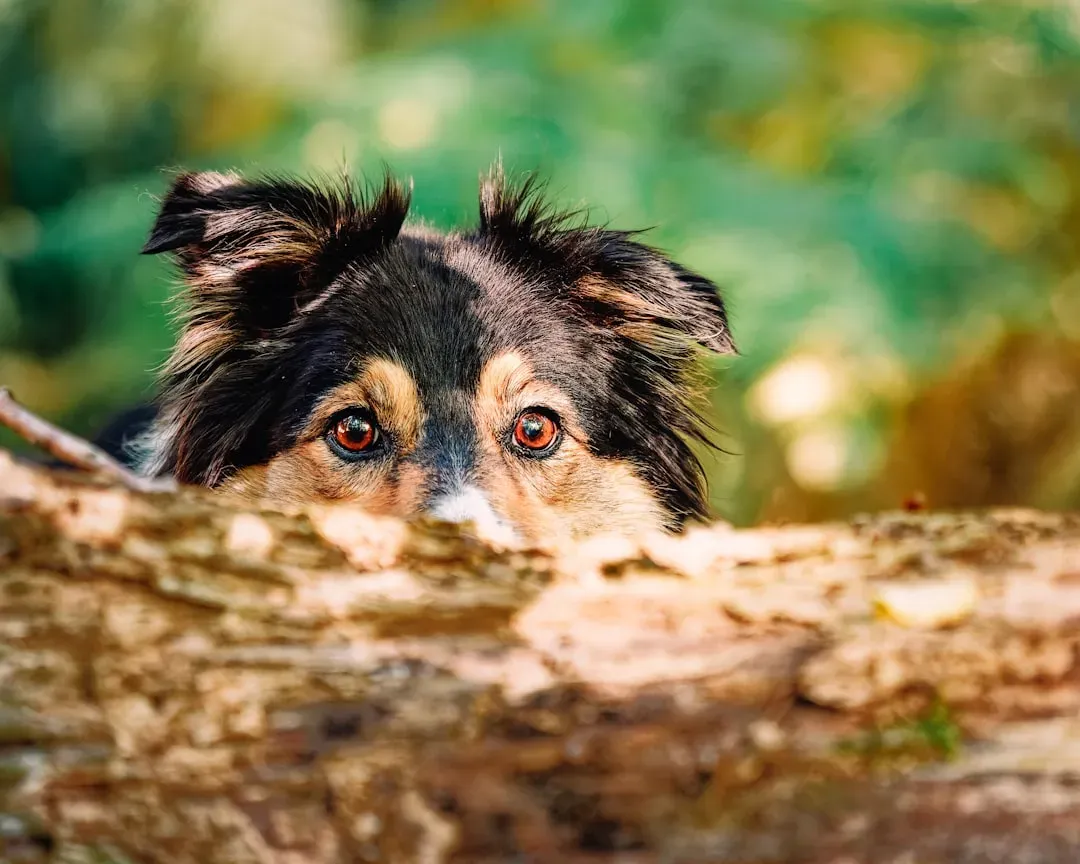
Dogs use their bodies to communicate with remarkable precision. When a dog feels threatened, one of the most instinctive responses is to literally shrink. It’s not dramatic, and that’s exactly why so many owners miss it.
Dogs go into “flight mode” by trying to make themselves look as small as possible, almost as if saying, “I am a harmless being. Please leave me alone.” Typically, they will shrink, with their body carried low, head down, flattened ears and tail between the legs. This is a deeply ingrained survival behavior, not a personality trait.
It is a myth that a dog who is cowering has necessarily a history of abuse. Often, the dog is simply genetically fearful, has not been well socialized during puppyhood, or has learned that cowering keeps them safe. Still, if your dog only does this with you and not with others in the home, there’s a relational dynamic at play that’s worth addressing honestly.
#4: They Avoid Eye Contact or Look Away When You Approach
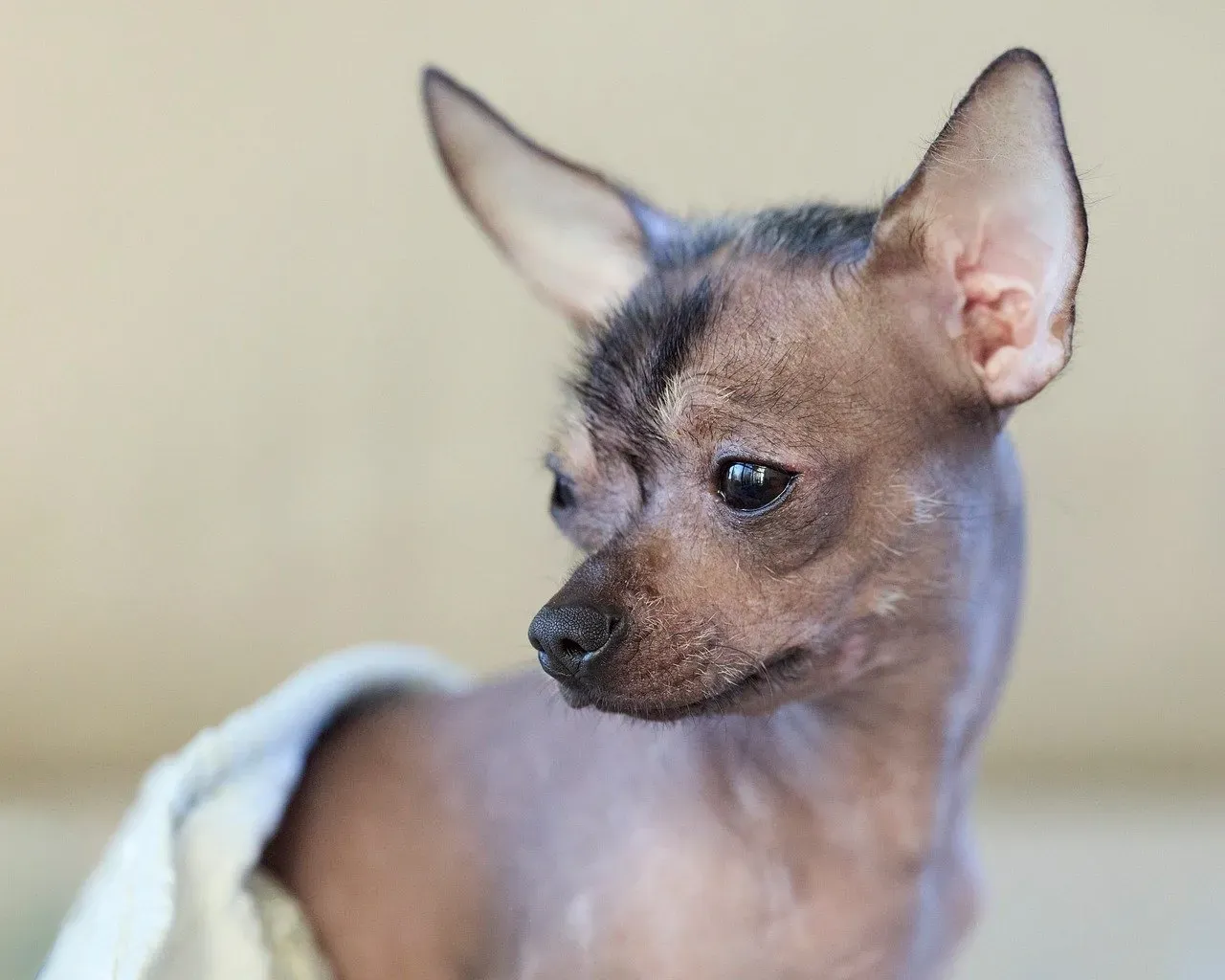
Most of us interpret a dog looking away as indifference, like they’re simply not in the mood to engage. In reality, deliberate eye aversion is one of dogs’ primary communication tools for signaling that they want no conflict.
Submissive dogs may lower their bodies, tuck their tails, and avoid direct eye contact as a way to de-escalate a situation they find stressful. Submissive displays like averting stares and retreat are often used when a dog is presented with an overwhelming threat. When this happens consistently in your presence, your dog is trying to tell you something very specific.
Submissive dogs may try to avoid confrontation by showing they don’t want to challenge anyone. The difference between a dog who glances away casually and a dog who actively avoids your gaze every time you enter a room is significant. Pay attention to when it happens, and who else in your home gets that same response.
#5: They Hide or Leave the Room When You Enter
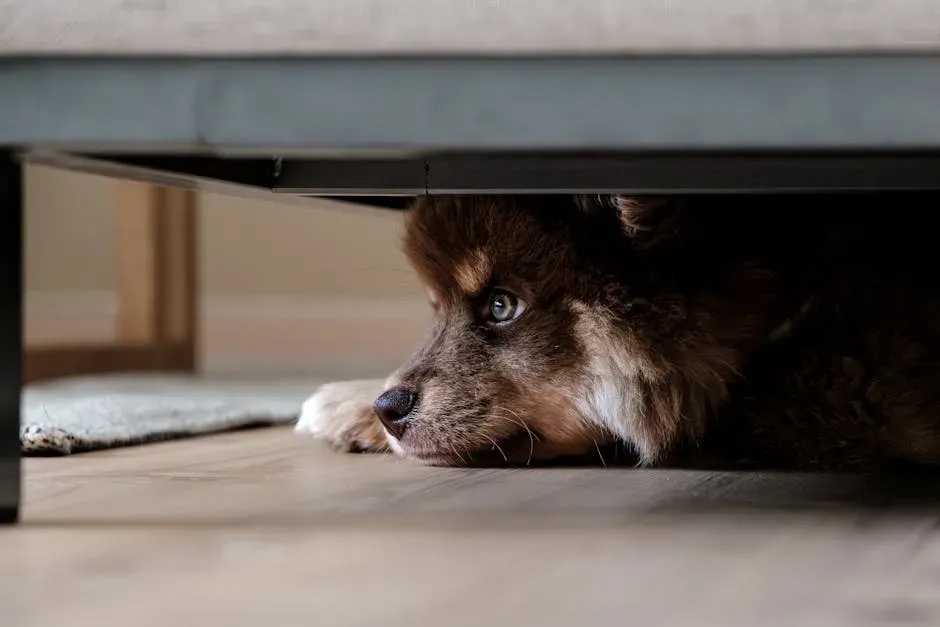
This one cuts deep. You walk into the living room and your dog quietly slips out. Or you come home and instead of greeting you at the door, they retreat to another space. It’s easy to rationalize, but it’s one of the strongest behavioral red flags on this list.
Dogs hiding underneath furniture is a widely misread sign. Many owners believe their dog loves their crate without realizing the dog is using it out of fear, hiding in order to feel protected. Hiding isn’t always about finding comfort. Sometimes it’s about getting away from something, or someone, that feels unsafe.
Avoidance behaviors like turning the head away, backing up, or trying to leave a situation are among the clearest early indicators of fear. If your dog consistently seeks distance from you but presses close to other family members, that contrast is impossible to ignore and important to take seriously.
#6: They Tremble or Shake in Your Presence
Shaking in dogs is something most people associate with cold, small breeds, or vet visits. It’s less common for owners to consider that their dog might be trembling because of them. That’s a difficult realization, but it happens.
A fearful dog might shake, tremble, or shiver. They might dribble urine and lose control of their bladder altogether. The dog may sweat through their paw pads when overly stressed, and may also salivate excessively, which can be accompanied by stress panting. These are physiological fear responses, not behavioral quirks.
When a dog is scared, you can see them visibly shake as if cold. It is not unusual to see small dogs shake when they are at the vet’s office. Some high-strung dogs are prone to shaking when nervous or scared. If this shaking only appears around you at home and not with other people your dog knows, it’s a symptom worth taking to a professional.
#7: They Roll Onto Their Back But Seem Tense, Not Relaxed
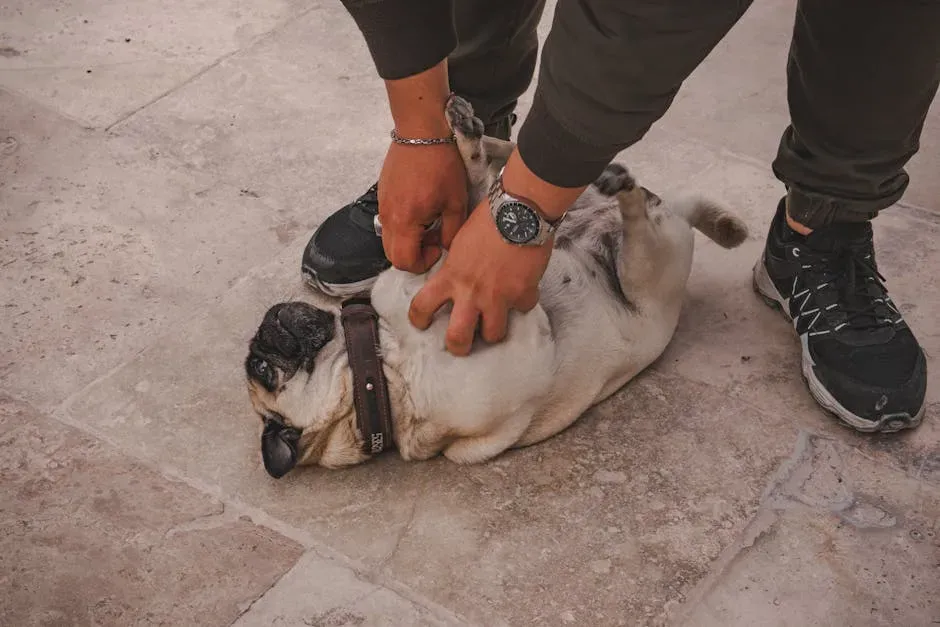
A lot of owners see their dog roll over and immediately assume it means “belly rubs, please.” Sometimes that’s exactly what it means. Other times, it’s one of the most misread signals in the entire canine communication library.
The most misinterpreted behavior in dogs is rolling over on their backs. Many people think this means a dog wants a belly rub. But sometimes, by rolling onto their side or back, a dog may be trying to show they pose no threat. This body language is also known as an “appeasement roll” and can be a way for a dog to say they’re nervous about a situation.
Many dogs, particularly anxious and reactive ones, feel threatened when someone leans over them while they are lying in a vulnerable position. Wolves exhibit this behavior in the wild to communicate to more dominant pack members that they don’t wish to engage in conflict, but it isn’t a signal that they want attention. Context and the dog’s overall body tension are everything here. A fearful roll looks stiff and uncertain. A happy one looks loose and wiggly.
#8: They Urinate When You Approach or Greet Them
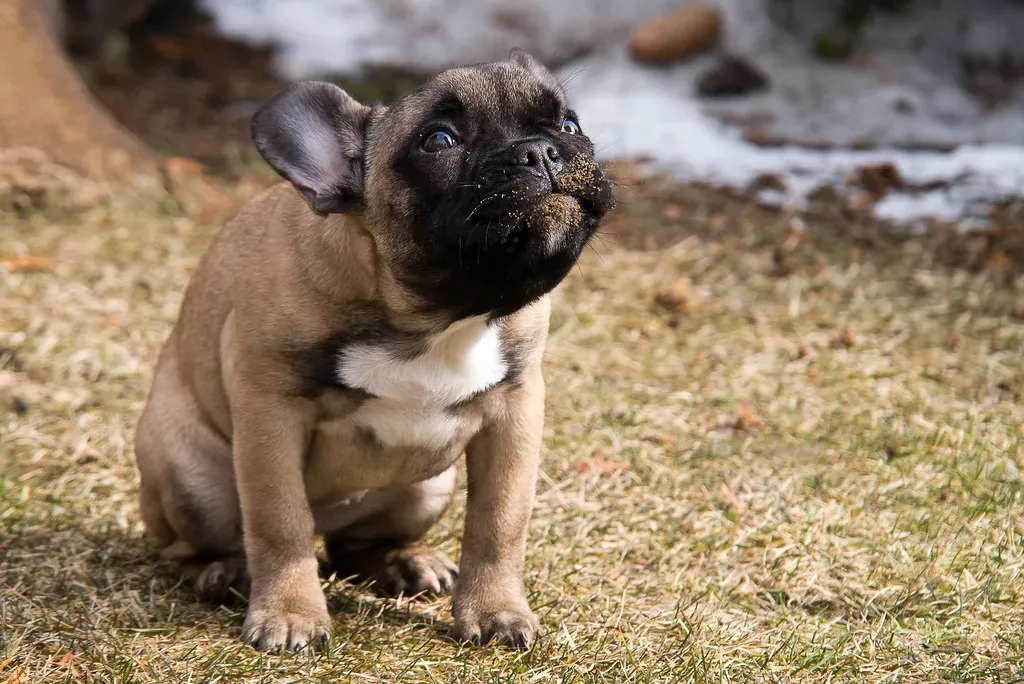
Submissive urination is one of the signs that tends to embarrass owners, and because of that embarrassment, it often gets punished rather than understood. Punishing it makes things significantly worse, and here’s why.
Submissive urination or excitement urination is most common in puppies but sometimes continues into adulthood. While it can occur due to overexcitement, it most often happens out of fear, insecurity, or a show of deference to another party. Most dogs grow out of this behavior on their own, but you can reduce it by boosting your dog’s confidence.
Submissive displays, including urination, are often used when a dog is presented with an overwhelming threat. If your dog specifically urinates when you approach but not when others do, this is the body communicating what words never could. It’s involuntary, fear-driven, and a clear signal that the relationship needs rebuilding through positive, patient interaction.
#9: They Show Stress Signals Like Lip Licking, Yawning, or Panting Around You
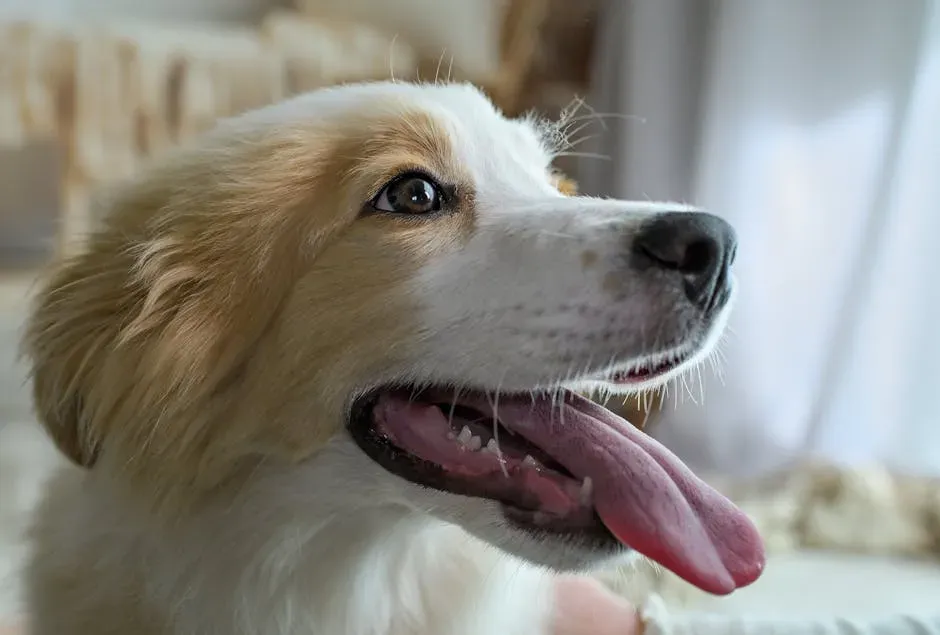
These three behaviors might be the most overlooked signs on this entire list, because each one looks completely normal in isolation. A dog yawning? Probably tired. A dog licking their lips? Must be thinking about food. A dog panting? It’s warm outside.
Lip licking or yawning, when out of context and not related to food or sleep, are signs of stress. Similarly, a dog may yawn because they are tired, but it could also be a sign of stress. If you see a yawn, it’s worth asking why they might be yawning in that particular moment. The key is always context and frequency.
The most commonly observed signs of fear in dogs include nose licking, panting, low ears, grooming, crying, and yawning. Dogs pant to cool themselves, but panting can also be a sign of stress, particularly rapid panting accompanied by a tight mouth with stress wrinkles around it. When these behaviors cluster together specifically in your presence, they stop being coincidences and start being a pattern.
#10: They React Differently to Your Voice Compared to Others’
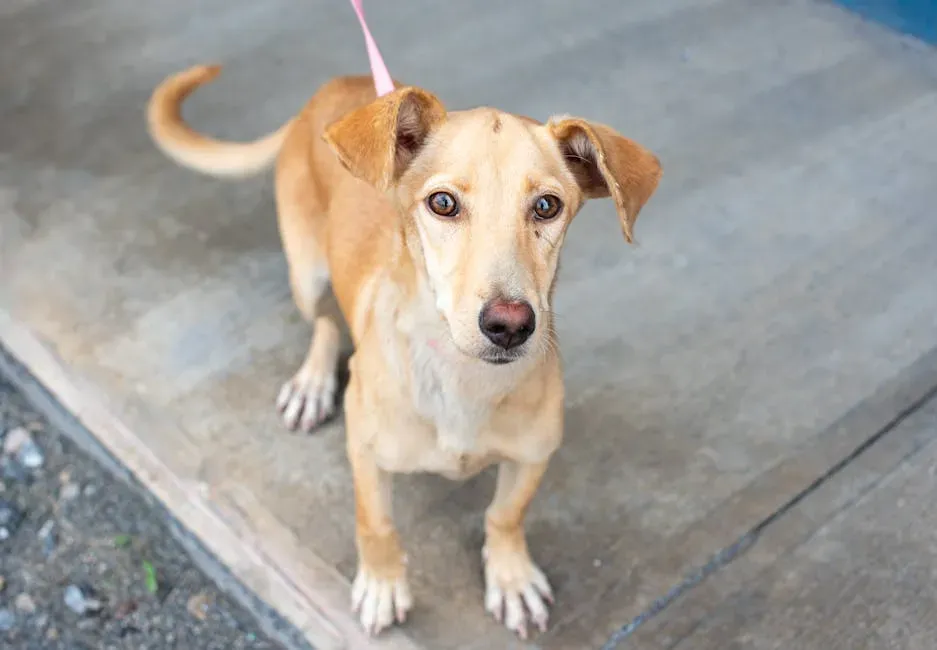
Tone of voice matters enormously to dogs, possibly more than it does to people. Dogs are extraordinarily sensitive to the emotional quality of sound, and they can detect tension, frustration, or anger long before we think we’re expressing any of it.
Some dogs are afraid of getting in trouble or being punished by their owners. When dogs hear their owners use a certain tone that scares them, they might cower, tuck their tail between their legs, or begin to whimper. This doesn’t require shouting. Even a clipped, impatient voice can register as threatening to a sensitive dog who has learned to associate certain tones with unpredictable responses.
Conflict behavior occurs when dogs are put in confrontational situations or when they cannot predict what will happen during an interaction. Owners may use punishment inappropriately or be inconsistent in their interactions, creating confusion and anxiety in their dogs. If your dog visibly deflates when you raise your voice even slightly, but stays loose and comfortable when other household members speak in the same way, your voice has become a fear trigger. That’s fixable, but it starts with acknowledging it.
What You Should Do Next
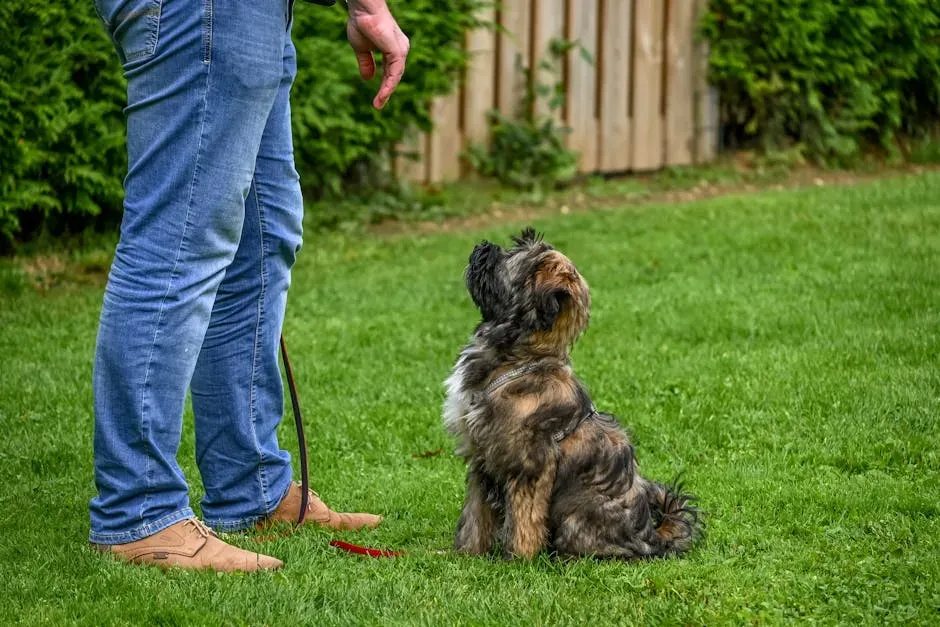
Recognizing these signs in your own home takes a certain kind of courage. It’s uncomfortable to consider that your dog, who you love, might be more at ease around literally anyone else under your roof. The good news is that fear in dogs is not a life sentence, and it’s almost never about the dog being broken.
Fear is a common, perfectly normal, innate, and adaptive behavior in all animals. However, if fear isn’t addressed, it can develop into serious behavioral and health problems, so if your dog is showing fear or shyness, you should always deal with it proactively. The earlier you respond to these signs, the more ground you can recover.
Use positive reinforcement. Reward calm or curious behavior with treats and praise to create positive associations. Work gradually. Expose your dog to triggers slowly and at a comfortable pace, always prioritizing their emotional safety. If the signs are significant, a certified applied animal behaviorist or veterinary behaviorist can help you chart a realistic path forward.
The relationship between a dog and their owner is built on consistency, predictability, and trust. A dog doesn’t fear the person they trust most. If the fear is coming from you, the repair is yours to lead. That might be the most honest, and the most hopeful, thing that can be said about any of this.


