

There’s a reason people say a dog’s loyalty is unlike anything else in the animal kingdom. These creatures have spent thousands of years learning to read us, living beside us, and building their entire sense of safety around our presence. So what happens when that presence disappears permanently? It’s a question that touches something deep, not just for dog owners, but for anyone who has ever looked into a dog’s eyes and felt something unambiguous looking back.
While dogs might not understand the full extent of human absence, they do understand the feeling of missing a human who’s no longer a part of their daily lives. The science is still catching up to what most dog owners have always known: grief, in some form, is real for these animals. What follows are ten of the most striking, heartbreaking, and quietly profound moments when a dog begins to grasp that their person isn’t coming back.
#1: They Wait by the Door
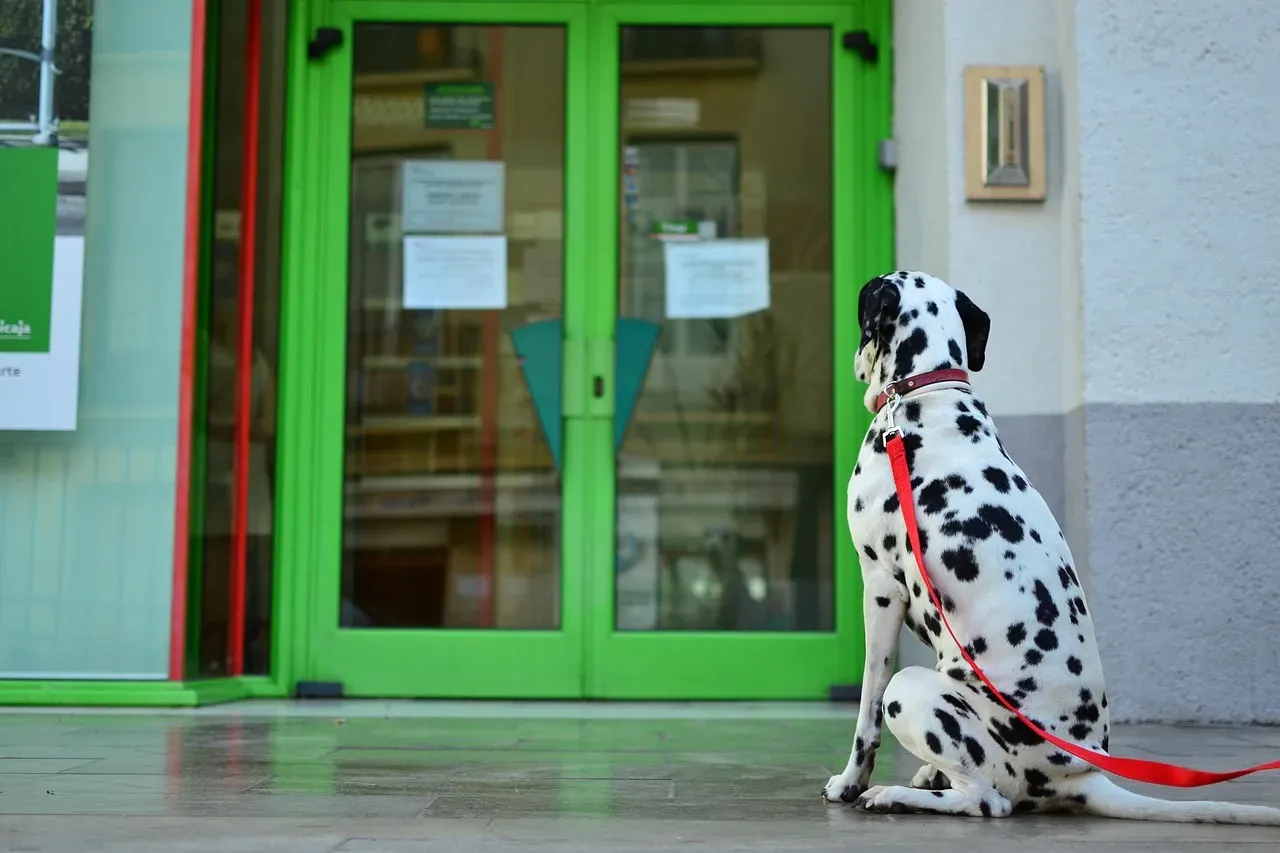
It often starts here. The same spot near the front door, at the same time every evening, waiting for footsteps that no longer come. Because we can’t explain to our dogs exactly what loss means, certain indicators, such as a change in routine or the absence of their owner’s sensations like sight, sound, or smell, will indicate to them that something is different. The door vigil isn’t theater. It’s a dog doing what it has always done, trusting in a pattern that has suddenly, inexplicably, broken.
Dogs thrive on routine. It provides them with a sense of security and predictability. When their owner dies, this routine is often disrupted, compounding their grief. For dogs, the expectation of a person’s return is wired into every part of their day. When that return stops happening, the waiting doesn’t stop immediately. It just grows quieter and quieter, until the dog eventually stops going to the door at all. That transition, though invisible to most people, is one of the most telling signs of a dog reckoning with permanent loss.
#2: They Stop Eating
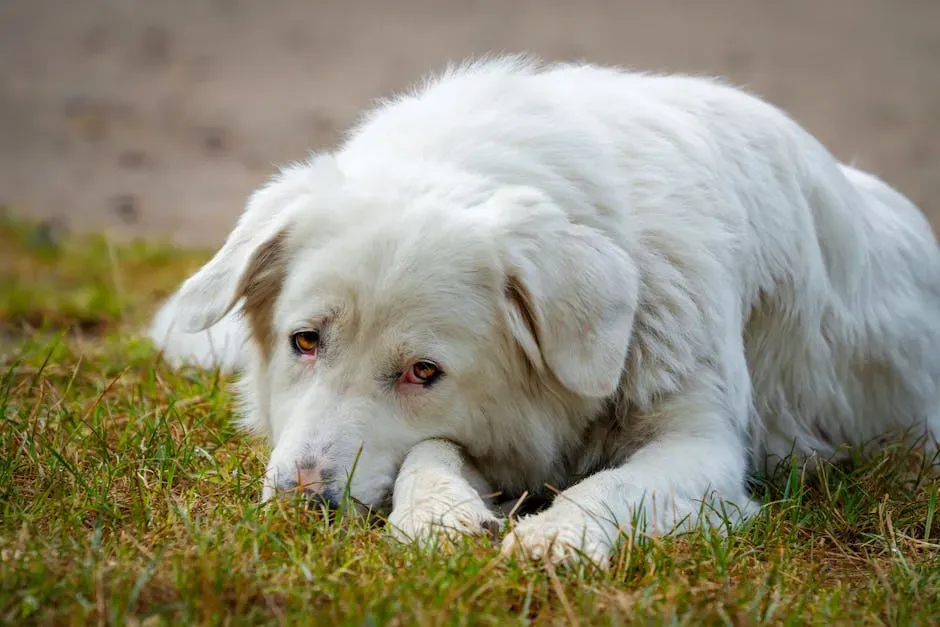
Many of the most common behaviors that signal a pet is managing grief consist of a change in appetite. Most notably, grieving pets may not have any motivation to eat, sometimes going days without food. This symptom should be closely monitored and addressed by a vet if prolonged. It’s one of the most alarming things a grieving pet owner witnesses in a surviving dog, and one of the most consistent signals in the research.
Studies found that roughly a third of dogs experienced a decreased appetite following the loss of a companion, and approximately eleven percent refused to eat at all. For a species that is typically highly food motivated, a voluntary fast is a significant statement. The bowl sitting untouched isn’t stubbornness. It’s a dog whose emotional world has shifted so dramatically that even basic drives are dampened by the weight of absence.
#3: They Search the House
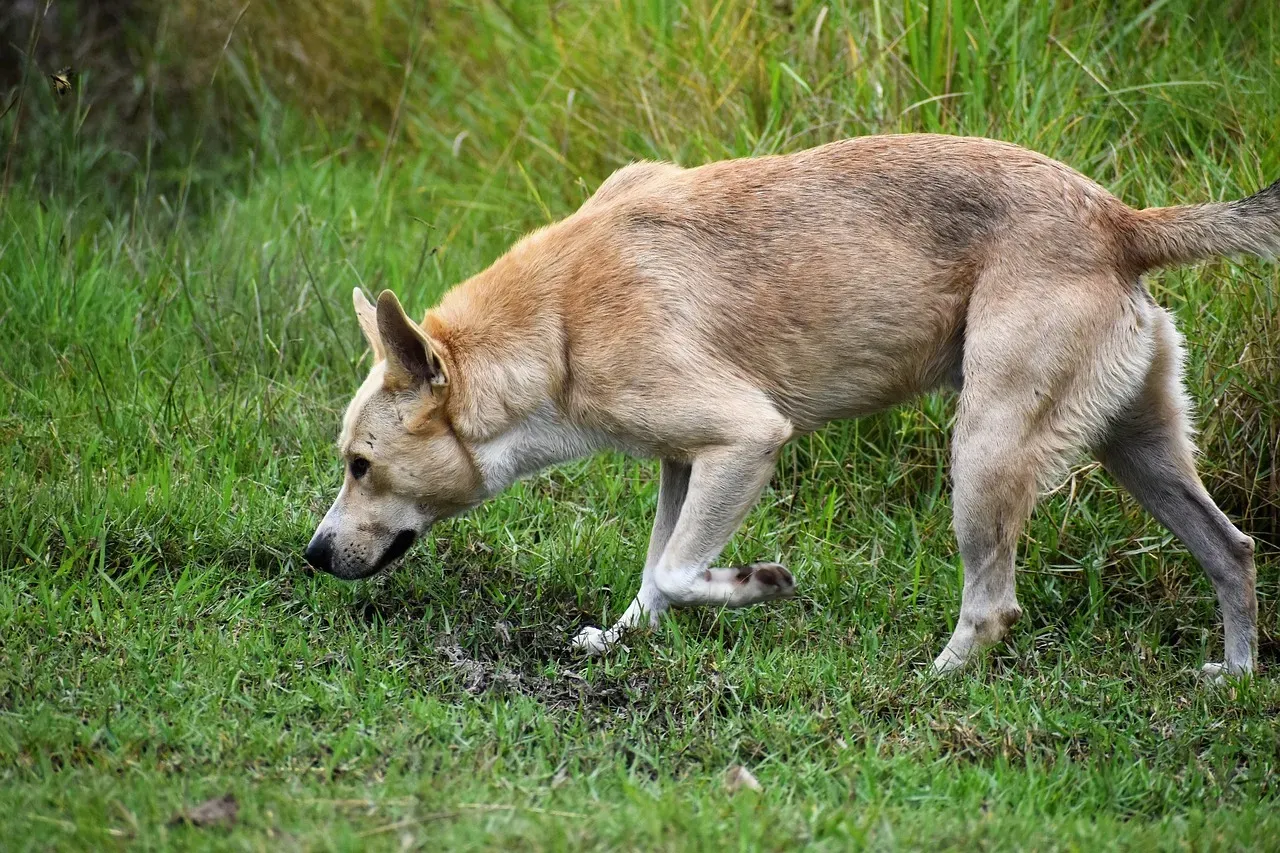
Room by room. Corner by corner. Dogs who have lost a companion may search their home for a period of time looking for their missing person or friend. Some think that if a dog is allowed to spend time with the deceased, this may reduce searching behavior later. The searching behavior is one of the most distinctly canine expressions of grief, and it can go on for days.
What dogs understand is that a familiar scent is suddenly gone, a daily routine has changed, and a companion no longer responds. They investigate the bedroom, nose under the bed, circle the chair where their human used to sit. It isn’t confusion in a simple sense. It’s a dog using every tool it has, primarily its nose, to find an answer. The fact that no answer comes doesn’t stop the search. It simply keeps going, driven by instinct and bond in equal measure.
#4: They Become Clingy with Remaining Family Members
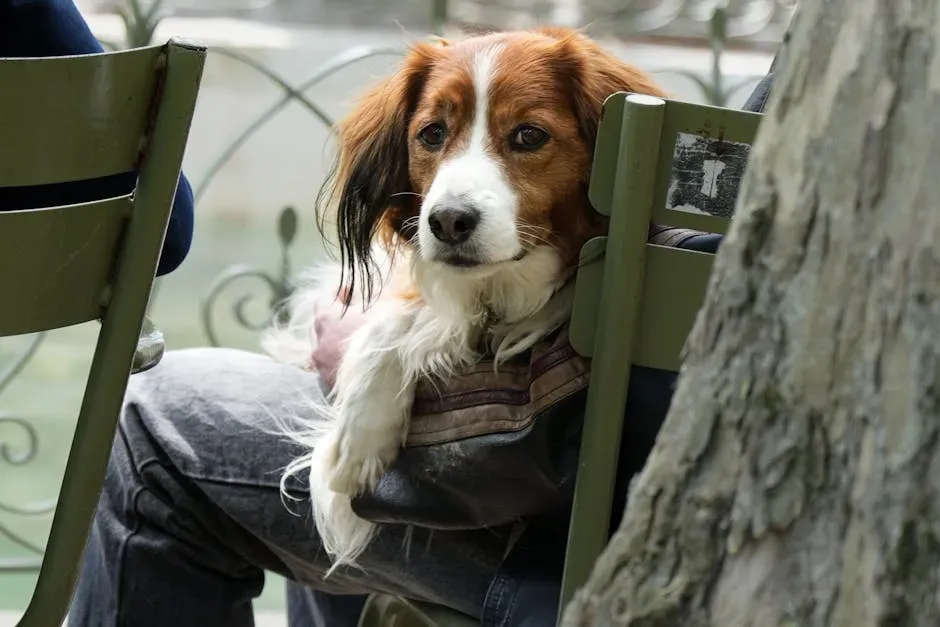
Surviving dogs are often more affectionate with their owners and become clingy after the loss of a bonded companion or primary caregiver. This isn’t random. A dog that has lost its anchor will instinctively seek out whoever is left standing, redirecting its attachment with an intensity that can feel overwhelming to grieving family members.
Dogs suffering from owner-oriented separation anxiety show functionally analogous behaviors to human infants in maintaining proximity and displaying stress-related behaviors after brief separation from their owner, followed by increased and prolonged displays of affection upon reunion. Separation from a human owner produces strong responses in over-attached dogs, which typically include destructive behavior, escape attempts, increased vocalization, and inappropriate elimination. The clinginess is essentially a grief response fused with anxiety, the dog reaching for stability in whoever remains. It’s one of the more tender and difficult moments to navigate for surviving family members who are grieving too.
#5: Their Voice Changes

The howling at night. The soft, sustained whimpering that seems to come from nowhere. The eerie quiet from a dog that used to bark at everything. About sixty-three percent of dogs exhibited changes in vocal patterns, with some vocalizing more while others were quieter than they were before their loss of a human companion. Both directions of vocal change are telling, and both are expressions of the same underlying distress.
When a pet is processing the loss of a human companion, it is common to witness a change in vocal patterns. These sounds are among the most gut-wrenching things a grieving household can experience. A dog that howls through the night is reaching for something it can’t find. A dog that goes silent is, in its own way, doing the same thing. Both are unmistakable departures from the normal soundtrack of life with that animal, and both signal that something profound has shifted inside them.
#6: They Lie on the Owner’s Belongings
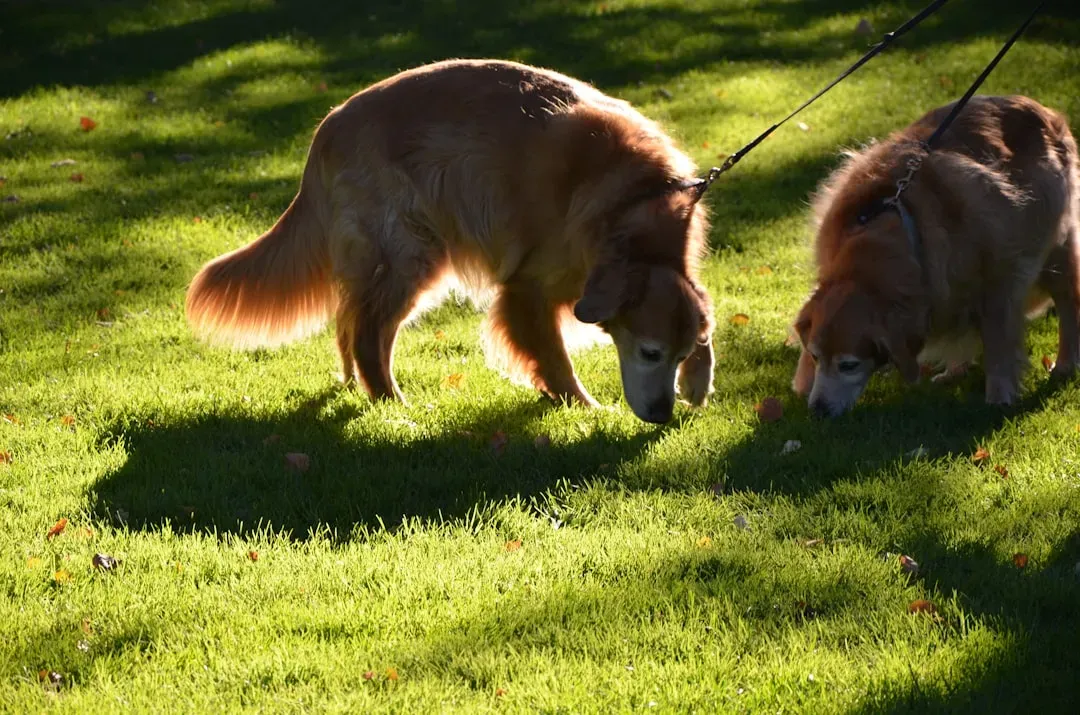
The unwashed sweater. The worn slippers left by the bed. The pillow that still carries a scent. Dogs frequently seek out the physical objects of the person they’ve lost, settling on them for hours at a time. A dog’s primary sense is smell. When a person or companion dies, the scent changes dramatically. What the dog is doing on that pile of clothing is holding onto the last remaining signal that their person was real and present.
This combination of sensory and emotional awareness helps explain why dogs often behave differently around people who are sick or dying, as they are responding to real, measurable changes rather than supernatural signals. The same olfactory intelligence that once detected their owner coming home from three blocks away is now working in reverse, anchoring the dog to a fading scent. It’s deeply instinctual, and quietly devastating to witness. Many families report this behavior persisting for weeks, long after they’ve assumed the dog has moved on.
#7: They Lose Interest in Play
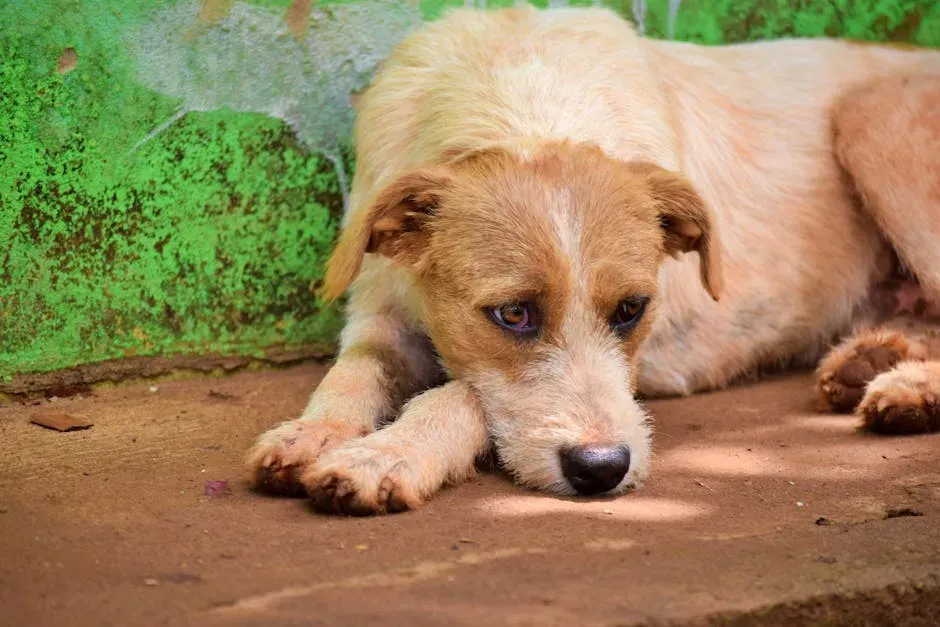
A significant number of dogs display grief-like behaviors, such as reduced appetite, increased lethargy, and seeking comfort from other family members. Some dogs even exhibit signs of depression, including withdrawal from social interactions and a lack of interest in previously enjoyed activities. Play is one of the first casualties of canine grief, and its absence is noticeable fast.
The tennis ball that used to send a dog into a frenzy sits untouched. Tug toys are ignored. Even a walk, which most dogs would normally treat as the best part of any day, becomes a reluctant shuffle. Dogs alter their behavior when they mourn, much like people do. They may become depressed and listless. They may have a decreased appetite and decline to play. They may sleep more than usual and move more slowly, sulking around. It’s important not to misread this as laziness or aging. In the weeks following a loss, a sudden withdrawal from play is one of the clearest windows into a dog’s emotional state.
#8: They Visit Places the Owner Used to Frequent
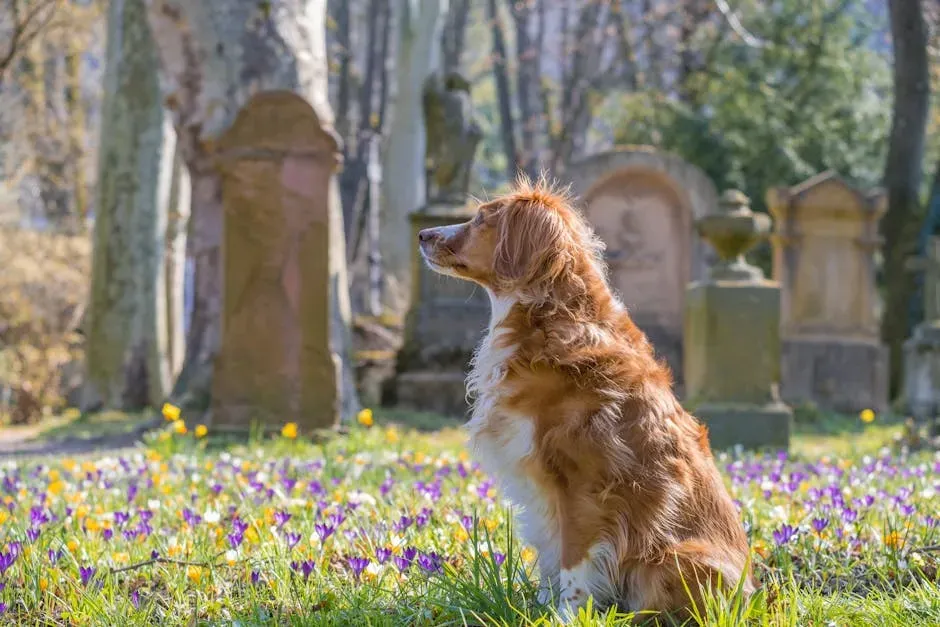
Some dogs revisit spots that carry weight: the garden bench their person always sat on, the route they walked every morning, the corner of the park where they always stopped. Owners tell stories of dogs visiting graves, licking headstones, or whining when a deceased person’s name is spoken. These are not normal reactions to absence; they suggest recognition and continued emotional attachment.
Whether or not a dog has any conceptual understanding of what a grave represents, its behavior at that location is hard to dismiss. These behaviors suggest that dogs experience grief in their own way, shaped by their attachment and understanding of loss. Their reactions are not just learned responses but emotional expressions rooted in their bond with humans and other animals. The fact that dogs return to meaningful places, unprompted, speaks to the depth of the memory they hold for the people they’ve loved. It’s one of those moments that leaves even the most skeptical observers with very little to say.
#9: Their Sleep Patterns Shift
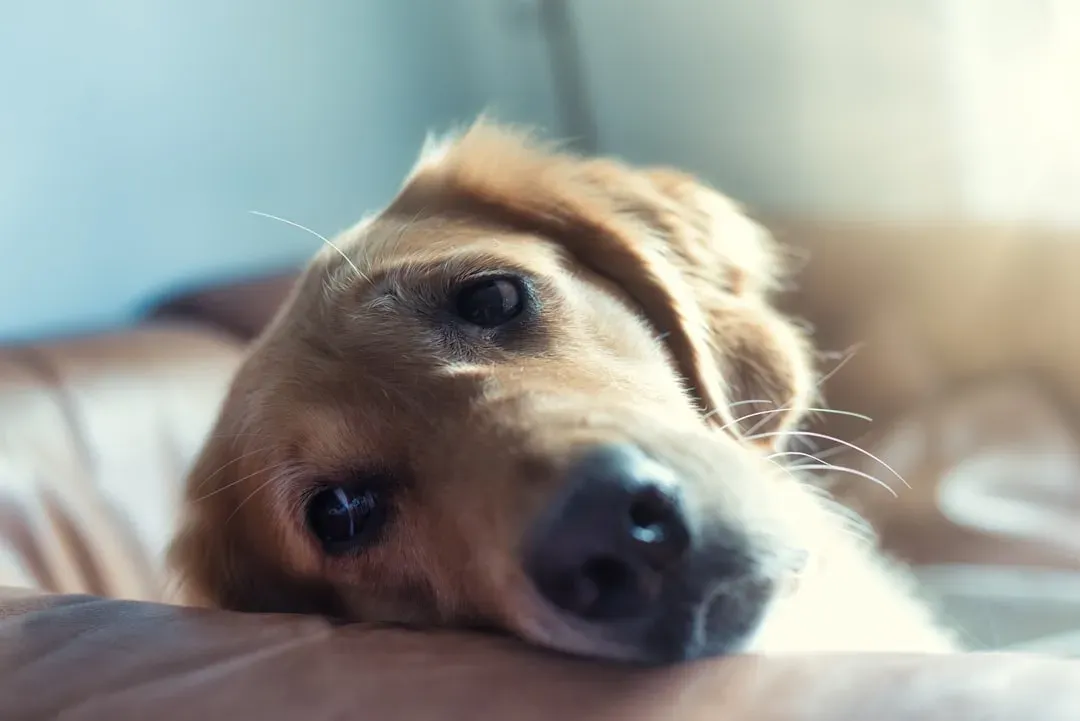
Many dogs sleep more than usual while some suffer insomnia. Some dogs even change the area of the house where they sleep. This shift in sleep location is particularly poignant. A dog that once slept contentedly in its usual bed may now drag itself into the deceased owner’s room, choosing proximity to that person’s lingering scent over its own comfortable spot.
For some dogs, it’s the opposite: they become restless at night, unable to settle. Dog grief can last anywhere from a few weeks to several months. The length of time depends on the individual dog and the depth of their bond with the lost companion. The disrupted sleep, the pacing, the 3 a.m. soft crying, these aren’t just inconveniences for the household. They are signs of a creature whose sense of safety has been profoundly, possibly irrevocably, disturbed. Sleep, for a dog, is trust. When that trust is broken by loss, rest doesn’t come easily.
#10: They Slowly Begin to Understand It’s Forever

This is perhaps the hardest moment to define, because it doesn’t arrive in a single instant. It builds. The door vigil grows shorter. The searching becomes less frantic. The dog begins, incrementally, to adjust. Dogs don’t understand death the way humans do, but they absolutely recognize that something important has changed. That recognition, slow and sensory rather than conceptual, is its own form of knowing.
Just like humans, dogs grieve at their own pace. There is no set timeline for grief, and the duration and intensity of the grieving process can vary widely. Some dogs may appear to recover quickly, while others may exhibit signs of grief for months or even years. The moment a dog stops waiting at the door, stops searching, settles into a new routine and accepts a new normal, that is not the dog forgetting. Recognizing that dogs grieve also deepens our appreciation for their emotional depth. Their sensitivity to loss reflects the same empathy that allows them to sense illness and distress. They don’t forget. They adapt, quietly, in the way that living creatures must. That adaptation, when it finally comes, is not a betrayal of the bond. It is, in its own quiet way, a testament to how deeply it existed in the first place.
What We Owe These Animals in Return
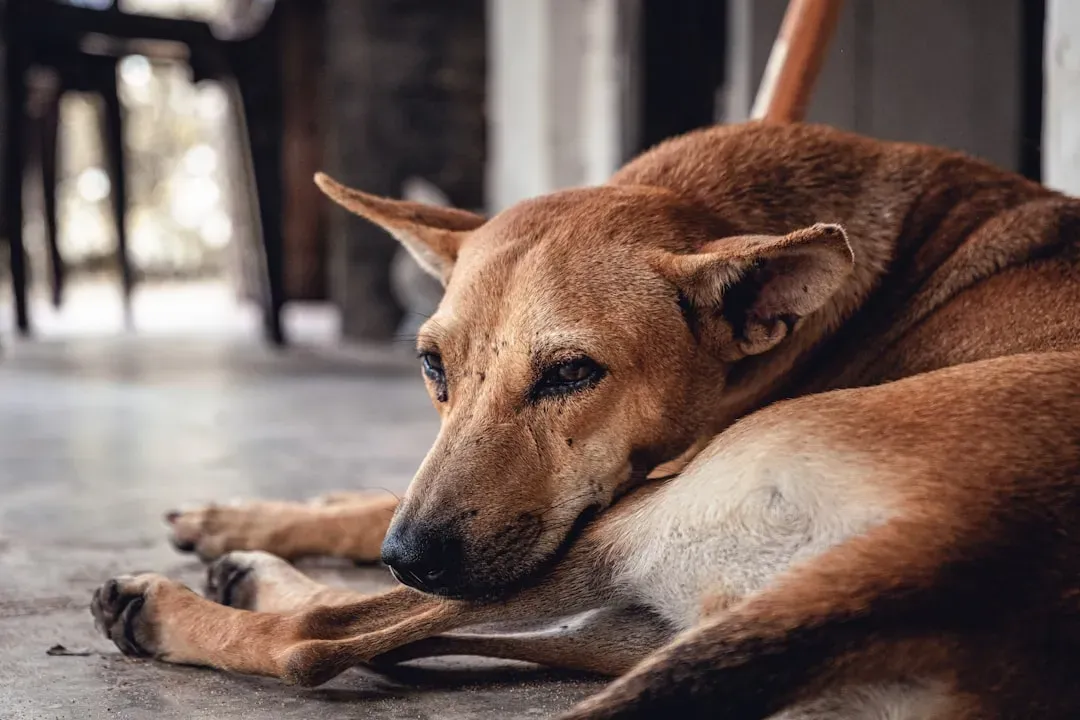
The evidence, both scientific and deeply human, paints a picture that is impossible to dismiss. Dogs grieve. They mourn. They feel the permanent absence of the people they love, and they carry that weight in their bodies, their behavior, and their sleeping and waking hours. Most evidence seems to indicate that dogs experience grief in some form. In fact, it’s likely that they feel all of the emotions that go along with grief when they lose both human and canine companions during their lives.
Knowing this carries a responsibility. When a dog loses its person, it deserves patience, not pressure. Routine, not disruption. Presence, not absence. Grieving is a natural reaction to the loss of someone we love, and dogs need our support when they lose a companion. Knowing how to comfort a pet who’s in mourning can help your dog heal. Your love and patience are the best gifts you can offer a grieving dog.
There’s something worth sitting with here. In a world that often moves too fast to honor grief properly, dogs remind us that mourning is not weakness. It’s the natural cost of connection. The dog waiting by the door, lying on a sweater, searching room by room for a scent that’s almost gone, is doing what every creature that loves something does when that something is taken away. It’s holding on. And the least we can do is hold on alongside them.


