

There’s something quietly profound about coming home to a creature that has been waiting for you, not because it needs feeding right this second, not out of habit, but because you are the center of its world. Dogs don’t complicate that. They just feel it, fully and without reservation.
Dogs are far more than just pets. They are emotionally intuitive creatures whose behavior reflects qualities we spend a lifetime trying to cultivate. Most of us go through years of therapy, self-help books, and difficult conversations trying to understand love and loyalty, while the answers have been sitting at our feet, wagging their tails the whole time.
What follows are ten of the deepest, most lasting lessons that dogs leave us with. Not sentimental fluff, but real, grounded truths that hold up under scrutiny. If you’ve ever loved a dog, you’ll recognize every single one.
#1: Love Without Keeping Score
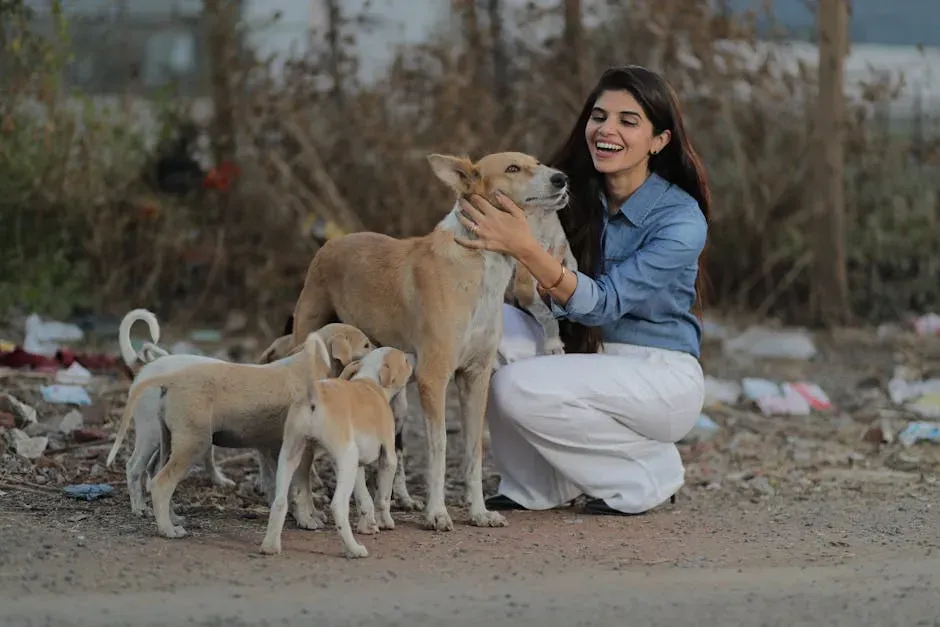
Unconditional love from dogs is one of the most powerful emotional truths we witness daily. Your dog doesn’t love you because you’re successful, attractive, or in a good mood. They love you simply because you’re you. That’s a standard most human relationships never quite reach, and it’s worth sitting with that for a moment.
Dogs teach us to love without keeping score. Imagine if we approached human connections with more empathy, patience, and an open heart. The scoreboard mentality in relationships, tracking who did what, who apologized last, who gave more, is one of the fastest ways to erode genuine closeness. Dogs never check the scoreboard. They just show up.
#2: Loyalty Is an Action, Not a Feeling
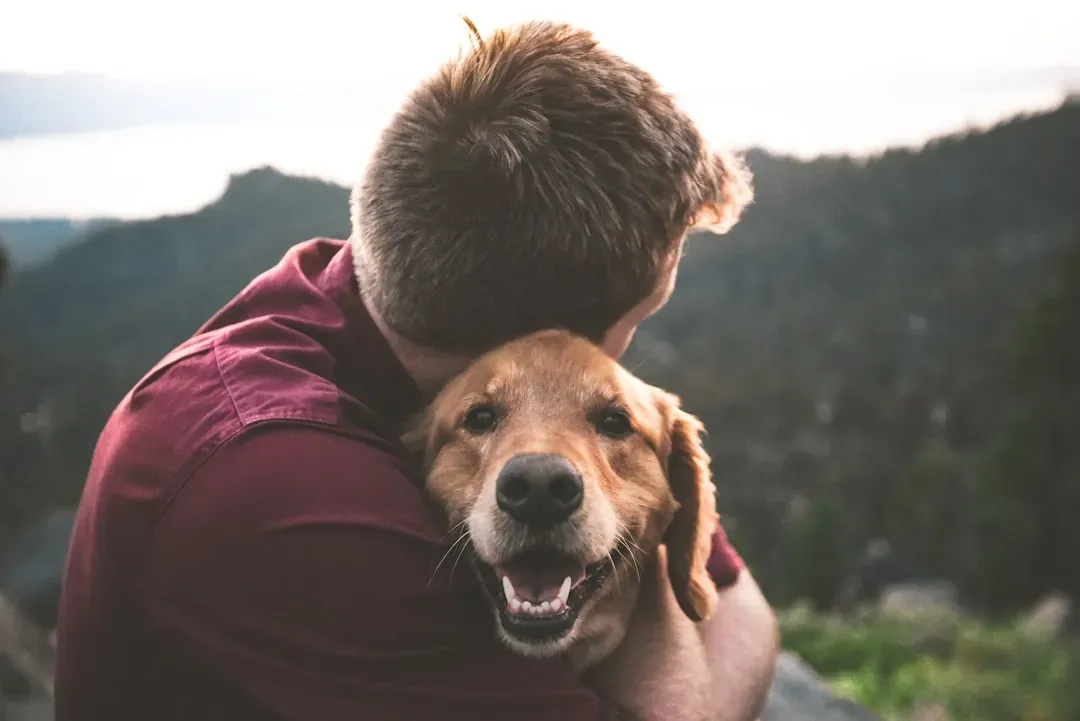
Loyalty, like love, is an action. It’s in the small moments, showing up, supporting others, and staying devoted through good times and bad. Dogs model this effortlessly. It isn’t something they feel occasionally and then put down when life gets inconvenient. It is constant, expressed in every follow, every lean, every look toward the door when you’ve been gone too long.
Loyalty isn’t just a trait; it’s a commitment. Dogs teach us that true relationships are built on showing up, consistently and faithfully, no matter what. In human relationships, loyalty means being present in hard times, keeping promises, and building trust over time, values that our dogs live by instinctively. The lesson isn’t complicated. It just requires the will to follow through.
#3: Forgiveness Is a Form of Freedom

Dogs don’t hold grudges. Scold a dog, and minutes later, they’re back, tail wagging, ready to love again. This is one of the most powerful forgiveness lessons from dogs. Holding onto anger and resentment is a uniquely human burden, and it weighs us down. Dogs show us that letting go isn’t weakness; it’s freedom.
You stayed late at work every night this week, and your dog missed out on his daily walk or game of fetch. Is he mad at you? Of course not. Dogs don’t hold grudges and neither should we. There’s a real psychological cost to carrying resentment, and dogs seem to have figured out instinctively what many humans never do: releasing it is the healthier choice every single time.
#4: Presence Is the Greatest Gift
Dogs don’t dwell on yesterday’s walk or worry about tomorrow’s vet visit. They are fully present, always. Living in the present is something humans struggle with deeply, yet dogs model it effortlessly. In a world built on notifications, future-planning, and endless mental noise, that’s a genuinely radical way to exist.
Contrary to the human lifestyle which can involve lots of material things and constantly staying busy, dogs find joy in the simple things. They are content with just spending time with you. They enjoy a simple walk around the neighborhood, playing with their friends at the local dog park, or snuggling up at night with the children for story time. Full presence, it turns out, is itself a form of devotion.
#5: Trust Is Built Through Consistency, Not Grand Gestures
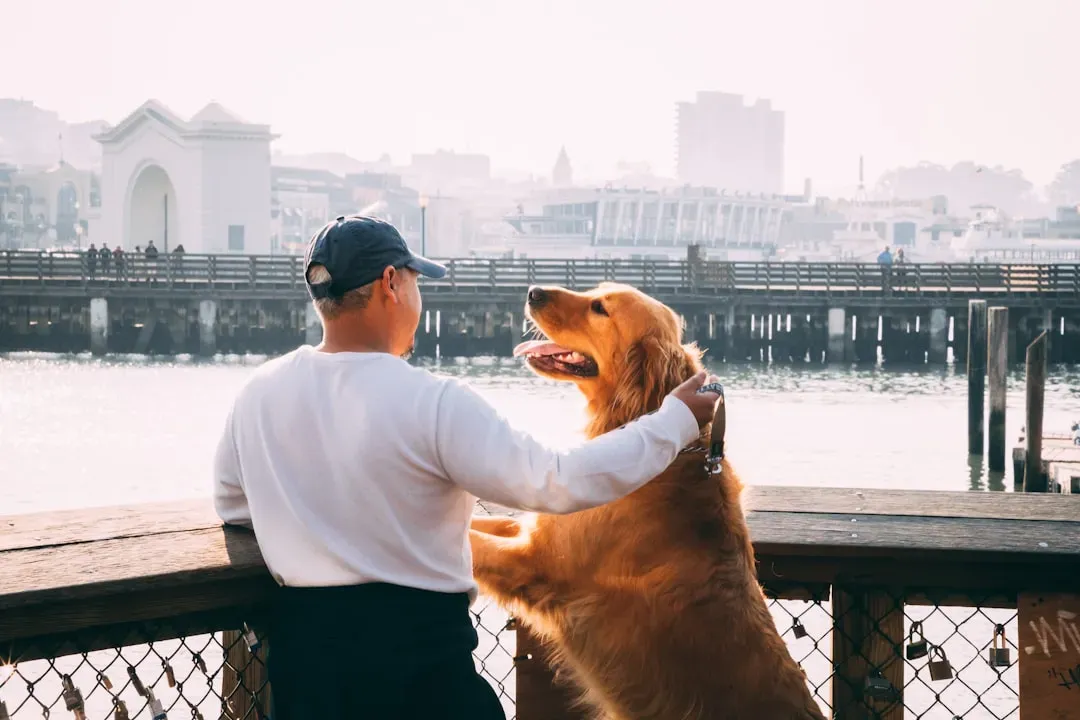
To gain loyalty, there has to be an aspect of trust in the relationship between people and their dogs. Loyalty, like trust, has to be earned. While it is believed some dogs do this more easily than others, in most cases, it is possible for just about any dog to exhibit loyalty to their humans. Consequently, it is up to humans to continuously foster trust between themselves and their dogs for loyalty to exist throughout the relationship.
The environment in which a dog is raised and lives plays an integral part in their development of loyalty. A safe, loving, and stimulating environment nurtures a dog’s psychological well-being. Dogs that feel safe and loved are more likely to develop a strong attachment to their owners. The parallel to human relationships is hard to ignore. Safety and consistency, day after day, build the kind of trust that no single romantic gesture ever could.
#6: Emotional Attunement Is a Superpower

Dogs are remarkably attuned to human emotions. They can sense when you’re happy, sad, stressed, or relaxed, and often adjust their behavior accordingly. This sensitivity is a result of their keen observational skills and their desire to maintain harmony within their social group. They don’t need you to explain how you feel. They read the room before you’ve even closed the front door.
Many dogs respond to sadness by staying physically close or resting their head on their owner’s lap. This sensitivity strengthens the human-animal bond and deepens mutual trust. Most human relationships would improve dramatically if people made half the effort dogs do to notice and respond to the emotional states of the people around them. Paying attention is, in itself, a profound act of love.
#7: Connection Requires Showing Up in the Hard Moments

Dogs comfort us in our darkest moments. Whether you’ve had a bad day or feel overwhelmed, their quiet presence or a gentle nuzzle can provide soothing reassurance. They don’t wait for good days to offer closeness. The roughest moments are precisely when they lean in harder.
The human-canine bond offers profound impacts on our emotional well-being. Interacting with a dog can alleviate stress, anxiety, and depression. Dogs provide love and support, becoming loyal confidants during challenging times. The simple act of petting a dog releases oxytocin, a hormone associated with relaxation and bonding, fostering emotional resilience in humans. That biochemical truth reinforces what dog owners have always known intuitively: a dog’s companionship is not a luxury. In difficult seasons of life, it can be a lifeline.
#8: The Pack Matters More Than the Individual
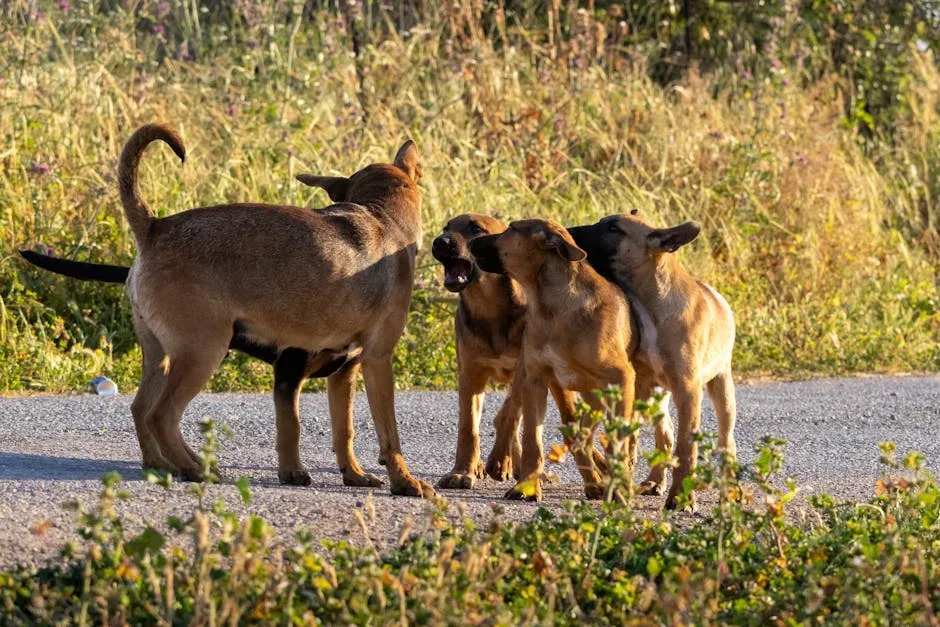
In the wild, wolves rely on a structured pack hierarchy for survival, with each member playing a specific role. Domestic dogs have retained this pack mentality, viewing their human families as their pack. They look to their owners for guidance, protection, and leadership. This intrinsic need to be part of a social group drives dogs to be loyal and attentive to their human companions, always seeking to please and stay close to their ‘pack.’
In the wild, dogs bond with their pack as a way to fulfill their emotional and physical needs. The hustle and bustle of daily life often prevents us from spending quality time with our loved ones, but we benefit from close bonds with our human pack, too. Dogs remind us that isolation isn’t strength. Community, closeness, and belonging aren’t soft needs. They’re survival needs, for every species including ours.
#9: Protecting the Ones You Love Is an Expression of Devotion

Dogs are also protective, often putting themselves in harm’s way to ensure their human is safe. This protective instinct comes from their deep bond and commitment to you, a loyalty many of us hope to find in other relationships. It’s not trained into them in any transactional sense. It flows from the bond itself, from genuine attachment to the people they consider their family.
Dogs have long stood the test of time when it comes to guarding and protecting the ones they love. Many breeds are born with a natural instinct to defend their territory. They have an ability to sense certain things that humans may miss. Their ears, for example, allow them to hear almost double the frequencies than that of humans. Protection, in the canine world, isn’t aggressive. It’s an act of care, a steady willingness to stand between those you love and whatever threatens them.
#10: Love Leaves a Mark That Outlasts a Lifetime

Akitas are at the top of the list when it comes to loyalty. The most famous example of this is Hachikō. Born in 1923, the Japanese Akita is well remembered for his enduring love and loyalty to his master. When his master died in 1925, Hachikō waited a total of nine years at the railway station for his owner to return. That story isn’t just touching. It’s a statement about the depth of love that is possible between two beings when the bond is real.
For many families, dogs are not just pets. They are family members. The bond between dogs and humans often lasts a lifetime and leaves a lasting emotional imprint. Anyone who has lost a dog understands this. The grief is real, the absence specific, and the lessons that dog taught you stay long after the leash has been put away for the last time. Love like that doesn’t just pass through you. It changes you.
A Final Thought Worth Keeping
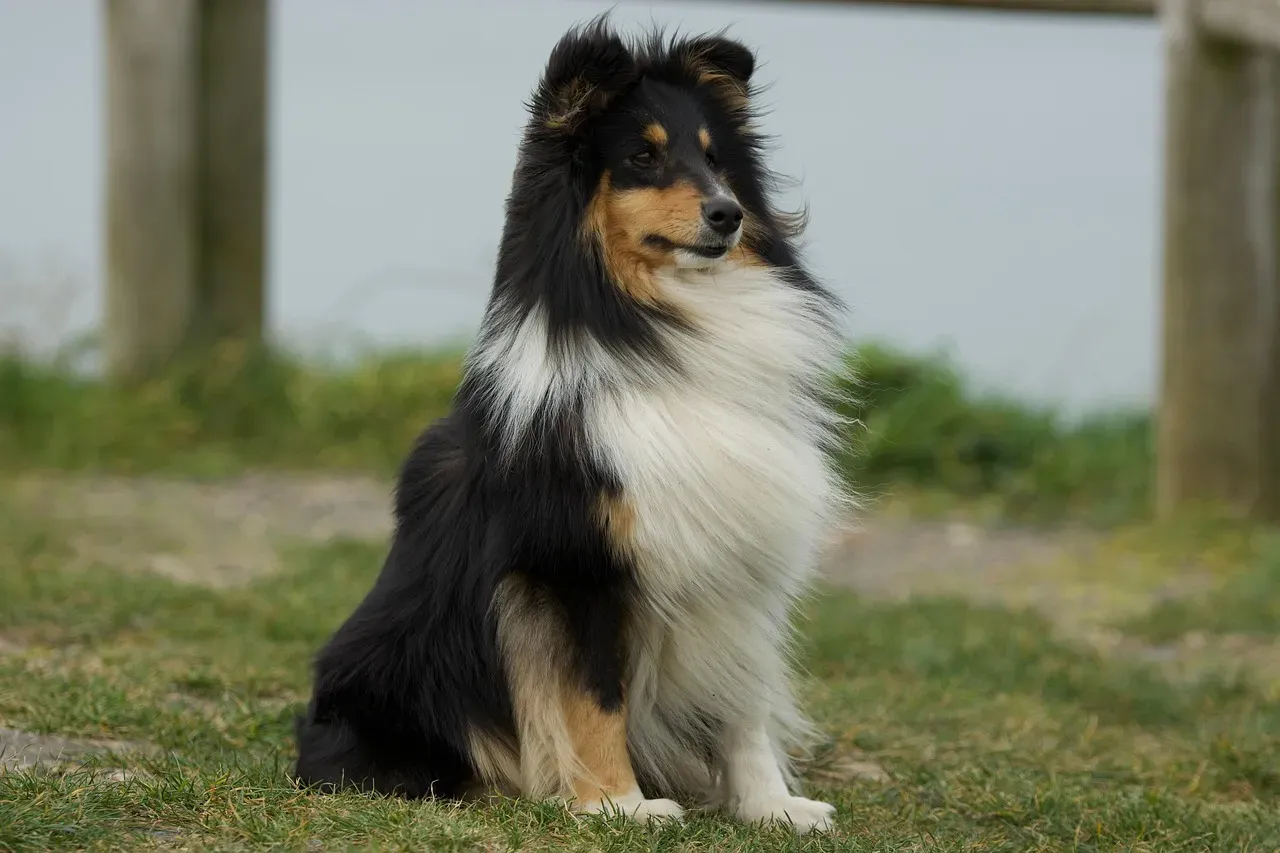
There’s a quiet irony in all of this. We bring dogs home thinking we’ll teach them how to behave, and somewhere along the way they end up teaching us how to live. A dog’s medicine is trust, loyalty, reflection, protection, family, honor, and integrity. These are all solid values that live in the uncharted wilds of our human hearts. Dogs ask us to explore these values within ourselves and walk a good road with each step we take. They are truly our teachers, even when we think we are teaching them.
Frankly, if more people applied even three of the ten lessons on this list, the quality of human relationships would look radically different. Dogs aren’t more emotionally evolved than us, but they are less distracted by the noise that pulls us away from what actually matters. They stay close, they show up, they forgive fast, and they love hard. That’s not a small thing. That’s the whole thing.
The real question isn’t what dogs can teach us. The real question is whether we’re paying close enough attention to learn.


