

You’re standing in your kitchen, glancing out the window, and there it is. A coyote, calm as you please, is trotting across your lawn like it owns the place. Your pulse jumps. Your first thought might be to open the back door and shoo it away, or maybe grab your phone and get closer for a better look. Both of those instincts, though completely understandable, could make a manageable situation genuinely dangerous.
Coyote sightings in suburban and urban backyards have become increasingly common across the United States. Coyotes are present in many large cities across the country, including Portland, Chicago, and Los Angeles. That reach continues to expand. Most encounters are harmless, even unremarkable. The problem is that a handful of very common reactions from homeowners can turn a routine wildlife pass-through into a real problem. Here are five things you should never, ever do when a coyote shows up in your yard.
#1: Never Run Away From the Coyote
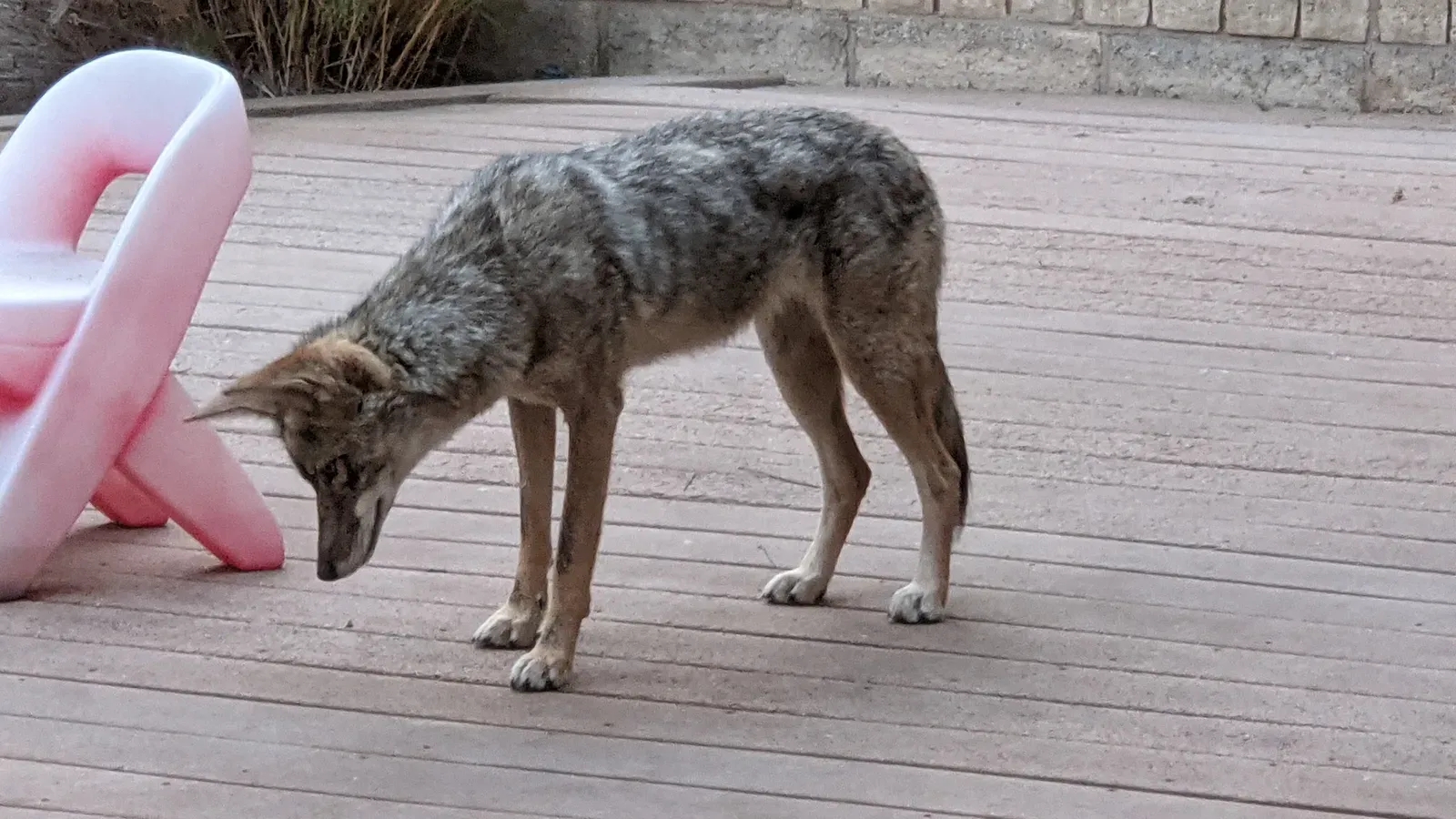
The moment most people see a coyote in their yard, every instinct screams to bolt for the house. It feels like the right move. It isn’t. Running triggers a coyote’s natural chase instinct, potentially transforming a curious animal into an active pursuer. Predators are hardwired to chase moving prey, and your sudden flight can activate this deeply ingrained behavior.
Your first instinct might be to sprint for safety, but running triggers a coyote’s chase response. Coyotes naturally pursue fleeing animals – it’s hardwired into their hunting behavior. Even though coyote attacks on adults are extremely rare, running increases your risk significantly.
The correct response is the opposite of what your adrenaline wants you to do. Turning your back removes your visual monitoring of the situation and may be interpreted as submission or fear. Maintaining eye contact while backing away slowly demonstrates confidence without appearing aggressive. Your calm, deliberate movements communicate that you are not prey but rather a creature to be respected and avoided.
Children especially need coaching on this counterintuitive response since their instinct is often to run toward safety. Practicing calm backward walking during family discussions helps everyone remember the proper response during actual encounters. It sounds almost absurd to rehearse something like this, but when the moment arrives, muscle memory matters far more than panic.
#2: Never Feed the Coyote, Even Accidentally
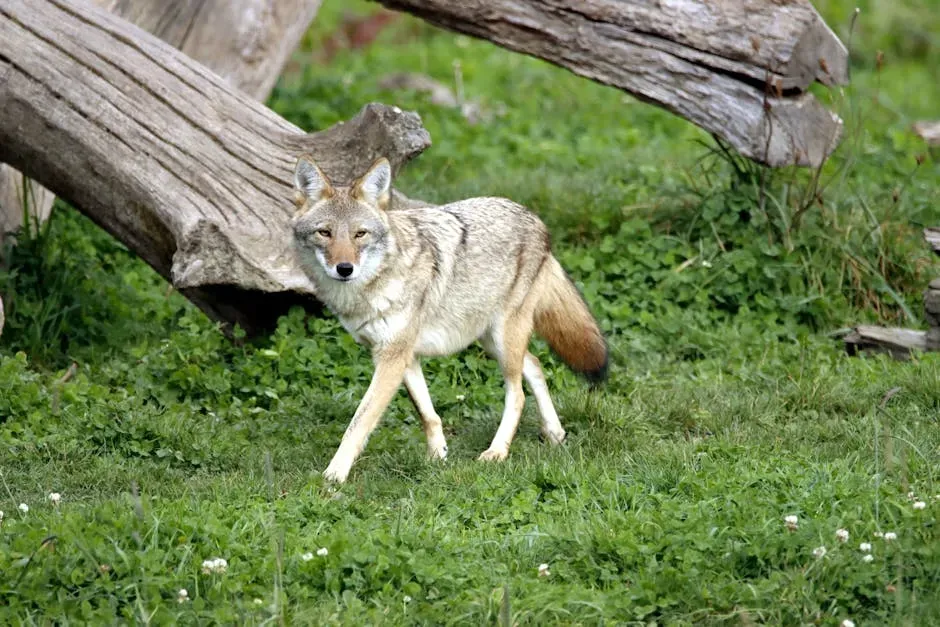
Leaving a bowl of cat food on the back porch, tossing out table scraps near the tree line, or letting fallen fruit pile up under your apple tree might seem harmless. Around a coyote, none of it is harmless. The number one most effective way to prevent coyote attacks in your neighborhood is to eliminate wildlife feeding. Coyotes that are fed in residential neighborhoods can lose their fear of people and may eventually test humans and pets as possible prey.
The presence of a free buffet in the form of pet food or garbage can lure coyotes into suburban yards and create the impression that backyards are bountiful feeding areas. Without the lure of food or other attractants, their visits will be brief and rare, but a coyote who finds food in one yard may learn to search for food in others.
Accidental feeding is just as damaging as deliberate feeding. Many people unintentionally feed coyotes by leaving pet food or garbage out at night or having large bird feeders. Coyotes are usually not interested in bird food, but bird feeders often attract rodents, especially squirrels, which then attract coyotes.
When coyotes begin to associate people with food, they can become bold or aggressive, approach people, and pose safety risks to people, pets, and poultry. This can lead to the coyotes being killed. Although rare, coyote attacks on people are often linked to feeding. What starts as a moment of misplaced kindness can end with a wildlife conflict that nobody wins.
#3: Never Approach or Try to Touch the Coyote
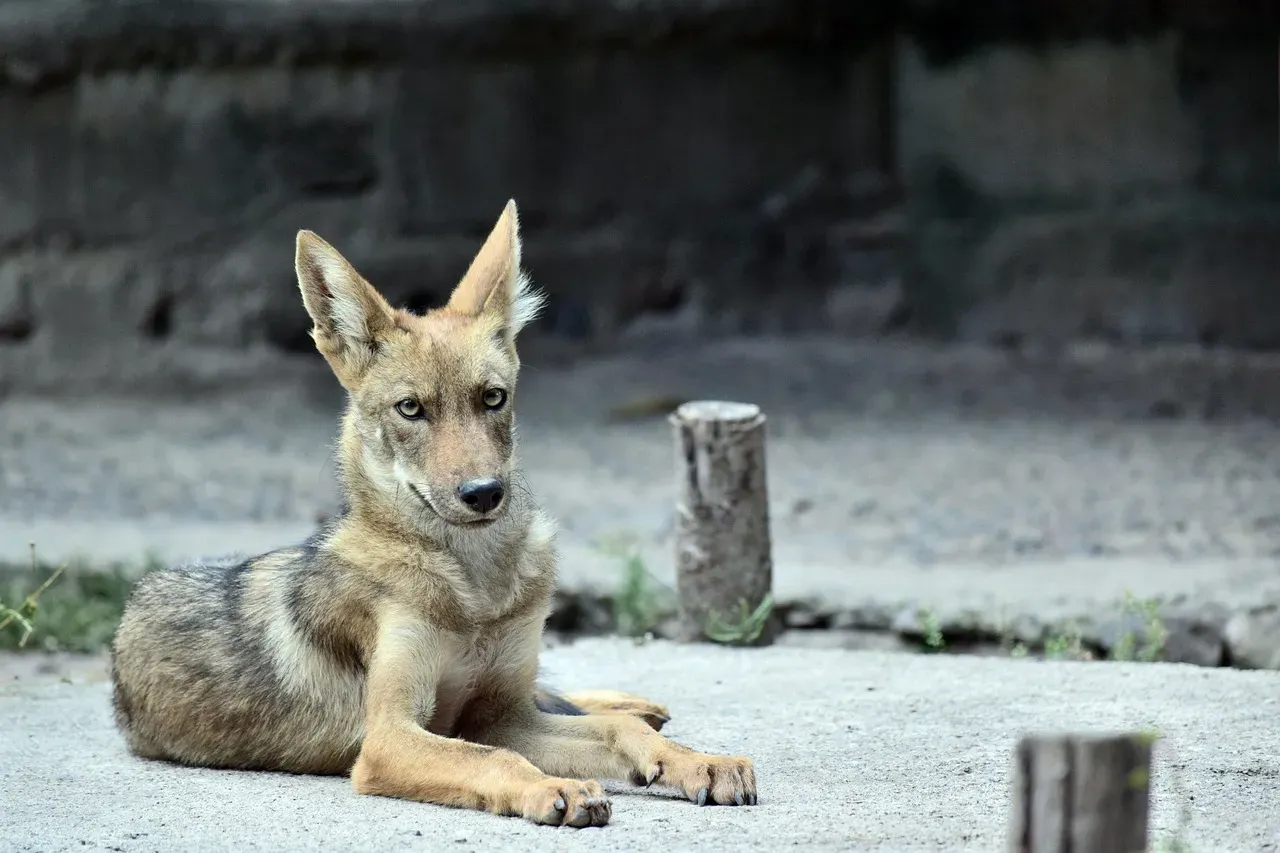
Social media has a lot to answer for here. Children must understand that coyotes are not dogs and should never be petted or played with under any circumstances. Social media posts showing people interacting closely with coyotes promote dangerous misconceptions about these animals. The animal may look like a manageable, even cute, medium-sized dog. It is not.
Most wild animals keep their distance from people, and you should keep your distance from wildlife. While actual attacks by wildlife are unlikely, they most often occur when animals are sick, startled, feel threatened, or become accustomed to people. Getting closer to take a photo or see how it reacts pulls you into exactly the kind of proximity where things go wrong.
Never approach coyotes, especially if they appear sick or injured. Well-meaning attempts to help wildlife often end badly for both humans and animals. Coyotes with rabies may appear unusually docile or approachable before becoming aggressive. A coyote that seems calm or friendly when approached is, more often than not, a coyote you should be most concerned about.
Approaching a coyote for photos or closer observation also sends the wrong message, suggesting that humans aren’t threatening. This reduces the healthy distance that should exist between wild animals and residential areas. Keeping that boundary intact protects not just you and your family, but the coyote itself, since habituation often leads to the animal ultimately being removed or destroyed.
#4: Never Leave Small Pets or Children Outside Unattended
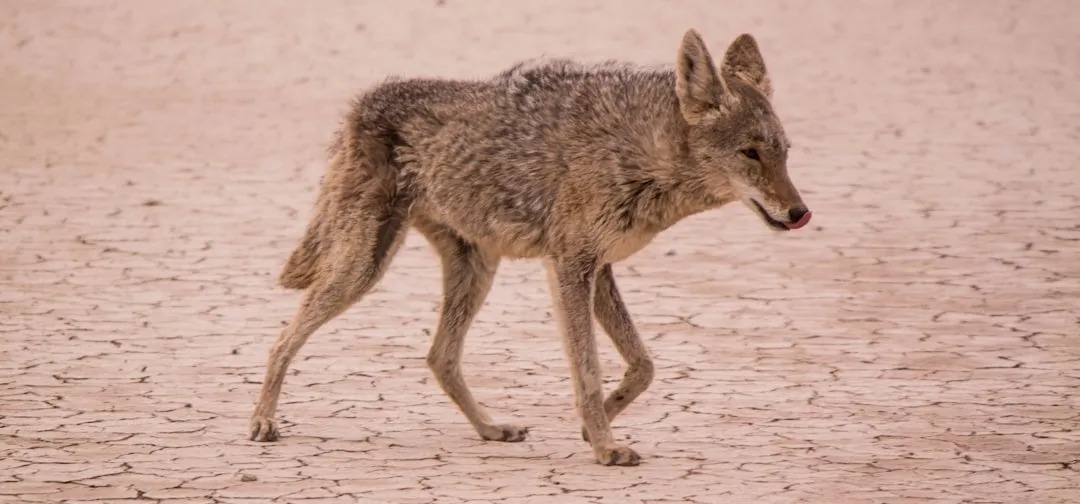
This one feels obvious once it’s stated, but it’s one of the most common oversights people make during a coyote sighting. Cats, small dogs, and backyard chickens can look like easy prey to a hungry coyote. If you spot a coyote in your yard, the first thing you should do is bring any vulnerable animals inside right away. Even medium-sized dogs can be at risk if a coyote feels threatened or is protecting territory. Coyotes are opportunistic hunters and will take advantage of an easy meal when they see one.
Leaving pets outside unsupervised, especially at dawn or dusk, increases the chance of an encounter. Even a fenced yard may not be enough protection if the coyote is determined. Many homeowners assume a standard backyard fence is a reliable barrier. Most coyotes can easily climb over back yard fences and walls. The fence that keeps your dog in does not necessarily keep a coyote out.
Don’t leave small children unattended where coyotes are frequently seen or heard. If coyote sightings are in your area, prepare your children for a possible encounter. This isn’t about creating fear. It’s about giving kids the same calm, practical readiness you’d want them to have around any other environmental hazard.
Small pets and children should never be left unattended, and dogs should always be walked on a leash. Problems are more likely to occur when the animal is out of the owner’s control. A loose dog, an unsupervised toddler, and a bold coyote is a combination that doesn’t need any encouragement.
#5: Never Tolerate or Ignore a Coyote That Keeps Returning
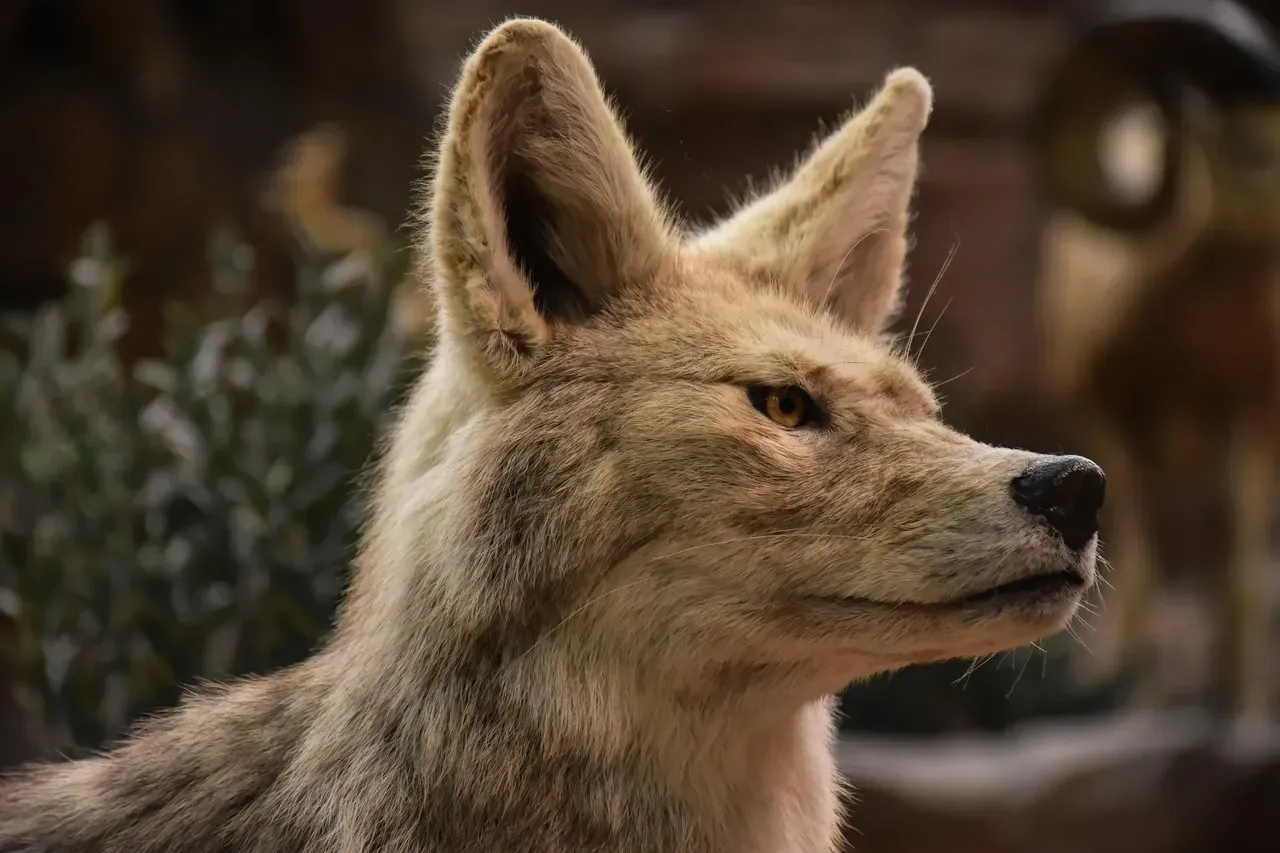
A coyote that passes through your yard once is just doing what coyotes do. Coyotes are most frequently seen and heard during mating season from January through March and when juveniles start leaving the family pack from September through November. While normally fearful of people, they can sometimes be spotted crossing yards or streets. This behavior is not unusual, especially in residential areas bordering on open space where coyotes find their natural prey. They may simply be taking a shortcut to their favorite hunting ground. This type of sighting generally requires no response other than making sure that pets and children are secure and that there are no likely food attractants present in the area.
A coyote that returns day after day, lingers near your door, or shows no concern about your presence is a different matter entirely. It is important not to encourage or even tolerate coyotes around your residence. The longer they are allowed to remain, the bolder and more aggressive they are likely to become to humans and pets.
Coyotes who have adapted to urban and suburban environments may realize there are few real threats and may approach people or feel safe visiting yards even when people are present. These coyotes have become habituated, probably owing to the bounty of food that they have become accustomed to feeding upon in your neighborhood. These bold coyotes should not be tolerated or enticed but instead given the clear message that they should not be so brazen.
When a coyote won’t leave, the recommended approach is consistent and persistent hazing. If a coyote lingers or approaches, it’s time to begin hazing. Do not run or turn your back. Wave your arms, clap your hands, and shout in an authoritative voice. If hazing repeatedly fails and the animal still won’t move on, any aggressive behavior should be reported to the local police or animal control officer. Ignoring the problem rarely makes it go away. It usually makes it worse.
The Bottom Line: Knowledge Is the Real Deterrent
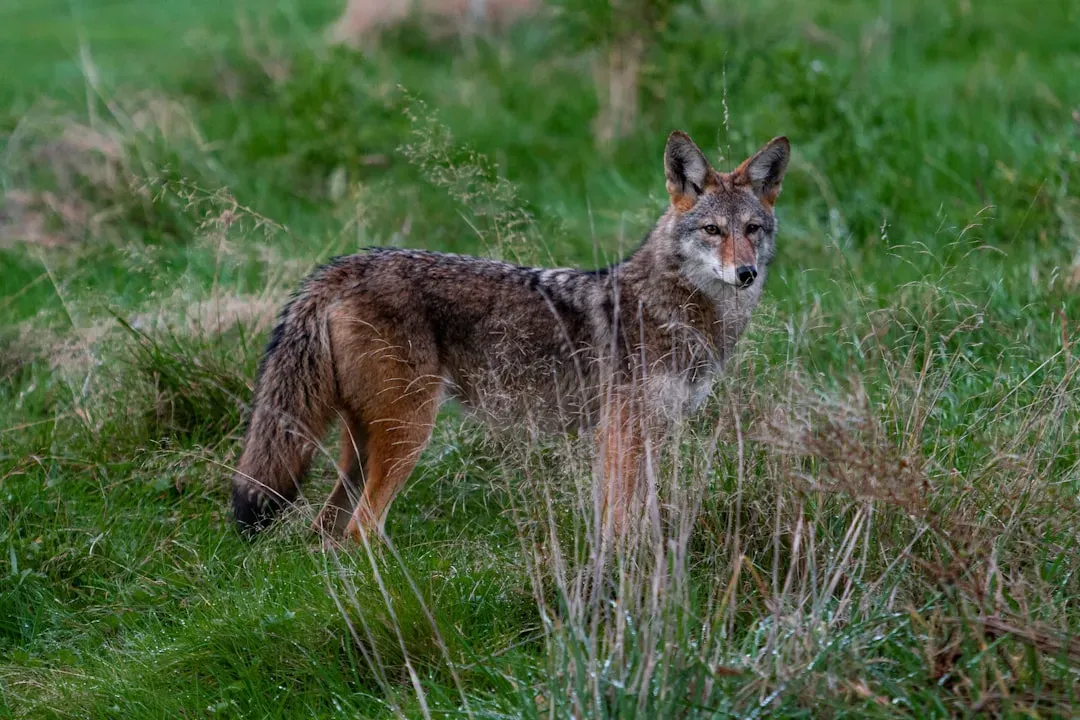
Coyotes are not villains. They’re highly adaptable, ecologically useful animals navigating a world where their habitat increasingly overlaps with ours. Our relationship with coyotes is directly affected by our behavior. Coyotes react to us, and we can foster mutual respect or a lack of respect through the cues we send to them. That’s actually an empowering idea, not a frightening one.
The chance of being attacked by a coyote is extremely low. The majority of bites of humans can be directly attributed to intentional feeding of coyotes by people. You have a far greater chance of being seriously bitten by a domestic dog or hit by a car than being attacked by a coyote. That context matters. It means the situation is manageable when you know what not to do.
The five mistakes outlined here all share a common thread: they close the distance, either physical or behavioral, between humans and a wild animal that genuinely functions better when it respects and avoids us. Don’t run. Don’t feed. Don’t approach. Don’t leave the vulnerable unattended. Don’t let boldness go unchallenged. Get those five right, and a coyote in your backyard remains exactly what it almost always is: a wild animal passing through, with no particular interest in sticking around.


