

Your dog is limping. Or scratching. Or has an upset stomach. It’s a Sunday afternoon, the vet is closed, and your medicine cabinet is full of things that make you feel better. The temptation to reach for something is completely understandable. The problem is that what works for you can silently destroy your dog’s kidneys, liver, or red blood cells before any obvious warning sign appears.
Many human medications can be dangerous or even deadly for dogs. The gap between a human dose and a toxic dose for a dog is often shockingly narrow, and the consequences can be irreversible. Before you unscrew that bottle cap, here’s what every dog owner genuinely needs to know.
#1: Ibuprofen (Advil, Motrin)
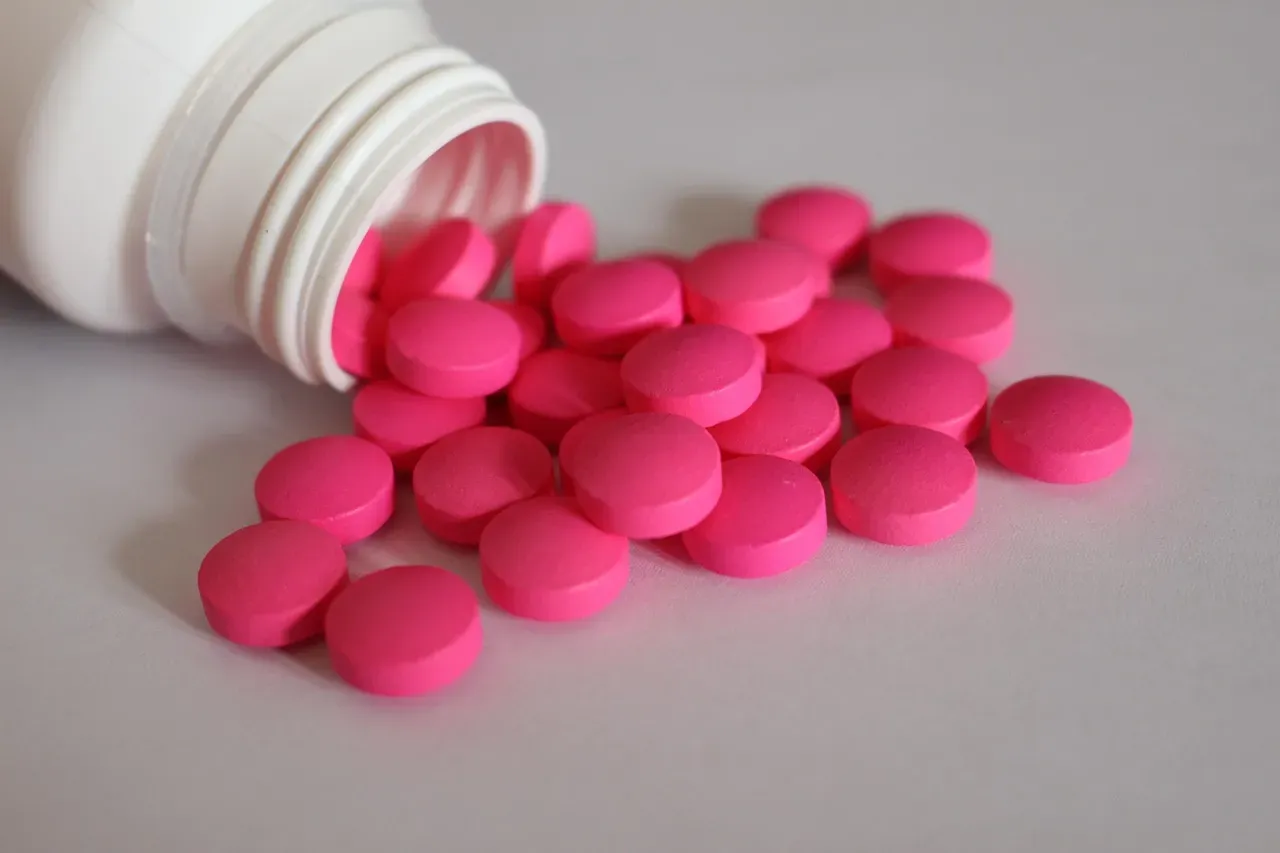
Ibuprofen is probably the most-grabbed pain reliever in any household, and it is one of the most dangerous things a dog can swallow. Despite its relative safety in humans, ibuprofen and other NSAIDs can be extremely harmful in dogs, with small doses causing adverse effects and poisoning. Dogs simply don’t process this drug the way we do, and the damage can begin well before any symptoms appear.
Signs may include decreased appetite, vomiting (sometimes with blood), diarrhea, depression, abdominal pain, dark tarry stools, pale gums, and bloody stools. Higher doses can result in liver, kidney, and neurologic damage. In severe cases, the outcome can be fatal. Small dogs face greater risk because the medication becomes more concentrated in their smaller bodies. Even one tablet can cause serious harm to a dog’s internal organs.
Ibuprofen poisoning is common in dogs, with Pet Poison Helpline, a 24/7 animal poison control center, receiving thousands of calls each year for ibuprofen exposures in dogs alone. If your dog has consumed any amount, don’t wait for symptoms to show. Call your vet or a poison control hotline immediately.
#2: Acetaminophen (Tylenol)
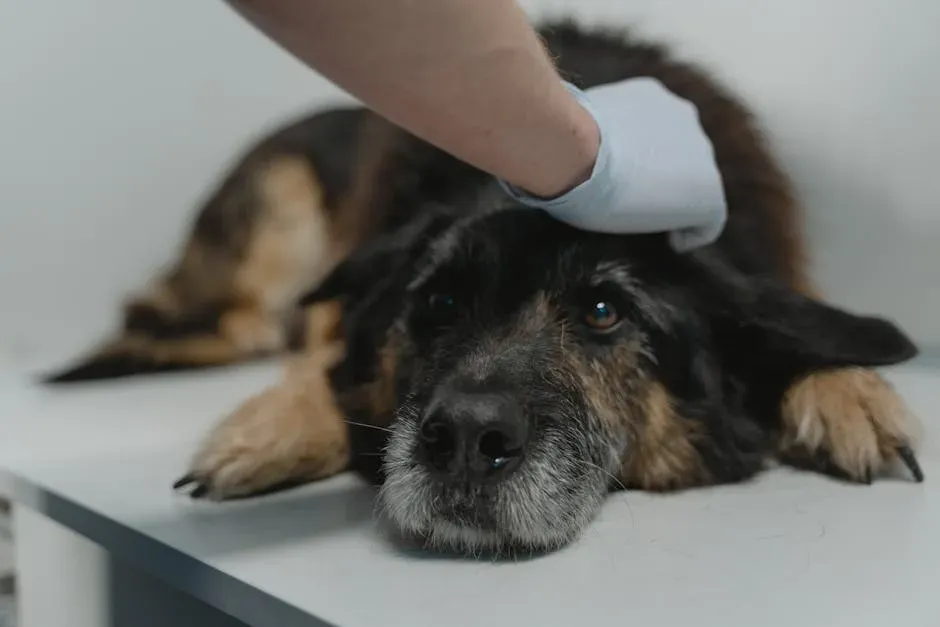
Tylenol is so widely trusted by humans that many pet owners assume it must be safe for their dog in a pinch. It is not. Often taken to reduce fever when we have a cold or flu, Tylenol can be dangerous for dogs. Dogs don’t metabolize acetaminophen the same way people do, and an overdose can occur. What your liver handles efficiently, your dog’s liver cannot.
In dogs, too much acetaminophen can lead to liver damage and affect the ability of red blood cells to carry oxygen. This condition is known as methemoglobinemia. The visible signs are alarming. Pets’ acetaminophen toxicity signs include vomiting, difficulty breathing, facial and paw swelling, and lethargy. Prompt veterinary attention is critical, as these signs can escalate rapidly once they begin.
OTC acetaminophen for humans is also sometimes combined with allergy medications or other medications that may not be safe for your dog. So even if you think you’re giving a small amount, hidden ingredients in combination formulas can compound the danger significantly.
#3: Naproxen (Aleve)

Naproxen is a longer-lasting NSAID that many people reach for when ibuprofen isn’t cutting it. For dogs, the consequences are severe. Aleve is not approved for use in dogs or cats. Signs of toxicity include GI distress such as diarrhea and ulcers, blood abnormalities, renal problems, and possible neuropathies. It is one of the more potent threats in this entire category.
Naproxen poisoning in dogs has caused bleeding into the bowels. Signs include black feces, frequent vomiting, abdominal pain, perforating ulcer of the small intestine, weakness, stumbling, pale mucous membranes, and anemia. The picture that emerges is not a dog with a mild tummy ache. It’s a dog in serious internal distress.
Naproxen causes ulceration of the gastrointestinal tract and renal failure. In some documented cases, just a few doses amounted to serious renal damage. Well-meaning owners who run out of their dog’s veterinary medication and substitute with Aleve have unknowingly caused lasting harm. The lesson here is clear: there is no safe human NSAID substitute.
#4: Decongestants (Sudafed, Mucinex-D, Claritin-D)
Cold and sinus medications are particularly sneaky because the danger isn’t always labeled prominently. Many combination products contain pseudoephedrine or phenylephrine, both of which are highly toxic to dogs. If your dog ingests a nasal or sinus decongestant containing pseudoephedrine, it stimulates the nervous system and cardiovascular systems. Symptoms may include restlessness, agitation, hyperactivity, tremors, tachycardia, hypertension, hyperthermia, panting, and mydriasis.
While pseudoephedrine causes symptoms like restlessness, agitation, increased heart rate, muscle tremors, increased blood pressure, and seizures, it can lead to death if a large amount is ingested. These are not mild side effects. This is a full-blown neurological and cardiovascular emergency.
The risk also hides in plain sight when people give antihistamines like Benadryl for allergies. OTC antihistamines may contain other ingredients, such as decongestants, that are not safe for dogs. Always read the full ingredient label before giving your dog anything. A product that says “allergy and congestion” almost certainly contains something your dog should not have.
#5: Pepto-Bismol and Kaopectate
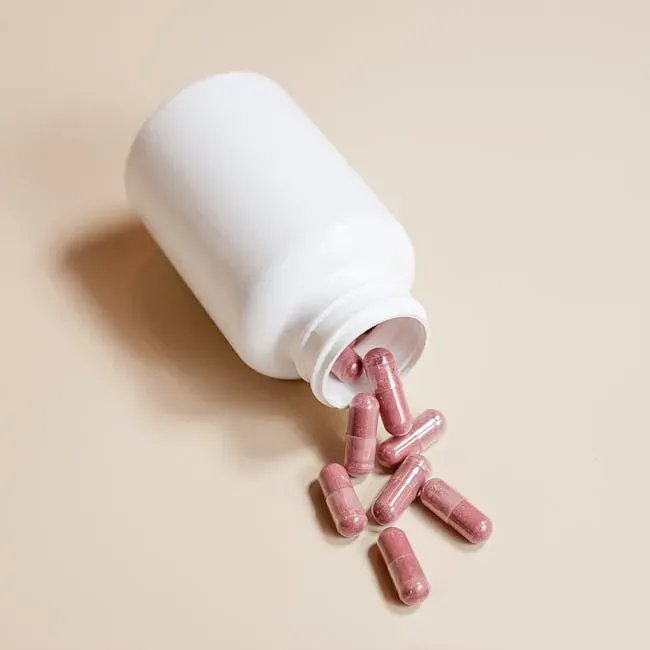
When a dog has an upset stomach, many owners instinctively reach for Pepto-Bismol. The intent is kind. The chemistry is the problem. Most people are unaware that Pepto-Bismol contains Bismuth Subsalicylate, better known as aspirin. Aspirin can result in gastrointestinal distress, ulcers, and damage to the liver and kidneys. That pink bottle carries a real risk most people never suspect.
Large doses of bismuth salicylate could cause gastric irritation or ulceration, bleeding problems, seizures, and liver damage. It’s a compounding problem too, because dogs who are already on NSAIDs or other medications face even greater risk from the interaction. Signs of overdose may include weakness, depression, anxiety, problems with balance, confusion, or tremors. Drug interactions include aspirin, ACE inhibitors, loop diuretics, NSAIDs, and tetracycline antibiotics.
There are no safe OTC anti-nausea or anti-vomiting medications for dogs without veterinary guidance. Giving your dog these medications can mask symptoms in dogs that have swallowed a foreign body, have an obstruction, or are experiencing a serious illness. An upset stomach in your dog may be something far more serious than indigestion, and masking it with Pepto-Bismol could delay a diagnosis that actually saves their life.
#6: OTC Cough Medicines (Robitussin, Delsym, NyQuil)
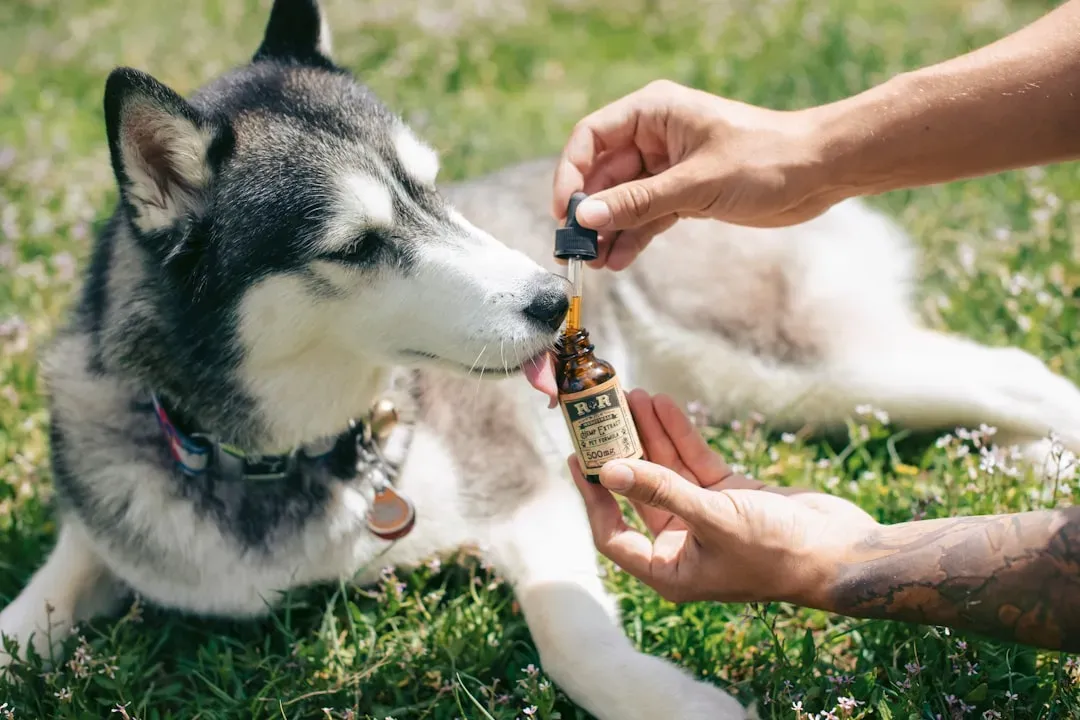
A coughing dog seems like a candidate for a cough suppressant. The reality is that most OTC cough medicines were never formulated with dogs in mind, and several of their ingredients are outright toxic. Over-the-counter human cough medications should never be given to dogs. Many of these products contain xylitol, an artificial sweetener that is highly toxic to dogs. Cough suppressants may also include other medications like acetaminophen that can be dangerous for dogs.
Dogs are highly sensitive to xylitol, and if they ingest a food containing this ingredient, their pancreas releases a large amount of insulin, causing a severe blood sugar drop. That blood sugar crash can happen fast. Xylitol can result in a life-threatening drop in blood sugar and in high-enough doses, it can cause liver damage. A sweetener designed to make cough syrup palatable for humans can trigger a metabolic crisis in your dog.
If your dog is coughing, it could be a sign of a more severe problem like respiratory infection, heartworms, or cardiac disease, so it’s advised to have your pup examined by a vet before giving them human meds for coughing. That cough might not be what it looks like on the surface, and suppressing it with a human OTC product could let something serious quietly worsen.
#7: Human Multivitamins and Supplements

This one surprises a lot of people. Vitamins feel harmless, even wholesome, so tossing your dog a gummy vitamin seems like a thoughtful gesture. The problem is that human vitamins are not formulated for dogs, and several common ingredients are genuinely dangerous. Human vitamins commonly contain four ingredients toxic to dogs: xylitol, which can cause low blood sugar and liver failure; vitamin D, which can cause secondary kidney failure; iron, which can cause severe vomiting, diarrhea, and organ damage or failure; and calcium, which can cause mild stomach upset to kidney failure.
Xylitol-containing gummy vitamins are a particular hazard because they look and smell appealing to dogs. Xylitol may be used in certain medications and vitamins, especially chewable or melt-away products. A dog that gets into a bottle of children’s gummy vitamins has potentially consumed multiple toxic doses in one sitting, which makes this scenario a genuine emergency.
Rather than giving your dog human multivitamins, feed your dog a balanced diet and ask your veterinarian to recommend vitamins or supplements specially formulated for dogs. Canine-specific supplements are formulated with appropriate concentrations and safe ingredients. The human version, however well-intentioned, is a guessing game with your dog’s health.
What to Do If Your Dog Ingests Any of These
Time is everything in a medication toxicity situation. Symptoms of OTC pain medication poisoning can take a few hours to appear, but can include lethargy, inappetence, vomiting, elevated heart rates, diarrhea, and panting, among others. The delay between ingestion and visible symptoms is exactly what makes these situations so dangerous. You might think your dog is fine when the clock is already running.
The severity of the situation will also be affected by the size, age, and overall health of your pet. In some cases, your pet might only have minor symptoms, like an upset tummy. In others, poison ingestion can lead to seizures, coma, and even death. Never adopt a wait-and-see approach when medication ingestion is suspected.
If you suspect your pet has been exposed to a harmful substance, you should immediately call your veterinarian or the ASPCA Poison Control at 888-426-4435. Have the medication bottle nearby when you call so you can report the exact ingredients and approximate amount. That information can significantly change how quickly and how aggressively your vet responds.
A Final Thought
The instinct to relieve your dog’s discomfort is one of the most loving things about being a pet owner. Nobody reads this list and thinks they were being careless. Most of these cases happen because people genuinely care and want to help fast. Well-meaning but unknowledgeable owners often treat their pets with a human NSAID and do not recognize their error until clinical signs occur.
The medicine cabinet that keeps your family comfortable was never built with your dog in mind. The safest rule is also the simplest one: it is never okay to give your dog any medication without consulting a veterinarian first. When in doubt, call before you give anything. That one phone call might be the most important thing you do for your dog all year.


