

Dogs can’t speak for themselves. That’s the hardest part. They endure what’s done to them in silence, and unless you know exactly what to look for, the signs can be heartbreakingly easy to miss. When many people think of animal abuse, they picture extreme situations where an animal is chained, neglected, or beaten. The truth is we may miss subtle signs of animal abuse in homes far more often than we think.
For loving pet owners, it’s inconceivable to think of harming an animal, but signs of abuse and neglect can be subtle. It could be happening right under our very noses. Whether it’s a dog in your own home, a neighbor’s yard, or one you’ve just adopted, recognizing these signs could change everything for an animal who has no other voice.
#1: Flinching or Pulling Away When Touched

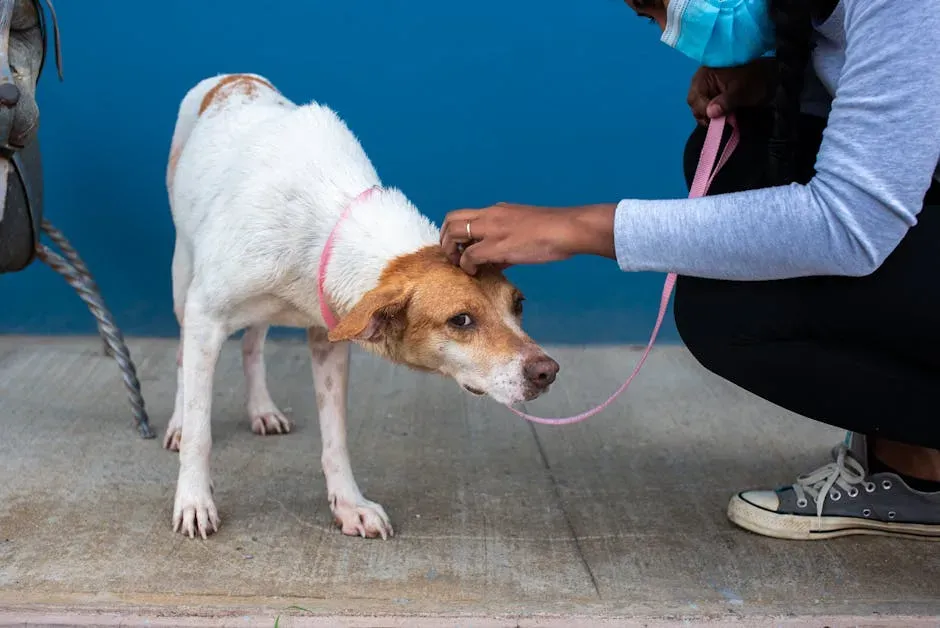
One of the more telling signs that a dog is being or has been abused is if they flinch when a person goes to pet them. This may show that the dog is fearful of humans, and in particular of their hands. They may have been struck or beaten in the past and are now acting defensively as a result.
Dogs who have been abused often display an intense fear of humans, not just their abusers but frequently every person they encounter. Common signs include flinching or pulling away when someone approaches or tries to touch them, often with particular sensitivity to hands. They may avoid eye contact, hide behind furniture or in corners, or become overly startled by loud noises and sudden movements.
These fear responses stem from trauma and are learned reactions to pain or punishment. What might look like a shy or timid dog to a casual observer is often a deeply conditioned survival response. No dog is born afraid of a gentle hand reaching out to them.
#2: Cowering, Submissive Urination, and Extreme Submission
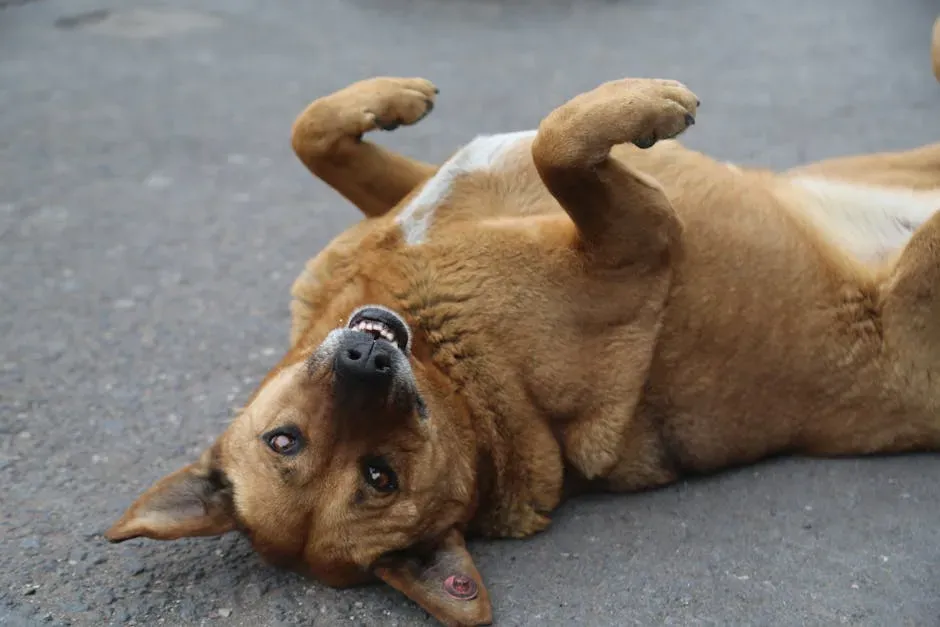
While some dogs are naturally more submissive than others, an overly submissive dog may be displaying signs of abuse. Signs of extreme submission include rolling over with tail tucked when approached, cowering, and lying down or cowering while urinating.
Many dogs subjected to abuse adopt submissive postures to reduce the risk of confrontation or harm. Indicators include trying to appear smaller by crouching low or rolling onto their back with their tail tucked. This submissive behavior functions as a coping mechanism similar to post-traumatic stress disorder and requires patience, understanding, and trust-building to aid recovery.
Scolding a dog who is urinating submissively is likely to make the problem worse. If you’re seeing this pattern consistently, especially when the dog is approached by a specific person in the home, take it seriously. It’s not a training failure. It’s a cry for help.
#3: Unexplained Injuries or Wounds in Different Stages of Healing
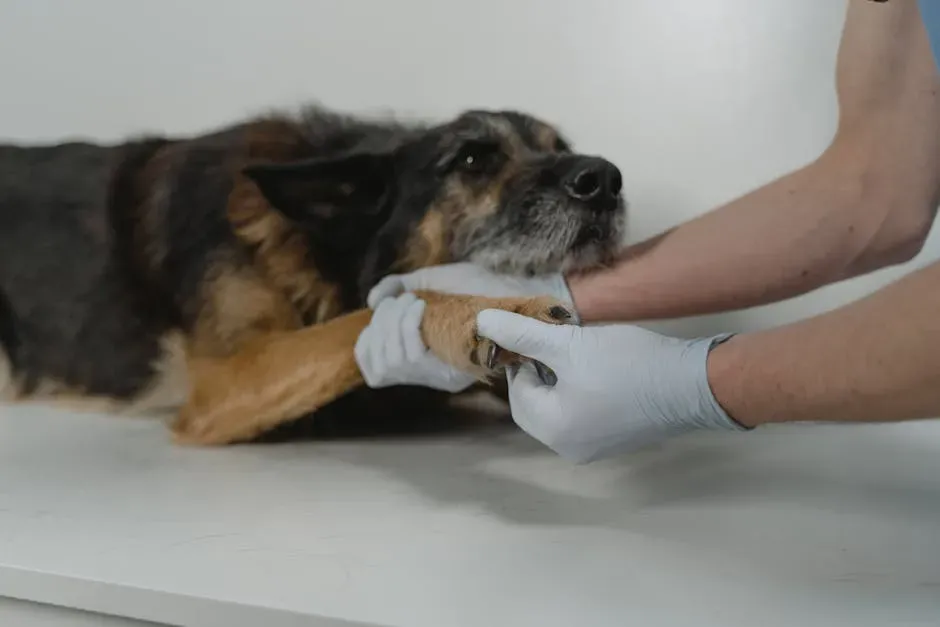
Wounds that have been left untreated, or wounds that are in different stages of healing, are a sign that an animal is being abused. Their owner may frequently change their story about where the injuries came from and how old they are. Wounds from physical abuse that have managed to heal on their own can form scars.
Certain patterns of injury have been shown to be more common for abused dogs than for those involved in accidents, including skull fractures, vertebral fractures, rib fractures, and multiple fractures at different stages of healing. A vet who sees a dog with injuries that don’t match the owner’s explanation has good reason to be concerned. If a dog is limping or has fractured bones, this may be a sign of animal abuse, particularly if the dog has injuries at different stages of healing or multiple limbs are affected.
#4: Visible Malnourishment and Poor Physical Condition
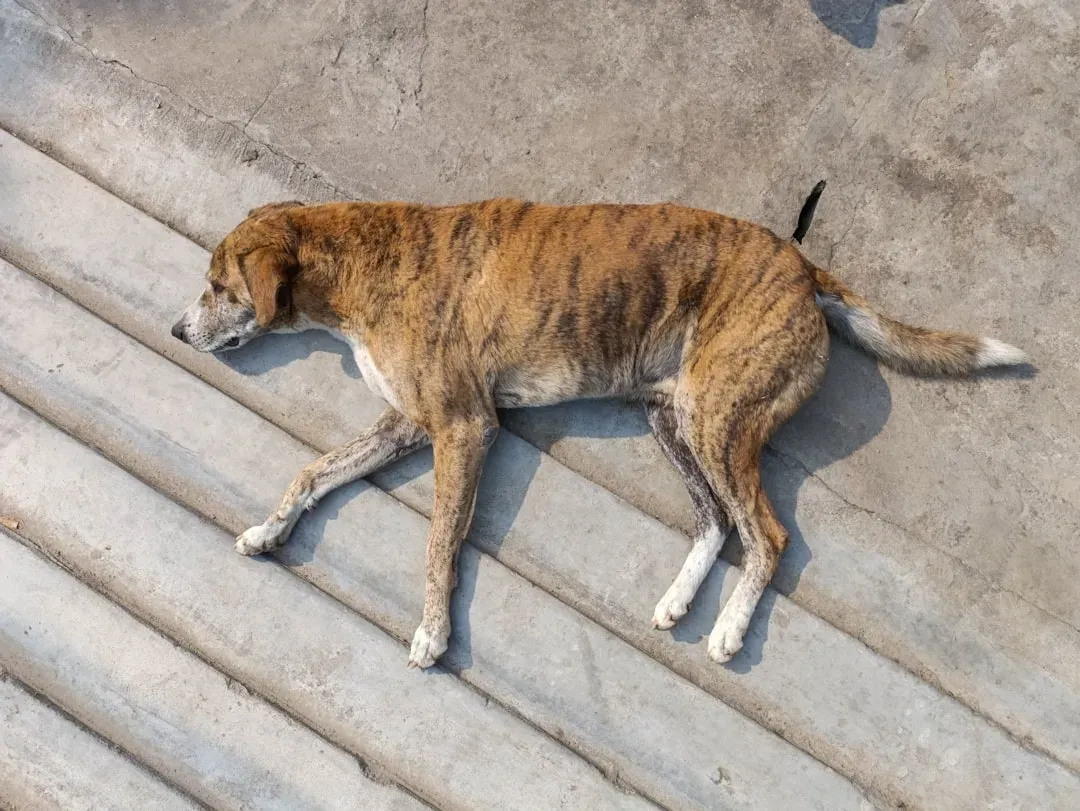
Physical symptoms can reveal prior mistreatment or neglect. Poor nutrition is indicated by extreme thinness, dull coat, dry skin, or visible ribs and bones. A healthy, well-fed dog has a coat that reflects that care. When a dog’s ribs are visible from several feet away, something is seriously wrong.
Typical signs of neglect include excessive matting, overgrown nails, ingrown collars, malnutrition with a thin or emaciated body condition, severe dental disease, severe upper respiratory signs, excessive external parasites, and diseases for which vaccines are readily available. Fur loss and matted fur can be signs that a dog is malnourished or isn’t being properly taken care of. Both fall under the category of neglect, which is a form of animal abuse. Weight loss is also often caused by a poor diet or a lack of food and water.
#5: Extreme Fear of Specific Objects or Sounds

Pets that have been abused may display a large emotional reaction to certain objects or situations. For example, a dog that has a history of being punished with a belt may cower, crawl away, hide, or urinate in place when someone picks up a belt to wear. Alternatively, the dog might react by lunging and trying to bite the belt.
Sometimes, abused animals dramatically overreact to the slightest change in their environment, such as the slightest hand movement or a raised tone of voice. Typical responses include cowering, eliminating, hiding, or trying to escape the room and the person’s presence. These reactions aren’t random. They’re the dog’s memory, written in behavior. Pets that have been abused may display a large emotional reaction to certain objects or situations.
#6: Unprovoked or Defensive Aggression

People often misunderstand aggression in abused dogs as unprovoked, but it is typically defensive, a way to protect themselves from further harm. Signs might include growling, snapping, or lunging when the dog feels trapped or threatened, guarding resources such as food, toys, or resting spots, and sudden aggressive reactions to quick movements like a person looming over them or making sudden arm gestures.
Dogs that are very aggressive, especially when unprovoked, have sometimes been abused in the past. This is especially true if the animal has a general dislike for certain people, for example a general dislike of men. A dog will not always be able to distinguish strangers from past abusers. Understanding that aggression in this context is rooted in fear, not defiance, is the first step toward getting that dog the help it needs.
#7: Food Aggression and Frantic Eating

Food aggression is one of the most recognizable emotional signs of dog abuse. This behavior often appears when a dog has been neglected, inconsistently fed, or starved in the past. The anxiety surrounding food can create a sense of urgency and defensiveness, leading to aggressive or protective behavior during mealtimes.
When a dog has experienced hunger or food insecurity, eating becomes tied to survival rather than comfort. The fear of losing a meal can cause them to react defensively, even in safe environments. This behavior is rooted in emotional trauma, not dominance or stubbornness. A dog that scarfs food down so quickly you wonder if they’re tasting it, refuses to walk away from their bowl mid-meal, or growls and snaps at people or other dogs coming close while eating may have grown up in a situation where they didn’t have a reliable source of food.
#8: Antisocial Behavior and Social Withdrawal

Antisocial behavior is a subtle yet powerful emotional sign of dog abuse. Dogs who have been mistreated or poorly socialized may develop fear or distrust toward both humans and other animals. This can manifest as withdrawal, avoidance, or even aggression in certain situations.
These behaviors often stem from negative past experiences such as punishment, neglect, or isolation during critical socialization stages. Puppies learn social skills through exposure to new people, animals, and environments. When that early development is disrupted by neglect or emotional abuse, dogs can grow up feeling insecure and defensive. A dog that was never taught how to interact positively may interpret any unfamiliar situation as a threat. This kind of fear-based behavior doesn’t mean the dog is “bad.” It’s a reflection of past trauma and an emotional coping mechanism.
#9: Separation Anxiety and Compulsive Behaviors

Psychological abuse of animals may lead to the development of separation disorders such as separation anxiety. Excessive barking, destruction, or distress when left alone are common signs of separation anxiety in dogs. These behaviors are especially concerning when they appear suddenly or intensify without an obvious trigger.
Compulsive abnormal behaviors in maltreated dogs may be caused by stressful situations and are considered a sign of current or previously experienced anxiety. While a relationship between animal abuse and these unusual behaviors has been identified, this does not necessarily mean that abuse is the only cause. The physical abuse suffered by animals may also cause neurological damage or pain that causes the dog to respond with these unusual behaviors. Repetitive pacing, excessive licking, or self-destructive behavior all deserve a veterinarian’s attention.
#10: A Consistently Depressed or Emotionally Flat Dog

Signs of emotional damage in dogs include shyness or social withdrawal, mistrust, physical inactivity, fear, and depression. However, it is not always easy to recognize signs of abuse since dogs can express their emotions in numerous ways. A dog that was once lively but now sits still, disengaged, and hollow-eyed is communicating something important through its silence.
Not all forms of dog abuse are physical. Some cruelty is emotional and can leave lasting scars that affect a dog’s behavior, confidence, and ability to trust. Recognizing these emotional signs of dog abuse is essential to help a pet heal and thrive in a safe environment. Pets with a history of severe mental and physical trauma may need a lot of emotional support and management. Abused pets with behavioral disorders may need a more comprehensive behavior-modification plan to address their reaction to triggers. These pets will need the assistance of a board-certified veterinary behaviorist or a certified applied animal behaviorist to develop a treatment plan.
What You Should Do If You Suspect Abuse

It is not always possible to determine if an animal is being abused based on behavior alone. Some dogs may be aggressive, timid, or fearful without being victims of cruelty. It is best to examine the animal and the surrounding environment to determine whether the animal needs help.
If concerns persist, report the situation to your local animal control agency or humane society. Common reporting channels include local police departments, animal shelters, or dedicated cruelty hotlines. Legal protocols vary by state, but many require veterinarians and some citizens to report suspected abuse promptly. Agencies like the ASPCA provide resources for reporting suspected cruelty appropriately.
While it may seem difficult to report a case of animal abuse, especially if it involves someone you know, remember that you may be the only chance a pet has at finding safety and a better life. Don’t second-guess yourself into silence. When in doubt, make the call.
Conclusion
There’s no comfortable way to sit with the reality that some dogs are being hurt in the very homes where they should be safest. The signs covered in this article range from the visibly devastating to the quietly heartbreaking, and none of them should be dismissed as “just how this dog is.”
Healing from abuse takes time, patience, and a nurturing environment. Caregivers should collaborate with skilled trainers and veterinarians to implement positive reinforcement training and gradual socialization to rebuild trust. Recovery is possible, and many dogs go on to live full, joyful lives once they’re given safety and consistency.
In the end, recognizing abuse is an act of advocacy. Dogs offer us everything without condition, and frankly, the least we owe them is to pay attention. If even one person reads this and decides to speak up for a dog that cannot speak for itself, that’s not a small thing. That’s everything.


