
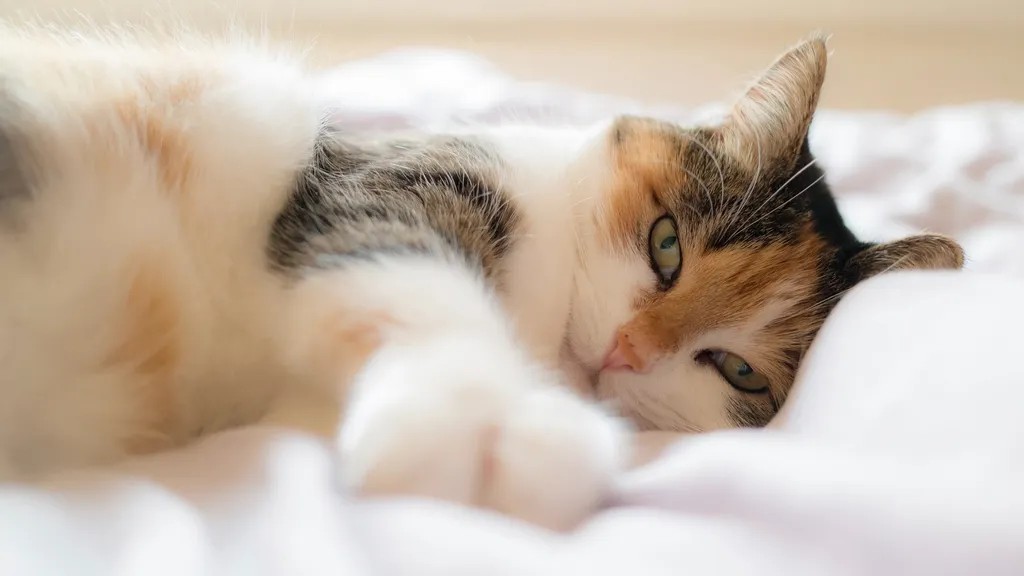
There’s something quietly fascinating about watching a cat claim a blanket. One moment it’s folded neatly on the couch, the next it’s become property of your tabby, kneaded into submission and napped on with zero apologies. Most of us smile and move on. Few of us stop to ask what that blanket actually means to them.
It turns out the answer goes deeper than a simple preference for soft things. A blanket, to a cat, carries emotional weight. It communicates something about how safe they feel, how they relate to you, and how closely their inner world still echoes ancient instincts. The story is surprisingly rich.
#1: It’s a Signal of Deep Emotional Security
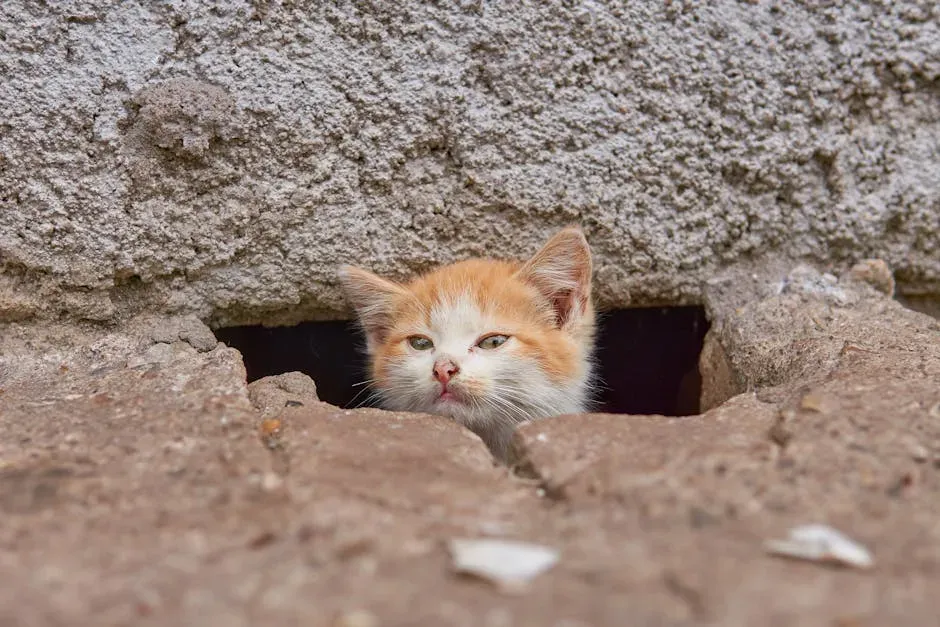
When your cat burrows into a blanket, they’re not just being lazy or adorable. It’s actually a deep-rooted instinct for safe sleep, a natural feline behavior that helps your cat feel protected and calm. That distinction matters more than it might seem at first glance.
Cats are naturally alert and cautious animals. In the wild, they rely on hidden, enclosed spots to rest without fear of predators. Even in a safe home, that instinct remains. The blanket becomes a kind of portable burrow, a place where the world narrows down to just warmth and softness.
Blankets likely offer a sense of safety to cats that gives them extra peace of mind while they nap. A blanket can act as a cocoon, shielding a cat from prying eyes and questionable visitors. For a creature that’s always monitoring its environment, being hidden is genuinely relaxing. It’s not hiding from you. It’s finally able to stop watching.
This behavior can also be a sign of your cat’s trust in you, feeling safe enough to hide and relax in their most vulnerable state: sleep. When your cat chooses the blanket on your side of the couch, that’s a compliment in the most feline sense possible.
#2: It’s a Memory That Never Quite Fades
Watch a cat knead a blanket long enough and you start to realize this is something older than the cat itself. Kneading and biting blankets is a behavior tied to early kittenhood. Newly born kittens are highly dependent on their mother for nutrition. Kittens are often observed to knead and bite at their mother’s nipples, which is thought to stimulate milk production. This is an instinctive behavior, no one teaches the kittens to do this.
Blankets possibly offer the same kind of feeling that cats would get when spending time snuggled up next to their mothers as babies. This is probably why a cat will sometimes knead a blanket that they are cuddling with, as it’s an action that they would have displayed when nursing. It’s a comfort loop that runs all the way back to the first weeks of life.
Kneading and biting onto a soft surface is a relaxing and soothing behavior for cats. Cats are most likely to perform kneading behavior when they are feeling secure and comforted. The kneading motion is a comforting reminder of kittenhood, but the action also releases “happy” pheromones from the scent glands in their feet, so they feel super relaxed. So that rhythmic motion you watch with mild bemusement is actually a self-soothing ritual with real biochemical effects.
#3: It’s How They Claim What’s Theirs
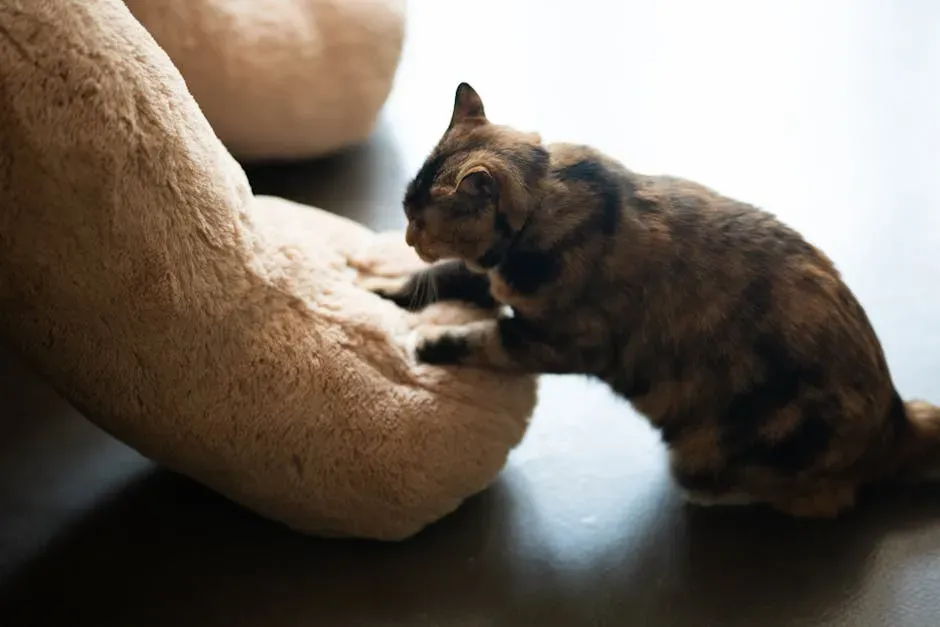
Your cat has never been subtle about ownership. Cats have scent glands in their paws. When they knead, they leave behind a subtle scent that marks the area as “theirs.” This behavior is part of a cat’s instinctual need to claim territory, and they may knead on blankets, furniture, or even you to create a familiar, comforting environment.
When a cat burrows under a blanket, it’s not just seeking warmth or comfort. It’s actually staking its claim on that particular spot. Cats have a natural instinct to establish territory, and they do so by marking objects with their scent. By biting, kneading, and nuzzling on blankets, cats are transferring their scent onto them, essentially saying, “This is mine.”
By curling up in a cat blanket, a cat can regain a sense of security similar to that felt when it was a kitten, taking refuge against its mother. This natural behavior can also be a way for them to mark their territory by depositing their scent on the accessory, thus ensuring a feeling of familiarity and security in their environment. Security and ownership, in a cat’s world, often mean the same thing.
#4: It’s Regulation, Not Just Comfort
There’s a practical side to all of this too, one that’s easy to overlook when the behavior looks so purely indulgent. Cats naturally seek out warm spaces, and blankets provide the perfect temperature regulation solution. With a normal body temperature ranging between 101 and 102.5 degrees Fahrenheit, cats need to maintain this warmth for optimal health. Blankets serve as excellent insulators, helping cats conserve energy while keeping cozy.
A cat’s average body temperature is about 101 degrees Fahrenheit, higher than ours. Cats lose surface heat easily, especially on cold floors or chilly nights. That’s why they naturally seek warm, enclosed areas to help regulate body temperature. A blanket isn’t a luxury item in their minds. It’s closer to a survival tool.
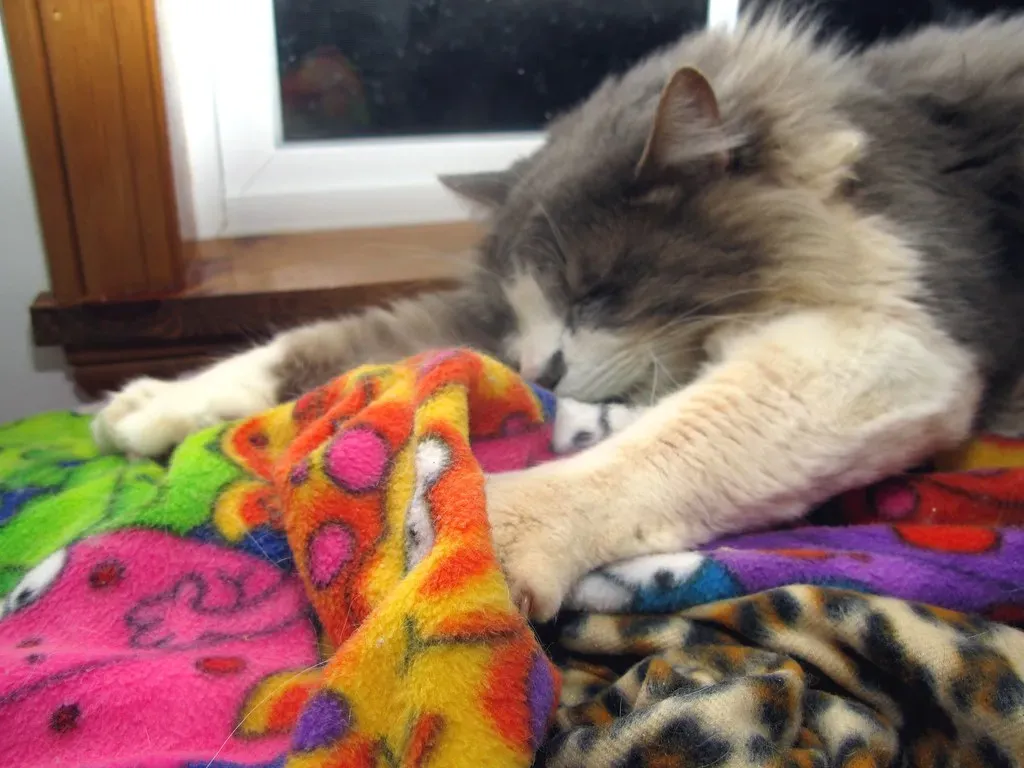
Kneading is also a great way to stretch their muscles, especially the muscles in their paws, legs, and back. This motion helps keep their limbs limber, and it’s a natural part of a cat’s daily routine. Cats are known for their flexibility, and kneading helps maintain their agility and strength. If you’ve noticed your cat kneading before a nap, they’re likely stretching to prepare for a restful sleep. The blanket, in this sense, doubles as a gym mat.
#5: It’s a Stress Reliever With Real Benefits
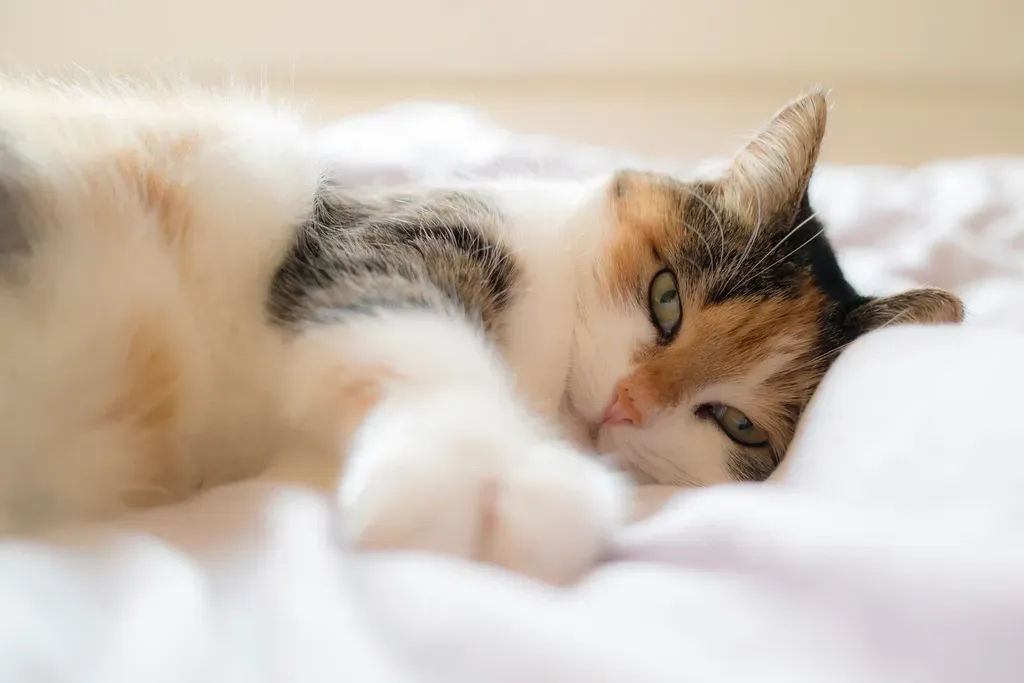
Cats don’t always announce their anxiety. They find subtle ways to manage it, and the blanket is one of their most reliable tools. Blankets can serve as powerful anxiety-reducing tools for cats. The pressure and warmth of being wrapped or covered by a blanket can have a calming effect similar to swaddling in humans. This is particularly beneficial during stressful situations like thunderstorms, fireworks, or visits to the veterinarian.
The action of kneading in cats causes the release of the pain-relieving, feel-good chemical dopamine in the brain. Increased or excessive kneading can be a sign that your cat is uncomfortable or anxious, and kneading could be an attempt to soothe itself. This release of dopamine also motivates your cat to continue kneading to receive additional bursts of the hormone. In other words, the blanket isn’t just comforting in a vague emotional sense. It triggers actual neurochemical responses.
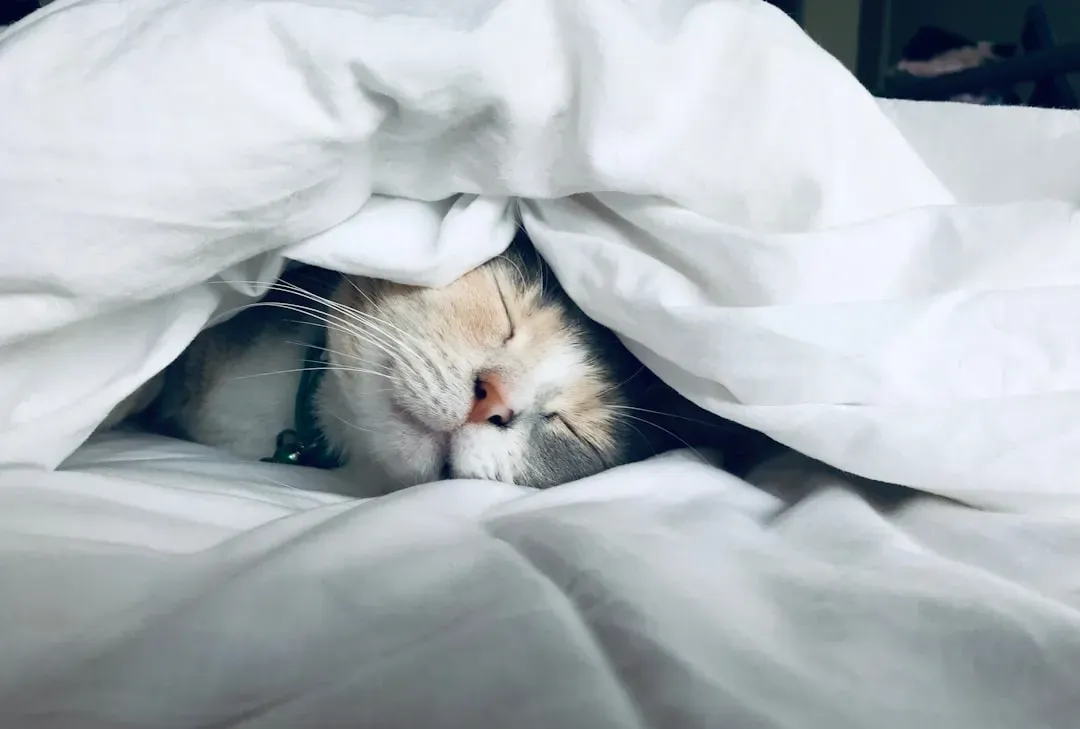
The secure, enclosed environment under blankets can help reduce anxiety and stress in cats, creating a calming effect that promotes better mental health. For cats who love to sleep under covers, this cozy hideout provides a sense of protection, making them feel safe from external noises, sudden movements, and other potential stressors. Given how sensitive cats can be to changes in their environment, having a reliable refuge matters more than we might realize.
A study noted that cats provided with “tent-like” covered beds chose them significantly more frequently than open beds. These statistics validate what many owners observe, that cats often seek covered options when given the freedom to choose. Choice is the operative word here. When a cat goes back to the blanket again and again, that’s not habit. That’s preference made very clear.
Conclusion
There’s something genuinely moving about realizing that a simple household blanket carries so much meaning . It’s not about the thread count or the brand. It’s about instinct, memory, warmth, ownership, and emotional regulation all wrapped up in one soft object.
Cats communicate differently than we do, quietly, indirectly, and often through behavior rather than sound. When your cat claims your blanket, kneads it into the perfect shape, and tucks in for a long sleep, they’re telling you something. They feel safe. They feel at home. They trust the space you’ve created for them.
In my view, that’s a privilege worth honoring. Keep a blanket handy. Let them have it. The relationship you build through these small, seemingly mundane acts of comfort is more meaningful than most people give it credit for. A cat at rest, truly at rest, is a cat that trusts you completely. That’s not nothing. That’s everything.


