
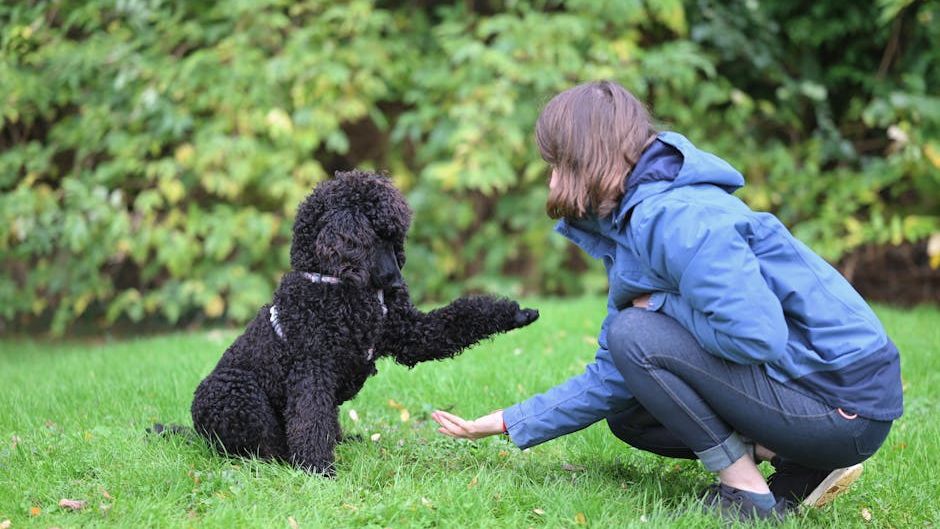
There’s a moment most dog owners have experienced at least once: frustration takes over during a training session, the voice gets sharp, and suddenly the dog shuts down completely. For some breeds, that moment can set back weeks of progress. For others, it rolls right off. The difference isn’t stubbornness or disobedience – it’s wiring, temperament, and the emotional architecture built into certain breeds over centuries of selective breeding.
Understanding which breeds are especially vulnerable to harsh handling – and which are a bit more emotionally robust – could be one of the most practical things a dog owner ever learns. Research has found that certain behavioral traits, including responsiveness to direction, are heritable and influenced by genetics. That matters more than most people realize. The breed sitting on your couch came pre-loaded with tendencies that either absorb pressure gracefully or collapse under it entirely.
#1: Border Collie – The Emotional Sponge
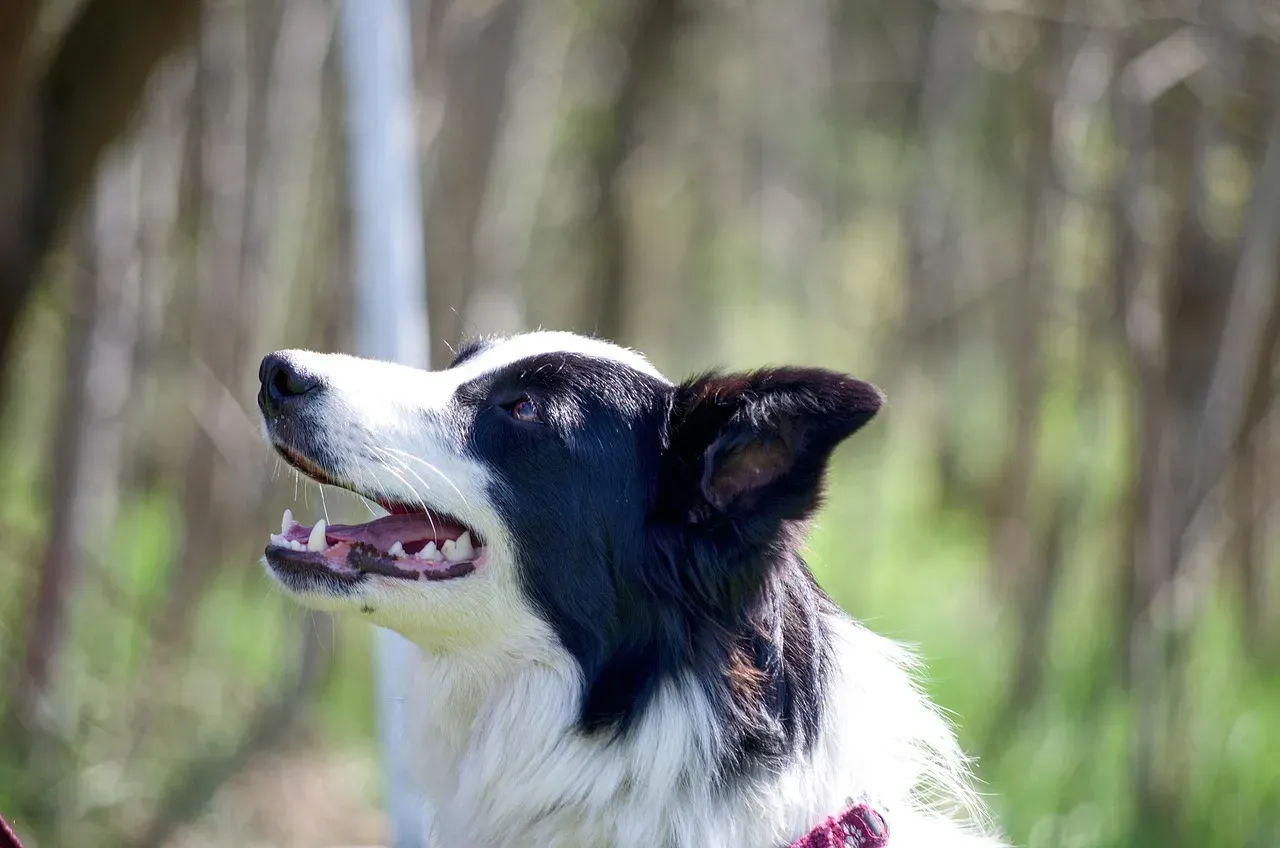
Border Collies are emotional sponges, reading your tone and body language with uncanny precision. If you push too hard, they can shut down, becoming conflicted or stressed instead of driven. This is a breed that processes the emotional atmosphere around them constantly, which is exactly what made them such extraordinary herding dogs – but it also makes them uniquely vulnerable to training approaches that rely on pressure or punishment.
Despite their intensity, Border Collies are affectionate, devoted dogs that thrive in close partnership with their humans. Their sensitivity to voice tone and body language makes training highly responsive, but also means they require a calm, consistent handler. Raise your voice even slightly and a Border Collie may interpret it as a signal that the world is unsafe. From there, learning effectively becomes nearly impossible.
#2: Vizsla – The Velcro Dog With a Fragile Spirit
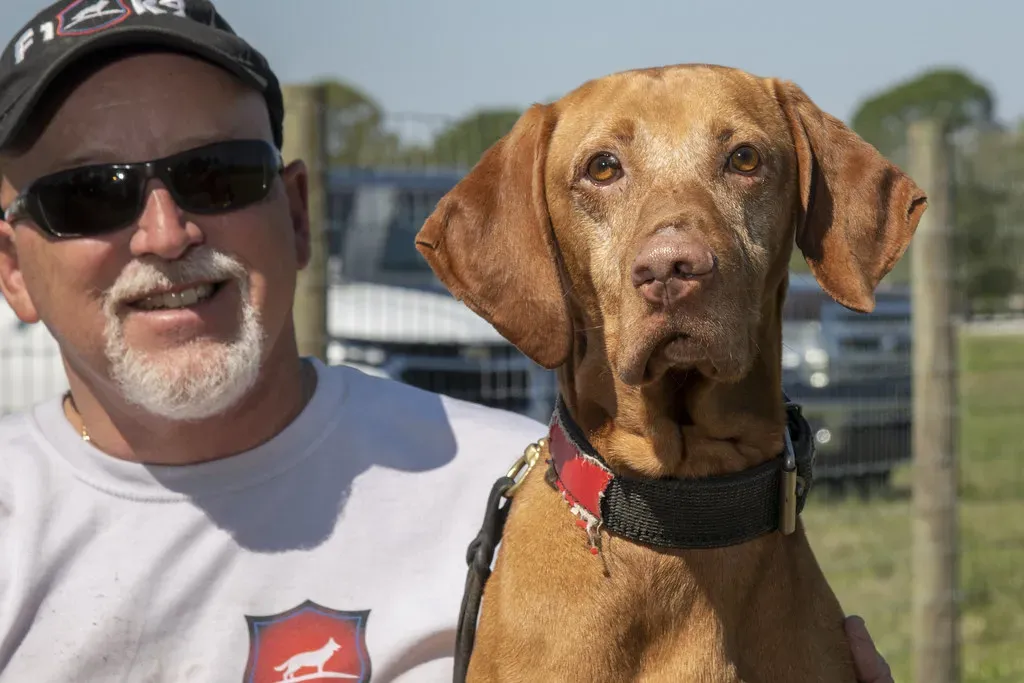
Vizslas are velcro dogs, deeply attuned to your emotions. Harsh methods fray that connection, leading to clinginess or confusion. This Hungarian hunting breed was specifically developed to work in close contact with humans, which means their emotional bond with their owner is not just a personality quirk – it’s bred into them at a fundamental level.
Structure your training around engagement games, steady routines, and upbeat markers to keep their hearts light. Provide outlets for energy through field games, scenting, and recall drills with joyful reinforcers. Keep expectations fair and escalate difficulty slowly. The Vizsla thrives when training feels like play. Pressure, corrections, and negative energy don’t just slow a Vizsla down – they fundamentally damage the handler relationship that makes this breed so special.
#3: Papillon – Big Feelings, Small Frame
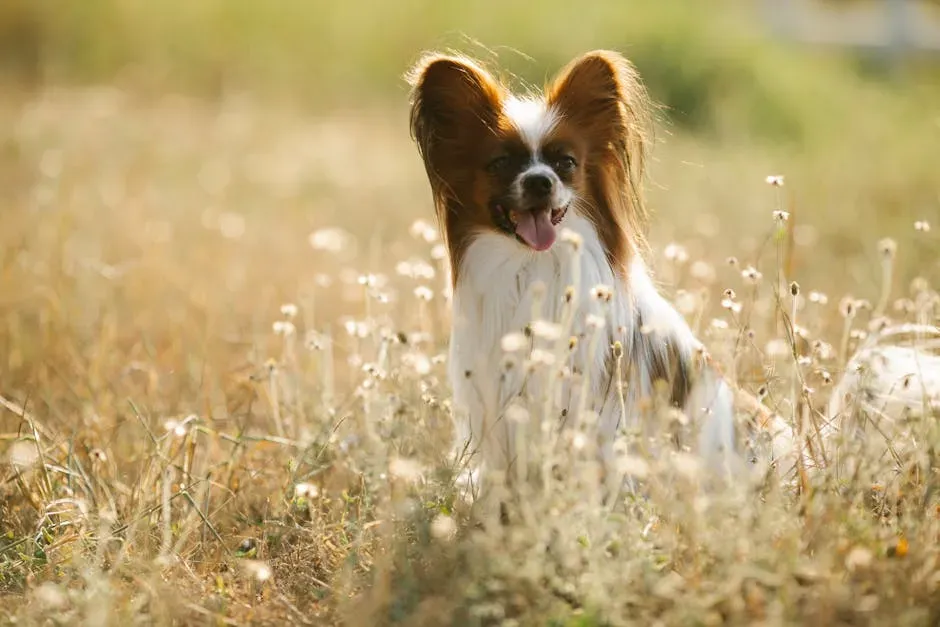
Papillons are bright, sensitive companions who wilt under scolding. Big emotions in a small body mean corrections can feel overwhelming. It’s easy to underestimate just how deeply these small dogs feel things. Their expressive, satellite-dish ears might make them look alert and indestructible, but emotionally they’re anything but tough.
Reward curiosity and quick thinking, and give breaks before stress stacks up. Their confidence soars when you celebrate effort, not just perfection. A Papillon that is trained with patience and play will astonish you with what it can learn. One that is trained with frustration will simply stop trying – and that willingness, once lost, is genuinely hard to rebuild.
#4: Poodle – Precision Learner, Zero Tolerance for Static
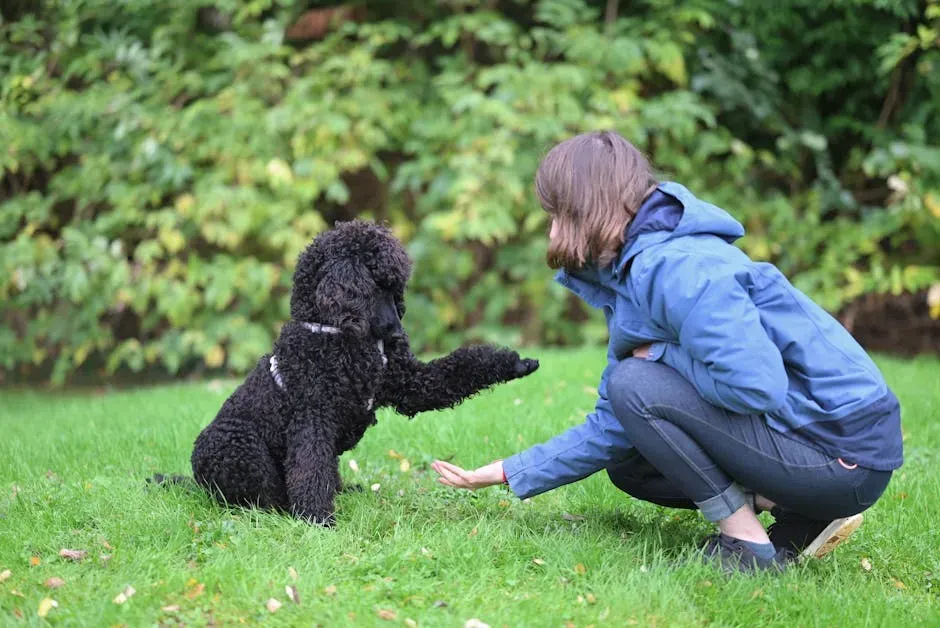
Poodles are tuned to nuance, so harshness introduces static into clean communication. They learn fastest when criteria are tidy, feedback is immediate, and mistakes are simply information. Poodles – regardless of size – are widely regarded as one of the most intelligent dog breeds in the world. That intelligence is a double-edged sword in the wrong training environment.
Harsh punishment can trigger defensive or aggressive responses in dogs, especially those with sensitive temperaments. Poodles fit this description precisely. They’re picking up on every micro-signal you send. A trainer who is frustrated, impatient, or heavy-handed will find that a Poodle essentially decides the situation is too uncomfortable to engage with, and begins refusing cues it already knows perfectly well.
#5: Collie (Rough Collie) – Worry Behind Those Gentle Eyes
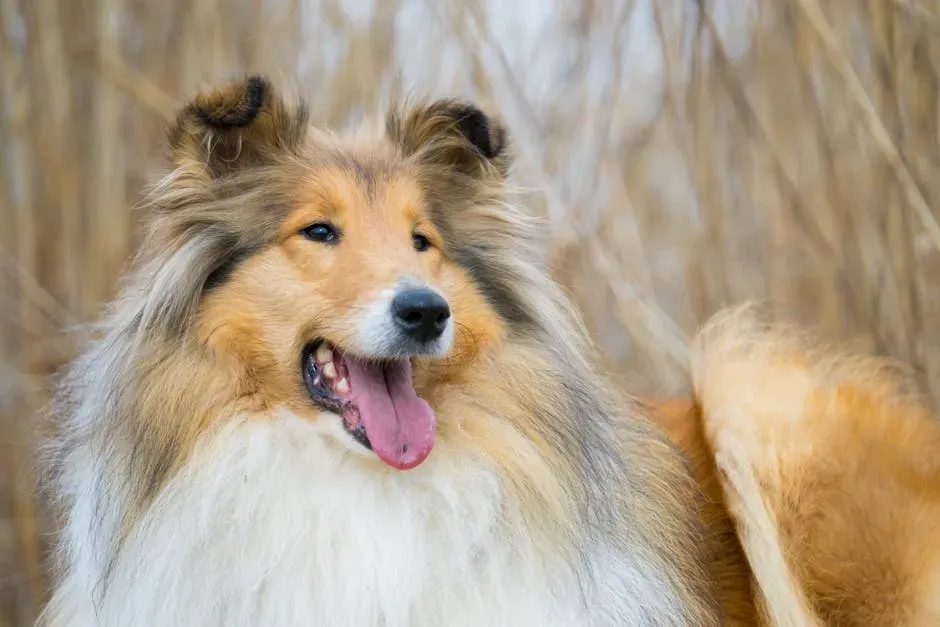
Collies are sensitive communicators who notice micro-shifts in mood. Harsh corrections can collapse their willingness, replacing curiosity with worry. The Rough Collie – famously associated with the character Lassie – is a breed built on attunement. They read people with an almost eerie sensitivity, which makes them incredible companions, but also means they carry the emotional weight of their environment heavily.
Use calm structure, clear markers, and fair criteria so they always know how to win. Introduce distractions in layers, rewarding thoughtful choices and soft focus. Trick training, directional cues, and herding ball games satisfy their brains without pressure. Once a Collie begins to associate training with worry rather than reward, you’re working uphill. Prevention, in this case, is genuinely far easier than repair.
#6: Bichon Frise – The Anxiety-Prone Fluffy Cloud
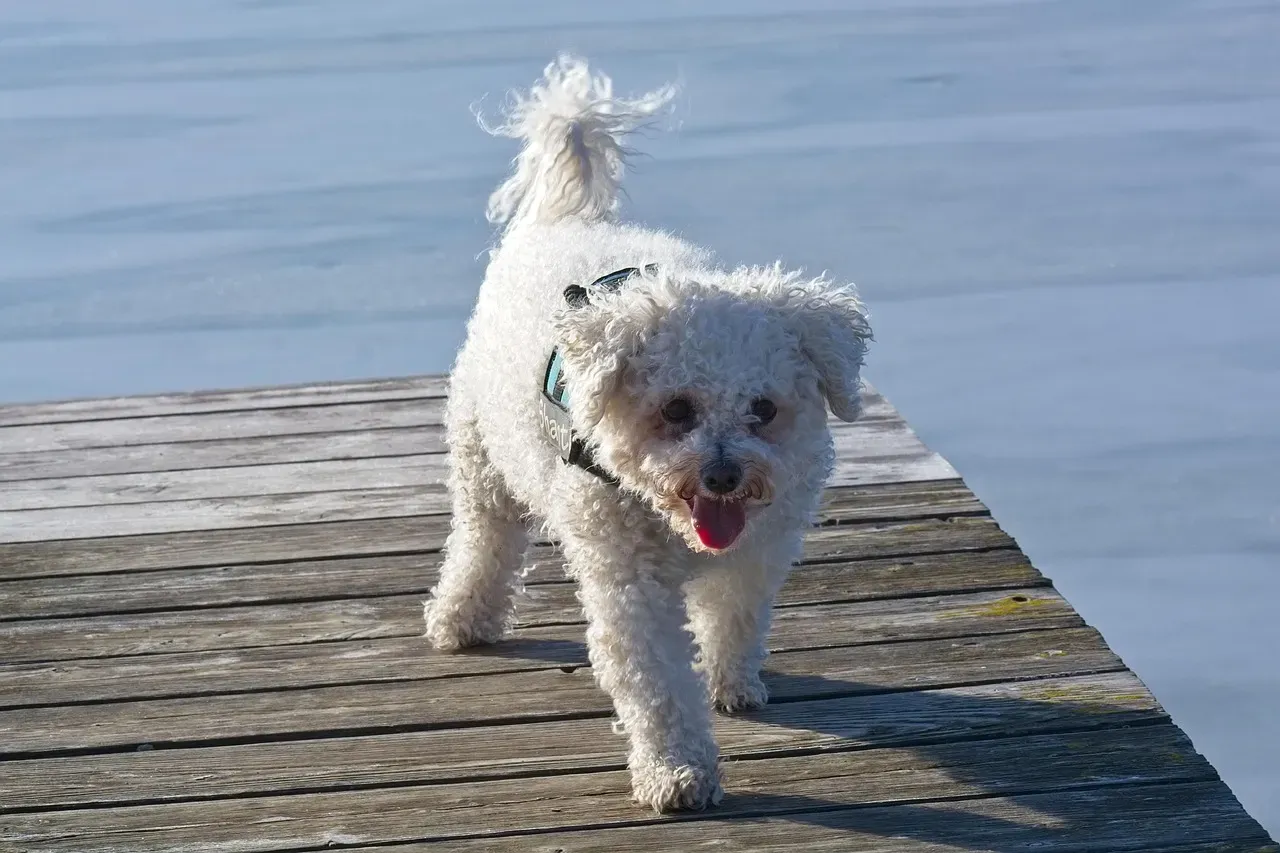
Breeds like the Bichon Frise can actually regress in their training if they sense stress or frustration. Harsh corrections or raised voices make these dogs anxious. The Bichon is a social, cheerful breed by design – bred for centuries as a companion dog for royalty and sailors alike. That means their entire existence is oriented around reading and responding to human emotion, which makes them exquisitely sensitive to any negativity in the room.
Bichons are smart and affectionate, but also sensitive and prone to anxiety. They don’t handle stress well. A move, a new pet, or a loud noise can trigger accidents. Changing routines too often or punishing mistakes only increases their anxiety. For Bichon owners, the most effective approach is one that prioritizes routine, warmth, and celebration of small wins. Harshness here doesn’t just fail – it actively makes the dog worse.
#7: Cavalier King Charles Spaniel – Bred for Laps, Not Loud Voices
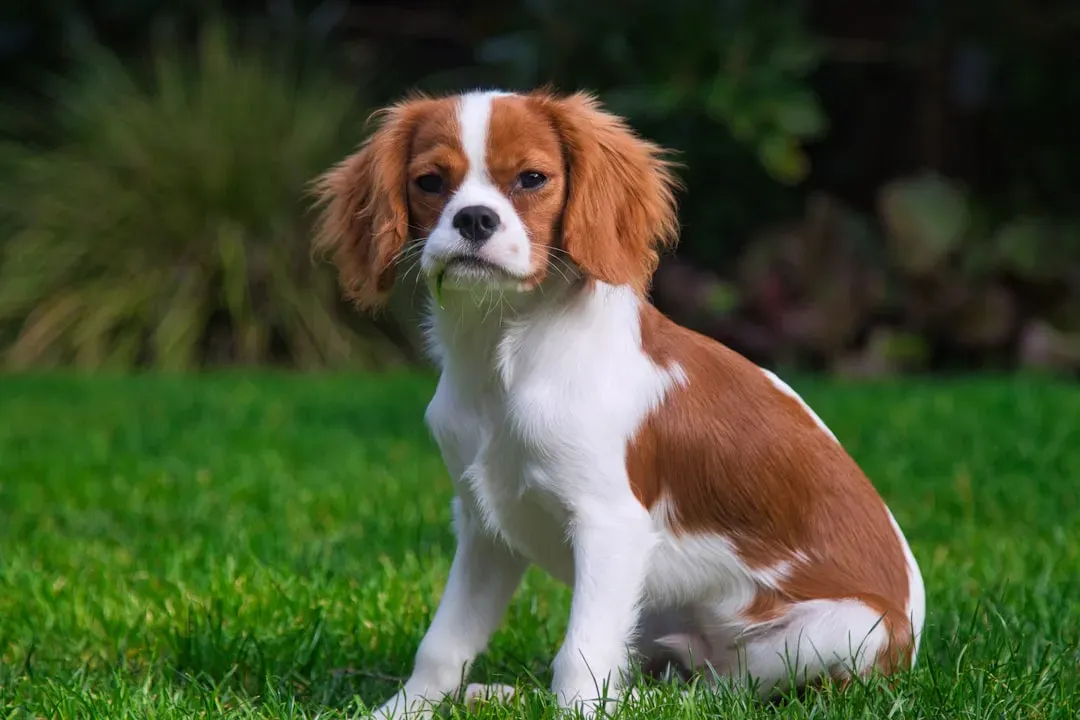
Harsh corrections or an impatient tone will cause a Cavalier to shut down and disengage. Keep sessions upbeat and encouraging, and you’ll find that Cavaliers are enthusiastic training partners who genuinely enjoy working with their owners. This is a breed with royalty in its name for good reason. Cavaliers were literally developed to be sensitive, connected companions for people in high-stress environments. That history shows up in training.
Cavaliers are emotionally soft. A sharp tone of voice that a Labrador might shake off can shut a Cavalier down completely. You’ll know it’s happened because your dog will disengage – turning away, lip-licking, or simply refusing to participate. This isn’t drama. It’s biology. Cavaliers respond well to positive reinforcement but can become anxious or fearful if subjected to harsh training methods. For this breed, gentleness isn’t optional – it’s the whole strategy.
#8: Shih Tzu – The Stubborn Softie
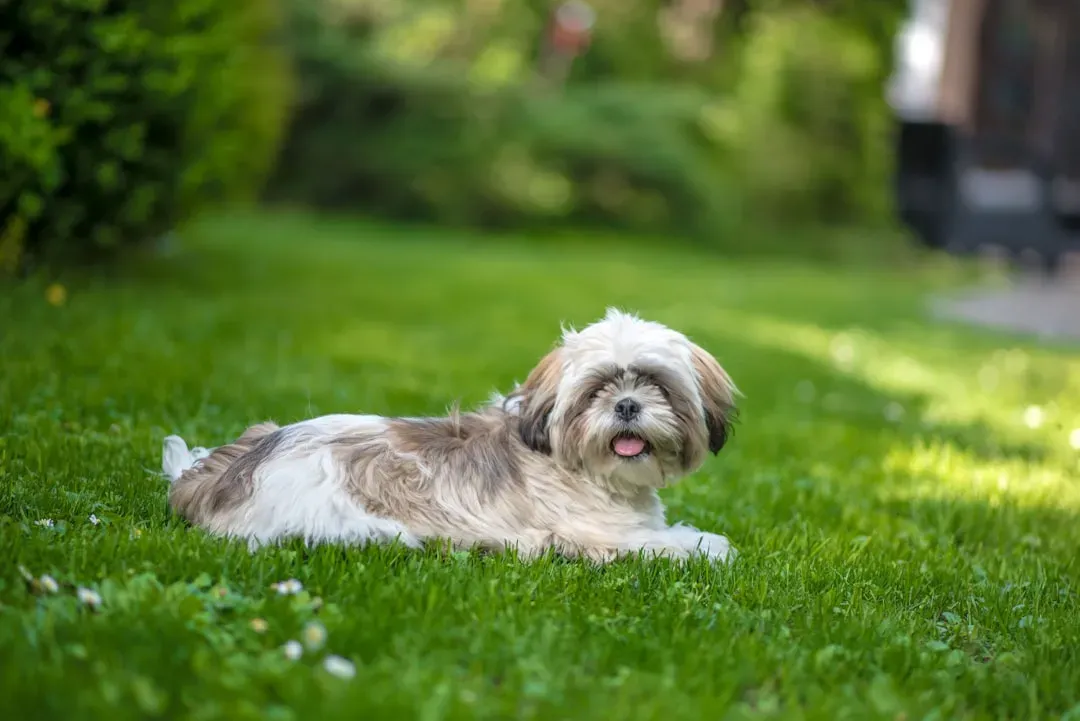
These sensitive pups need positive reinforcement and gentle consistency. Pressure and punishment backfire with these stubborn dogs. The Shih Tzu presents a confusing mix of traits: they can be remarkably stubborn about what they want to do, while simultaneously being deeply sensitive to how their people are feeling. That combination means that harsh training doesn’t just fail to motivate them – it can trigger both anxiety and a kind of defensive stubbornness that makes things significantly worse.
Dogs subjected to harsh training methods often exhibit stress-related behaviors such as aggression or avoidance. In contrast, dogs trained with positive reinforcement show eagerness to engage, enhanced social behaviors, and improved emotional stability. For the Shih Tzu specifically, this couldn’t be more accurate. Positive training unlocks the cheerful, eager-to-please side of this breed. Punishment shuts it down immediately.
#9: Afghan Hound – Independent by Nature, Broken by Force
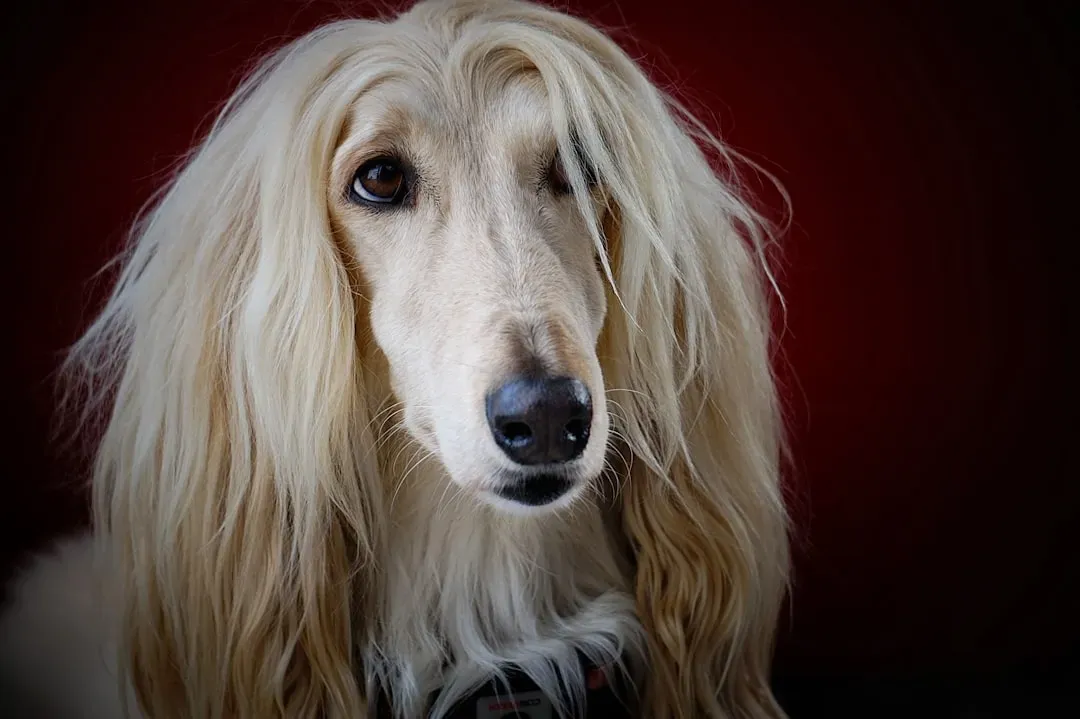
Known for their independent nature and aloof demeanor, Afghan Hounds can be a bit stubborn when it comes to training. Their strong hunting instincts and sensitivity to harsh handling require dedicated training and a gentle, reinforcement-based approach. Consistency and building a strong bond will be key to a successful properly trained dog. Afghan Hounds are often mischaracterized as unintelligent because they don’t respond eagerly to commands. The reality is more nuanced – they’re independent thinkers who simply don’t feel the same impulse to comply that more biddable breeds do.
Combine that independence with genuine sensitivity to handling, and you have a breed that essentially refuses to cooperate when forced. Harsh methods don’t break through an Afghan’s independence; they simply convince the dog that the training relationship isn’t worth engaging with. Patience, trust-building, and a quiet firmness work far better than pressure ever will.
#10: Shetland Sheepdog (Sheltie) – The Worrier in a Herding Dog’s Body
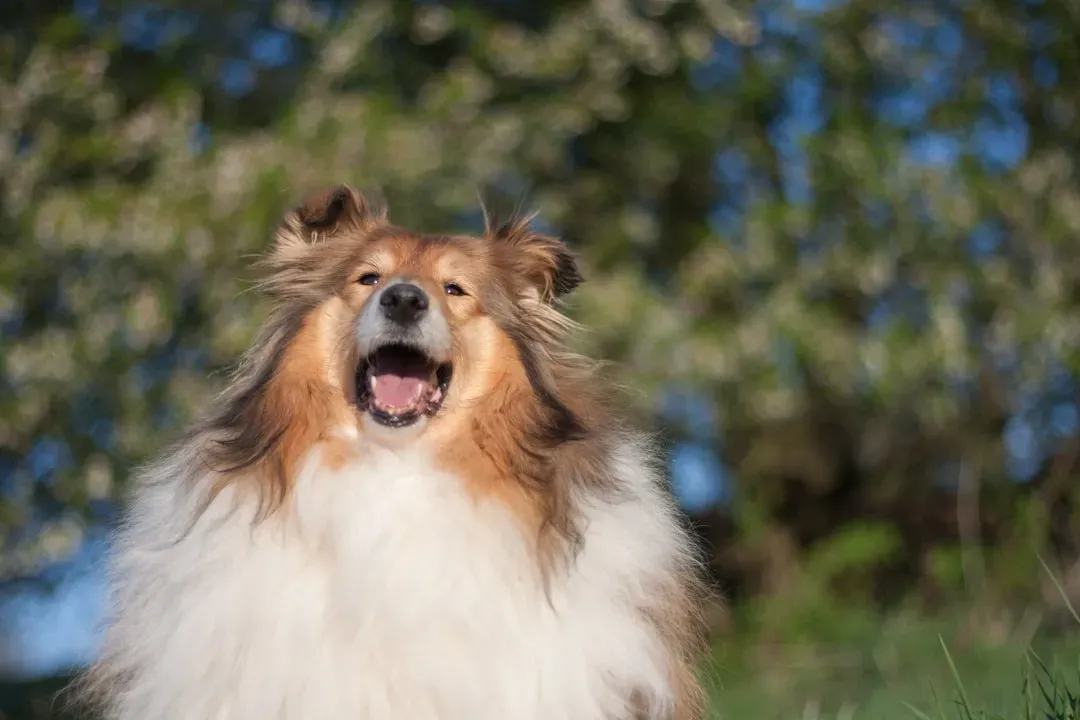
Shetland Sheepdogs, or Shelties, are herding dogs with sharp minds and a strong desire to work. They excel in obedience trials and agility courses because they’re quick, responsive, and eager to learn. On the surface that sounds like the ideal training partner – and in the right hands, it is. The problem is that Shelties are also emotionally intense, prone to anxiety, and deeply affected by tension in their environment.
They’re vocal dogs who sometimes bark to alert their owners, but training can manage this tendency. Shelties bond closely with their families and can be reserved around strangers, so early socialization helps build their confidence. A Sheltie trained with consistent positive reinforcement can be a true athlete and companion. One trained with frustration and correction will retreat into fearfulness, excessive barking, and stress-based behaviors that take far longer to undo than they do to create.
#11: German Shepherd – Resilient, But Respect Is Non-Negotiable
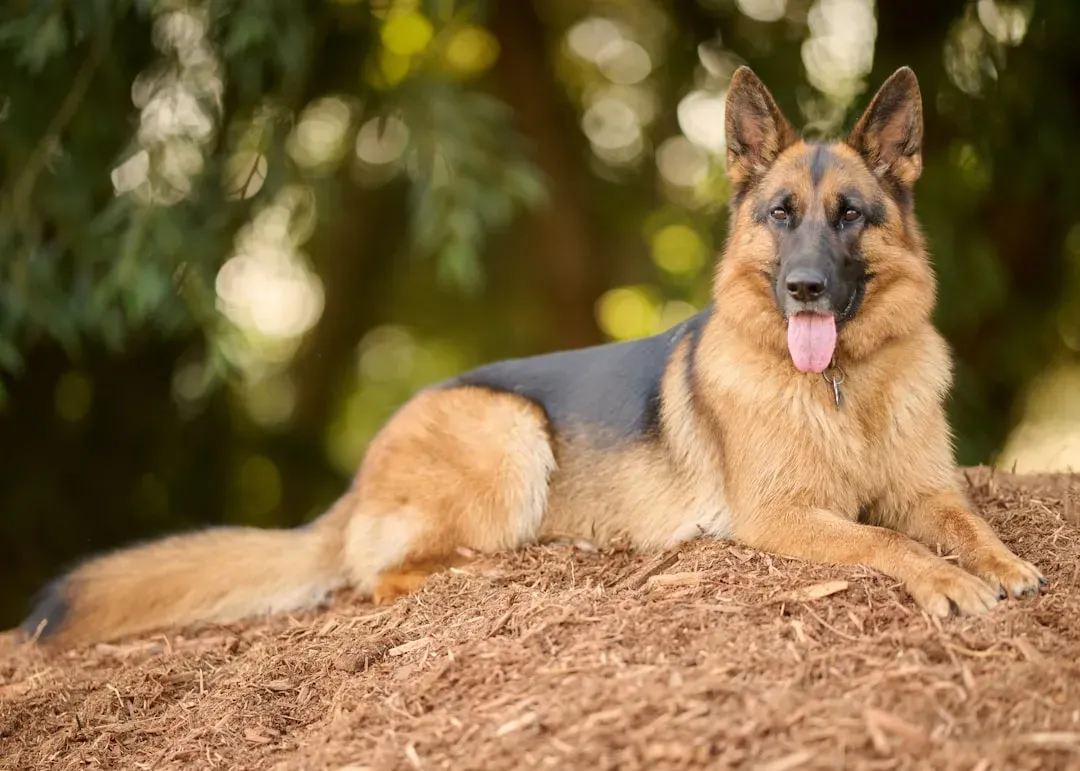
As trainable as they’re known to be, German Shepherds require the right kind of training to succeed. They don’t tend to respond well to punishment, and their drive to work for reward is much stronger than their desire to avoid negativity. The German Shepherd is often held up as the gold standard of working dogs, and with good reason. German Shepherds are a very versatile, affectionate, and capable working dog breed. They are known to be strong and have been extensively employed in the military, for police work and service sectors.
German Shepherds are highly resilient, able to endure rigorous training and demanding tasks. Their physical endurance and mental toughness allow them to perform in various challenging environments, from search and rescue missions to high-stress security operations. German Shepherds also have a strong drive to please their handlers, enabling them to overcome obstacles and recover quickly from setbacks. They can withstand more pressure than most sensitive breeds, but the relationship must always feel fair – this breed remembers mistreatment and it shapes them.
#12: Labrador Retriever – The Forgiving People-Pleaser
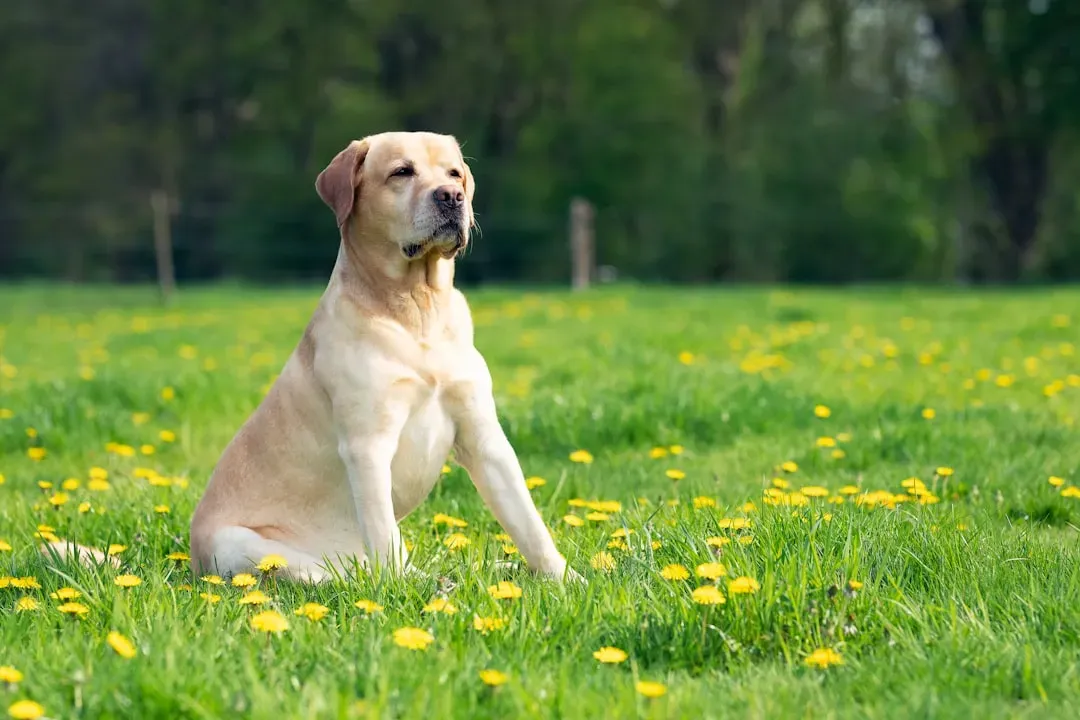
A well-bred and well-trained Labrador is often friendly, resilient, people-oriented, eager to learn, and sociable. Many Labradors have a strong natural inclination to work with people. The Labrador’s legendary good nature is more than reputation – it’s a genuine temperamental quality that gives them a degree of bounce-back that more sensitive breeds simply don’t have. They’re motivated by food, by play, and by the satisfaction of working with their person.
Labradors are fast learners when sessions are engaging and rewards are clear. They do best with positive reinforcement, consistency and tasks that tap into their natural drive to work. That said, Labradors don’t need harsh training, but rather clear, friendly, and consistent guidelines. Their resilience isn’t an invitation to push harder – it just means they’re more likely to shake off a rough session and come back willing tomorrow morning.
#13: Doberman Pinscher – Confident, Capable, and Context-Dependent
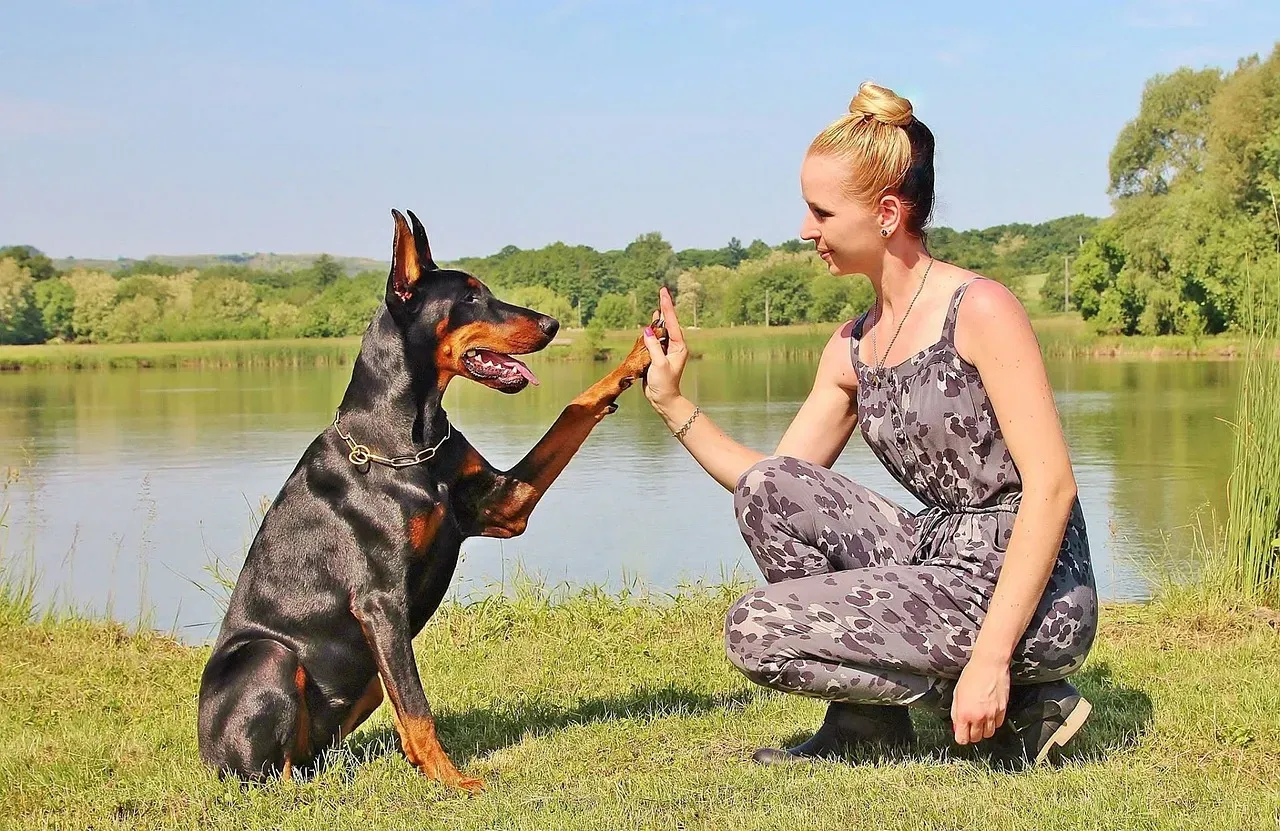
Dobermans are sleek, powerful dogs bred for protection and companionship. They’re highly intelligent and learn new commands quickly, often surprising first-time owners with how fast they catch on. Despite their intimidating appearance, Dobermans are sensitive and form deep attachments to their families. The Doberman occupies an interesting middle ground: they’re tough enough to handle structured, firm training in the right context, but sensitive enough to be damaged by genuine harshness.
Not all Dobermans have the same personality. Some are soft and sensitive. Others are confident and stubborn. Your training style should match your dog’s temperament. The Doberman Pinscher is incredibly intelligent. It learns fast and responds well to consistent training. This breed has sharp guard instincts, making it alert and reliable. Dobermans need mentally engaging activities and firm but positive guidance. For experienced handlers who understand the breed, Dobermans can handle more structure than most – but “firm” should never slide into punitive.
#14: Belgian Malinois – Built for Pressure, But Needs an Expert Hand
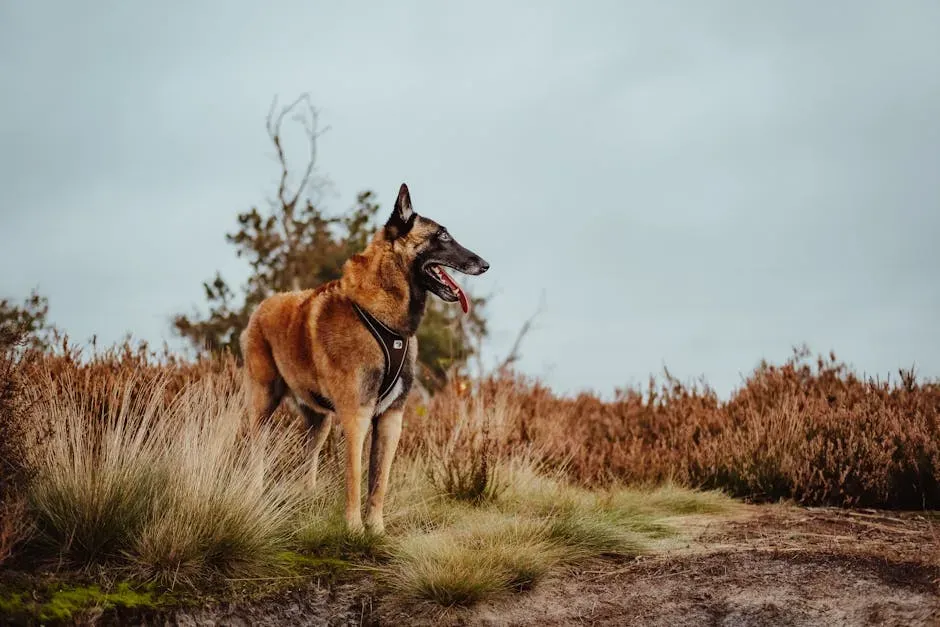
Belgian Malinois are highly intelligent and versatile working dogs known for their strength, agility, and endurance. Often used in military and police roles, Malinois are resilient and capable of handling physically and mentally demanding tasks. Their lean, muscular build allows them to recover quickly from exertion, while their keen intelligence and strong work ethic enable them to learn and execute complex commands. Few breeds in the world can match the Belgian Malinois for sheer work capacity and mental resilience.
Few dogs dominate competitive sport like the Belgian Malinois. This highly athletic breed sets the standard for performance across obedience trials, agility courses, and tactical sport arenas. Their lean muscle supports speed and precision. The key caveat is experience. The Belgian Malinois is built for precision and endurance, bred in Belgium for herding and later developed into a premier working dog. They do best with experienced owners who can meet their physical and mental needs. In the wrong hands, even a resilient breed like this can become a problem.
#15: Rottweiler – Steady Under Pressure When the Foundation Is Right
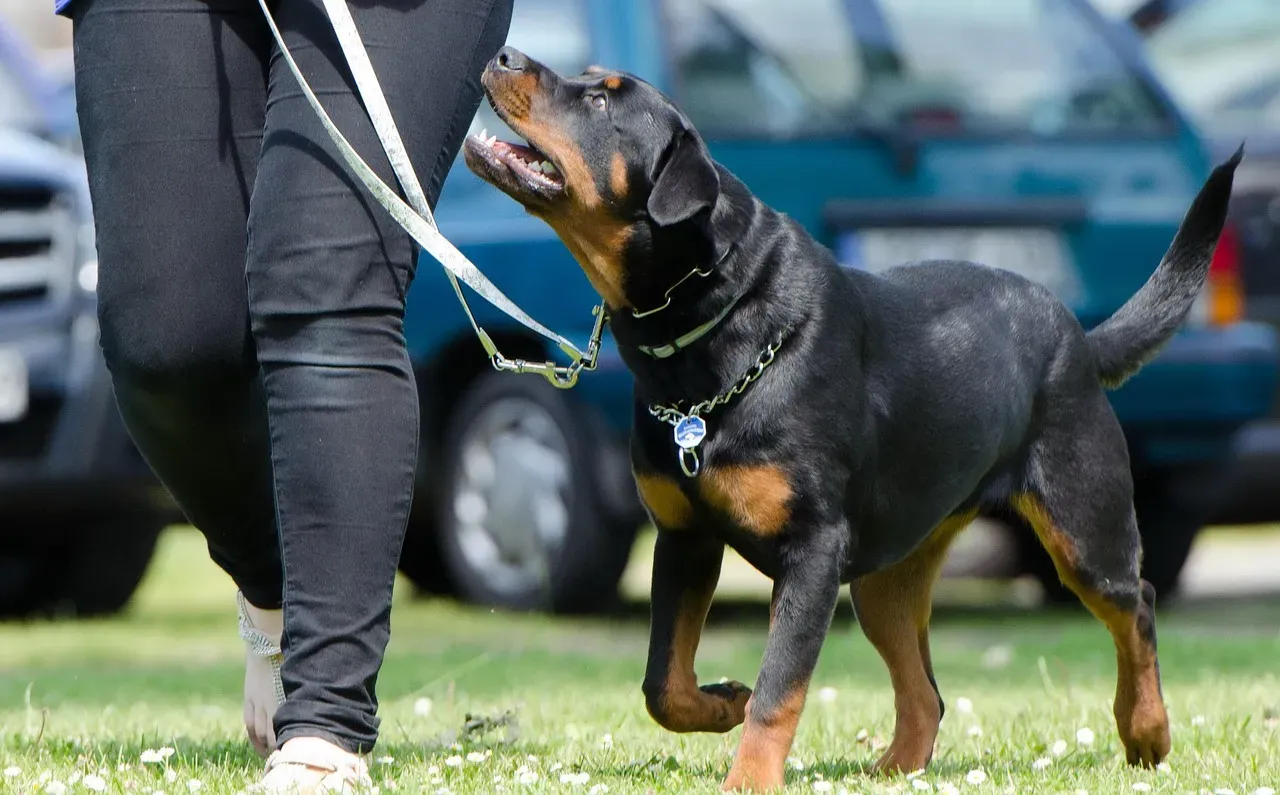
A strong sense of composure makes the Rottweiler stand out in tough environments where pressure can shift quickly. Their muscular frame supports a dog built for tasks that rely on controlled strength. Clear structure brings out their sharp learning ability and gives them direction in demanding training setups. Rottweilers have a reputation for toughness, and physically they live up to it. Mentally, though, they respond best to calm, firm leadership rather than anything that feels threatening or chaotic.
Training a Rottweiler requires early socialization and consistency. They respond best to patient, firm guidance, making them ideal for experienced owners who value structure and leadership. Training this breed requires consistent methods because their strong-willed nature makes training harder. The breed reacts negatively to training methods that use severe punishment. Trust develops through leaders who maintain calmness. The Rottweiler’s resilience is real, but it comes packaged with a deep need for fairness. Push too far, and even this powerful breed can develop defensive behaviors that are both dangerous and genuinely heartbreaking to witness.
What the Science Actually Says About Harsh Training
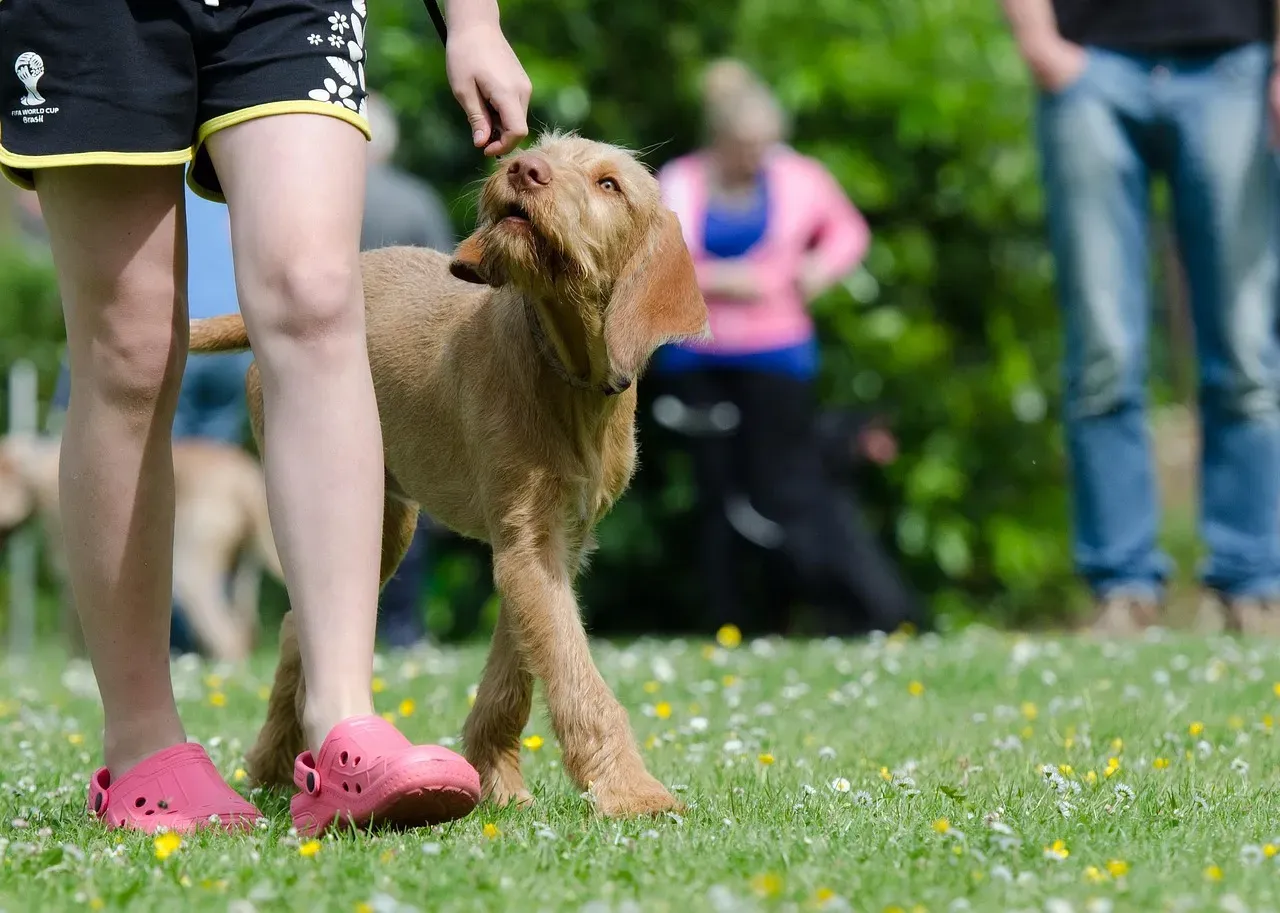
Punitive training techniques increase the risk of aggression in dogs. They are associated with a nearly threefold increased risk of aggression toward family members, and more than double the risk of aggression toward unfamiliar people outside of the household. These aren’t minor side effects. They represent a fundamental breakdown in the relationship between dog and owner – a breakdown that affects quality of life for everyone involved.
The American Veterinary Society of Animal Behavior issued a statement: “There is no evidence that aversive training is necessary for dog training or behavior modification,” referencing 21 studies on the effectiveness of reward-based methods and risks of aversive methods. That’s a meaningful consensus from professionals who study this for a living. The method you choose to train your dog directly impacts their behavior, emotional health, and the bond you share. Positive training methods nurture trust, confidence, and a willingness to learn, while negative techniques can have the opposite effect, instilling fear and anxiety.
A Final Word on Reading Your Dog
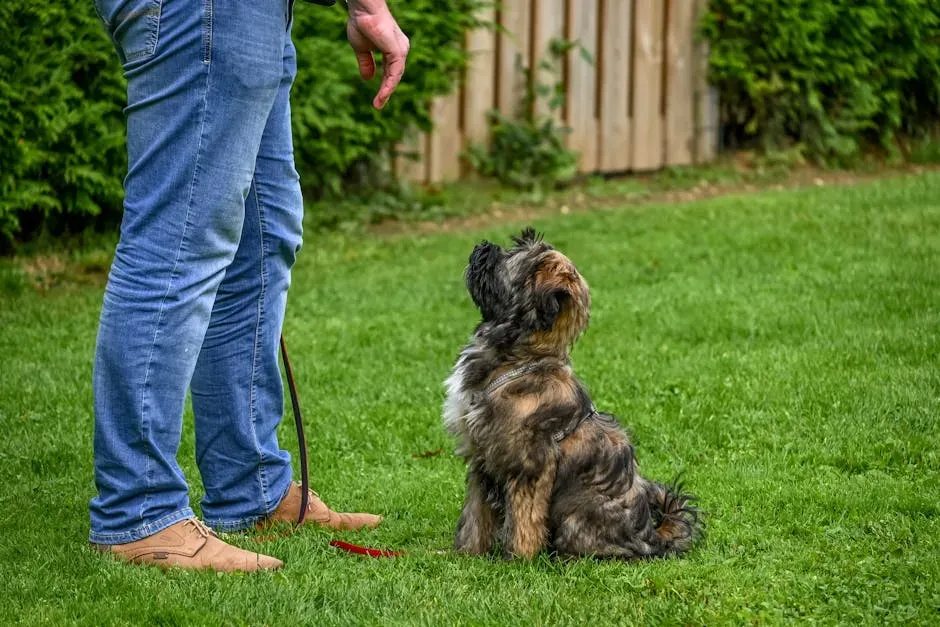
The breeds in this list aren’t broken, difficult, or hopeless. They’re simply honest. Breed overall was found to influence just 9% of behavioral differentiation between dogs. Environment and upbringing were found to be even more significant factors in a pup’s personality, suggesting that our role as dog owners carries even more responsibility than we may think. That’s a sobering and empowering truth all at once.
In early training, where we are establishing new behaviors, punishment can significantly delay the process because it inhibits the puppy’s willingness to try out new things. If we punish some of the choices our dogs make, they begin to avoid making any choices at all. A dog that stops offering behavior is a dog that has stopped trusting the process. That’s the real cost of training methods that prioritize dominance over communication.
The bottom line, in my opinion, is this: every dog on this list – from the emotionally fragile Bichon to the steely Rottweiler – will give you their absolute best when they feel safe enough to try. Resilience is not the same as indifference to pain or pressure. Even the toughest breeds in this article are not asking to be pushed to their limits – they’re asking for a leader worth following. The training methods that honor that simple truth consistently produce better dogs, stronger bonds, and owners who genuinely enjoy the process. That seems worth far more than whatever shortcut harshness promises and almost never delivers.


