
Cats have a reputation for being mysterious, emotionally distant, and impossible to read. Most people assume that if a cat tolerates you, that’s about as good as it gets. The truth is far more interesting. Cats are actually rich communicators, they just speak a language most people have never been taught to understand.
Since they rely more on body language and subtle habits than on obvious displays, their trust often shows up in small, repeatable behaviors that mean far more than they seem at first glance. What looks like your cat being indifferent could actually be one of the most profound declarations of trust in the entire animal kingdom. Once you know what to look for, you’ll never see your cat the same way again.
#1: The Slow Blink
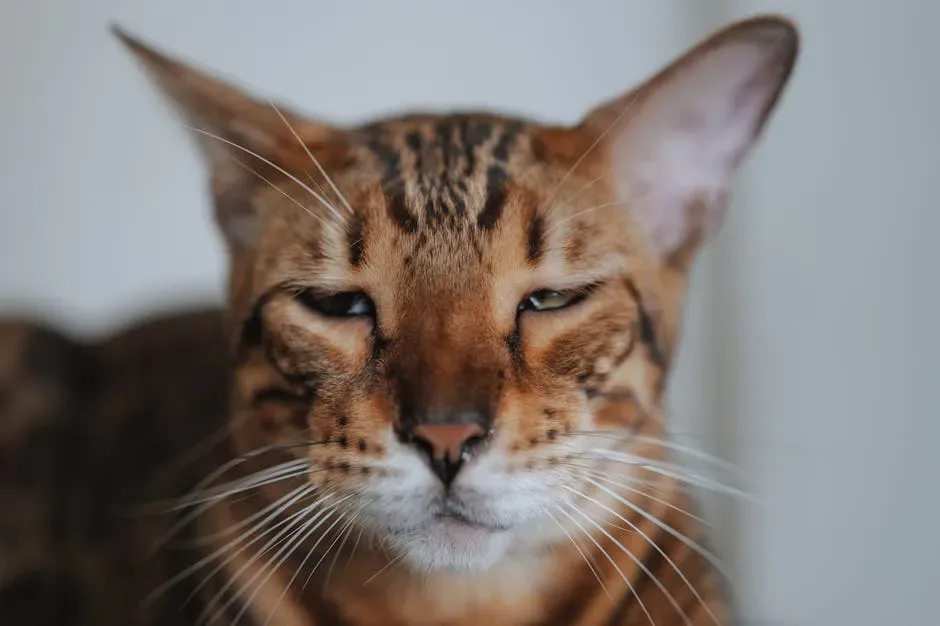
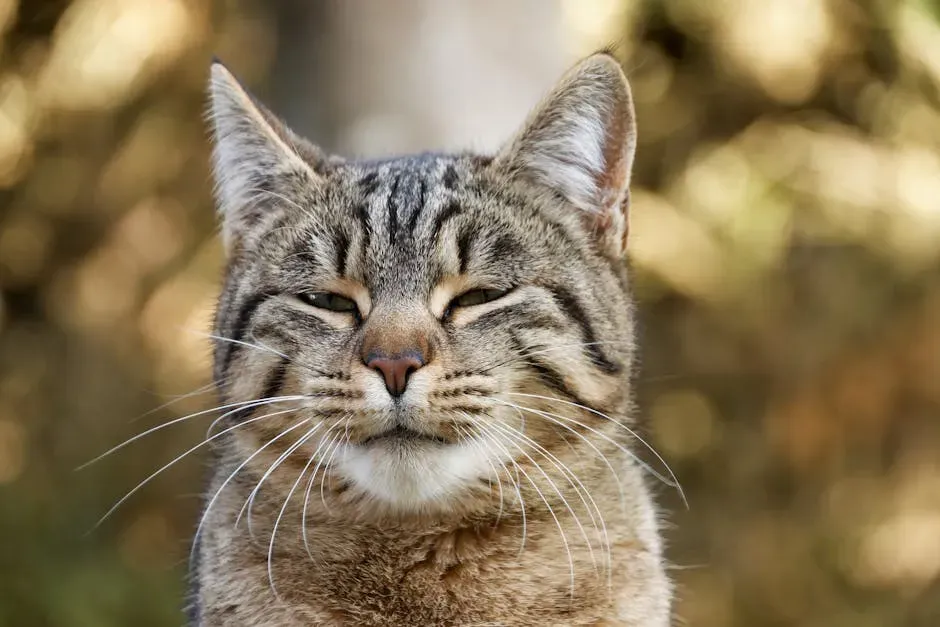
Of all the ways a cat can tell you something, the slow blink is arguably the most elegant. In the feline world, direct staring is threatening. When your cat looks at you and slowly closes their eyes, they’re communicating trust. It’s the cat equivalent of saying, “I feel safe with you.” Think about that for a moment. A creature hardwired for survival is voluntarily closing its eyes in your presence.
Slow blinking is one of the most heartwarming signals in cat body language. Often called a “cat kiss,” this gesture reflects trust and relaxation. Many cats will return the gesture if you slow blink at them first. Try it the next time your cat catches your eye. The exchange, when it happens, is genuinely one of the sweetest moments you can share with them.
#2: Sleeping on or Beside You
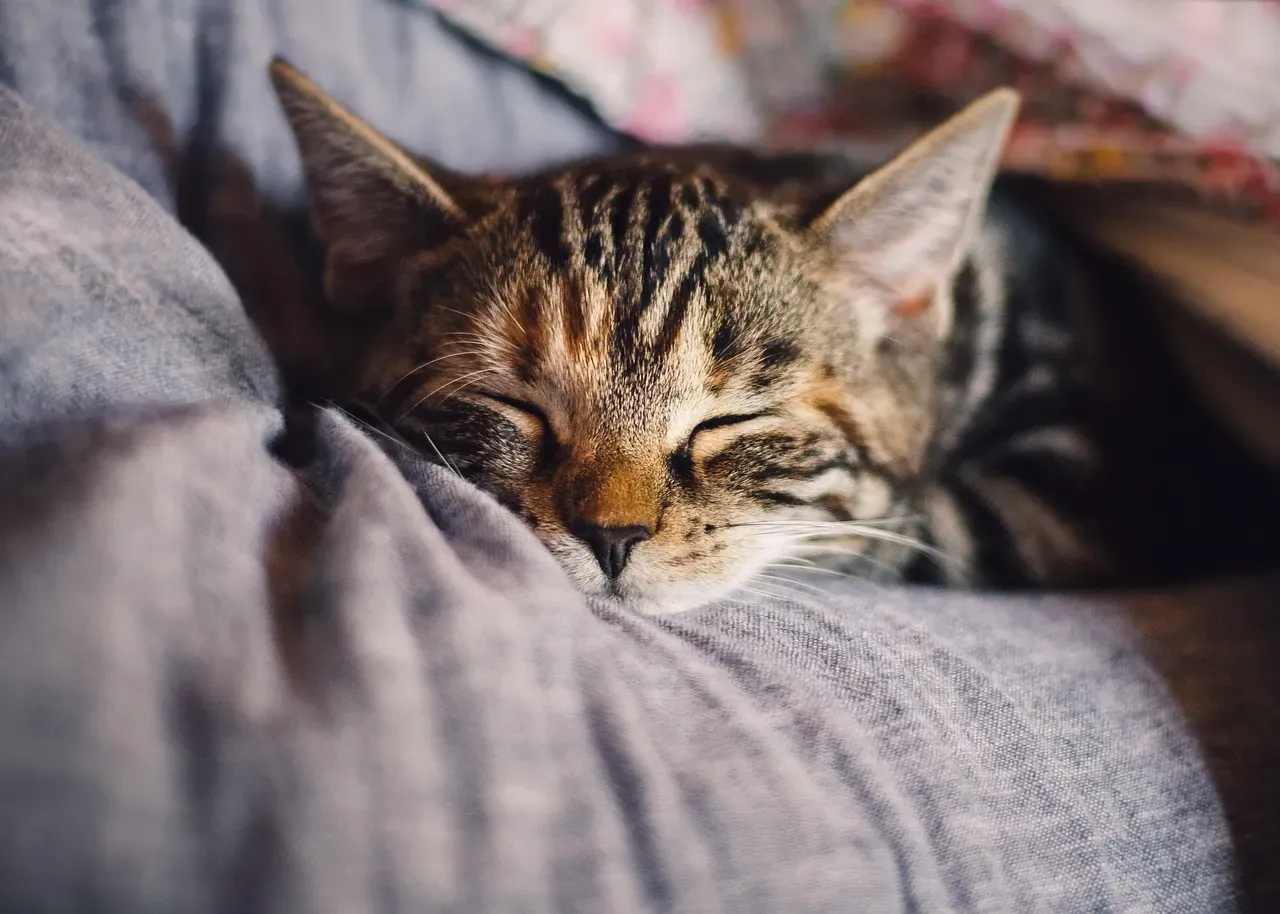
It’s a big sign of trust if your cat wants to sleep with you because this is a time when cats are very vulnerable. Sleep lowers their defenses completely. Every predatory instinct they carry from their wild ancestors requires them to stay alert, and yet they choose to switch that off when they’re near you.
Sleeping is when cats are most vulnerable, so if your cat curls up beside you, it shows they feel secure and deeply bonded to you. Sleeping beside a human is especially telling because rest reduces awareness of threats. Vulnerability during sleep reflects a strong sense of safety. That’s not indifference. That’s the highest compliment a cat can offer.
#3: Head Bunting and Cheek Rubbing
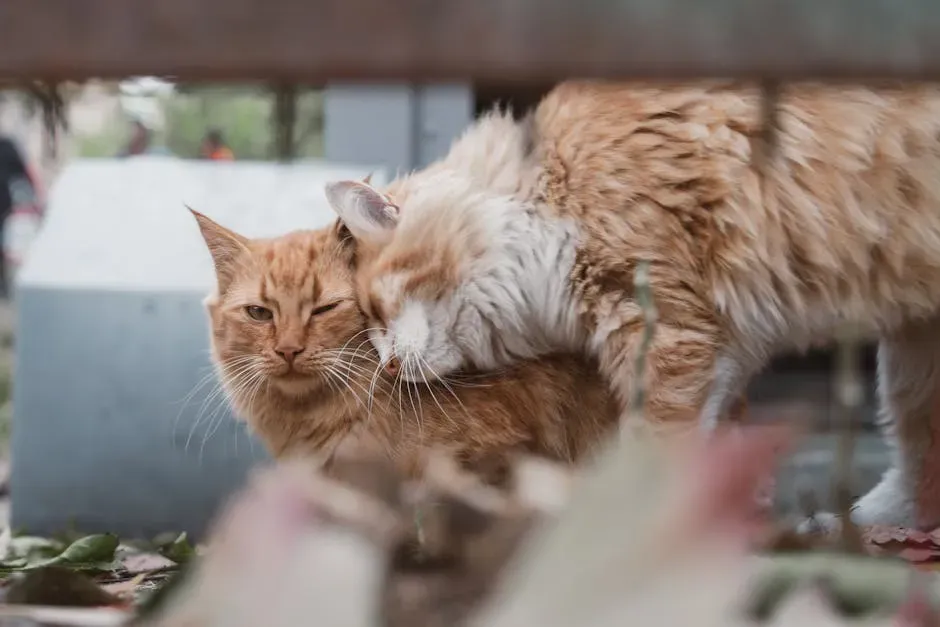
When a feline bumps its head or presses a cheek against a person, it marks them as trusted. Facial rubbing deposits pheromones from scent glands located on the cheeks and forehead. These pheromones signal familiarity and security. Scent sharing is reserved for individuals within a cat’s safe circle. This isn’t random affection. It’s a deliberate, meaningful act.
The facial pheromones are the ones that express safety and familiarity. If your cat is constantly giving you head butts, they are indicating that they trust you – you are their comfort and safety. If you notice that your feline friend likes to headbutt you or rub their head against you, this is a sign that you’re familiar to them and they’re showing you their respect. Being claimed by a cat, in this sense, is something worth celebrating.
#4: Kneading You Like Dough
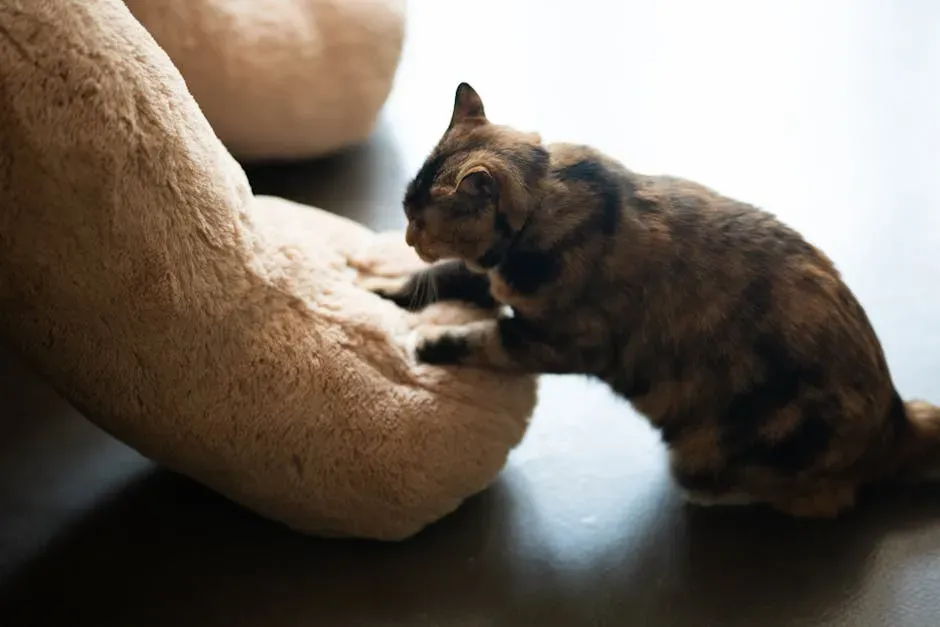
Cats usually knead with their front paws. This is a behavior that begins in kittenhood and is associated with nursing on their mother. Kneading is believed to bring comfort by releasing endorphins to reduce stress and promote relaxation. When that kneading happens on you specifically, the association goes much deeper.
Kneading comes from kittenhood, when pressure on a mother’s belly encouraged milk flow. Adult cats repeat this motion when they feel content. Using a human as the kneading surface shows emotional association with safety. The behavior also releases calming hormones that reinforce positive bonds. Yes, it can be a little sharp with those claws. Wear it as a badge of honor anyway.
#5: Greeting You at the Door
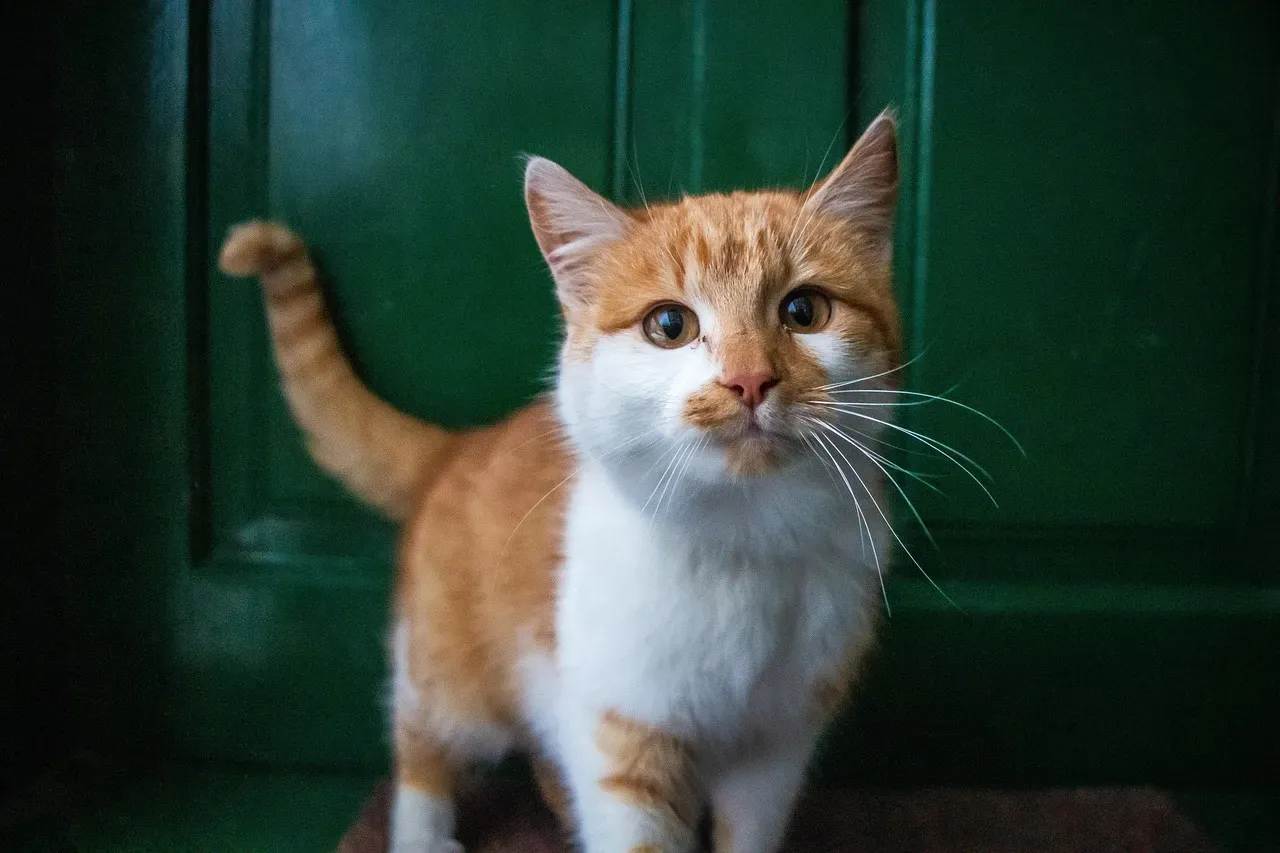
If your cat comes running to greet you when you come home, it’s a good sign that your cat trusts you. Cats are curious creatures and love to investigate when something new happens. Adult cats are also territorial and make a habit of keeping a close eye on what happens in their territory. A nervous cat may watch from afar, but if your cat comes running to greet you when you come home, this is a good sign that your kitty trusts their human companions.
Your cat is trying to show you that they missed you when they greet you at the door. This is often followed by walking in-between your legs and curling their tail around your legs. Sometimes it’s also accompanied by meowing and “rattle-tail” behavior, where your cat will shake their tail quickly. This is your cat’s way of welcoming you home. That little ritual at the front door? It’s not routine. It’s relationship.
#6: The Upright Tail Approach
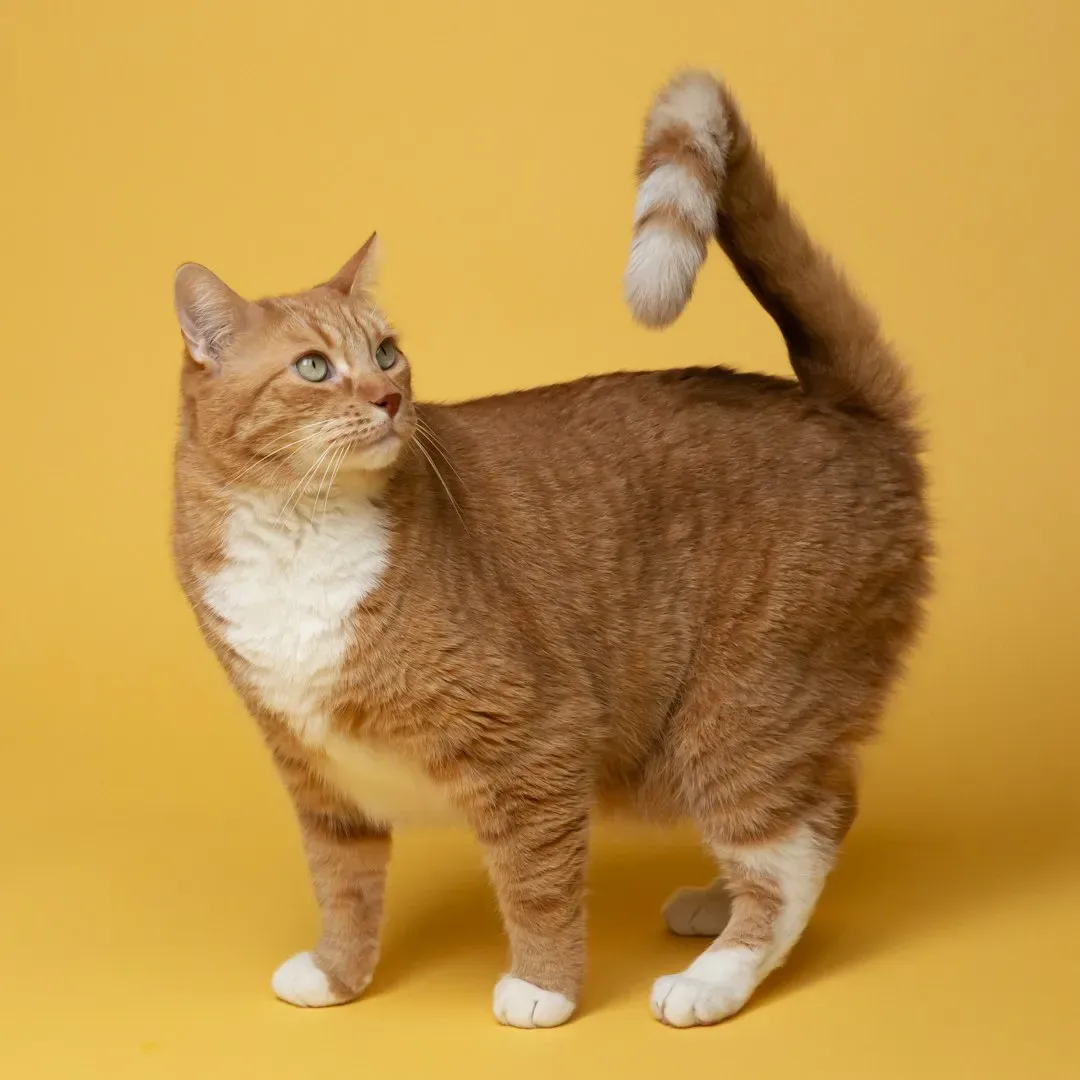
A tail held straight up communicates friendliness and emotional balance. Approaching with this posture reflects comfort. Slight tail quivers indicate excitement associated with joyous anticipation. Cats reserve these signals for individuals they feel safe approaching. It’s one of those details that’s easy to overlook unless you know what it means.
A tall upright tail as they approach you is also a compliment as this usually indicates excitement and pleasure. An upright tail means your cat is happy to see you. The whole package, the trot toward you, the raised tail, perhaps a soft chirp, is a feline welcome that’s as warm as any wagging dog tail. It just requires you to speak the language.
#7: Grooming You
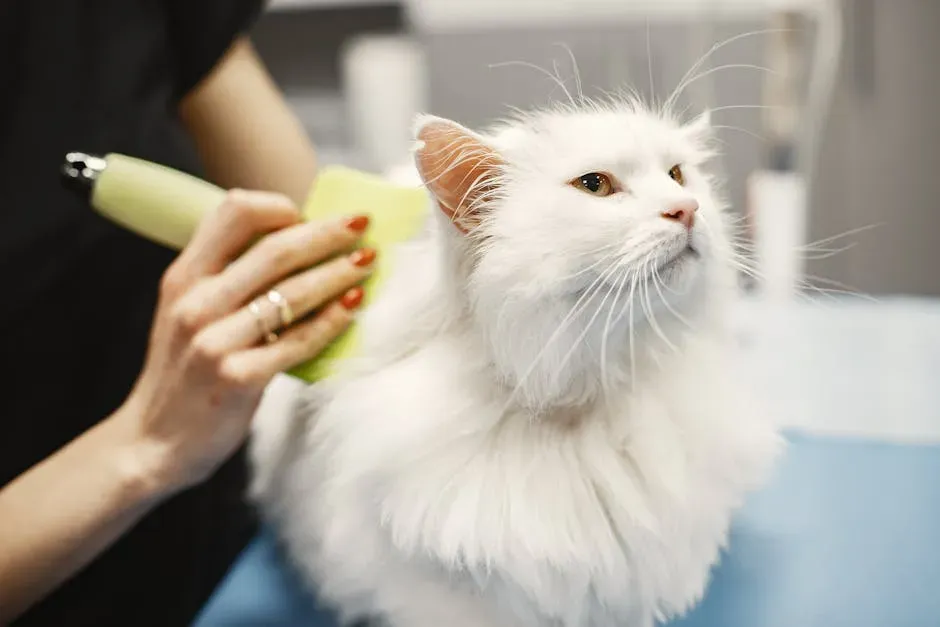
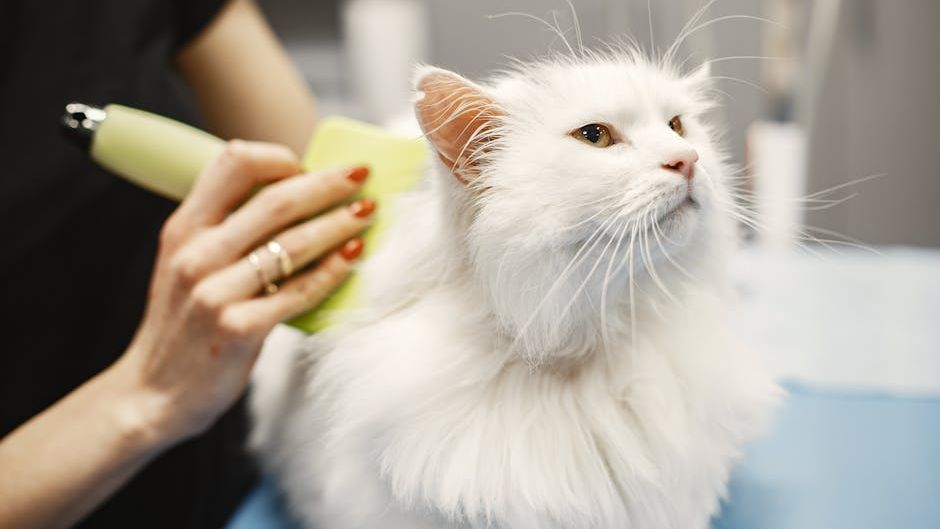
Cats groom each other as a display of affection, and this behavior will extend to humans when trust is built. Cats will often lick their people or allow them to brush them. Licking is similar to the grooming cats perform on their feline friends, allowing them to mark each other and build their bond. When your cat licks your hand or your hair, they’re not just cleaning you.
Allogrooming occurs only between bonded cats. Licking a human’s skin or hair mirrors social grooming behaviors found in feline groups. The act communicates acceptance rather than hygiene. Cats do not groom individuals they view as unpredictable or threatening. Cats only groom people they feel safe with. This gentle licking is a subtle cat body language signal that says, “I trust you, I feel secure with you, and you’re part of my family.”
#8: Exposing the Belly
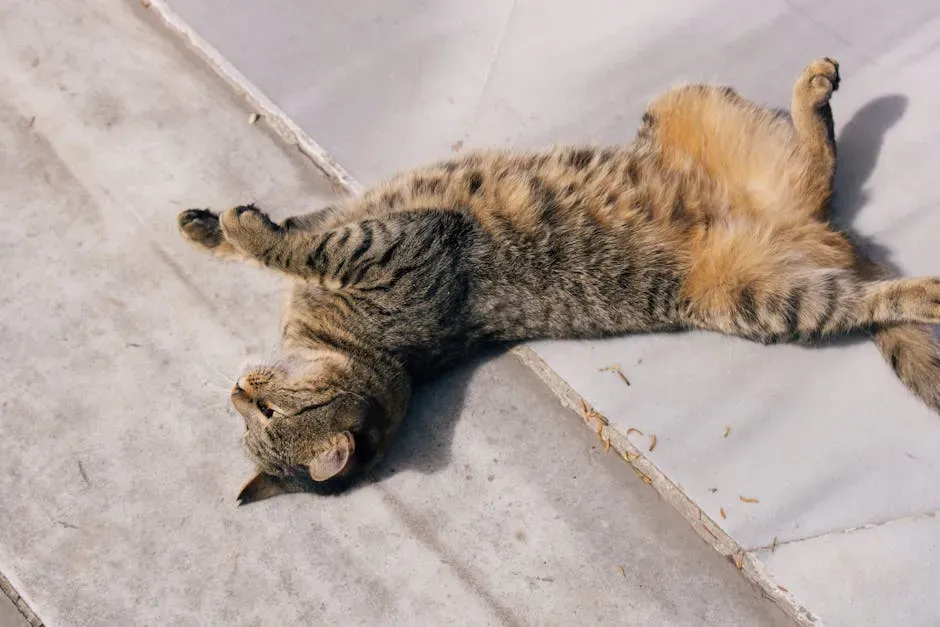
When your cat rolls over and exposes their belly, you’re seeing a major trust signal – this is their most vulnerable area. A cat’s stomach is a very vulnerable place. In the wild, it would be dangerous for a cat to show its belly, since it’s such a soft, tender place for a predator to attack. The fact that they do it around you speaks volumes.
Cats that roll onto their backs, exposing their belly, are showing trust. This is a behavior that invites play, but ultimately expresses extreme vulnerability. Contrary to popular belief, when cats show you their belly, it is not always an invitation to pet said belly. But it can be an indication that they trust you enough to expose one of their most vulnerable parts to you. Read their other signals before reaching in. The trust display is the gift, not the belly rub invitation.
#9: Meowing Just for You
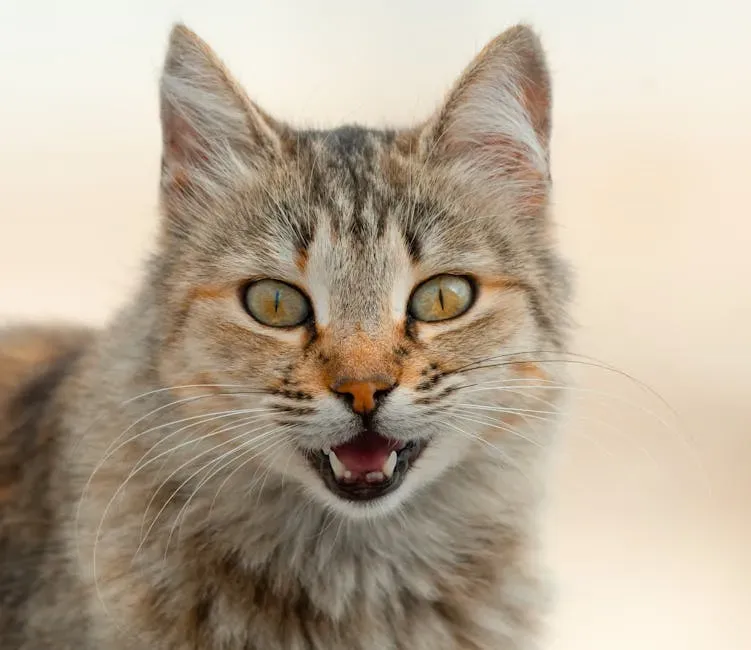
Normal cat behavior does not much rely on actual vocalizations. Instead, they mostly use body language, posture, and scent to communicate. Most cat-to-cat vocalization is usually negative, consisting of hissing and growling. The classic “meow” sound from a cat is fairly rare, usually only heard when a cat is pleased or excited or between a mother cat and kitten. This means that when your cat talks to you, it’s actually quite deliberate.
Often, they do this by meowing, which is interesting, because cats don’t really meow at each other. They meow at their mothers, who provide them with food, warmth, and safety when they are kittens, and they meow at their people, who provide them with the same things as adults. Often, your cat’s meows, chirps, and trills are intentional messages, and many signal trust. Cats reserve much of their vocal language for humans, so when yours “talks,” it’s choosing connection. That chatty morning monologue your cat delivers? Pure trust.
#10: Following You from Room to Room
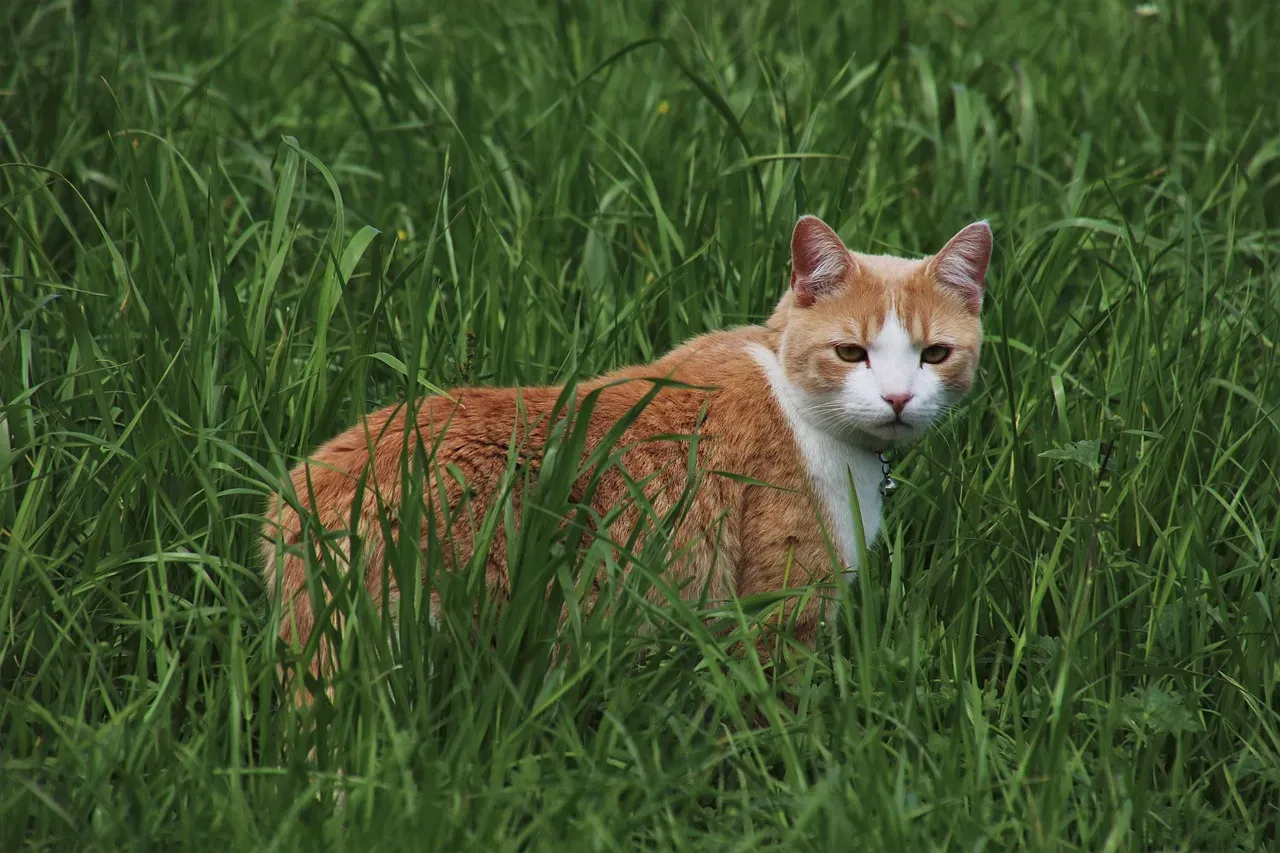
When you notice your cat following you around, you’re seeing one of the clearest signs your cat feels safe. They’re choosing your company, monitoring your movement, and staying within a comfortable distance because you’re a predictable, trusted part of their world. It might feel clingy. It’s actually deeply meaningful.
Cats often follow those they love and trust around the home. Your cat may weave around your legs, chirp, or pause at doorways to check where you’re headed. They’re not just seeking food; they’re syncing their routine with yours. There’s something touching about a creature that could just as easily go sit alone in a warm patch of sunlight, but instead chooses to follow you to the laundry room.
#11: Self-Grooming in Your Presence
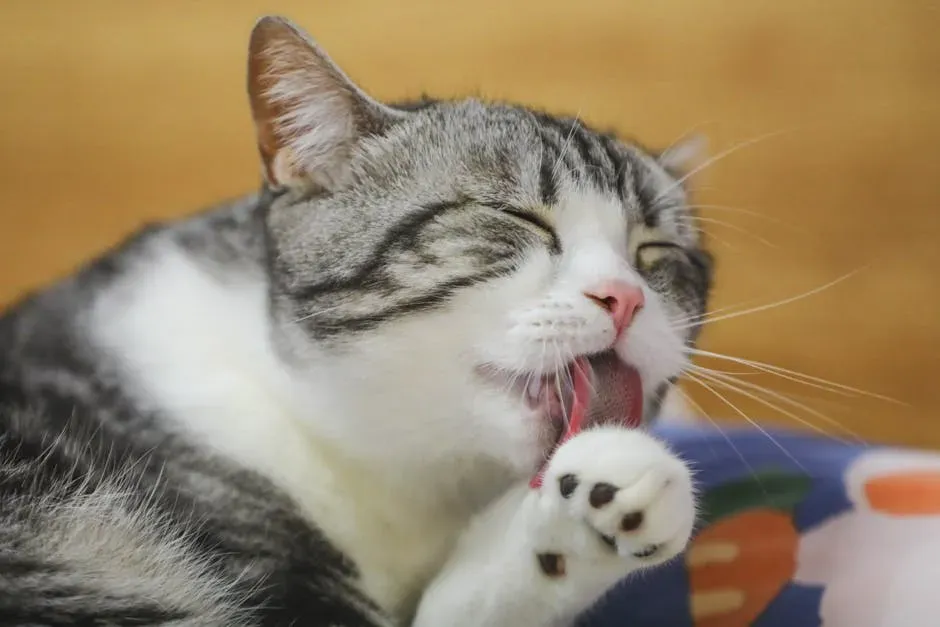
Grooming puts cats in a vulnerable mental state. If your cat grooms themselves near you, it means they don’t feel the need to stay alert or tense in your presence. This behavior shows deep environmental trust. They’re comfortable enough to focus inward instead of scanning for danger. It’s one of the strongest signs that your cat feels emotionally safe around you.
A cat that feels safe and secure will typically lie down in a relaxed, sprawled position. Their body will be loose, with no signs of tension in their muscles. When a cat can groom themselves completely, eyes closing, back leg extended comically in the air, right next to you, without a single moment of vigilance, that’s trust at its most unguarded. It’s the feline version of truly letting their guard down.
#12: Bringing You Gifts
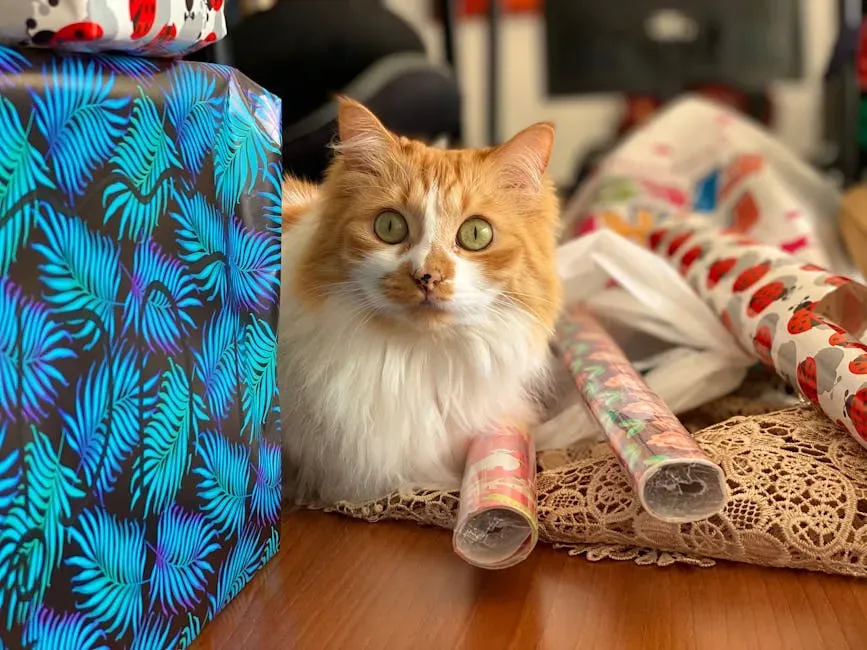
You might not want a dead bird or mouse, but a gift is a clear sign that your cat trusts you. Cats are solitary hunters, but if they live in groups will tend to eat together. In feral cat colonies, some members of the group are hunters and bring back gifts of food to their bonded companions. Your cat isn’t trying to gross you out. They’re including you.
Spot a toy mouse on your pillow or a real bug by your feet, and you’re seeing a classic trust move: gift-giving. When your cat presents toys, random objects, or the occasional “prey,” they’re looping you into their world. You’re a safe partner, worthy of sharing resources and play. Accepting the delivery without scolding keeps the bond strong. Try to appreciate the gesture for what it is: the most earnest act of inclusion a predator can offer.
What All of This Really Tells Us
Cats are not cold. They’re not withholding. They’re simply not wired to broadcast their feelings in the same broad, obvious strokes that humans or even dogs might. Cat body language is often subtle, but it speaks volumes. Unlike dogs, who tend to display emotions more openly, cats express themselves in quieter ways. They rely heavily on their bodies to show happiness, fear, curiosity, or irritation.
Cats care about physical comfort and safety, and their trust in you is about whether or not you provide those things in the ways and quantities that they need. Once you understand that their trust is built on your consistency, your calm presence, and your willingness to meet them on their terms, the entire relationship shifts.
The slow blink, the kneading, the tail-up trot across the room – none of it is accidental. Every single one of these twelve behaviors is a quiet declaration. Your cat has decided, after all its instincts and assessments and careful observation, that you are safe. In a world where trust is hard-won, that’s no small thing. Some people spend a lifetime searching for that kind of unconditional, unhurried confidence from another living creature. Your cat has been offering it all along.


