
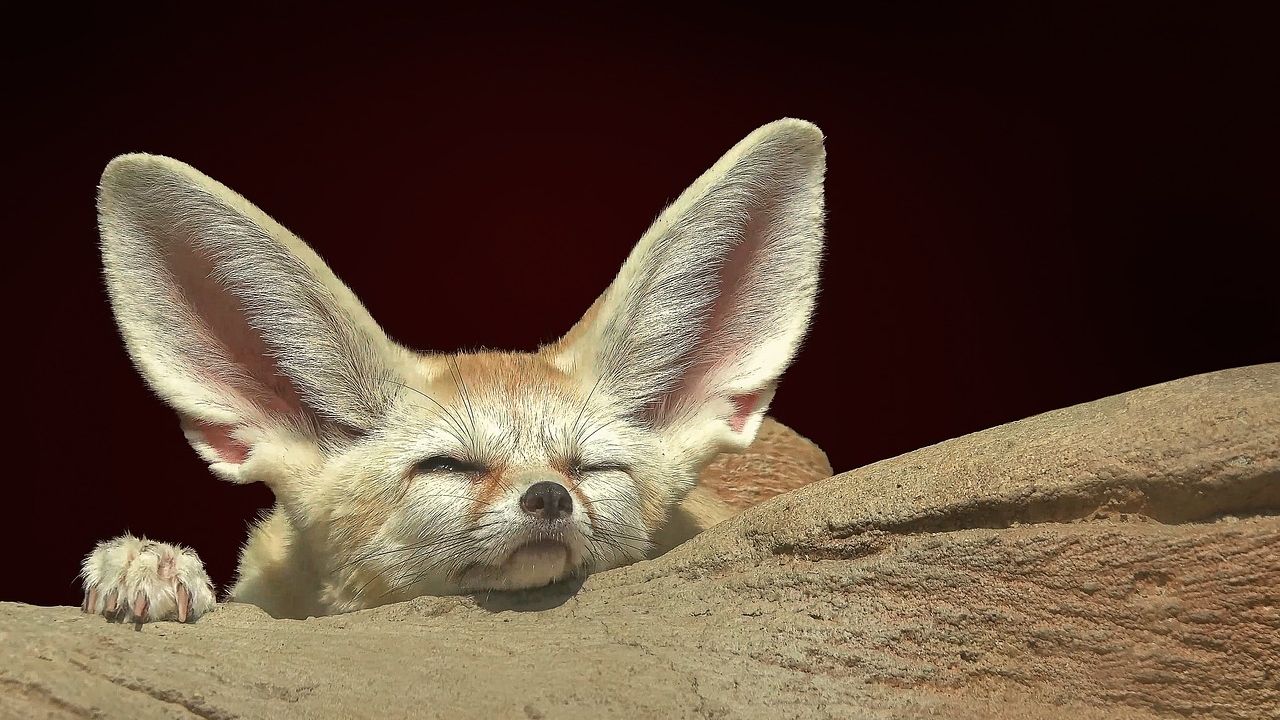
There’s something almost unreal . It looks like a cartoon brought to life, with ears that seem borrowed from a much larger animal, a body the size of a small house cat, and a pair of eyes wide enough to make anyone stop mid-scroll. It lives in one of the most hostile places on Earth and thrives there, completely unbothered.
What makes this creature so fascinating isn’t just how it looks. It’s how every single detail about it, from its fur to its kidneys to its social life, is perfectly engineered for survival. The more you learn , the harder it becomes to look at the desert the same way again.
#1: The World’s Smallest Fox With the Most Oversized Personality
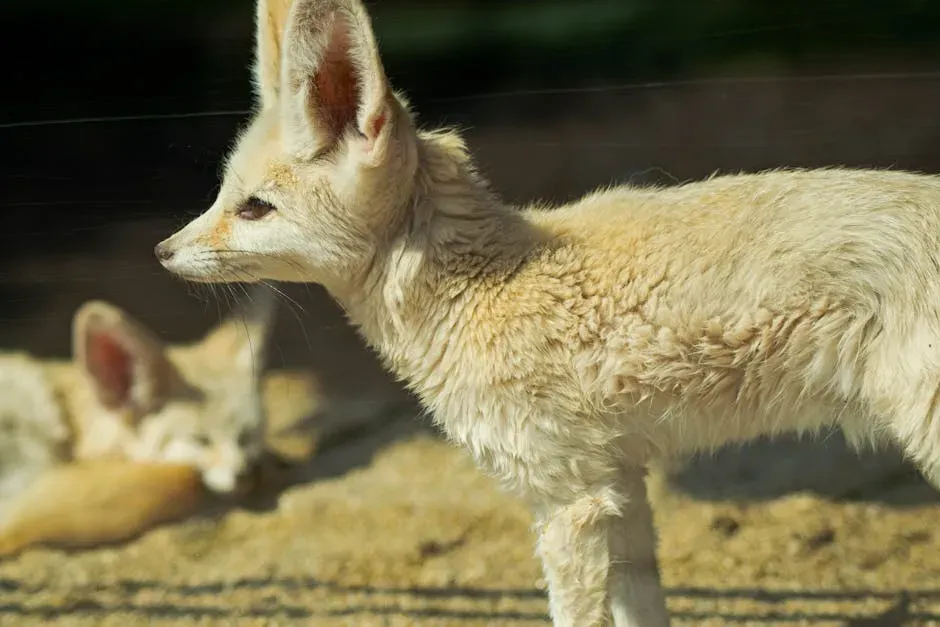
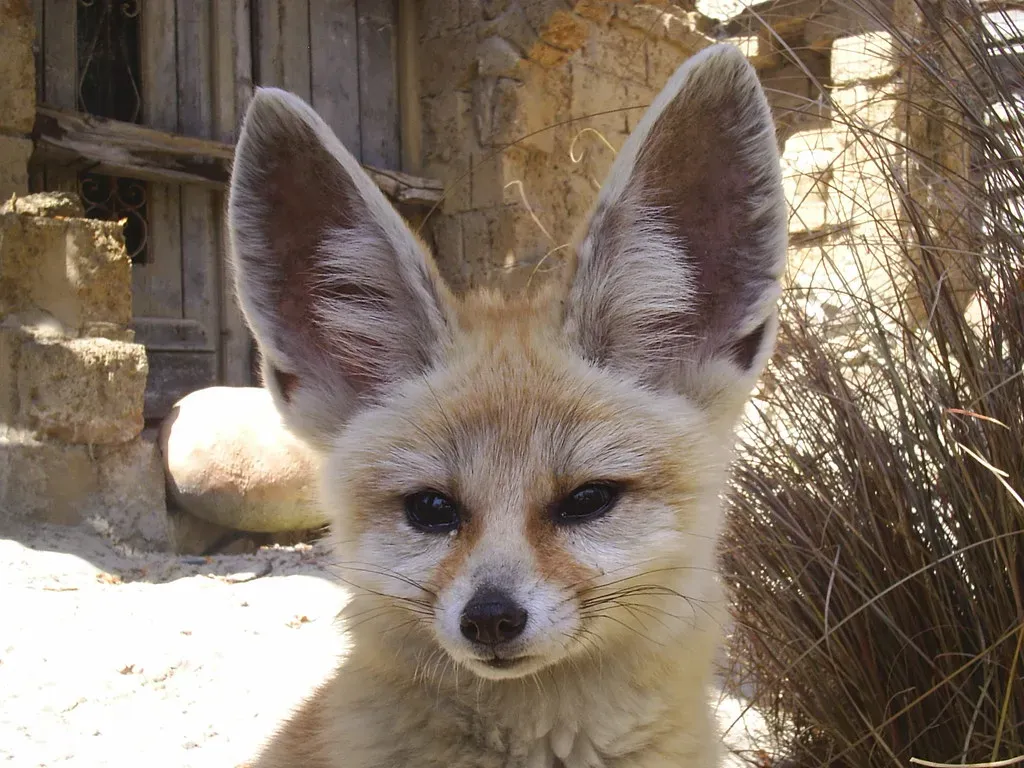
is the smallest of all the world’s foxes, but its large ears, measuring 6 inches, appear to be on loan from a bigger relative. That size contrast is part of what makes this animal so immediately striking. Fennec foxes are 14 to 16 inches long, with an additional 7 to 12 inches of tail, and they usually weigh between 2 and 3 pounds.
Don’t let those numbers fool you into thinking “small” means “fragile.” Despite its diminutive size, is a highly efficient predator, preying on insects, small mammals, and birds. Everything about this animal punches well above its weight, which is probably why it has captured the imagination of wildlife lovers around the world for so long.
#2: Those Ears Are Not Just for Show
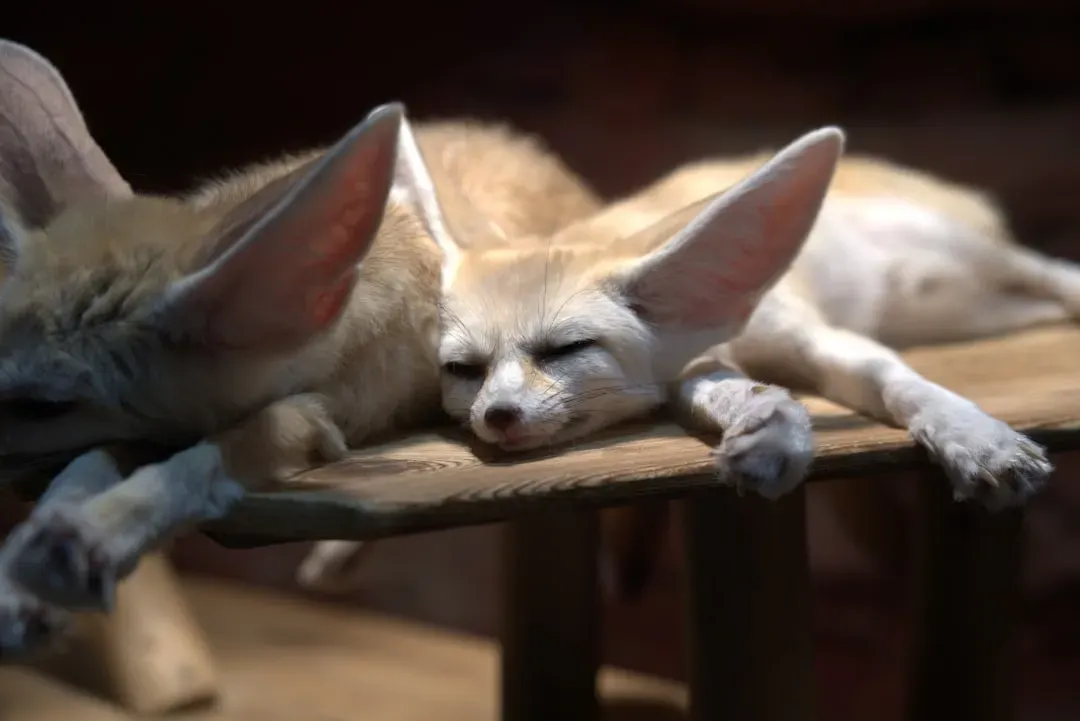
Fennec foxes have the largest ears relative to their body size of any member of the canid family, which they use to dispel heat and track down prey underneath the sand. That double function is genuinely remarkable. No other feature on the animal works as hard. The blood vessels in the thin skin of the ears are close to the surface, which allows the fox to rapidly dissipate excess body heat into the cooler desert air.
Hunting occurs at night and alone; fennec foxes use their abnormally large ears to listen for prey underneath the sand, and once located will dig with all four feet to expose their meal. Imagine being able to detect the faint movement of an insect through several inches of sand in total darkness. That’s the kind of sensory precision those enormous ears provide, and it’s why is so effective as a desert predator despite its tiny frame.
#3: A Desert Survivor That Barely Drinks Water
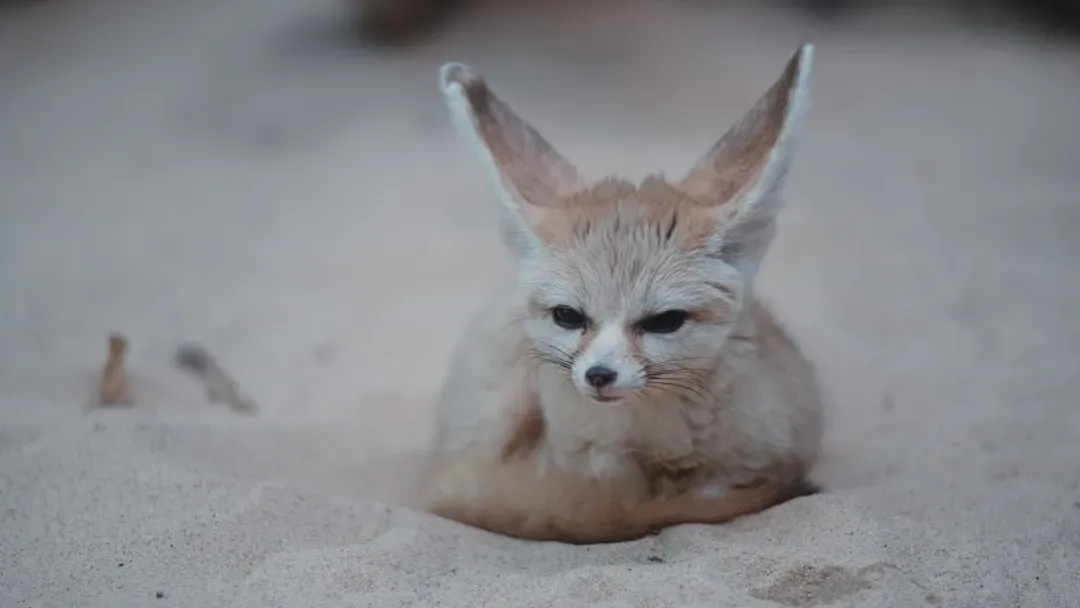
Also known as the desert fox, fennec foxes are believed to be the only carnivore in the Sahara that is able to exist without requiring a freely available water source, an adaptation that enables them to survive in these harsh habitats. That’s an extraordinary biological achievement in a landscape where water is arguably the most precious resource of all. Fennec foxes have highly specialized kidneys that are exceptionally efficient at retaining water.
They are able to go for long periods without water because their kidneys are specifically adapted to conserve water, and they can obtain moisture from the food they eat and by licking the dew that forms in their dens. That last detail, licking dew from inside their own burrows, is a quietly brilliant survival trick. It’s the kind of small, invisible behavior that makes the difference between life and death in the Sahara.
#4: Fur That Works Like an All-Season Jacket
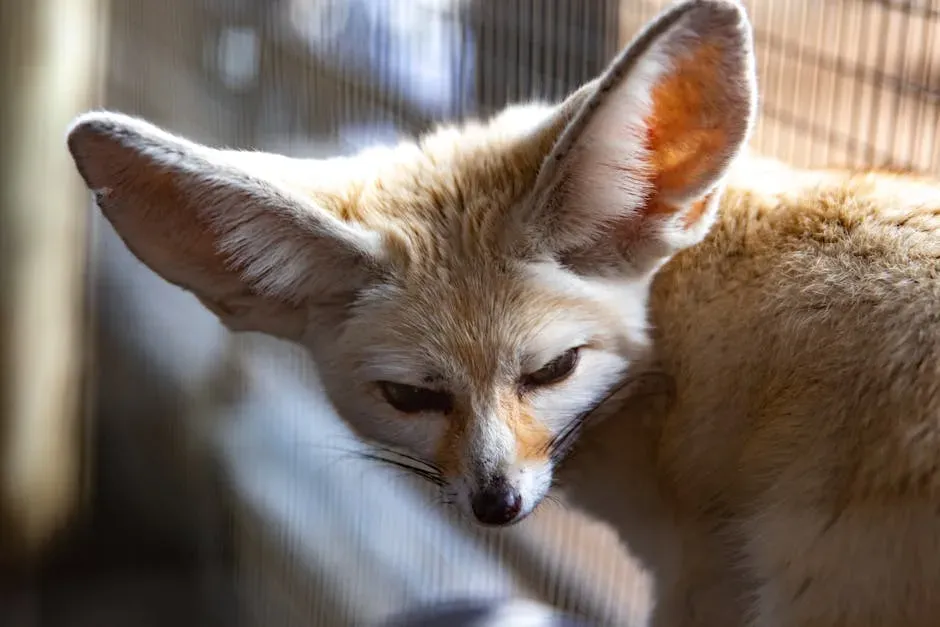
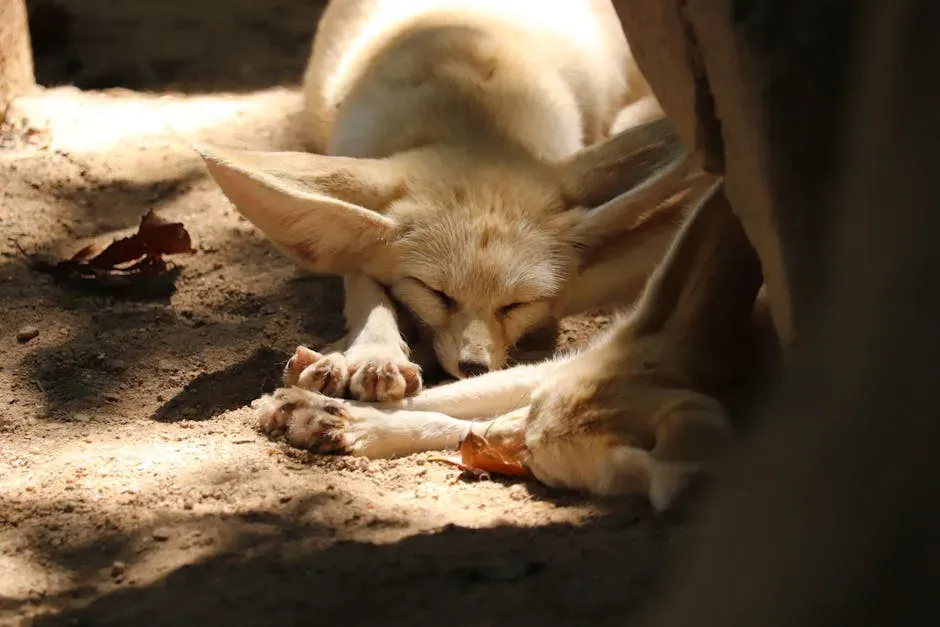
Fennec foxes have long, thick hair that insulates them during cold nights and protects them from hot sun during the day. Even the fox’s feet are hairy, which helps them perform like snowshoes and protects them from extremely hot sand. That fur-covered paw design is a genuinely clever piece of natural engineering. Dense hair acts as a buffer, shielding the skin and increasing traction while running or digging.
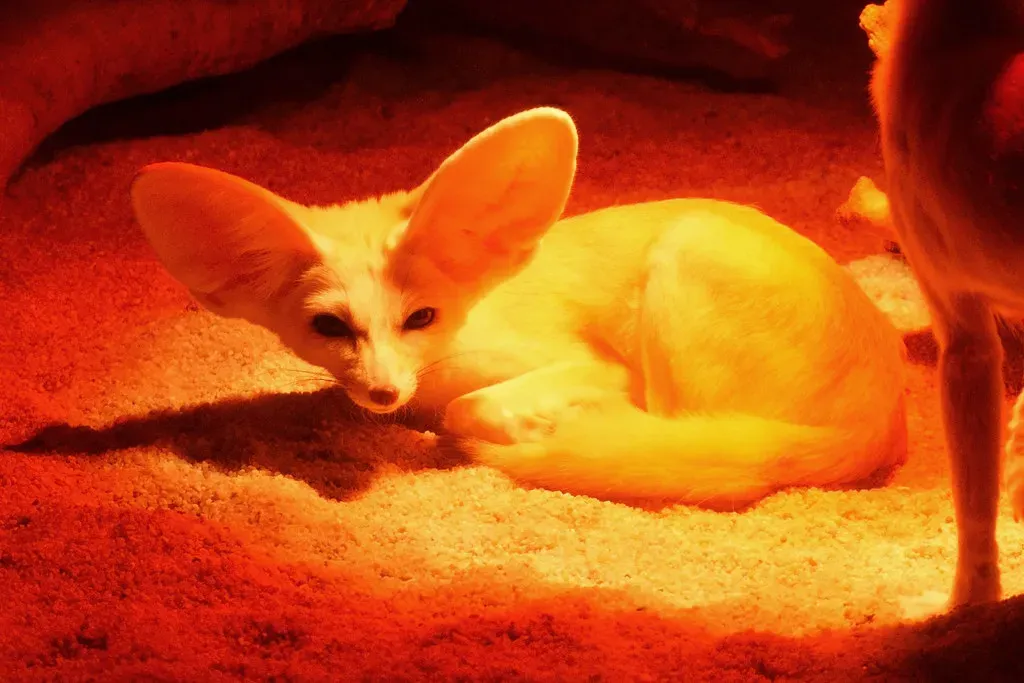
has sand-colored fur which reflects sunlight during the day and helps keep it warm at night. The coat essentially functions in both directions, keeping heat out when temperatures soar and holding warmth in when the desert night drops sharply cold. They are also the palest of all foxes, giving them excellent camouflage against the endless stretch of golden sand around them.
#5: Underground Architects of the Sahara
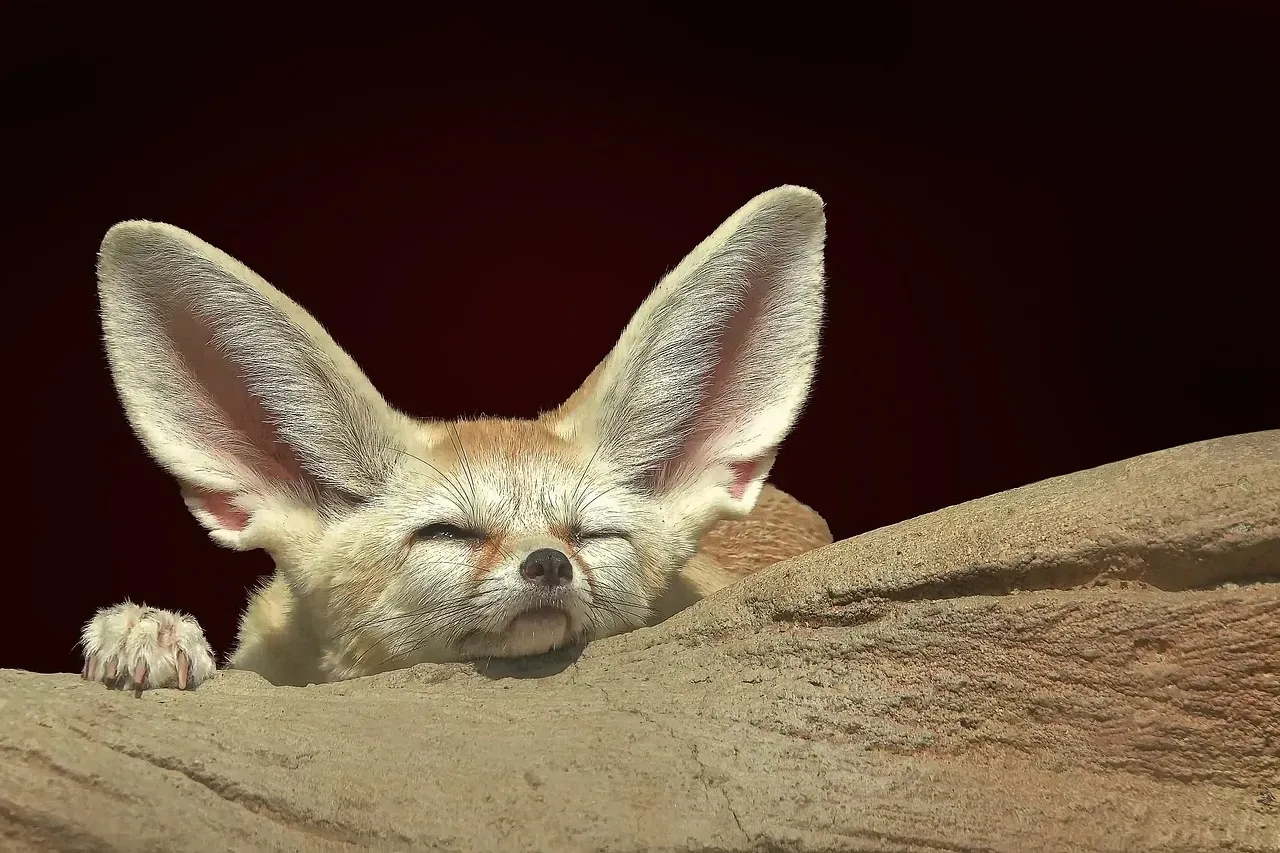
Fennec foxes will hide out in burrows during daylight to avoid the hottest portion of the day. They create the burrows themselves, often digging out a series of tunnels that can reach up to 32 feet in length. It is not uncommon for these dens to have multiple entrances and exits to provide a safe escape in the event of an outside threat. Those aren’t just holes in the ground. They’re carefully engineered shelters built for temperature regulation, safety, and family life.
Fennec families dig out burrows in the sand for habitation and protection, which can be as large as 120 square meters and adjoin the burrows of other families. That kind of communal architecture hints at something more complex than solitary desert survival. Fennec foxes often dig their burrows under stable objects like rocks or plants to prevent collapse, showing a surprising degree of structural awareness for such a small animal.
#6: Remarkably Agile Athletes in Miniature
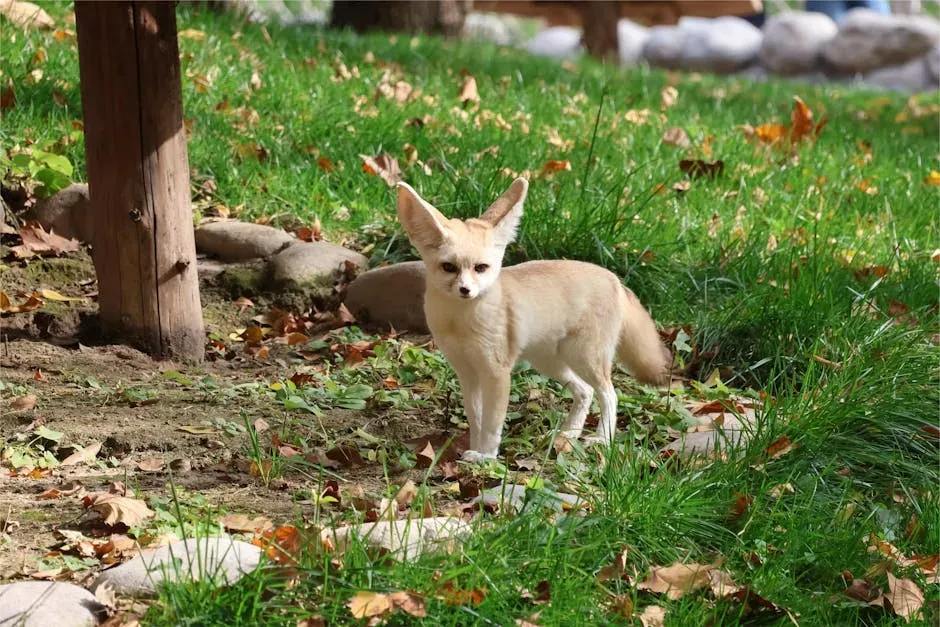
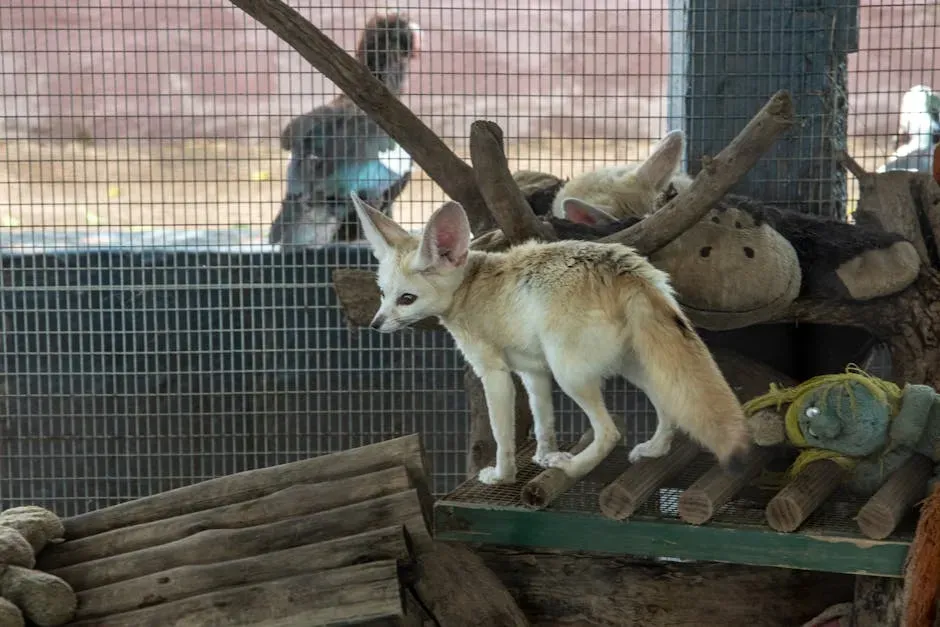
Fennec foxes have been known to jump in the air 2 feet high from a standing position, and they are able to leap a distance of 4 feet. That kind of explosive athleticism from an animal weighing roughly the same as a bag of sugar is genuinely impressive. While their legs may not be long, fennec foxes can run 20 miles per hour.
Their agility gives them an advantage when hunting prey or evading predators. Their two biggest threats are humans and eagle-owls, as they can often out-manoeuvre other land-based predators. Speed, leaping ability, and those fur-padded feet that grip the sand combine to make far more capable in a chase than its small stature would suggest. It’s a sprinter, a jumper, and a digger all in one compact body.
#7: A Surprisingly Loud and Chatty Little Fox
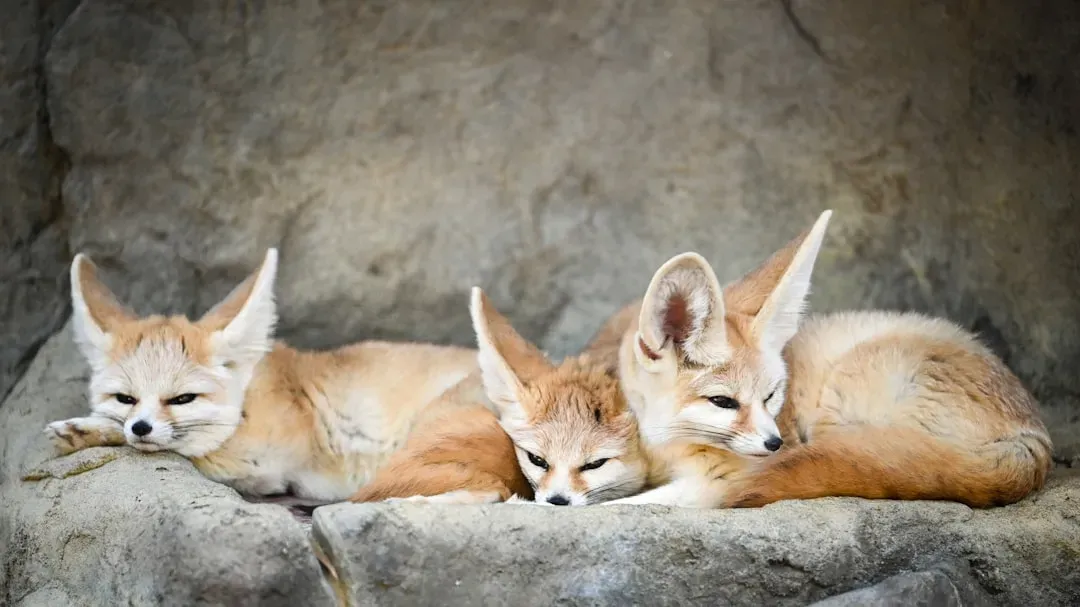
Vocalizations among fennec foxes are common, and can manifest as whimpers, barks, shrieks, squeaks, growls, howls or chatters. For such a small animal, that’s a remarkably broad emotional vocabulary. Fennec foxes use a variety of sounds to communicate, including barks, purrs, and squeaks. They have different vocalizations for danger, play, and mating.
Fennecs can even purr like a cat when content. That particular detail tends to catch people off guard. The purring, the chattering, the occasional shriek, it all points to an animal with a rich inner social life that goes far beyond what you’d expect from a creature living quietly in the middle of the Sahara. Communication, it turns out, matters just as much out there as it does anywhere else.
#8: Monogamous, Devoted, and Built for Family Life
Fennec foxes mate for life. In the animal kingdom, that kind of lifelong monogamy is relatively uncommon, and it speaks to the strength of their social bonds. Fennec foxes typically give birth to one litter of pups per year, with between two and five young in a litter. Young are born fully furred but blind; their eyes open after eight to eleven days, and they are able to walk at about two weeks. Pups usually nurse for their first ten weeks of life and become mature at nine to eleven months.
Both parents play active roles in caring for the young, with the male providing food and assisting in the protection of the den while the female nurses and nurtures the pups. As the pups grow, they gradually transition to solid food, learning essential hunting and survival skills from their parents. The father’s role here is notably hands-on. Males defend females before and during birth, and will provide food to the female until the pups are about four weeks old. It’s a genuinely cooperative family arrangement by any measure.
#9: An Opportunistic Omnivore With a Flexible Menu
Fennec foxes are opportunistic omnivores, with a diet that varies depending on seasonal availability and local resources. Their primary prey includes insects such as beetles, grasshoppers, and locusts, which they hunt using their acute senses of hearing and smell. Additionally, they consume small mammals, birds, reptiles, and eggs, supplementing their diet with fruits, roots, and vegetation when prey is scarce.
They can catch and kill prey larger than themselves; there have been documented cases of fennec foxes taking down fully grown rabbits. That’s one of those facts that genuinely shifts your perspective on this animal. It’s easy to see it as delicate and small, but fennec foxes are tenacious hunters. Some individuals were even observed to bury prey for later consumption, which suggests a level of forward-thinking behavior that’s easy to underestimate in a wild desert fox.
#10: A Cultural Icon With National Symbol Status
is the national animal of Algeria. It also serves as the nickname for the Algeria national football team, “Les Fennecs.” That kind of cultural elevation, from desert dweller to national emblem, reflects just how deeply this animal has embedded itself into the identity of the region it calls home. even appears on Algeria’s quarter-dinar coin and is considered a symbol of resourcefulness in desert cultures.
The species is also depicted in The Little Prince, the 1943 novella by Antoine de Saint-Exupéry, which follows the story of a pilot forced to make an emergency landing in the remote Sahara Desert. Its presence in literature, on currency, and in team names across North Africa tells you something important: this isn’t just a wildlife curiosity. It’s a creature that people have lived alongside, admired, and drawn meaning from for a very long time. As of 2015, is classified as of least concern on the IUCN Red List, and it is listed in CITES Appendix II and protected in Morocco, Western Sahara, Algeria, Tunisia, and Egypt.
Conclusion: Proof That Extraordinary Lives Come in Small Packages
is, in every practical sense, a masterclass in adaptation. It took one of the harshest environments on the planet and turned it into a home, not by brute force, but through elegant biological precision. Ears that cool and hunt simultaneously. Kidneys that practically reinvent water conservation. Paws that navigate scorching sand like snowshoes. A family structure built on loyalty and cooperation. Every single trait earns its place.
What strikes me most, though, is how this animal manages to be both utterly practical and almost absurdly charming at the same time. It purrs when it’s happy. It leaps four feet from a standing start. It mates for life and buries food for later. There’s a kind of quiet intelligence running through everything does, and the more you pay attention to it, the more it demands respect rather than just admiration.
In a world that increasingly treats wildlife as a backdrop, is a good reminder that the smallest creatures are often carrying the most remarkable stories. The Sahara doesn’t give up its secrets easily, and neither does the tiny fox that calls it home.


