
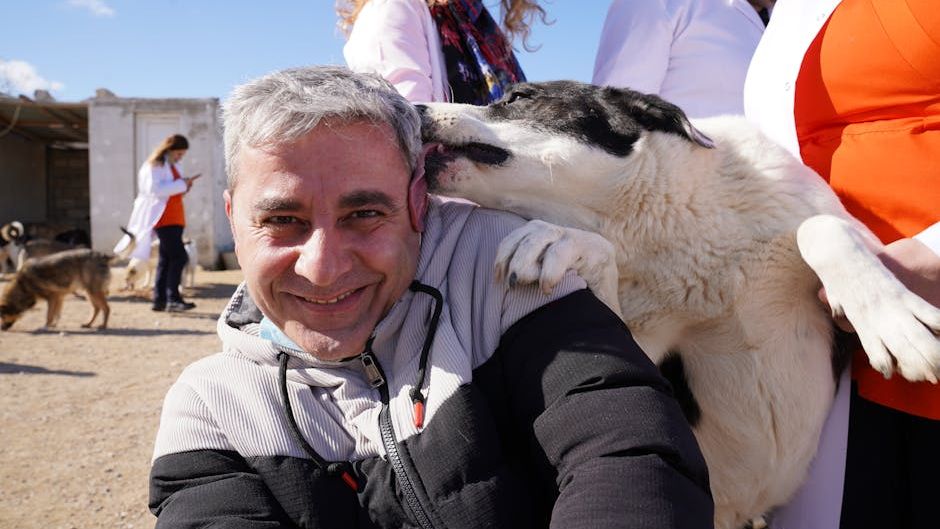
There’s something quietly heartbreaking about watching a shelter dog sit perfectly still at the front of a kennel, eyes fixed on the door, waiting. Not restless. Not barking. Just waiting. Most people who walk by assume it’s loneliness in a general sense, the loneliness of any animal in an unfamiliar place. The truth runs deeper than that.
Dogs in shelters are often separated from previous attachment figures, and that separation creates measurable stress that directly shapes how they behave. The behaviors that follow aren’t random. They’re signals. For anyone willing to read them carefully, they reveal a dog that hasn’t forgotten where it came from.
#1. They Sit at the Door or Window and Watch
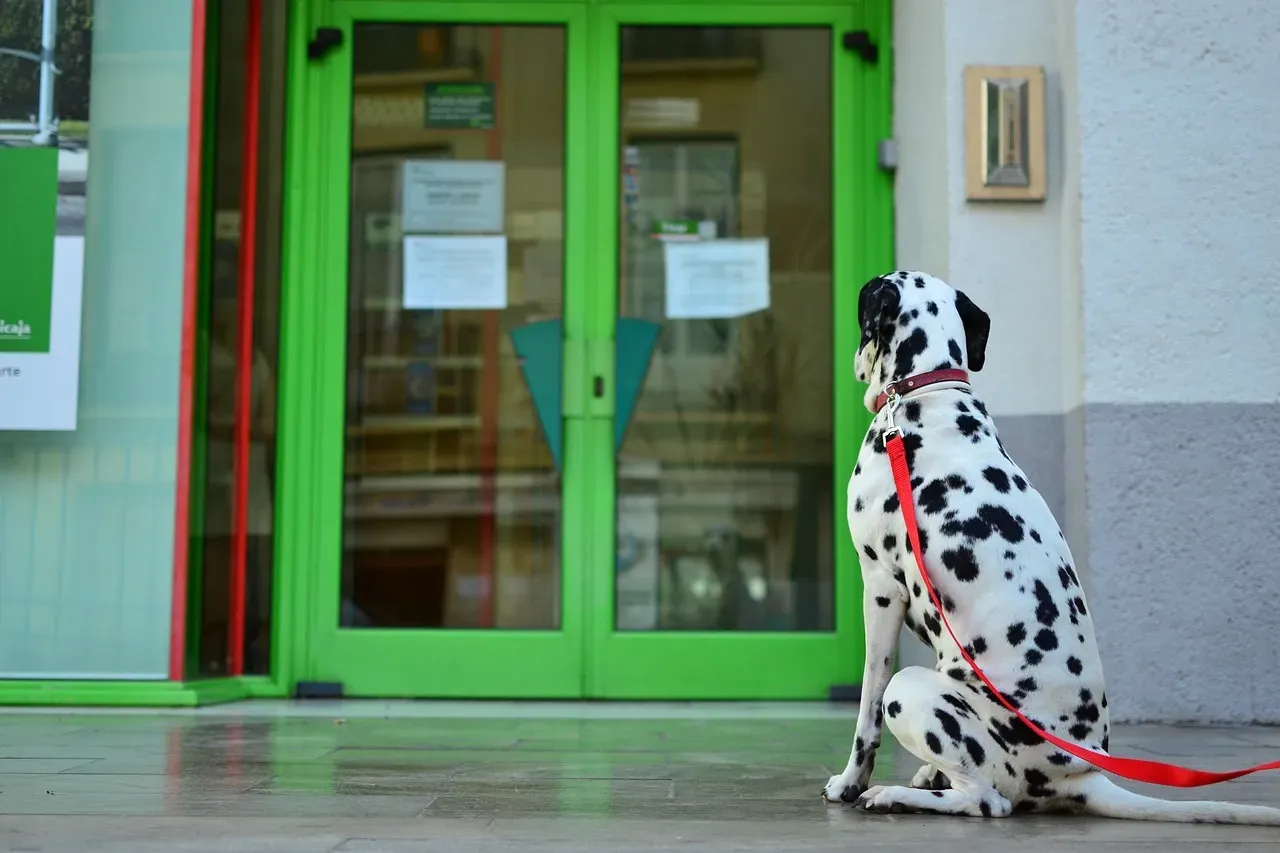
One of the most consistent and quietly telling behaviors in shelter dogs is persistent door or window watching. If a dog is constantly watching out the window, at the door, or waiting at a fence gate quietly, it’s possible they haven’t stopped believing their person might still come back. It’s not random restlessness. It’s directed, purposeful waiting.
This behavior is especially poignant because it requires no noise, no drama. The dog isn’t demanding attention. Some dogs show signs of missing their previous owners by searching around the house or near exits, trying to figure out where their old family has gone. A dog planted at a window, day after day, is doing exactly that, in the only language available to them.
#2. They Lose Interest in Food

Research has shown that a significant portion of dogs experience a decreased appetite following major loss, and some refuse to eat at all. In a shelter setting, this refusal can be misread as a medical problem or even food pickiness. Often, it’s neither. It’s grief working through a body that doesn’t know how to name what it’s feeling.
Some dogs don’t eat much, or at all, when the people they love aren’t around. They’re too preoccupied with anxiety about the absence to focus on food. Shelter staff sometimes note which dogs are “off their food” without connecting the dots to emotional loss, but the connection is real and documented. A bowl left untouched can tell you more about a dog’s inner world than almost any other sign.
#3. They Become Unusually Withdrawn or Listless

Dogs experience a range of human-like emotions when they change owners. Depression is common in dogs who have recently lost a caring owner, and a depressed dog may be unmotivated to play, may sleep at unusual times, and may show a lack of attention to their surroundings. In a shelter, this can look like a dog that simply “isn’t very interesting,” when the reality is they’re carrying something heavy.
Some dogs exhibit clear signs of depression, including withdrawal from social interactions and a lack of interest in previously enjoyed activities. Staff and volunteers who know what to look for will recognize that this kind of flatness isn’t a personality trait. It’s a response to loss. The spark just isn’t there right now, and there’s a reason for that.
#4. They Howl, Whine, or Vocalize at Night
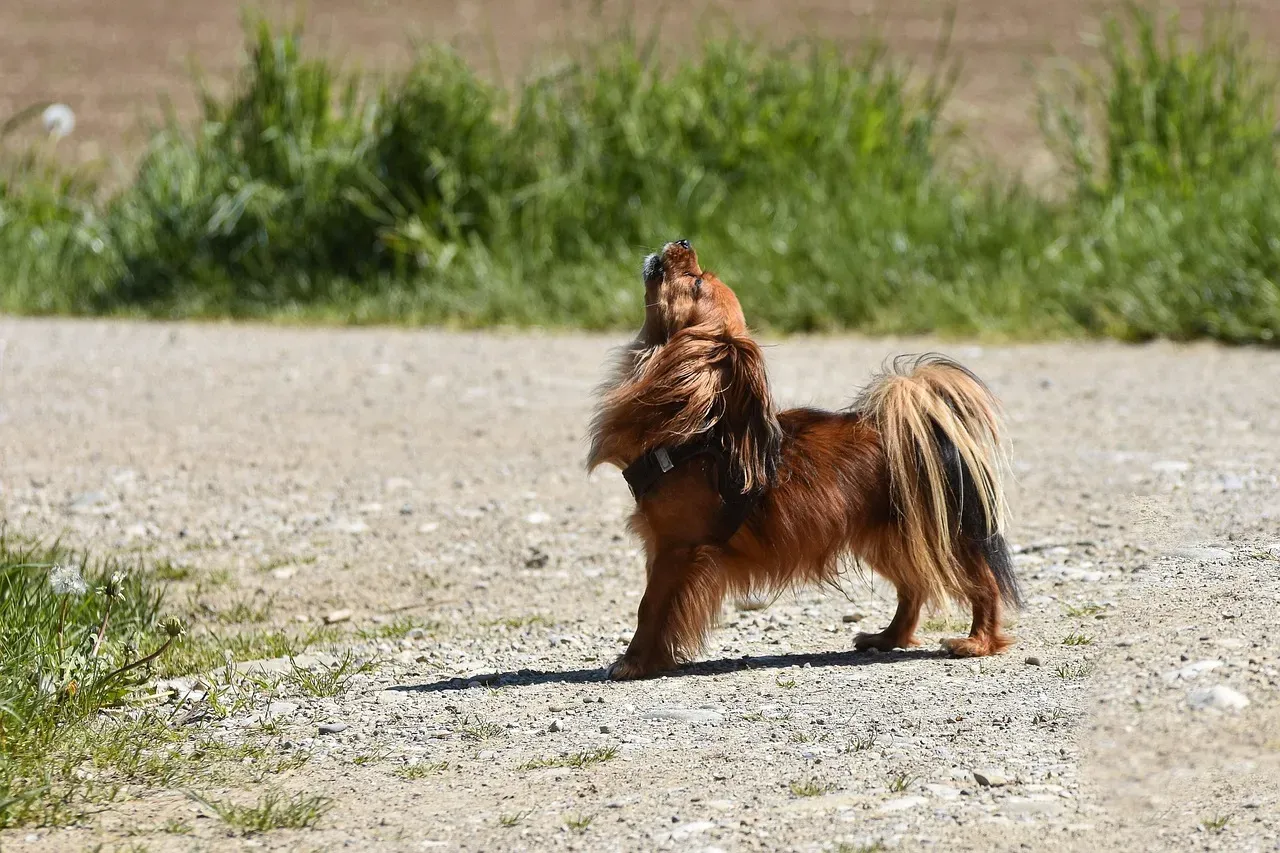
Grieving dogs may whine, howl, or vocalize more frequently than before, or at a louder volume. Some may do the opposite and become quieter than usual. The overnight vocalizations are among the most misunderstood. People tend to assume it’s simply a reaction to the shelter environment, to nearby dogs or strange sounds. Sometimes that’s true. Other times, the howling happens in the quiet hours when there’s nothing else to react to.
Dogs love their owners and would spend every minute of the day with them if they could. When their person is gone, the uncertainty, anxiety, and sadness often come out as vocalizations, as if they’re hoping their person will return sooner. That sound, drifting through a darkened shelter after midnight, isn’t just noise. It’s a call that no one who left is there to answer.
#5. They React Strongly to Familiar Sounds or Smells

While dogs might not understand the full extent of human absence, they do understand the feeling of missing a human who is no longer a part of their daily lives, because certain indicators, such as a change in routine or the absence of their owner’s sensations including sight, sound, or smell, communicate loss clearly to a dog. A car engine that sounds like the one their owner drove. A cologne drifting past the kennel. A child’s voice at a certain pitch. These things land differently on a grieving dog.
Dogs have an extraordinary sense of smell, far beyond what we can appreciate intellectually. When any family member, human or animal, dies or becomes ill or goes missing, dogs are very aware of it, and their incredible sense of smell likely makes them aware of physical and environmental changes before we are. In a shelter, a familiar scent on a visitor’s clothing can trigger a visible emotional response. The dog isn’t being dramatic. Their nose is remembering something their heart hasn’t let go of.
#6. They Pace Repetitively or Show Restless Behavior
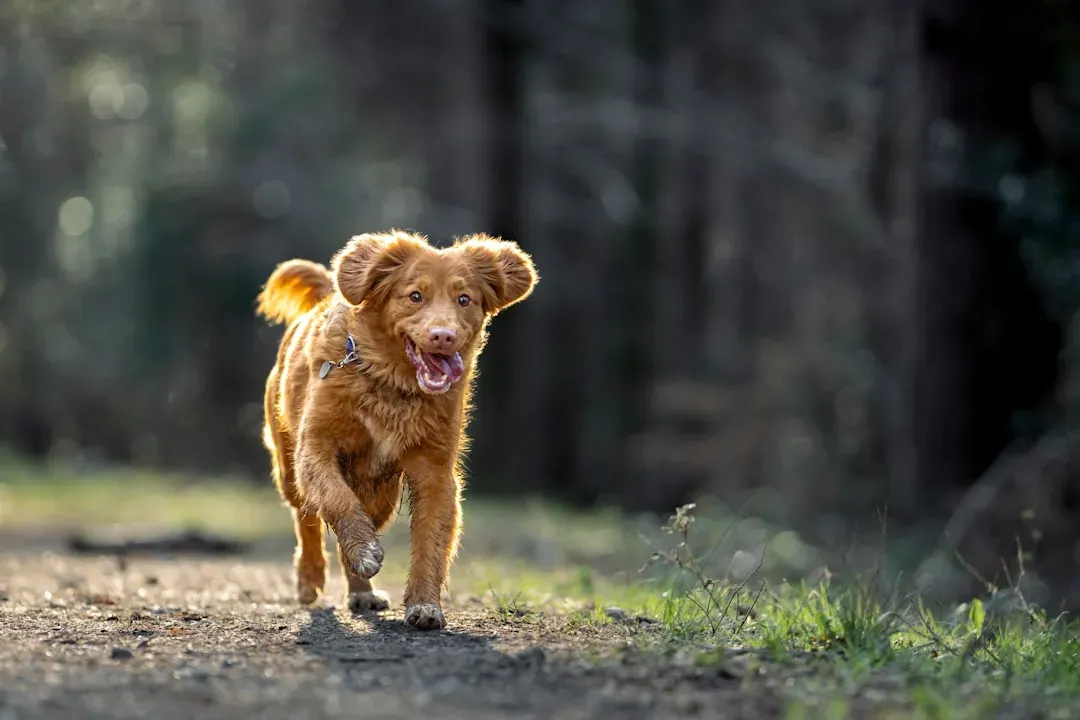
Dogs may exhibit repetitive behaviors such as pacing, spinning, or circling when struggling with loss and anxiety. In a shelter kennel, this behavior is often logged simply as “high energy,” but pacing with no play interest, no engagement with toys or visitors, follows a different pattern than a dog that’s simply bored. It’s the physical expression of a mind that can’t settle.
Confinement in a shelter environment is stressful for dogs, resulting in measurable behavioral and physiological changes. They experience a new environment with new scents, sounds, unfamiliar people, and unfamiliar animals. Layer the grief of losing a family on top of that environmental stress, and what you get is a dog in a state of near-constant low-level agitation. The pacing is where that agitation shows itself most visibly.
#7. They Show Intense Clinginess With Shelter Staff
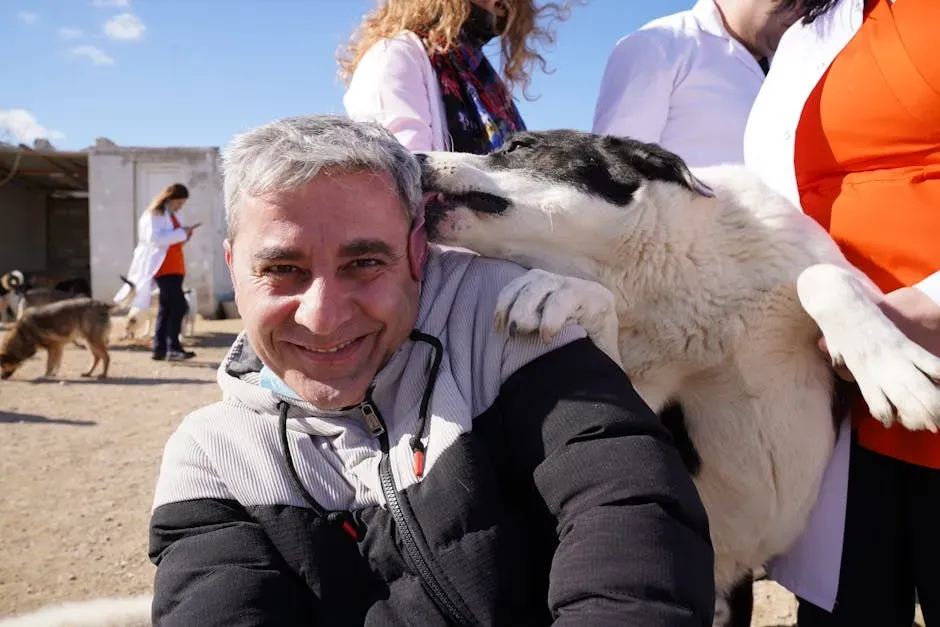
Clinginess is a natural reaction after losing a caretaker, and research has shown that a large majority of affected dogs become more clingy and needy following loss of a familiar person. In a shelter, this often plays out as a dog that attaches quickly and intensely to any staff member who shows consistent kindness. They follow that person, press against their legs, and visibly distress when that person leaves the kennel area.
Dogs that insist on clinging to someone’s side at all times may have had an unstable or broken home life, and this is especially prevalent in dogs that have been rehomed one or more times. Dogs that are extra clingy may develop signs of serious separation anxiety to the point of whining, howling, or becoming destructive. What reads as neediness is actually loyalty looking for somewhere safe to land. They found connection before, and they’re trying to find it again.
#8. They Sleep More Than Expected or Change Where They Rest

Many grieving dogs sleep more than usual, while some suffer insomnia. Some dogs change the area of the house or kennel where they typically sleep. In a shelter context, this shift in sleeping patterns can be one of the subtler tells. A dog that suddenly starts sleeping in the far corner of its kennel, away from the activity, is often doing something recognizable to anyone who has ever processed a hard loss themselves.
Sometimes a dog copes with sadness by ignoring people and preferring to mope alone. Another common behavior when a dog is grieving is sleeping on or near personal possessions, either to get close to a familiar scent, or because some part of them still associates those objects with the person they love. In a shelter, they have no possessions to curl up with, which may be why some of them sleep facing the wall, turned away from the world that has, for now, turned away from them.
#9. They Develop Separation Anxiety With New People Too
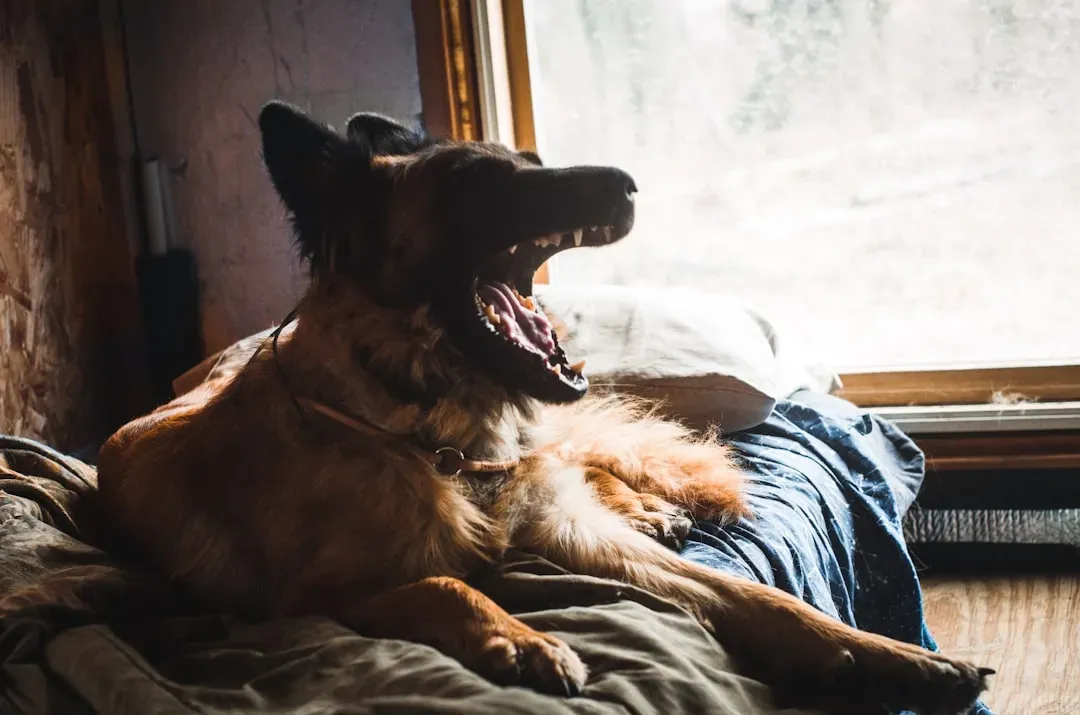
There is no conclusive evidence showing exactly why dogs develop separation anxiety, but far more dogs who have been adopted from shelters have this problem than those kept by a single family since puppyhood. It is widely believed that loss of an important person or group of people in a dog’s life can lead to separation anxiety. So when a newly adopted shelter dog panics every time their new owner walks out of a room, it’s worth understanding that this isn’t a quirk. It’s a learned fear rooted in real abandonment.
Studies have shown that dogs with separation anxiety have likely experienced significant changes in their circumstances. Whether losing their home through surrender or divorce, or experiencing a dramatic upheaval in routine, a dog’s emotional reaction can range from mild distress to severe attempts to escape through doors, walls, or windows. The intensity of the response tends to reflect the depth of what was lost. A dog that truly bonded with its old family will make that loss known in every possible way.
#10. They Take Weeks or Months to Fully Decompress

Research looking at the behavior of rehomed dogs over six months found that while many dogs exhibited signs of stress and confusion immediately after rehoming, most adapted to their new environment within a few weeks. However, dogs that had particularly strong bonds with their previous owners took longer to adjust and showed lingering signs of sadness, such as searching for their previous owners or remaining withdrawn. This timeline matters. A dog that seems “off” at week three isn’t broken. It’s grieving on its own schedule.
Veterinarians and shelter professionals often refer to the early post-adoption phase as the “honeymoon period,” a time of dynamic behavior changes. During times of stress and transition, a full picture of a dog’s behavior is not typically apparent until they are fully acclimated and comfortable in their new environment, which may be weeks or months after adoption. Some shelters call it “decompression time.” The dogs themselves might call it something closer to mourning, if they could put a word to it.
The Takeaway: They Remember More Than We Assume
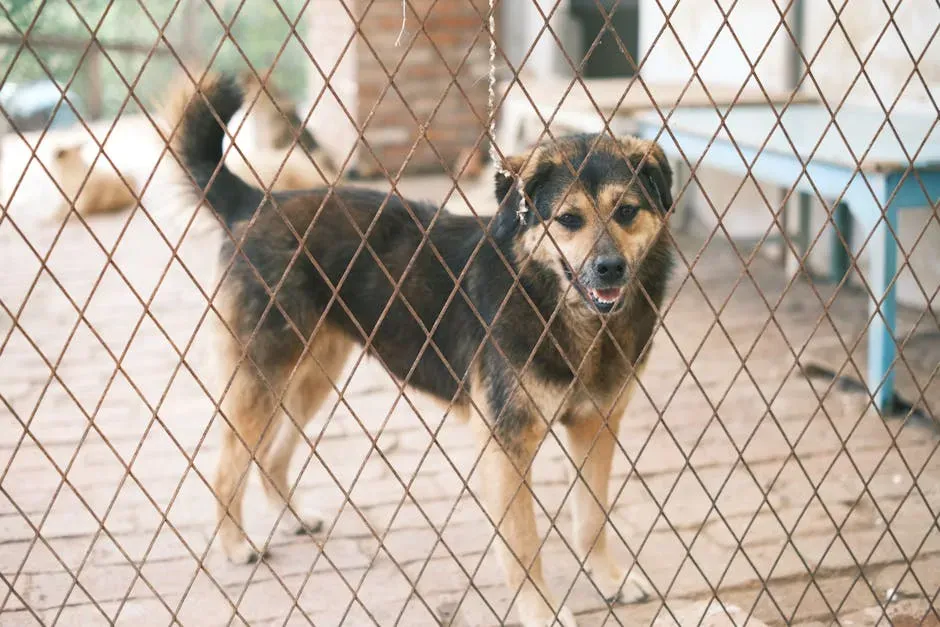
Most dogs do not simply forget about their previous owners when adopted by new ones, at least not immediately. The longer a dog lives with someone, the more attached they tend to become. That attachment doesn’t dissolve the moment a leash changes hands. It lingers, quietly, in every behavior on this list.
Some dogs in shelters will struggle to ever fully adapt or accept the fact that their life with their previous owner is gone. Others can adapt and move forward at a remarkable pace. The difference often comes down to patience, consistency, and someone willing to understand what these behaviors are actually saying rather than simply trying to correct them.
Here’s where I’ll be direct: the behaviors above are not problems to be fixed quickly. They’re the honest expressions of an animal that loved someone and doesn’t yet understand why that person is gone. Every shelter dog that paces at 2 a.m., or pushes food away, or presses against a volunteer’s legs a little too hard, is making a quiet case for why they deserved better and why they still deserve a chance. The least we can do is learn to read what they’re telling us, and take it seriously.


