

There’s a particular kind of silence that settles into a home when no one else is there. No voices, no footsteps, no one to notice if you didn’t get off the couch. For millions of people, that silence has become a daily reality. Loneliness is associated with many health threats and is a particularly significant contributor to mortality and morbidity. The scale of it is startling, and yet the remedy sometimes has four legs, a cold nose, and absolutely no awareness of how much it matters.
Dogs don’t fix loneliness with grand gestures. They do it in small, unremarkable moments, repeated day after day, until those moments quietly add up to something that looks a lot like healing. What follows might surprise you, not because it’s dramatic, but because it’s so ordinary.
#1. They Trigger a Chemistry of Connection

Something measurable happens in the body the moment a person interacts warmly with a dog. Interacting with a dog increases oxytocin, a bonding hormone linked to calm and well-being, and lowers cortisol, the body’s primary stress hormone, in owners within an hour of contact. These aren’t vague feel-good effects. They show up in blood work and hormone panels.
Oxytocin promotes feelings of trust, bonding, and relaxation, which helps explain why petting a dog can feel genuinely calming rather than just pleasant. The presence of animals also triggers increased production of dopamine and serotonin, two neurotransmitters responsible for pleasure and mood stabilization. That internal shift happens whether someone consciously seeks it out or not. The body simply responds, and loneliness loses some of its grip.
#2. They Offer a Presence That Doesn’t Judge

Pets have evolved to become acutely attuned to humans and our behavior and emotions. Dogs, for example, are able to understand many of the words we use, but they’re even better at interpreting our tone of voice, body language, and gestures. That attunement is rare. Most humans, even well-meaning ones, bring their own noise to a conversation.
Dogs never judge or criticize; they simply offer pure companionship. This type of relationship allows you to feel valued and appreciated. The trust built through this bond reinforces feelings of security. Knowing that your pet loves you unconditionally provides a sense of stability. For someone who has spent months feeling invisible, that kind of uncomplicated acceptance can land with surprising weight.
#3. They Create a Reason to Get Up

Taking care of a dog instills structure, responsibility, and purpose in daily life. This is particularly beneficial for individuals facing mental health challenges, grief, or major transitions. When there’s nothing else demanding your attention, the dog’s morning hunger is non-negotiable. It gets you vertical. It gets you moving.
Many individuals credit their dogs with giving them a reason to get up in the morning, reinforcing a sense of purpose and meaning in life. That might sound small, but for anyone who has experienced a period of deep isolation, the value of a consistent, external pull toward the day cannot be overstated. Purpose doesn’t always arrive in grand forms. Sometimes it wears a collar.
#4. They Build a Daily Structure That Steadies the Mind

Pets introduce routine and predictability into daily life. Feeding, walking, and grooming a pet establish consistent schedules, which can be especially beneficial for individuals managing anxiety or depression. This routine fosters a sense of stability and purpose. Structure, it turns out, is one of the quietest antidotes to the chaos that loneliness can produce.
Caring for a dog introduces structure and routine into your daily life. Feeding schedules, exercise times, and regular grooming require commitment and responsibility. This routine can provide a sense of purpose and accomplishment, which is particularly beneficial for individuals struggling with mental health issues. Having a consistent daily schedule can also improve time management skills and reduce feelings of chaos or unpredictability, leading to enhanced emotional stability and peace of mind.
#5. They Get You Outside and Moving

Dogs are consistently linked to greater physical activity and more social interaction. Walking a dog gets you outside, moving, and encountering other people, all of which independently improve mood. Each of those three elements, movement, fresh air, and human proximity, carries its own emotional benefit. The dog simply stacks them together into one daily outing.
Beyond movement, time outdoors with pets also exposes owners to fresh air and natural light, both of which support immune function and regulate circadian rhythms. Poor sleep and disrupted body clocks are closely tied to depressive episodes. A morning walk with a dog, especially one that gets you into daylight early, does quiet regulatory work that most people never consciously connect to their mood.
#6. They Act as Social Bridges Between Strangers

Living with a pet, particularly a dog, creates natural opportunities for social interaction and can significantly reduce feelings of loneliness. This happens organically, without effort or intention. A dog on a leash is essentially a conversation starter that never runs out of material. People who would walk past each other in silence will stop to ask a dog’s name.
Prior research has shown that dogs help reduce stress levels in humans, and dogs tend to be natural icebreakers in social settings. Having pets creates communities, whether through dog parks, pet training classes, or online forums. Studies have found that these pet-facilitated social connections can help buffer against the negative impacts of loneliness and social isolation. The connections formed this way may be light and occasional, but they break the invisible wall that isolation builds around a person.
#7. They Deliver the Healing Power of Touch

Touch is a basic human need, vital for development, comfort, and emotional security. Sadly, many people live with touch deprivation, whether due to social isolation, cultural norms, or personal circumstances. Pets offer a gentle solution. Petting a dog, stroking a cat, or holding a small animal provides tactile stimulation that releases oxytocin and reduces cortisol. This soothing effect lowers blood pressure, eases pain perception, and fosters feelings of safety.
One of the reasons for these therapeutic effects is that pets fulfill the basic human need for touch. Even hardened criminals in prison show long-term changes in their behavior after interacting with pets, many of them experiencing mutual affection for the first time. Stroking, hugging, or otherwise touching a loving animal can rapidly calm and soothe you when you’re stressed or anxious. The science of touch is clear. We need it to feel whole, and dogs provide it freely and without complication.
#8. They Have a Clinically Proven Impact on Loneliness
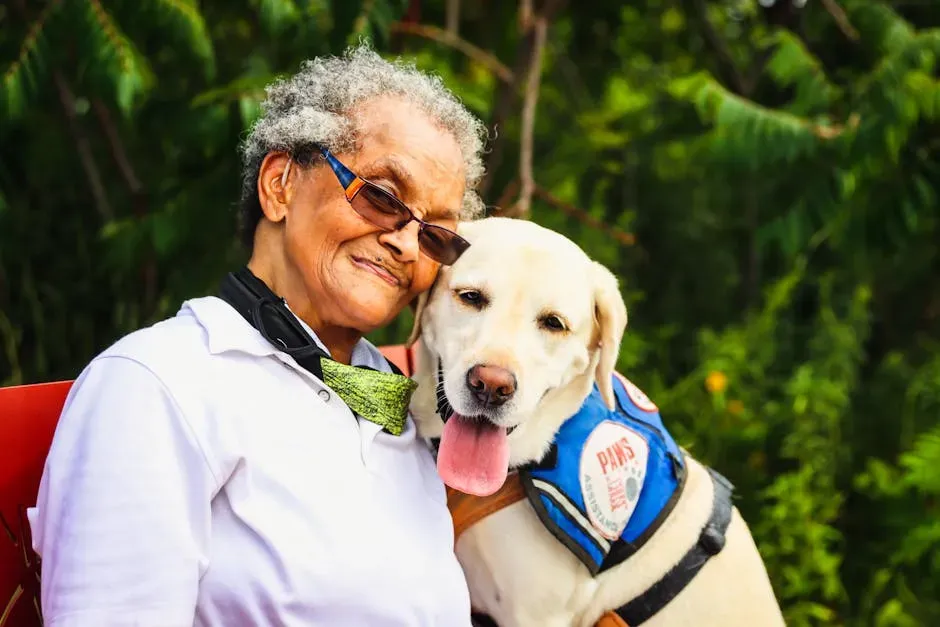
The Human Animal Bond Research Institute and Pet Partners announced results of a randomized clinical trial indicating that the presence of a therapy dog contributes to greater immediate improvement in loneliness for psychiatric inpatients than visits from another person, or standard care alone. This is not anecdote. It is controlled, peer-reviewed science.
Loneliness was found to decrease significantly more in the group that received an animal-assisted intervention than in the other groups. Patients who were dog owners in the AAI group also experienced more lasting reductions in loneliness relative to the other two groups, who experienced only short-term reductions in loneliness, suggesting that dog visitation, not just human visitation, is especially helpful for this population. That finding is striking. A human visitor helped briefly. The dog’s presence helped longer.
#9. They Support People With Serious Mental Health Conditions

Research has found that pets can provide benefits over time to people with a diagnosis of a long-term mental health challenge. Pets offered emotional and social support, helping them develop a sense of security, routine, and stability in times of need. For someone managing depression, anxiety, or PTSD, the consistency of an animal’s affection can serve as a stabilizing thread on the worst days.
Psychiatric service dogs have been shown to be beneficial for veterans with post-traumatic stress disorder. These specially trained companions provide environmental awareness, emotional calming, and intervention during panic attacks or nightmares. Studies show that veterans paired with service dogs experience improved sleep, stronger family connections, smoother reintegration into communities, and even higher employment rates. The ripple effects of that relationship extend far beyond the animal itself.
#10. They Reduce the Risk of Depression Taking Hold

Pets, especially dogs and cats, can reduce stress, anxiety, and depression, ease loneliness, encourage exercise and playfulness, and even improve your cardiovascular health. The combination of those effects working together is significant. No single factor explains the whole picture, but together they create conditions in which depression struggles to take root.
A meta-analysis of interventions for older adults found that dog-assisted therapy produced a moderate effect on reducing depressive symptoms. Older dog owners describe their pets as providing a daily sense of purpose. People recovering from psychiatric episodes cite companionship and reinforced self-worth as the primary benefits of having a pet at home. Self-worth, nurtured daily by a creature that simply wants to be near you, is quietly powerful medicine.
#11. They Keep the Cardiovascular System Calmer

In cardiovascular studies, dog owners showed lower blood pressure and heart rate during stressful tasks when their pets were nearby compared to when they were alone or even with a close friend. That last part is worth sitting with. The dog’s calming effect on the heart exceeded even that of a trusted human companion during moments of stress.
One of the most well-documented benefits of pet ownership lies in cardiovascular health. Studies show that dog owners, in particular, often have lower blood pressure and cholesterol levels compared to non-owners. Chronic loneliness puts sustained pressure on the heart and circulatory system. Dogs, through their calming presence and the physical activity they encourage, work on both the emotional and physiological sides of that equation.
#12. They Mirror Your Emotions Back With Gentleness

Dogs are skilled at socializing with humans, sensitive to our emotional states and gestures, and can communicate using complex cues while forming complex attachment relationships with humans. That sensitivity is not incidental to the bond. It is at the core of it. Dogs notice when something has shifted. They respond without being asked.
When humans interact with a dog in a calm way, stroking the dog and making eye contact, or even talking to the dog, both species release oxytocin, and cortisol levels drop. Additionally, blood pressure and muscle tension lower, and mood elevates. When you combine these responses together, it indicates the interactions are relaxing and enjoyable, which helps to reduce a person’s overall experience of loneliness. That two-way exchange is what makes the bond feel less like companionship and more like being genuinely understood.
Final Thoughts: The Bond That Holds People Together

There’s something worth naming plainly here. Loneliness is considered as harmful as smoking 15 cigarettes a day and may be a greater public health threat than obesity. We tend to treat it as an emotional inconvenience rather than the serious health condition it is. Dogs, without any knowledge of the research, have been closing that gap for humans for tens of thousands of years.
According to HABRI data, the vast majority of pet owners report mental health benefits from pet ownership, and the majority say their pet makes them feel less lonely. That tracks with what the science increasingly confirms. It also tracks with what anyone who has ever come home to a wagging tail already knows in a way that no study could fully capture.
Dogs don’t heal loneliness by filling the room with noise or distraction. They do it by being reliably, stubbornly present. In a world where attention is fragmented and connection can feel conditional, that kind of steady, wordless company turns out to be exactly what the human heart needs most. The healing was never loud. That was always the point.


