

There are few things in life as quietly heartbreaking as watching a beloved dog begin to pull away. One day they’re at your feet, the next they’ve retreated to a corner you didn’t even know they favored. For countless dog owners, this withdrawal feels like a small betrayal, an inexplicable distance that opens up at the very moment you want to be closest.
The truth behind this behavior sits somewhere between ancient instinct and modern misunderstanding. From patterns of strange behavior, a myth arose that dogs approaching the end of their life prefer to be alone as they seek out a quiet, solitary, peaceful place to die. Whether that myth carries real truth, or whether something far more complex is at work, is worth understanding before it happens to your own dog.
#1. The Ancient Pack Instinct That Never Fully Left
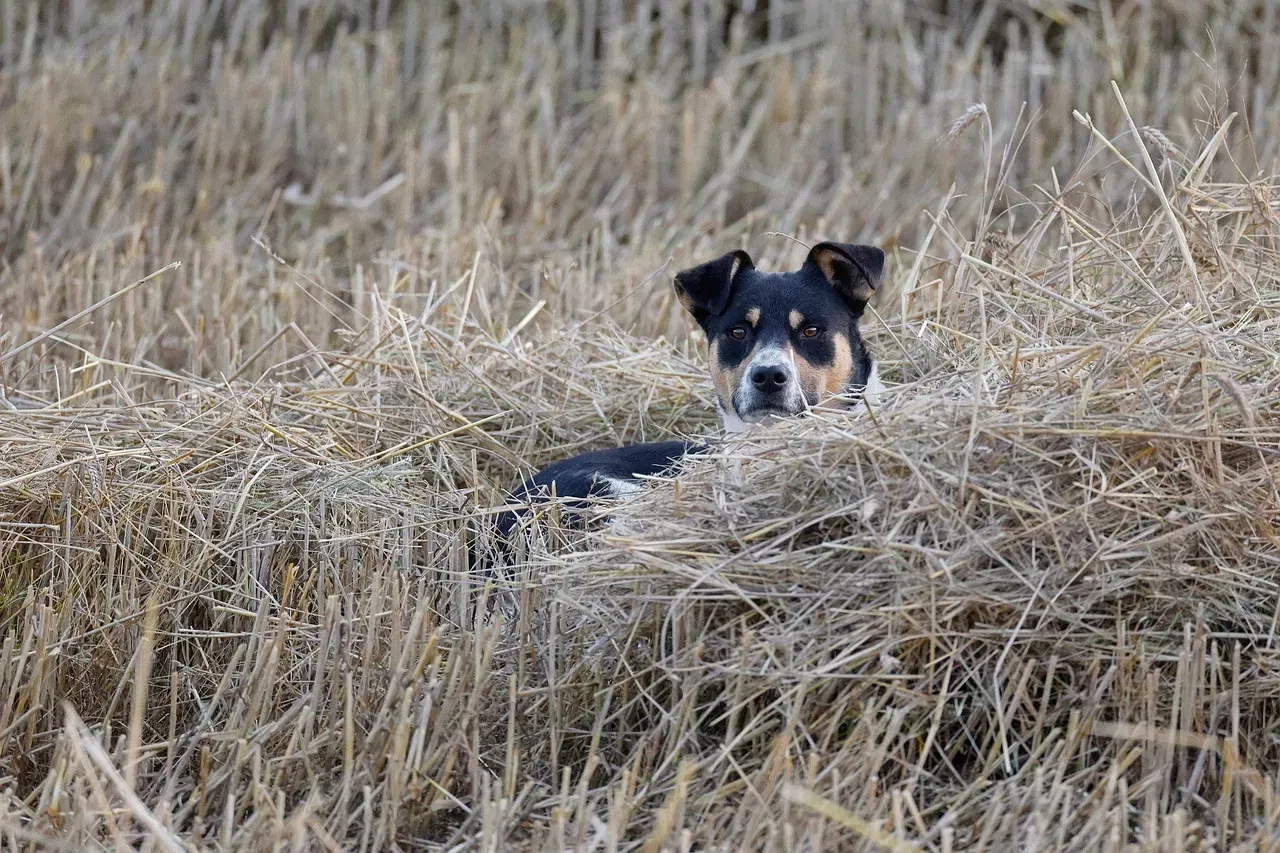
Dogs have been domesticated for thousands of years, but certain wiring runs far deeper than any training or relationship can rewire. Even after domestication, dogs retain many behaviors from their wild ancestors, including the instinct to find a safe haven when feeling unwell or vulnerable, with denning behavior deeply ingrained. That pull toward a hidden, enclosed space isn’t random. It’s ancestral.
Wild canines, like wolves, often distance themselves from the pack when sick or injured to avoid attracting predators, and domestic dogs may retain this survival instinct even when they live in a safe home. Think about what that means for a dog who has never faced a predator a single day in his life. The threat isn’t real, but the instinct doesn’t know that.
In the wild, a weak or dying animal could attract predators, endangering the pack, and removal from the group would theoretically protect others. The perceived benefit, therefore, is the preservation of the pack’s safety. It’s a selfless biological script, written long before dogs ever curled up on a couch.
#2. Pain and Discomfort Drive the Retreat
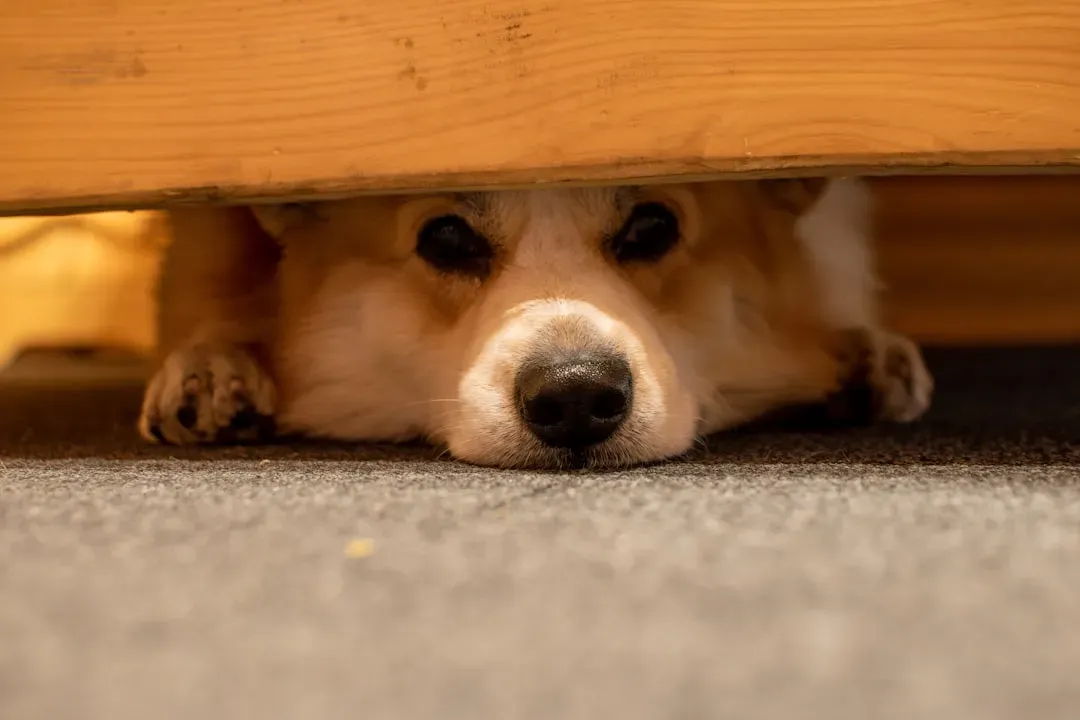
Instinct doesn’t always work alone. A great deal of what looks like a conscious choice to be alone is actually the body’s raw response to pain. Instinct can intertwine with physical discomfort, as pain can trigger a withdrawal response, leading a dog to isolate itself from external stimuli, instinctively seeking a quiet and dark location to minimize sensory input and potential aggravation of pain.
Pain research indicates canines instinctively seek enclosed spaces when hurting, likely for protection, and these findings suggest hiding is a hardwired response to vulnerability. So when your dog crawls under the bed or disappears into a dark corner, he’s not giving up on you. He’s doing what his body is telling him to do.
When dogs feel weak and vulnerable, they may seek a safe and secluded space to avoid potential threats, and hiding can also be a way for them to conserve energy and reduce stress in their final hours. Pain management matters enormously during this stage, and your vet can help make that process more humane.
#3. Cognitive Decline and Confusion Play a Bigger Role Than Most Realize
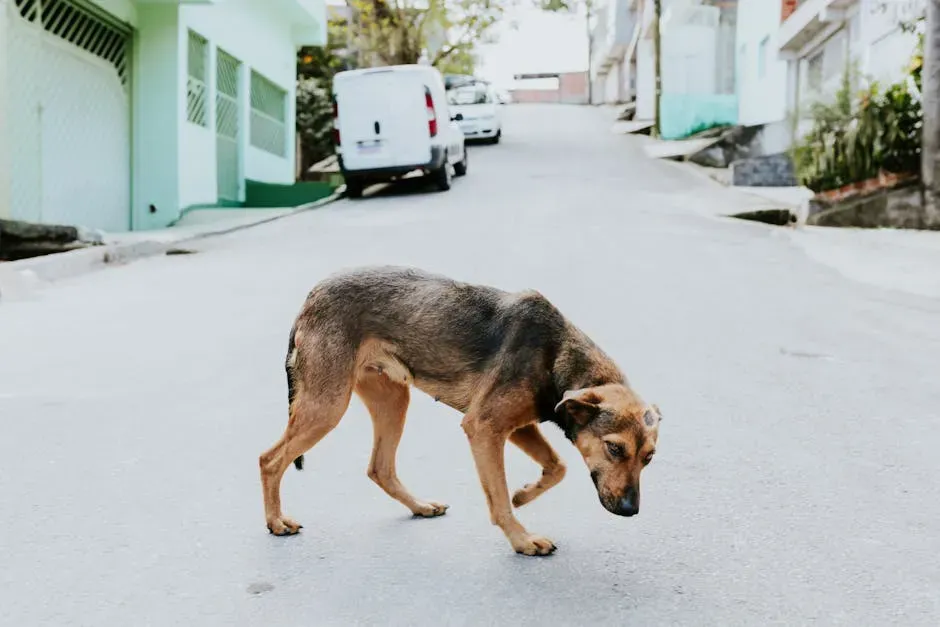
Not every dog who wanders away is following a primal script. Sometimes, what looks like intentional solitude is really something far sadder: disorientation. Veterinarians and researchers attribute the strange behaviors of elderly dogs, including wandering off and disappearing, to age-related cognitive dysfunction and physical decline, and when a dog wanders off, it is more likely that they become confused, scared, or stuck in a situation they cannot get out of.
Cognitive dysfunction is common in older dogs and tends to present in a way similar to Alzheimer’s disease in a human. All of these impaired abilities can make it easier for a dog to become lost, confused, and scared. That’s a significant detail that tends to get lost when people romanticize the idea of a dog “choosing” to wander off peacefully.
If an elder dog has had declining health with problems such as blindness, deafness, poor coordination, or neurological impairments like stroke, it’s possible the dog might wander off, and if easily fatigued, it might be too hard to find the way home. The dog could find a spot nearby to hide and protect itself as best it can. The distinction between intention and confusion is important, especially if your dog goes missing.
#4. The Myth of Sparing Grief vs. What the Science Actually Says
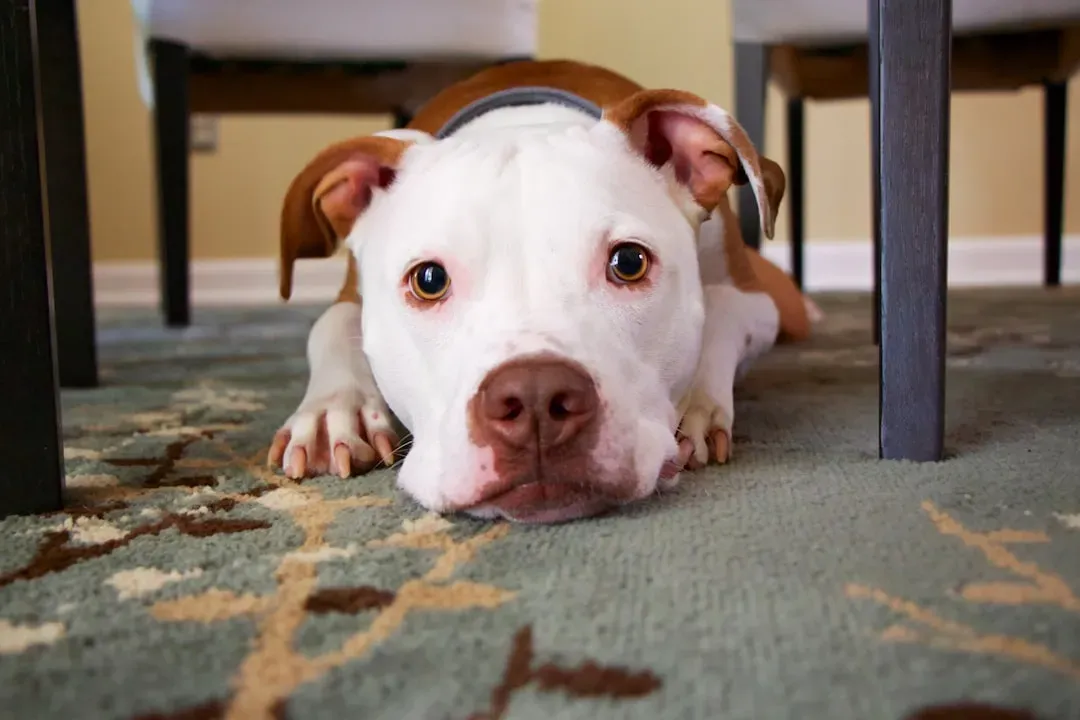
One of the most deeply held beliefs among dog owners is that their dog wanders away to spare them the pain of watching. It’s a comforting thought. Some suggest that dogs intuitively know when they are going to die and leave their owners to spare them grief. But science asks for more than a beautiful story.
Whether observed behavior is truly driven by a conscious understanding of impending death, or rather a combination of pain, disorientation, and instinct, requires closer examination. The honest answer is that we simply don’t know for certain. Knowing whether dogs run away to die is tricky, and it’s something that veterinarians and owners can’t agree on, with no clear answer due to a lack of research or plain evidence aside from anecdotal accounts.
The interplay of instinctive drives, including self-preservation, hiding weakness, rooted behaviors, and pain-driven isolation, suggests that a dog’s inclination to isolate when nearing death may not be a conscious decision but rather a cascade of instinctive reactions triggered by declining health. That framing is less poetic, but it’s probably closer to the truth.
#5. What You Can Actually Do When Your Dog Pulls Away

Knowing the “why” is one thing. Knowing how to respond is another, and this is where many owners feel most helpless. The thing to consider when you have a sick or old dog is suffering. If a dog goes off to hide, it might take hours or even days to die, and while it may be natural and a defense mechanism, there is great potential for suffering.
Creating a comfortable environment matters: ensuring that the hiding spot is comfortable, safe, and accessible, with soft bedding and a clean, quiet area. If a pet prefers to hide in a specific place, make sure it’s easy to access and leave as needed. You can honor their instinct without leaving them entirely alone in their discomfort.
If a dog hides at the end of its life, it’s not because it didn’t love you or consider you its best friend. Even if you would have given every comfort at the end, the dog was just following an instinct to hide for protection. Keeping that in mind can help ease the guilt that so many owners carry long after their dog is gone. Working closely with your veterinarian matters here, as they know your pet’s medical history, and together you can identify signs that a companion’s quality of life may be declining.
Conclusion
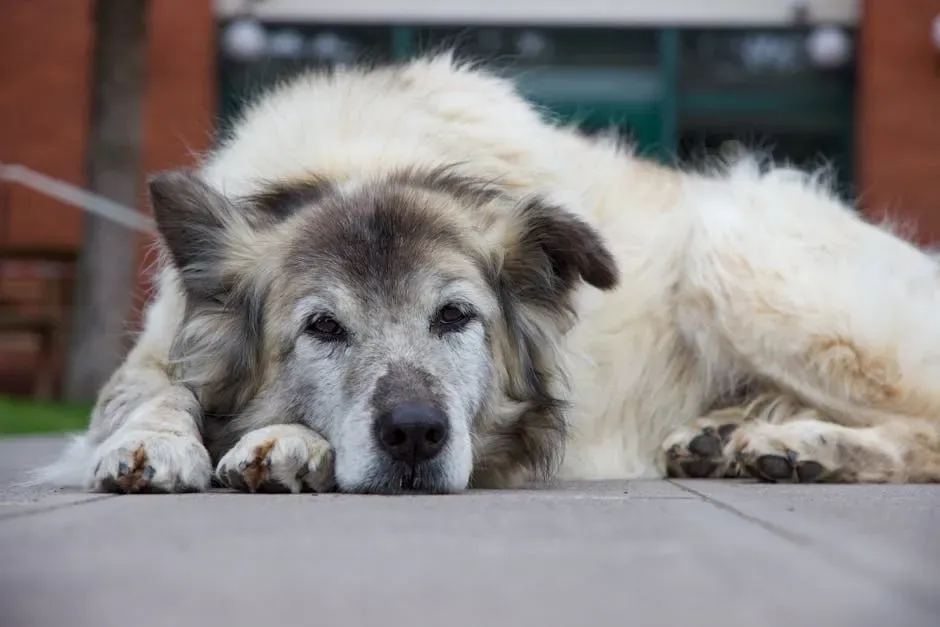
This is one of those topics that sits uncomfortably at the intersection of science, instinct, and grief. The reality is that there’s no single, clean answer to , and honestly, that’s okay. What we do know is this: the behavior is real, it’s documented, and it’s almost certainly not personal.
The romanticized version, the dog peacefully walking into the woods on its own terms, is partially true and partially a story we tell ourselves because we love our dogs and need it to make sense. The more grounded truth is that pain, confusion, ancient pack instinct, and cognitive decline are all tangled together in those final days. That doesn’t make it less moving. If anything, it makes it more.
What matters most, in the end, is staying present, staying watchful, and working with your vet rather than waiting for your dog to give you a clear sign. It’s mystifying how some dogs want to be alone while others want you to be with them, and there doesn’t seem to be any clear reason why a dog would pick one over the other. It could be instinctual or a personality trait. We will never truly know. That uncertainty is hard to hold, but it’s also deeply honest. Your dog spent its whole life showing up for you. The least we can do is show up too, even if it means giving them the quiet they seem to need.


