
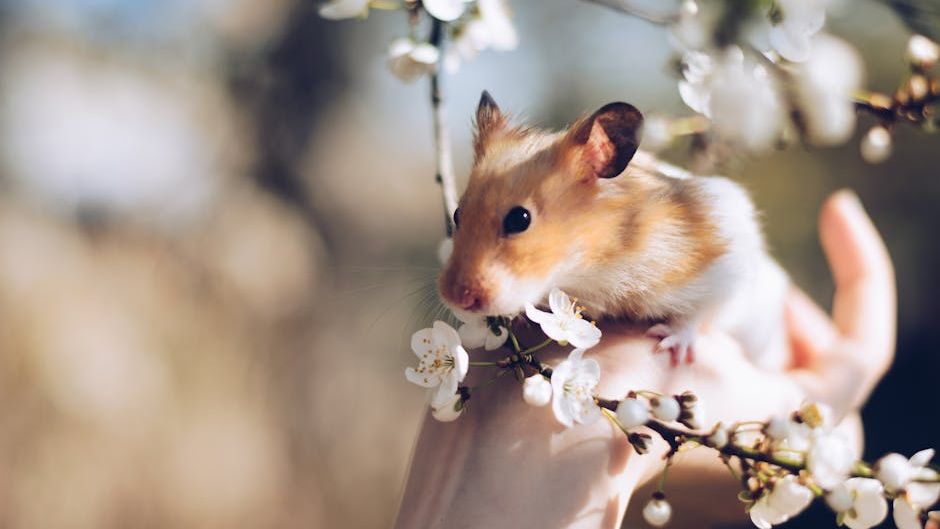
Most people don’t expect a lot from a hamster. You set up the cage, fill the food bowl, watch the little creature spin on its wheel at midnight, and figure that’s roughly the extent of the relationship. The hamster goes about its business; you go about yours. But anyone who has spent real time with one of these small animals knows there’s something more happening beneath all that fluff and frantic energy.
There are a lot of misconceptions about how hamsters relate to their owners and other humans, but hamsters can actually bond with and show affection to the people that they like. The catch is that their version of affection doesn’t look anything like a dog’s tail wag or a cat’s slow blink. It’s quieter, more measured, and honestly more earned. Once you know what to look for, those small signals start to feel surprisingly meaningful.
#1 They Learn Your Scent Before They Learn Anything Else
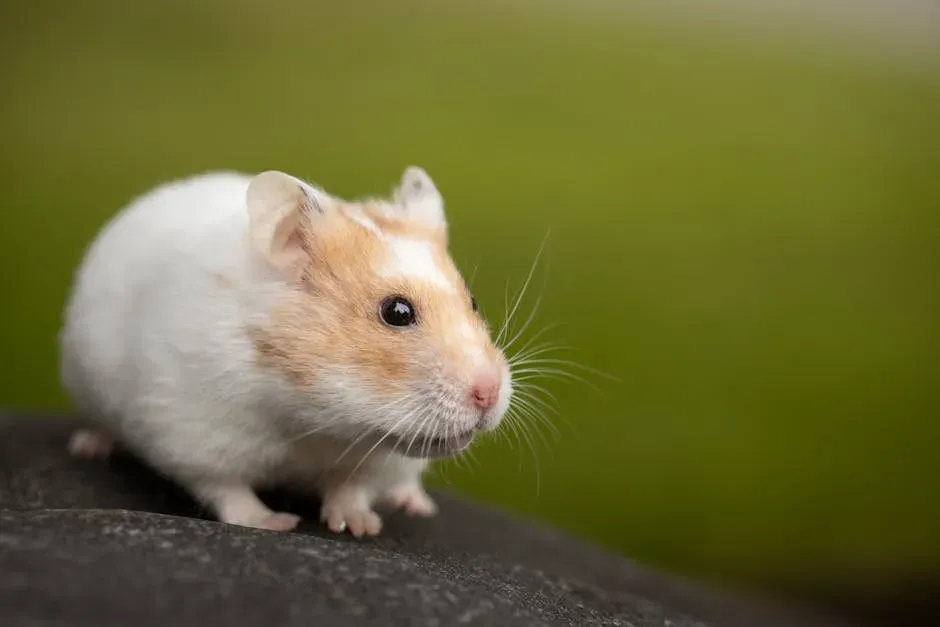
Hamsters have an exceptionally keen sense of smell. They recognize their owners’ unique scent, which becomes a comforting and familiar beacon in their tiny world. This olfactory bond is a significant factor in the positive response hamsters exhibit towards their owners. It’s their primary way of mapping the world, so your scent isn’t just background noise to them. It’s how they decide whether you’re safe.
Through repeated interactions, they learn to associate a distinct scent with positive experiences, such as food, comfort, and affection. Over time, this association strengthens, allowing hamsters to identify and distinguish their owners from strangers. This is why consistency matters so much in those early weeks. Every quiet moment you spend near the cage is quietly building something real.
#2 They Start Coming to You Instead of Running Away

A telltale sign that your hamster likes you is if they start seeking out your attention instead of the other way around. In the beginning, you want to give your hamster time to get used to you, and they probably won’t come out to greet you any time you get near the cage, but when they start to like you, they will likely approach you. That shift, however small, is significant.
As they become more comfortable, you may notice your hamster coming forward whenever you approach the cage, or even standing on their hind legs as if to greet you. This is their way of saying, “I want to spend time with you!” Some will crawl eagerly onto your hand, explore your arms, or sit quietly in your palm. This willingness to seek out interaction is a clear indicator of trust and bonding. What feels like a tiny moment is actually a big personality statement from a prey animal.
#3 They Recognize the Sound of Your Voice
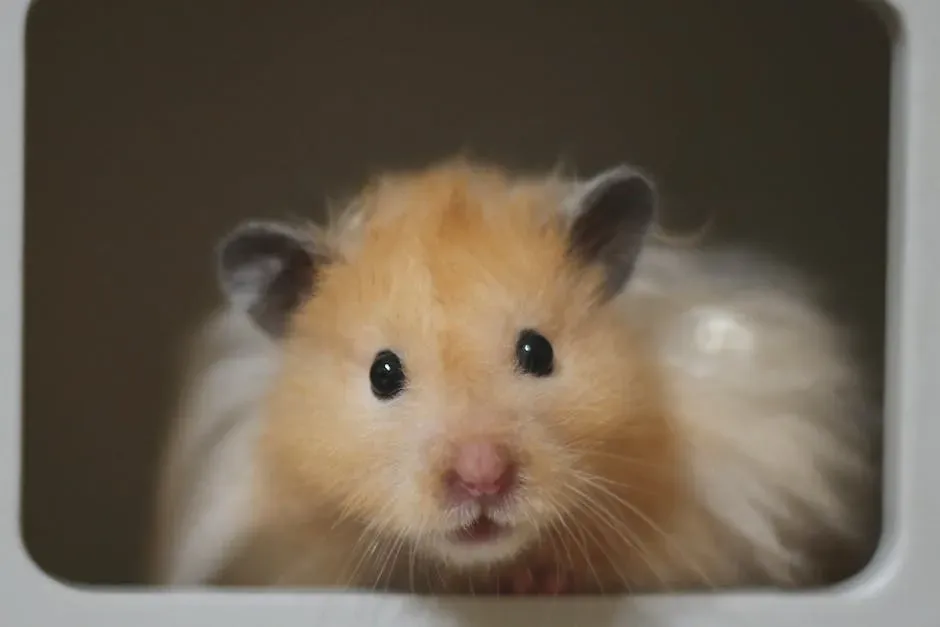
Over time, many hamsters begin to recognize the unique sound of their owner’s voice. You might notice that when you talk to your hamster, they pause, twitch their tiny ears, or even come closer to the cage bars. It’s subtle enough that plenty of owners miss it entirely, but once you notice it, you can’t unsee it.
Hamsters can associate the comfort and safety of your voice with positive experiences, like being fed or handled gently. Some owners report their hamsters becoming more active or curious when they hear familiar voices, showing just how tuned-in these creatures can be. Even if your hamster doesn’t come running every time you call, rest assured that your voice is a comforting presence in their world. Talking to your hamster, even just narrating your day softly, actually does something.
#4 They Groom Themselves (and Sometimes You) in Your Presence
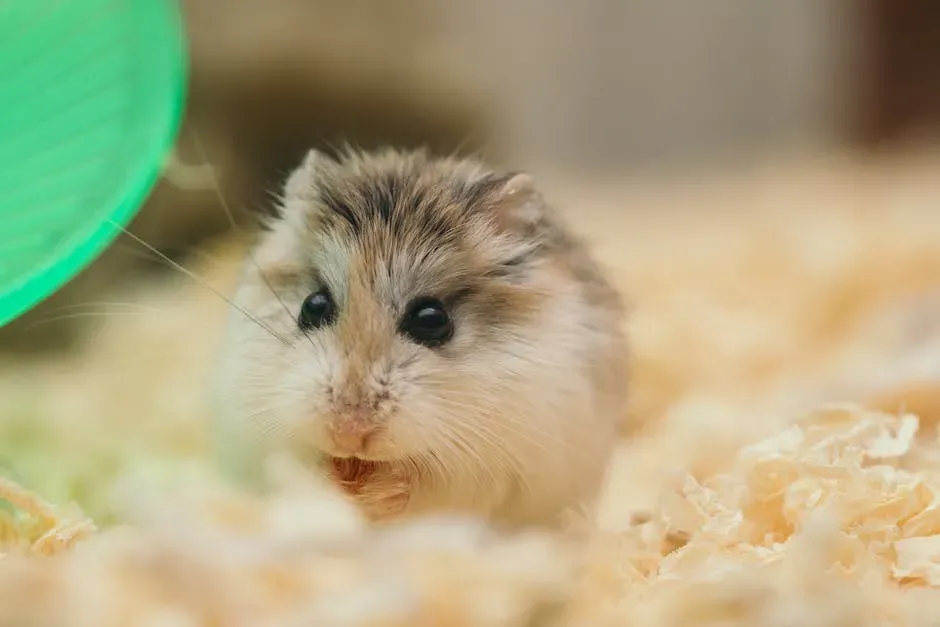
A bonded hamster will often show relaxed body language when you’re around. Instead of darting for cover at every movement, they might stretch out, clean themselves, or even take a nap while you’re nearby. These behaviors mean your hamster feels secure in your presence, trusting that you won’t harm them. A hamster grooming itself right next to your hand is one of the clearest trust signals you can receive.
In the wild, hamsters groom each other to strengthen social bonds. They may also groom their owners as a way of expressing affection. One of the sweetest ways a hamster shows affection is by giving you what some call “kisses.” In the wild, hamsters often lick each other as a way of bonding and showing affection. If your hamster licks your hand, face, or even your clothes, it’s their way of saying, “I like you” or “I trust you.” It takes time to get there, but it’s worth every patient moment.
#5 They Fall Asleep Near You or Even on You
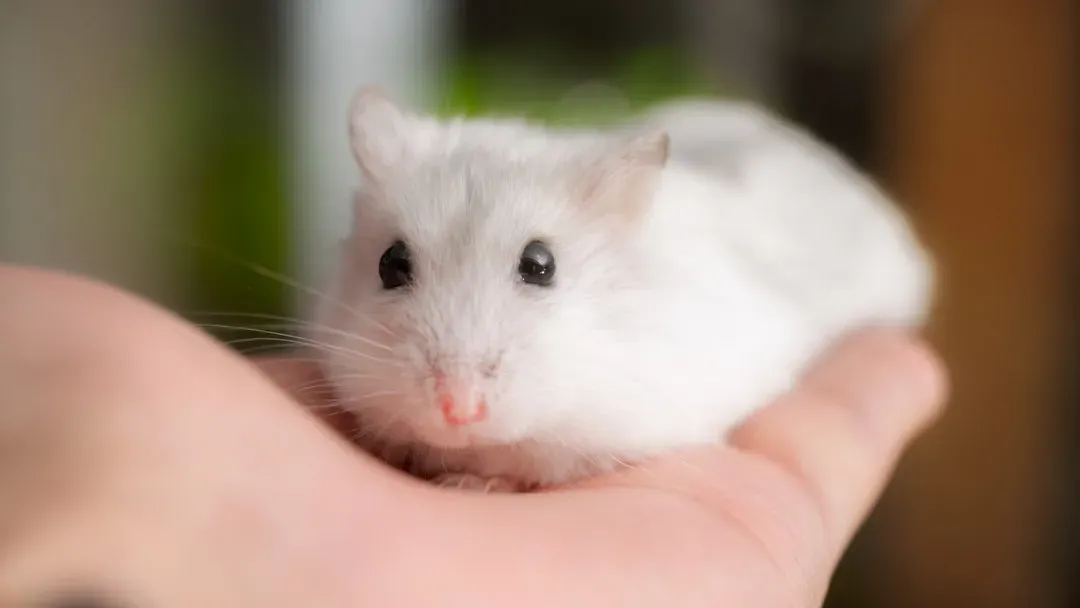
Clues to a bonded hamster are perhaps a little more subtle, such as them being relaxed enough to display relaxed activities like yawning and stretching. You may even find that your hamster bonds so closely with you that they will fall asleep on you, and then you’ll know that your hamster has become very attached to you indeed. For a prey animal whose survival instinct is essentially never switch off completely, choosing to sleep in your presence or on your hand is a profound act of vulnerability.
You might notice your hamster grooming itself in your presence, calmly exploring your hand, or even falling asleep near you. These behaviors signal trust and comfort. If your hamster sits calmly on your palm, that’s a huge compliment in hamster terms. Think about what it takes for a wild-natured small animal to lower its guard that completely. It genuinely means something.
#6 They Follow Your Movements With Curiosity
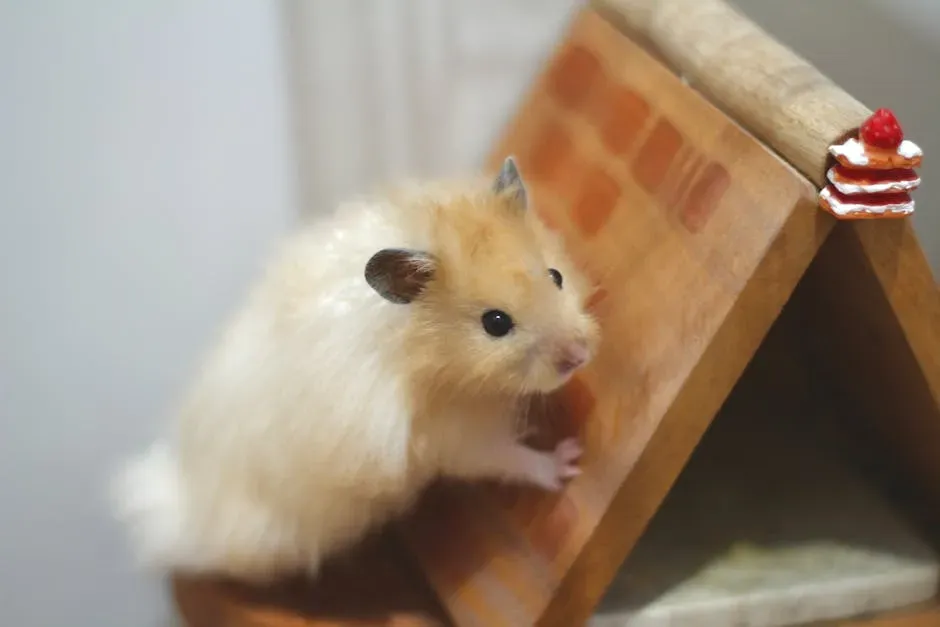
A bonded hamster often becomes fascinated by your movements. You may notice your hamster watching you closely as you move around the room, or even following your fingers along the outside of their enclosure. Some hamsters will stand up on their hind legs or press their noses against the glass, tracking your every move with bright, curious eyes. It’s oddly endearing to be studied so intently by something the size of your fist.
This behavior shows their growing interest in you and their environment. It’s a sign that you are a significant, non-threatening presence in their life, and they want to be part of the action whenever you’re near. These little moments of connection can be incredibly rewarding for both hamster and human. Not every pet tracks you the way a bonded hamster does. That watchful attention has a warmth to it once you recognize it for what it is.
#7 They Accept Being Gently Petted Without Tensing Up
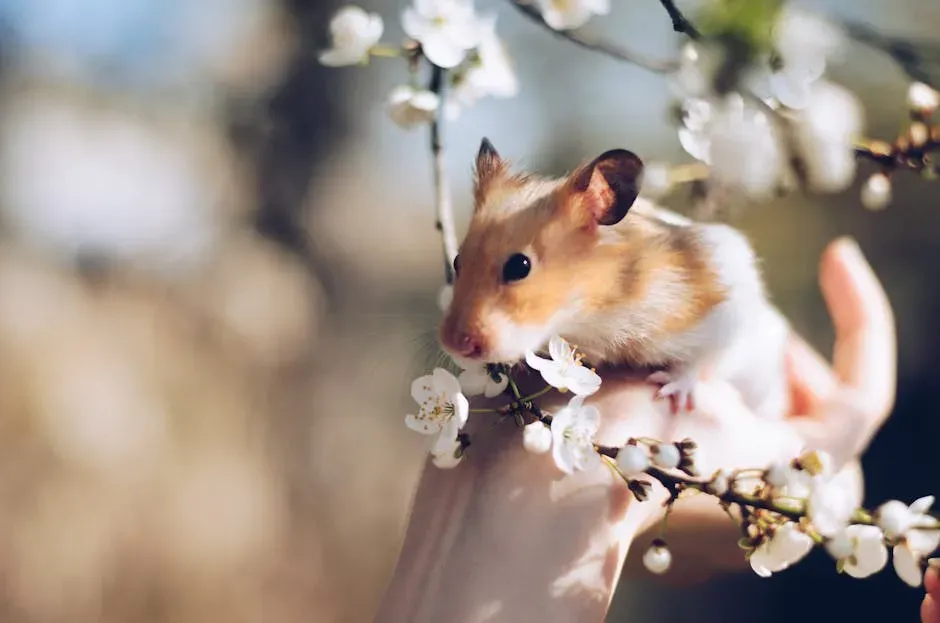
Not all hamsters enjoy being petted, but many will come to accept and even enjoy light strokes on their back or head. This takes time and patience, as hamsters need to learn that your hand is friendly. When a hamster sits calmly and allows you to gently pet them, they are showing a deep level of trust. Some may even close their eyes or give a tiny stretch, clearly enjoying the attention.
Always be gentle when petting them, as their little bodies are delicate. If they remain relaxed and calm in your hands, it means they trust you enough to enjoy the experience and are starting to associate your touch with positive feelings. The biggest indicator is that the hamster is not tense with you and is happy to be picked up and handled. That absence of tension tells you more than any flashier display ever could.
#8 They Respond to Hand-Feeding as a Form of Trust
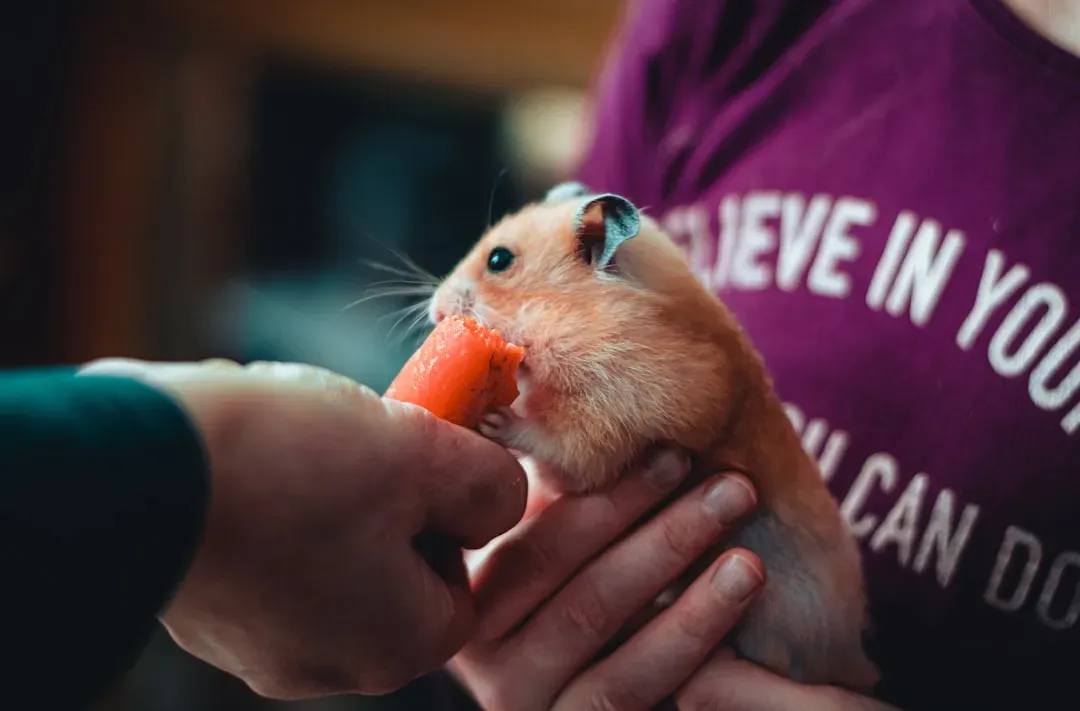
The fastest way to a hamster’s heart might just be through their stomach. Hamsters quickly learn that their humans are the providers of delicious treats. Over time, they may come to the front of the cage when they see you, anticipating something tasty. But hand-feeding is more than just a snack exchange. It’s a negotiation of trust, and your hamster knows the difference between a stranger’s hand and yours.
Engaging in interactive play with hamsters, such as offering them toys or treats from your hand, helps build a strong bond. The gentle touch and food sharing create positive associations. You can also hand-feed your hamster treats to gain their trust and familiarize them with your scent. Each session reinforces that your presence equals safety and good things. Gradually, the treat becomes secondary to the interaction itself.
#9 They Make Soft Sounds When You’re Around

While hamsters are generally quiet animals, vocalizations can convey affection. Soft, high-pitched squeaks often indicate contentment and excitement. Chirping and cooing sounds are also signs of a hamster’s happiness and affection towards its human companion. These sounds are easy to miss if you’re not listening for them, especially against the background hum of everyday life.
Hamsters use all sorts of ways to communicate how they’re feeling, from body language and scent messages to various sounds, some of which are too high pitched for humans to hear. Understanding if your hamster is feeling happy, scared, curious or cross can help you provide them with all the things they need. Learning to distinguish a content soft squeak from an anxious one is part of the relationship. Over time, you do learn their specific vocabulary, and it matters.
#10 They Show Relaxed, Playful Behavior Around You Consistently
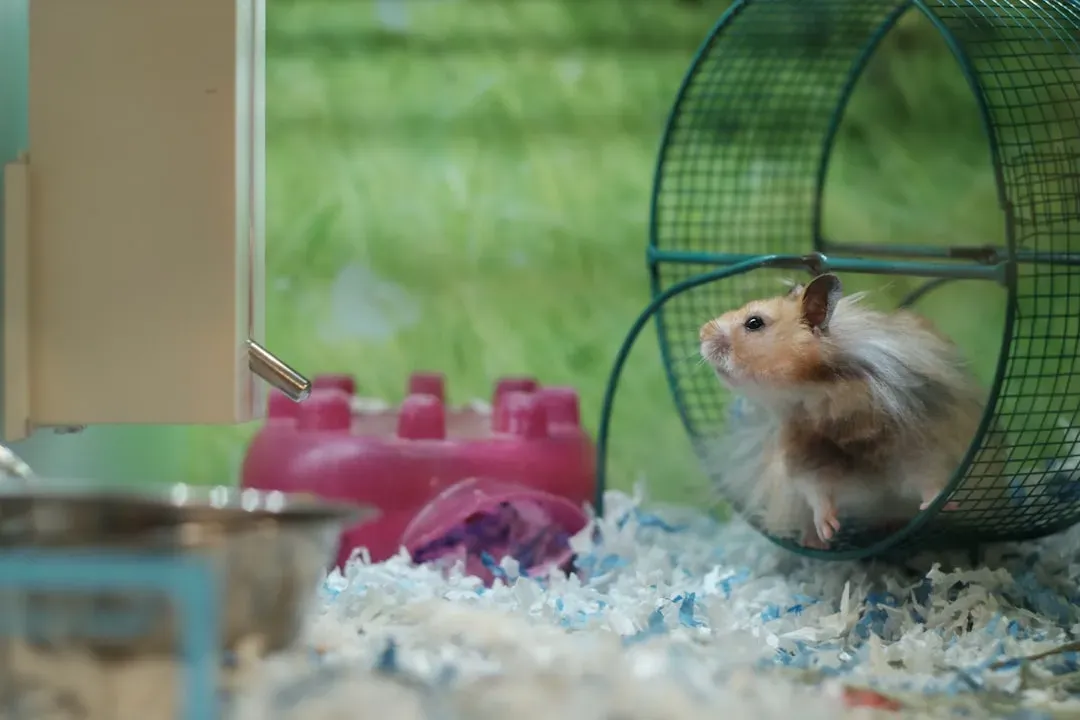
When a hamster recognizes its owner, it showcases a range of behaviors that signify comfort and joy. These behaviors include a relaxed posture, half-closed eyes, and grooming sessions that signal contentment. Excited hamsters scurry around, dig in their bedding, and perform little jumps, expressing their enthusiasm. A hamster that plays freely while you watch is one that considers you part of its safe world.
Regular positive interaction helps hamsters become comfortable around humans over time. With patience and daily handling sessions, even shy hamsters can learn to solicit affection and treats from their owners. Once trust is established, many hamsters enjoy being held, gently stroked, or simply spending time near their human companions. Their affectionate yet independent nature creates a perfect balance for pet owners. That balance is actually what makes the relationship feel genuine rather than forced.
The Quiet Magic of Hamster Bonds
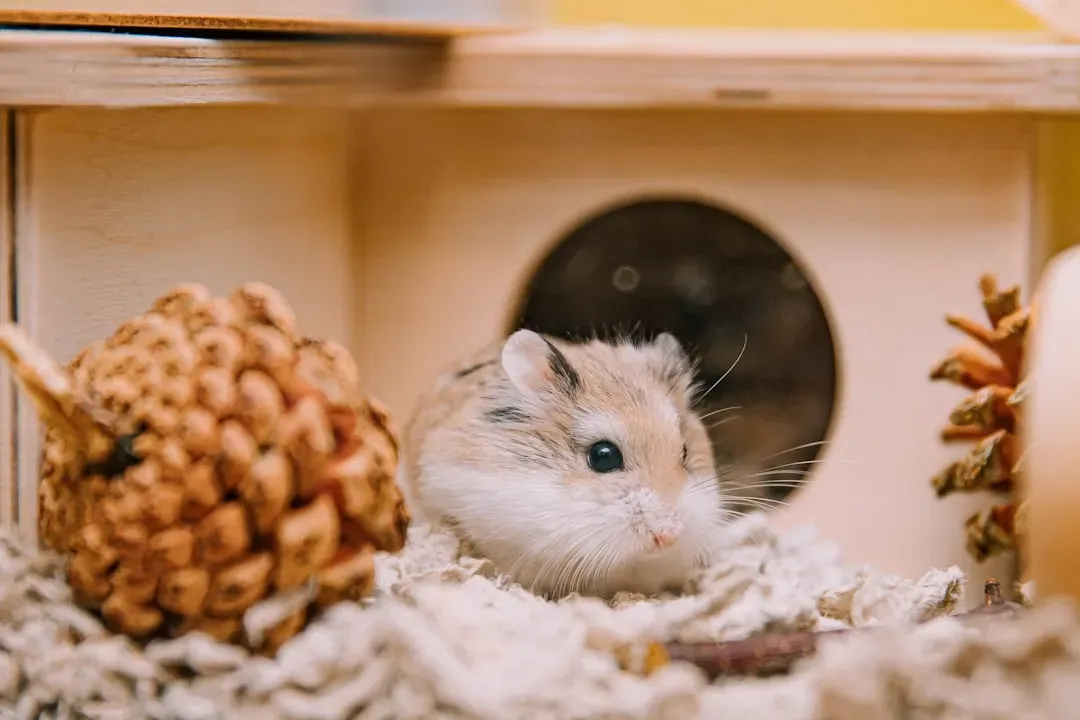
Hamsters learn who their owners are by learning their scent, and even after your hamster becomes bonded with you and starts to show affection, they may still become anxious and shy when other people are around. More often than not, hamsters will pick one or a couple of select people to trust and show affection toward. That selectivity isn’t a flaw. It’s what makes being chosen feel special.
Hamsters are prey animals, so their social behaviors are much subtler. They don’t crave human company in the same way as cats or dogs, but they are capable of forming gentle, trusting bonds with patient owners. There’s a lesson woven into all of this that goes beyond hamster ownership. Bonds worth having are usually the ones that take time. They’re earned through consistency, calm, and the willingness to pay attention to something small enough to overlook.
The hamster in your care may never wag its tail or run to the door when you arrive. What it will do, if you’re patient enough, is slowly let you in. One sniff, one soft squeak, one drowsy nap in your palm at a time. In the end, that kind of trust, small and deliberate and entirely on their terms, might be the most honest form of connection any pet ever offers.


