
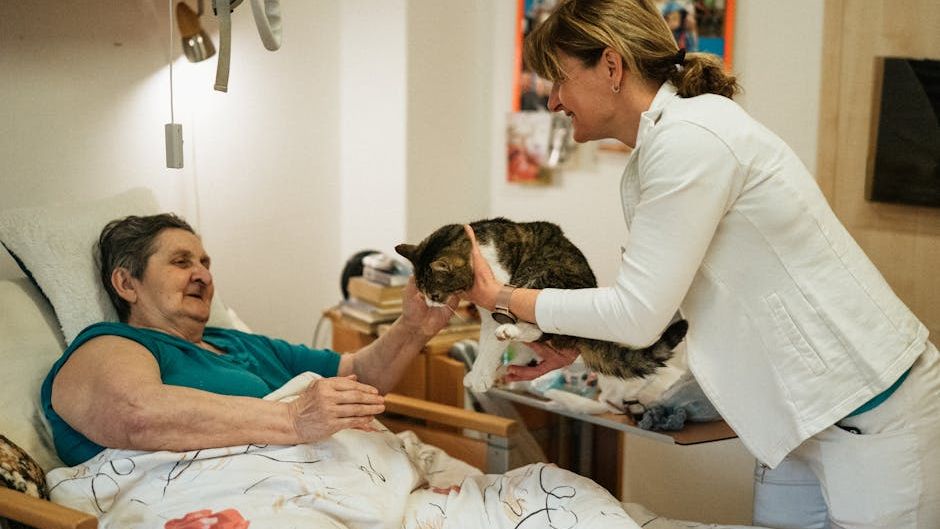
Cats have always carried a certain mystery about them. They move through our homes quietly, observe everything, and somehow seem to understand things we never taught them. That quality becomes especially striking near the end of their lives, when many cat owners notice a profound shift in behavior that’s hard to put into words but impossible to miss.
There’s a lot we still don’t fully know about what cats experience as they decline, and it’s worth being honest about that. Cats likely do not understand death as a concept, but they do sense physical changes when they’re ill or uncomfortable. What they can do, with remarkable consistency, is communicate distress through behavior. If you’ve been watching your cat and something feels different, these 12 silent signs may help you understand what they’re going through, and how to be there for them.
#1. Retreating to Unusual Hiding Spots
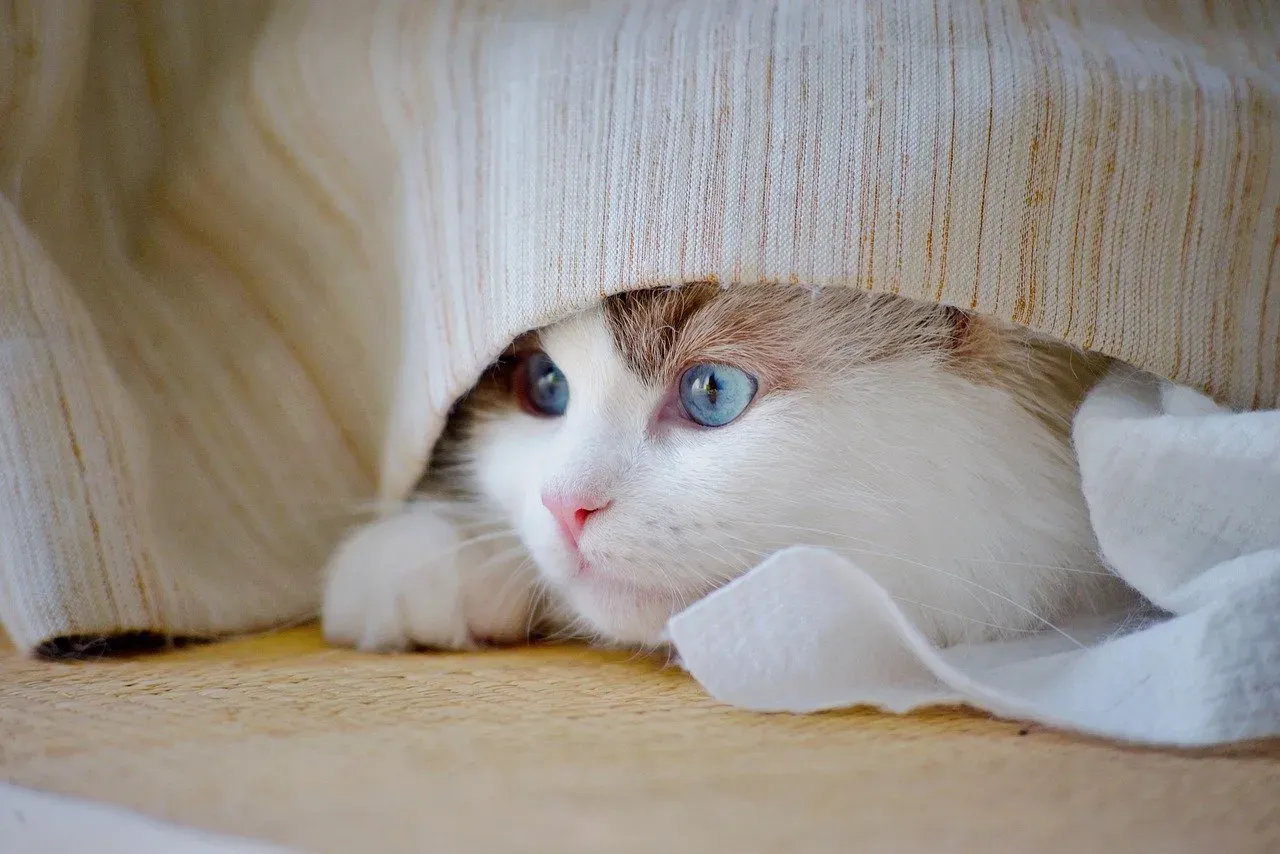
Many animals, including cats, will hide away when they are dying. Dying cats often secret themselves away somewhere safe and quiet, as an innate instinct to protect themselves from predators that would target a weak animal. This is one of the most well-recognized end-of-life behaviors, and it can catch owners off guard because the hiding spots are often places your cat has never used before.
Cats near the end of life may choose new, unusual hiding spots like under beds or in closets they’ve not used before, seek constant physical contact by pressing against their human or other pets, or prefer enclosed spaces like boxes or carriers they previously avoided. If your cat suddenly disappears for long stretches into corners of the house you’ve never seen them use, take it seriously rather than brushing it off as a mood.
#2. A Sudden Loss of Appetite

Pets may lose interest in food or water as vital organ functions begin to shut down and end-of-life behaviors set in. Your cat may be reluctant to approach their food bowl, but continue to take treats, or they may stop eating altogether. This happens gradually at first, then more noticeably as things progress.
While appetite loss can lead to weight loss, even a cat who’s still eating might experience weight loss as they approach the end of life. Cats lose muscle mass as the body’s ability to digest protein decreases, which is a normal part of aging, and some illnesses such as hyperthyroidism, kidney disease, and cancer can also cause rapid weight loss in cats. If your usually food-motivated cat starts turning away from meals they once adored, that shift deserves a conversation with your vet.
#3. Extreme Lethargy and Sleeping Through Everything
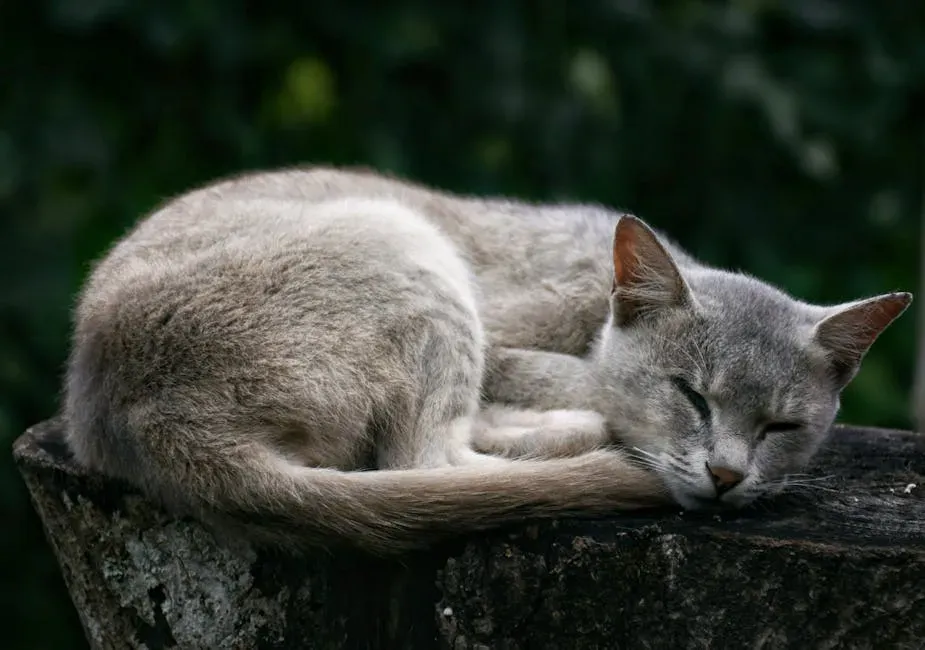
Cats sleep a lot in general, but if a cat is rarely awake, it could be a sign that the end is near. A cat sleeping is not an unusual sight, and they can snooze for around 16 to 20 hours a day. However, in the last days of life, your cat might show extreme weakness and lethargy. They might not rouse as usual for fuss and attention, and might even sleep through meals and toileting.
Other end-of-life behaviors include sleeping more and moving less. You may notice your cat seems tired after a short trip to the water bowl and back. They might struggle with stairs, walking, or standing, which typically progresses over time and may be accompanied by muscle loss. A cat who once greeted you at the door and now barely lifts their head when you walk in is telling you something important through that stillness.
#4. Stopping Self-Grooming
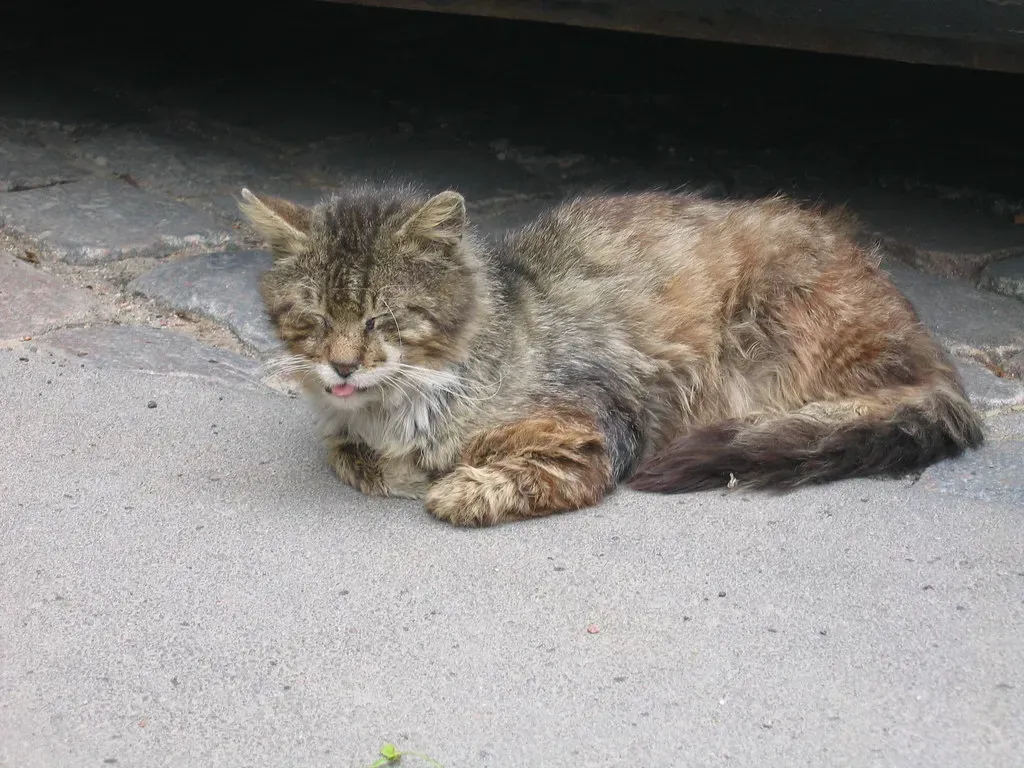
A cat that is feeling severely ill or is in significant pain may stop grooming itself. If you start noticing matted fur or similar problems, pay close attention to any other changes in the animal’s behavior. Grooming is one of the most instinctive things cats do, so when it stops, it’s a meaningful signal that their energy and comfort have reached a breaking point.
Avoidance of grooming or a messy, unkempt coat is one of the common signs that a cat is suffering. You might first notice it as a slightly dull coat, then patches of tangled fur, then a general disheveledness that’s out of character for your otherwise fastidious companion. Gently helping with grooming during this time is one of the kindest things you can do.
#5. Increased Clinginess or Sudden Neediness
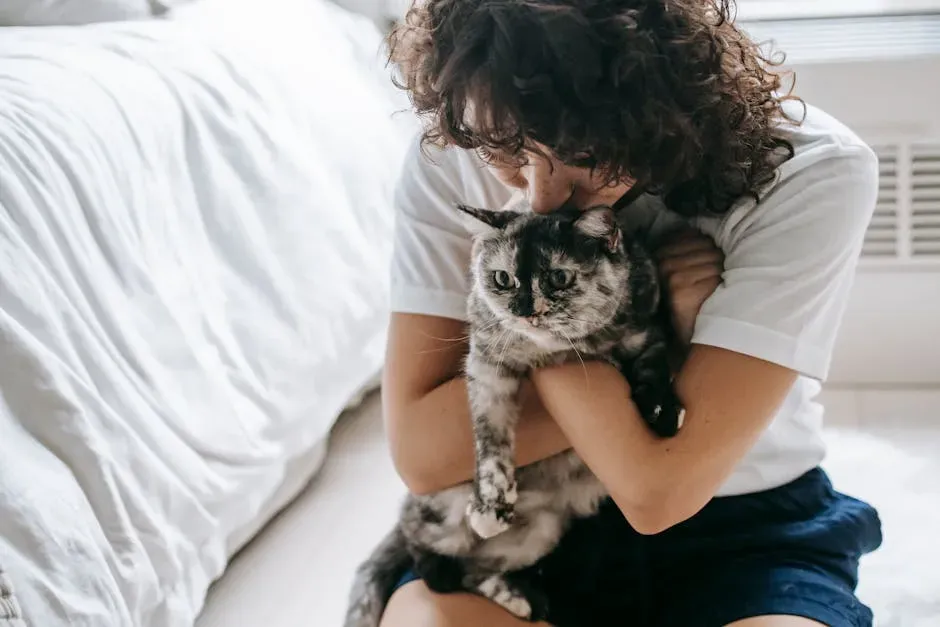
When cats sense they are at the end of their life, they might be more prone to snuggling with their owner to let them know in their own way. This shift can feel tender and heartbreaking at the same time, especially in cats who were previously independent or aloof. It’s as if something in them reaches out for connection in a way they couldn’t or wouldn’t before.
Some cats near the end seek constant physical contact, often pressing against their human or other pets, and may stay unusually close to other household pets, even those they normally ignore. If your cat is suddenly velcro-like, following you from room to room and settling into your lap without invitation, receive that closeness as the gift it is. They may not have much time left to offer it.
#6. Confusion and Disorientation
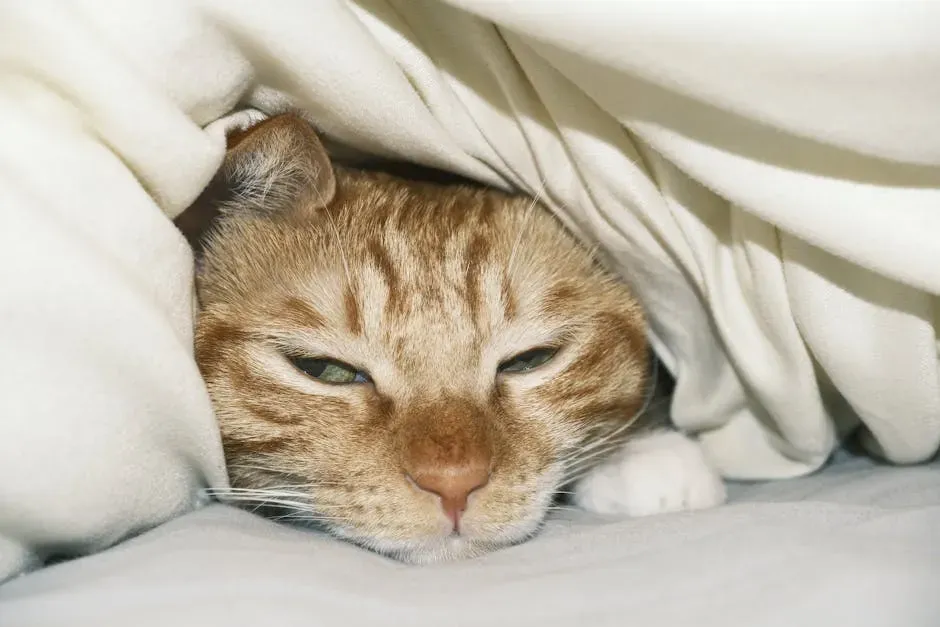
Senior cats and cats nearing the end of life might develop cognitive dysfunction much like human dementia. They may forget where they are and feel lost in their own home. Confused cats might express their distress through yowling and other loud vocalizations. Watching your cat look bewildered in a space they’ve lived in for years is deeply unsettling, but it reflects a real neurological shift.
Some pets become mentally disoriented as they decline, which may reflect serious cognitive dysfunction or a health condition affecting the brain. Affected pets may pace, stare, vocalize, develop anxiety, or seem lost in their once-familiar home. If your cat is staring at walls, wandering aimlessly at night, or seems startled by their own surroundings, cognitive decline may be at play. Your vet can help you assess how much discomfort is involved.
#7. Complete Disinterest in Play or Favorite Activities
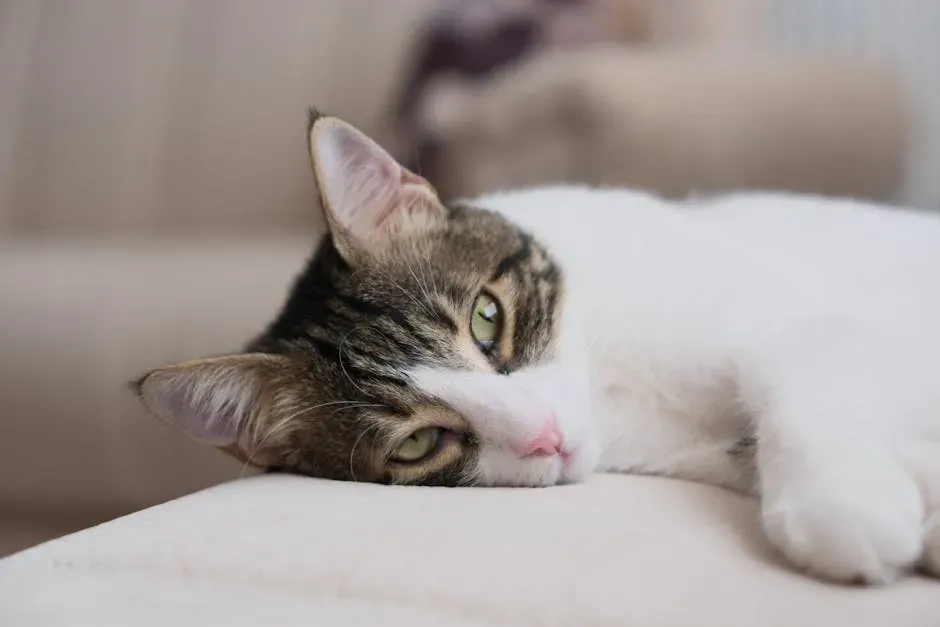
As your cat’s health deteriorates, she will lose interest in things she once enjoyed. She may no longer want to play with her toys, may turn her nose up at her favorite treats, and may even stop purring when petted. Disinterest in the world around her and a lack of joy for things she once loved are signs that your cat is ready to pass on.
Cats may have diminished or no interest in favorite activities such as playing, treats, scratching posts, jumping or climbing to elevated perches, and self-grooming. This withdrawal isn’t stubbornness or a bad mood. It reflects a body that’s conserving what little energy remains. The cat who once batted toys across the floor and ambushed your ankles has simply run out of the capacity for that lightness.
#8. Changes in Body Temperature
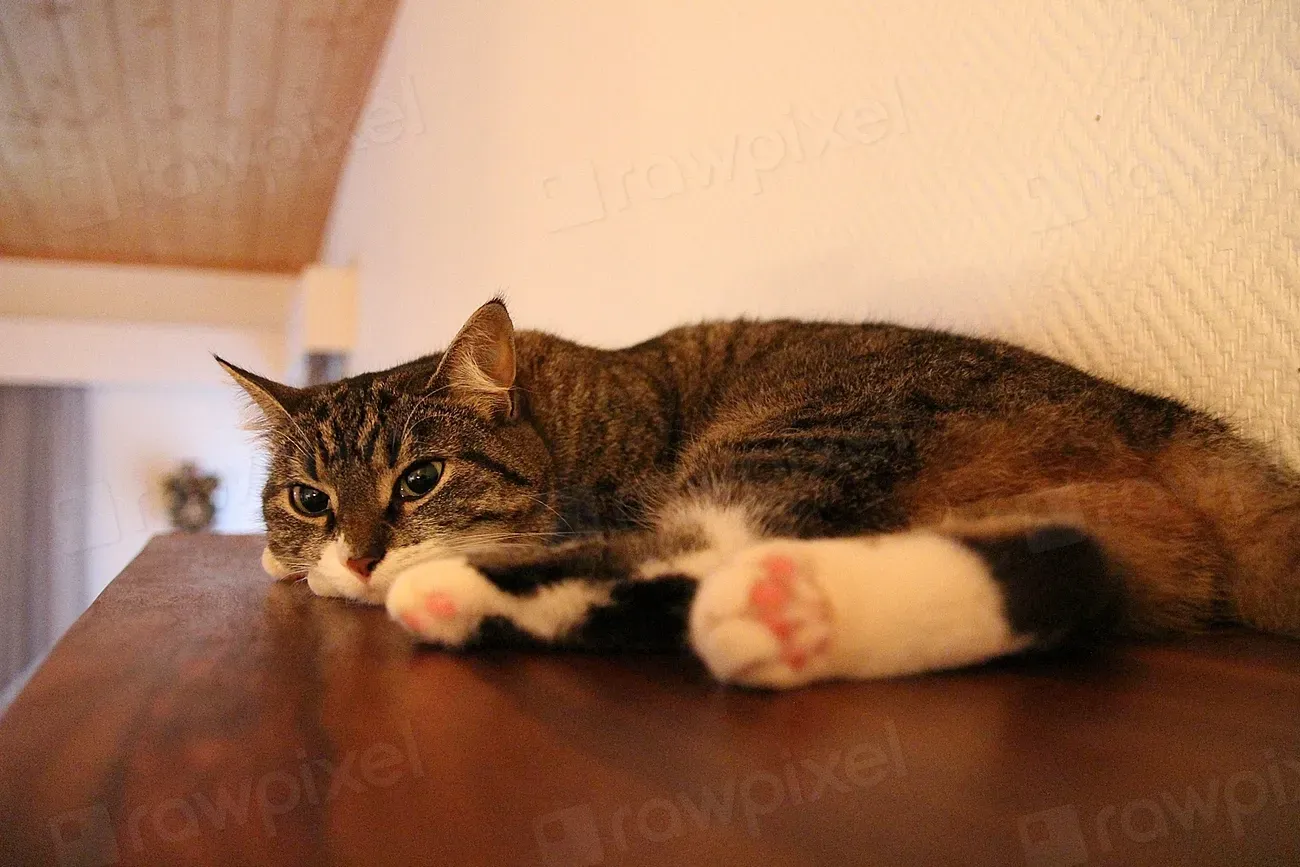
Senior cats increasingly have trouble regulating their body temperature, and will be more susceptible to heat and cold than healthy adult cats. Even when provided with a warm bed and environment, cats nearing death often have a low body temperature. You might notice your cat pressing against heating vents, seeking warm patches of sun obsessively, or feeling noticeably cool to the touch even in a warm room.
A cat nearing the end of life may feel noticeably cooler to the touch, especially in the extremities like ears and paws. In the hours or days before death, cats typically experience a significant decrease in body temperature, irregular breathing patterns, and lower blood pressure. Running your hand along your cat and noticing an unusual coolness in their paws or ears is something worth noting, and mentioning to your vet.
#9. Broken Routines and Changed Habits
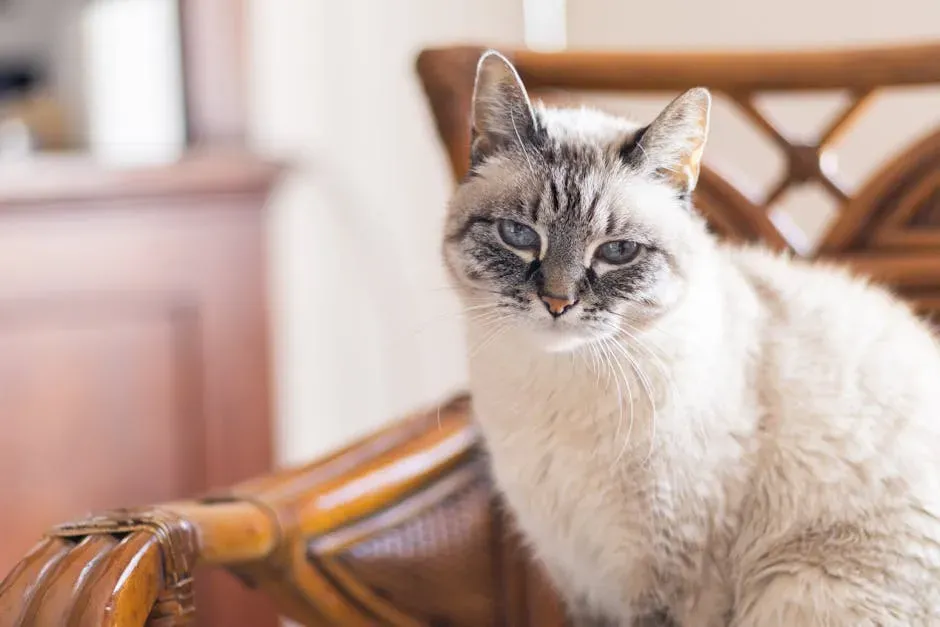
Breaking long-established routines in domestic cats, like suddenly avoiding favorite sleeping spots or changing preferred routes through the house, can be a sign that something is wrong near the end of life. Cats are creatures of remarkable habit, so when those patterns dissolve without explanation, the cause is usually internal discomfort rather than a preference change.
A noticeable behavioral shift is one of the earliest indicators of a dying cat. Cats are creatures of habit, and changes in their behavior can speak a lot about their health. The cat who always slept at the foot of the bed may suddenly disappear to a cold corner. The cat who greeted you with a chirp every morning may go silent. These aren’t small things. They’re the language your cat uses when words aren’t available.
#10. Unusual Aggression or Sudden Irritability
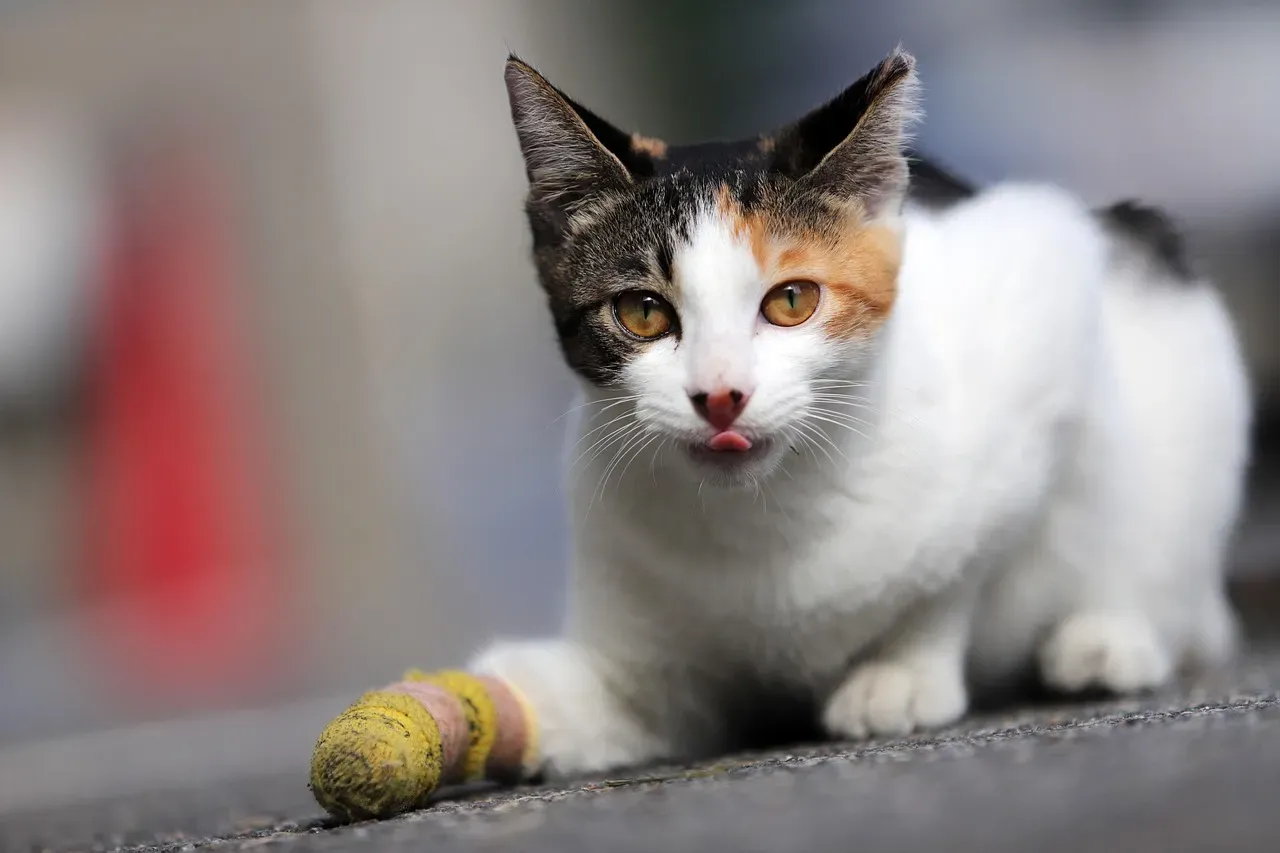
One of the most disturbing changes in behavior when a cat is nearing the end of its life is sudden aggression toward you. If the cat unexpectedly lashes out or bites while you are trying to pet it, it could be feeling quite a bit of pain. If this aggression is a new behavior for your cat, let your vet know.
Dying cats may experience irritability and a heightened sense of vulnerability because of their pain or confusion about what’s happening to their bodies. It’s important not to take it personally when a gentle cat suddenly hisses or swats. They’re not being mean. They’re in pain, scared, or disoriented, and lashing out is the only way they know to say so. Approach them calmly and give them the space they ask for.
#11. A Glazed or Vacant Look in the Eyes
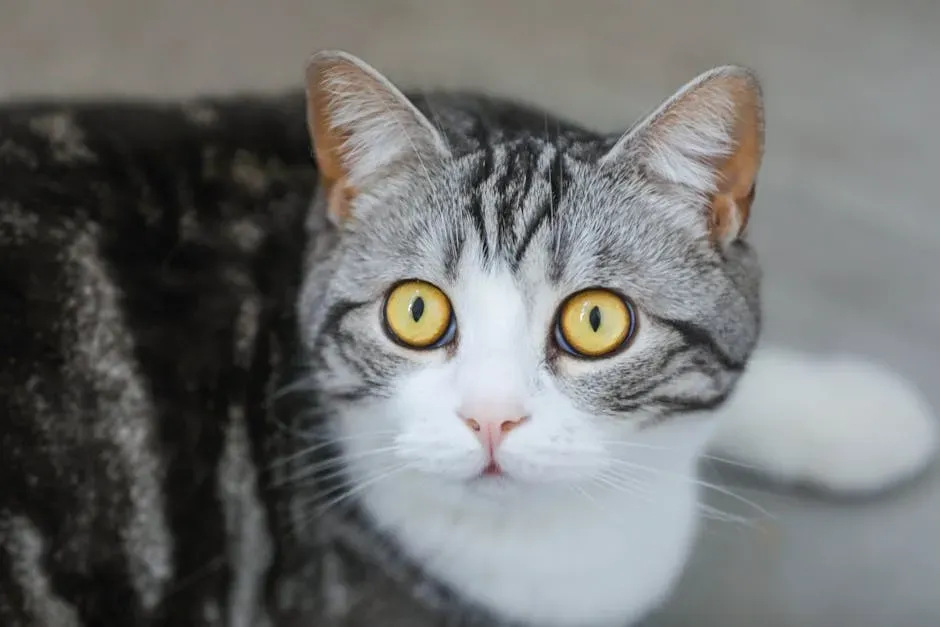
At the end of life, some cats might become confused, dull, or disorientated. They might appear uncoordinated, weak, or have a glazed look to their eyes. This is one of the more subtle signs, and one that longtime cat owners often describe as the moment they truly understood something had shifted. There’s a quality of presence in a healthy cat’s gaze that simply dims toward the end.
Changes in expression, such as squinting or keeping eyes half-closed more frequently with a tense facial expression, are observed in cats nearing the end of their lives. Combined with general stillness and withdrawal, a vacant or unfocused gaze can signal significant neurological or systemic decline. If your cat’s eyes seem to look through you rather than at you, their body is working very hard just to maintain basic function.
#12. Labored or Irregular Breathing
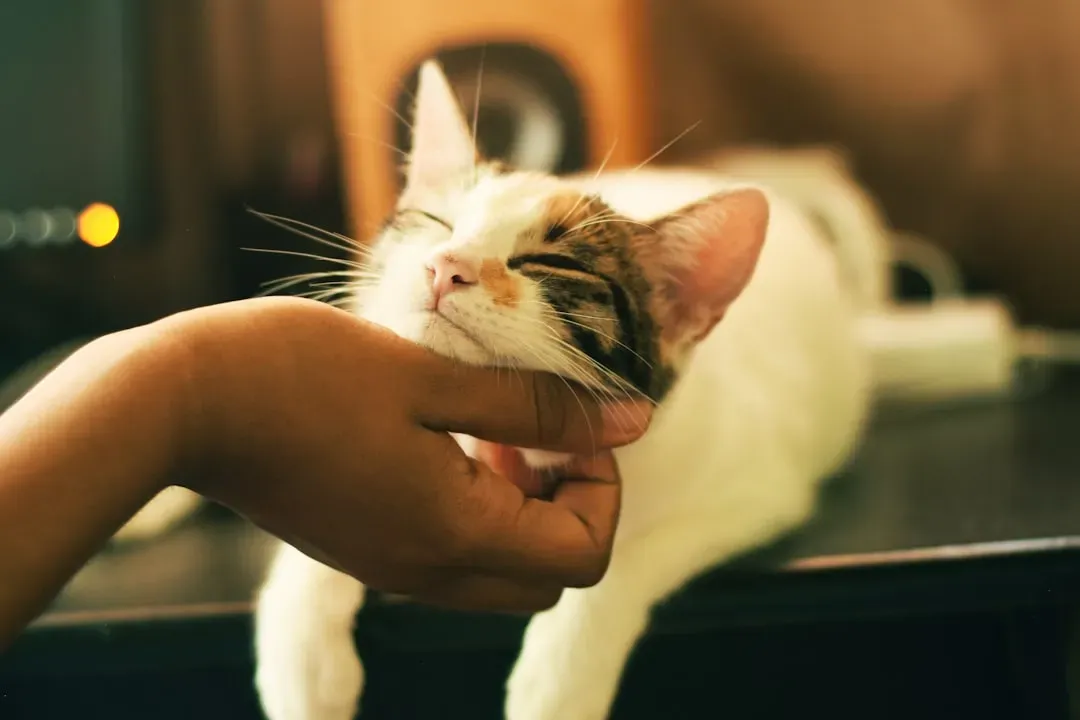
Irregular, shallow, or labored breathing is a warning sign that a cat may be dying. Particularly in a pet’s final hours, a gasping breath pattern known as agonal breaths may occur. Breathing changes can range from barely noticeable shifts in rhythm to visibly labored chest movement, and any new respiratory pattern warrants immediate veterinary attention.
Dying cats may display labored or irregular breathing patterns, sometimes with visible chest movement or open-mouth breathing. In the final stages of dying, cats may show changes in their breathing patterns, such as shallow or irregular breaths. They might stop breathing for a few seconds before starting again. At the end, their breath might have a rattle as the respiratory system shuts down. If you hear or see this, call your vet immediately. No cat should face those final hours without guidance and compassionate care.
What You Can Do When the Signs Are There
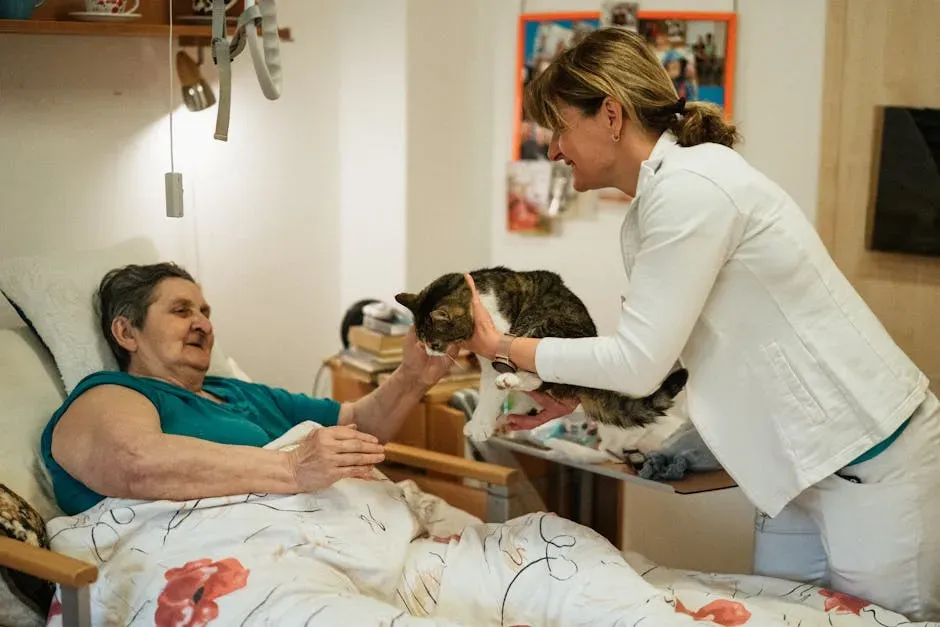
Families can help make their cat’s last days as peaceful as possible by creating an end-of-life plan before an urgent situation arises. Whenever possible, plan ahead with your family and veterinarian well before you need to act. Your veterinarian can explain the expected course of your cat’s condition, offer palliative and hospice care options, describe what may happen if your cat dies naturally, explain the euthanasia process, and discuss aftercare and memorial choices.
Cats that are terminally ill should be provided with a safe, warm, comfortable, and quiet resting place, tempting food, and easy access to resources such as a litter tray. To comfort a dying cat, create a calm, familiar space with soft bedding, offer gentle pets and soothing words, provide their favorite foods or treats if they’re still eating, and be present with them. Your gentle touch and voice can offer immense comfort during their final moments.
A Final Thought
There’s something quietly profound about the fact that cats, creatures so defined by independence and self-sufficiency, still look for us when things get hard. They may not understand death the way we do, and science rightly reminds us not to project too much onto what they experience. Still, the behaviors are real. The retreat, the stillness, the unexpected closeness, the dimming of the eyes. Those things mean something.
Knowing these signs isn’t about bracing yourself for grief before it arrives. It’s about being present enough to give your cat exactly what they gave you for years: a quiet kind of company that asks for nothing in return. That, in the end, is what crossing the rainbow bridge with dignity actually looks like. Not drama or ceremony, just someone who loved them, close enough to feel.


