

Most people know that dogs need food, walks, and a warm place to sleep. What far fewer people consider before bringing a dog home is the emotional contract they’re signing. Some breeds are genuinely wired to track your moods, mirror your energy, and anchor their entire sense of security to the quality of your presence. For these dogs, indifference isn’t just uncomfortable. It registers as something closer to abandonment.
While their sensitivity makes them incredibly intuitive and loving companions, it also means that they need gentle handling, consistent reassurance, and a peaceful environment to truly flourish. That sensitivity, though, cuts both ways. Their sensitivity can be both a gift and a responsibility. These breeds not only read situations, but they get affected by prolonged negativity in a way that harms their emotional well-being. If you own or are considering one of these fourteen breeds, what follows might just change how you show up for them.
#1. Vizsla

If there were a single breed that could make a compelling legal case against emotional neglect, it would be the Vizsla. Often called the “Velcro dog,” the Vizsla is famous for sticking close to their humans. They crave emotional connection and seem to thrive on mutual understanding. Sensitive to tone and body language, they are quick to comfort and eager to please.
These dogs need serious exercise, but they also need serious cuddle time. They’re not satisfied with just being in the same house; they want physical contact and emotional connection throughout the day. An emotionally distant owner won’t just leave this dog restless. Vizslas are famously velcro dogs, shadowing one person from room to room. When that favorite human changes, they can become restless, pacing or whining as they search for familiar cues.
#2. Cavalier King Charles Spaniel
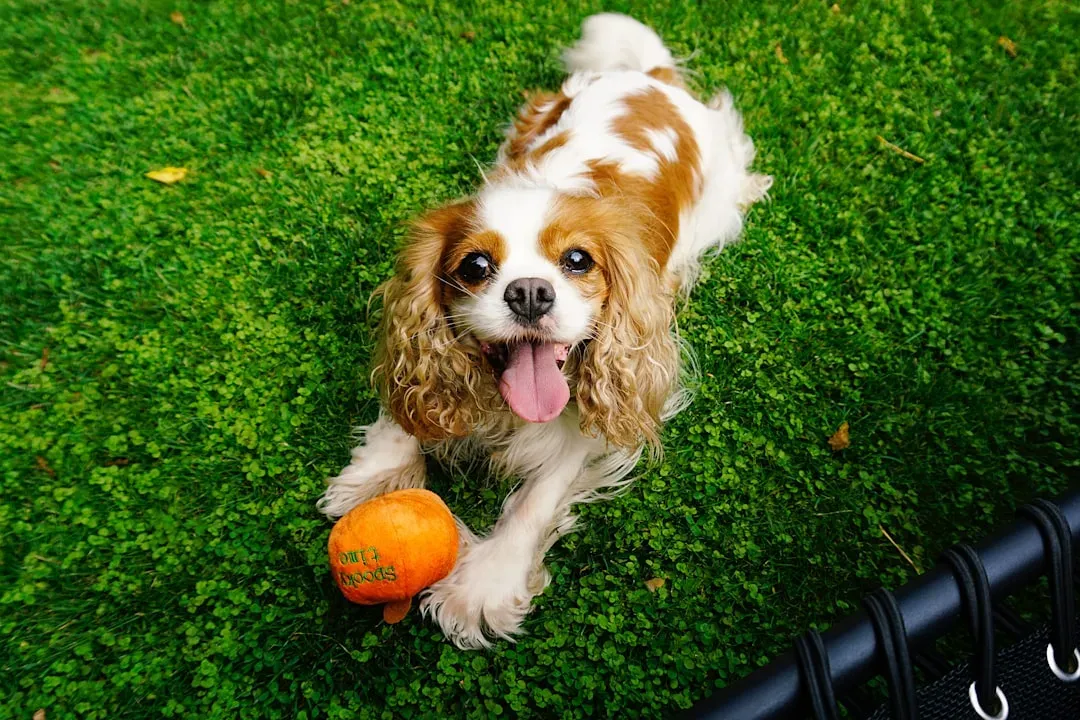
The Cavalier King Charles Spaniel was bred for one purpose: to be by your side. That purpose isn’t just a charming selling point. It’s a deep genetic instruction that shapes how this breed processes daily life. What makes the Cavalier especially effective as an emotional support dog is its sensitivity to mood shifts. Owners frequently report that their Cavalier seems to know exactly when something is wrong and will immediately move to sit closer or make direct eye contact.
They are also highly sensitive to the home environment as well as the treatment that they receive. Noisy households and homes where they are left alone by themselves for long hours can make them emotionally distressed. When that emotional engagement is simply absent, if the household lacks structure or affection, they may refuse to eat, hide, or whimper quietly. That quiet whimpering is not dramatics. It’s distress.
#3. Border Collie
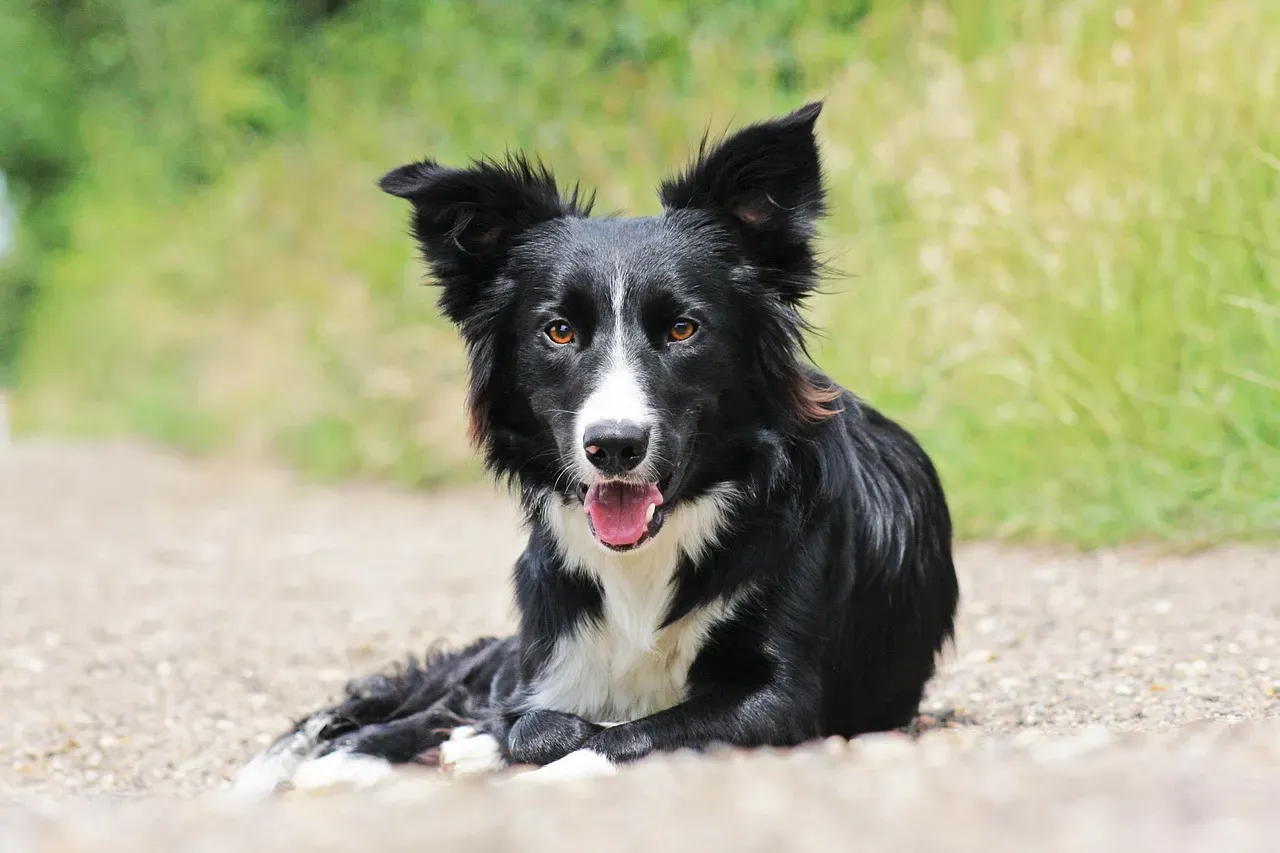
Border Collies are like emotional detectives in a fur coat. They’re ultra sensitive to changes in mood and silently adjust their behavior to match yours. This breed is known for forming deep bonds with their owners because they thrive on human companionship and constant engagement. That emotional attunement is one of the things that makes them extraordinary working dogs.
The flip side of that intelligence and sensitivity is how badly things unravel without it. Left alone and without enough mental and physical stimulations, a Border Collie is bound to find a job. This breed won’t hesitate to herd your children, chase squirrels, or tear the house apart. The destructive behavior isn’t mischief. It’s a dog whose remarkable mind has nowhere to anchor and no one to anchor it to.
#4. Golden Retriever

The beautiful long-haired cousin of the Labrador, Golden Retrievers are endearingly kind, empathetic and very gentle. As one of the most emotional dogs, this breed is easily affected by changes in the environment and their person’s mood. They are also, it should be noted, quietly devastated by an owner who keeps them at arm’s length. Golden Retrievers are affectionate, patient, and remarkably attuned to human emotion. They tend to seek out their owner during stressful situations rather than withdraw, which is a key trait in a strong emotional support animal.
Their sensitivity stems from a profound desire to please and an innate empathy towards human emotions. Thriving on positive reinforcement and emotional support, Golden Retrievers need regular exercise, consistent positive training, and a loving environment to maintain their emotional health. When consistent warmth is replaced by routine indifference, these dogs can become withdrawn and anxious in ways their famously cheerful reputation would never suggest possible.
#5. Labrador Retriever

Labrador Retrievers are often called nature’s empath because they sense human moods and respond with tenderness. These dogs are friendly, outgoing, and deeply people-oriented, making them ideal companions in everyday life. Labs follow their owners from room to room not out of habit, but because proximity to their person is genuinely comforting to them. Beyond their temperament, Labs are physically expressive with their affection. They lean in, follow their owners from room to room, and maintain close physical contact during moments of distress.
Labrador Retrievers are known for their friendly and outgoing nature. These dogs have a deep need for human companionship and they can become anxious or disruptive when left alone for prolonged periods. They crave attention and interaction, so it’s essential to provide them with plenty of playtime and stimulation. A Lab with an emotionally unavailable owner won’t simply adapt. Leave them alone too long, and you might find chewed-up furniture. They don’t handle long periods of isolation well.
#6. Australian Shepherd
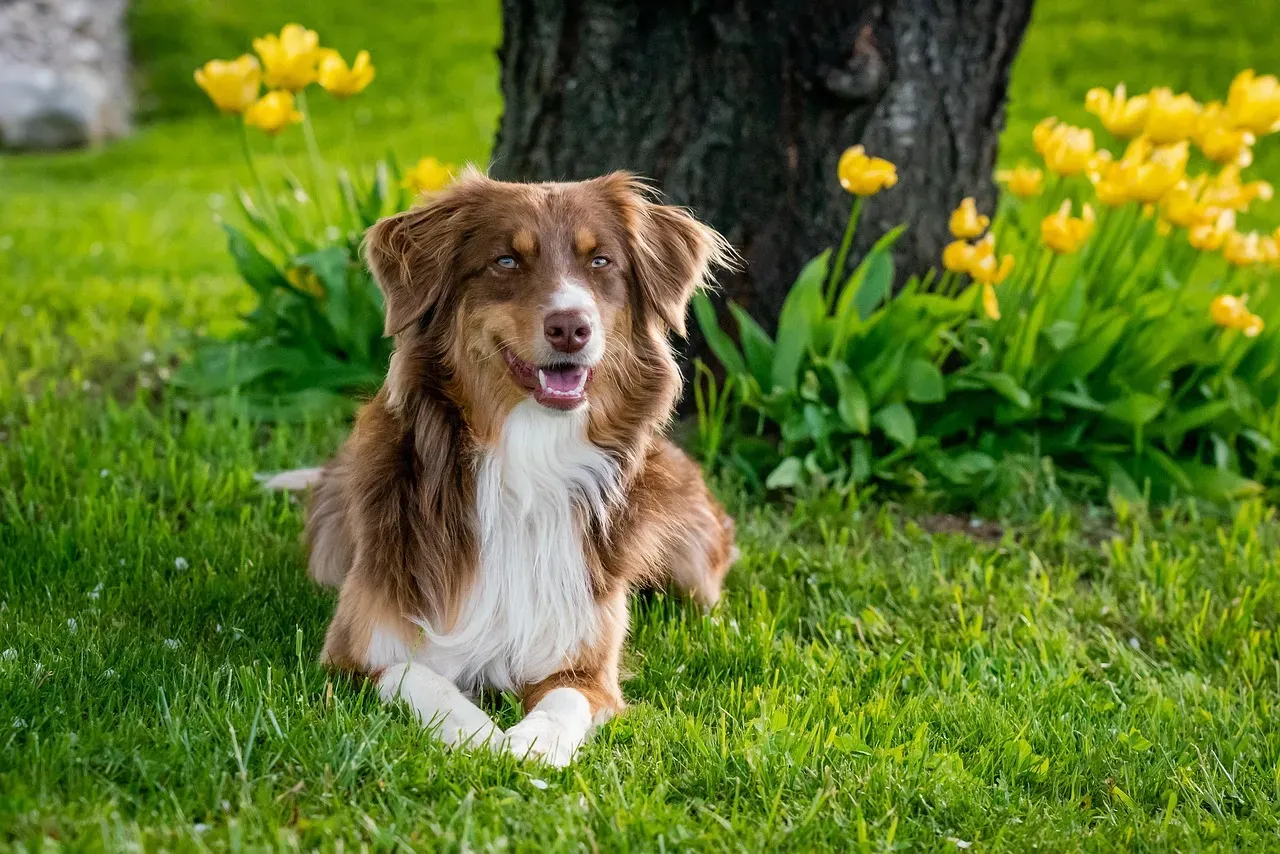
Australian Shepherds are so close to their people and so emotionally connected that they’re often called “velcro dogs,” because they’ll stick with their owner through the house, errands, and even subtle mood swings. Their herding background didn’t just give them athleticism. It gave them an almost compulsive need to be involved in the emotional rhythm of the household. The Australian Shepherd’s intelligence pairs beautifully with emotional awareness. They are quick to pick up on stress or sadness and often respond with affection or playfulness to ease it. Their natural herding instinct translates into emotional caretaking, ensuring everyone in the family feels included.
Take away that sense of inclusion and the signs appear quickly. Loud homes and negligent owners may provoke them to be destructive and find their own ways to stay busy. An Australian Shepherd with nothing meaningful to do and no one emotionally present to do it with can develop anxiety-driven behaviors that are genuinely difficult to reverse. The breed doesn’t do well with owners who are physically home but emotionally somewhere else entirely.
#7. Shetland Sheepdog
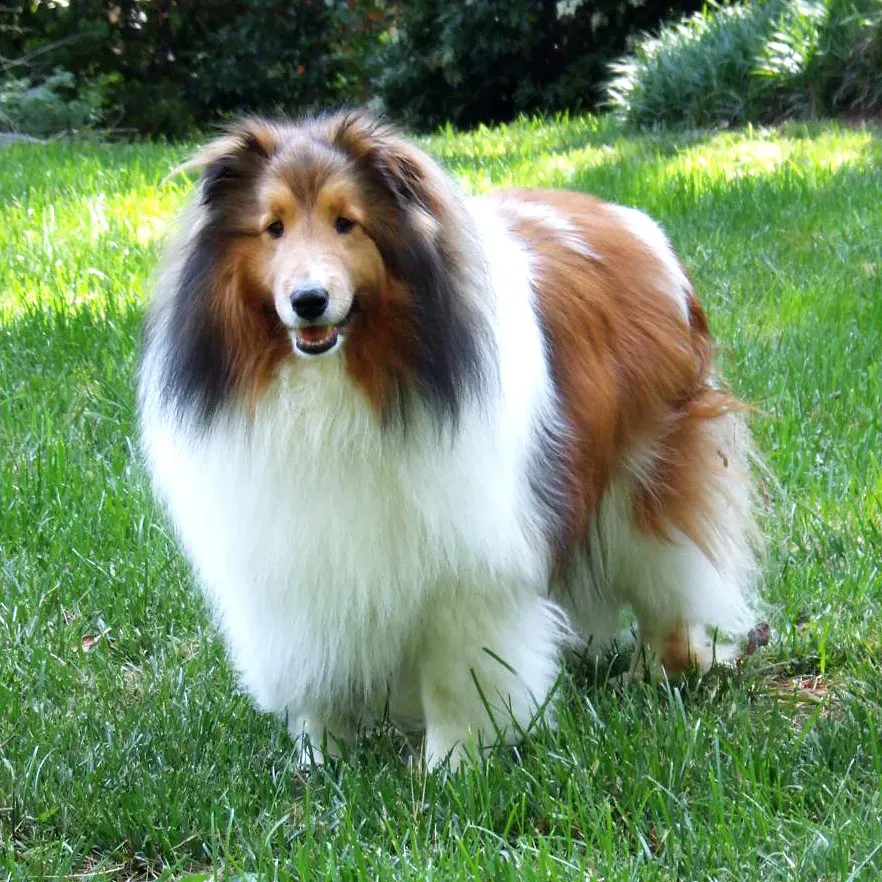
The Shetland Sheepdog is known not just for beauty and smarts but also for deep emotional intelligence. They seem to feel every mood in the room and will quickly respond with affection or excitement as needed. Their loyalty runs deep, and they often shadow their owners to ensure all is well. Shelties are among the most observant dogs you can own. They read the room with a precision that can feel almost uncanny.
Shetland Sheepdogs are sensitive, observant, and often attach to one quiet leader. A shift in that role can bring skittishness, increased barking, or avoidance. They flourish with gentle voices and predictable rhythms. An emotionally cold environment can turn a Sheltie’s natural sensitivity into chronic anxiety. They’re not fragile dogs by any measure, but they are dogs that need to feel genuinely seen and connected to the people they love.
#8. Doberman Pinscher
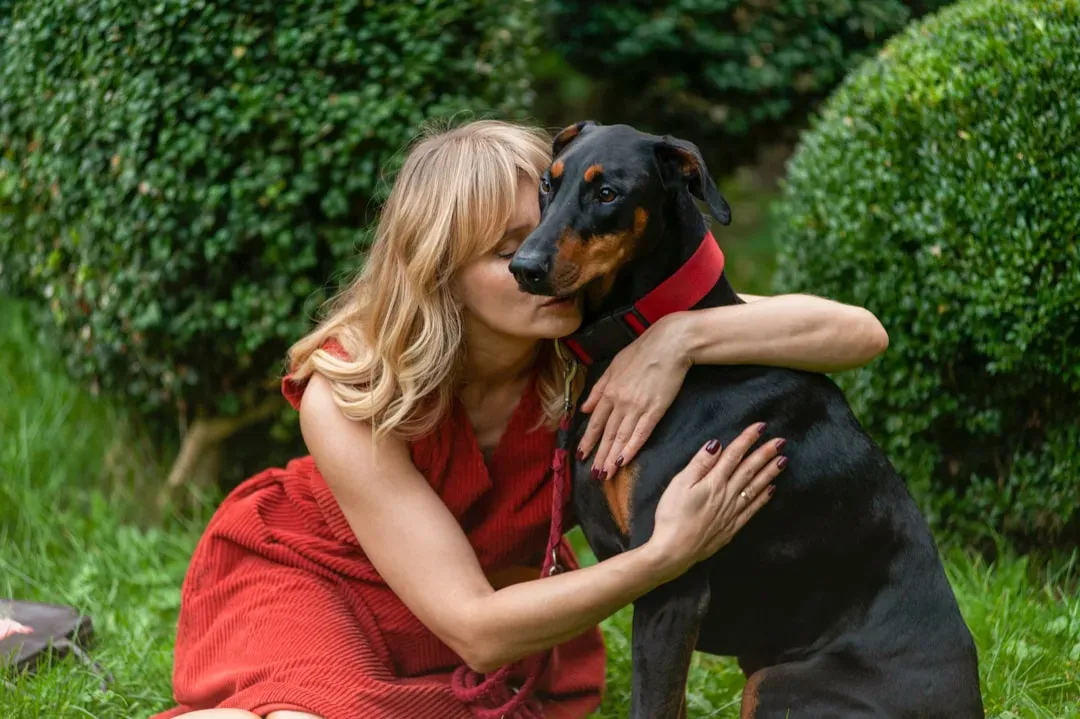
People rarely associate the Doberman with emotional vulnerability. The exterior is all muscle and alertness. The interior is something much softer than it looks. Behind the Doberman’s powerful presence lies a remarkably sensitive heart. These dogs bond intensely with their families and often mirror their owners’ moods. They are highly protective, not just of your safety but of your emotional well-being. Despite their tough exterior, a Doberman can be one of the most emotionally attuned and loyal companions you will ever meet.
When bonded, they check in constantly, leaning into your legs as if to anchor both of you, and they’re more emotionally tuned than their intimidating silhouette suggests. What sets Dobermans apart is their emotional sensitivity combined with their intelligence. Protective and loyal, they can become anxious when separated from their human. Emotional distance from an owner doesn’t make a Doberman tougher. It makes them uncertain, and an uncertain Doberman is genuinely harder to live with.
#9. Cocker Spaniel

Cocker Spaniels are smart and respond well to patient, positive training. Push them too hard or ignore them, and they may become anxious or withdrawn. They need regular exercise and mental stimulation to keep their minds occupied. There’s a gentle quality to this breed that makes them wonderful family companions, but that same gentleness means they absorb the emotional temperature of their home like a sponge. A bored Cocker can become clingy or exhibit nervous behaviors. Watch out for signs of separation anxiety – they’re prone to it.
The Cocker’s emotional needs aren’t particularly loud or dramatic, which is part of why they get overlooked. They don’t always bark or destroy things when they’re struggling. They go quiet. Having a stable routine helps them feel secure. When that routine lacks genuine emotional presence from their owner, a Cocker Spaniel can slip into a kind of low-grade chronic anxiety that becomes embedded in their behavior and hard to untangle later.
#10. Poodle
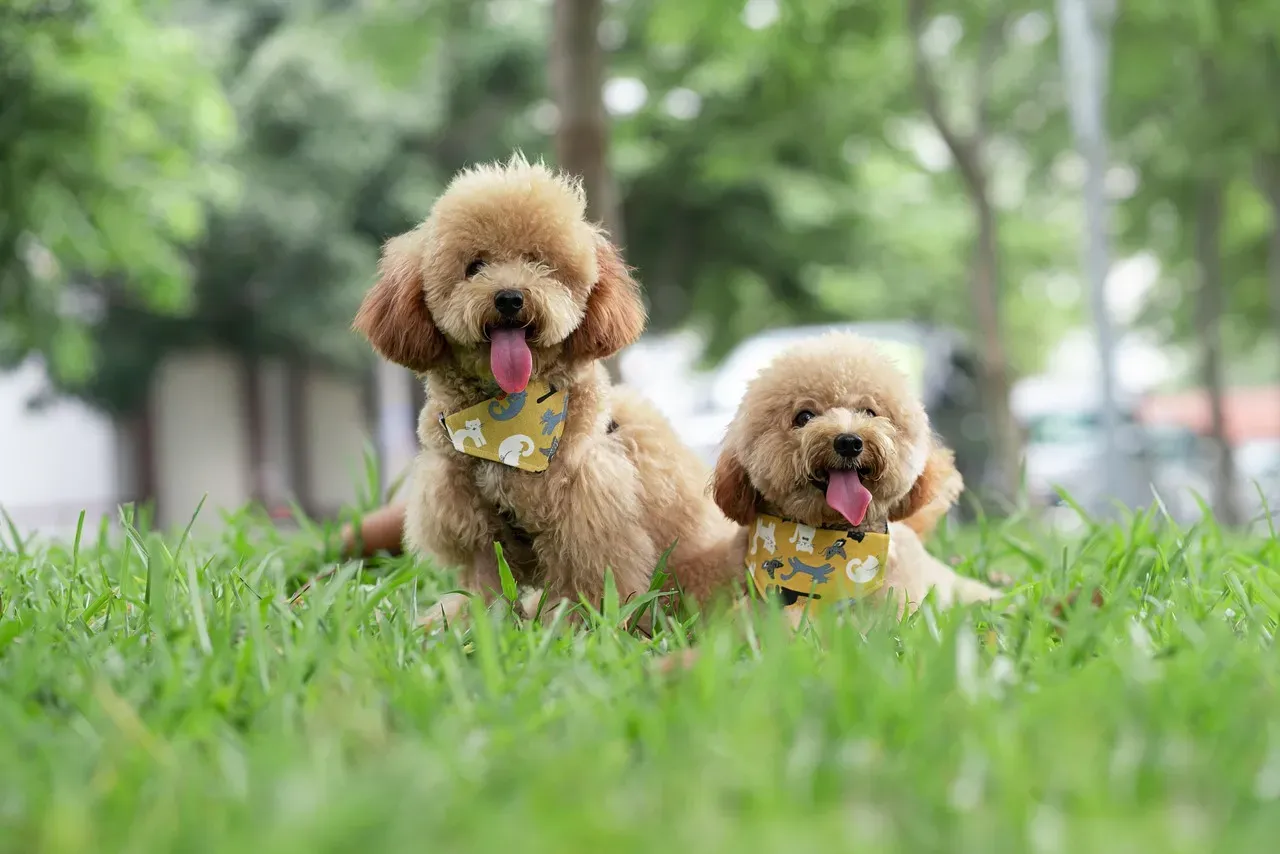
Poodles aren’t just about fancy haircuts. They’re one of the most sensitive dog breeds to human emotions and quick to comfort when stress or sadness strikes. Intelligence is often what gets the spotlight with this breed, and rightly so. They are highly intelligent and emotionally aware, ranking among the top smartest dog breeds. They read subtle cues like posture, breathing, and tone, then adjust their behavior to match your mood. Sometimes they’ll bring playful energy to distract you, other times they’ll simply sit quietly at your side.
That level of awareness, though, means they are equally adept at reading when something is fundamentally missing. Poodles bond through communication. They thrive on training, games, and even silly tricks that build trust and connection. With regular grooming and plenty of mental stimulation, they grow into affectionate companions. Deny them that communicative relationship and you’ve denied them something core to who they are. The result is often a restless, anxious dog who seems perpetually unsettled without anyone understanding why.
#11. Bichon Frise

The Bichon Frise is sunshine in a fluffy coat, and their cheerful nature masks a deep emotional sensitivity. They seem to know exactly when you need a laugh or a cuddle. Their playful antics lift spirits, and their devotion ensures you are never alone in your feelings. The Bichon’s cheerfulness is genuine, not performed. It’s rooted in how much they love being near people they feel connected to. With their fluffy white coats and joyful spirits, Bichon Frises are bundles of happiness. They express love through playful antics, often dancing around to bring smiles. Their affectionate nature is evident in their constant desire for attention and cuddles.
What happens when the warmth stops flowing the other direction? The Bichon doesn’t simply carry on. Separation anxiety can trigger destructive behavior such as chewing furniture or excessive barking. Highly sensitive dog breeds can get easily stressed by changes in their environment or routine. This could manifest in behaviors like excessive licking, pacing, or even aggression. For a breed this emotionally invested in its people, emotional distance feels precisely like that: distance, sharp and real.
#12. German Shepherd
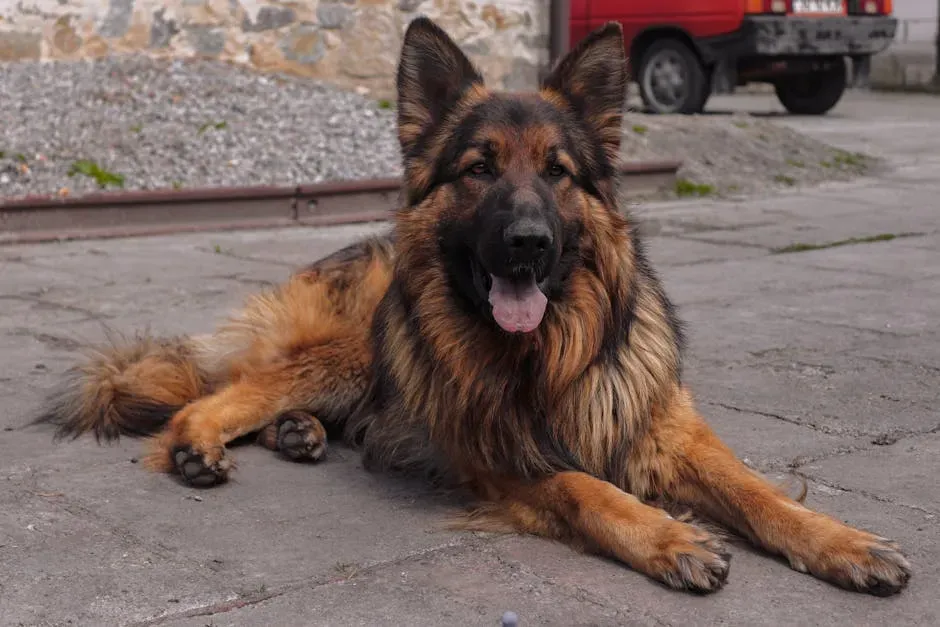
German Shepherds may look tough, but with their families, they’re soft at heart. These dogs are deeply loyal and seem to know exactly when you need calm reassurance. Think of them as emotional bodyguards – steady, watchful, and always close by. Their sensitivity goes hand in hand with intelligence. The German Shepherd’s reputation as a working dog can obscure just how emotionally dependent they are on their person. They need to feel like a partner, not a piece of equipment.
Highly sensitive dogs are wired differently, with research indicating that their brains process sensory input more deeply. For German Shepherds, that depth of processing means they feel disconnection acutely. Highly sensitive dogs may react strongly to loud noises, sudden movements, or changes in routine. An owner who is consistently cold, dismissive, or unreliable in their emotional presence can create a German Shepherd that becomes unpredictable, protective to a fault, or anxious to a degree that surprises everyone who assumed the breed was just naturally tough.
#13. Havanese
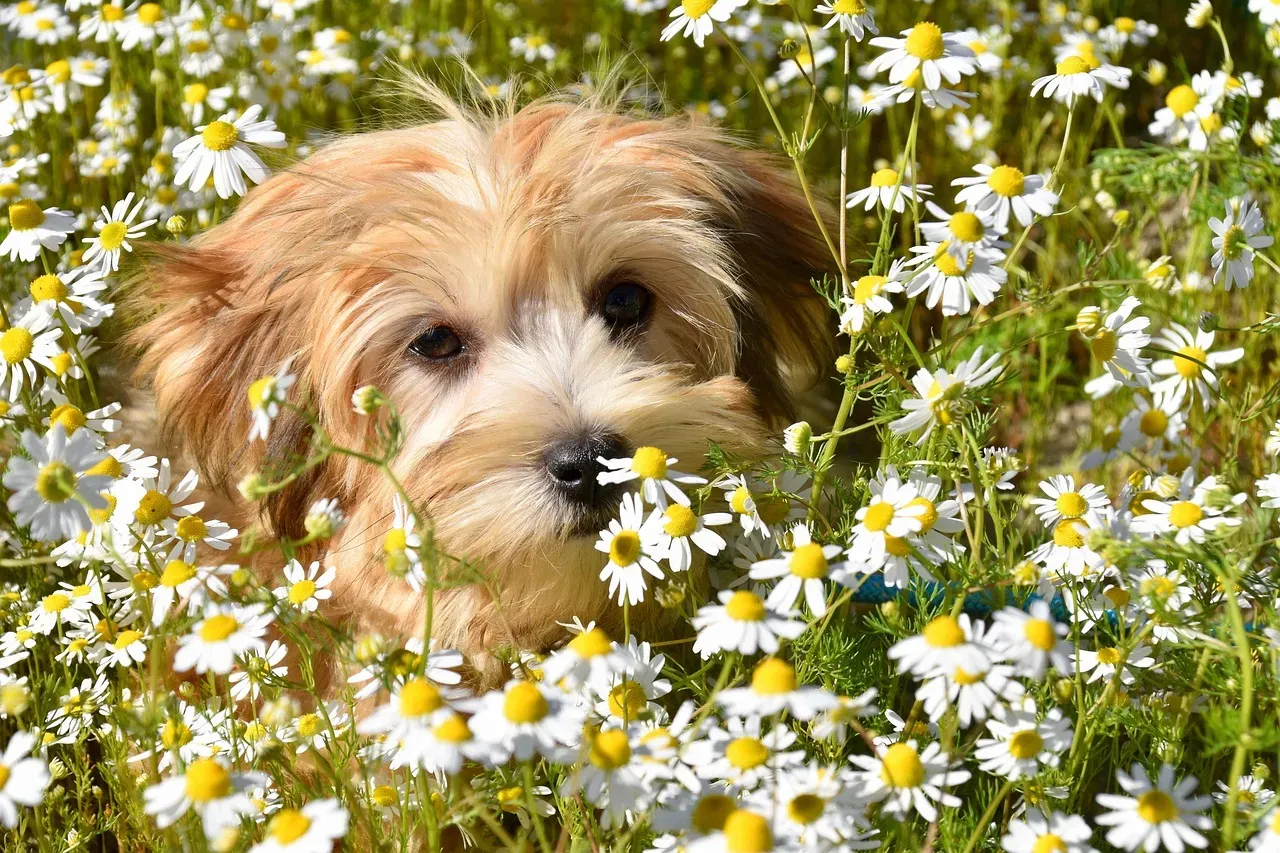
Havanese are small but sensitive souls when it comes to emotional sensitivity. Cheerful and affectionate, they thrive on emotional connection and seem to know exactly when you need comfort. Their presence alone can brighten even the gloomiest days. People often underestimate just how much is happening beneath that famously cheerful exterior. These loving dogs are highly intuitive and instantly realize when their owners are feeling low. They detect stress through subtle changes in behavior and adjust their energy to match. Their ability to shift gears makes them feel like tiny emotional barometers in the home.
Havanese also have a strong desire to please, which makes them incredibly easy to bond with. If you’re happy, they’ll celebrate with you. If you’re sad, they’ll nuzzle close to lift your spirits. Always eager to match your mood, they’re perfect companions who stick by your side through every moment. The other side of all that attunement is that a Havanese living with an emotionally withdrawn owner has nothing to match and nothing to mirror. The disorientation this creates often shows up as clinginess or restless behavior that looks like a training problem when it’s actually an emotional one.
#14. Rottweiler

Perhaps the most surprising entry on this list. The Rottweiler looks like the last dog that would be undone by emotional neglect, but the research suggests otherwise. Contrary to their robust exterior, Rottweilers possess a sensitive side that craves understanding and patience. Their eagerness to please and response to emotional and physical cues demand a care approach that includes positive reinforcement and emotional support. They are not nearly as independent as their size and reputation imply. When you bring your Rottweiler up the right way, you have one sensitive dog that enjoys your company and listens to your commands.
They have a famous baby-like expression that they use when they see that their owner is not feeling well. They are also more emotionally available if you show them vulnerability as opposed to showing dominance. That vulnerability, given freely, builds a remarkable bond. Withhold it and the Rottweiler doesn’t simply shrug. Early socialization and consistent positive reinforcement methods are crucial to nurture their confidence and ensure they respond appropriately to various situations. They are a bit notorious for being aggressive when not trained and stimulated properly, hence they need an expert owner who can channel their energy positively.
What This Really Comes Down To
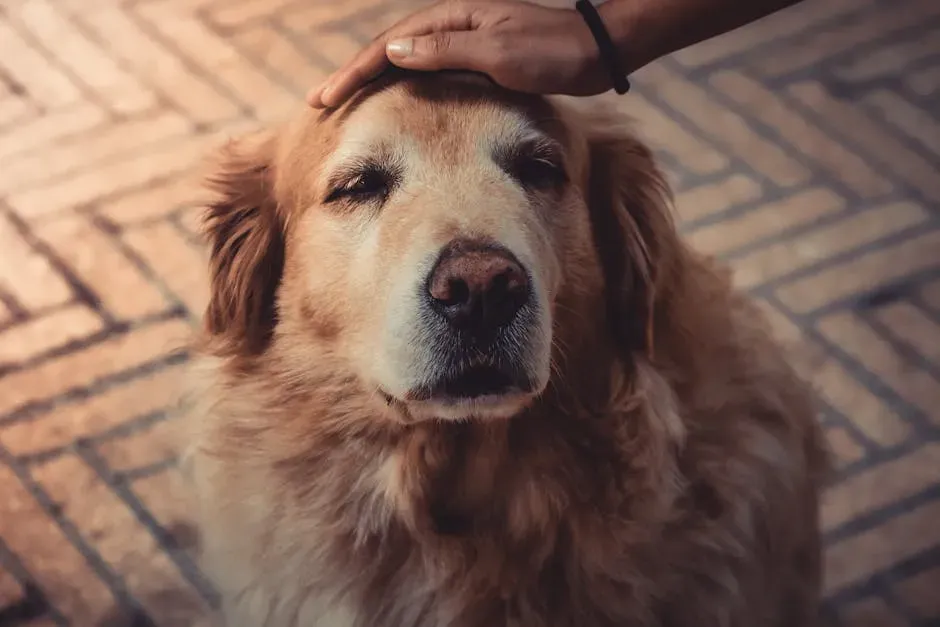
If you’ve read this far and recognized your own dog in these descriptions, that recognition matters. Being “highly-sensitive” doesn’t always only mean “highly anxious.” Highly-sensitive dogs may also be more empathetic, more affectionate, or serve as better guardians. These breeds aren’t problems to be managed. They’re partnerships waiting to be honored.
Helping highly sensitive dogs involves creating a calm environment, establishing predictable routines, and using positive reinforcement training techniques. Gradually expose them to new experiences while providing mental stimulation and regular exercise to reduce anxiety and boredom. The effort isn’t enormous. The difference it makes, though, is.
The truth is, emotionally distant dog ownership is often just uninformed dog ownership. Most people who adopt a Vizsla or a Golden Retriever or a Doberman aren’t being cruel. They simply didn’t know what they were signing up for. But these fourteen breeds have spent thousands of years evolving toward human connection. They don’t know how to need you a little less. The only real question is whether you’re willing to show up for what they’ve always been willing to give entirely.


