
There’s a particular kind of grief that doesn’t get enough airtime. It settles into the quiet corners of a house: the empty dog bed by the radiator, the leash that still hangs by the door, the food bowl you keep forgetting to put away. Losing a dog isn’t like losing a possession. It’s closer to losing a companion you never had to explain yourself to, a presence that asked for nothing and gave everything without condition.
For devoted pet parents, dogs aren’t “just animals.” They’re cherished family members who bring daily companionship, unconditional love, and immeasurable joy to our lives. The hardest part, though, isn’t the loss itself. It’s the slow realization, days or even years later, that you’d give almost anything to go back to one completely ordinary Tuesday afternoon with them. Here are fourteen of those moments that tend to matter most, long after the Rainbow Bridge has been crossed.
#1: The Morning Greeting That Never Got Old
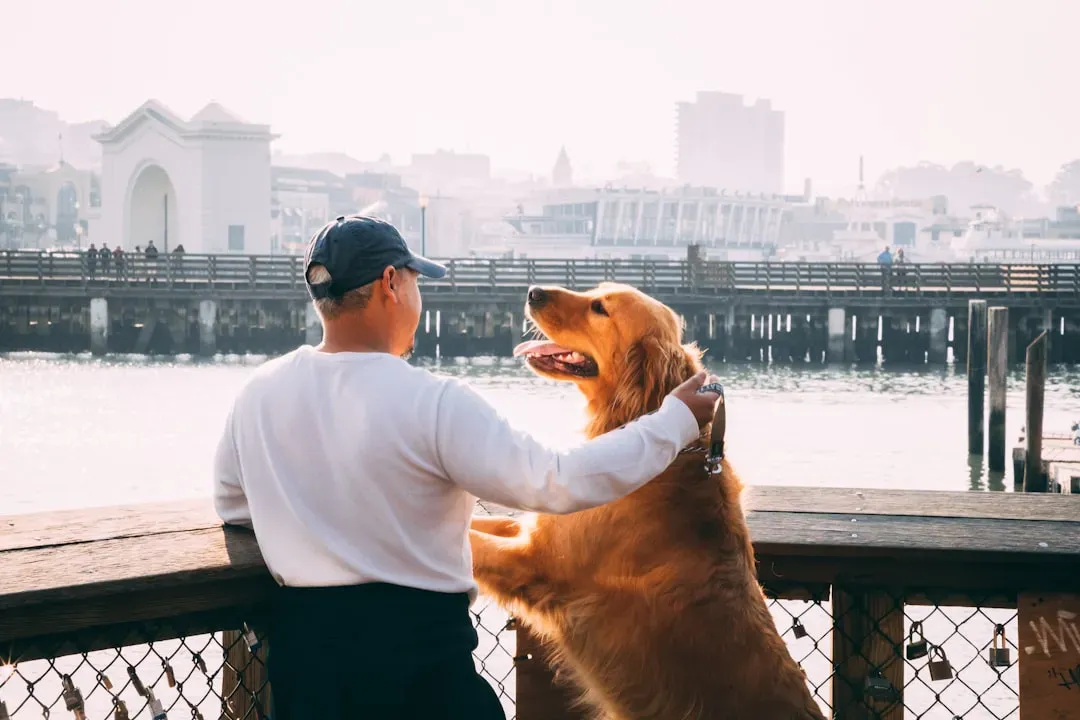
Every single morning, no matter how late you stayed up or how grumpy you felt, your dog was thrilled to see you. Not mildly pleased. Genuinely, tail-spinningly, full-body thrilled. That enthusiasm was never performance. It was pure.
Neuroscientist Gregory Berns at Emory University used MRI imaging to observe what happens in a dog’s brain during human interactions, finding that a dog’s reward center is just as active when the dog is praised as when given food. Your morning greeting genuinely lit them up on a neurological level. When that greeting disappears, the silence of mornings becomes one of the most jarring reminders that they’re gone.
#2: The Way They Followed You From Room to Room
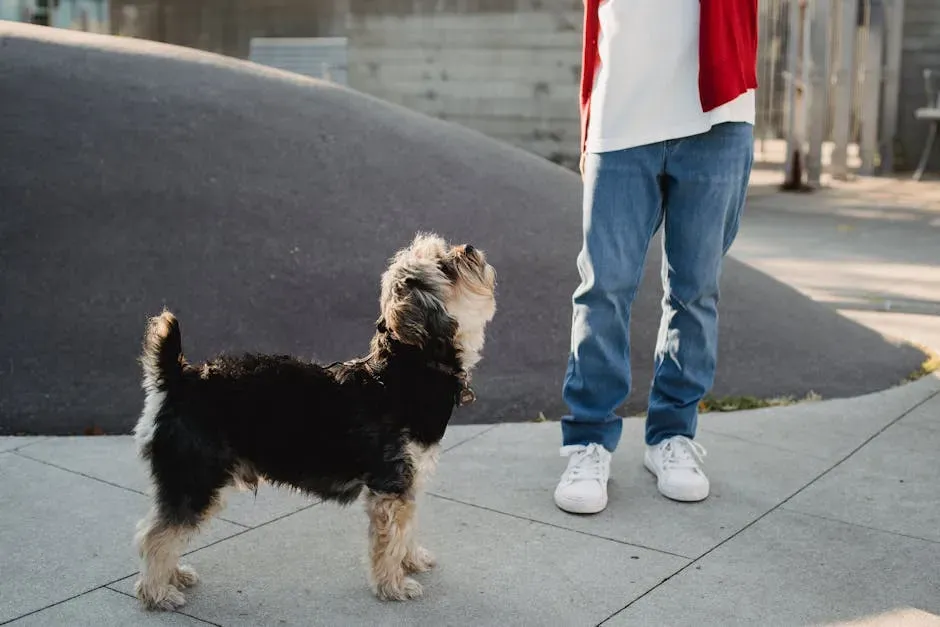
You probably found it mildly annoying at times. You couldn’t even go to the bathroom alone. Every step from the kitchen to the living room was shadowed, every move quietly monitored by two soft eyes.
Research suggests that a dog insisting on following you from room to room is one of the clearest ways dogs demonstrate their deep bond and love for their owners. This proximity-seeking behavior is a hallmark of attachment, where the animal seeks out the attachment figure as a means of coping with stress. After they’re gone, you’ll find yourself turning around to check if they’re behind you. They won’t be. That absence is its own kind of ache.
#3: That Long, Slow Gaze They Gave You
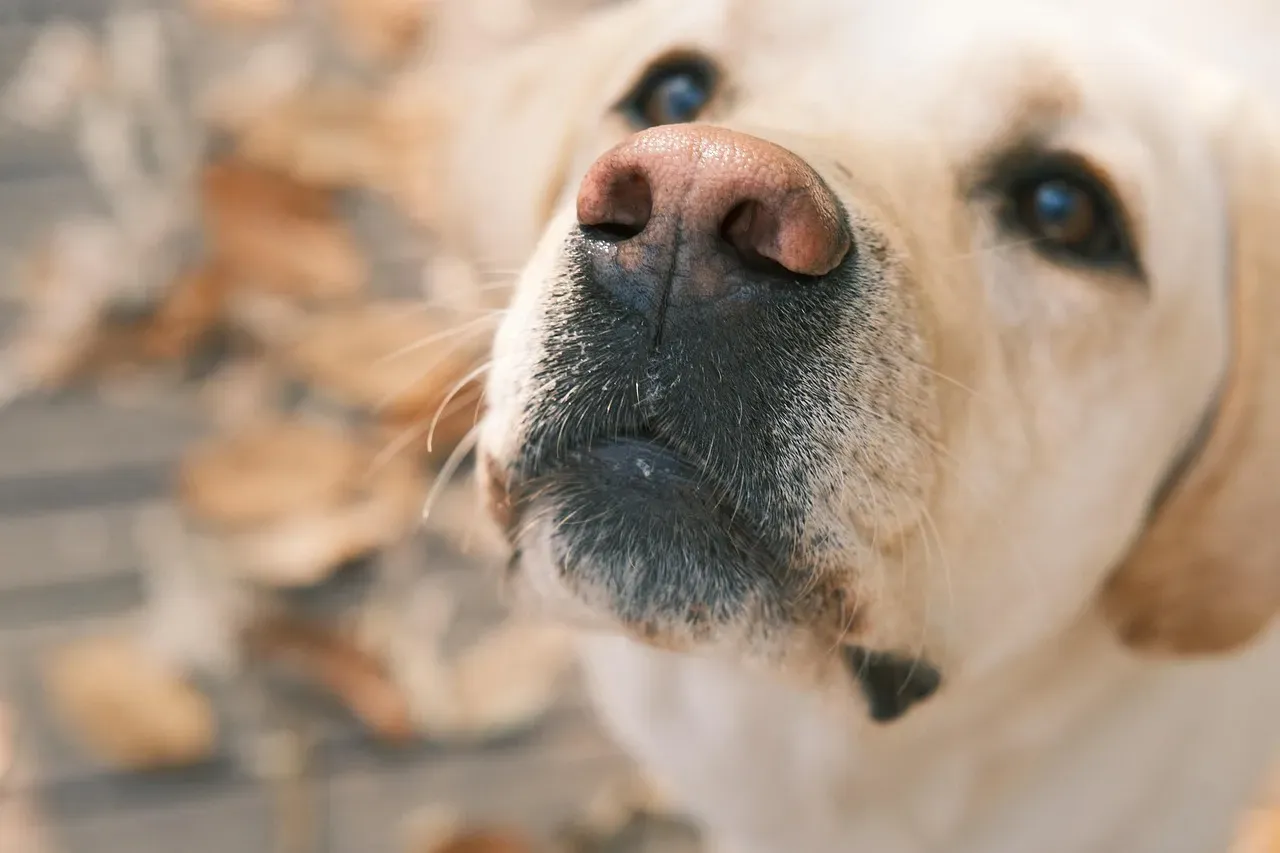
You know the one. Not begging for food. Not asking to go out. Just looking at you with a kind of soft, steady attention that felt a little like being truly seen. Dogs don’t look at strangers that way. They reserve it for the ones they love.
A pivotal study published in Science revealed that mutual gazing between dogs and their owners leads to increased oxytocin levels in both parties, reinforcing the emotional connection. When a dog gazes into your eyes, it’s similar to a human hug, as research shows that eye contact between dogs and their owners releases oxytocin, the very hormone that helps mothers bond with their babies. Those quiet gazing moments were love, stated plainly and without complication.
#4: Falling Asleep Together on the Couch

Maybe it wasn’t “allowed,” officially. Maybe the couch rule bent the first night they looked up at you with that particular face. Somewhere along the way, napping together became one of the easiest, most uncomplicated joys of owning a dog.
The weight of them against your leg, the rhythm of their breathing slowing as they drifted off mid-afternoon, the warmth that spread through the blanket on cold days: all of it becomes part of a sensory memory that grief has a way of replaying in vivid detail. Research led by Kubinyi shows that dog-human relationships combine the upsides of best friend relationships and parent-child bonds, making them more supportive and positive than most relationships between humans. That couch nap was proof of it.
#5: The Toy They Always Brought You
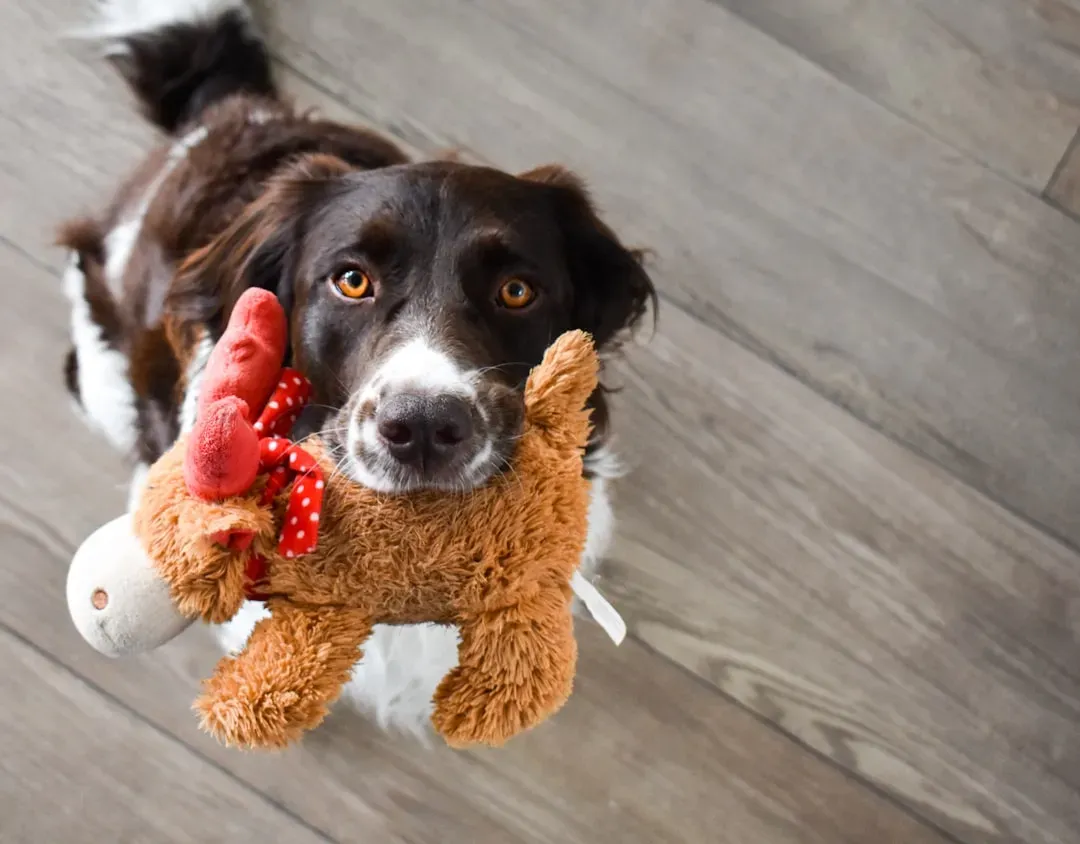
Whether it was a worn-out tennis ball, a rope toy missing half its fibers, or a stuffed animal they’d had since puppyhood, they always brought it to you. Not to play, sometimes. Just to share. Just to say: this matters to me, and so do you.
Bringing you their favorite toy demonstrates trust because dogs are sharing something special, much like a child sharing their favorite toy with a friend, with studies suggesting this behavior indicates your dog values you as part of their pack. It’s one of those gestures so small you almost missed it in the busyness of daily life. After the Rainbow Bridge, that ratty old toy becomes one of the hardest things to put away.
#6: The Walks Where You Both Just Wandered
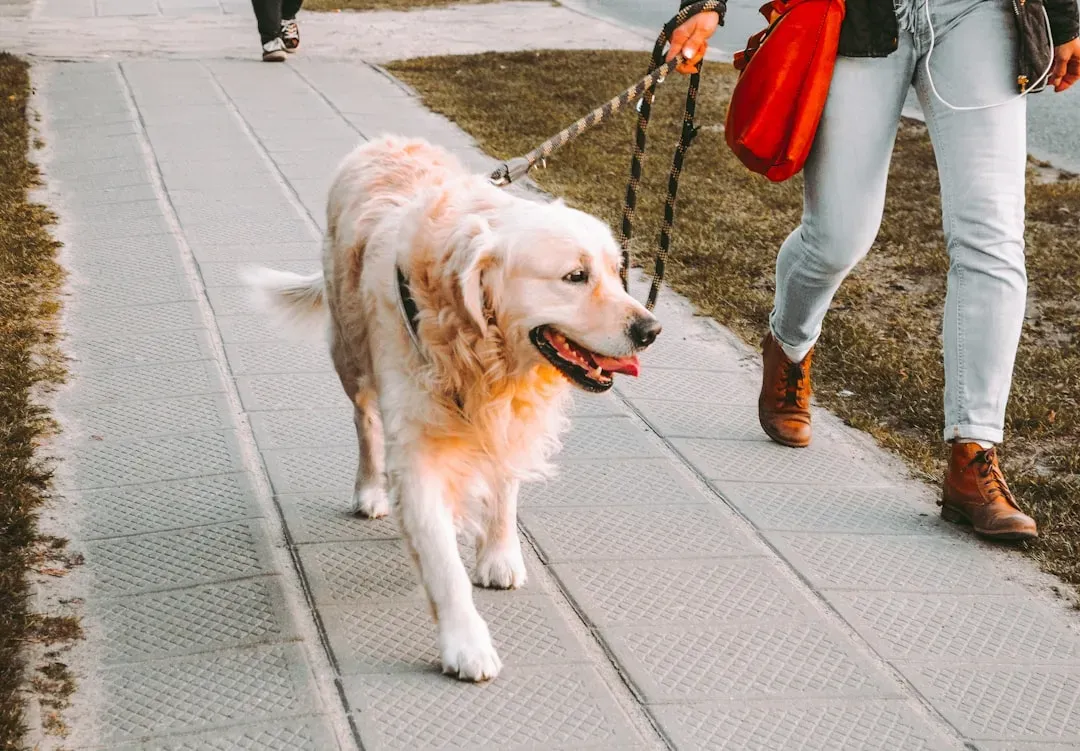
Not the rushed, ten-minute bathroom break before work. The other ones. The unhurried Sunday walks where they led and you followed, where they stopped to investigate every single blade of grass and you let them, because there was nowhere to be and nothing more important than the two of you moving through the world together.
The remarkable bond between humans and dogs spans millennia, crossing cultural and geographical boundaries, with nearly every scientific discipline having something to tell us about the value of the bond between our two species. Walking together, researchers note, is one of the most consistent expressions of that bond. Those slow, purposeless wandering walks become, in memory, some of the most cherished hours you’ll ever know.
#7: The Moment They Sensed You Were Sad

You didn’t call them over. You weren’t even sure you were visibly upset. Yet somehow, within seconds, they were there. Head in your lap, or pressed against your legs, or just quietly lying close enough to touch. No words. No agenda. Just presence.
Canines are capable of assessing humans’ emotional states, as well as discriminating humans by levels of familiarity. Dogs have developed an extraordinary ability to interpret human gestures, emotions, and intentions, and research indicates they are uniquely sensitive to human forms of communication, even more so than our closest genetic relatives, the chimpanzees. In the lowest moments of your life, your dog showed up without being asked. That is not a small thing. That is everything.
#8: The Sound of Their Paws on the Floor

Click, click, click. That particular rhythm of nails on hardwood, the shuffle of paws on tile, the soft padding across carpet late at night when they’d settle back into bed. It was background noise you absorbed so completely you barely noticed it. Until it stopped.
Sometimes a familiar bark, or the familiar sound of footsteps or scratching in favorite places, becomes one of the most powerful sensory triggers after a pet’s passing. Many people describe hearing phantom footsteps for weeks after losing a dog, a kind of auditory echo of a life that filled the house with sound. Silence, it turns out, has its own particular weight.
#9: Letting Them Sleep at the Foot of Your Bed

There were nights when you told yourself it wouldn’t happen. The bed was too small, or they took up too much room, or you needed a proper sleep. Then they’d curl into a warm, heavy circle at your feet and neither of you moved until morning.
Sleep researchers have long noted that the presence of a dog in or near the bed can lower anxiety and promote a sense of safety in many people. The bond at work during those nighttime hours was the same one described in attachment research: the presence of an attachment figure attenuates the effect of stress, constituting the so-called safe haven effect of attachment theory. You were each other’s safe place. That’s worth holding onto.
#10: The First Time They Truly Trusted You
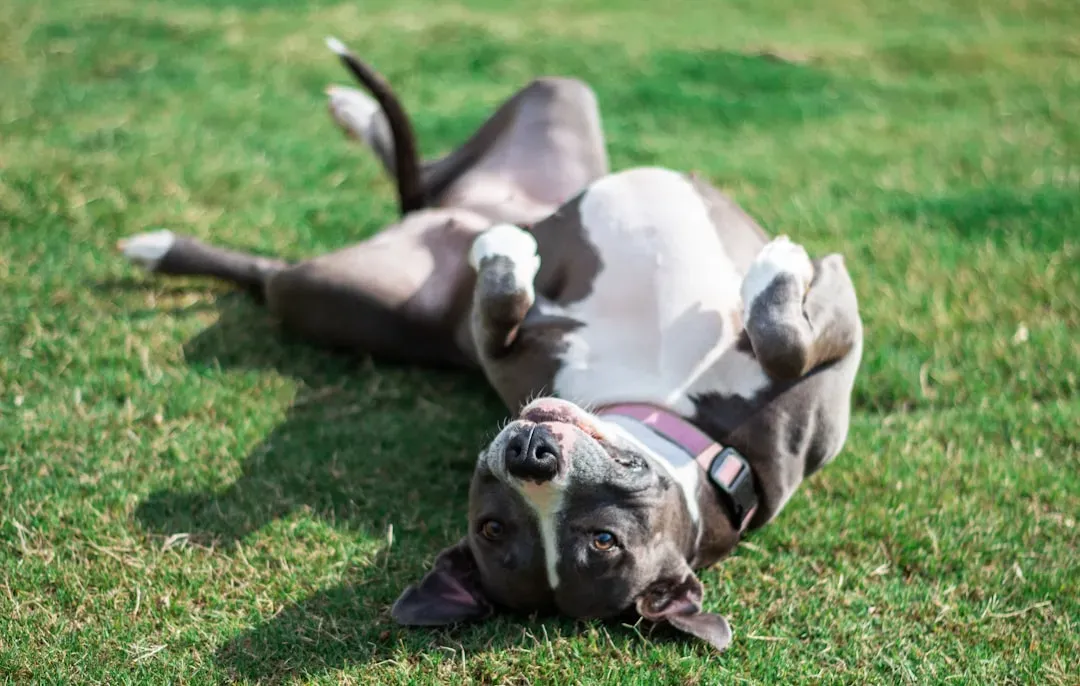
Maybe it happened early, maybe it took months. There was a specific moment, though, when they stopped hesitating at the edge of a room and simply came to you. When they rolled onto their back and showed you their belly. When they sighed and let their whole body go soft against yours.
Dogs developed the ability to form attachments with us in ways we easily recognize and respond to, similar to the ways we bond with one another as humans. Trust, in a dog, is not casual. It’s earned. Burial sites going back thousands of years show dogs treated as beloved companions, which tells you something about how long humans have recognized the weight of that particular moment when a dog decides you’re worth trusting completely.
#11: Teaching Them Something New
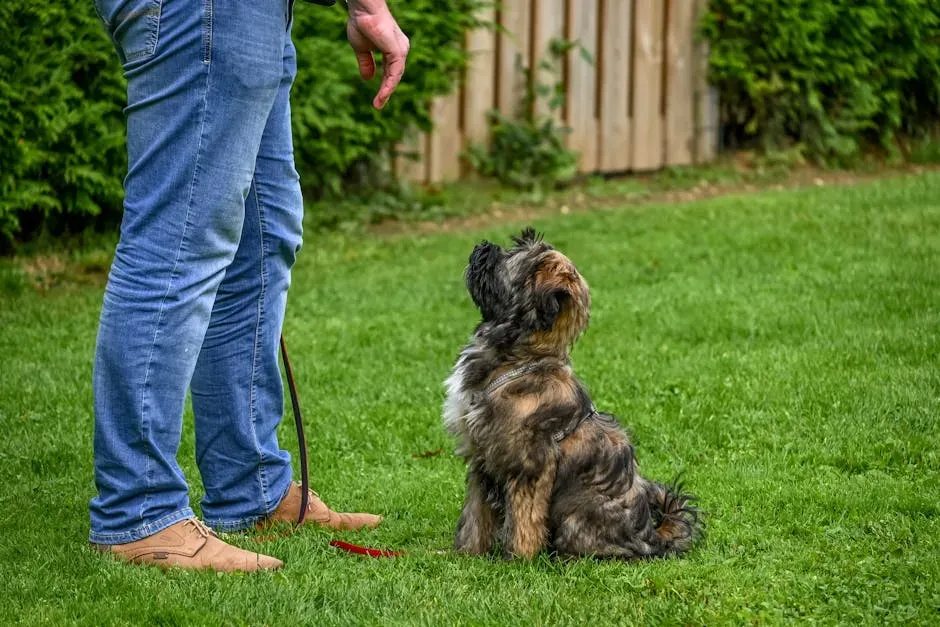
Sit. Stay. Paw. Roll over. Watch them figure out what you were asking, that little head tilt as the neurons fired, the moment recognition clicked and they did the thing and looked at you with almost startled pride in themselves.
Training moments are often underestimated as bonding experiences. Research by Gregory Berns demonstrated both that a dog’s reward center is as active when praised as when given food, and that some dogs even prefer their owners to food when given the choice. What that means, practically, is that you teaching them a trick wasn’t just practical. You were the reward. You were the whole point.
#12: Their Excitement When You Came Home
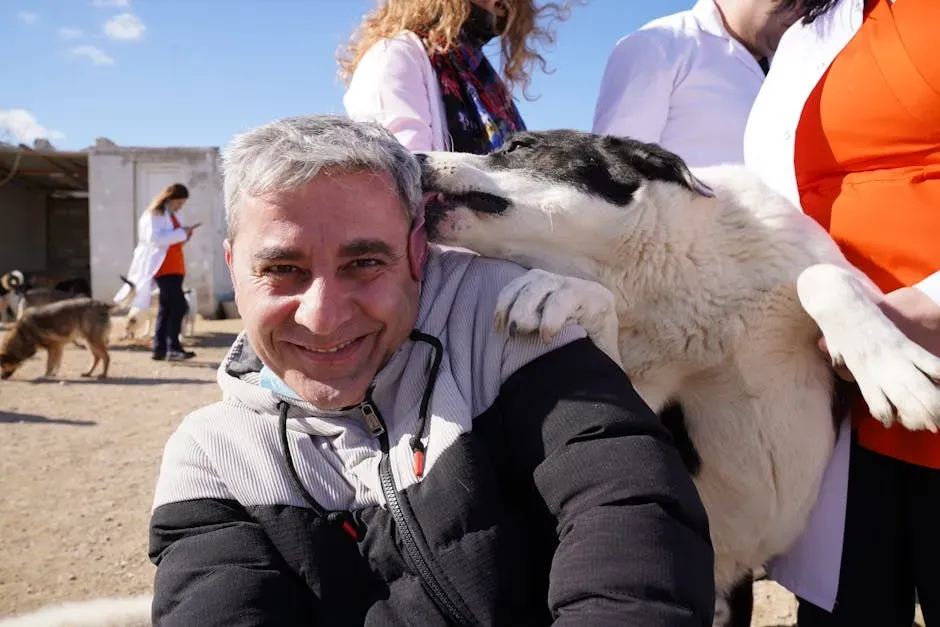
It didn’t matter if you’d been gone eight hours or eight minutes. The reaction was the same. Door barely open and already the spinning, the whimpering, the full-body celebration of the simple fact that you came back.
The science is clear that dogs love us back, and we know from psychology about attachment bonds and how the ones we form early on can go on to influence our relationships for the rest of our lives. A dog waiting at the door is the living, breathing embodiment of that bond made visible every single day. You’ll replay the sound of it, the scramble of paws against tile, the soft bark of recognition, for longer than you’d expect.
#13: The Quiet Evenings Doing Nothing Together
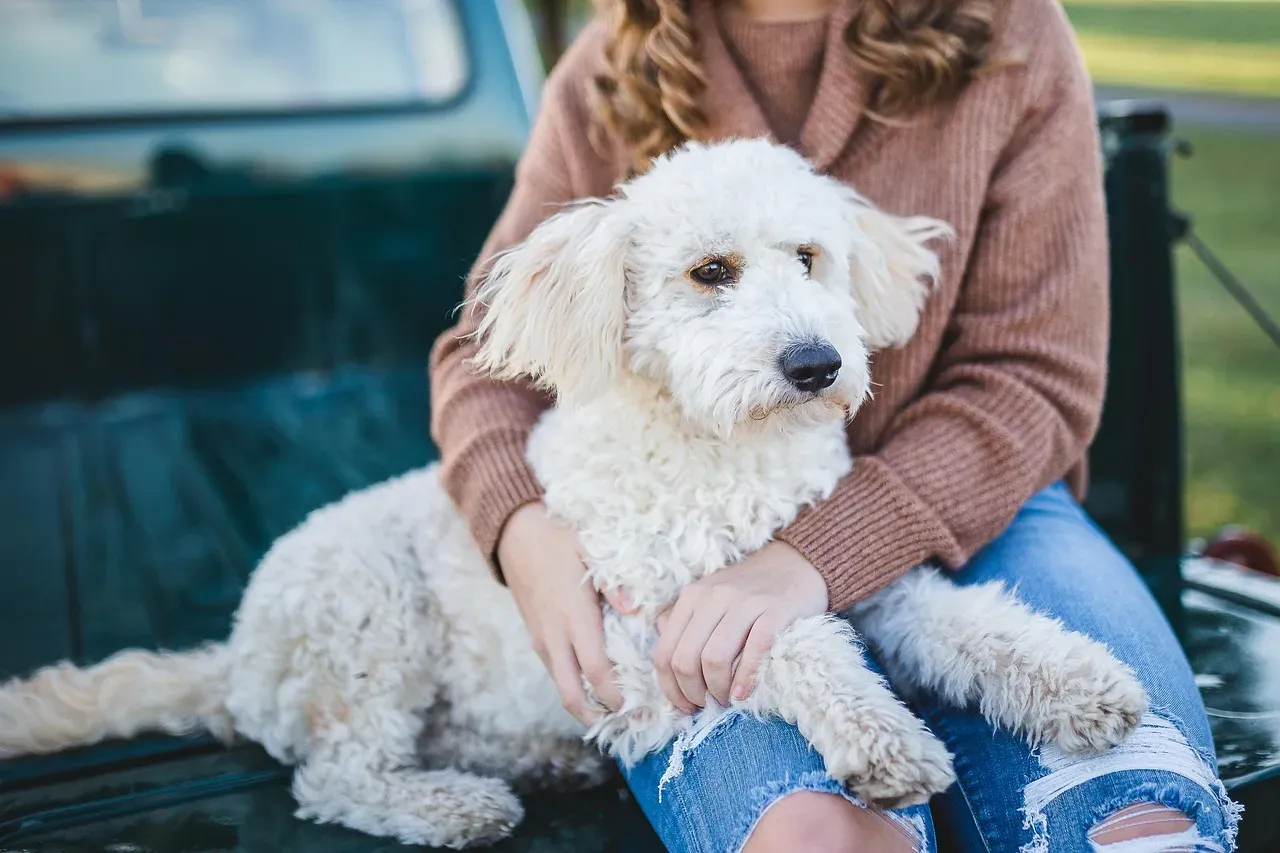
You, reading or watching something forgettable on television. Them, sprawled nearby in that particular loose-limbed way that only truly relaxed dogs achieve. No agenda. No performance. Just two beings sharing the same hour without needing anything from each other.
Beyond the biological mechanisms, the emotional satisfaction derived from human-dog relationships is profound, with a study conducted by researchers at Eötvös Loránd University finding that dog owners often rate their relationships with their dogs as more satisfying than those with their closest human companions, with dogs rated higher in areas such as companionship, affection, and support. Those unremarkable evenings, the ones with nothing to remember specifically, have a way of becoming the ones you miss most.
#14: The Last Look They Gave You
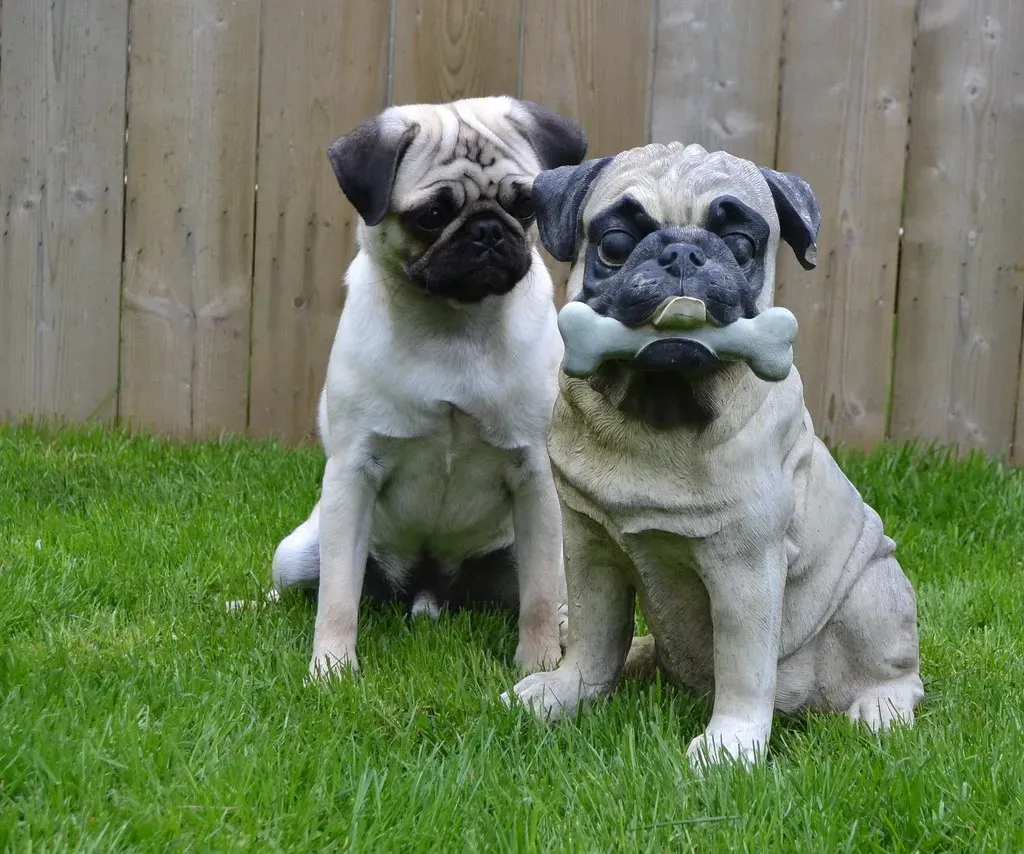
Whether the end came suddenly or slowly, most people who’ve been through it describe the same thing: a final look. Calm. Soft. Trusting. No fear, no confusion, just their eyes finding yours one last time with that same uncomplicated devotion they’d carried their whole life.
The Rainbow Bridge concept transforms the finality of death into a temporary separation, offering hope during the darkest moments, with many pet parents finding comfort in imagining their beloved companion healthy, happy, and free from the suffering they may have experienced in their final days. That last look wasn’t goodbye. It was the same look they always gave you: steady, safe, and full of something that had no name in either of your languages, but that both of you understood completely.
A Final Reflection: The Ordinary Was Never Ordinary
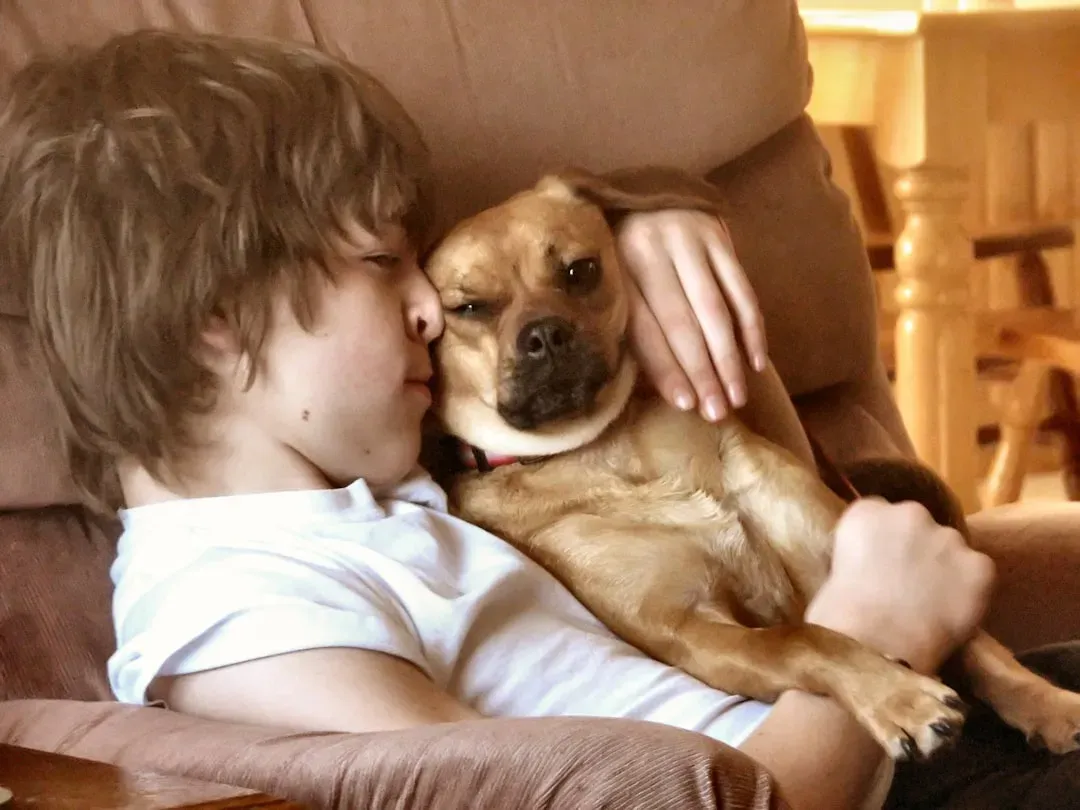
Here’s what nobody tells you about losing a dog: it’s not the big moments you miss most. It’s not the birthdays or the trips or the Instagram-worthy days at the beach. It’s the Tuesday mornings. The half-eaten bowl of popcorn they snuck from the couch. The way they sighed before falling asleep.
The relationship between humans and dogs is, by any scientific measure, genuinely extraordinary. The bond between humans and dogs stands as one of the most enduring and profound interspecies relationships in human history, with dogs having evolved alongside us and forging a connection that transcends mere utility. That connection doesn’t evaporate when they cross the Rainbow Bridge. It shifts. It softens. It lives in those fourteen tiny moments you almost didn’t notice while you were busy living them.
The grief that follows losing a dog is legitimate, proportionate, and deeply human. Grief often feels endless in those early days and weeks after loss, but the Rainbow Bridge offers a comforting alternative to the finality that death seems to represent, suggesting not goodbye forever, but “until we meet again.” Take care of those memories. They are yours to keep, and they are more than enough.


