
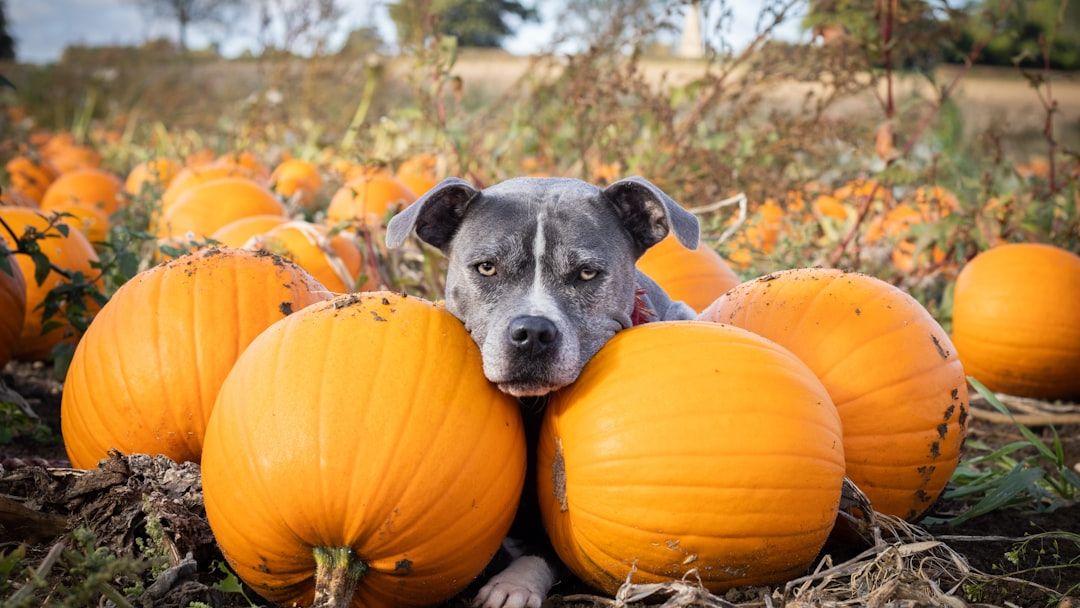
Most dog owners know the usual warnings: no chocolate, no grapes, no onions. But the conversation rarely goes the other direction. There’s a whole category of human foods sitting quietly in your kitchen that don’t just tolerate dogs eating them – they actually do those dogs genuine, measurable good. That gap between what we assume is off-limits and what’s genuinely beneficial is wider than most people think.
From protein-packed lean meat to nutrient-rich fruits and vegetables, some human foods aren’t just safe for dogs – they’re good for them too. Human food can be a nutritious dietary supplement for dogs, and some foods are healthier than others. The key is knowing which ones, how to prepare them, and how much is actually helpful versus excessive. The list below might genuinely surprise you.
#1 Blueberries
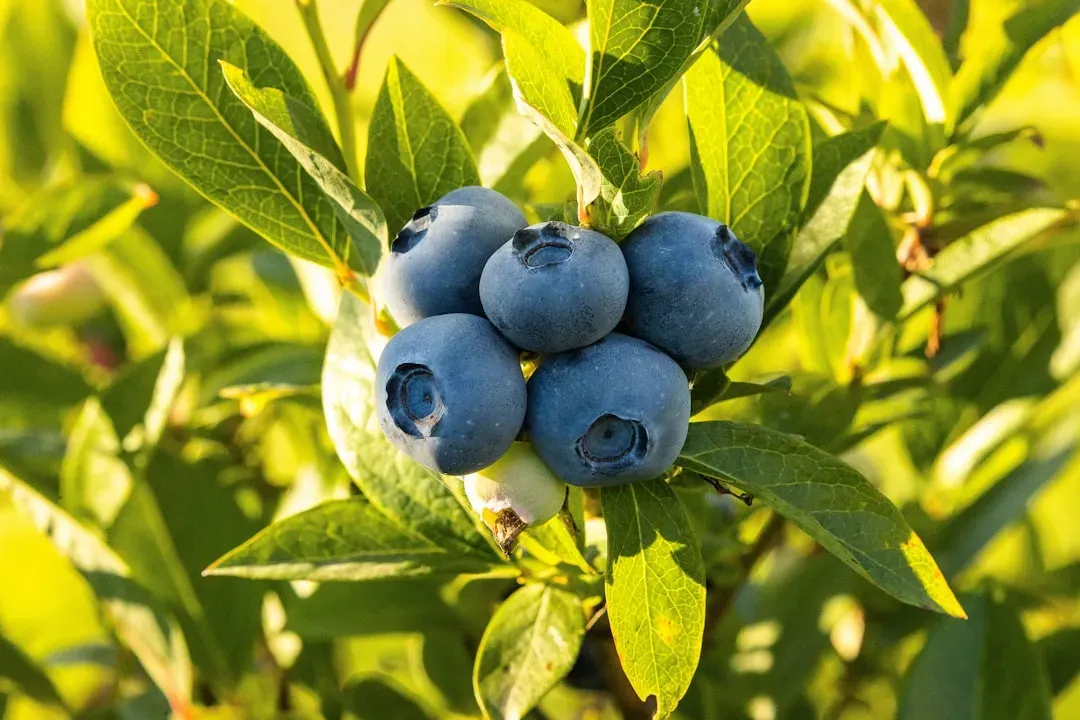
Blueberries are a superfood rich in antioxidants, which prevent cell damage in humans and canines alike. They are loaded with phytochemicals, and their deep blue hue is the result of powerful antioxidants called anthocyanidins. Blueberries are also a good source of healthy fiber, manganese, and vitamins C and E.
These tiny powerhouses contain anthocyanins, which support brain health and may help improve cognitive function in aging dogs. The vitamin C in blueberries boosts immune system function, while vitamin K supports bone health. These berries are naturally low in calories and high in fiber, making them perfect training treats that won’t contribute to weight gain. They’re especially good for senior dogs, as they can improve certain age-related conditions.
#2 Carrots

Carrots are a superfood for dogs, packed with benefits. They’re low in calories, high in fiber, promote dental health, provide essential vitamins and minerals, act as antioxidants, and offer hydration. Dogs often enjoy them as a natural, low-calorie treat. Since dogs can convert beta-carotene to vitamin A, this veggie is great for their eye health.
The crunchy texture can help remove plaque from their teeth, and the orange root vegetable is also a good source of vitamin A. Cold or frozen carrots can also be helpful for teething puppies, giving them something to chew on and easing discomfort. However, carrots can be a choking hazard for young dogs, so it’s important to cut them into small, manageable pieces to avoid any problems.
#3 Pumpkin

Pumpkin is a fantastic supplement to any dog’s diet: it’s rich in nutritional value, including vitamins A, C and E, plus minerals like iron and potassium, and has high soluble fiber content, making it great for your dog’s digestion and helping with tummy issues like diarrhea or constipation. It’s high in prebiotics, too, which support the digestive tract. Pumpkin is low in calories and can be an excellent addition to your dog’s regular food.
Pumpkin flesh helps absorb excess moisture in diarrhea, hardening stool and supporting regular movements. For constipated dogs, pumpkin releases water into dry stool to help it pass more easily. Canned organic pureed pumpkin can be found at food stores, but be sure that it is pure, BPA free, and not a pie filling, which typically has sugar and/or spices added.
#4 Cooked Eggs

Eggs are a nearly complete source of amino acids – the building blocks of proteins – and contain lots of vitamin A, riboflavin, folate, vitamin B12, iron, selenium and fatty acids. Eggs made it to the list of healthy people food that dogs can eat because they are a great source of protein, vitamin D, selenium, and riboflavin.
Cooked eggs can be a great way to provide your dog with protein, vitamin B12, iron, folate, and more. This all contributes to healthy muscles and good digestion while helping your dog feel fuller for longer. Giving your dog cooked rather than raw eggs removes the risk of salmonella. Hard-boiled, poached, or scrambled eggs are all great options for your dog – just don’t add extras like cream, milk, cheese, chives, or salt and pepper.
#5 Salmon
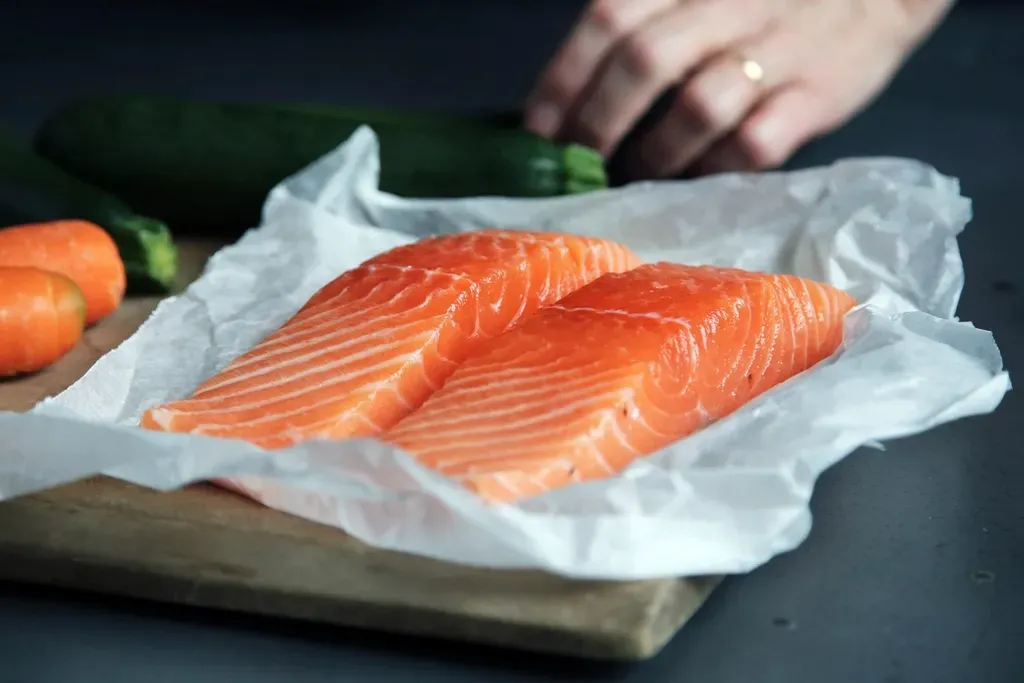
Salmon strengthens a dog’s cardiovascular system. The noted and tasty fish holds large amounts of powerful nutrients known as omega-3 fatty acids. These substances play a critical role in regulating a dog’s blood pressure, improving heart function, and increasing overall cardiovascular health. Additionally, researchers believe salmon reduces inflammation in dogs, a problem that damages cells and tissues, thus heightening a dog’s chances of developing numerous potentially serious diseases.
Oily fish like herring, salmon, sardines, and anchovies are tasty superfoods for dogs, packed with protein, healthy fats, and the essential fatty acid omega-3. Omega-3 fatty acids boost dogs’ skin and coat health, as well as fight arthritis, inflammation, and brain aging. Like eggs, dogs should not eat salmon raw, as this increases their risk of developing potentially life-threatening parasites.
#6 Plain Greek Yogurt
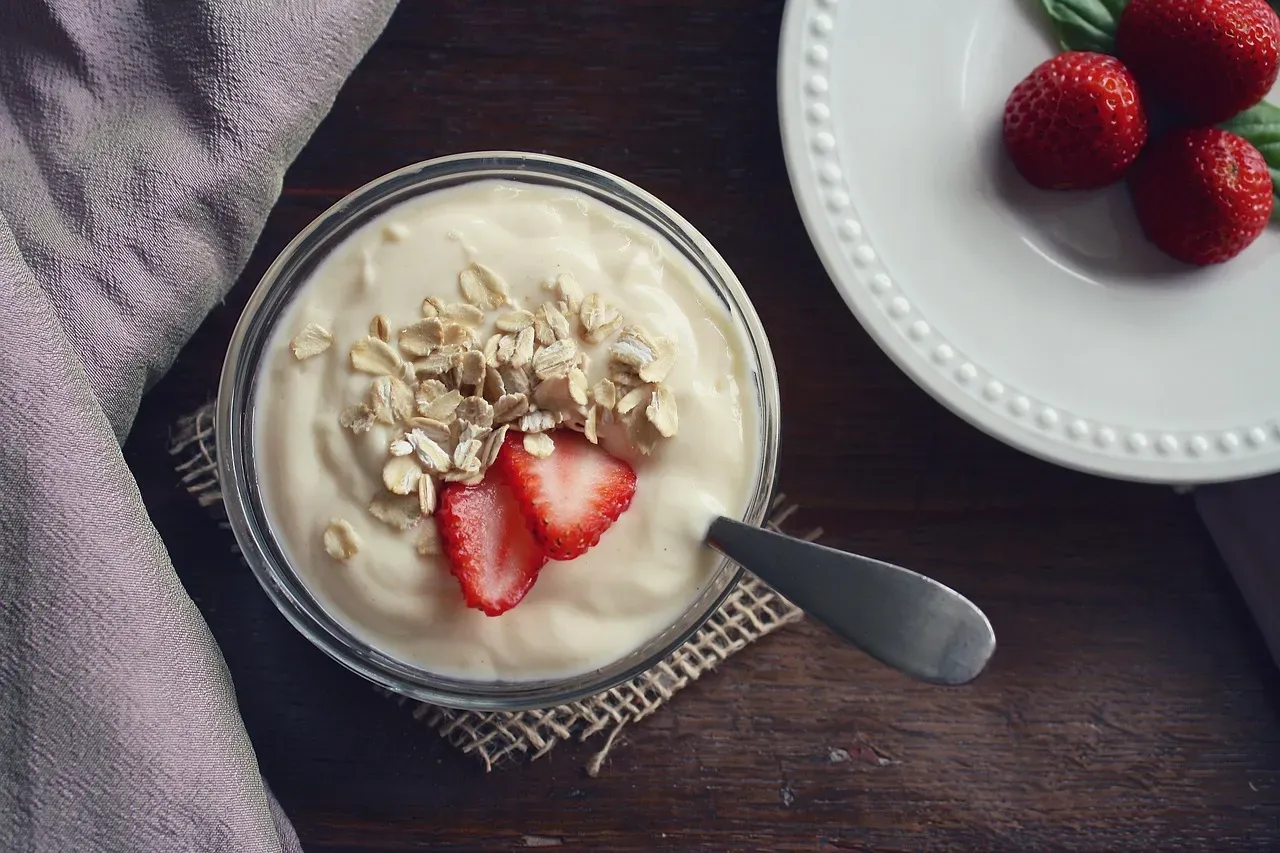
Plain Greek yogurt is packed with protein and rich in gut-supporting probiotics. Yogurt is a beneficial addition to a dog’s diet. It contains probiotics that promote healthy digestion and a strong immune system. Additionally, yogurt provides essential nutrients like calcium and protein.
Greek yogurt provides extra protein with less lactose, making it easier for sensitive stomachs to digest. Some dogs have difficulty digesting dairy products, but plain yogurt can be a wonderfully healthy treat for your dog, as probiotics can help strengthen your dog’s digestive system. However, don’t give your dog yogurt with any added sugar or artificial sweeteners. Frozen into silicone molds, it doubles as a refreshing summer snack your dog will genuinely love.
#7 Peanut Butter
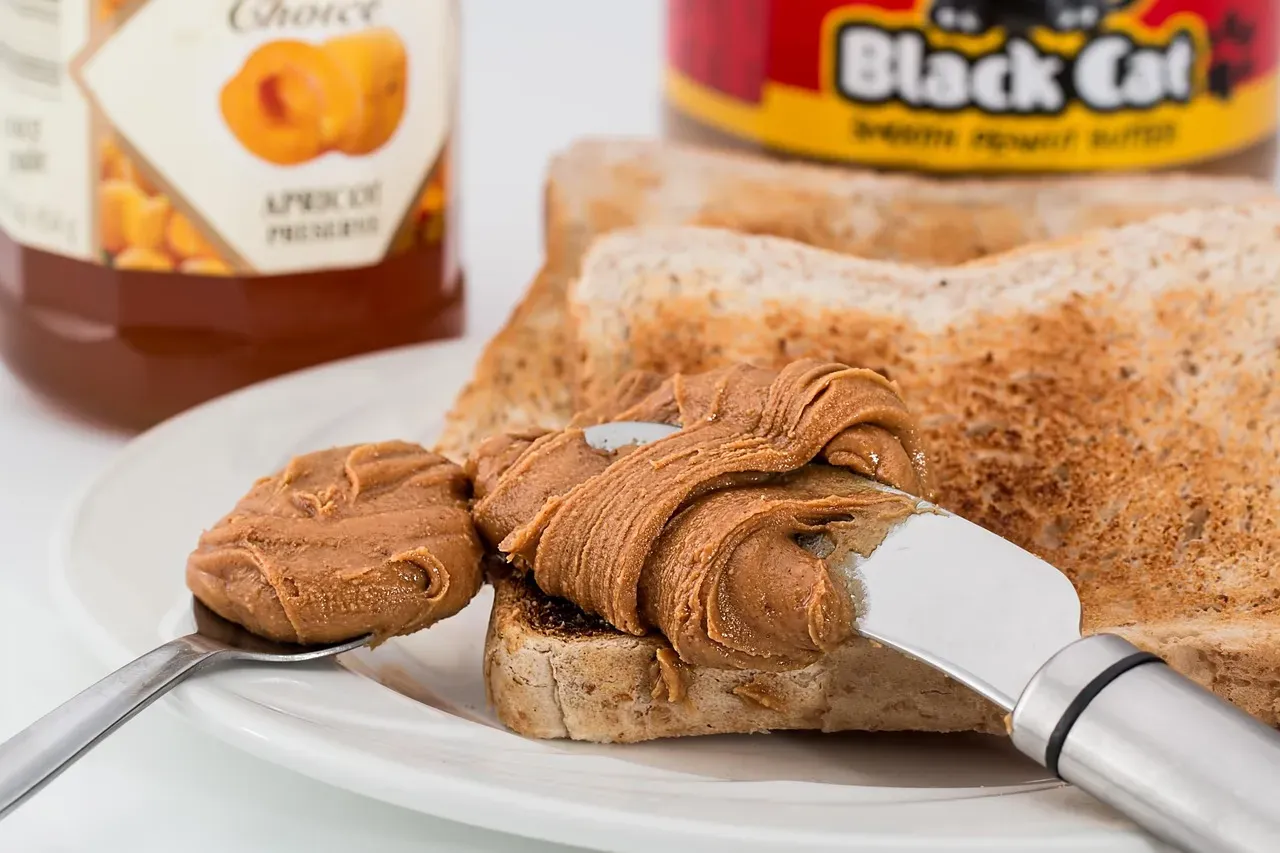
Peanut butter contains notable amounts of important nutrients such as fiber, protein, healthy fats, and vitamins B and E. Peanut butter is high in fat, but thankfully it’s a good kind of healthy fat. These fats, like polyunsaturated fatty acids, are helpful in maintaining healthy skin and improving dry and irritated skin and coats. These healthy fats also help aid in growth and immunity.
Peanut butter has plenty of important vitamins for your dog, but one of the more essential nutrients is niacin, or vitamin B3. This vitamin is especially beneficial for your pup as niacin breaks down fat and sugar into energy. So if your pup has hit an energy slump, this vitamin is the one that will help boost their energy levels. The one rule that can’t be skipped: make sure the peanut butter doesn’t contain xylitol, a sugar substitute that is toxic to dogs.
#8 Oatmeal
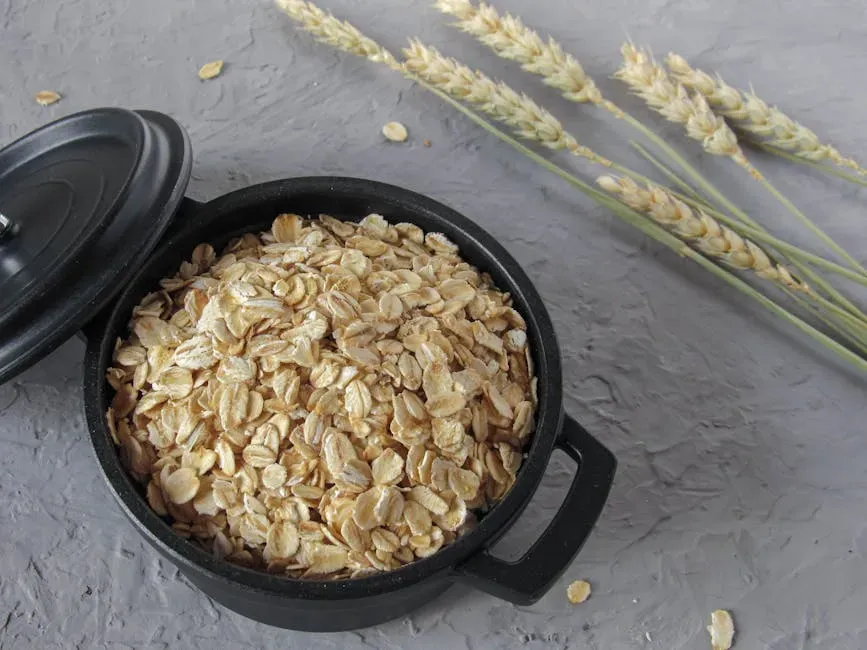
Oatmeal contains vitamin B, which helps maintain a healthy coat, and linoleic acid, which is a type of omega-6 fatty acid that helps to maintain the strength of dogs’ skin. Thanks to its richness in soluble fiber, oatmeal has also become an increasingly common ingredient in commercial dog food. This can be beneficial for some older dogs that may have trouble maintaining bowel regularity. Oatmeal is also an alternative source of grain for dogs that are allergic to wheat.
As a delicious whole grain, oatmeal provides many essential nutrients like fiber, vitamins, and minerals. Oatmeal is also a great source of protein and can help your dog feel fuller longer. When it comes to feeding your dog oatmeal, avoid using flavored or instant varieties, as they often contain sugar or sweeteners which can be harmful to dogs. Instead, cook plain oatmeal and add it to your dog’s regular food or use it as a standalone treat.
#9 Sweet Potato
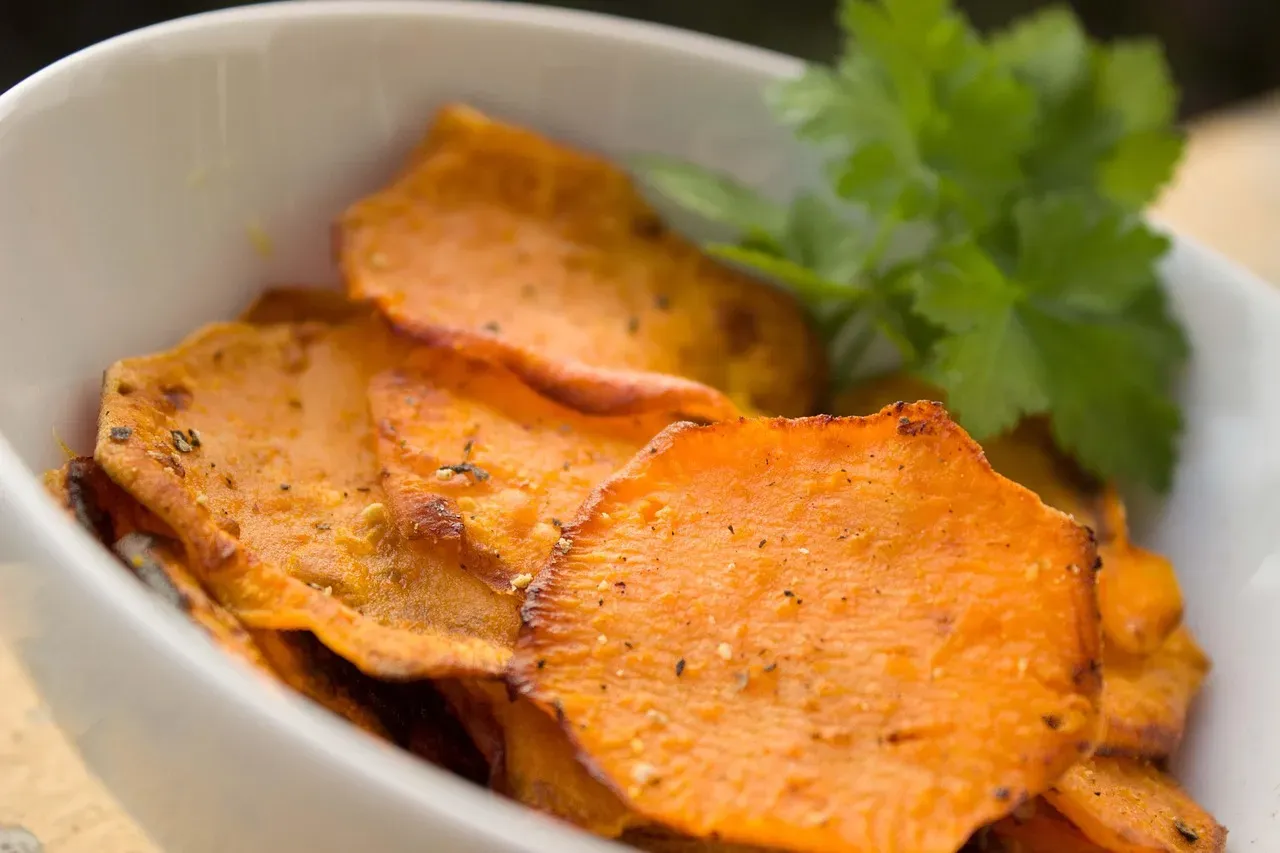
Sweet potatoes are full of fiber and nutrition. They are packed with vitamins A, C and B-6, promoting optimal eye health, immune function and nerve function. Sweet potatoes are tasty and packed with beta-carotene, heart-healthy vitamin A, and immune-boosting vitamin C. Their naturally sweet flavor means most dogs take to them immediately, which makes them an easy, low-resistance addition to mealtimes.
Dogs should never eat raw sweet potato, as it can be difficult to chew and potentially cause an intestinal blockage if swallowed. Instead, bake it until soft, remove the skin, and feed it as a healthy treat or mix it with food. Too much sweet potato can cause digestive upset, so moderation matters here – a small amount as a topper or treat is the sweet spot.
#10 Watermelon

This hydrating fruit is packed with vitamins A, B6, and C and is wonderful for improving fluid balance in dogs. Watermelon can be a safe and hydrating treat for dogs in moderation. It’s low in calories, contains vitamins and antioxidants, and can aid digestion due to its fiber content. On a hot summer day, few things will delight your dog more than a cold chunk of this fruit.
Remove seeds and the rind before serving, and be cautious of the sugar content. Offer watermelon as an occasional treat and watch for any allergies or digestive issues when introducing it to your dog’s diet. The rind in particular can be tough to digest and may cause stomach upset, so stripping it cleanly before serving is not optional – it’s essential.
A Few Things Worth Keeping in Mind
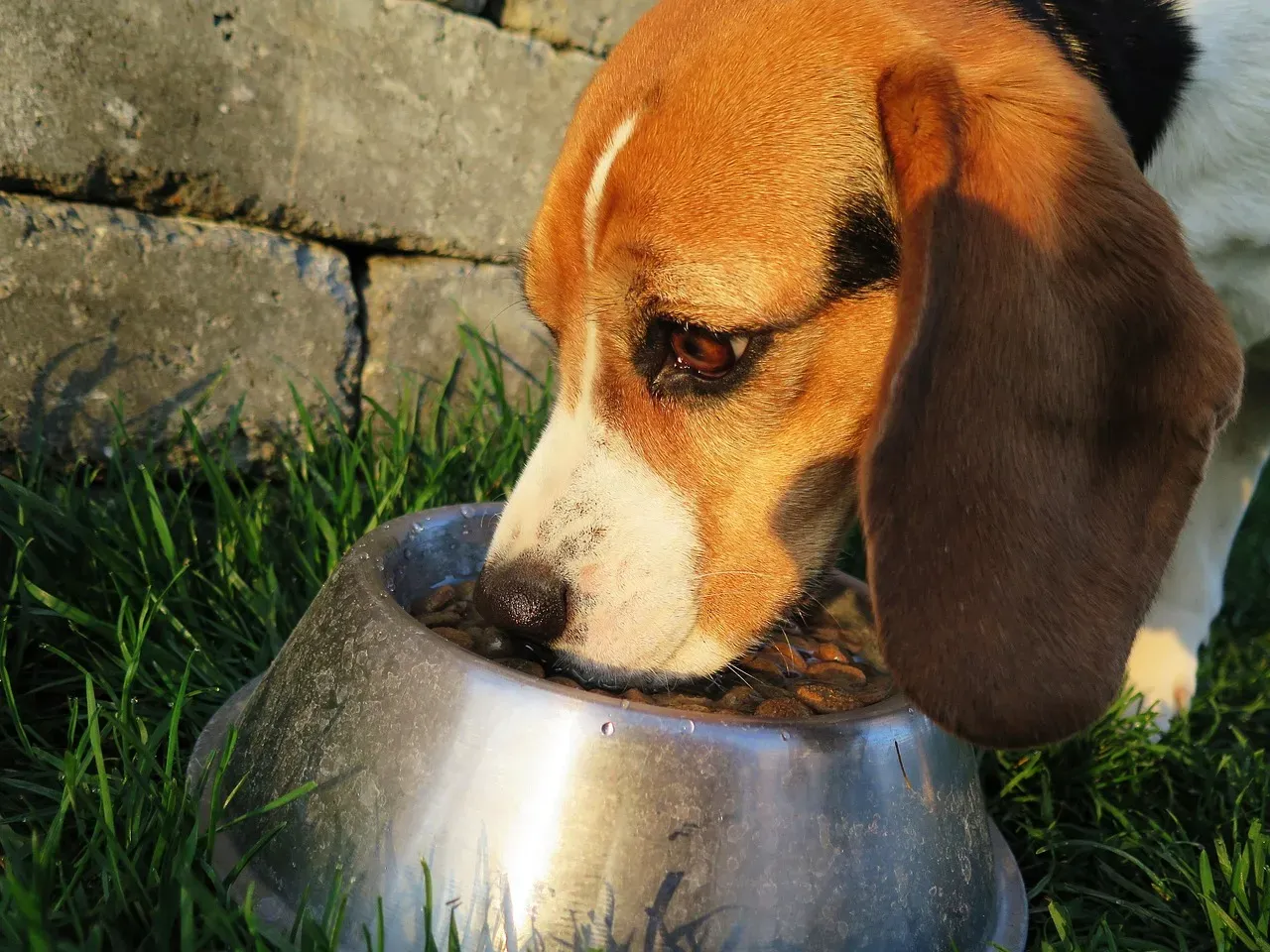
Regardless of how healthy it is, dog-safe human food should only be offered as a supplement to a balanced diet. Veterinarians generally recommend limiting human food and treats to roughly ten percent of your dog’s daily diet. That boundary exists for a reason, and it’s worth respecting even when a food is genuinely nutritious.
Even healthy foods don’t suit every dog. Watch for warning signs after introducing something new, including vomiting, which can signal intolerance or digestive upset, and diarrhea or loose stools, which are often the first sign a food isn’t sitting well. Always introduce new foods gradually and in moderation to monitor how your dog reacts.
Grapes, raisins, cherries, and avocado should never be fed to dogs, as they contain compounds that can cause kidney failure, cyanide poisoning, or gastrointestinal damage. Knowing what’s off the table is just as important as knowing what belongs on it.
Conclusion: Your Kitchen Is a Better Pet Store Than You Think
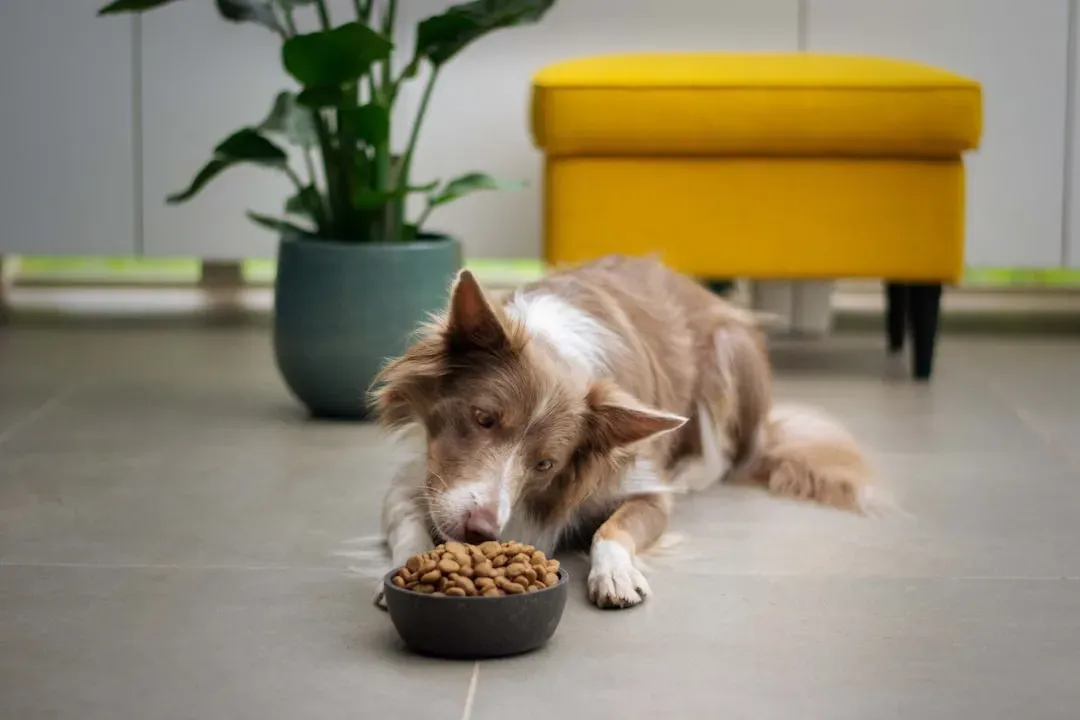
Here’s what strikes me most about this list: none of these foods are exotic or expensive. Blueberries, carrots, oatmeal, eggs, pumpkin – these are weekday staples that most households already have. The idea that supporting your dog’s health requires specialized products or premium supplements is, frankly, overstated. Real, whole ingredients have been doing quiet, unglamorous work in canine nutrition for a long time.
That said, “natural” doesn’t automatically mean unlimited. Every food on this list comes with a portion caveat, and a few come with preparation requirements that genuinely matter – like cooking salmon thoroughly or avoiding peanut butter that contains xylitol. The difference between a helpful addition and an unnecessary problem is usually just attention to detail.
If there’s a single takeaway worth holding onto, it’s this: the path to a healthier dog doesn’t always require a vet visit or a specialized diet. Sometimes it starts with a handful of blueberries dropped into a bowl, or a spoonful of plain pumpkin stirred into kibble. Small, consistent choices tend to matter more than dramatic overhauls – for dogs and their owners alike.


