

There is something almost unfair about how charming a Cavalier King Charles Spaniel can be. The large, melting eyes. The silky, feathered ears. The tail that never seems to stop. Most dogs take a little time to win you over. The Cavalier manages it in about thirty seconds.
Cavaliers are the best of two worlds, combining the gentle attentiveness of a toy breed with the verve and athleticism of a sporting spaniel. That dual nature is a big part of why they keep showing up in the homes of city dwellers and country families alike. Whether you want a snuggle partner or a companion who’ll happily join you on a morning walk, this breed genuinely delivers on both fronts.
#1: A Royal History That Almost Disappeared

The Cavalier King Charles Spaniel is the descendant of a small toy spaniel depicted in many 16th, 17th, and 18th century paintings of northern Europe, originally bred to warm laps in drafty castles and on chilly carriage rides. The breed’s connection to the English monarchy runs deep, and it’s not just a matter of naming rights.
King Charles II was seldom seen without two or three Cavaliers at his heels, and he wrote a decree still in effect today that his namesake spaniel be accepted in any public place, including the Houses of Parliament, which were generally off-limits to animals. That is remarkable staying power for a royal decree.
Politics almost caused this dog to vanish. When King Charles II died without anyone to take over the throne, a new ruling family had to be established. They didn’t want to be associated with the previous king’s favourite dog, so this breed became quite rare while the Pug rose in popularity. The breed’s survival was genuinely precarious for a stretch.
In 1926, American Roswell Eldridge offered a dog show prize for the best male and female of “Blenheim Spaniels of the old type, as shown in pictures of Charles II of England’s time, long face, no stop, flat skull, not inclined to be domed, with spot in centre of skull.” That offer sparked a revival, and the breed we know today was gradually rebuilt from near extinction into one of the most beloved companions in the world.
#2: A Temperament Built Around Love
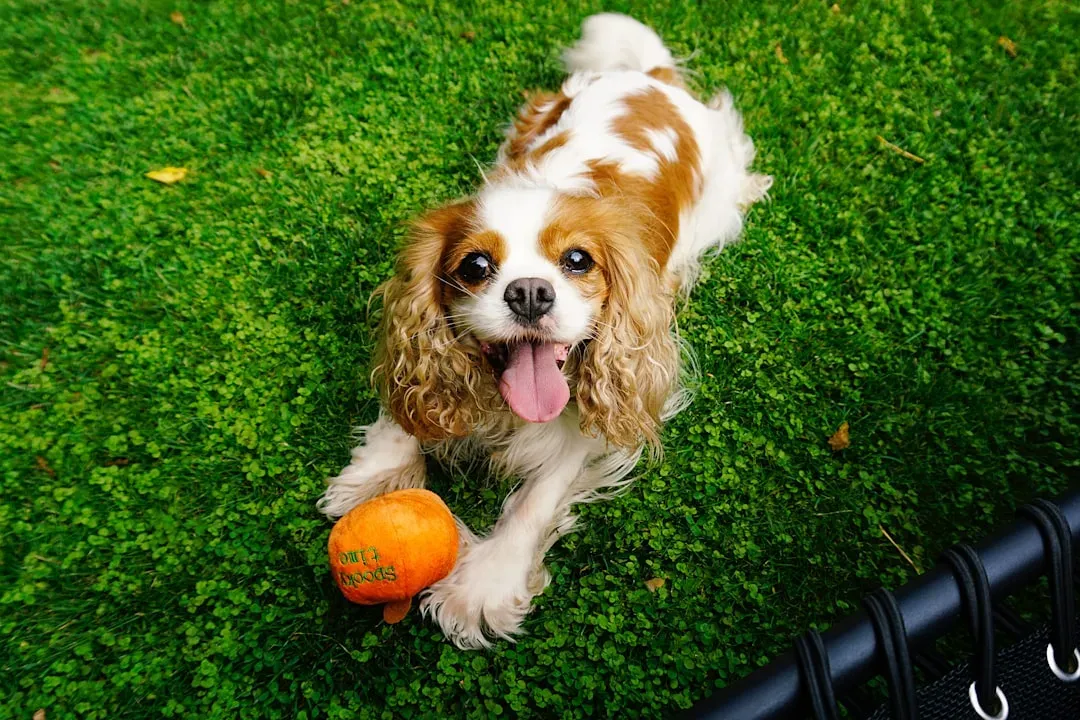
The Cavalier King Charles Spaniel temperament is gentle, sweet-natured, and laidback. That description might sound like marketing language until you actually spend time with one. Then it lands as a straightforward, observable fact.
The Cavalier is an enchantingly affectionate, playful, intelligent dog that eagerly indulges its guardians with endearing devotion. Shyness and aggression are not part of this breed’s behavioral profile. These happy little dogs are excellent with children, and their desire to interact with their guardians makes them pleasurable household companions.
While some can be reserved, it is the rare Cavalier who does not greet everyone and everything with great joy. Still, they are not hyper dogs at all; rather, naturally well-behaved and downright adoring, with big expressive eyes and a tail that seems to be constantly wagging.
Known for their high intelligence without feeling the need to show off, Cavaliers are easy to train and will generally do whatever it takes to make their owners smile. They are kind, patient souls who can sometimes be a little timid, but their affinity for peace and love makes the Cavalier an excellent therapy dog, as well as a pet for the elderly or disabled.
#3: The Perfect Fit for Almost Any Lifestyle
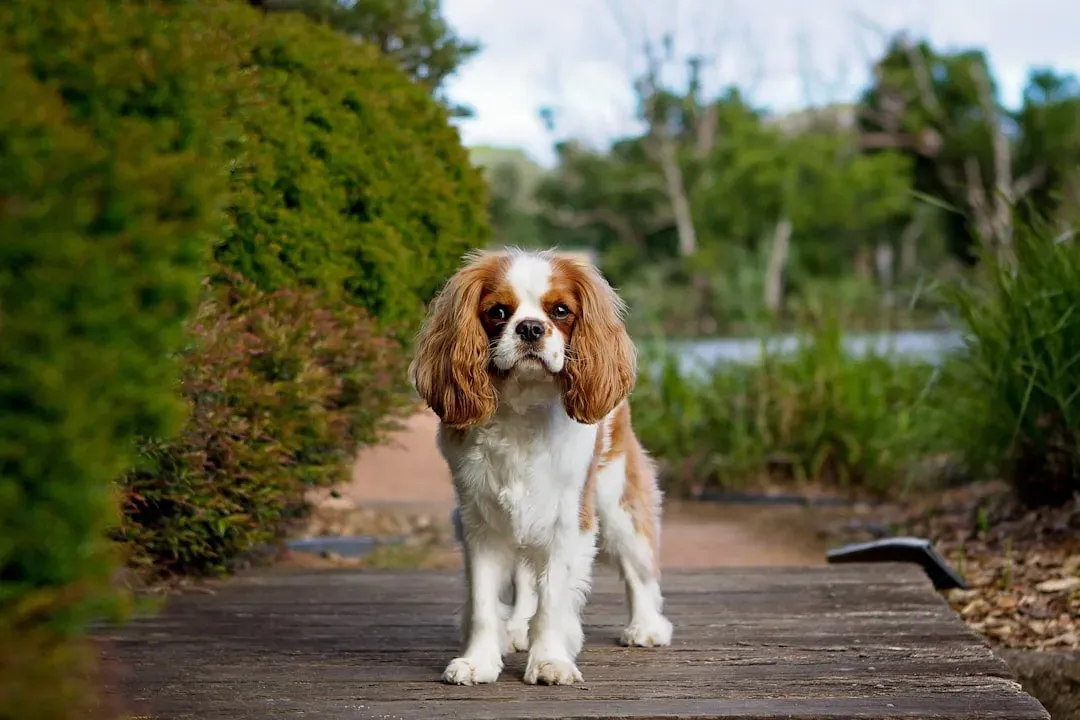
Being both a toy breed and a Spaniel, Cavaliers are highly adaptable and can slot into many different lifestyles. That adaptability is one of their most underrated qualities, and it’s probably why they thrive in settings as different as studio apartments and farmhouses.
Although Cavaliers were bred to be lap dogs, they are descendants of the sporting family and enjoy moderate exercise and outdoor activities. They can do well with both active, athletic families and with less active, homebody types who still prioritize their dog’s well-being with daily walks and playtime.
Like all dogs, Cavaliers need regular exercise and mental stimulation. They have moderate exercise needs, so two 20 to 30-minute walks every day is enough for them. Once their energy needs are met, these calm dogs are happy to lounge on the couch with their family.
This insatiable need for human companionship does mean they’re prone to suffer with separation anxiety. Being left alone for too long causes these dogs to become distressed, leading to destructive behaviours such as chewing on furniture, excessive whining, or toileting inside the house. It’s important they have someone at home with them most of the day to ensure they’re happy and healthy.
#4: Looks That Turn Heads Without Trying
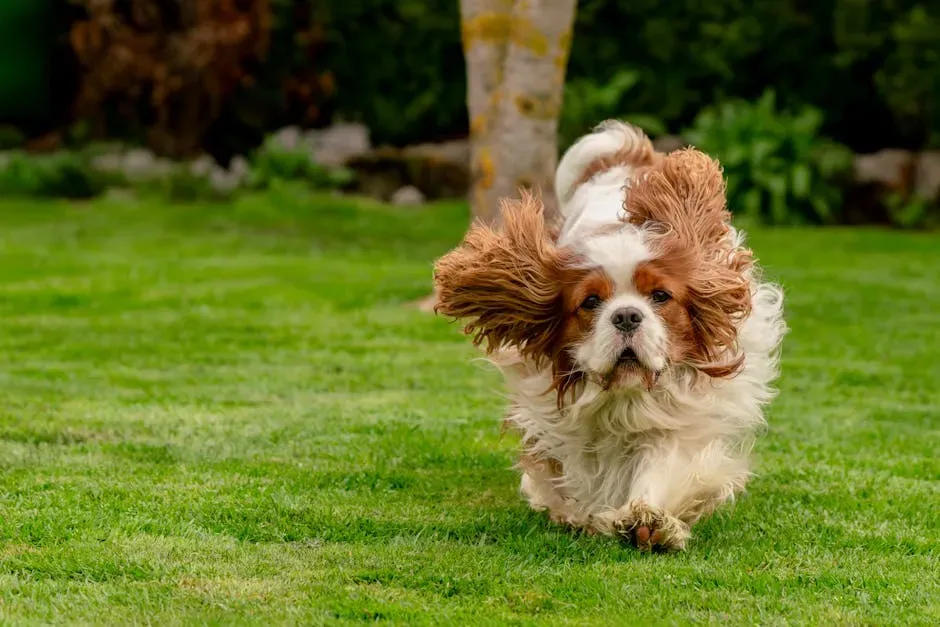
The overall appearance of the Cavalier King Charles Spaniel is regal and sophisticated, yet charmingly cute. There is a softness to the way this breed is put together that is genuinely hard to describe until you’ve seen it in person. Everything about the face invites closeness.
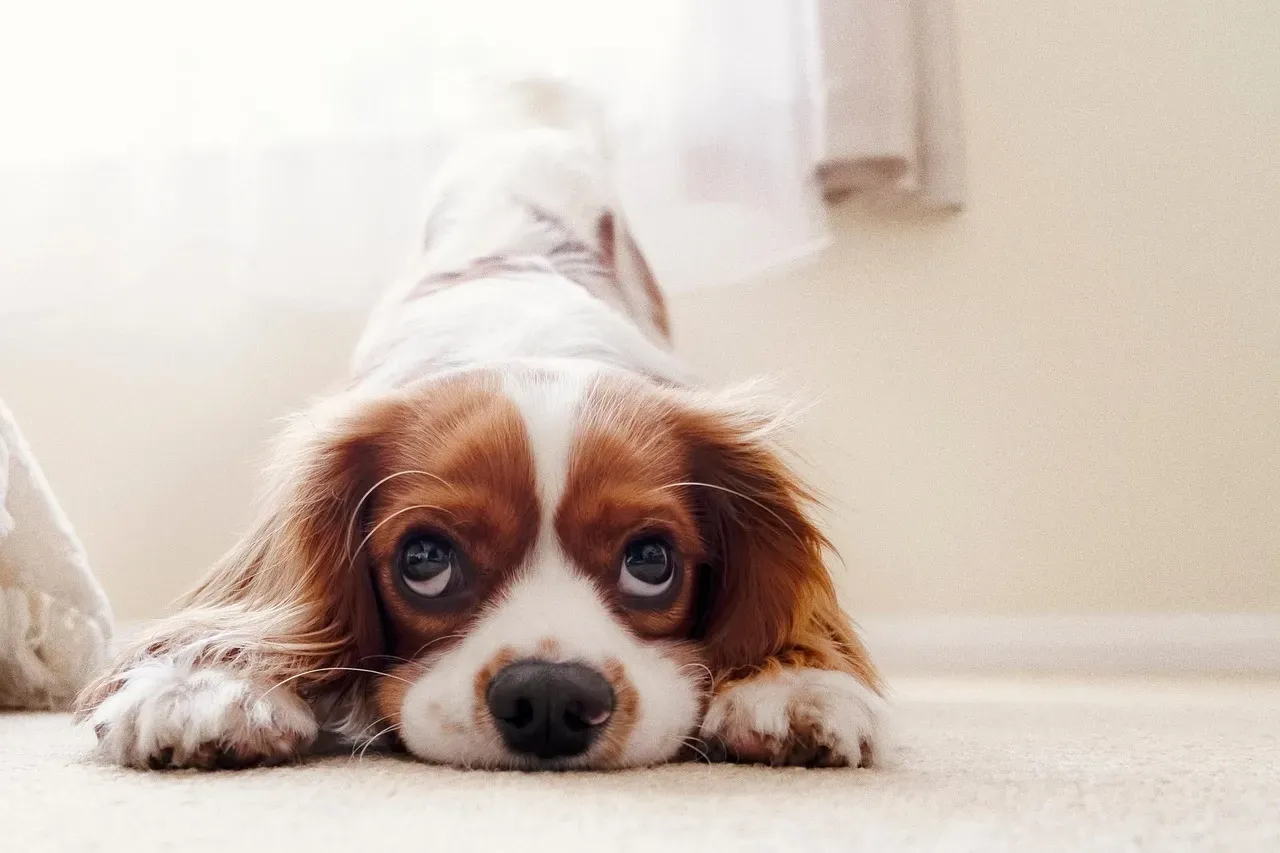
The face of the Cavalier is distinctive for its sweet, gentle expression that owes much to its large, round, dark brown eyes set well apart. The skull is slightly rounded, and the muzzle full, but mildly tapered. The long, feathered ears, which are set high and wide on the crown, fan forward slightly to frame the face when the dog is alert.
Cavalier King Charles Spaniel colors come in four options: tricolor (black, white, and tan), black and tan, Blenheim (chestnut and white), or ruby. Each color pattern has a distinct look, though the Blenheim combination is probably the most recognized at a glance.
The majority of Cavaliers have a unique mark on the top of their head called the Blenheim Spot. When the Duke of Marlborough won the Battle of Blenheim in 1704, his wife Sarah was stroking her pregnant Cavalier on the forehead when she went into labour. All of the pups were born with this marking, and it’s a trait we still see today. History written right into the coat.
#5: Health Considerations Every Owner Should Know
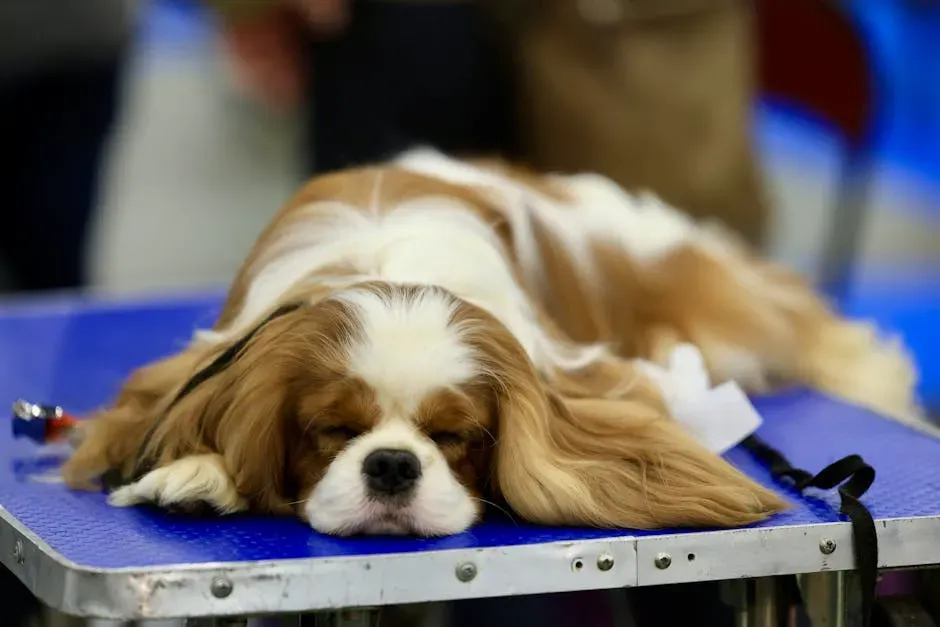
Given their smaller stature, Cavaliers can be prone to several different medical conditions that owners will want to keep an eye out for through routine physical exams. Knowing what to watch for is not meant to discourage ownership. It’s simply part of caring for the breed well.
Mitral valve heart disease is one of the leading causes of death in Cavalier King Charles Spaniels and is caused by the deterioration of the heart’s mitral valve, which can lead to congestive heart failure. Syringomyelia, also known as “neck scratcher’s disease,” is a progressive neurological disease that causes fluid to build up around the spinal canal, leading to pain, weakness in the legs, and seizures.
Hip dysplasia reportedly afflicts up to one out of every four Cavalier King Charles Spaniels. It is a genetic disease which can cause the dogs pain and debilitation. Eye disease is also fairly common in Cavalier King Charles Spaniels, namely cataracts, progressive retinal atrophy, and dry eye.
The Cavalier King Charles Spaniel can live a long and healthy life, with the average lifespan lasting anywhere from 12 to 15 years. Responsible breeders and dog owners can help alleviate many of the breed’s typical health problems with regular physical exams. Annual checkups can also prevent smaller health concerns like middle ear infections, skin and coat issues, and more.
#6: Grooming and Day-to-Day Care

The Cavalier King Charles Spaniel’s medium-long luscious coat and silky, feathery ears signal royalty. Keeping this breed at their elegant, tangle-free best calls for a little time and some routine upkeep. The good news is that this is one of the more manageable coats in the toy breed world.
Cavaliers are easy to maintain with regular brushing using a bristle or pin brush to ensure the coat maintains its shine and doesn’t get tangled. How often you groom your dog depends on how long you keep your dog’s coat. Cavalier King Charles Spaniels should be bathed at least once or twice a month to help keep their coat healthy and skin free of irritants. A mild, soap-free, aloe or oatmeal-based dog shampoo is best to keep their skin healthy and coat shiny.
The Cavalier’s long, floppy ears create a warm, moist environment where yeast, bacteria, and allergens thrive. As a result, Cavaliers are more likely to develop ear infections, ear inflammation, and ear-related allergies. Your Cavalier’s ears should be checked weekly for signs of infection such as redness, debris, and odor. Mild ear cleaners are recommended to keep the ear canals clean and dry.
Cavalier King Charles Spaniels require daily oral hygiene. Establishing a daily routine and cleaning their teeth when they are calm and relaxed is best. While daily cleaning is ideal, if they have a healthy mouth, three days a week will suffice. Dental hygiene is one of the simplest preventive habits owners can build into the routine, and it pays dividends for the heart health of the breed over time.
Conclusion: Why the Cavalier Endures
In an era of increasingly complex choices around dog ownership, there is something genuinely refreshing about a breed that has been doing exactly one thing for centuries: being an exceptional companion. The Cavalier King Charles Spaniel does not require you to become a professional trainer, a marathon runner, or an expert groomer. It requires your presence, your affection, and a little consistency.
The health challenges are real and should not be minimized. Prospective owners who go in with eyes open, choose responsible breeders, and commit to regular veterinary care are far better positioned to give a Cavalier a full and happy life. The breed rewards that investment with loyalty that is both quiet and absolute.
Ultimately, what makes the Cavalier so enduring is not the silky coat or the storied history, though both are genuinely impressive. It’s the way this dog looks at you. Patient, warm, unhurried. Like you are, without question, the best thing that has happened today. That quality is difficult to breed for and impossible to manufacture. In the Cavalier, it’s simply there, as natural as those famous floppy ears.


