
If you’ve ever walked out to your coop in the early morning and found feathers scattered in the dirt, you already know the sick feeling that follows. Foxes are ruthless, patient, and clever. Part of what makes a fox so dangerous is that it spends time assessing your property before it ever strikes. It learns your schedule, watches when you leave, and figures out when the livestock guardians are off duty. In Pennsylvania specifically, this is a real and recurring problem. In Southeastern Pennsylvania, foxes, hawks, and neighborhood dogs are some of the worst offenders when it comes to predator attacks, but raccoons and coyotes aren’t unheard of either.
The good news is that the right dog changes everything. Dogs that reliably live with chickens and act as deterrents to foxes and other predators share behavioral traits: strong livestock-guarding instincts, low prey drive toward poultry, territorial guarding of their homestead, and the temperament to bond with livestock rather than treat them as quarry. Choosing the wrong breed, though, can make things worse. What follows is a practical, honest look at eleven dogs that can genuinely help you keep your flock safe across Pennsylvania’s varied terrain and seasons.
#1. Great Pyrenees
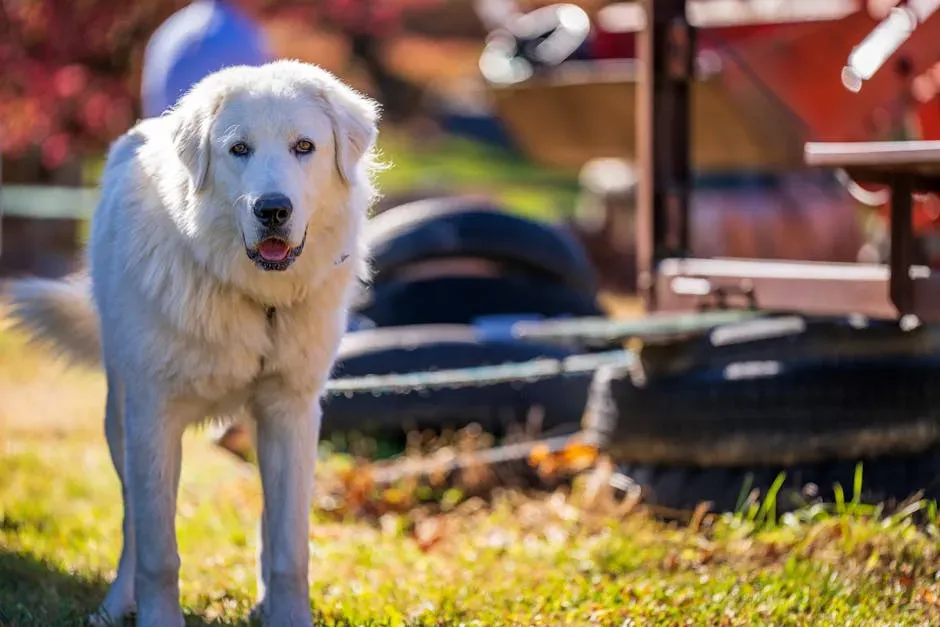
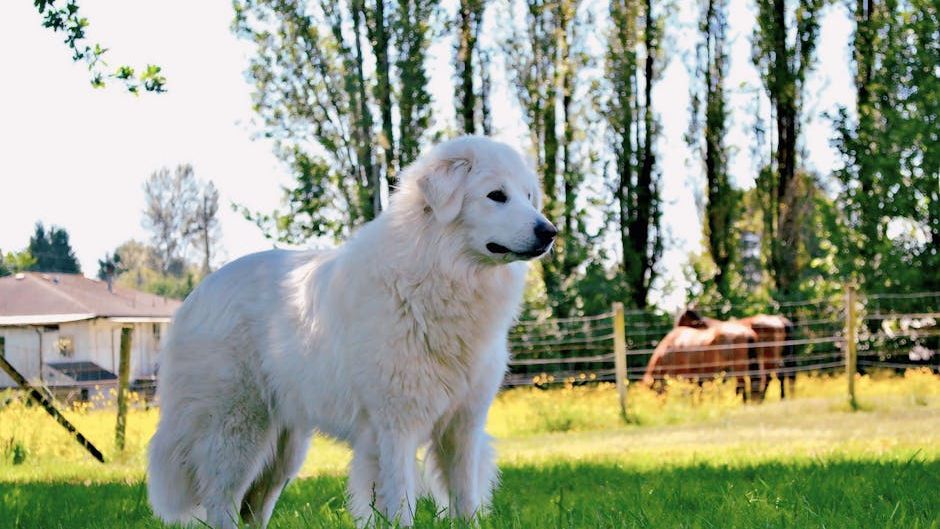
The Great Pyrenees is arguably the most recognized and beloved flock guardian in North America, and for good reason. The Great Pyrenees is a large and formidable dog that will protect chickens and is one of the most popular livestock guardian dog breeds in the US. These giant fluffballs may look like big teddy bears, but don’t let their appearance fool you. They are serious protectors and will fiercely defend their flock against any threat, originally bred to protect sheep from wolves and bears in the Pyrenees Mountains of France.
The Great Pyrenees has been used as a livestock guardian for hundreds of years because of its excellent disposition and its natural guarding instincts. This dog can be extremely aggressive toward predators, but is also a wonderful companion to gentle and helpless small animals like chickens. Their thick double coat also makes them perfectly suited to Pennsylvania’s harsh winters, allowing them to patrol through cold nights without complaint. Great Pyrenees are also known for their gentle nature and are great with children, making them a great choice for families with kids who want to raise chickens.
#2. Anatolian Shepherd
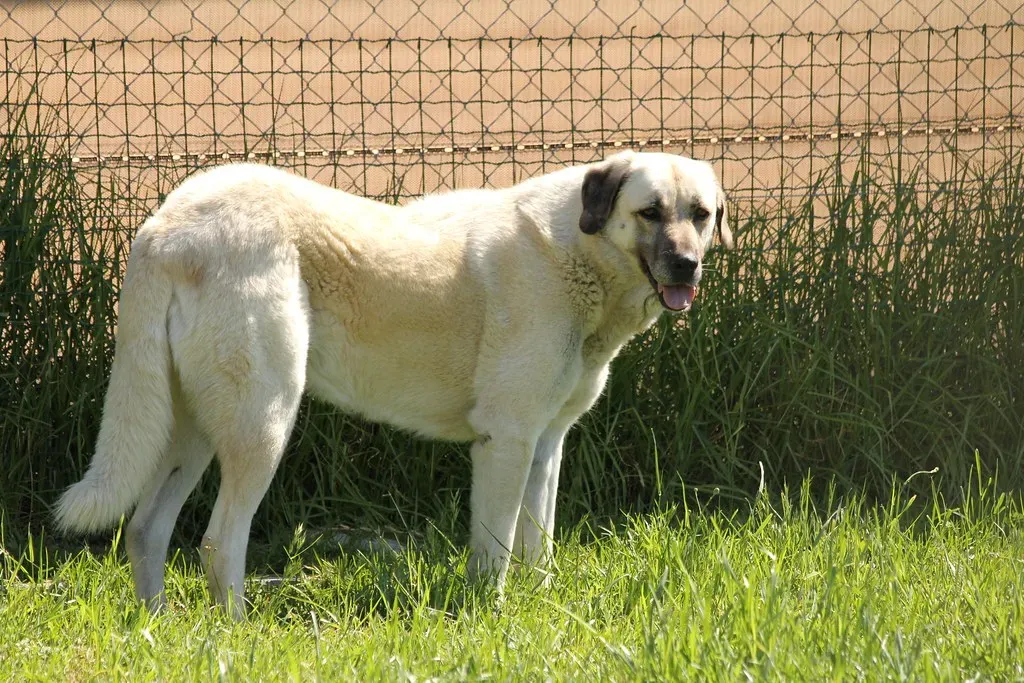
The Anatolian Shepherd is one of the oldest livestock guardian dog breeds, dating back to the Bronze Age. This large and sturdy breed is known for its fierce loyalty and protective nature, making it an excellent choice for keeping your chickens safe. Anatolian Shepherds are natural guard dogs and have a strong instinct to protect their flock. They’re the kind of dog that doesn’t need constant reassurance or direction. Put them near a flock and their instincts kick in remarkably fast.
Anatolian Shepherds exhibit impressive speed and agility, which makes them perfect for defending against predators. Their natural protective instincts and intelligence allow them to guard livestock and poultry without much human direction or supervision. One practical advantage for Pennsylvania homesteaders is the breed’s adaptability to both hot summers and cold winters. Anatolian Shepherds were bred in the Anatolian region of what is now Turkey. They were raised to protect goats and chickens from natural predators found in those areas, in a mountainous region with very hot summers and very cold winters. This livestock guardian dog was bred to handle both extremes.
#3. Maremma Sheepdog
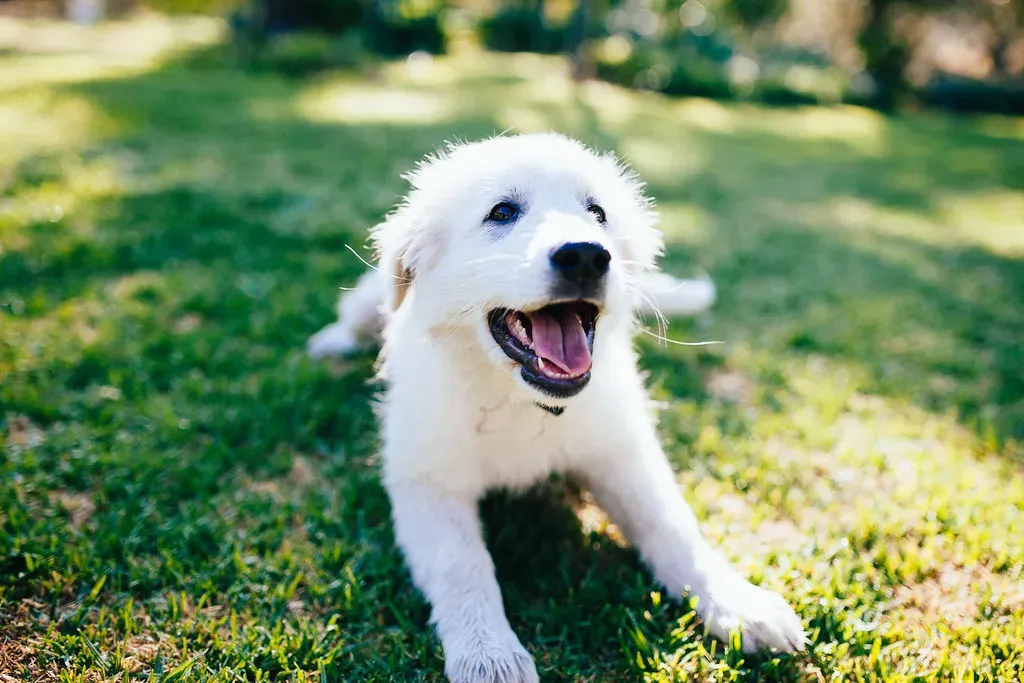
The Maremma Sheepdog is an Italian breed with a long, dignified history of flock protection, and it brings a genuinely remarkable calm to its work. These dogs have a rather calm nature, which allows them to easily bond with any animal they’re tasked with guarding. They’re always on the lookout, be it day or night, which makes them a great line of defense against eagles and owls. Maremma Sheepdogs only bark when needed, but their bark is loud enough to scare away the largest of predators.
Known as a livestock guardian dog, the Maremma Sheepdog originates from rural Northern Italy. Farmers in Australia who owned Maremma Sheepdogs actually reported a roughly thirty-five percent reduction in livestock fatalities from foxes, feral dogs, and birds of prey. Their weather-resistant coats mean they’ll happily spend lots of time outdoors, and their courageous and protective personas will keep your flock safe from predators. For chicken keepers dealing with persistent Pennsylvania fox pressure, a well-bonded Maremma is one of the most reliable options available. Camera trapping has revealed less fox activity on nights when livestock guardian dogs were allowed to roam the property.
#4. Kangal
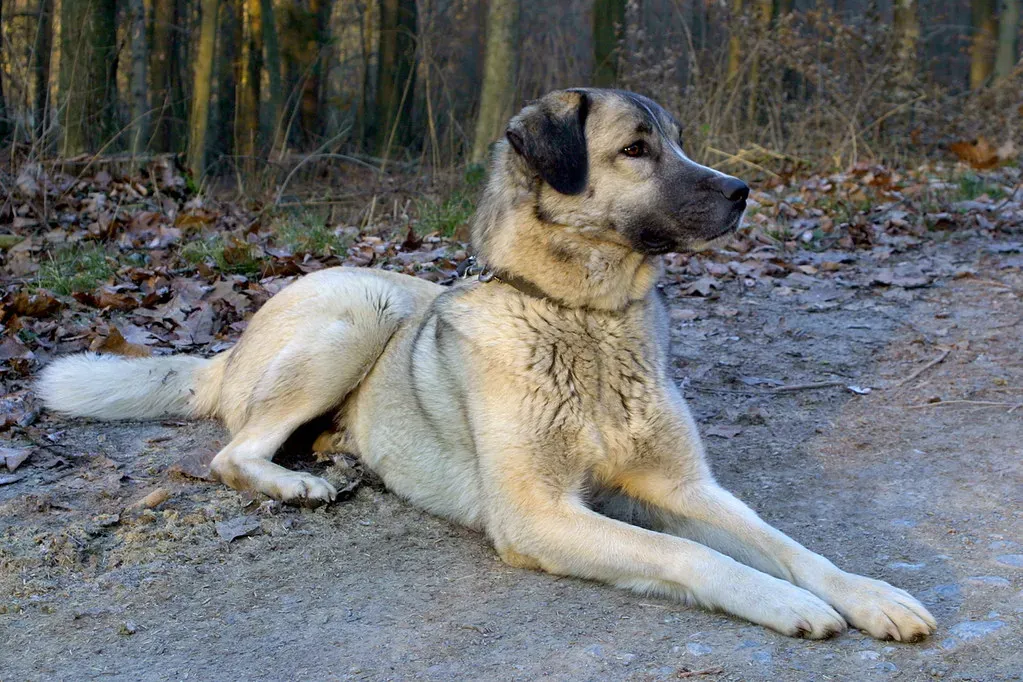
The Kangal is not a dog that needs much convincing when a fox shows up. If you are searching for a strong-willed, large dog with a low prey drive, a Kangal is a great option. They require little training and will defend their flock to death. Patrolling and guarding are natural traits for this breed, making them a popular choice of dog to keep alongside various types of livestock. Their size alone is enough to make most foxes reconsider their evening plans.
This incredibly powerful, large Turkish breed is one of the most ancient livestock guardian breeds, with roots dating back to the 12th century. Their primary purpose is to defend livestock as opposed to herding them, and they’ve been known to defend against animals as powerful as wolves, jackals, and bears. Their dense double coat protects them from potential puncture wounds and allows them to tolerate extreme heat and cold. Interestingly, these dogs prefer to sleep during the day and work throughout the night when predators typically decide to strike, making them generally nocturnal. That nighttime vigilance is particularly valuable in Pennsylvania, where foxes tend to hunt in the low-light hours around dawn and dusk.
#5. Kuvasz
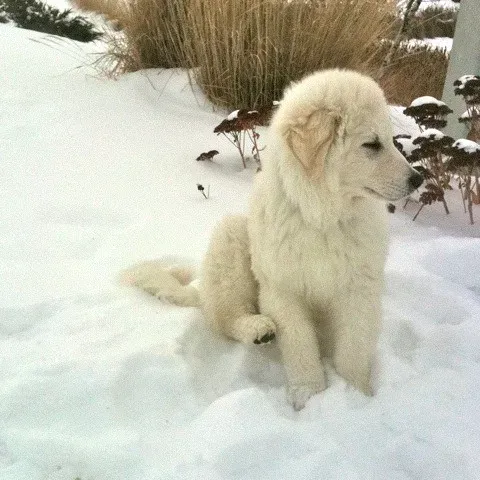
The Kuvasz is a Hungarian breed that doesn’t get nearly enough attention in chicken-keeping circles, but it’s earned its place on this list. The Kuvasz is a large working breed with a thick white coat. Descendants of Hungarian royalty, these majestic creatures have athletic builds, and they are agile protectors of their families. That athleticism matters when a fox decides to make a move, because speed and decisiveness can be the difference between a lost hen and a deterred predator.
The Kuvasz is an intelligent breed and responds well to training, but keep in mind that these dogs require tons of exercise. Without it, they can get bored, which is a recipe for chaos. But they’ll always be gentle to their flock. Pennsylvania’s rural landscape, with its fields and woodlands, suits a Kuvasz well. Kuvasz are guarding dogs, so they can be somewhat suspicious of strangers and protective of family and home. They do want to be a part of a family and can be excellent family dogs if given proper training and socialization right from the start.
#6. Komondor
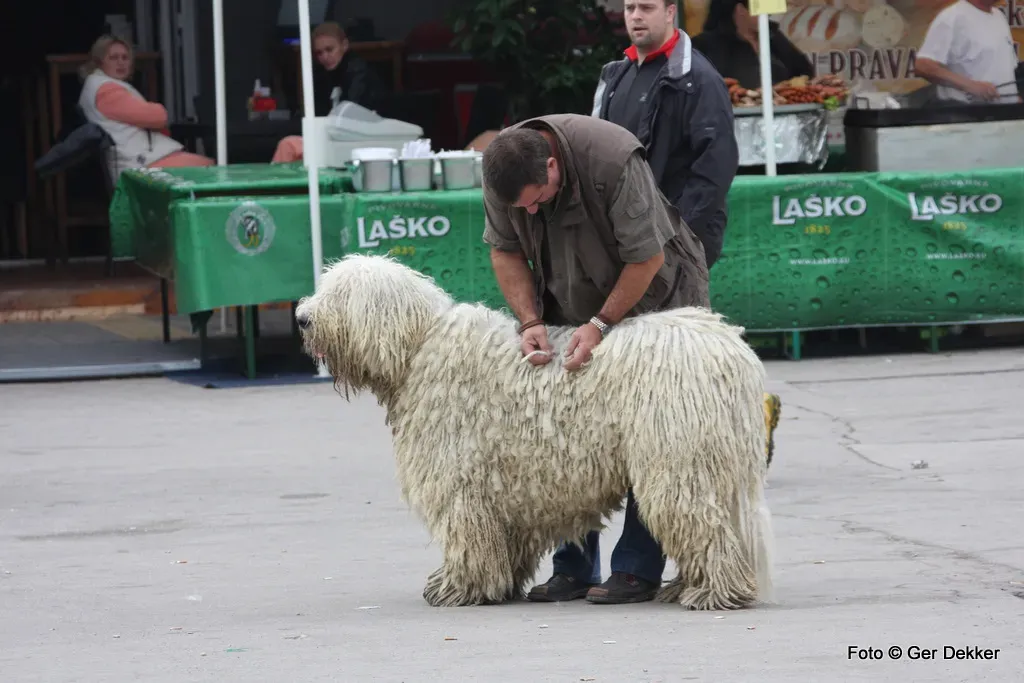
Few dogs turn heads quite like the Komondor. With its thick, cord-like white coat, it looks more like a mop than a security system. But appearances are wildly deceiving here. The Komondor, the “mop dog,” originated from Hungary. While this dog may look funny with its long cords of hair, it is not one to tolerate threats to its herd. The Komondor is highly reactive to predators including human intruders and must be well trained and socialized early. Although this is a very dominant breed, they do not respond well to harsh discipline.
As one of the largest dogs in the world, Komondors are often trained to protect sheep but they can also handle chickens and other farm animals with ease. This large breed is known for its alertness and becoming a loving member of the family. Their corded coat does require maintenance, something worth knowing before committing. Komondors have a calm nature but become fearless when it comes to defending. Being quite an independent breed, Komondors usually make decisions on their own. For that reason, proper obedience is required from an early age. A well-trained Komondor in a Pennsylvania flock setting can be genuinely formidable against any fox that ventures too close.
#7. Akbash
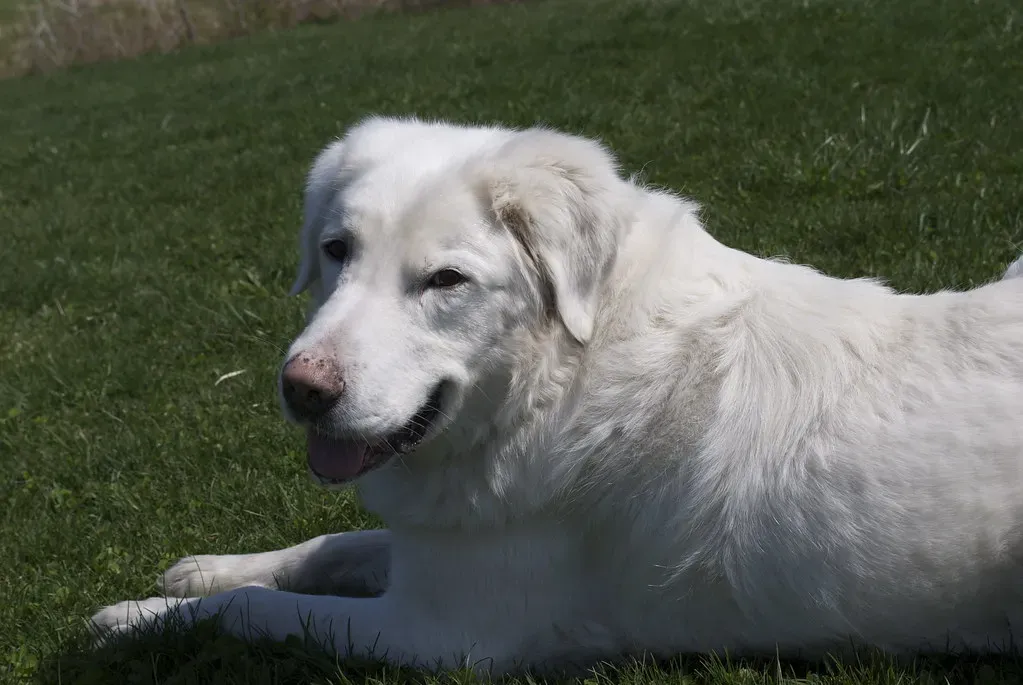
The Akbash is a Turkish breed that flies under the radar compared to the Great Pyrenees or Anatolian Shepherd, but it brings something distinct to chicken protection. The Akbash is an ancient breed from Turkey, recognized by the United Kennel Club. Its name comes from the Turkish word meaning “white head.” These dogs were bred centuries ago to protect flocks from wolves and bears. Akbash dogs are large, weighing 80 to 140 pounds and standing up to 34 inches tall, yet despite their size, they are fast and agile, surprising many with their speed.
What makes the Akbash particularly interesting for poultry protection is its awareness of aerial threats as well. Another trait of the Akbash Dog is its tendency to watch not only for four-legged but also winged predators. Breeders of sheep and goats report that Akbash Dogs are as successful in reducing predation by hawk and eagle as in reducing attacks by bobcat, coyote, and marauding dogs. An Akbash is obedient and alert, often known for guarding people and animals that they are familiar with. Their prey drive is also very low, making them one of the best dogs for chickens.
#8. Polish Tatra Sheepdog
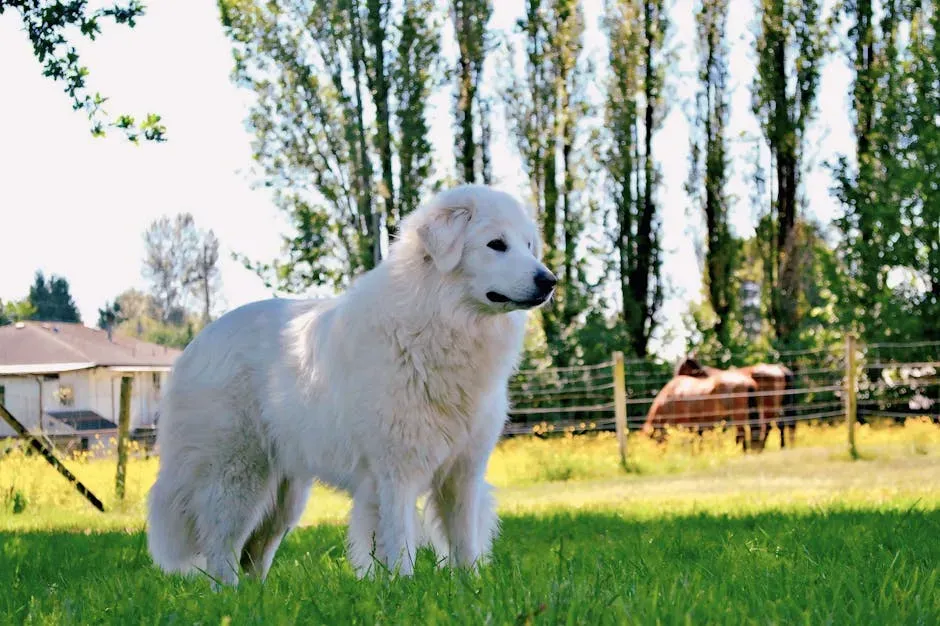
The Polish Tatra Sheepdog is less commonly known in the United States, but it has a solid reputation among experienced livestock keepers. The Polish Tatra Sheepdog is one of the sweeter guardian breeds and is considered to be very gentle. They are also known for “alert barking” and placing themselves between a predator and the flock they’re protecting. That physical positioning between flock and threat is an instinctive behavior, not trained, which speaks to how deeply embedded the protective drive runs in this breed.
Their white coat blends naturally with a flock, which historically allowed them to move unsuspected among sheep before confronting a predator. This same trait works in a Pennsylvania chicken yard, where a resting Tatra can be easily overlooked by a scouting fox until it’s too late for the fox to retreat safely. Dogs are intelligent, trainable, good companions, and quite frightening to a lot of different kinds of wildlife. They are also known for “alert barking” and placing themselves between a predator and the flock they’re protecting. The Tatra’s even temperament also makes it a realistic choice for families with children involved in caring for the flock.
#9. Border Collie
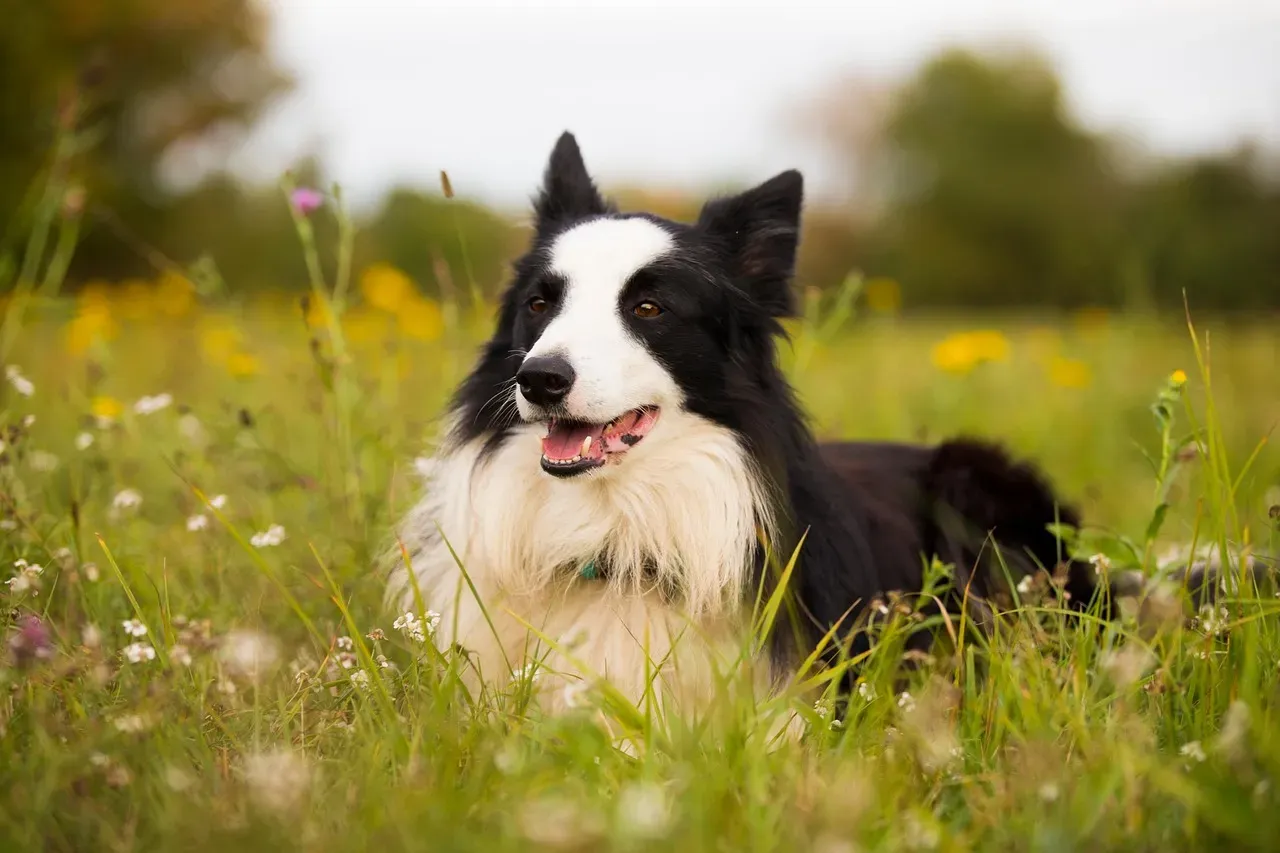
The Border Collie is not a traditional livestock guardian dog, and that distinction matters. It won’t naturally patrol or bond to a flock the way a Great Pyrenees will. What it brings instead is extraordinary intelligence and trainability. A Border Collie possesses a great deal of intelligence and can be trained far more effectively than most breeds due to their superior intelligence. In the right hands and with the right early socialization, a Border Collie can become a reliable deterrent to foxes through sheer vigilance and speed.
Secondary breeds can help if temperament is suitable, but are less reliable as sole protection. That’s the honest caveat with Border Collies. They work best in a chicken-protection role when paired with proper training and, ideally, alongside a dedicated livestock guardian breed. Still, their herding instinct means they pay close attention to the movement and wellbeing of the animals in their care. A fox approaching a flock watched by an alert, fast, and responsive Border Collie faces a real challenge. For smaller Pennsylvania homesteads, a trained Collie can add a meaningful layer of security without the full demands of managing a large LGD.
#10. Old English Sheepdog
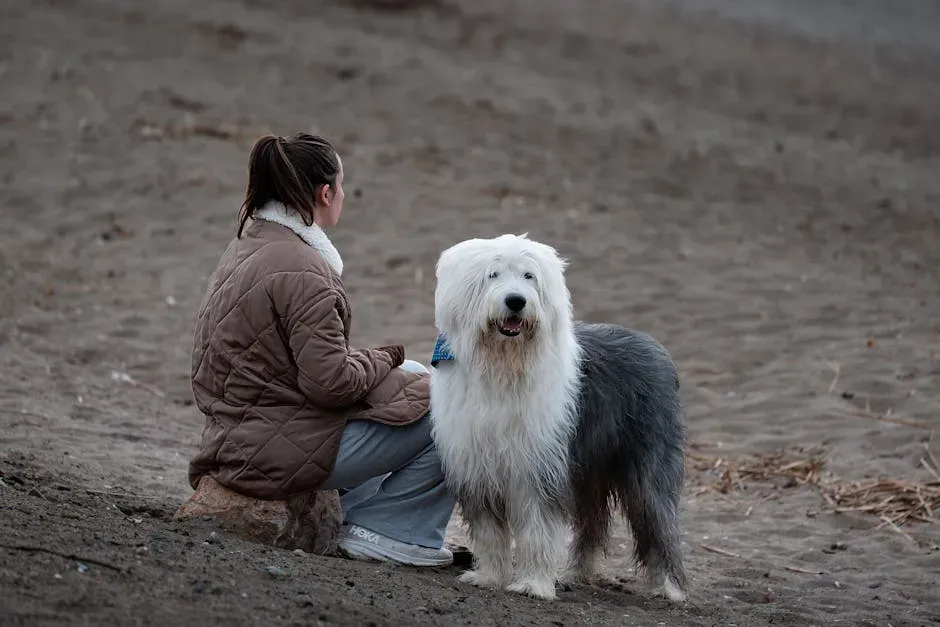
The Old English Sheepdog has a reputation for being a lovable family dog, and that isn’t wrong. But there’s more substance beneath that shaggy exterior than most people realize. Old English Sheepdogs are agile, attentive, and alert animals. They are large in stature, with full shaggy coats, so they can appear intimidating to predators with an almost bear-like poise. Despite their name, the Old English Sheepdog was actually bred to move cattle from the pasture to markets, so they’re not intimidated by larger animals. These gentle giants are often easy to train due to their high intelligence, and their warm personalities mean they’re not only excellent additions to the family, but they’re also unlikely to chase or taunt your chicken flock.
The Old English Sheepdog is a friendly and affectionate breed that can be raised with other animals such as chickens. They also have a natural ability to herd, which will come in handy with livestock. Their sheer size creates a visual deterrent that foxes take seriously. Pennsylvania chicken keepers who want a dog that doubles as a family companion without sacrificing protective instinct will find the Old English Sheepdog a genuinely practical choice. They do require regular grooming, which is a real commitment, but their calm and attentive nature around poultry makes the effort worthwhile.
#11. Jack Russell Terrier
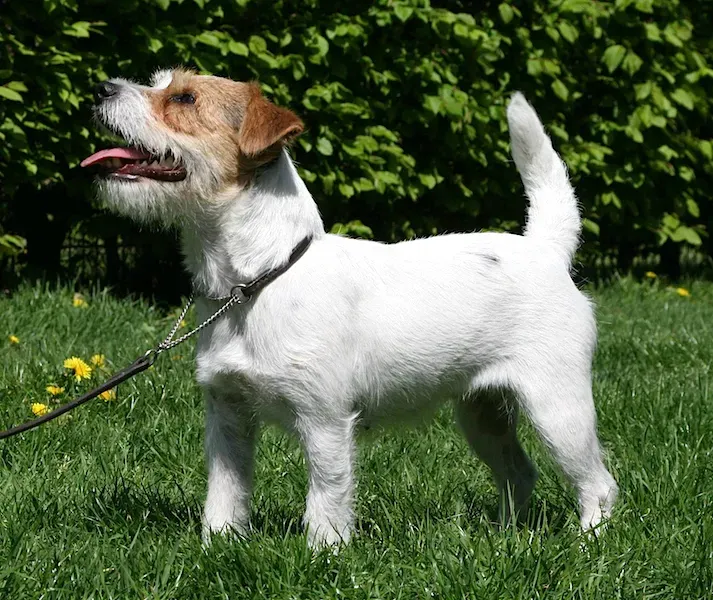
This might be the most surprising entry on the list, and that’s exactly what makes it interesting. The Jack Russell Terrier was bred specifically to hunt foxes. Small vermin hunting dogs were common around barns, stables, and warehouses. Terriers were a more recent development in Britain and Ireland, where they hunted foxes, badgers, and otters in the countryside and rats in the cities. That foxing instinct is not an accident of temperament. It is the entire point of the breed’s existence.
A Rottweiler mix’s size and bark kept the foxes away and a Jack Russell joined and chased the fox off as a team. In practice, the Jack Russell is best deployed not as a standalone guardian but as an alert, aggressive deterrent. Lakeland Terriers and Jack Russells can be raised with any species. By the time they are three years old, they will drive away anything that doesn’t belong. For Pennsylvania homesteaders who already have a large livestock guardian dog, a Jack Russell Terrier working alongside that dog creates a two-tier defense: the big dog as a physical deterrent and the tenacious little terrier as a relentless fox-chaser. Few foxes are willing to test both at once.
The Bottom Line for Pennsylvania Chicken Keepers
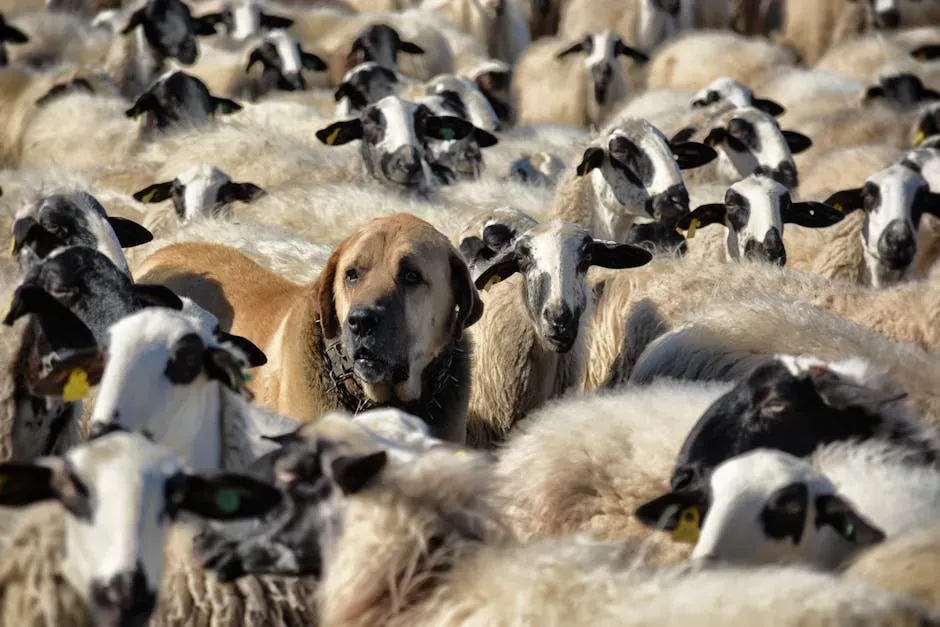
There’s no single perfect breed for every situation, and anyone who tells you otherwise is oversimplifying. Breed alone doesn’t guarantee suitability. Individual temperament, early socialization with birds, and proper training are decisive. The dogs that work best in Pennsylvania are the ones introduced to chickens early, trained consistently, and trusted to do a job rather than kept purely as pets.
Livestock guardian dogs are amazing at reducing the number of potential attacks by using three essential methods: establishing the land as their territory, disrupting attacks, and confronting perpetrators head-on. That three-part strategy is worth thinking about. A fox that smells a dog’s territory, hears an alert bark, and then faces a physical challenge is a fox that will very likely move on to easier prey. Livestock guardian dogs are large and grow slowly, so expect to be training them for two to three years. That’s a commitment, but on a Pennsylvania homestead where foxes are persistent and clever, a well-bonded guardian dog is genuinely irreplaceable. Hardware cloth and locked coops matter too. The dog, though, is what makes the difference between a fox casing your property and a fox that never comes back.


