
Most dog owners genuinely want the best for their pets. They buy the bags with the best-looking labels, they top up the bowl before bed, they slip a treat here and there as a reward. It all feels responsible. Caring, even. Yet some of the most quietly damaging nutrition habits aren’t the obvious ones. They’re the small, everyday choices that seem completely harmless until, slowly, they aren’t.
Feeding your dog may seem straightforward, but many pet owners unknowingly make mistakes that can negatively impact their dog’s health – from overfeeding to choosing the wrong food, leading to weight gain, nutritional deficiencies, and other health problems. The tricky part is that many of these errors don’t come with immediate warning signs. They accumulate. What follows are the ten most common nutritional missteps dog owners make, most of them with the best intentions in the world.
#1: Overfeeding Without Realizing It
This one sits at the top of the list for good reason. Overfeeding is one of the most common dog feeding mistakes, often caused by misjudging portion sizes or giving in to begging behavior. Those pleading eyes are genuinely hard to resist, but extra helpings add up faster than most owners expect.
Recent studies show that over half of dogs in developed countries are overweight or obese, primarily due to overfeeding and insufficient exercise – a growing epidemic that has serious implications for their health and longevity, potentially reducing their lifespan by up to two years. The solution isn’t complicated: measure portions with a proper cup or kitchen scale, and base them on your dog’s ideal body weight, not their current one.
#2: Eyeballing Portions Instead of Measuring
You love your pet and don’t want them to be hungry, which means if you’re eyeballing portions, you’re bound to guess high. It’s a deeply human response, but that casual scoop over the bowl, day after day, can quietly push a dog well beyond their caloric needs.
Many owners estimate portions instead of measuring. Using a dog feeding chart is important because calorie densities vary between food types. Nutrient-dense foods like fresh dog food require smaller portions. You should also base portions on your dog’s ideal weight, not their current one. A simple kitchen scale takes seconds to use and removes the guesswork entirely.
#3: Not Adjusting Food for Life Stage
Most pets need fewer calories as they age, but food meant for younger pets tends to be calorically dense. Scaling down your pet’s calories while also meeting their age-specific nutritional needs by feeding a food formulated specifically for their life stage is essential. A senior dog eating a puppy-formulated kibble every day is getting far more than their body actually needs.
A puppy versus adult dog diet varies greatly. Puppies need more calories and protein for growth, while seniors may require joint support and controlled calories. Feeding a puppy adult food or a senior dog high-calorie food can lead to nutritional imbalances. Checking in with your vet about a diet transition, especially as your dog moves into their senior years, is one of the most impactful things you can do.
#4: Leaving Food Out All Day
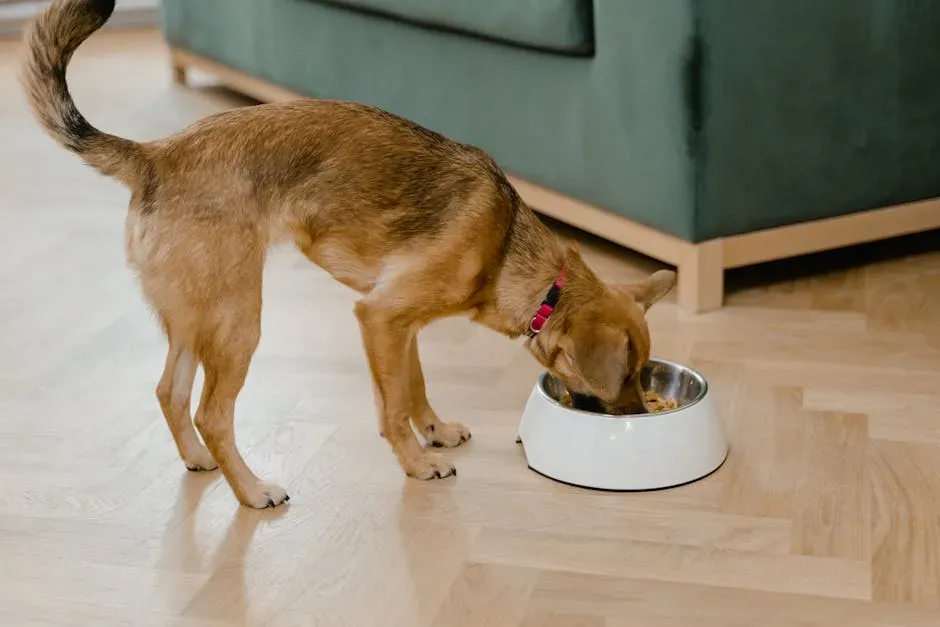
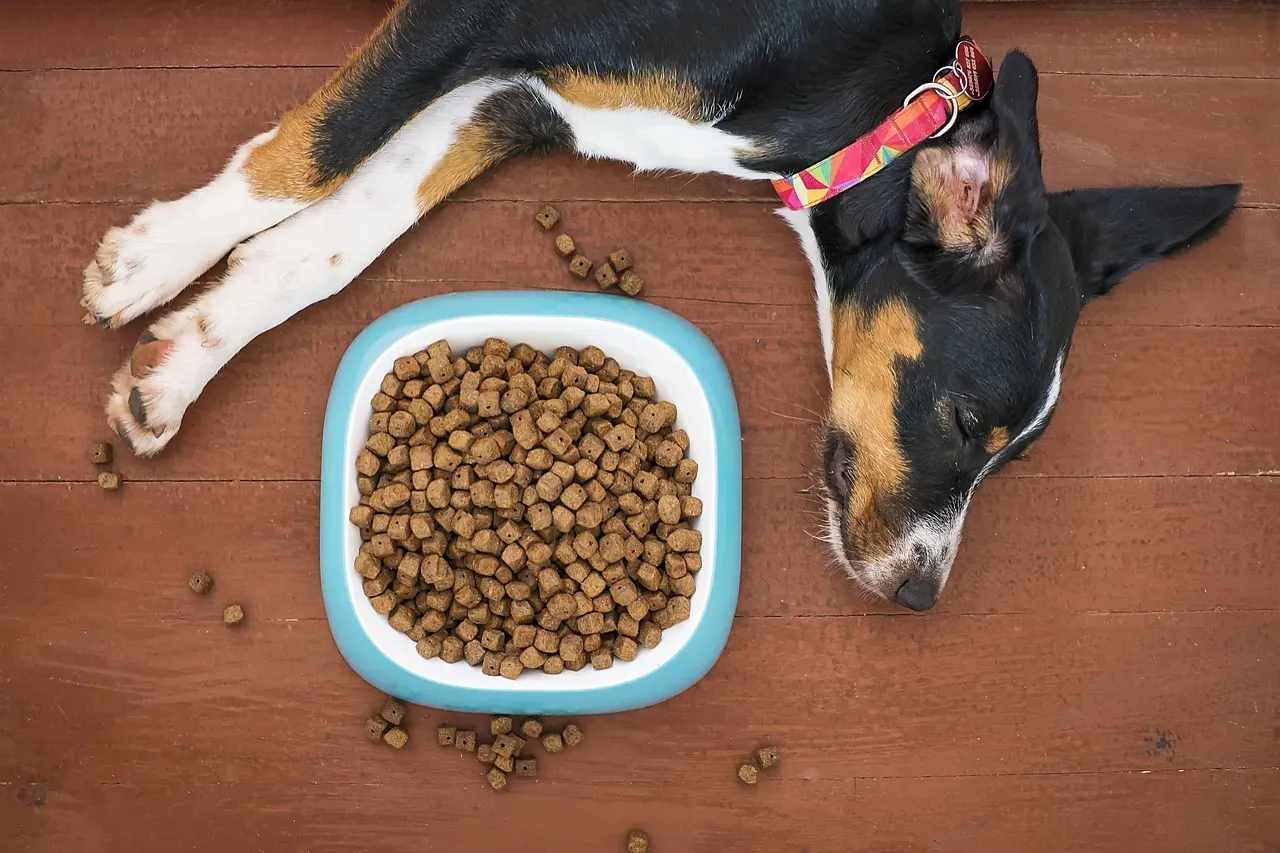
Leaving food out all day is a common mistake. Most pets aren’t good at pacing themselves, and behavioral factors like boredom may cause them to eat more than they should. Free-feeding might feel convenient, but it removes all structure from a dog’s diet and makes it nearly impossible to track how much they’re actually consuming.
Constant access to food can lead to overeating and poor portion control. Many dogs eat out of boredom or anxiety rather than hunger. This feeding habit can contribute to weight gain and increase the risk of long-term health issues. Switching to scheduled, measured mealtimes is a straightforward adjustment that makes a real difference over time.
#5: Overdoing the Treats
Treats feel like a small thing. A biscuit here, a training reward there. But the calories stack up quietly. Treats can be an easy way to show love, but most owners fail to account for their calorie content. Even “healthy” treats can add up quickly, leading to weight gain and other health issues. Ideally, treats should make up no more than 10% of a pet’s daily calorie intake. For smaller breeds or cats, even a small treat can represent a significant portion of their diet.
The type of treats you choose matters significantly. Many commercial treats are high in calories, sugars, and fats with minimal nutritional value. Healthier alternatives include small pieces of cooked chicken, tiny bits of carrots, or green beans. During training sessions, consider using small pieces of your dog’s regular kibble as the reward – same motivation, far fewer extra calories.
#6: Sharing Table Scraps and Human Food

It’s a habit that feels harmless, especially when your dog is sitting beside the dinner table looking hopeful. It’s tempting to share table scraps, but many human foods are unsafe or even toxic. Chocolate, grapes, onions, and certain spices can cause severe reactions. Even “healthy” foods like excess cheese or fried items may upset digestion and contribute to long-term health issues.
It’s important to resist the temptation to feed your dog human food or table scraps, as these can disrupt their digestive system and lead to nutritional imbalances. Beyond the risk of toxicity, table scraps tend to be high in salt, fat, and seasoning that a dog’s digestive system simply isn’t built to process regularly. The odd plain piece of boiled chicken is one thing – a habit of sharing your dinner plate is quite another.
#7: Trusting Marketing Language on Pet Food Labels
Many pet owners will purchase dog food that’s being marketed as healthier, even if there’s no scientific proof that those diets actually are better for dogs. A recent example of a marketing trend is “grain-free diets,” which have not been scientifically proven to be healthier. Pet food packaging is full of appealing language designed to reassure, not necessarily to inform.
Grain often gets bad press when it comes to nutrition. Some people claim grain has properties that trigger allergies, while others think it has a negative effect on conditions such as diabetes or arthritis. In fact, there is no scientific evidence for these claims. Furthermore, only around five percent of allergies are attributed to food ingredients. When choosing food, look for the AAFCO nutritional adequacy statement on the label rather than relying on marketing buzzwords. That single statement tells you far more than any slogan on the front of the bag.
#8: Switching Foods Too Quickly
Suddenly changing your dog’s food can cause digestive upset, leading to diarrhea or vomiting. Dogs have sensitive stomachs, and abrupt changes in diet can throw off their digestive system. This is a mistake that catches a lot of owners off guard, especially when they’re switching to what they believe is a healthier option.
Adding about a quarter of the new dog food every few days means the swap takes around ten days in total. Watching for vomiting, diarrhea, allergic signs, or refusal to eat is important, as they hint at a bad mix or pace. A slow, gradual transition protects your dog’s gut health and gives their digestive system the time it genuinely needs to adapt.
#9: Assuming Homemade Food Is Nutritionally Complete
Cooking for your dog feels like the ultimate act of care. The reality, though, is more complicated. Researchers with Texas A&M University’s Dog Aging Project found that the overwhelming majority of homemade dog diets fail to meet essential nutrient requirements – potentially putting pups at risk despite their owners’ best intentions. Their study analyzed 1,726 homemade dog food diets.
The result was striking – only about six percent of recipes had the potential to be nutritionally complete, while all the others lacked nutrients that are essential for dogs’ health and wellbeing. Owners often source recipes for home-prepared diets from books, magazines, or the internet. Unfortunately, these recipes are rarely developed by veterinary nutrition specialists, increasing the risk of nutritional imbalances that may have serious long-term consequences. If you want to cook for your dog, work directly with a certified veterinary nutritionist to build a verified, balanced recipe.
#10: Neglecting Hydration
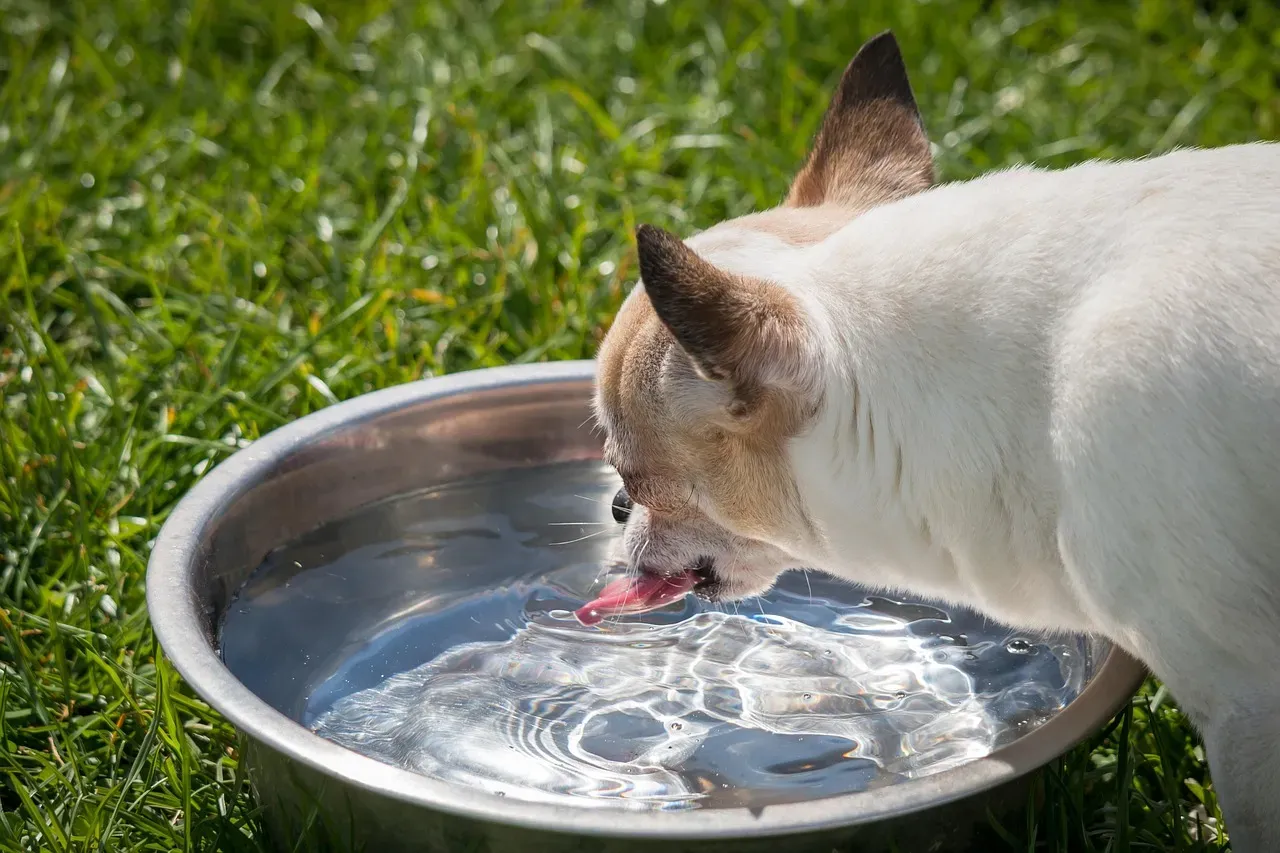
Water is rarely part of the nutrition conversation, but it absolutely should be. Food often takes the spotlight, but hydration is equally important. Lack of clean water can lead to urinary issues, dehydration, and kidney stress. A dog eating primarily dry kibble needs generous, consistent access to fresh water throughout the day.
Providing fresh, clean water at all times is essential. Water bowls should be washed daily to prevent bacterial growth, and any sudden changes in water intake may indicate health issues. Monitoring how much your dog drinks isn’t obsessive – it’s a genuinely useful health signal. A dog who suddenly drinks significantly more or less than usual deserves a vet visit, not just a refilled bowl.
The Bigger Picture: Small Changes, Real Results
None of these mistakes are signs of bad ownership. Most of them come from love, habit, or simply not having access to the right information at the right time. A poor diet in dogs can have detrimental consequences to their health, affecting not only their physical well-being but also their overall quality of life. The encouraging part is that awareness is genuinely the hardest step.
Once you know where the gaps are, correcting them is usually simple. Measure the food. Schedule the meals. Read past the marketing. Talk to your vet when you’re unsure, rather than turning to an internet forum or the packaging alone. Feeding your dog the right amount plays a vital role in supporting a longer, healthier, and more active life. Balanced portions help maintain steady energy, healthy digestion, and strong joints, allowing your dog to feel their best every day.
We show our dogs love in dozens of ways every single day. Getting their nutrition right is one of the quietest and most powerful ways to do exactly that. It doesn’t require perfection. It just requires paying attention – and then being willing to adjust when something isn’t working. Your dog’s long-term health is worth the extra five minutes it takes to get it right.


