
8 Unmistakable Signs Your Cat Is Silently Suffering
Your cat curls up in a patch of sunlight, blinks slowly in your direction, and everything looks perfectly fine. That’s exactly the problem. Cats are masters of disguise, instinctively hiding signs of pain to avoid appearing vulnerable. This survival trait, inherited from their wild ancestors, means that when a cat finally shows a blatant symptom, the underlying issue may already be significant.
Research shows that cats experiencing chronic pain often suffer silently for months before owners recognize the problem, leading to unnecessary suffering and more complex treatment requirements. The clues are almost always there. You just have to know exactly what you’re looking for – and that’s what this is about.
#1: They’ve Suddenly Become a Ghost in Your Own Home
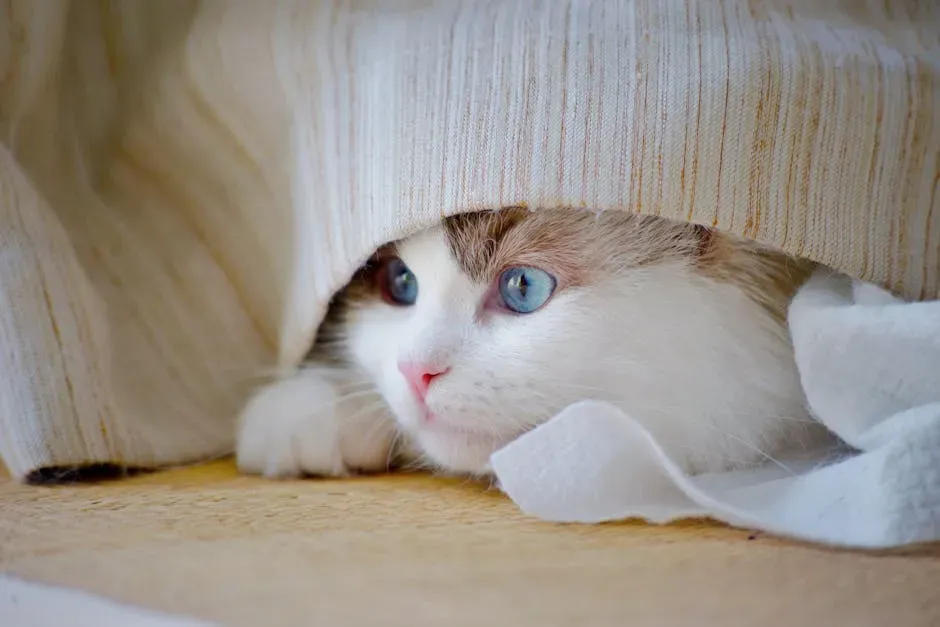
Cats in pain often retreat to quiet, secluded areas and may be more difficult to coax out. This is one of the most common early signs of discomfort. If your cat used to follow you from room to room and now you can’t remember the last time you saw them voluntarily, that shift means something. It’s not independence. It’s withdrawal.
Cats in pain frequently retreat to quiet, secluded spaces – under beds, in closets, or behind furniture. This behavior intensifies as discomfort increases. Think of it this way: they’re not hiding from you, they’re managing what they can’t tell you. The longer it goes unnoticed, the more they’ve already endured.
#2: Their Appetite Has Quietly Disappeared
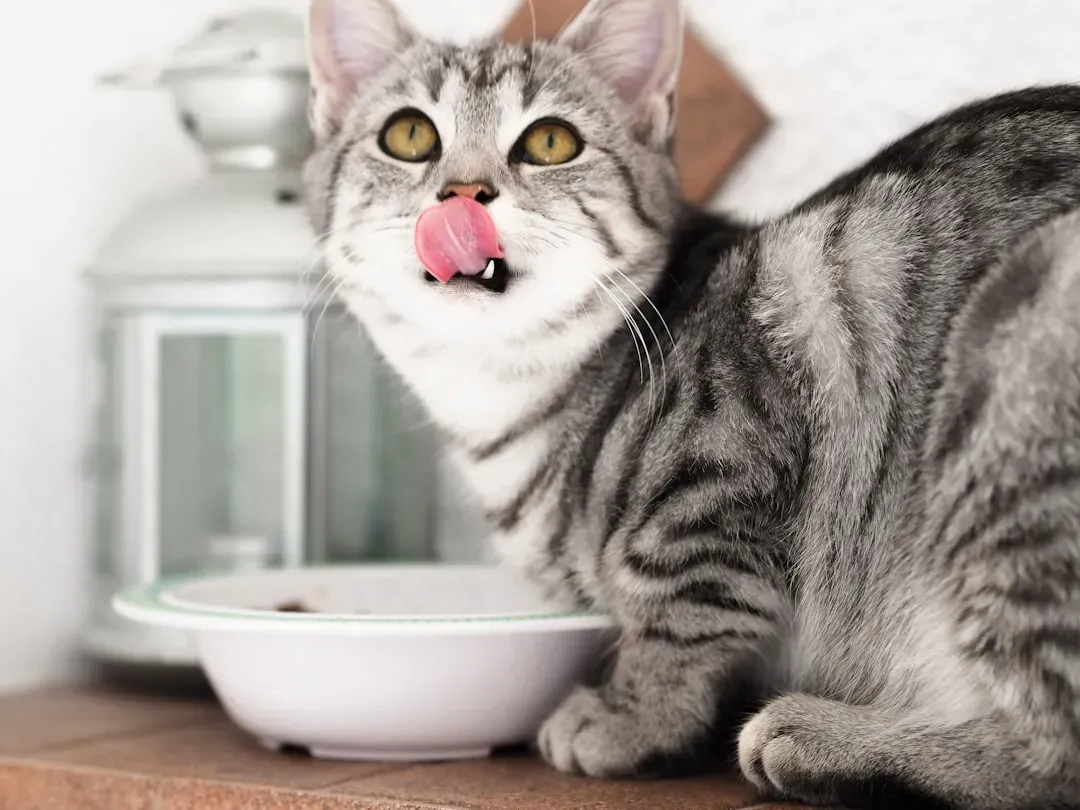
Schedule an appointment when your cat stops eating or drinking or consuming significantly less food than usual. Inappetence is usually one of the earliest warning signs that something is wrong. Your cat could have pain from periodontal disease, an injury, or an underlying illness. What makes this sign easy to miss is how gradual it often is. A few bites left in the bowl becomes half a bowl becomes an untouched meal.
If your cat previously ate quickly and enjoyed their food but now leaves the bowl untouched, they might be experiencing nausea, dental pain, or digestive issues. On the other hand, if you notice that your cat seems to be drinking an unusually large amount of water, this can indicate kidney disease, diabetes, or other health conditions. Even small shifts in appetite are worth noting. Cats don’t usually skip meals for no reason, so when they do, it’s better to be cautious than to dismiss it.
#3: Grooming Has Gone Off the Rails – in Either Direction
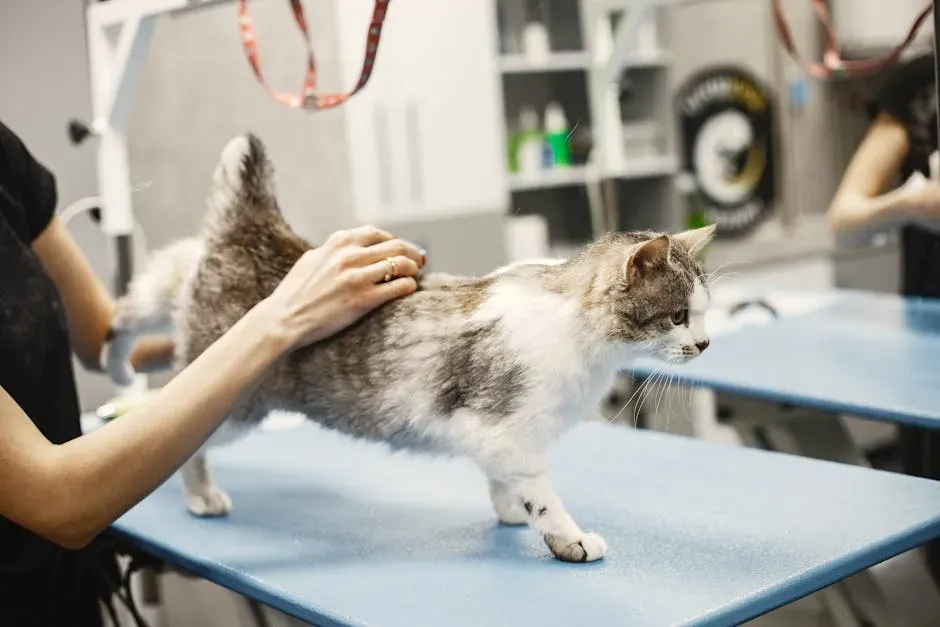
If you notice a change in your cat’s grooming habits, this could be a sign they’re in pain. Some cats will overgroom a specific area – licking or chewing excessively due to pain – while others may neglect grooming altogether, leading to a dull or unkempt coat. Both extremes are telling. A cat that’s compulsively licking one spot on their leg or belly isn’t being quirky – they’re responding to something that hurts.
Overgrooming often targets one painful area, such as a leg, lower belly, or tail base. Bald patches may appear. On the other hand, under-grooming suggests discomfort makes grooming too difficult or painful. A greasy, matted coat is a common sign in cats suffering from arthritis, obesity-related pain, dental pain, or systemic illness. A cat that once spent hours preening and now looks unkempt isn’t being lazy. Their body is simply making other priorities.
#4: Something in Their Face Has Changed
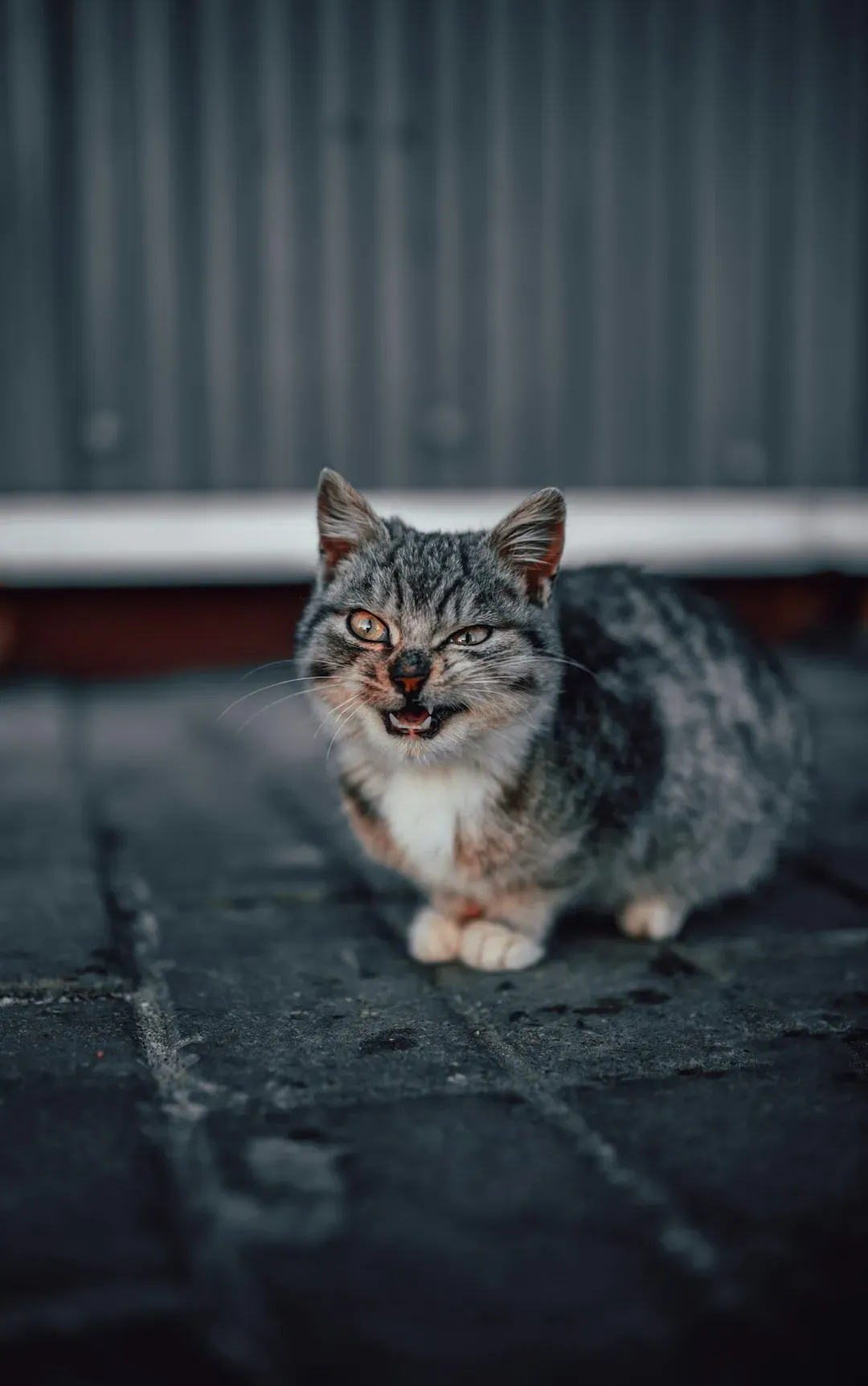
Veterinarians rely on what’s called the feline grimace scale (FGS), which helps them determine whether a cat is in pain or discomfort. Developed by researchers at the University of Montreal, the FGS measures key facial features, including ear position – normally, a cat’s ears are upright and forward-facing. Ears that are flattened, turned outward, or pulled back may indicate discomfort. This tool exists because cats’ faces do shift under pain – just not in ways most of us are trained to notice.
Relaxed cats have open or gently squinted eyes. Partially closed, squinted, or tightly shut eyes can be a sign of pain. A pain-free cat’s muzzle appears relaxed. A tense or “pinched” muzzle, where the nose and mouth look drawn in, may suggest distress. A comfortable cat holds their head upright and alert. A cat in pain may lower their head or tuck their chin toward the body. Taken individually, these might seem trivial. Together, they paint a picture worth taking to your vet.
#5: Their Litter Box Habits Have Shifted
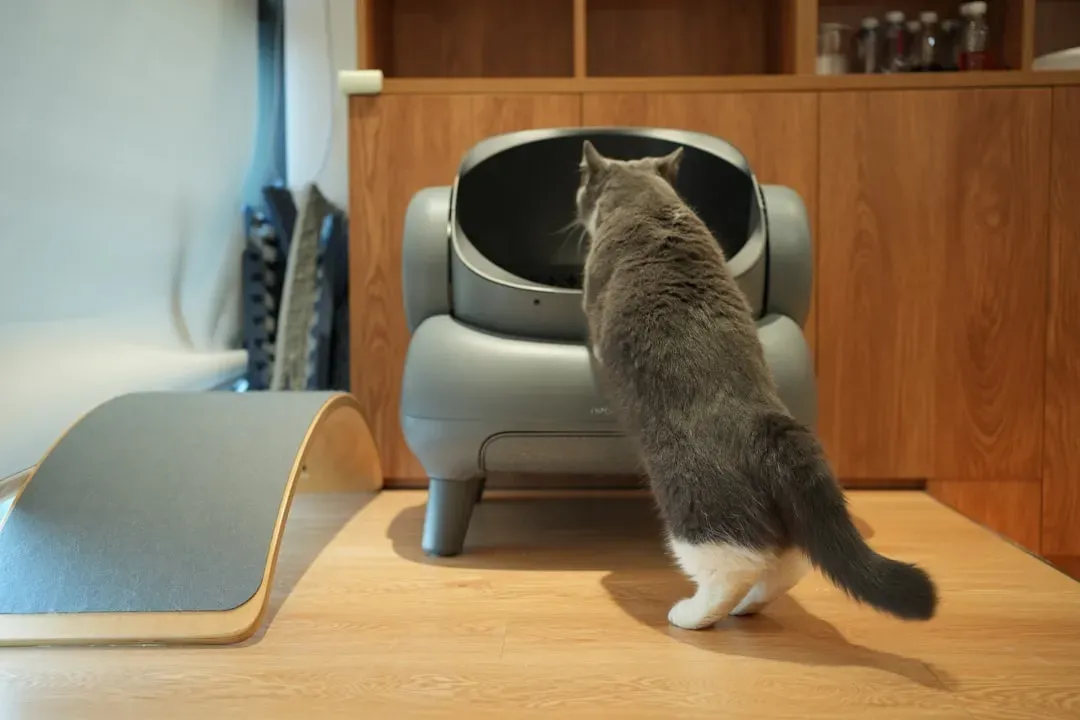
Cats are clean animals, and they very rarely stop using their litter boxes without a reason. If you have an adequate number of litter boxes in your home, keep them clean, and haven’t changed litters recently, changes in litter box habits warrant professional evaluation. It’s a sign that’s easy to write off as bad behavior – but that would be a costly mistake.
Many pet parents think litter box troubles are behavioral, but often, they’re health-related. A cat that strains, makes frequent trips with little to show for it, or begins urinating outside the box isn’t misbehaving – they’re sending a clear warning signal. Urinary tract infections, bladder stones, or urinary blockages can escalate quickly and may even become life-threatening if ignored. Male cats are especially vulnerable here, and what looks like a litter box complaint can become a medical emergency within hours.
#6: They’ve Stopped Jumping, Climbing, or Playing
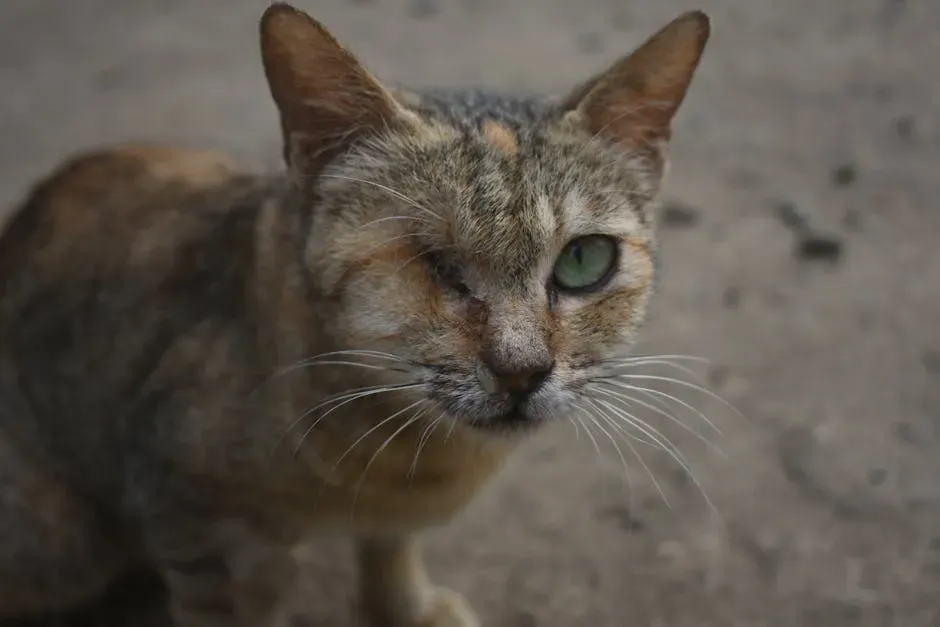
Injuries and joint pain often prevent cats from jumping up onto surfaces and going up and down stairs. If your feline friend is suddenly spending more of their time on the floor when they used to hop up on your bed, sofa, or kitchen counter, don’t mistake this as a simple sign that your cat is getting older. This is one of the most commonly dismissed signs there is, and it deserves much more attention than it typically gets.
Arthritis is vastly underdiagnosed in cats because symptoms progress slowly and subtly. Cats may stop jumping onto high surfaces or hesitate before climbing stairs. You’ll often notice changes in energy. A cat that used to sprint across the room or climb furniture may suddenly move less, hesitate before jumping, or spend more time resting in low places. These subtle changes are often easier to miss than an obvious limp, but they can speak volumes about joint pain, arthritis, or other internal health problems.
#7: Their Personality Has Taken a Sharp Turn
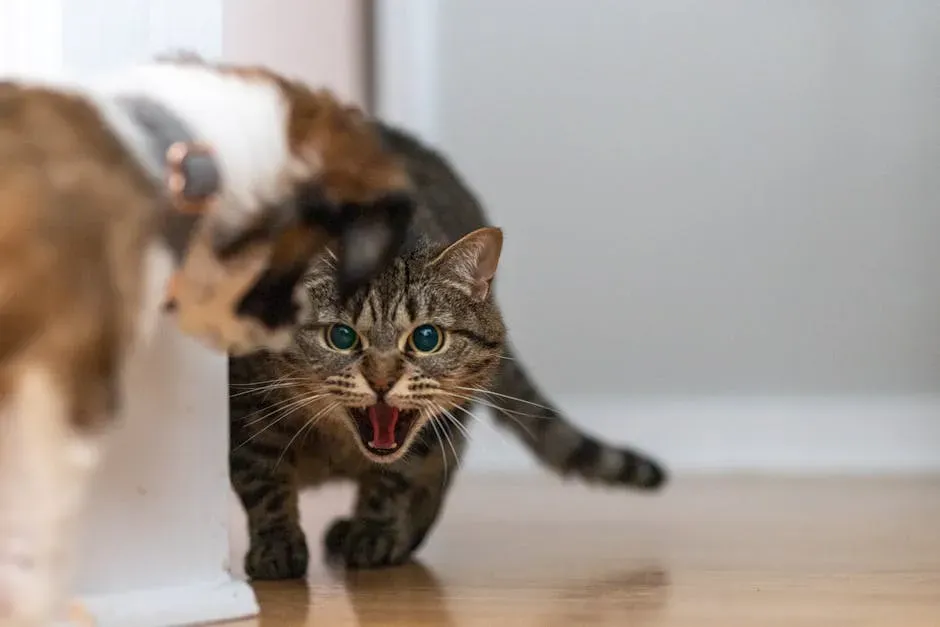
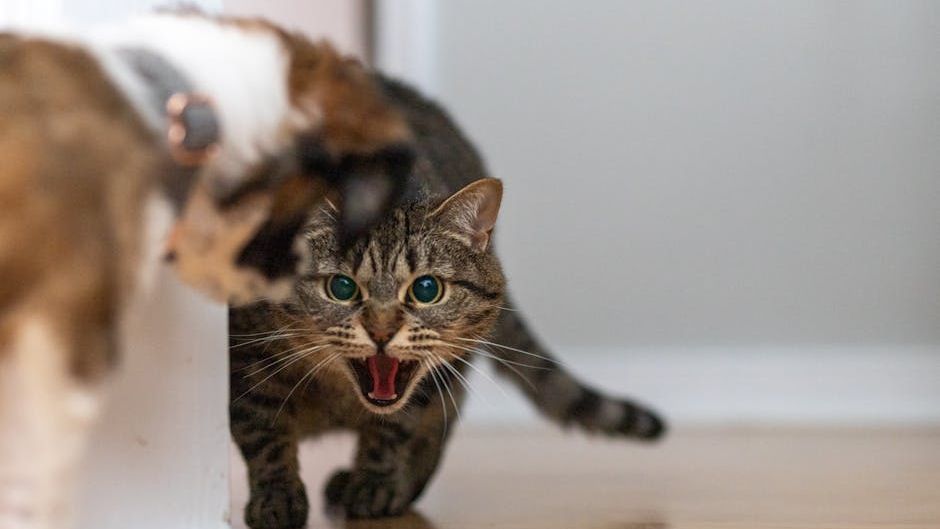
A normally gentle cat that hisses, growls, or swats unexpectedly may be in pain. Cats often respond defensively when they fear touch will hurt them. If aggression appears seemingly out of nowhere, discomfort is a likely cause. It’s hard not to take it personally when your affectionate cat suddenly swats your hand away. Try not to. What reads as attitude is almost always a distress signal.
It is crucial to remember that cats do not exhibit behavioral changes out of spite – all significant behavioral changes in cats are frequently linked to a medical or pain issue. A lap cat who suddenly can’t stand being held may be experiencing pain when they are touched or petted. Any of these changes in their usual personality and preferences may be signs of a medical issue. When someone you love changes without explanation, you investigate. Your cat deserves no less.
#8: Their Vocalizations Have Changed – or Gone Completely Silent
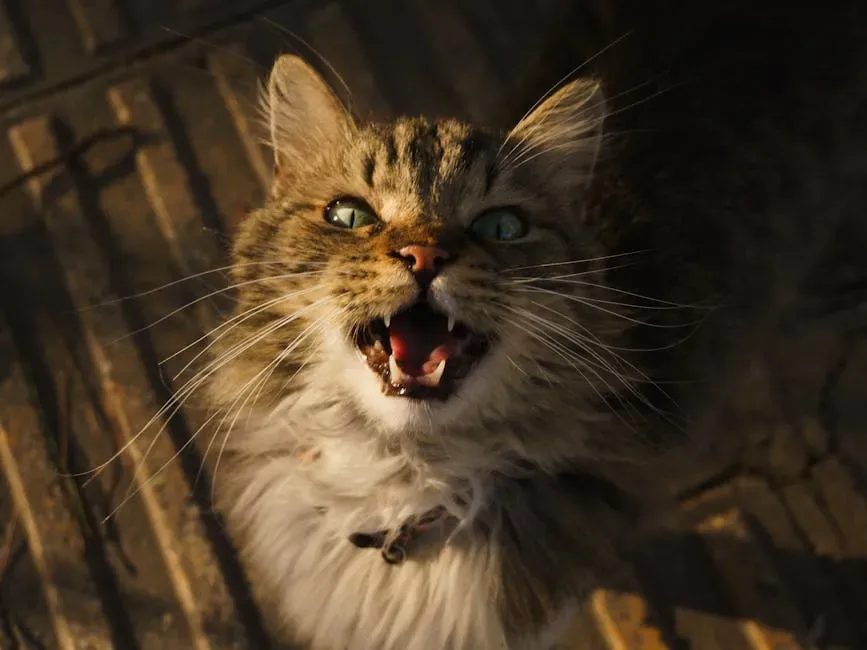
Most of us know that a hissing or growling cat is an unhappy cat, but did you know that meows and purrs can also be signs of a cat in pain? Purring is usually thought of as a sign of contentment, but some cats purr when they are frightened or hurting. That quiet, steady purr while they’re tucked away in a corner? It may not be peaceful. It may be self-soothing.
Cats often remain silent even when suffering, but some will meow more often or produce lower, grumbling vocalizations. Conversely, a usually talkative cat may go quiet. Increased vocalisation – such as excessive meowing, yowling, or even purring, which can be a self-soothing mechanism – may also indicate distress. Some cats may become unusually quiet, which can be just as concerning as increased vocalisation. In both directions, a change from your cat’s vocal baseline is worth paying attention to.
What You Should Do If You Notice These Signs
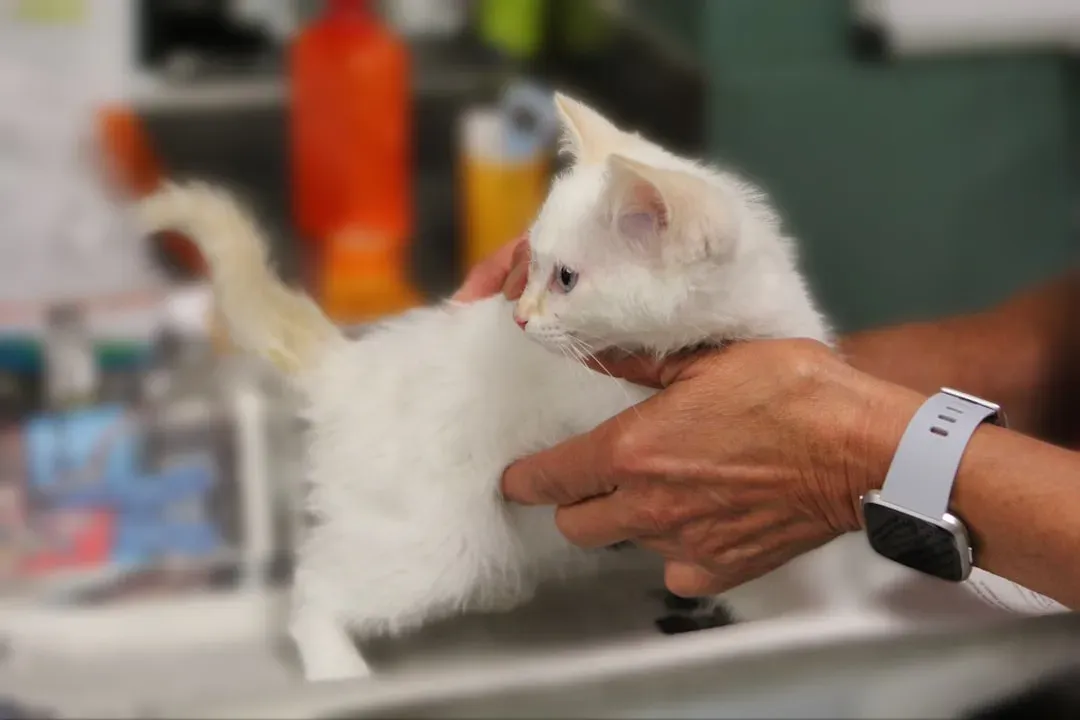
If you notice any of these signs, particularly if combined with fever or lethargy, do not delay. Schedule an appointment with your veterinarian right away for a full physical exam and blood work. Early diagnosis and pain management are vital to maintaining your cat’s comfort and quality of life. This is not the moment to wait and see. Your instinct that something is off is worth acting on.
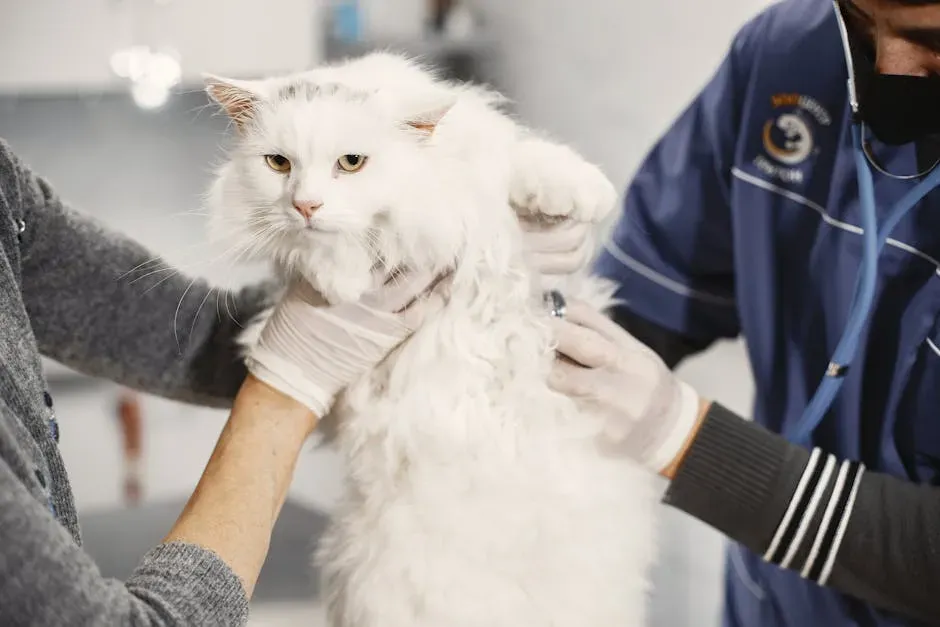
Never administer human medications including aspirin, ibuprofen, or acetaminophen to cats. These substances are highly toxic and potentially fatal to felines. Only use veterinarian-prescribed medications. Regular veterinary check-ups – at least annually, and twice yearly for senior cats over 7 years – allow for early detection of arthritis, dental disease, or other conditions before severe pain develops.
A Final Thought Worth Sitting With
Cats have spent thousands of years perfecting the art of appearing fine. That’s not a flaw in them – it’s a survival strategy so effective that it persists even in the comfort of a warm living room. The problem is that it puts the entire burden of recognition on us, the people who love them.
Watching for these eight signs isn’t about becoming an anxious, over-monitoring pet parent. It’s about being fluent in a language your cat has no other way of speaking. They can’t tell you they’re hurting. They’re relying on you to notice. And the truth is – now that you know what to look for – you will.